
Property Types We Roof
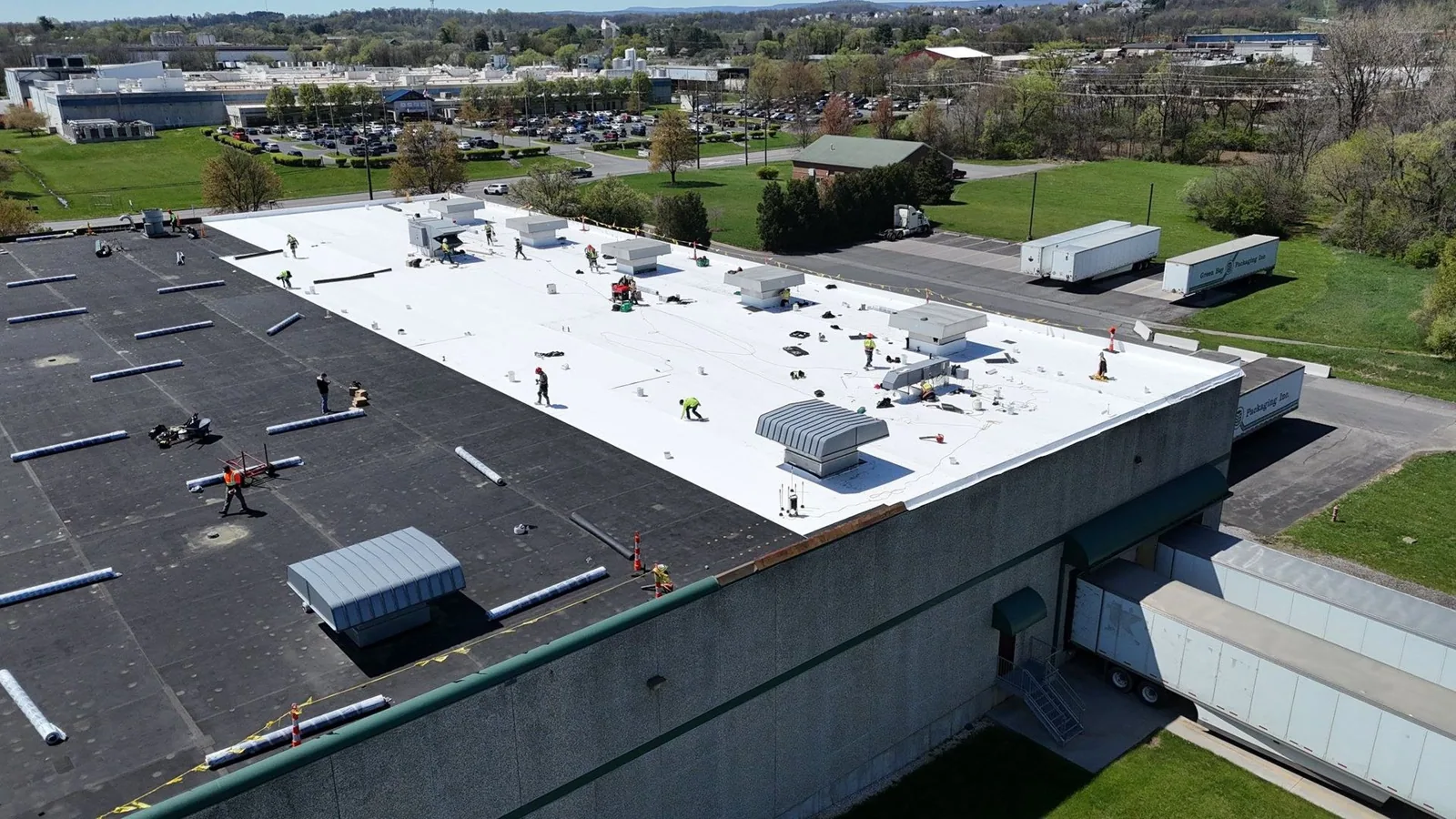
Warehouse Roofing
Repair, inspect, or replace warehouse roofs in Stamford with attention to drains, loading areas, rooftop equipment, membrane condition, and safe work access.
Learn moreA warehouse roof and a mixed-use building can share a membrane but not the same work plan. In Stamford, CT, we start with the roof assembly, the rooms below and the way the property operates. Downtown and the South End are mapped as higher-intensity mixed-use areas; flexible-industrial space may combine production, distribution and ancillary office use. Those patterns help frame a roof walk, not assume the construction. Warehouse roofing and office-building roofing require an inspection of the actual property.
Property Types We Roof
Repair, inspect, or replace warehouse roofs in Stamford with attention to drains, loading areas, rooftop equipment, membrane condition, and safe work access.
Learn more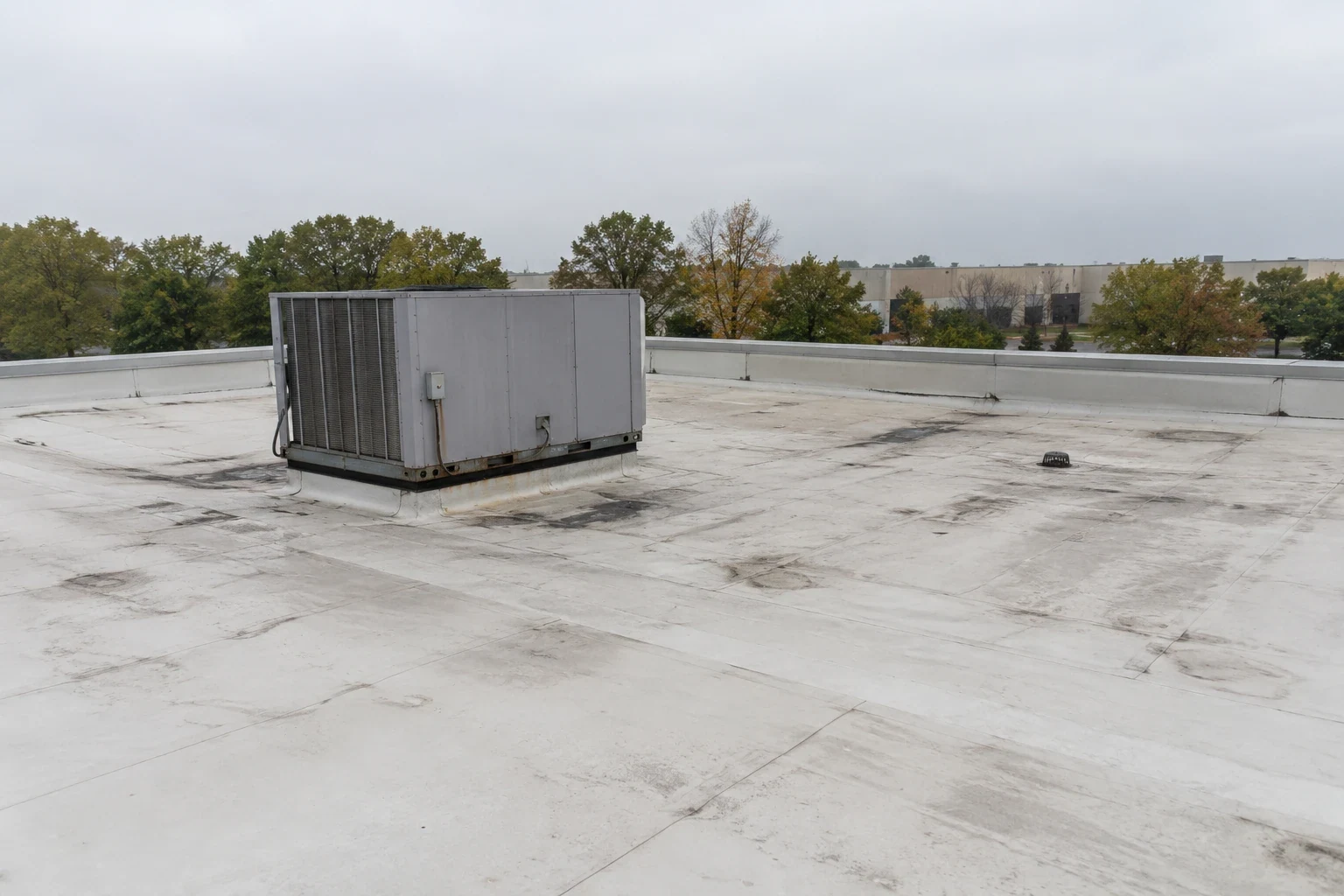
Property Types We Roof
Plan roof repair, recovery, or replacement for Stamford distribution buildings with attention to dock access, drainage, equipment curbs, and live operations.
Learn more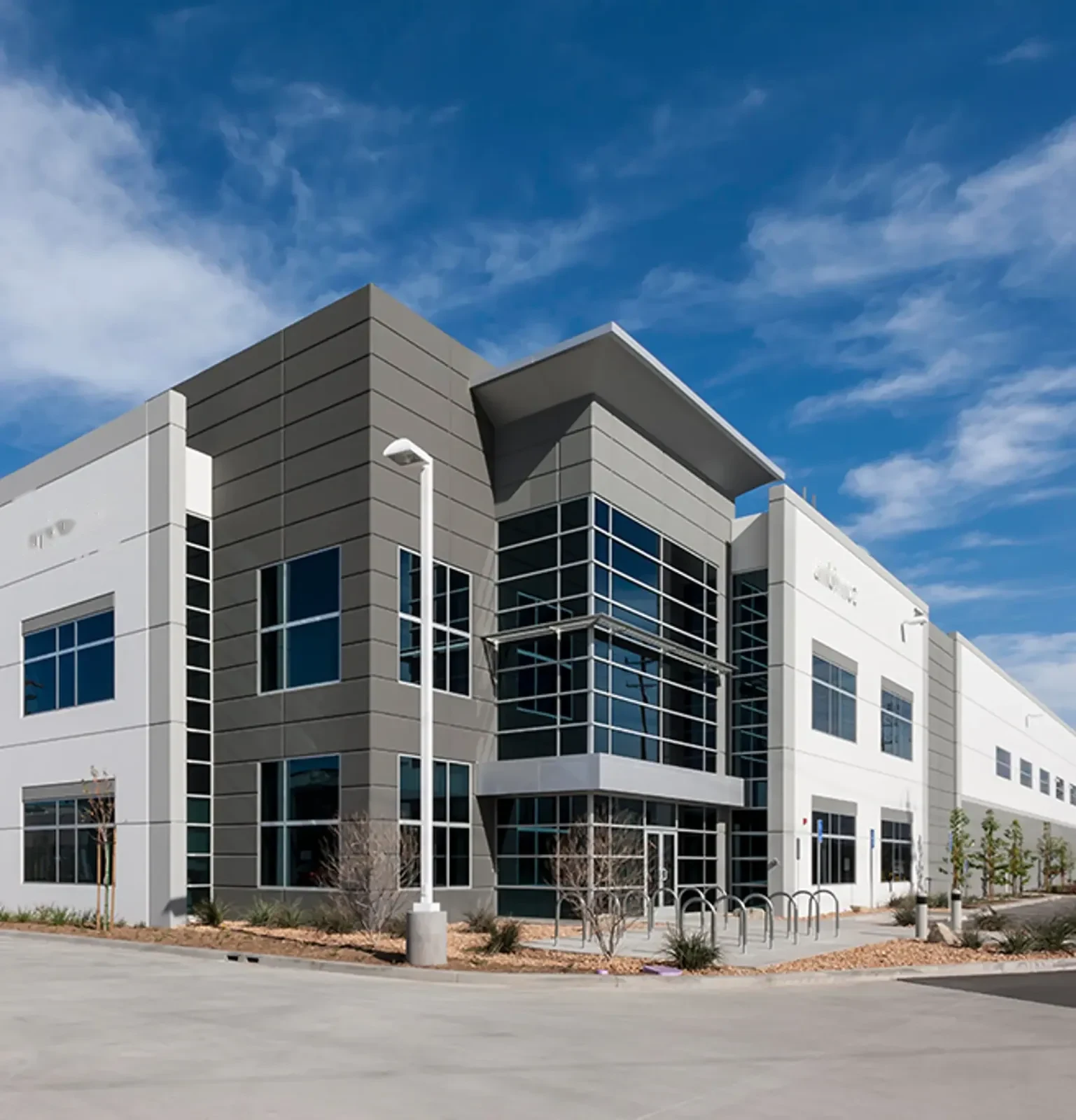
Property Types We Roof
Address leaks, aging membranes, and roof transitions on Stamford manufacturing properties with defined work limits and production-aware sequencing.
Learn more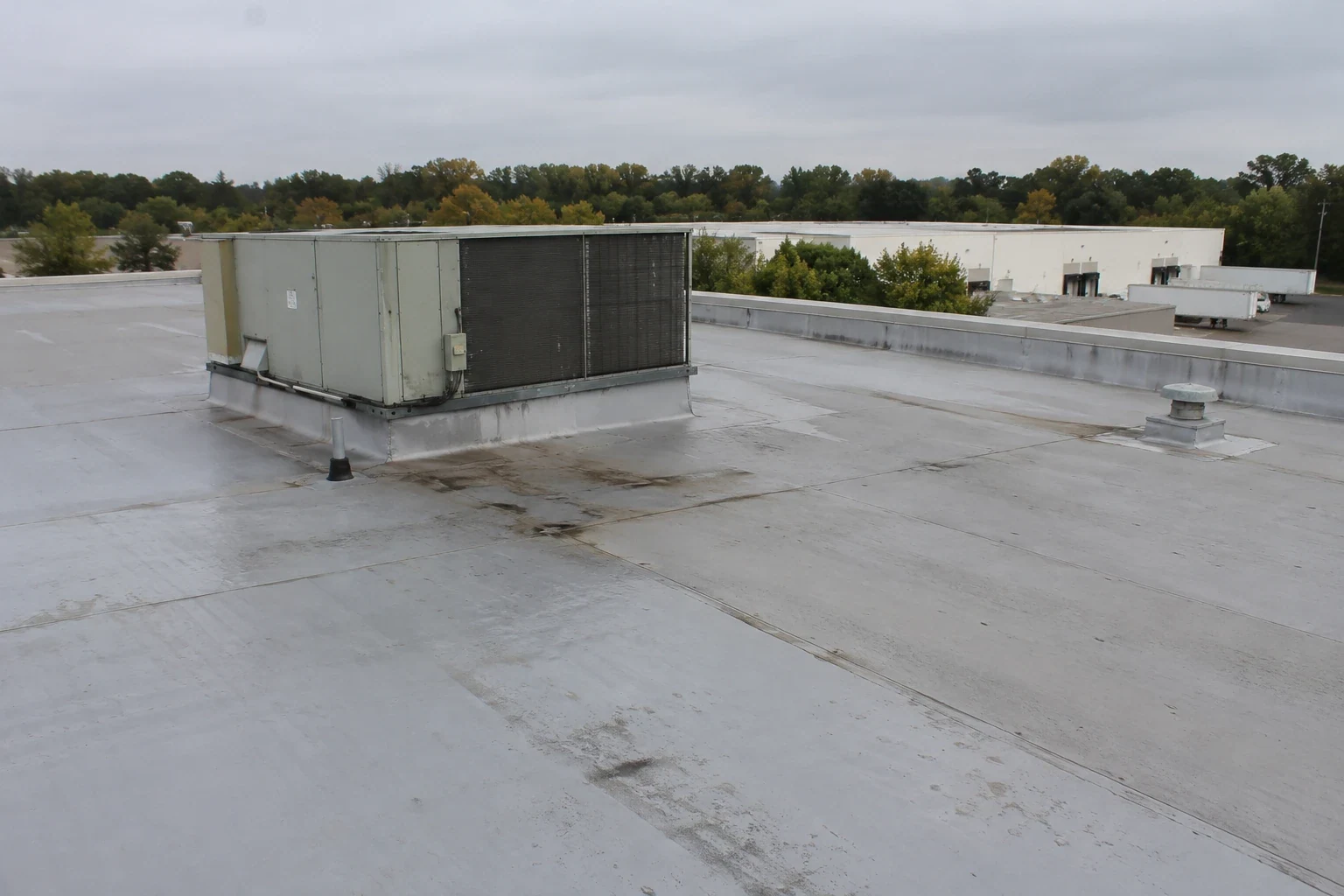
Property Types We Roof
Inspect and repair Stamford cold-storage roofs with attention to vapor control, curb flashing, drains, insulation, and careful work sequencing.
Learn more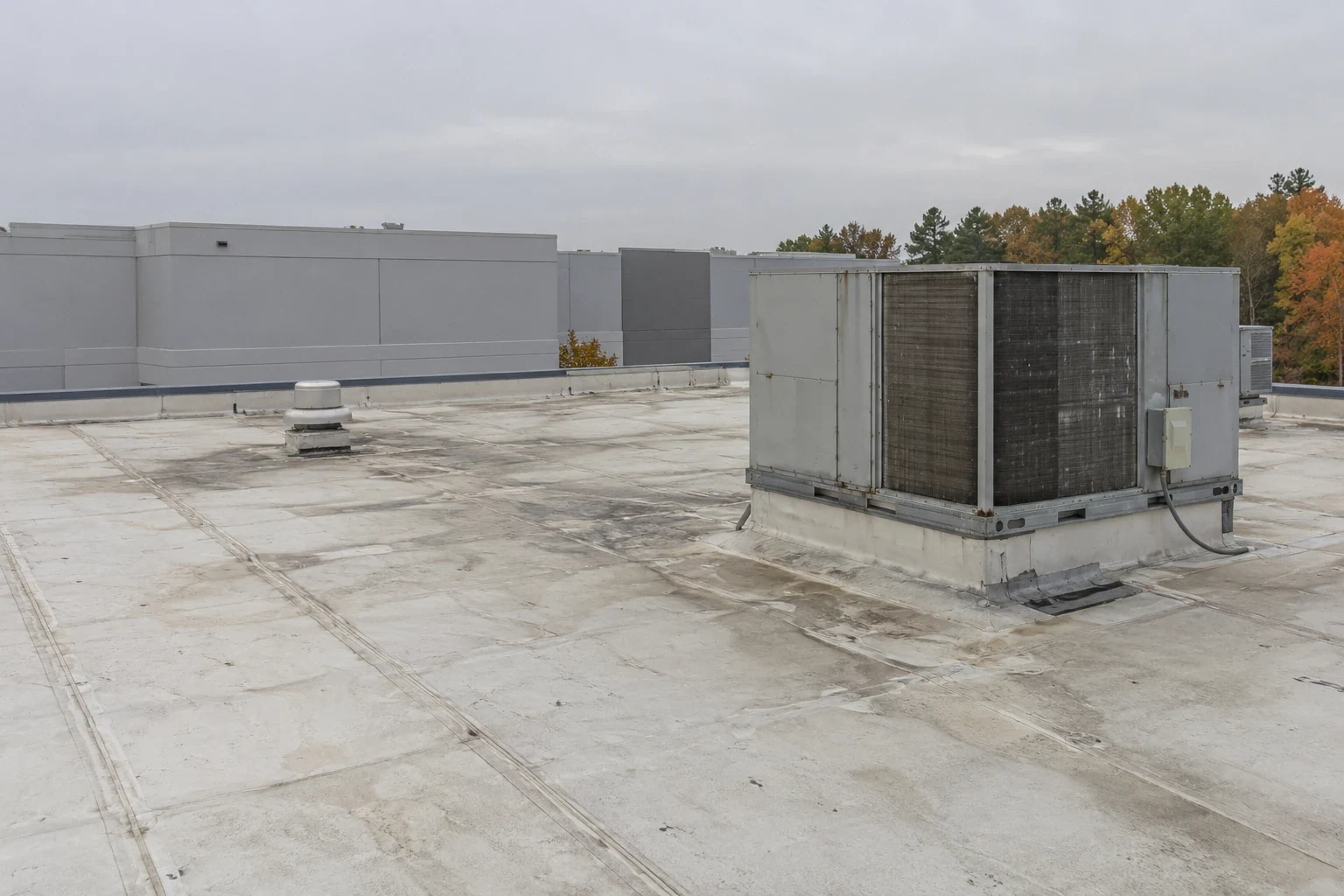
Property Types We Roof
Evaluate Stamford data-center roofs for leaks, curb failures, drainage, and system replacement while protecting equipment access and operations.
Learn more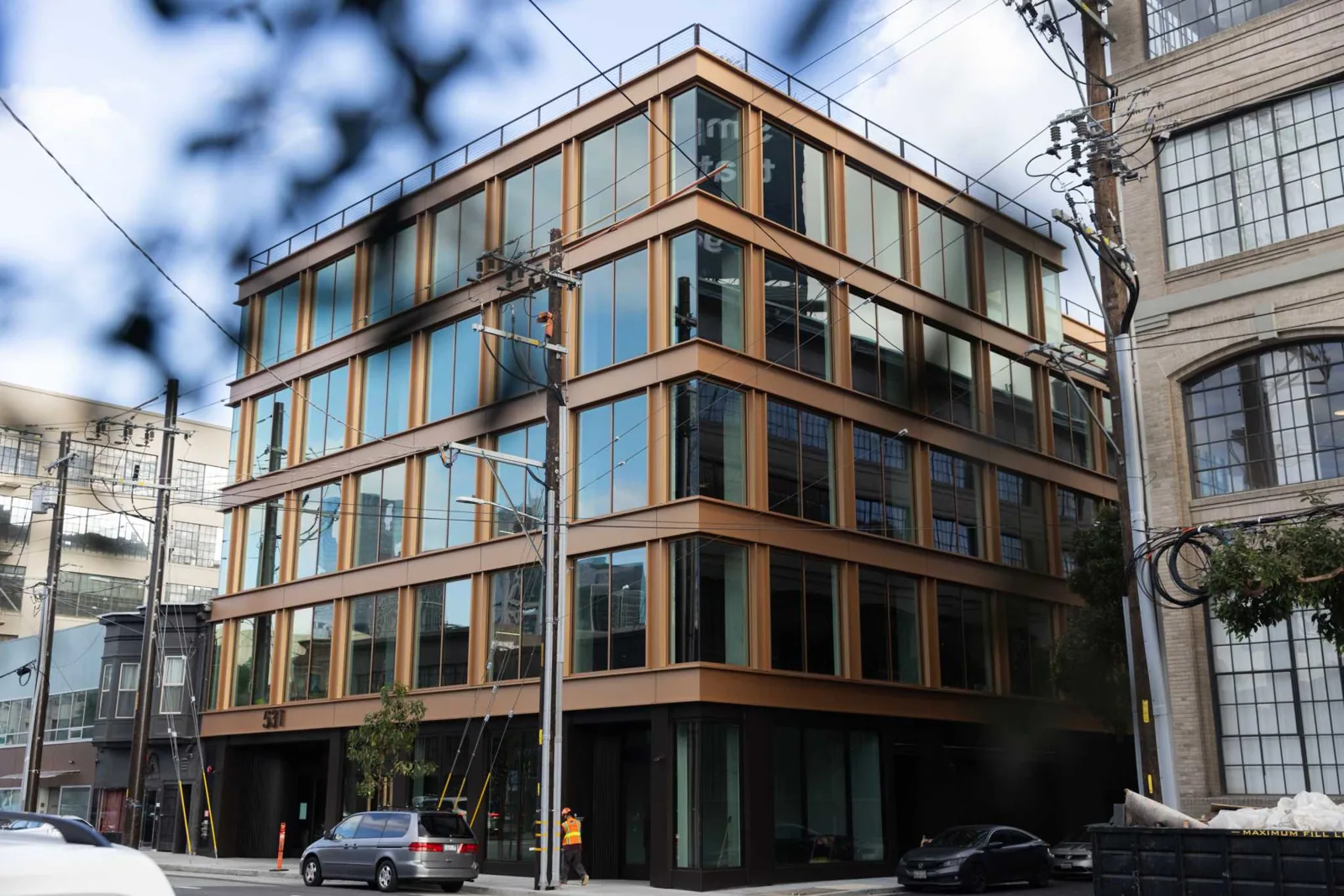
Property Types We Roof
Repair and replace office roofs in Stamford with clear access planning, attention to occupied suites, drainage, membrane details, and equipment curbs.
Learn more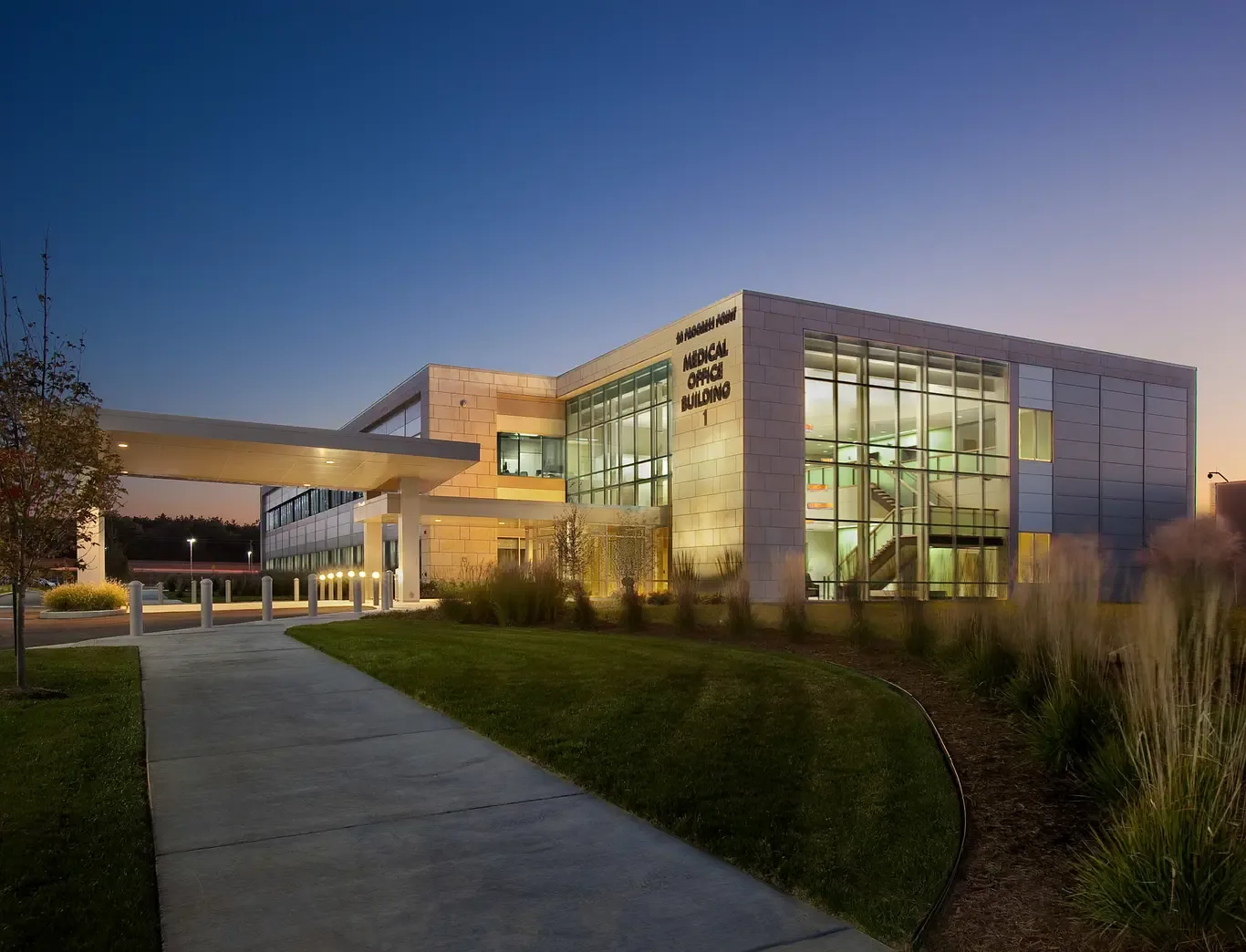
Property Types We Roof
Plan roof repair for Stamford medical offices with attention to occupied suites, equipment curbs, drainage, interior protection, and clear work limits.
Learn more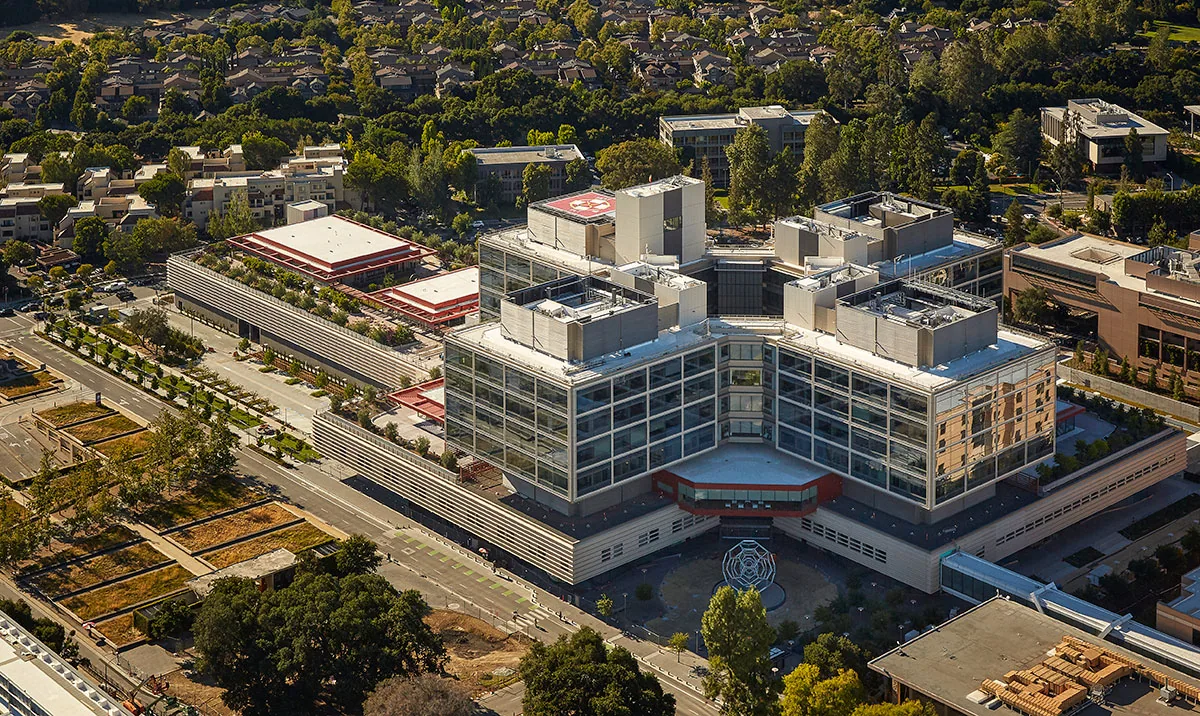
Property Types We Roof
Manage hospital roof repair in Stamford with clear access controls, protected occupied areas, detailed leak tracing, and phased system work.
Learn more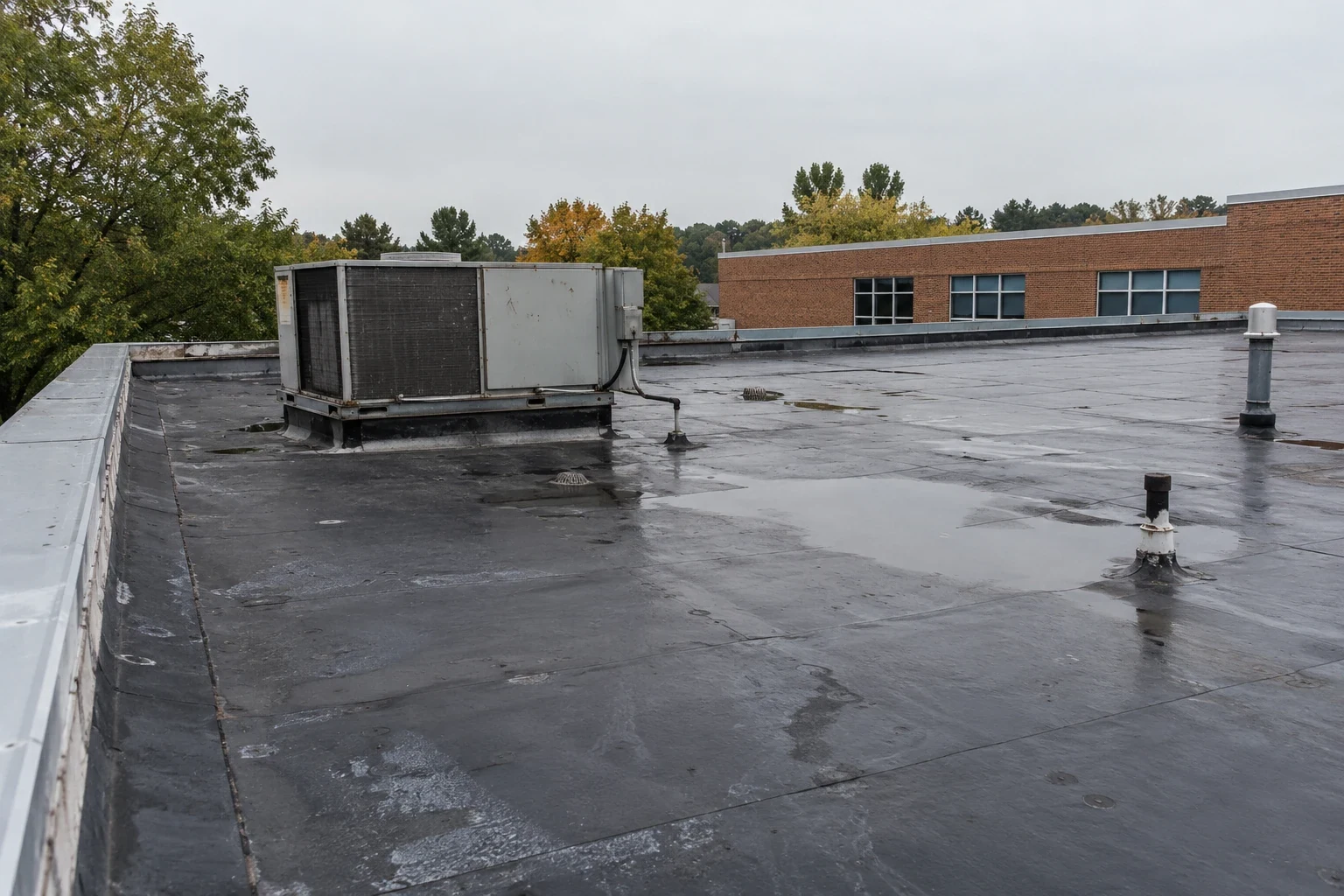
Property Types We Roof
Repair and inspect school roofs in Stamford with attention to classroom leaks, roof drains, flashing, safe access, and work scheduled around school use.
Learn more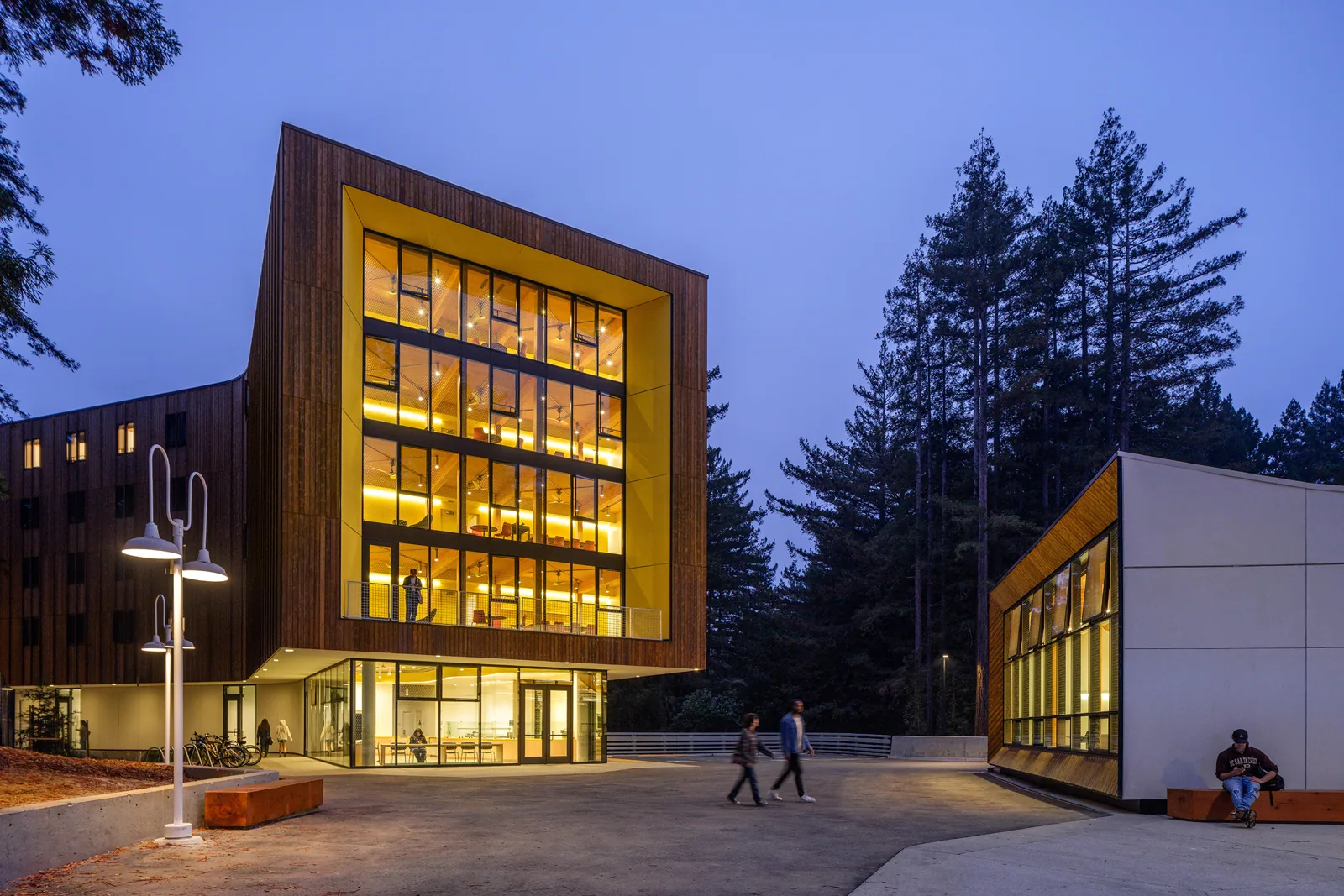
Property Types We Roof
Plan college and university roof repair in Stamford with clear building zones, access coordination, leak tracing, drainage checks, and phased work scopes.
Learn more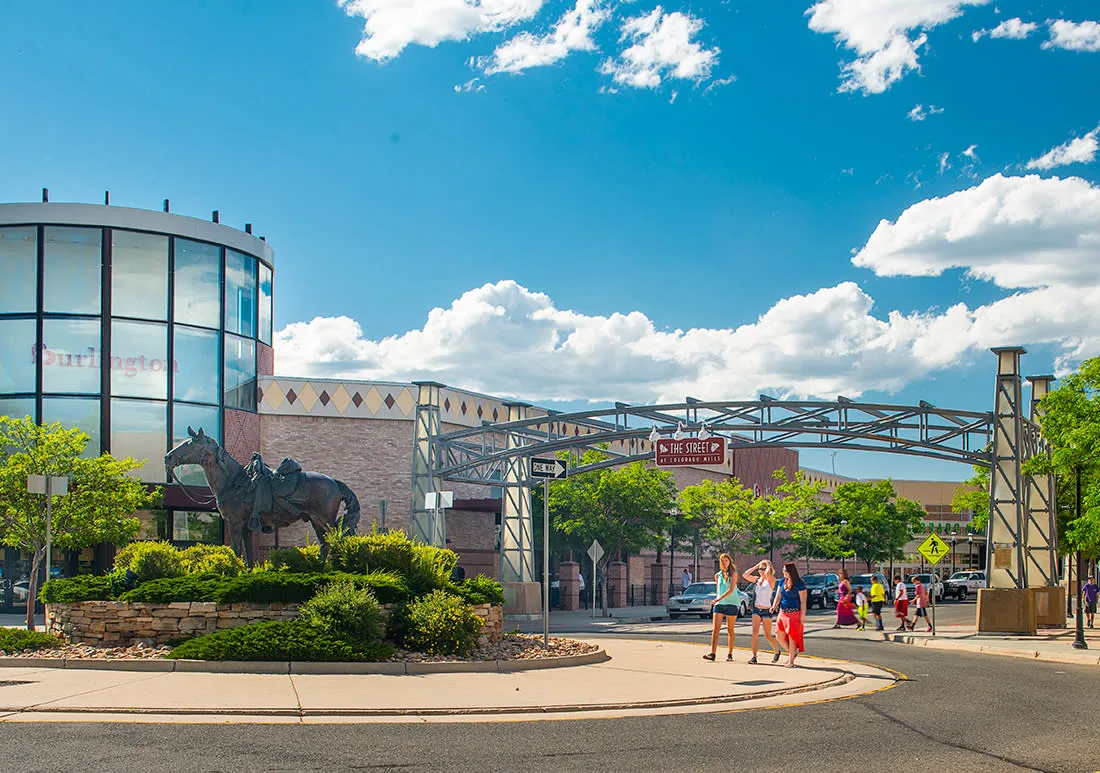
Property Types We Roof
Resolve shopping-center roof leaks in Stamford with tenant-aware phasing, drain and curb checks, repair boundaries, and clear closeout records.
Learn more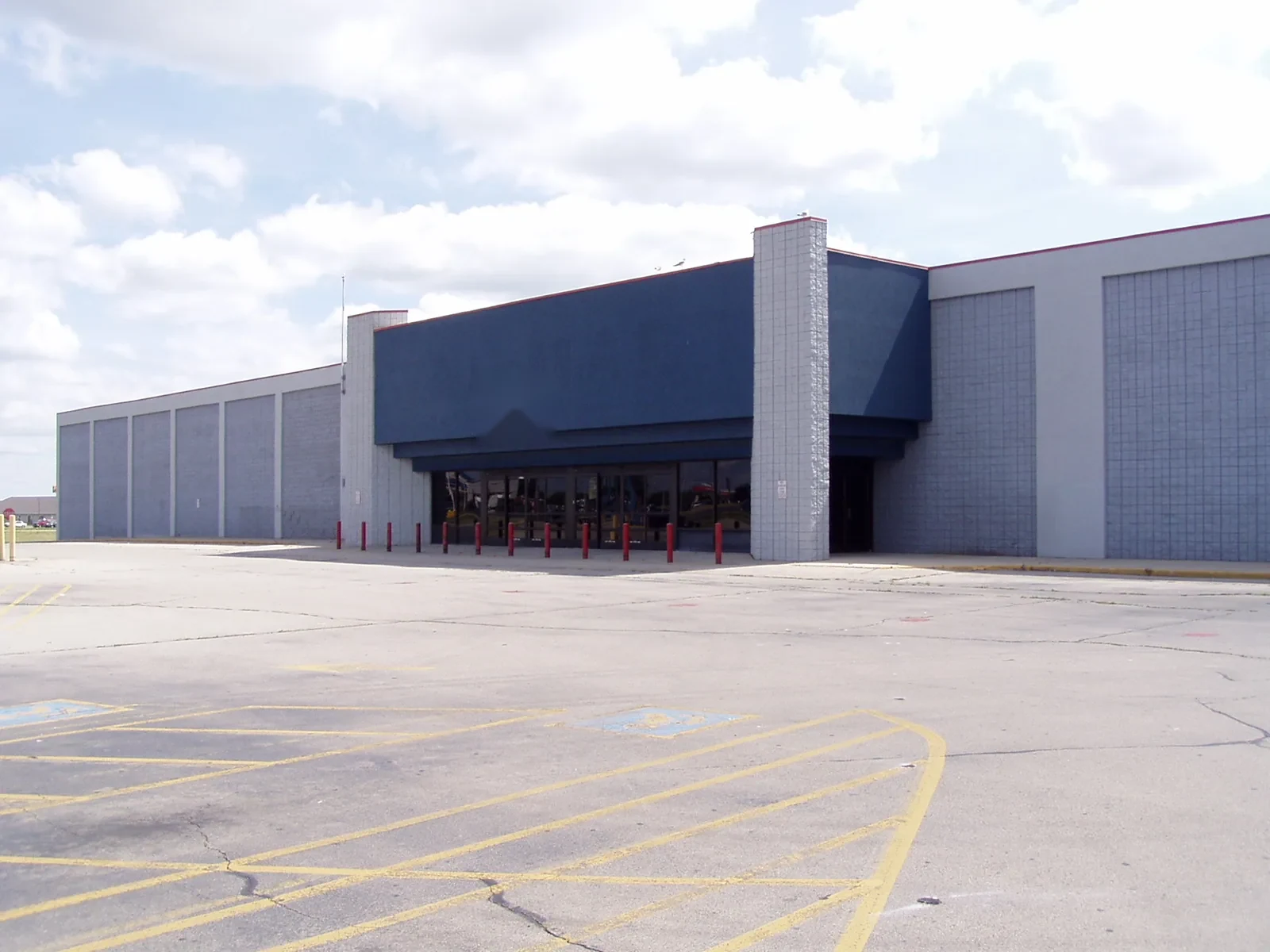
Property Types We Roof
Inspect big-box retail roofs in Stamford with attention to broad membrane fields, loading access, drainage, equipment curbs, and phased work plans.
Learn more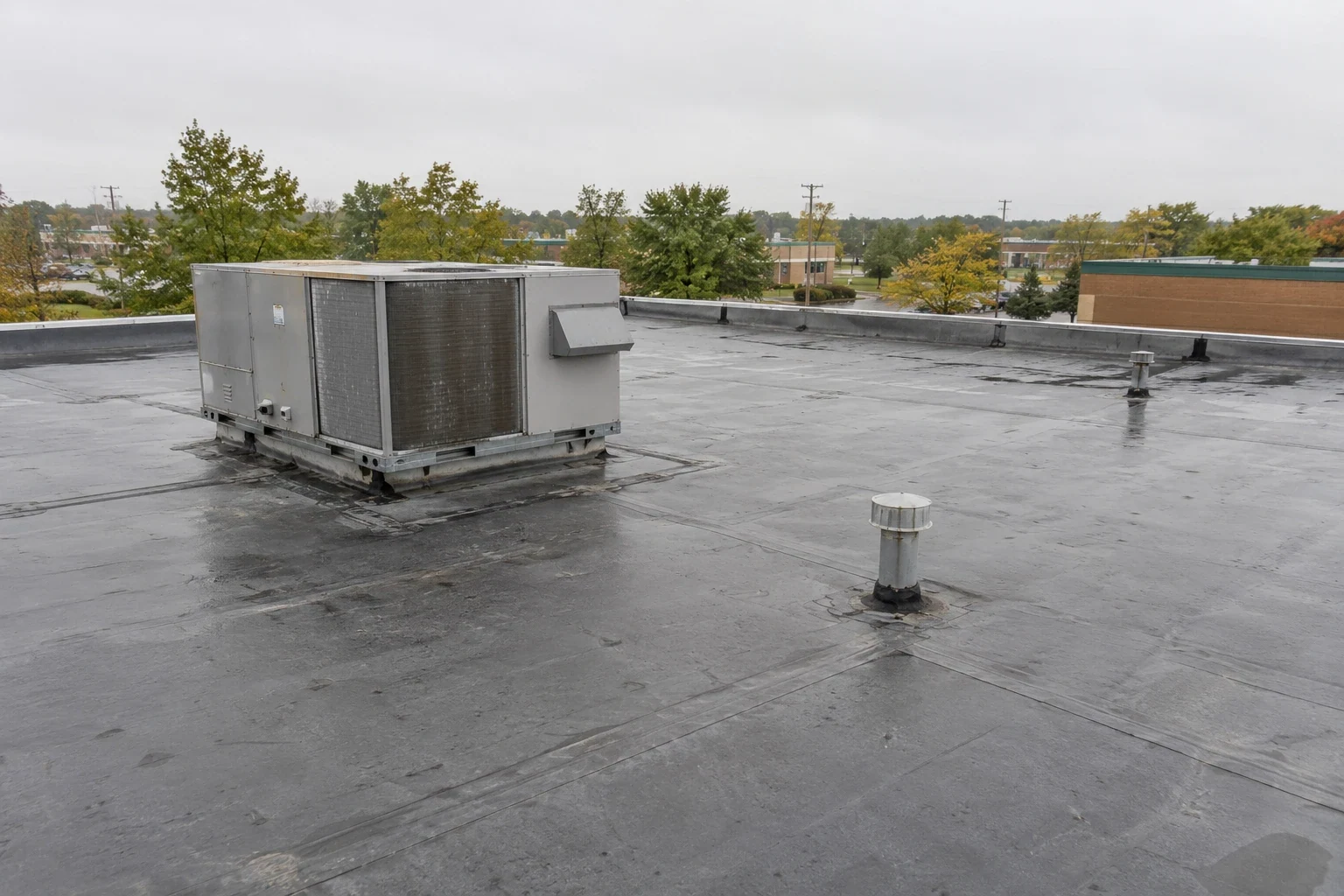
Property Types We Roof
Repair grocery-store roofs in Stamford with close attention to refrigeration curbs, drain paths, delivery access, interior protection, and phased work.
Learn more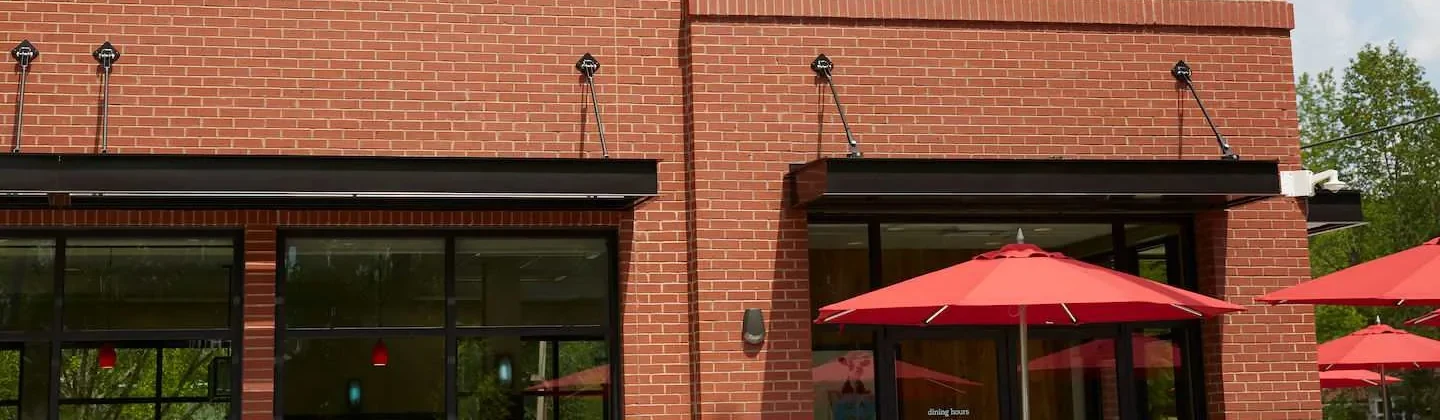
Property Types We Roof
Address restaurant roof leaks in Stamford with careful exhaust-curb inspection, drainage review, kitchen access coordination, and clear repair limits.
Learn more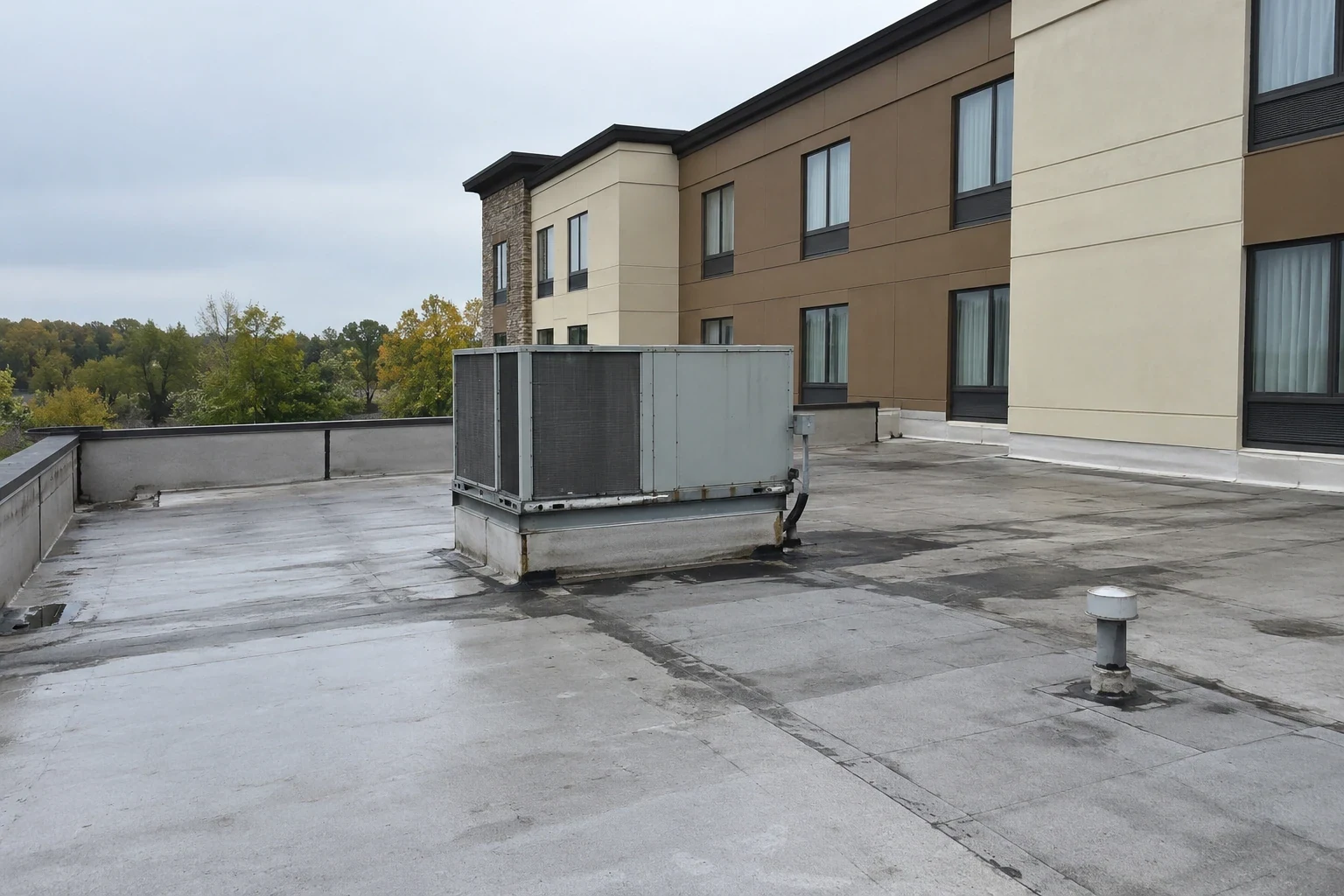
Property Types We Roof
Inspect and repair hotel roofs in Stamford with attention to guest-area protection, mechanical curbs, drainage, leak tracing, and phased work limits.
Learn more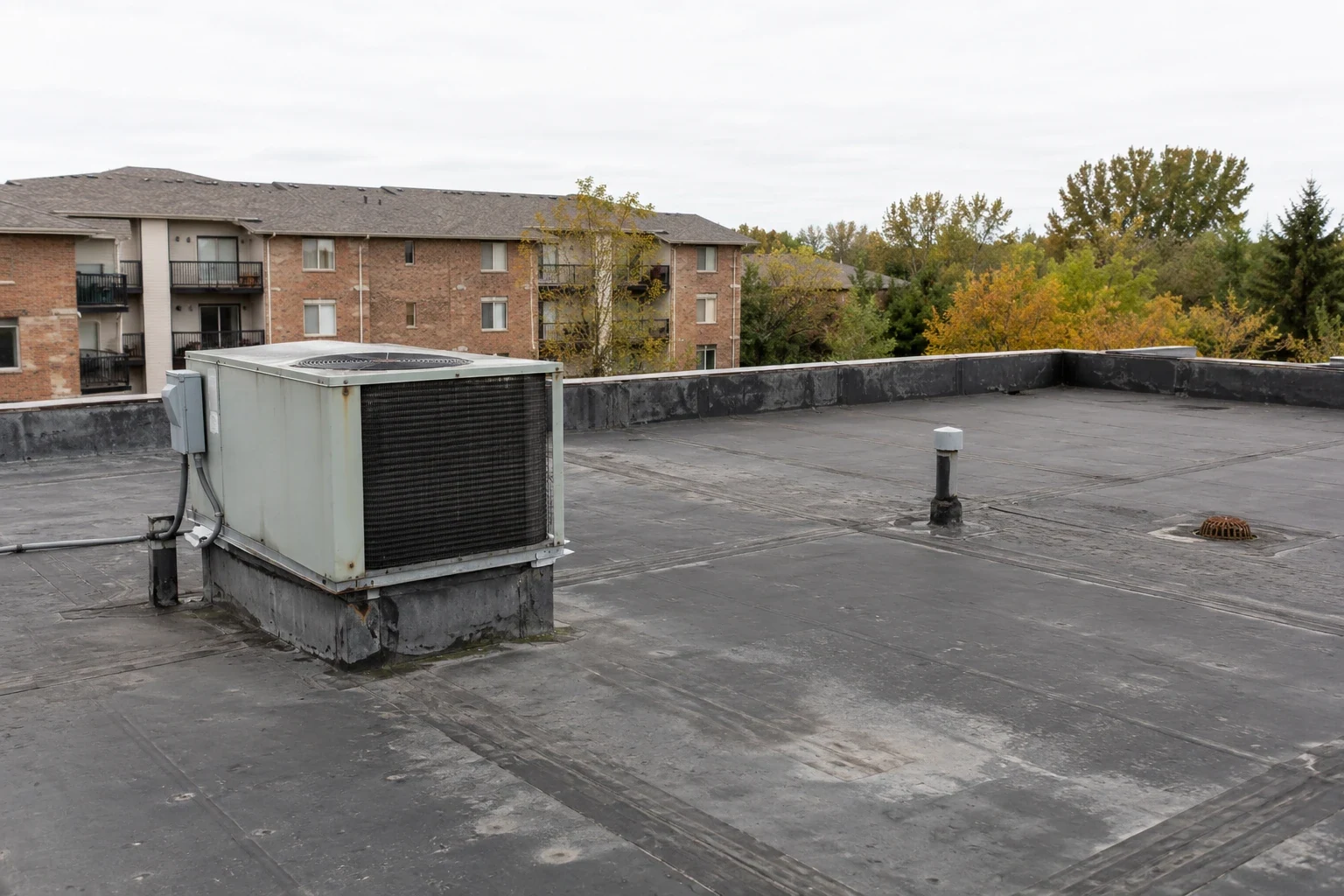
Property Types We Roof
Repair apartment and multifamily roofs in Stamford with clear leak tracing, resident-area protection, drain checks, and documented work phases.
Learn more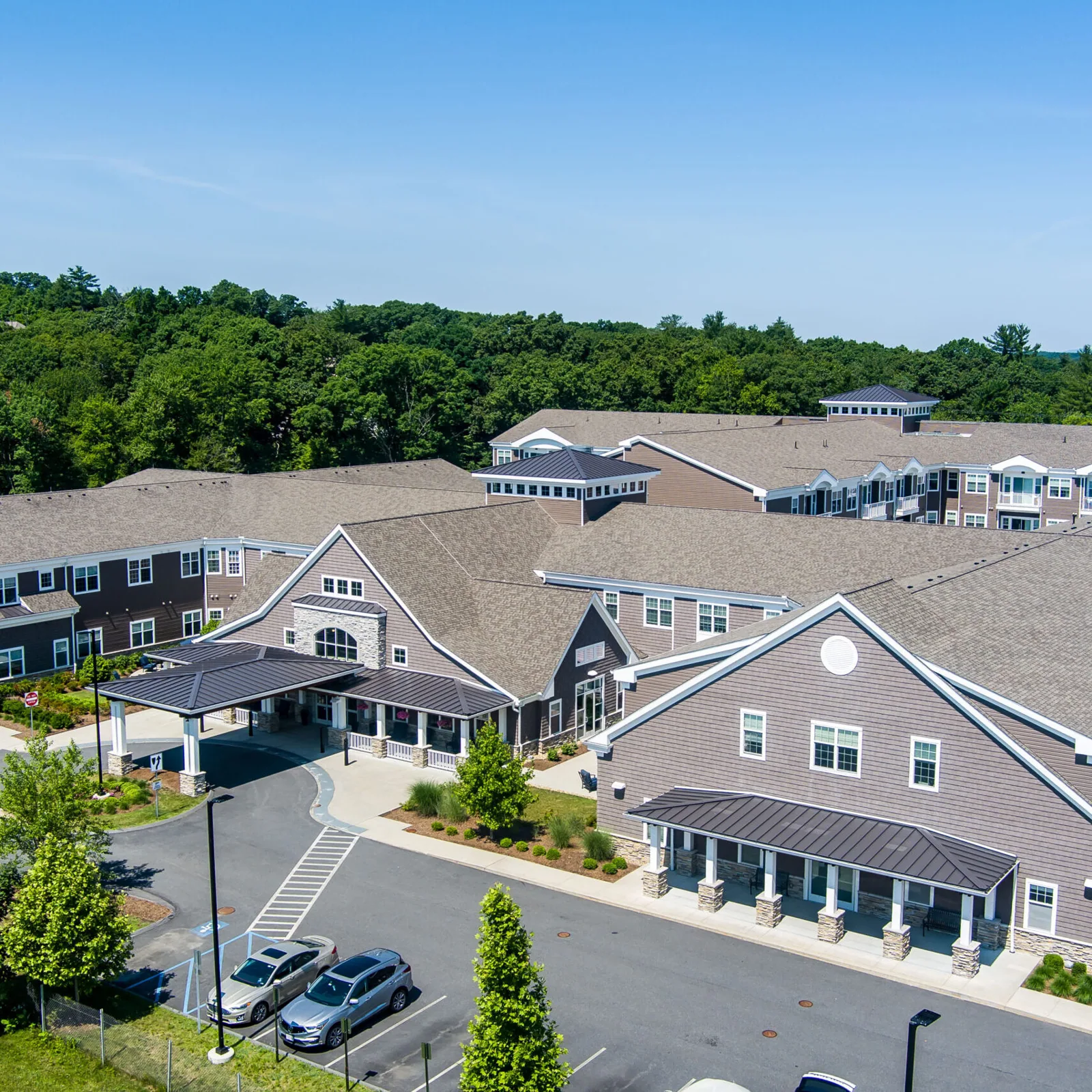
Property Types We Roof
Plan senior living roof repairs in Stamford around resident routes, dining, care areas, drainage, and clear daily closeout records for each roof zone.
Learn more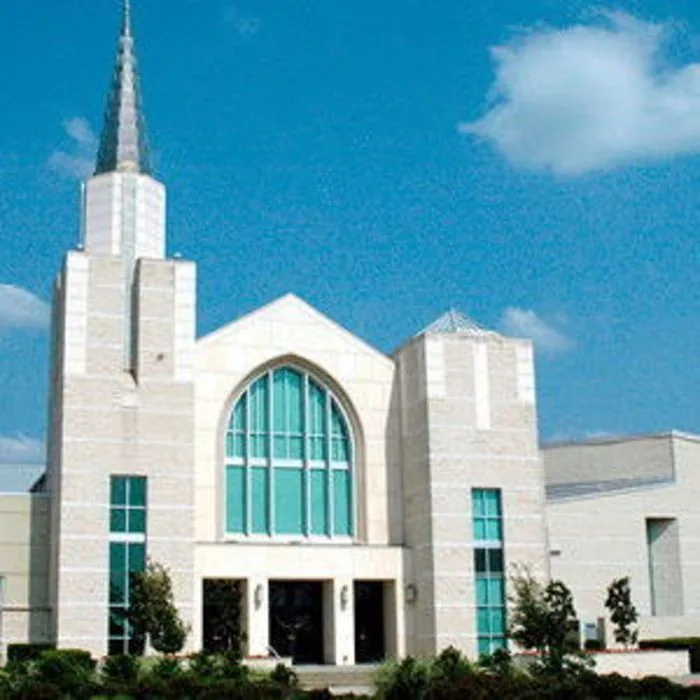
Property Types We Roof
Repair church roofs in Stamford by tracing sanctuary leaks, reviewing steeple and roof transitions, and planning work around services and public access.
Learn more
Property Types We Roof
Scope municipal roof repairs in Stamford around public entrances, records, mechanical equipment, drainage, and clearly defined phases for occupied buildings.
Learn more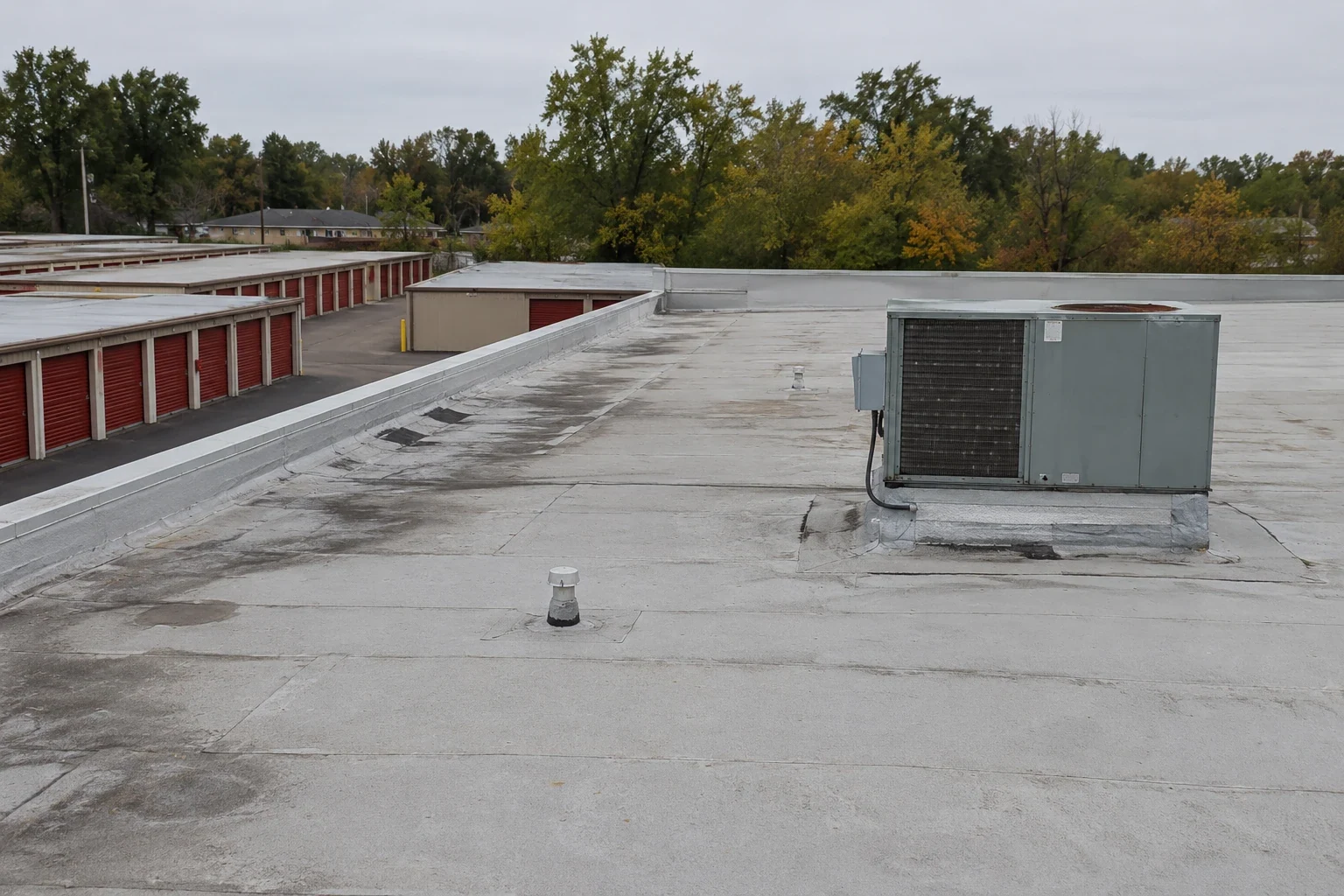
Property Types We Roof
Repair self-storage roofs in Stamford by tracing leaks across long bays, checking drains and metal edges, and keeping customer access routes defined.
Learn more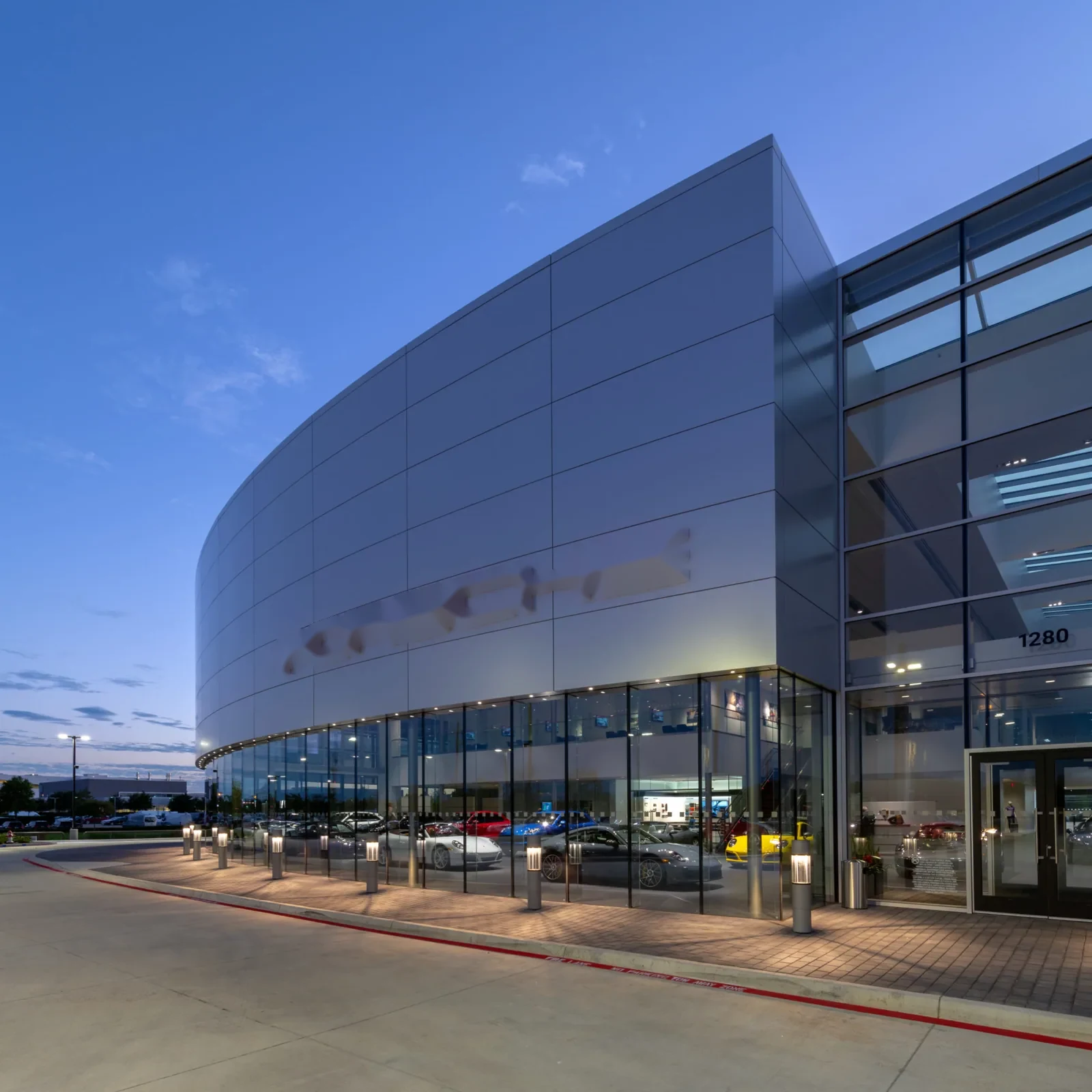
Property Types We Roof
Inspect Stamford dealership roofs for leaks, curb flashing, drainage, and metal-edge wear while planning around showroom access and service operations.
Learn more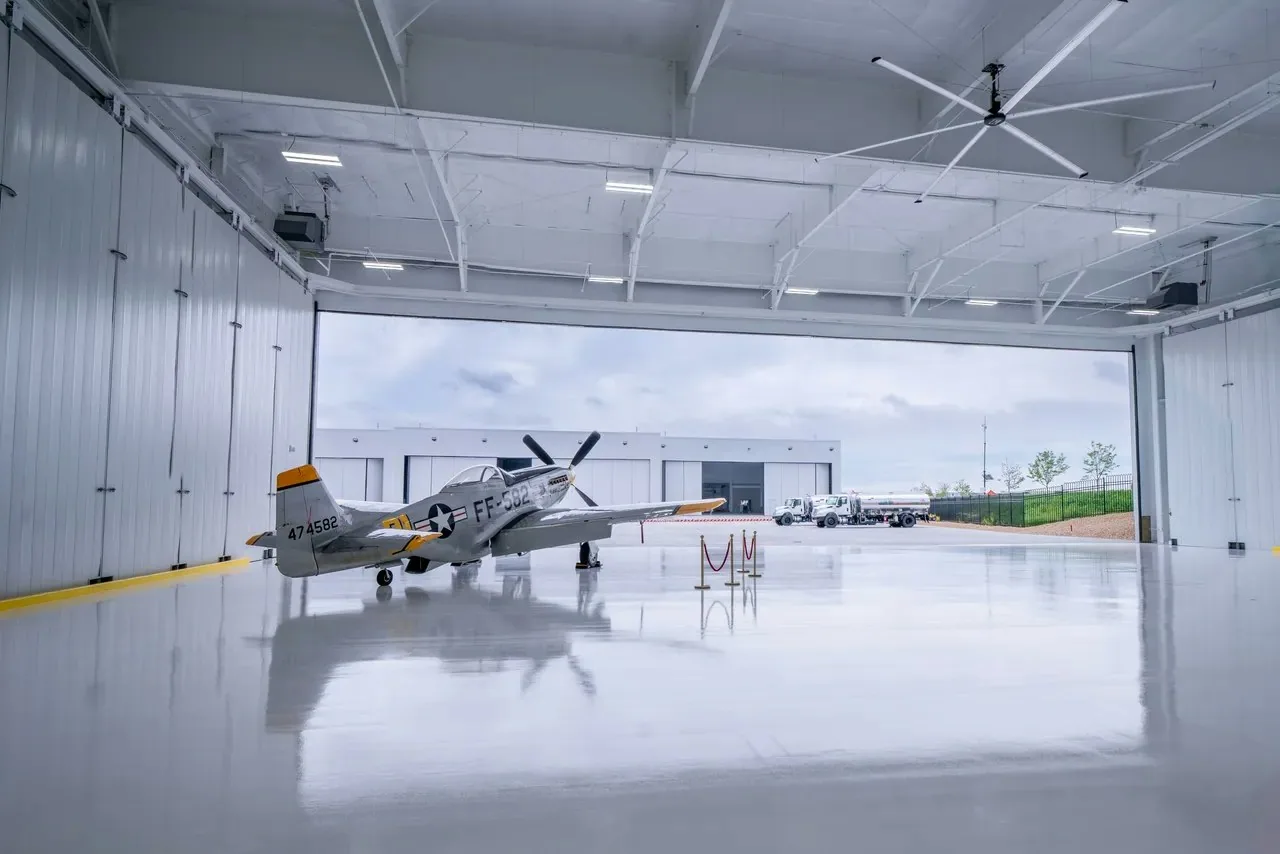
Property Types We Roof
Inspect hangar roofs in Stamford for long-span seam, door-track, curb, drainage, and edge conditions while keeping aircraft access separated from roofing work.
Learn more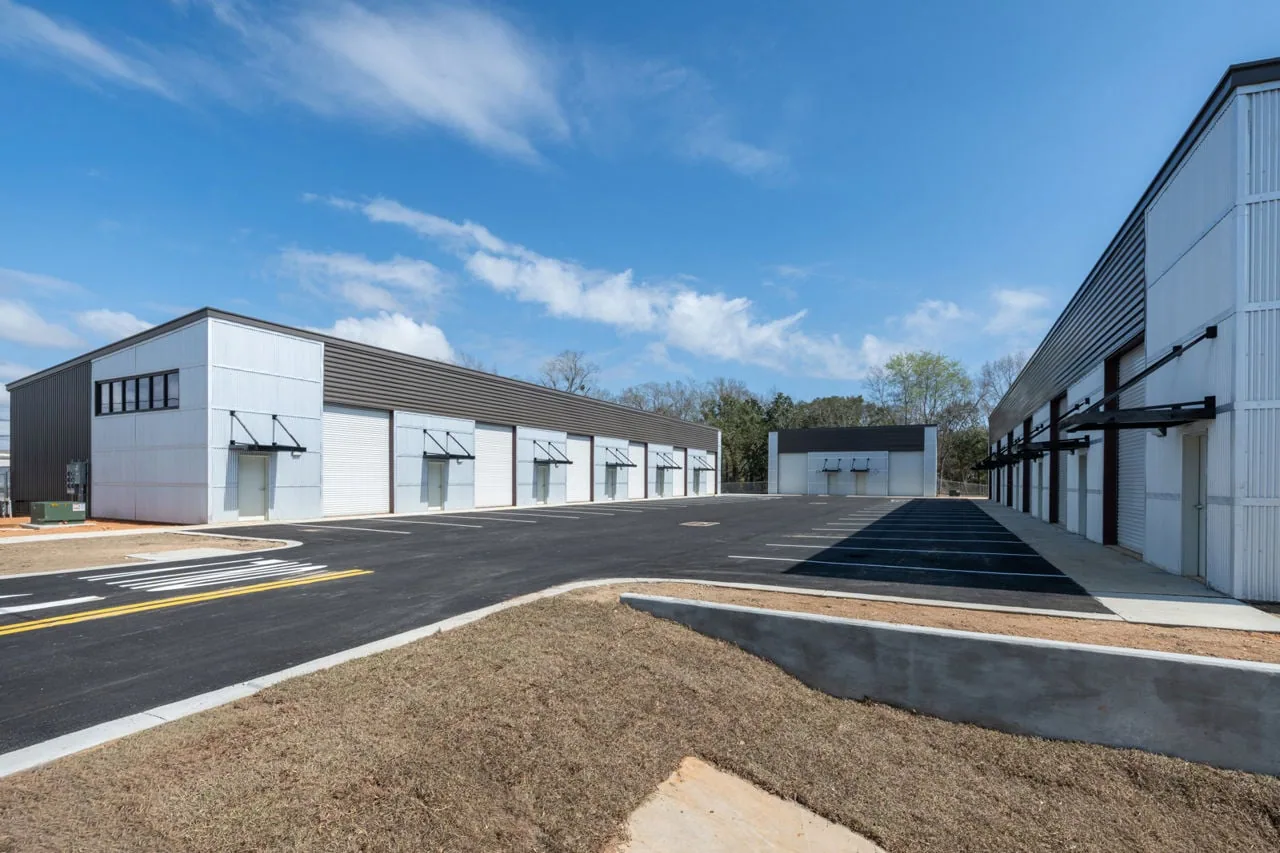
Property Types We Roof
Inspect Stamford flex-industrial roofs for seam wear, equipment curbs, drainage, and staged repairs that keep production and loading routes defined.
Learn more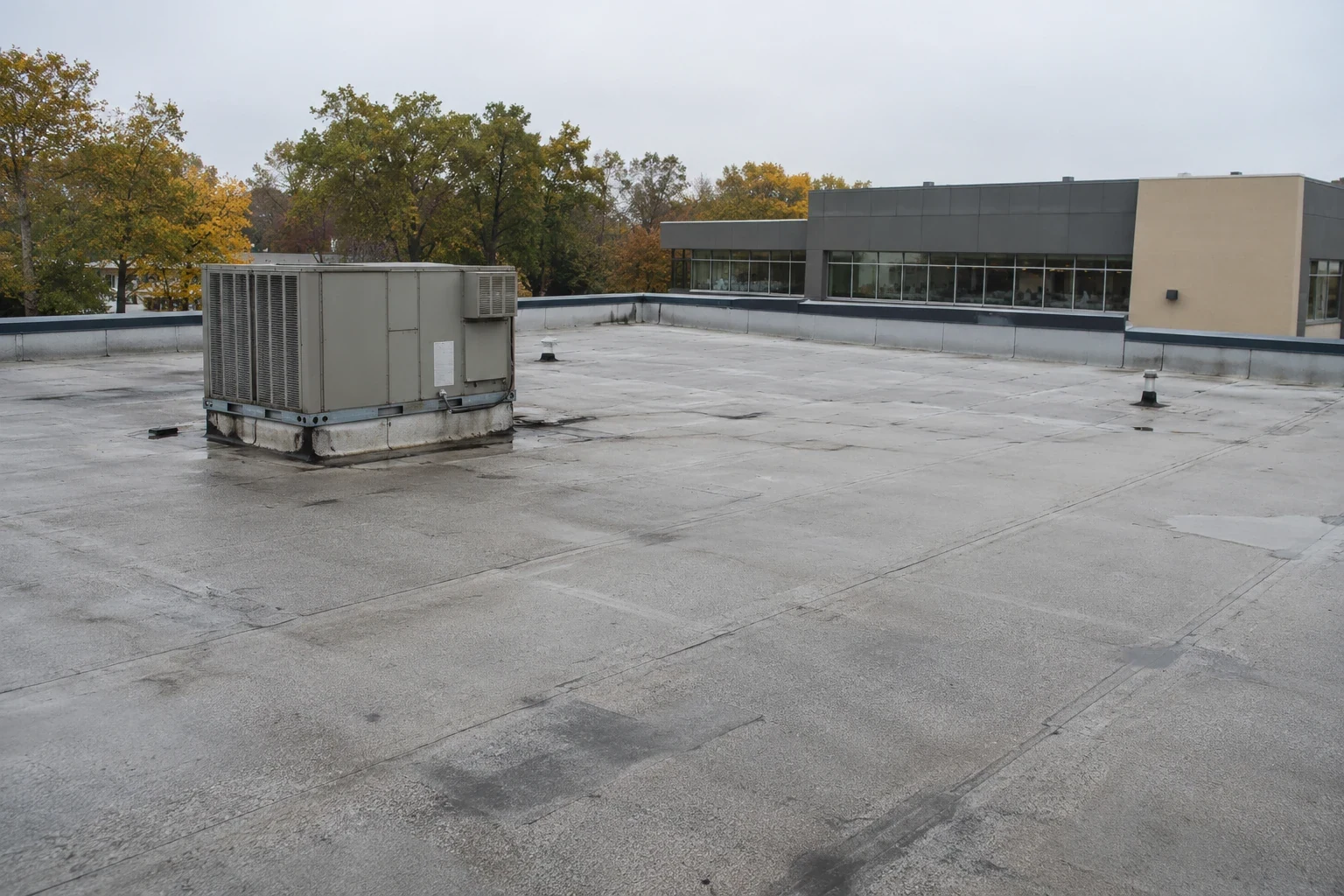
Property Types We Roof
Repair Stamford fitness-center roofs by tracing leaks around equipment, skylights, drains, and open spans while protecting member and staff access routes.
Learn more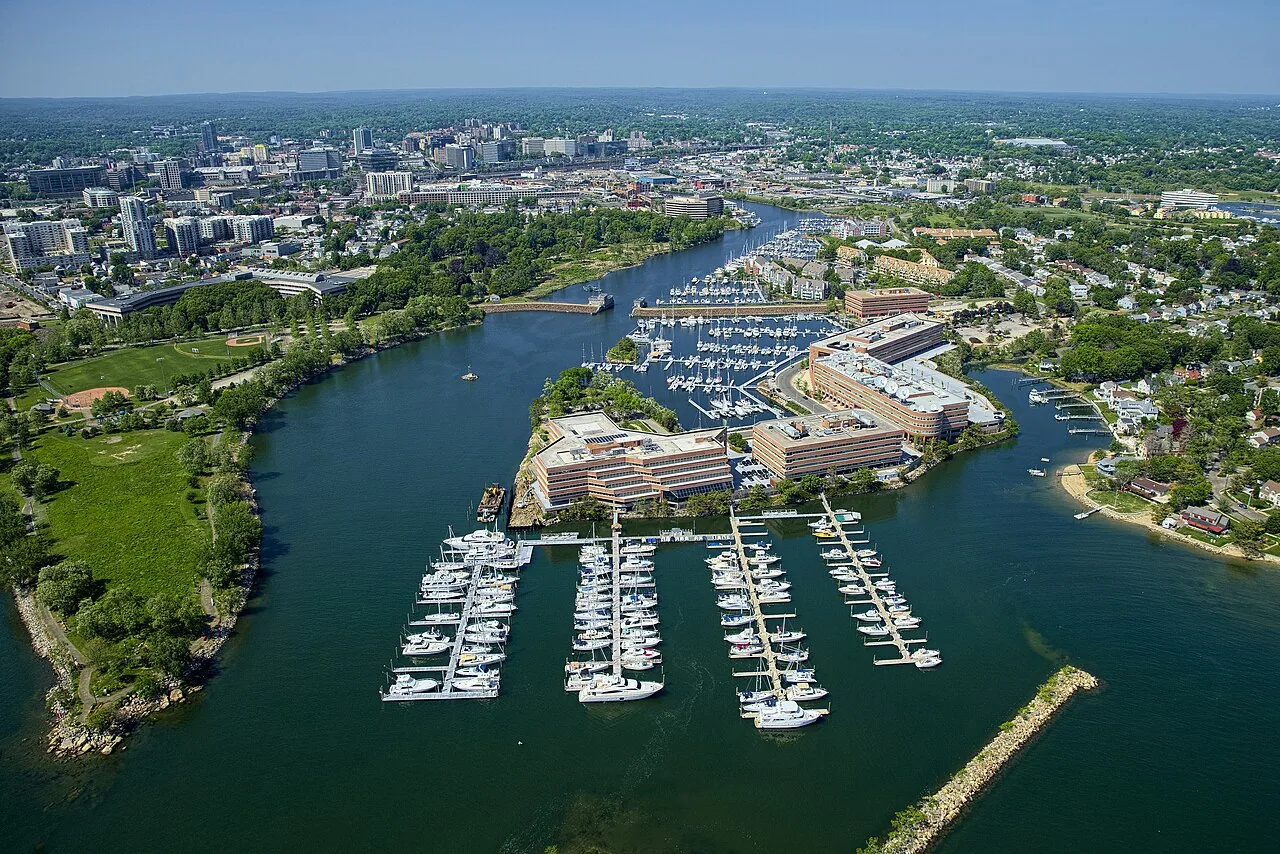
Property Types We Roof
Inspect maritime facility roofs in Stamford for wind-driven water, seam and curb failures, drainage, and controlled work zones around active operations.
Learn more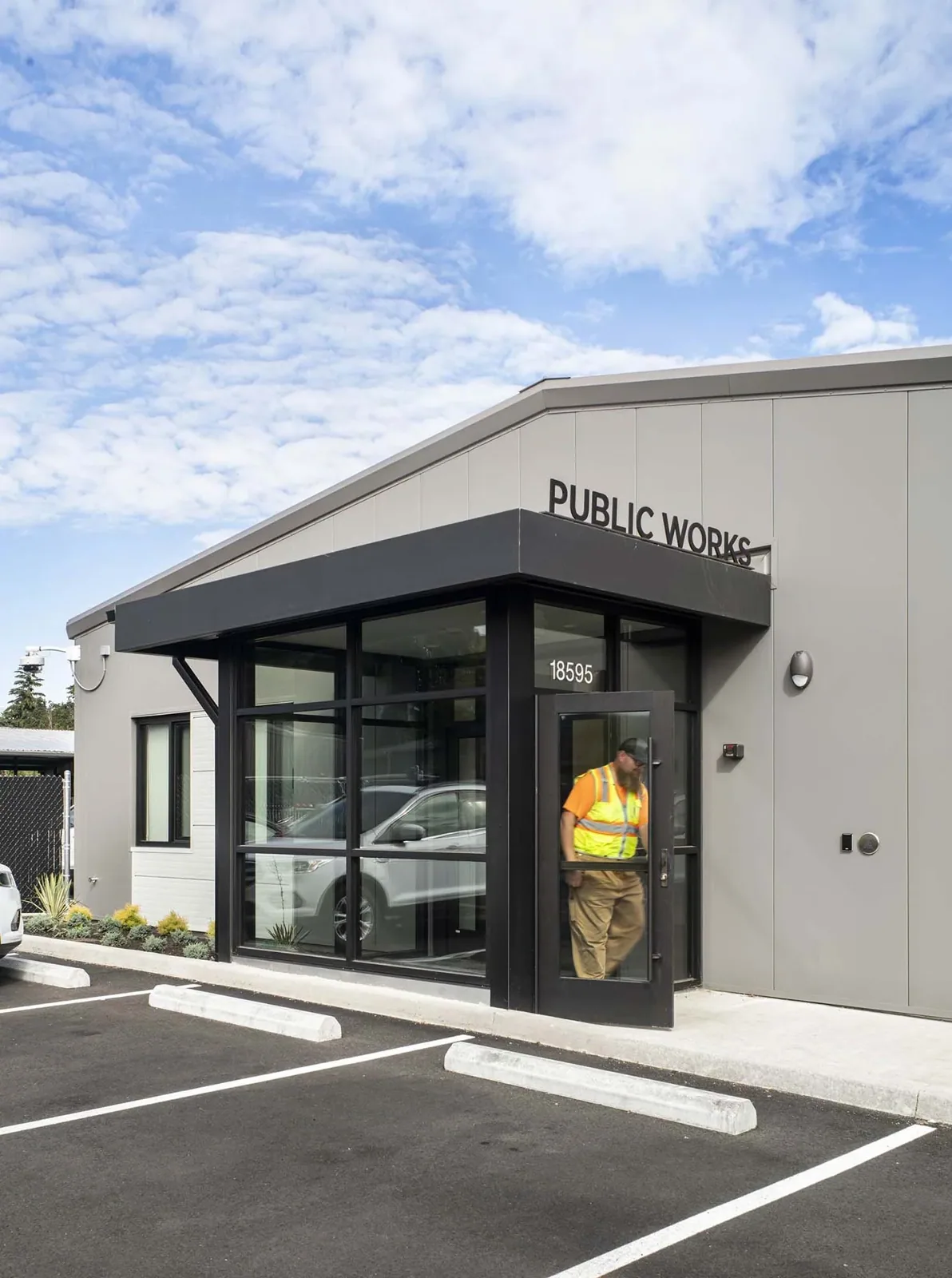
Property Types We Roof
Plan armory roof repairs in Stamford around controlled access, training schedules, secure staging, drainage, and documented tie-ins for each roof zone.
Learn more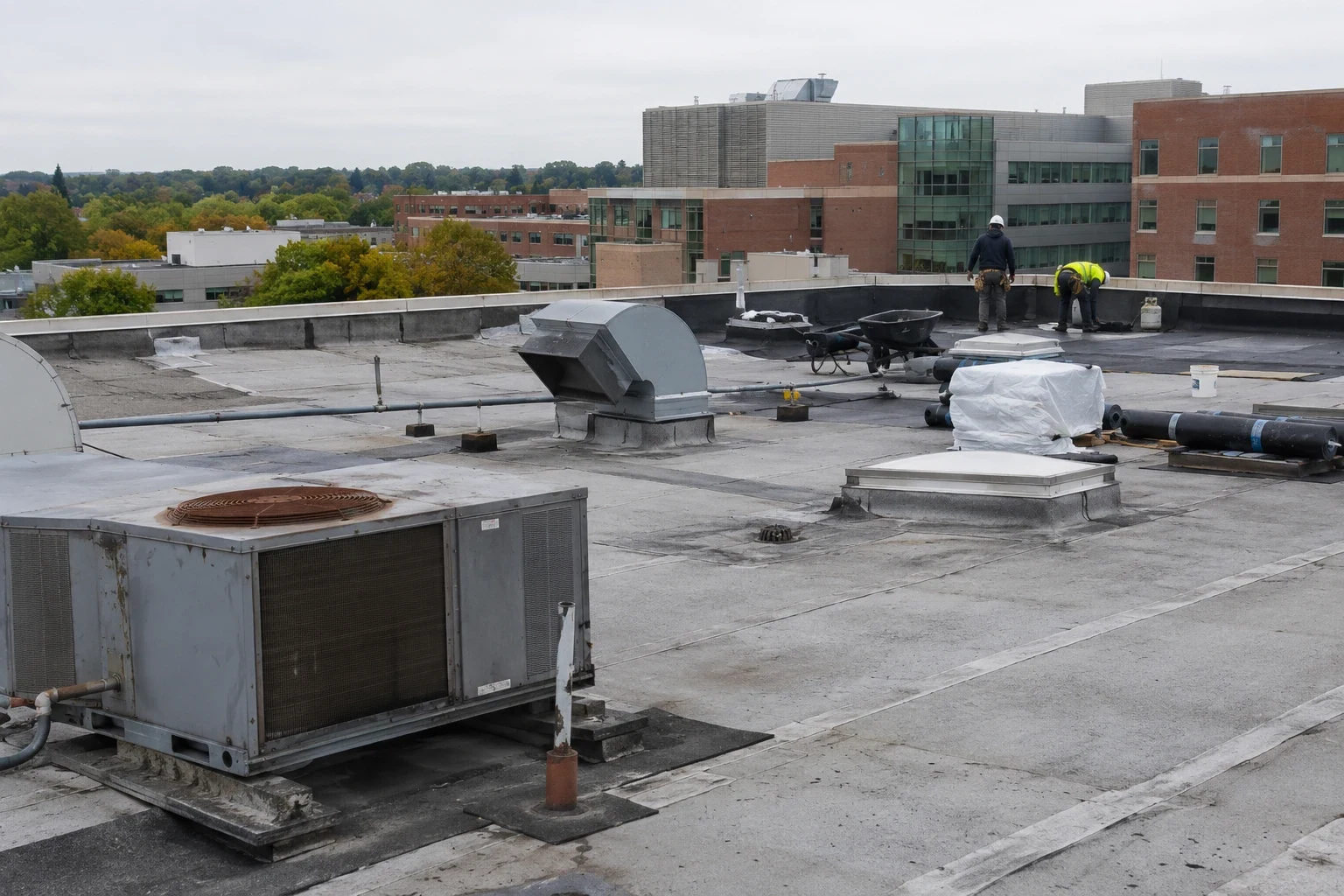
Property Types We Roof
We inspect the Stamford VA outpatient clinic roof for leaks, drainage, flashing, and occupied-care access, then define a scope for each affected roof zone.
Learn moreOccupied properties need a boundary below the roof as well as above it. We identify active rooms, loading areas, equipment and access routes before opening a section. A manager can tell us which operations cannot pause and where protection matters. The written scope sets a daily limit and a dry-in point so removal does not outrun the time available to close the assembly.
Flexible-industrial space may support light manufacturing, distribution, maker activity or adaptable production with an office or showroom component. Manufacturing roofing and distribution-center work can involve different access, equipment and interruption concerns. We verify these at the site rather than applying a use label to the roof.
Water can enter at a seam, curb, skylight, drain or perimeter and travel before it reaches a ceiling. We follow slope and lap direction, check attachment and note where insulation changes condition. Cold-storage roofs may need extra care around vapor control and penetrations. Data-center roofing needs a work sequence that protects equipment areas below, but the scope still starts with the roof in front of us.
A broad building category does not tell us whether its roof is TPO, EPDM, modified bitumen, metal or a coating. We confirm the installed system, test where needed and match the patch to a sound edge. The notes show what can be repaired and what finding would move the decision toward a larger scope.
A local patch makes sense when surrounding material remains attached and dry. Repeated seam failure or widespread moisture can change the boundary. We compare repair with recover or replacement only after checking attachment, drainage, edge height and the layers already on the roof. For retail, food service or lodging properties, shopping-center roofing, restaurant roofing and hotel roofing each need their own access and protection plan.
Downtown and South End property patterns include mixed use. A roof walk should record whether the work crosses occupied space, shared access or rooftop equipment. We agree on staging and the area below before material removal. The estimate lists material, repair limits, protection and any concealed condition that needs approval before the scope grows.
Photos and written notes help a property manager compare the roof with later service visits. We identify the system, mark repaired seams or transitions and list deferred conditions. A drain cleaned during maintenance is different from a drain flange repaired for leakage. That distinction prevents a service note from overstating what changed.
Stamford's winter snowfall and subfreezing temperatures make drainage and freeze-thaw movement useful maintenance subjects. They do not prove a defect at a particular property. We inspect the roof surface and record what we observe, then provide a repair scope or system recommendation tied to that condition. The use below informs sequencing; the assembly sets the repair.
No. We identify the membrane or panel on site. Use affects access, protection and sequencing, while the installed assembly determines the repair method.
We set work areas, delivery routes and daily dry-in limits with the property contact before removal begins.
Share the affected rooms, service history, roof access point and any operating limits. We use them to trace the report without treating a building category as a diagnosis.
Repeated failures, wet insulation or weak attachment can make a patch a poor fit. We document the condition and compare repair, recover and replacement options.
Tell us the building use, affected area and access limits. We will inspect the assembly, trace connected details and provide a written scope tied to the roof condition.