
Roof System
Commercial TPO Roofing
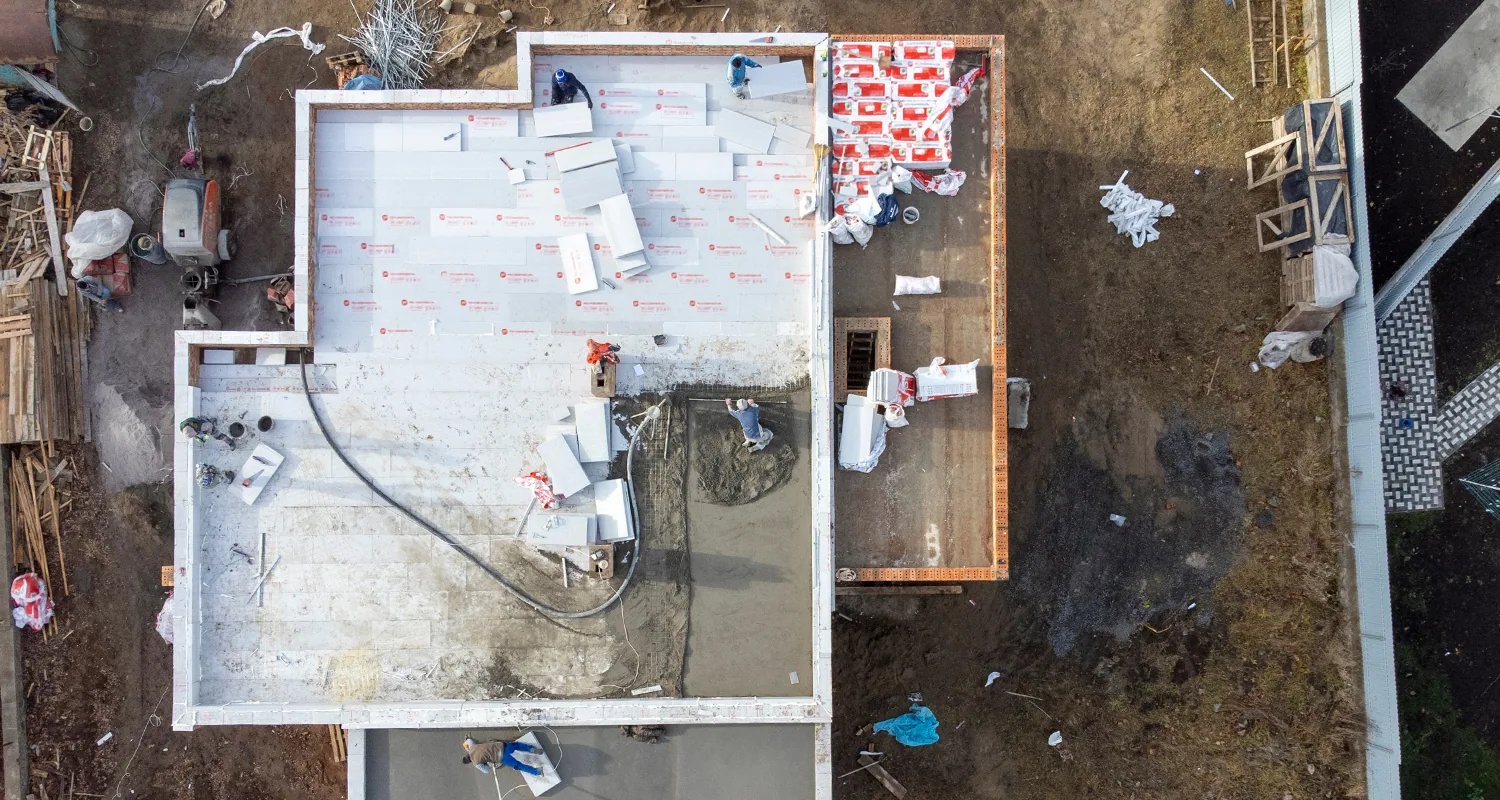
Commercial TPO installation, repair, and maintenance in Stamford with close review of welds, edge details, drains, and roof assembly condition.
Learn moreA split lap can carry water below a field that still looks intact. In Stamford, CT, we identify the installed assembly before planning repair, recover or replacement. Downtown and the South End include higher-intensity mixed-use areas, while the same system choice must still fit the building beneath it. Summer heat also affects rooftop materials and equipment loads. We consider the actual substrate, drainage, transitions and work conditions, then explain why one system fits better than another. TPO roofing is one option, not a default for every roof.
Roof System
Commercial TPO installation, repair, and maintenance in Stamford with close review of welds, edge details, drains, and roof assembly condition.
Learn more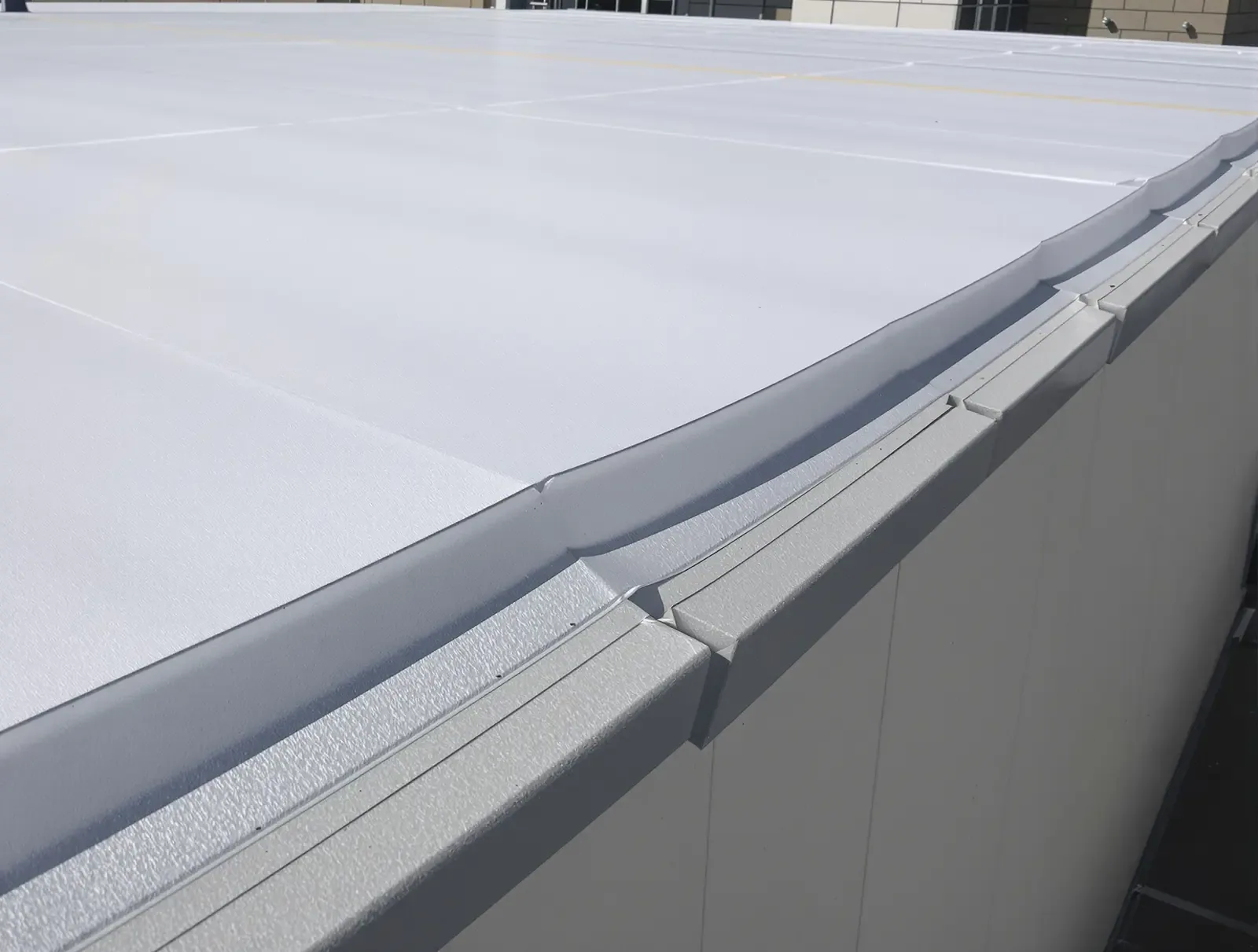
Roof System
Commercial PVC roof repair and installation in Stamford with attention to heat-welded seams, rooftop grease exposure, flashing, drainage, and assembly fit.
Learn more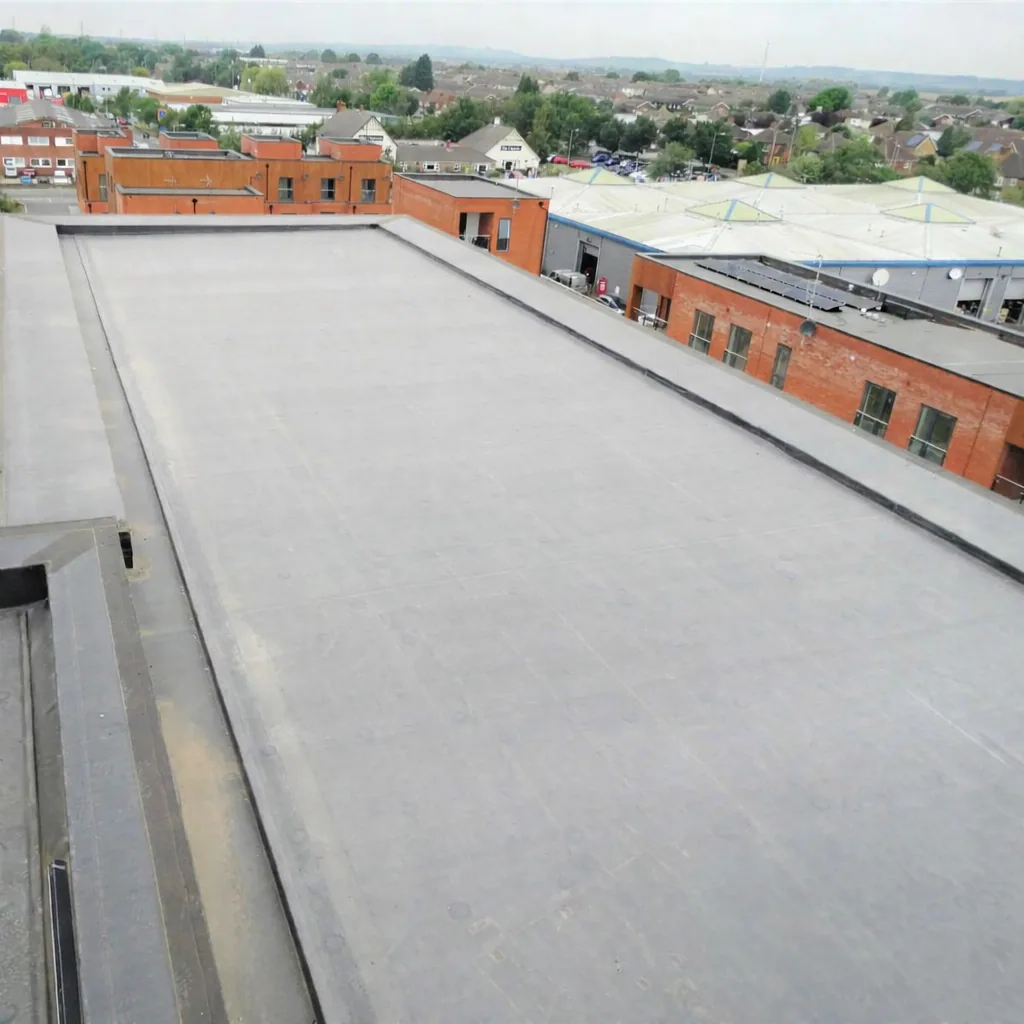
Roof System
Commercial EPDM roof repair and installation in Stamford with inspection of membrane seams, flashings, adhesives, drains, and edge terminations.
Learn more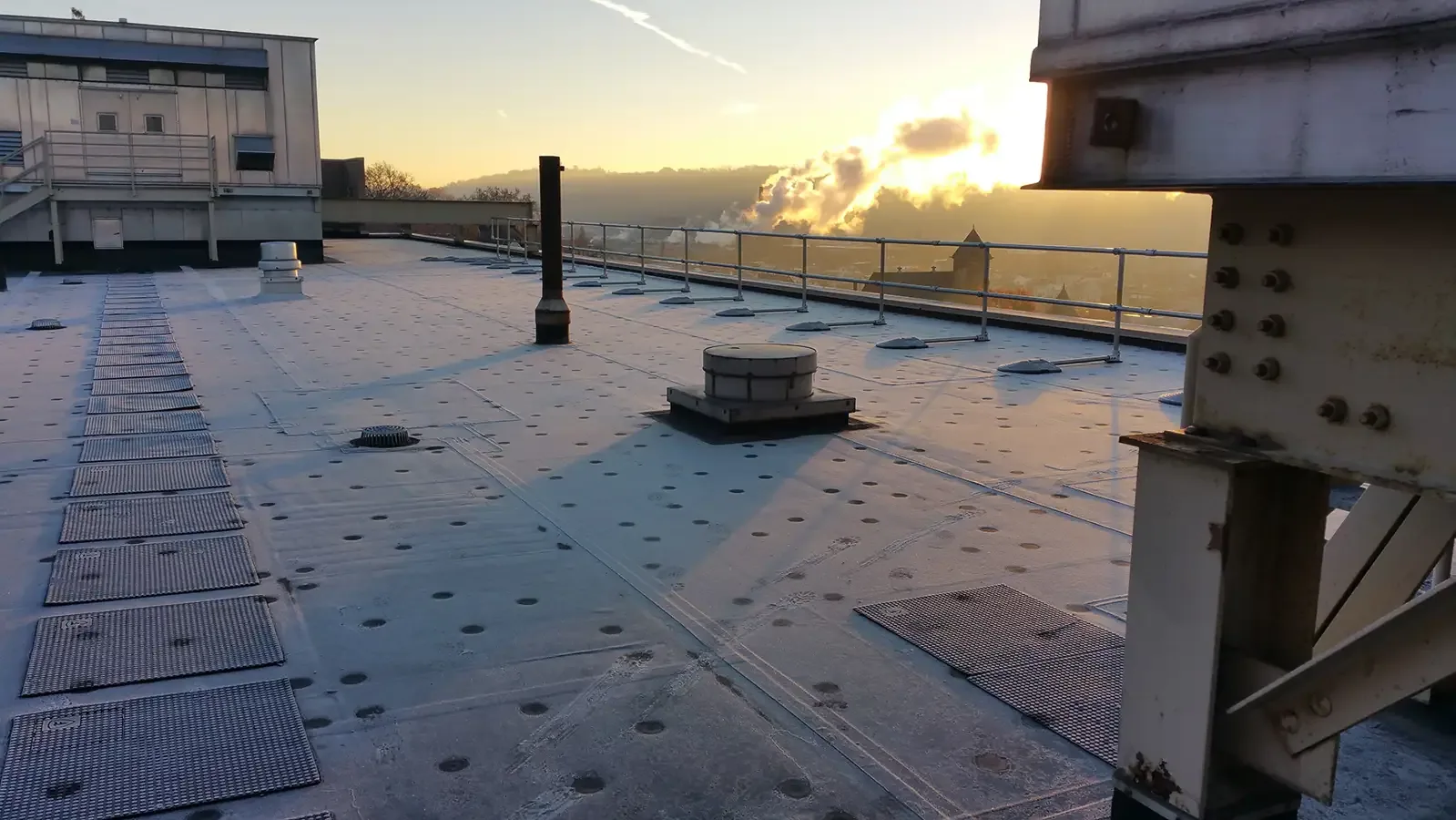
Roof System
Commercial KEE and PVC-alloy roofing in Stamford with review of membrane seams, surface condition, details, and compatibility before repair or renewal.
Learn more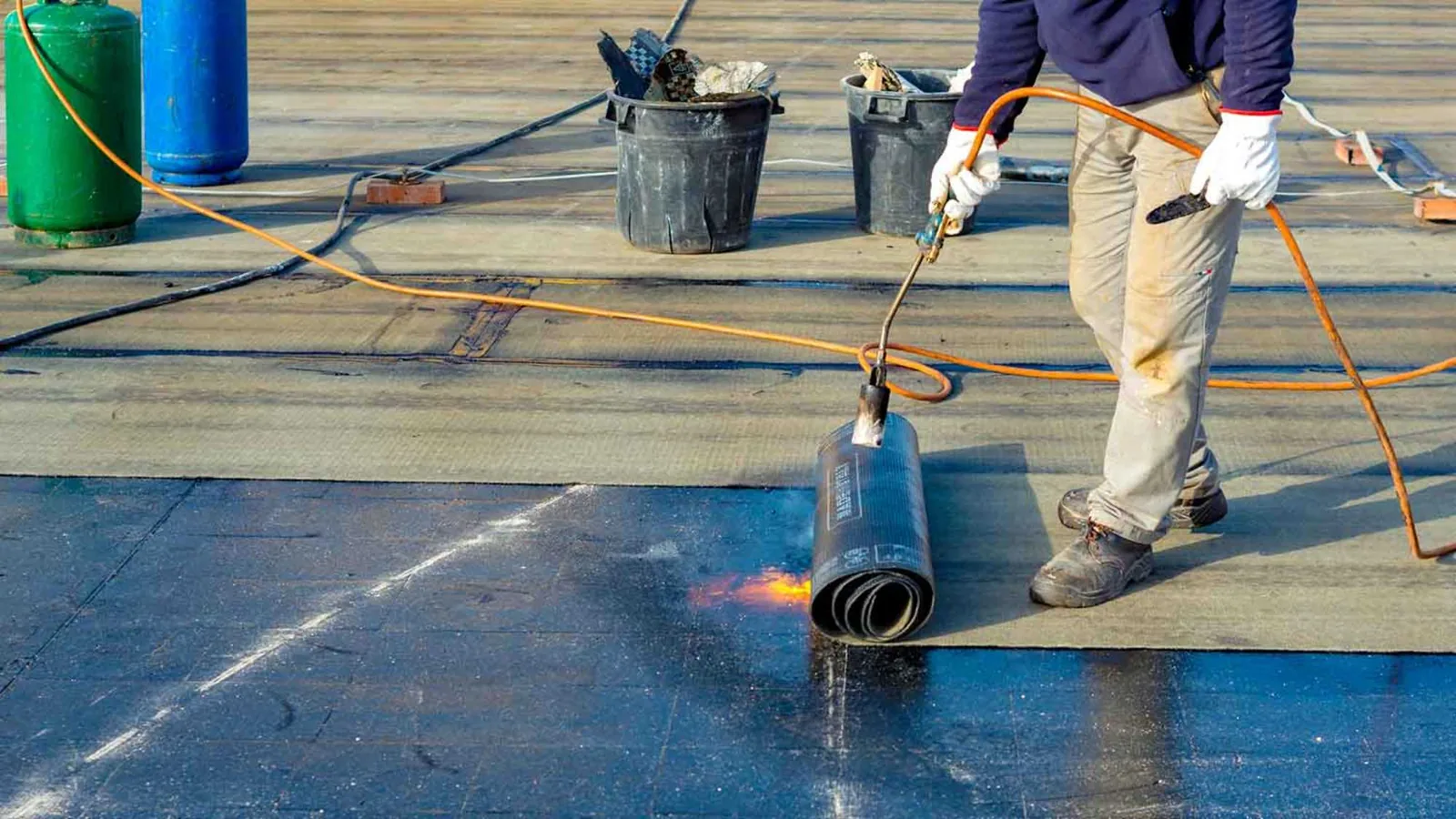
Roof System
Repair and replacement of commercial SBS and APP modified bitumen roofs in Stamford, with attention to plies, laps, surfacing, flashing, and drainage.
Learn more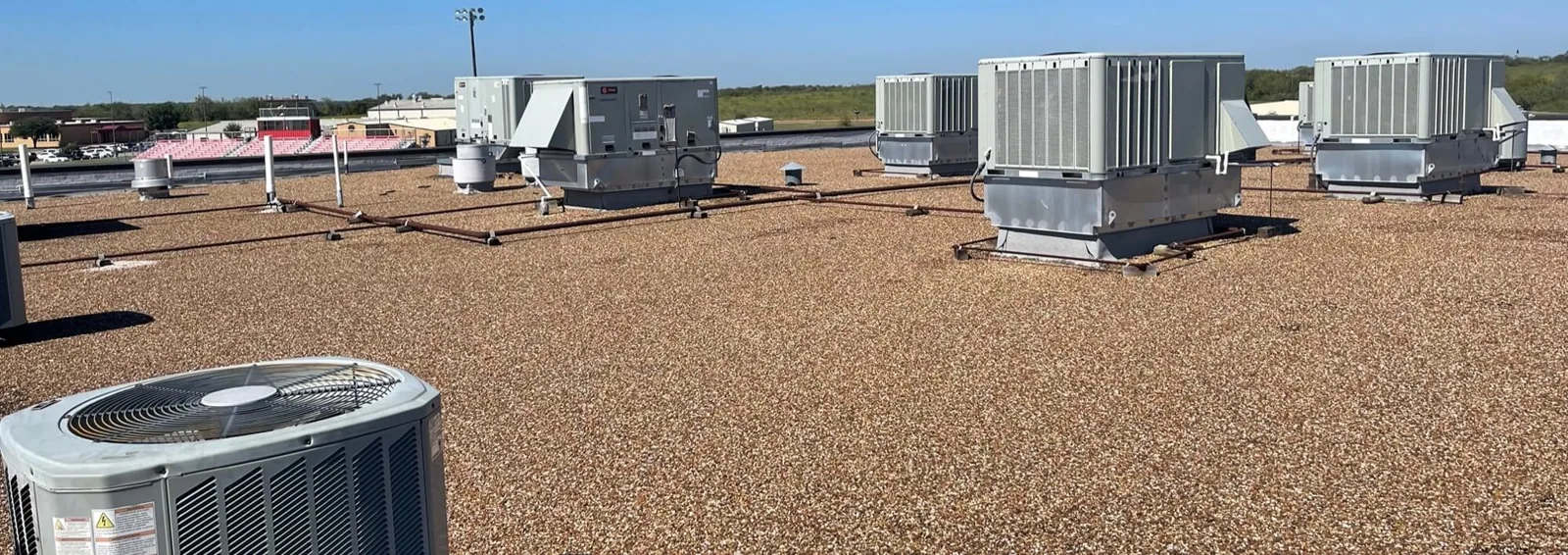
Roof System
Commercial built-up roof inspection, repair, and replacement in Stamford with review of plies, bitumen, surfacing, flashings, and drainage details.
Learn more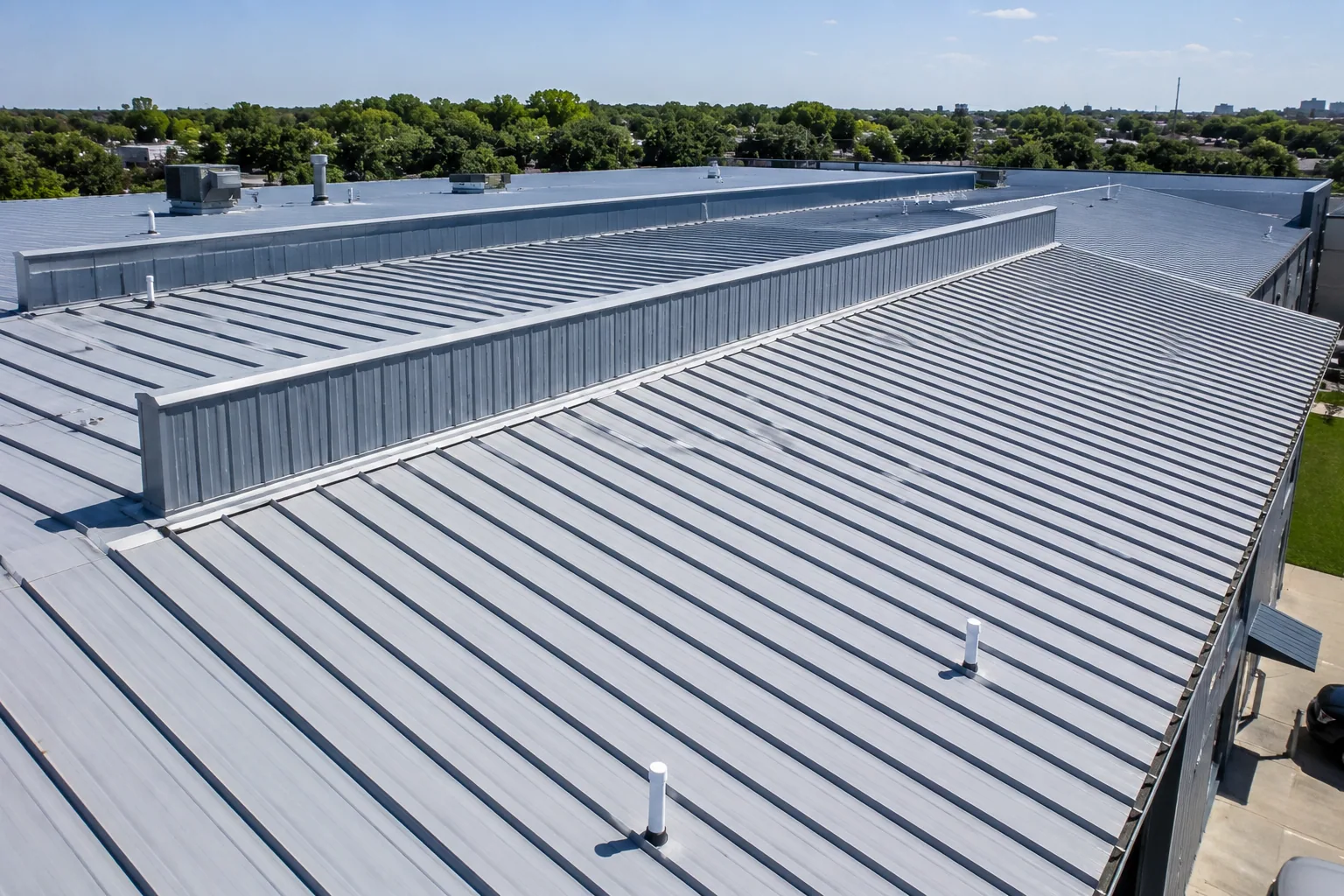
Roof System
Commercial standing seam metal roof installation and repair in Stamford, with review of panel seams, clips, movement, penetrations, and drainage.
Learn more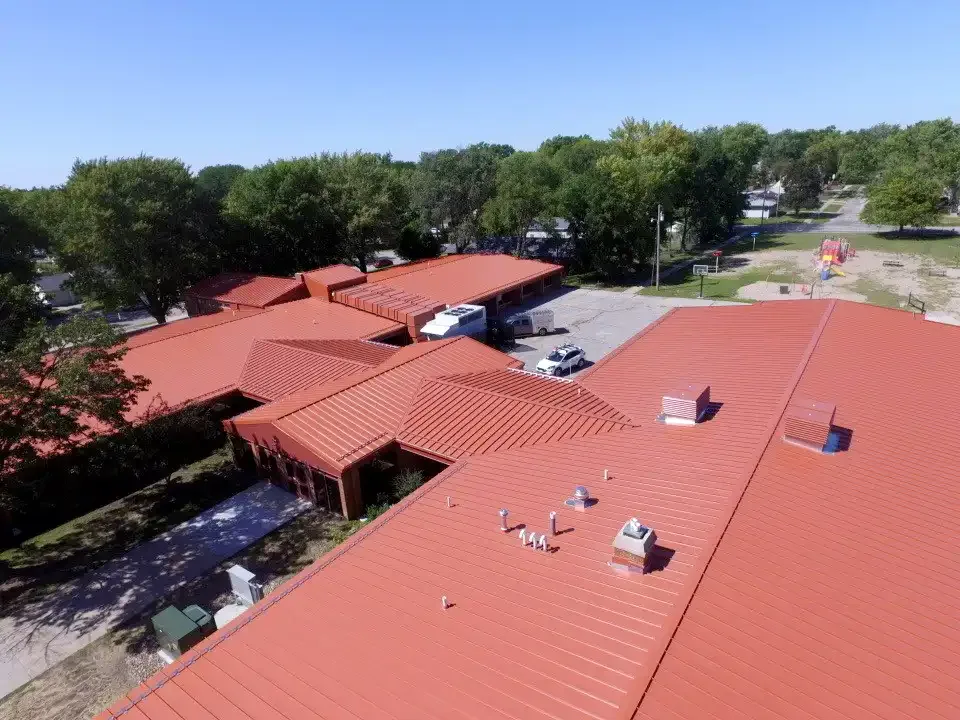
Roof System
Restore commercial exposed-fastener metal roofs in Stamford with inspection of fasteners, panel laps, corrosion, framing, and retrofit system details.
Learn more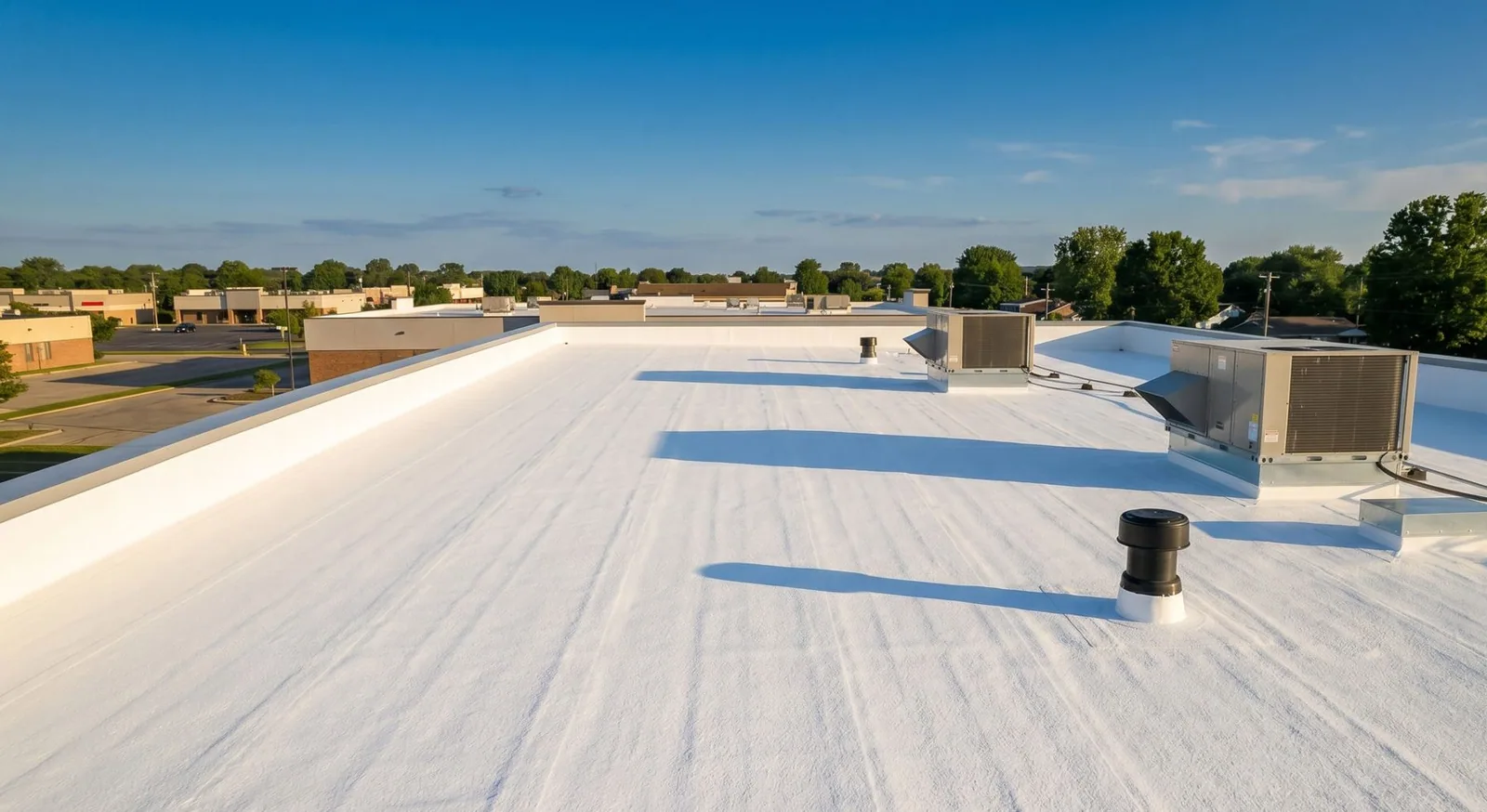
Roof System
Commercial spray polyurethane foam roofing in Stamford with inspection of adhesion, foam profile, protective coating, drains, and edge details.
Learn more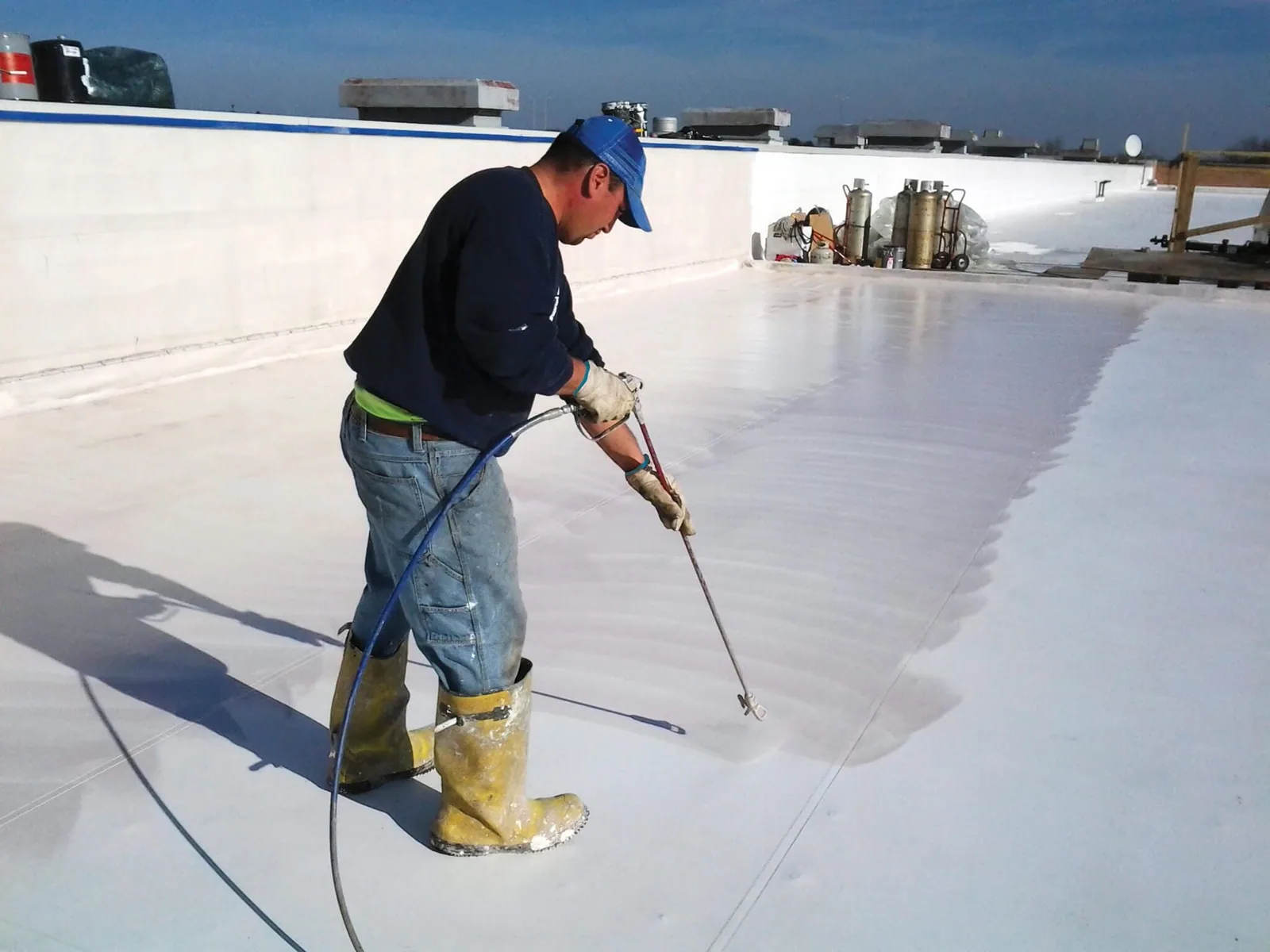
Roof System
Commercial silicone roof coating inspection, repair, and renewal in Stamford with review of adhesion, wet areas, drains, and existing roof layers.
Learn more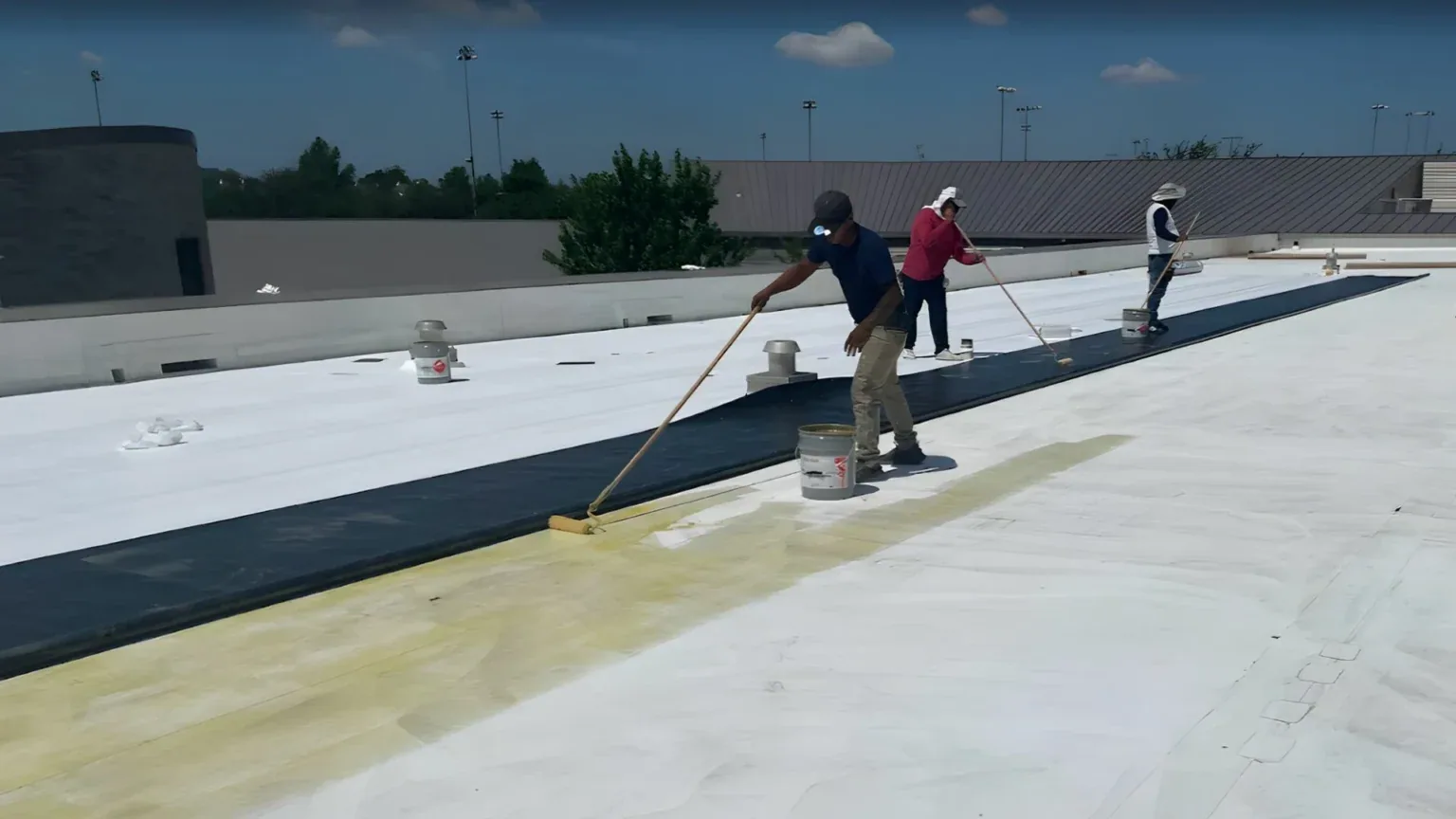
Roof System
Commercial acrylic roof coating inspection, repair, and restoration in Stamford with review of adhesion, weather conditions, seams, drainage, and substrate.
Learn moreTPO, PVC and KEE membranes are heat-welded at their seams. A test weld helps show whether the sheet can accept repair, and the detail around a curb or drain still needs its own inspection. PVC roofing may fit a different chemical or use condition than another thermoplastic sheet. KEE membrane also depends on the installed product and compatible joining method.
EPDM splice work uses compatible primer and seam materials rather than a hot-air weld. EPDM roofing can be repaired when the field and transition remain suitable. We check bond, movement and prior patches before tying new material into an existing roof. Metal retrofit roofing calls for a separate review of panel attachment and the framing below.
Built-up and modified bitumen assemblies rely on their layers, laps and flashings. Blisters, splits and open seams need different treatment. We look at the roof surface, the number of existing layers and what the edge reveals before recommending repair. Modified bitumen is not the same installation as a built-up system, even when both use bituminous materials. Built-up roofing is evaluated for its ply condition, attachment and drainage.
Metal roofs need a check of fasteners, sidelaps, end laps and closures. A loose screw can admit water, but changing fasteners alone will not fix a panel seam that has opened or a transition that has lost its connection. The written scope names the defect and the tie-in, rather than treating all metal roofs as one repair type.
A coating can extend a serviceable roof only when the substrate is compatible, dry and prepared. Silicone roof coatings and acrylic coatings have different performance characteristics and use conditions. We check adhesion, seams, drainage and the surface beneath the coating before recommending restoration. A new layer does not correct wet insulation or a failed curb.
Spray polyurethane foam creates a continuous insulated surface when applied over a suitable base and protected with a coating. Spray foam roofing requires attention to surface preparation, thickness transitions and protective finish. Along Long Island Sound, wind, rain and surge risk make attachment and water management key.
System selection follows roof slope, deck, insulation, penetrations, drainage, access and the owner's operating needs. A replacement scope should identify where existing layers end and how new flashing will connect at curbs, parapets and drains. The cost and timing change with removal depth, staging, weather, dry-in and protection below. We put those conditions in the work plan before material is ordered.
For an existing leak, we test whether the current assembly can hold a focused repair. For repeated movement or widespread moisture, we compare repair with recover or full replacement. Stamford's summer heat can affect exposed seams and rooftop equipment areas; the system recommendation still depends on observed condition, not climate alone. Bring recent service records and the areas of concern to a roof walk. We identify the system, explain the repair boundary and leave the owner with a written next step.
We inspect exposed edges, seam construction, patches and penetrations. Records may help, but we confirm the system at the roof.
A restoration coating depends on a sound substrate and verified compatibility. A failed seam, wet insulation or open flashing needs repair before restoration is considered.
Removal depth, insulation condition, edge and drain details, access, protection and dry-in all affect labor and timing. The scope lists the conditions included.
Yes. We inspect their transition separately. The connection may need its own flashing and movement detail, even when both adjoining fields are sound.
Share the roof area, recent repair notes and access limits. We will inspect the system and explain the repair, recover or replacement option its condition supports.