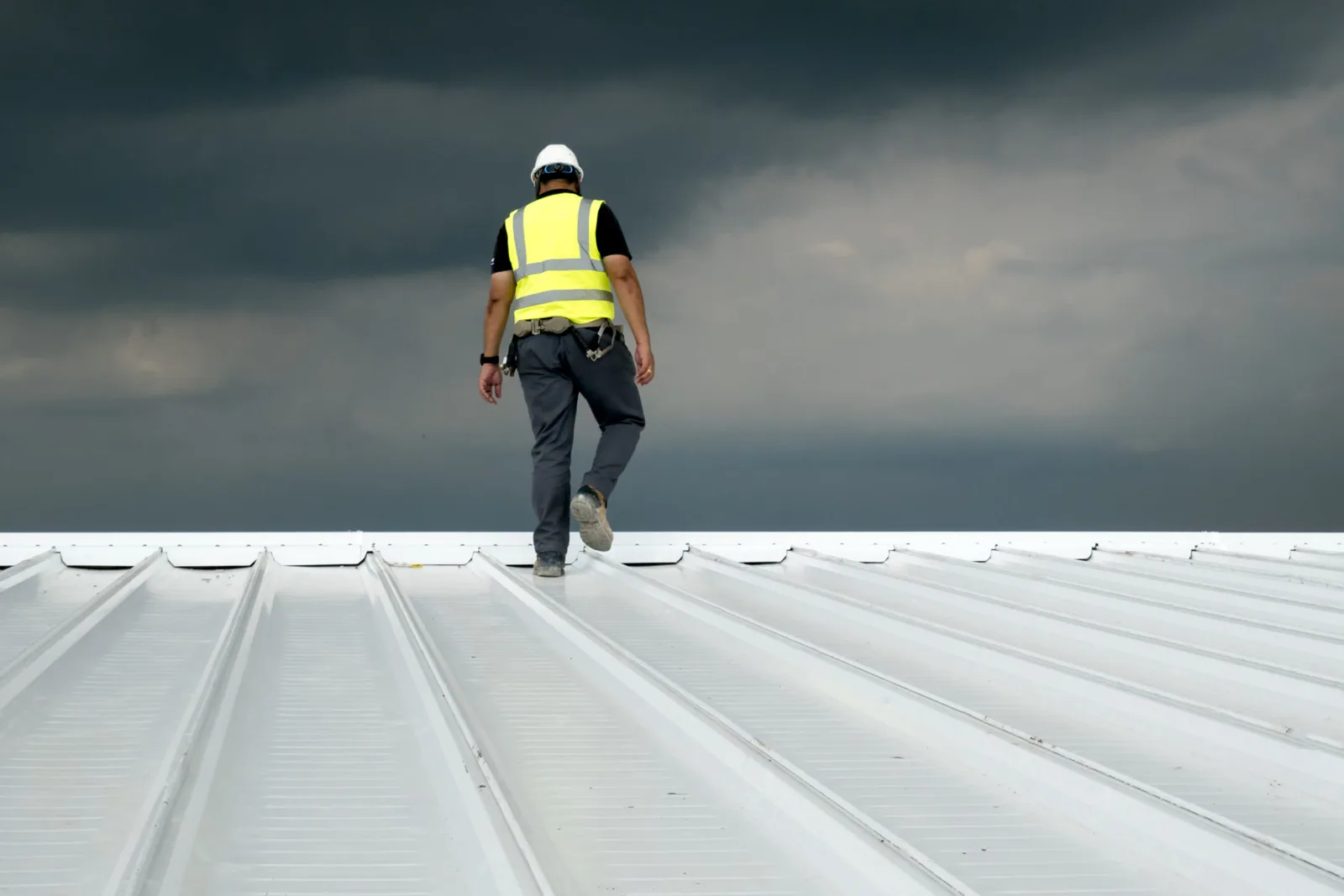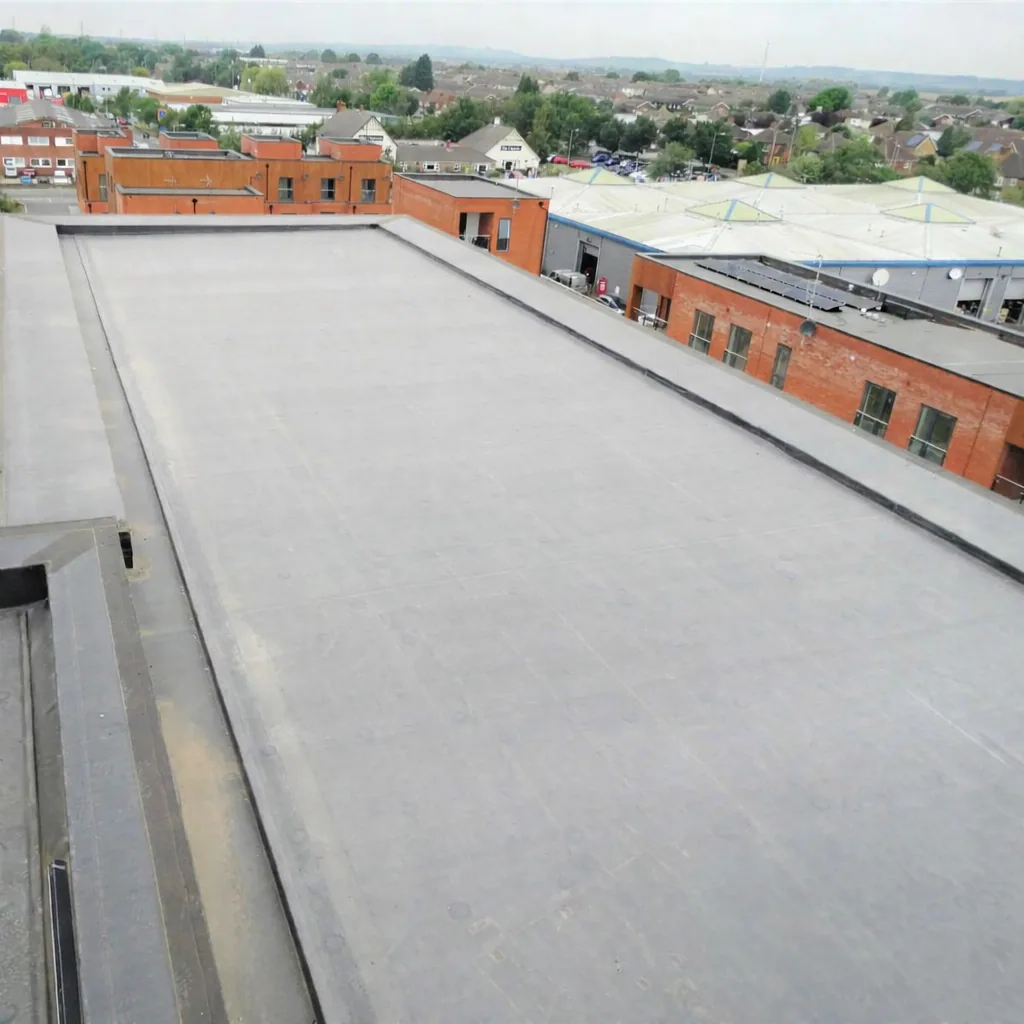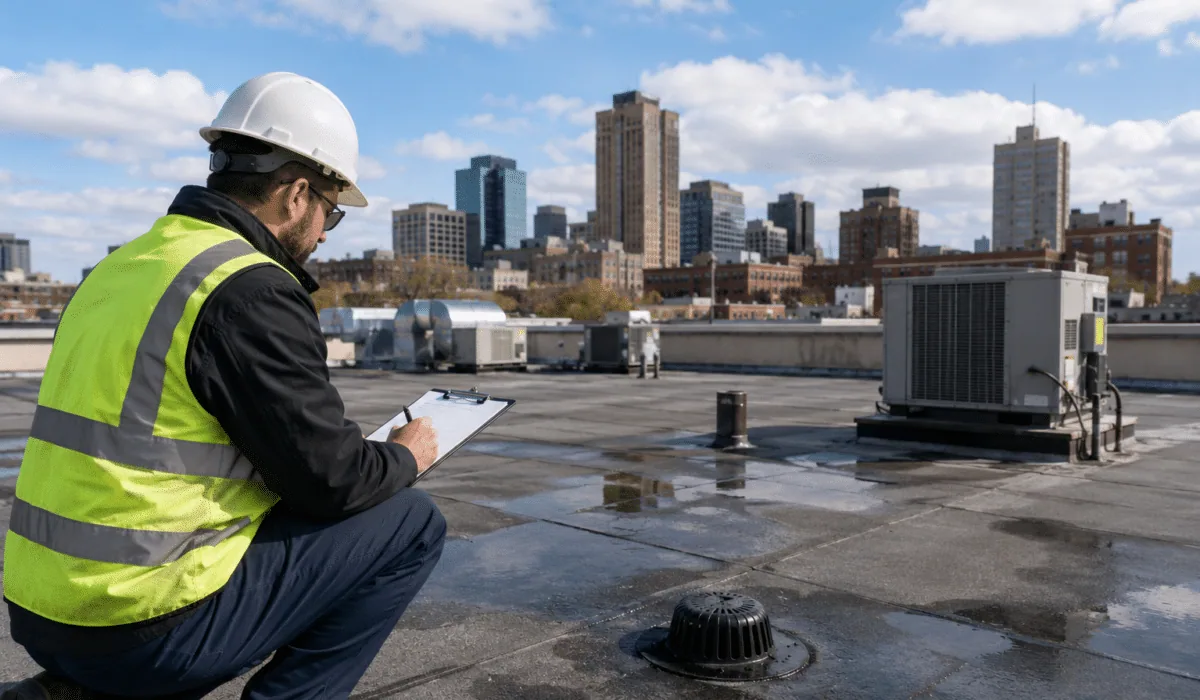
A loose seam can admit water long before the ceiling below changes color. In Glenbrook, Stamford, CT, we inspect the lap, nearby curb, drain path, and edge detail that could carry moisture away from the opening. Glenbrook is a named Stamford neighborhood and one of the city's satellite centers. The roof on each property still has to be identified on site. We check whether the membrane is attached, whether flashing remains continuous, and whether the substrate is dry enough for a repair. A roof inspection starts with the failure point and ends with a written boundary for work that can be supported by the assembly.
Membrane lap: read the attachment
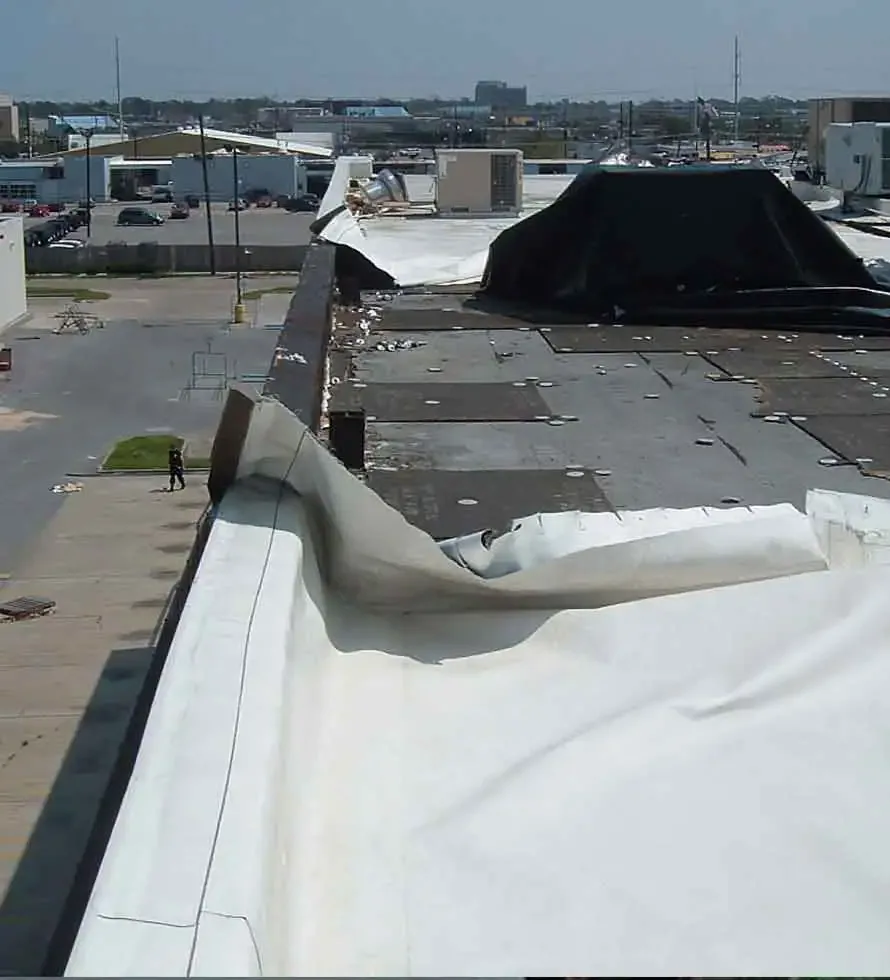
At a lap, the repair depends on how the material is joined and whether the surrounding sheet remains stable. A thermoplastic seam needs a sound weld; adhered sheet needs a compatible bond; an EPDM splice follows its own preparation requirements. We identify the roof system before choosing material. A surface that looks intact may still lift at the edge, and an old patch can hide a gap if it was placed over contamination or moisture. We test and inspect the detail rather than treating every dark line as a failure.
Water can move beneath the sheet and collect at a drain, curb, or low seam. We check the area around the reported leak and look for blisters, soft spots, open laps, or signs of wet insulation. If moisture extends beyond the first opening, the repair area must follow the affected material. Leak repair should close the entry point and account for the path below it. A small patch is only a complete repair when the surrounding field and substrate can carry the new tie-in.
Satellite center: plan around changing use
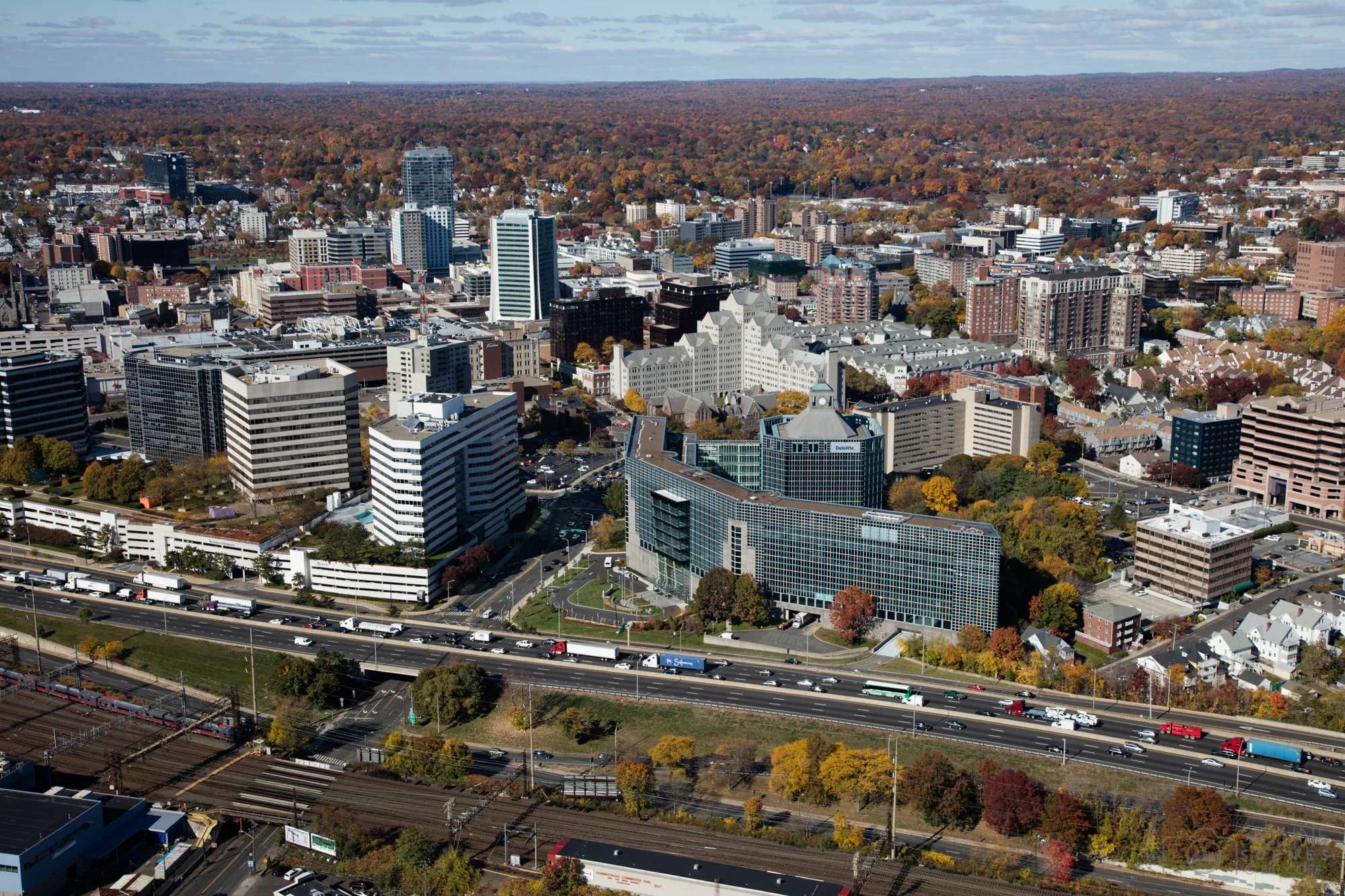
Stamford's plan identifies Glenbrook as a satellite neighborhood and one of its Village Commercial districts, where neighborhood-center policy supports transit-adjacent housing, storefronts, and services. Before the roof walk, the manager confirms entrances, equipment access, and operating limits so we can map the work route and protection below. Springdale is another named Stamford neighborhood, but its maintenance record should remain separate from Glenbrook's.
For a manager comparing work in Glenbrook and Downtown Stamford, the useful common point is a consistent inspection record, not an assumed common roof type. We note the system found, defect location, material condition, drainage, photos, and access constraints for each property. If the inspection cannot reach a roof area safely, that limit is stated with the next step needed to examine it. The result keeps a future repair decision tied to the place and assembly actually inspected. We also record the leak timing, roof zone, closest drain, and seam direction. A wide image locates the detail, while a close view shows an open edge or flashing condition. If the surface is damp, we wait for suitable preparation conditions before installing a repair and note the method used.
Drain and edge: keep water outside the assembly
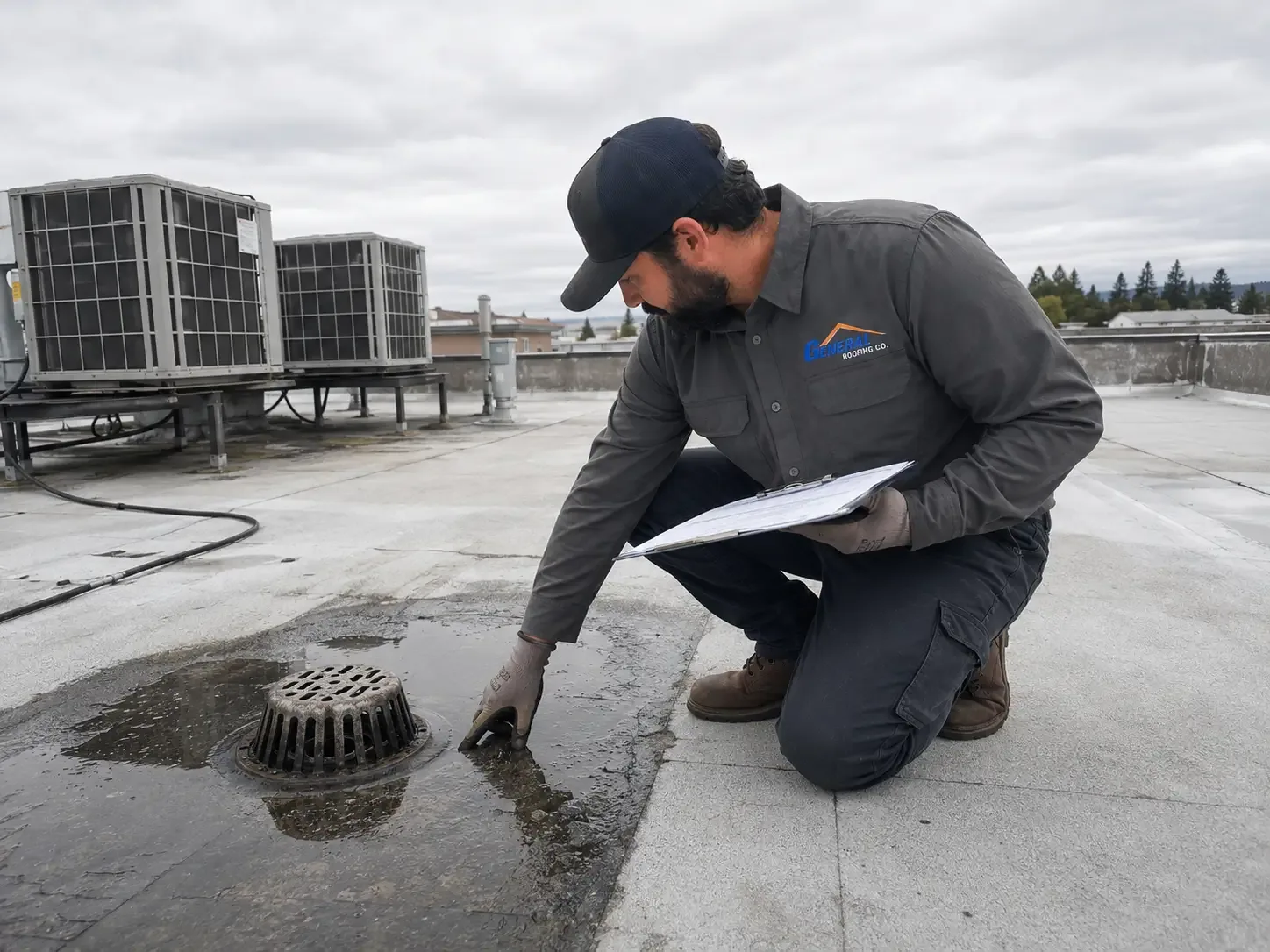
Water standing at a low point may come from debris, a blocked strainer, a high drain flange, or a depressed deck. We inspect the drain bowl, clamping ring, membrane transition, scupper opening, and visible discharge path. The condition of the area around the outlet matters too. A cracked seal or pulled membrane edge can leak even when the drain itself is clear. We record whether water is present during the walk and compare that observation with the history reported by the building team.
At the perimeter, a metal splice or loose cleat can let runoff behind the fascia. We trace the detail through corners and changes in elevation, checking the membrane turn-up and the metal return. A small open joint may call for a local correction; broad corrosion or movement can require more of the edge to be reset. Drain and scupper work should preserve the transition between membrane and metal. It should also leave an overflow route open where the roof design includes one.
Winter movement and summer exposure
Stamford's NOAA 5 N record shows repeat winter snow and nights that fall below freezing. After a winter leak report, we inspect drain paths, terminations, and laps for retained water, movement, or an open connection. The roof record identifies those visible conditions and separates any structural question from the repair scope.
The same Stamford normals show warm-season daily highs in the low-to-mid 80s Fahrenheit and measurable cooling-degree demand. We inspect equipment transitions and exposed membrane edges for movement, then check welds, adhered laps, fasteners, and curb flashing. For EPDM lap work, compatible cleaning and preparation depend on the material installed.
Patch or broader work: define the limit
A focused patch can work when the failure is local, adjacent material is secure, and the substrate can accept the repair. We remove loose or wet material as required, prepare the surface, and tie the new work into a sound area. If insulation is wet beyond the visible opening, the work boundary has to expand enough to address it. A surface cover over a soft layer may not provide a lasting repair. We state which areas were opened, what was observed, and what remains concealed.
Several failed details can shift the decision toward maintenance, coating, recover, or replacement. The comparison looks at attachment, moisture, deck condition, drainage, and how much sound membrane remains. Preventive maintenance can address drain cleaning and minor developing conditions when the roof remains serviceable. A roof recover evaluation checks whether the existing assembly can support an added layer and whether project requirements permit it. Replacement may be more appropriate where wet material or repeated failures extend across the system.
Cost and schedule: account for access and preparation
Cost follows the area repaired, the system and materials, the number of connected details, removal needed, moisture beneath the surface, and roof access. A repair at a drain or curb can require more preparation than a simple field seam. Testing, interior protection, or temporary dry-in may also affect the scope. We explain these drivers in writing so the owner can distinguish the base repair from a condition that would add work once the assembly is opened.
Timing depends on weather, surface dryness, material readiness, and the work sequence that keeps the roof protected. A wet substrate must be dried or replaced before a new tie-in can be installed. If work affects an occupied area, the manager's access restrictions and equipment coordination shape the schedule. A photo condition report preserves the current findings for future budgeting. Each record stays tied to the property inspected, whether work is planned in Glenbrook, Downtown, or another Stamford neighborhood.
Commercial Roofing Questions
Does Glenbrook's zoning history tell you how an existing roof was built?
No. The plan describes village-commercial districts and redevelopment, not the assembly on a specific property. We identify the membrane, attachment, deck, and details during the inspection.
Can you repair a seam without replacing a larger roof area?
A seam repair can stay local when the surrounding sheet is attached and the substrate is sound. Moisture, weak attachment, or repeated open laps can expand the repair limits.
Why inspect a drain when the leak appears beside a wall?
Water can travel under the membrane and show up away from its entry. We check drainage and nearby transitions alongside the reported interior location before selecting a repair.
What information should the site team prepare?
Share leak locations, recent service notes, roof access conditions, and equipment areas that need coordination. We use those details to focus the walk and document any area that needs separate access.