
Roof Damage Repair
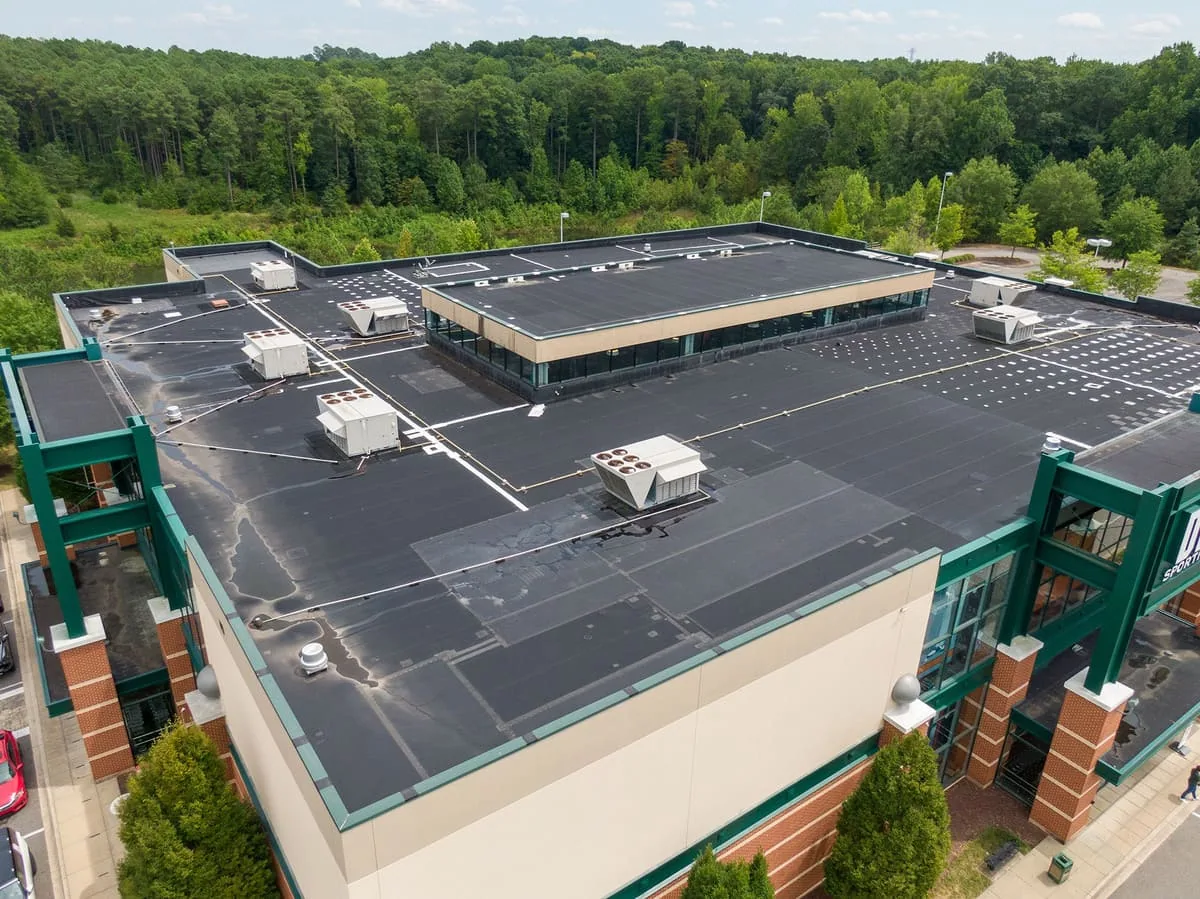
Commercial Wind Damage Roof Repair
Repair wind-damaged commercial roofs in Stamford with a documented check of edge metal, seams, curbs, drainage, and the affected roof boundary.
Learn moreA loose edge after a storm can let water beneath a membrane even when the field looks intact. In Stamford, CT, we inspect the roof detail, nearby attachment and interior report before setting a repair scope. The National Weather Service records wind damage in Stamford during Hurricane Sandy, and coastal guidance for Long Island Sound includes wind, precipitation, surge and erosion. That regional history puts edge attachment, drainage, and water-entry paths on the post-storm inspection list; the repair scope follows the roof details we find. We document what the roof shows and separate emergency protection from permanent repair.
Roof Damage Repair
Repair wind-damaged commercial roofs in Stamford with a documented check of edge metal, seams, curbs, drainage, and the affected roof boundary.
Learn more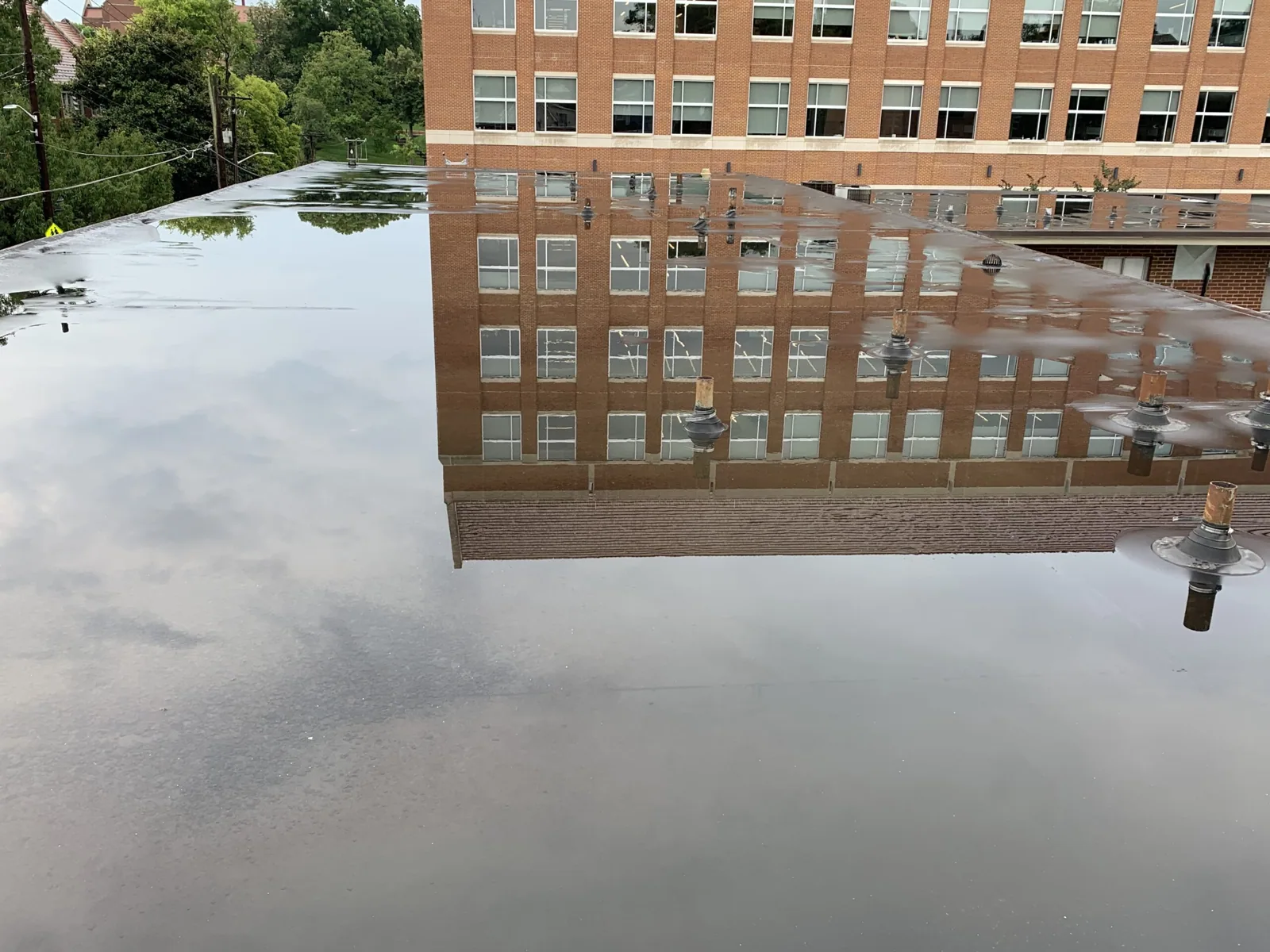
Roof Damage Repair
Correct commercial roof ponding in Stamford by checking drain bowls, slopes, membrane seams, and concealed moisture before setting a repair scope.
Learn more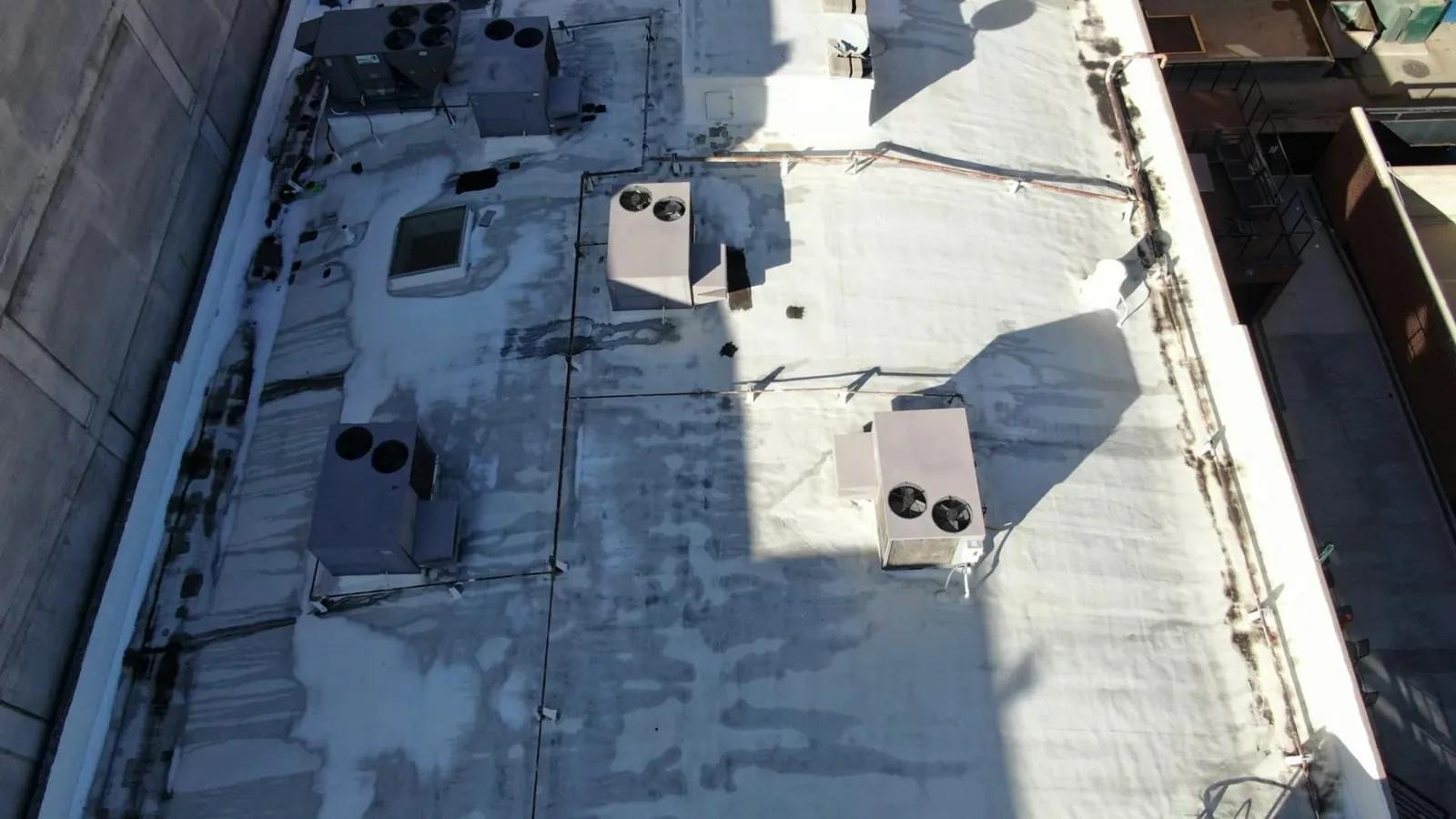
Roof Damage Repair
Repair failed commercial roof flashing in Stamford, CT. Trace the opening, check adjacent membrane and drainage details, and define a durable repair scope.
Learn more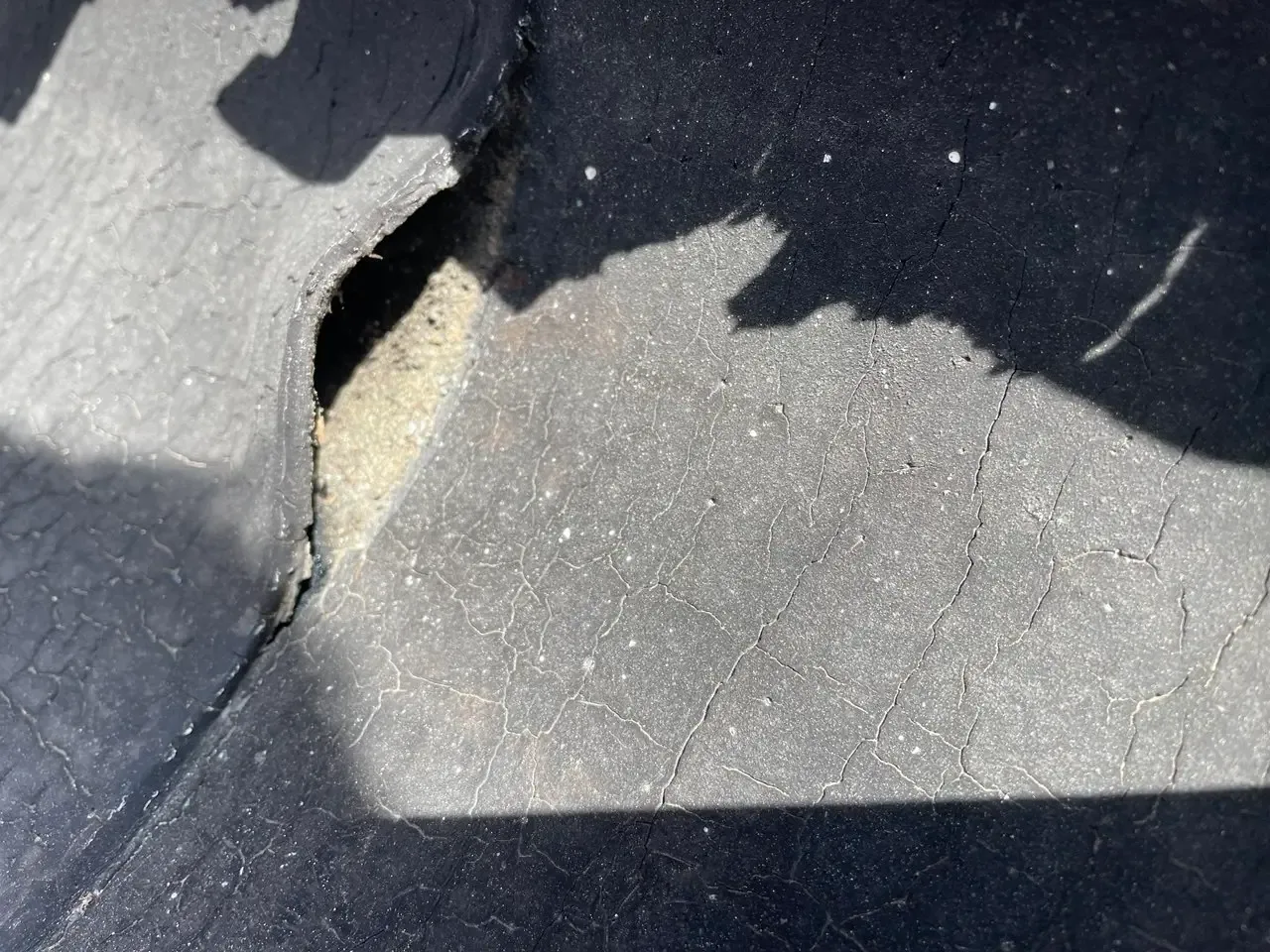
Roof Damage Repair
Repair open commercial roof seams in Stamford, CT. Identify the membrane, inspect nearby details, and choose compatible materials for the affected area.
Learn more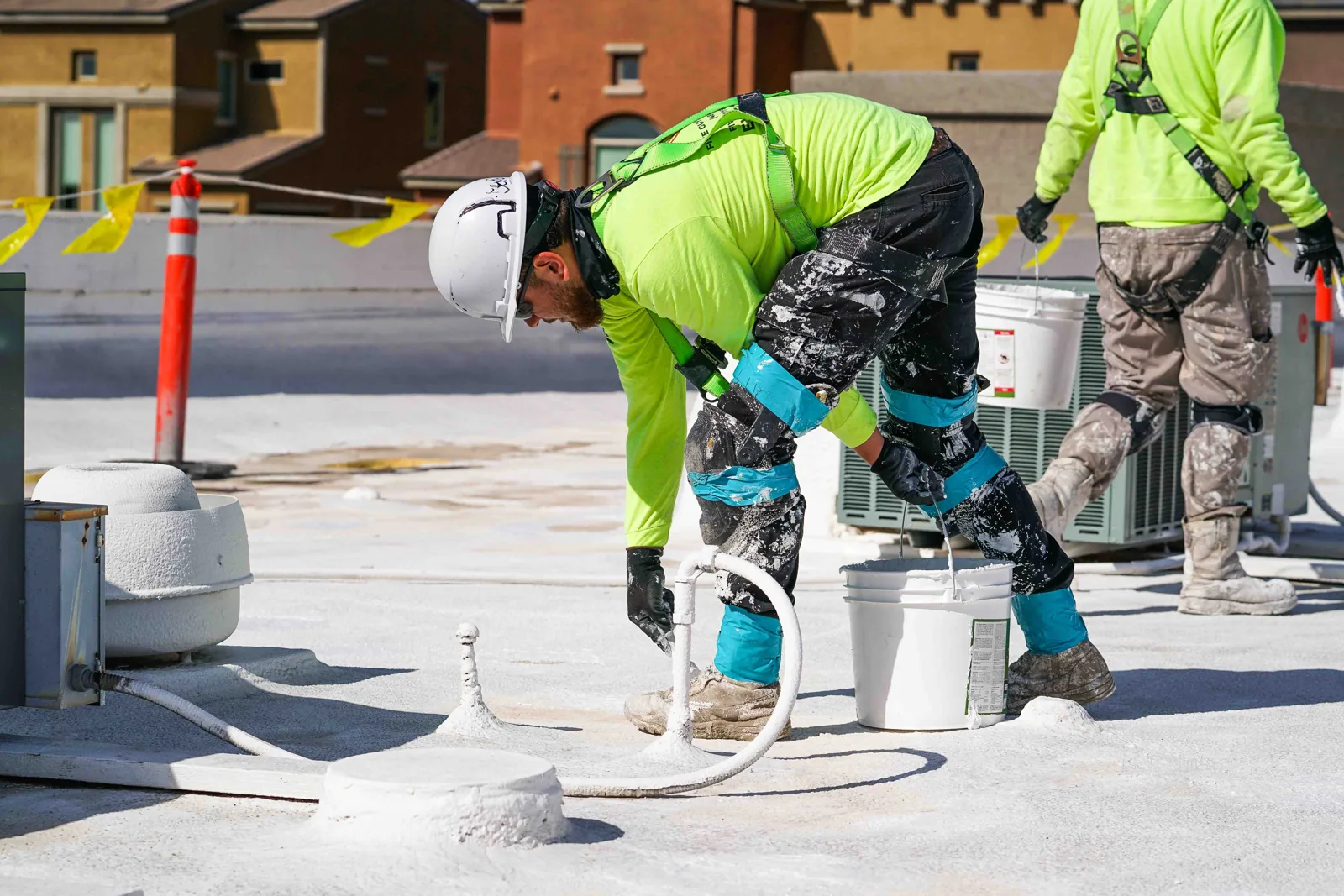
Roof Damage Repair
Repair punctures in commercial roof membranes in Stamford, CT. Trace the damage, check the layers below, and select compatible patching materials.
Learn more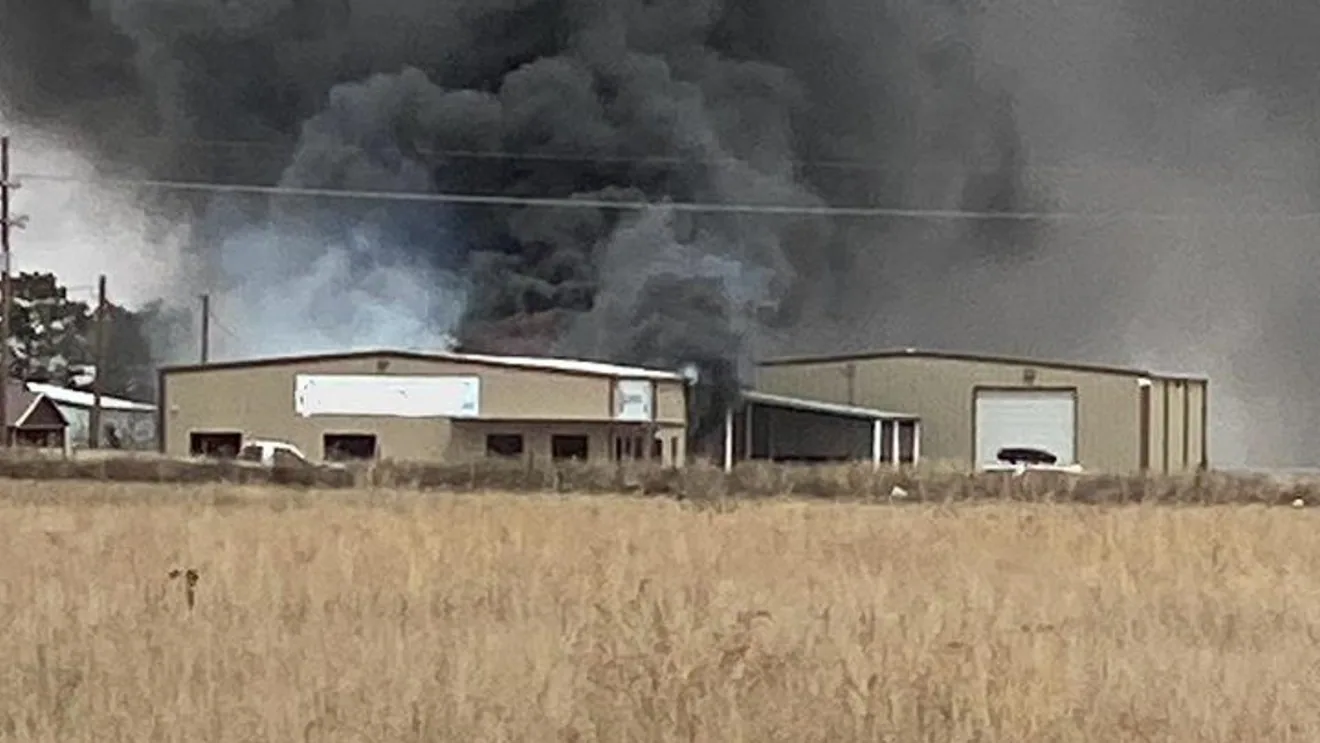
Roof Damage Repair
Assess fire and smoke damage to commercial roofs in Stamford, CT. Coordinate safe access, inspect affected layers, and define a repair or replacement scope.
Learn more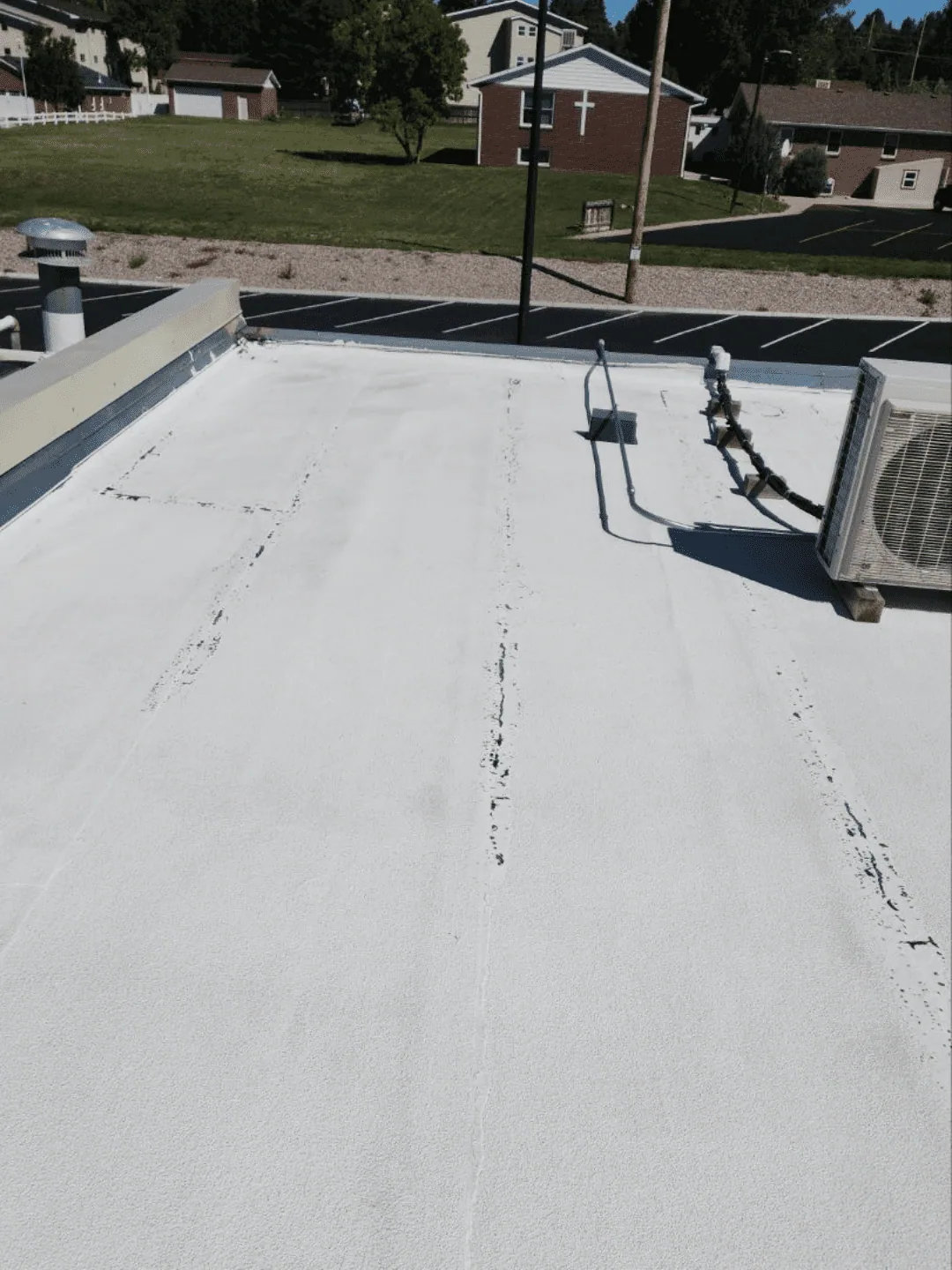
Roof Damage Repair
Assess commercial roof damage after a hurricane in Stamford, CT. Inspect membrane, flashing, drainage, and interior reports before defining repairs.
Learn more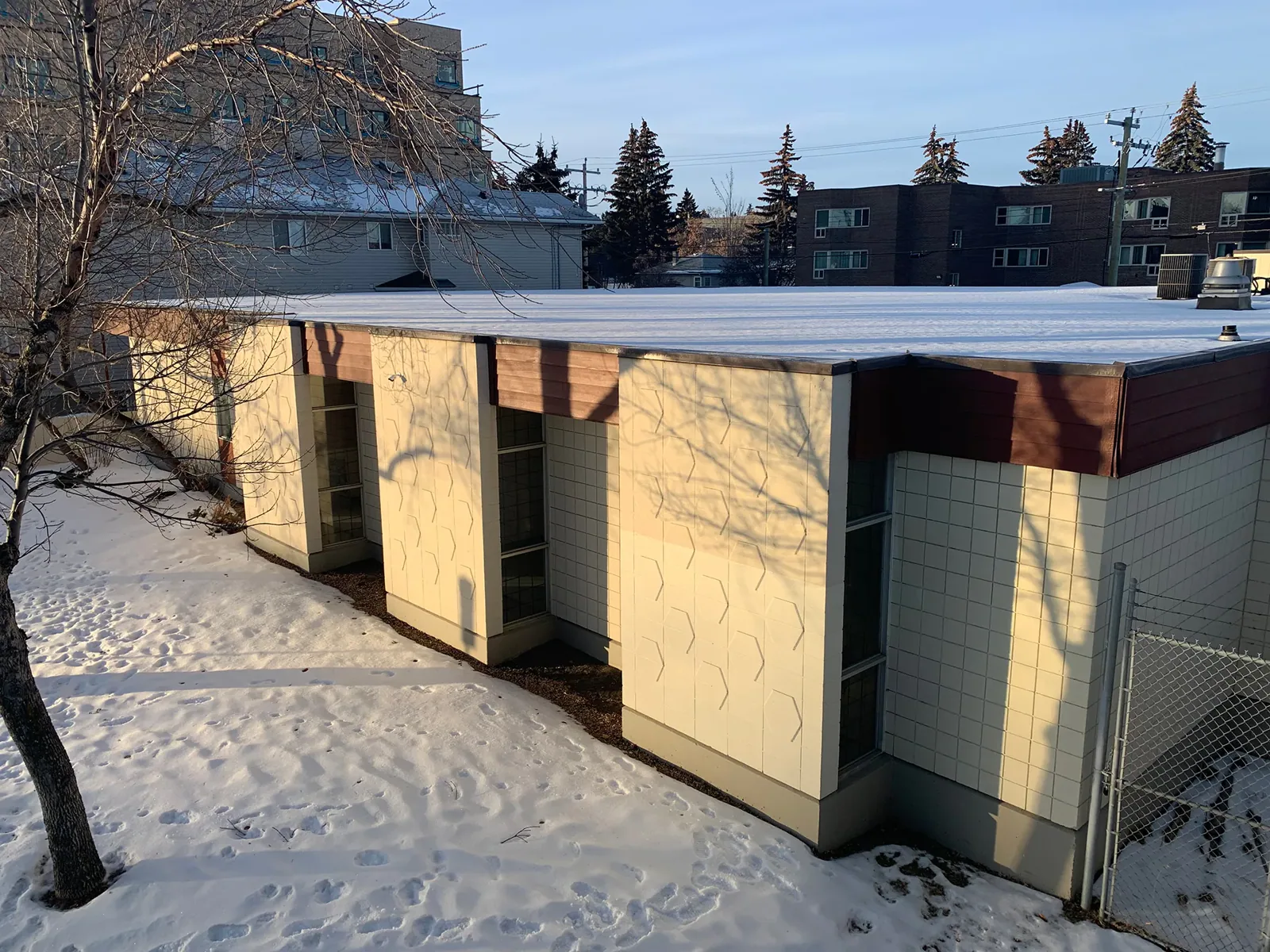
Roof Damage Repair
Assess commercial roof damage from snow and ice in Stamford, CT. Inspect drainage, seams, edges, and interior reports before selecting a repair.
Learn more
Roof Damage Repair
Repair commercial roof damage from heat and sun exposure in Stamford, CT. Inspect seams, membrane, and insulation before choosing a compatible scope.
Learn moreWind can lift perimeter metal, loosen a termination or open a seam. We check the direction of the damage, fastener pattern, lap bond and the roof field beyond the visible edge. Wind-damage repair starts with attachment and the transition that failed. If rain entered during the same event, flashing repair follows the curb, wall or parapet detail rather than a stain alone.
Temporary protection can limit exposure when the surface, access and weather allow it. The permanent work depends on the condition underneath. We record loose metal, punctures and wet areas before the repair closes the assembly, then show which finding changes the scope.
Coastal high-water conditions can affect streets and basements near Stamford if the Hurricane Barrier is not closed. That is not a parcel-level flood determination. For roof work, we inspect outlets, drain bowls and membrane transitions after heavy water exposure. Ponding-water repair checks slope and drainage; membrane-puncture repair addresses a damaged field only after the substrate is checked.
A ceiling mark can appear away from the entry. We trace the path through seams and insulation, then identify what can be reached safely. If the opening needs to be tested, the report records its location and the exposed layers. A patch that seals the surface over wet material can leave the underlying condition unresolved.
Stamford winters bring recurring snowfall and freezing temperatures. Freeze-thaw movement can stress terminations and drainage, while summer heat affects seams and metal transitions. A weather history helps set the inspection focus, but only the roof condition establishes the repair. Snow and ice damage calls for an examination of drainage, edge movement and the assembly below.
Heat and ultraviolet exposure can change a membrane surface or coating. Heat-related roof damage is evaluated with seam, attachment and substrate checks. Where a fire or nearby work affected the roof, fire-damage repair begins by documenting the affected layers and separating roof work from other building repairs.
The estimate identifies temporary measures, permanent repair, materials, access and the area included. We note any condition that would require additional removal, such as saturated insulation or a damaged deck. Seam-failure repair may be localized when the surrounding sheet remains bonded. If several roof zones show the same breakdown, the manager may need a broader system review.
Long Island Sound storm hazards include more than wind alone. Rain, surge exposure and erosion can be part of the regional risk picture, yet roof scope remains property-specific. We photograph the observed damage and connect it to the recommended work. The owner can then review immediate protection separately from repairs that require a dry substrate or coordinated access.
We inspect the metal return, fasteners, termination and adjacent membrane. The repair boundary follows attached material, not just the piece that moved.
No. It describes regional hazard conditions. We inspect the property and document roof damage separately from water conditions at ground level.
Temporary protection limits exposure when conditions allow. We inspect the roof beneath it and specify permanent work once the surface and substrate can be evaluated.
We identify the affected area and continue evaluation to a dry, stable edge. The scope explains removal and replacement before the roof is closed.
Share the event date, affected rooms and roof access limits. We will inspect the assembly, record visible damage and provide a repair scope that separates protection from permanent work.