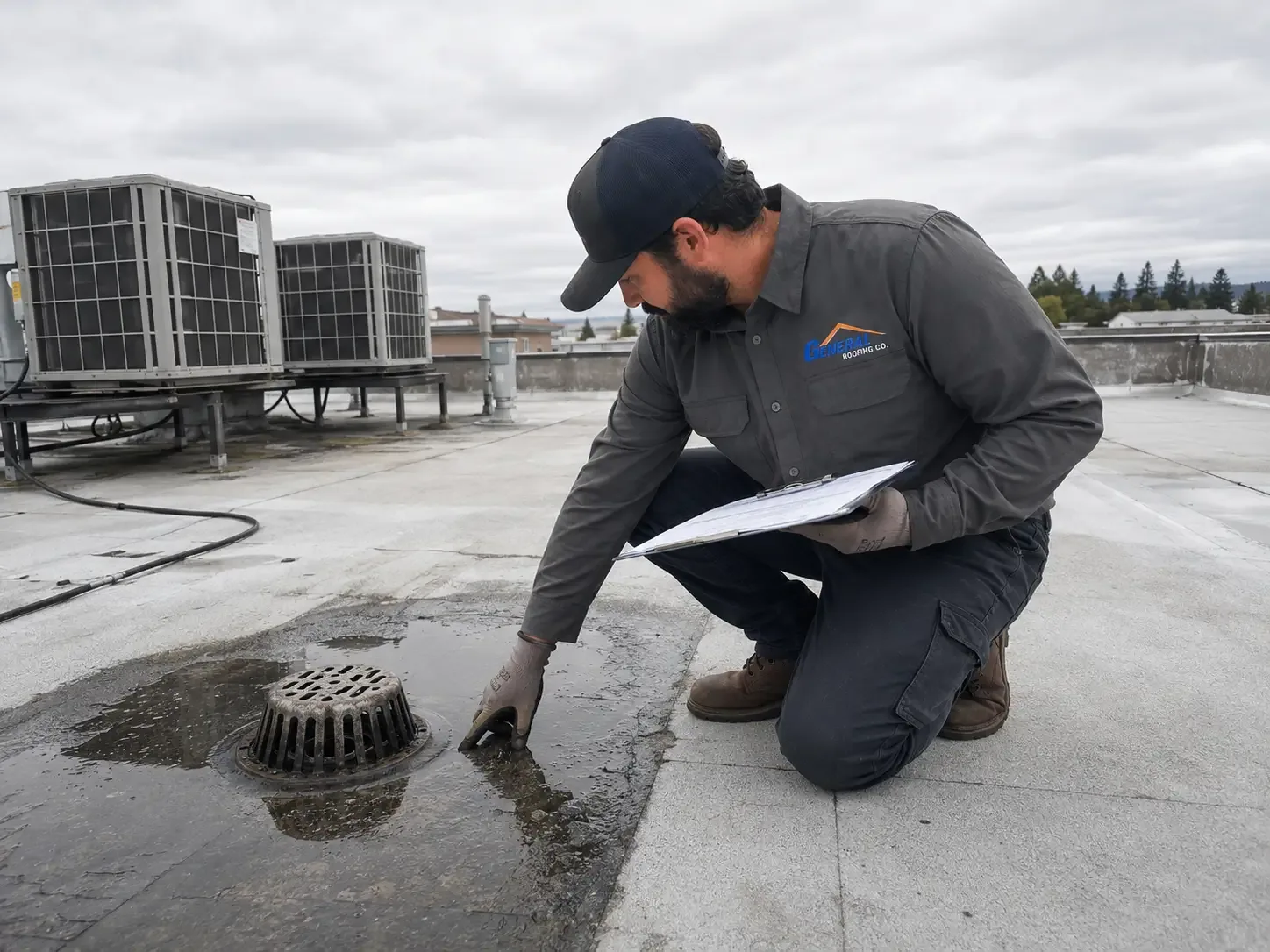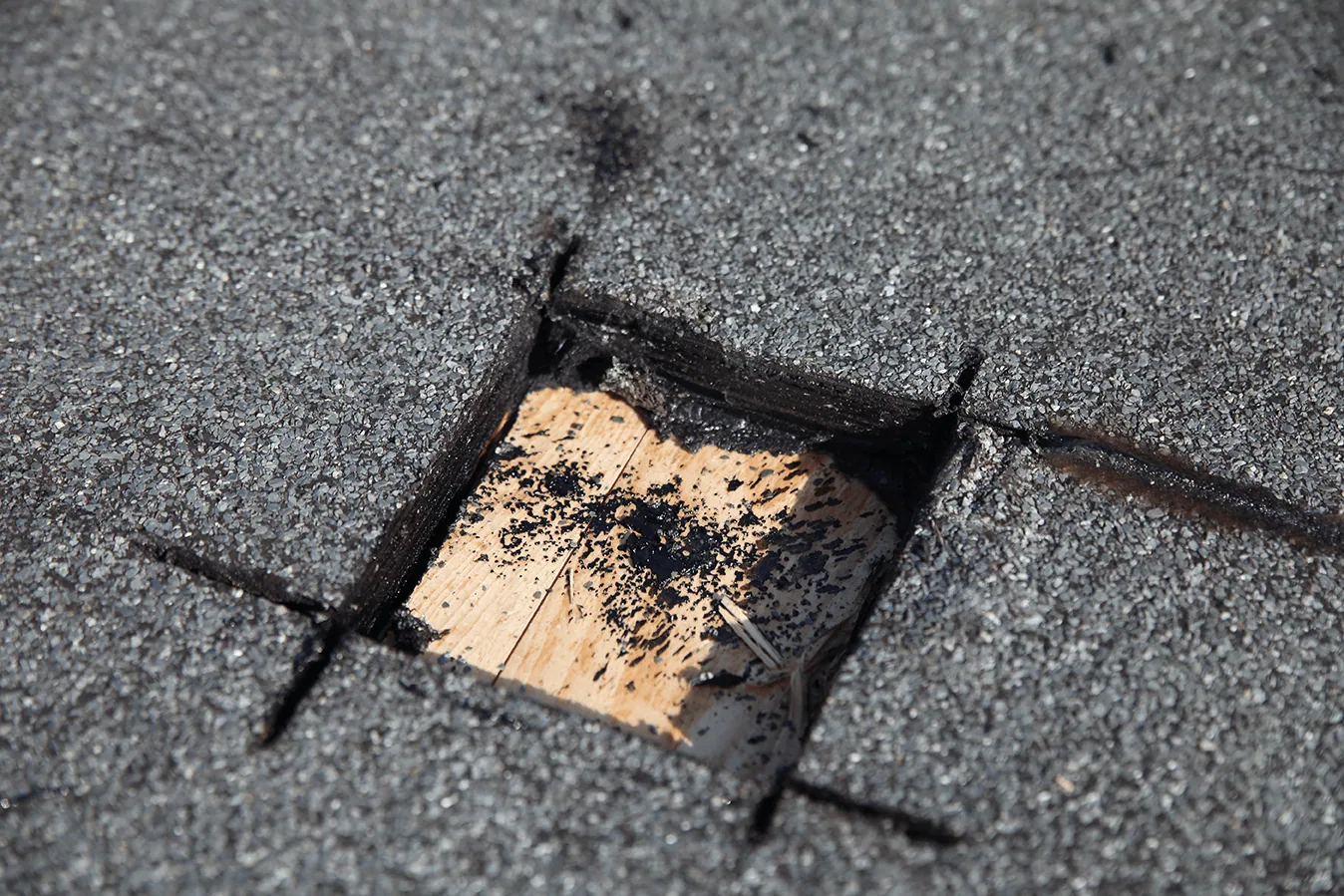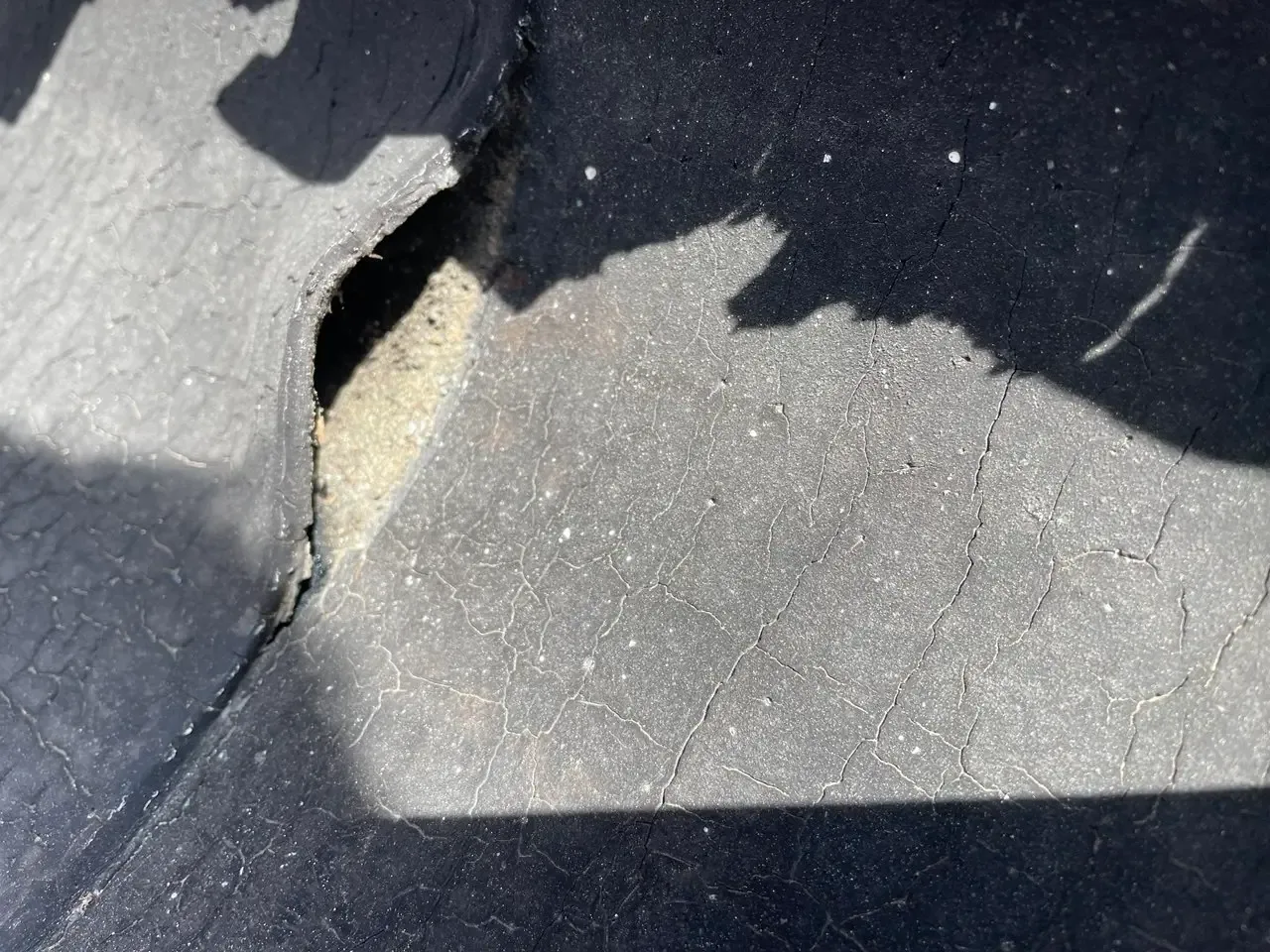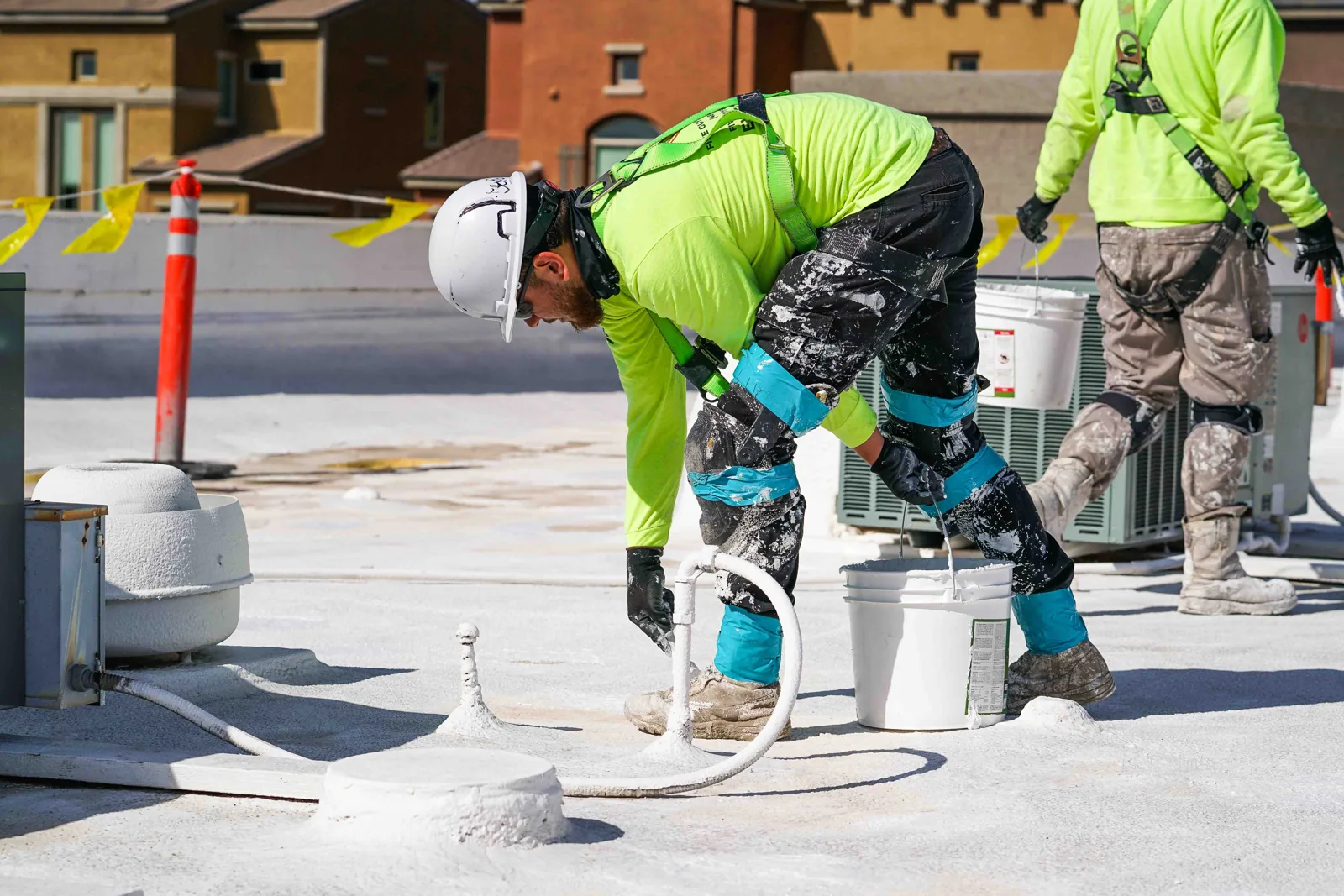
After a hurricane, a commercial roof may have loose edge metal, lifted membrane, damaged flashing, punctures, blocked drainage, or water inside the building. The visible issue is only a starting point. A roof repair assessment in Stamford, CT should map affected sections, check the connection points that resisted wind, and compare roof observations with reported interior leaks. The goal is a defined repair scope based on conditions found, not an assumption that every part of the roof suffered the same damage.
Safety and access come first. Do not enter an area with unstable material, electrical hazards, standing water near equipment, or restricted access. Once the property contact releases the roof for inspection, we document the visible condition and identify areas that need closer review. A commercial roof inspection can record observations across the roof and distinguish storm-related damage from prior conditions where evidence allows.
Inspect wind-exposed edges and transitions
Wind can stress perimeters, corners, parapets, metal edges, seams, and attachments. We look for lifted membrane, open laps, shifted coping, loose fasteners, and debris impact. A detail that remains attached may still have a broken bond or displaced termination beneath the surface. The inspection follows edges and transitions into the field to establish how far the affected area extends.
Hurricane Sandy caused wind damage in Stamford on October 29, 2012. After a later storm, we inspect the actual edge, seam, and attachment before setting the repair boundary. Inspect the actual membrane and attachment. Where metal or membrane separation reaches a wall or curb, the repair plan may need to include that transition.
Trace water entry and drainage changes
Interior stains, ceiling tiles, or wet equipment rooms help identify where to start, but the roof opening may be elsewhere. Water can follow a deck, wall, or insulation joint before reaching an occupied space. Compare interior reports with roof elevations, penetrations, seams, drains, and the storm's path across the building. Record each report with its location and timing when known.
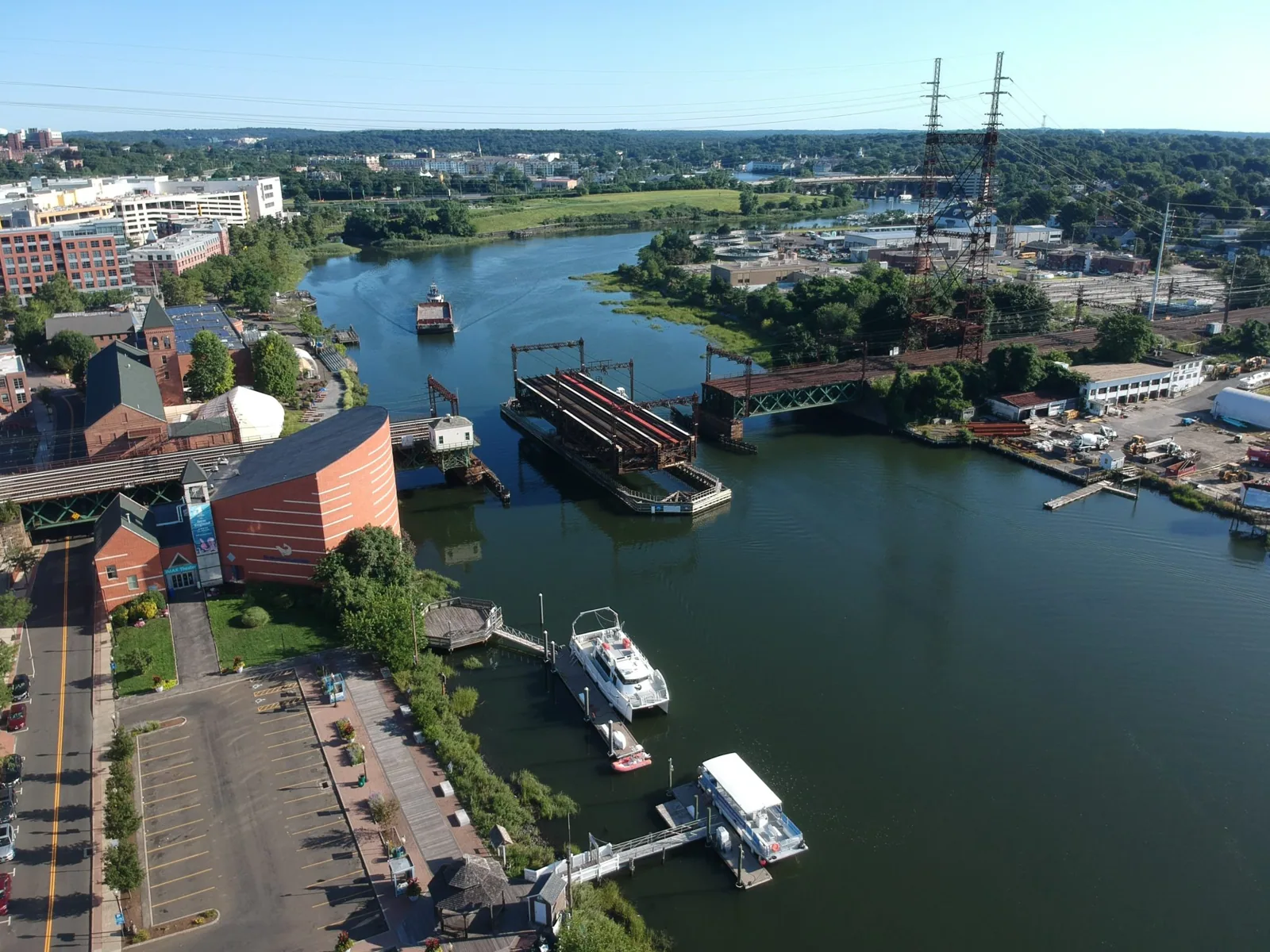
An open Stamford Hurricane Barrier can leave streets and basement areas exposed to high water. After coastal weather, we inspect roof drains, membrane transitions, and edge details, then connect any observed opening to the reported water path. A drainage and scupper inspection can address outlet conditions. For suspected moisture below the membrane, an infrared moisture survey may help map areas for direct verification.
Keep coastal exposure in the repair scope
Coastal communities along Long Island Sound face hurricane wind, heavy rain, surge flooding, and erosion. On the roof, we check perimeter attachment, rooftop equipment, openings, and water pathways after safe access is established. A roof walk documents roof conditions; water reaching lower levels can require a separate flood, electrical, or structural assessment.
We inspect the installed membrane, terminations, penetrations, rooftop equipment, and drainage after safe access is established. If water reached lower levels, the property team may need separate flood, electrical, or structural assessments beyond roofing.
Separate temporary protection from permanent work
If water is entering, temporary protection may be considered when conditions, access, and authorization make it safe. A cover or temporary seal should not block drains or conceal unstable materials. The owner should understand what it protects, its limitations, and the next inspection needed. Permanent work follows once the area is safe and the membrane and substrate can be prepared correctly.
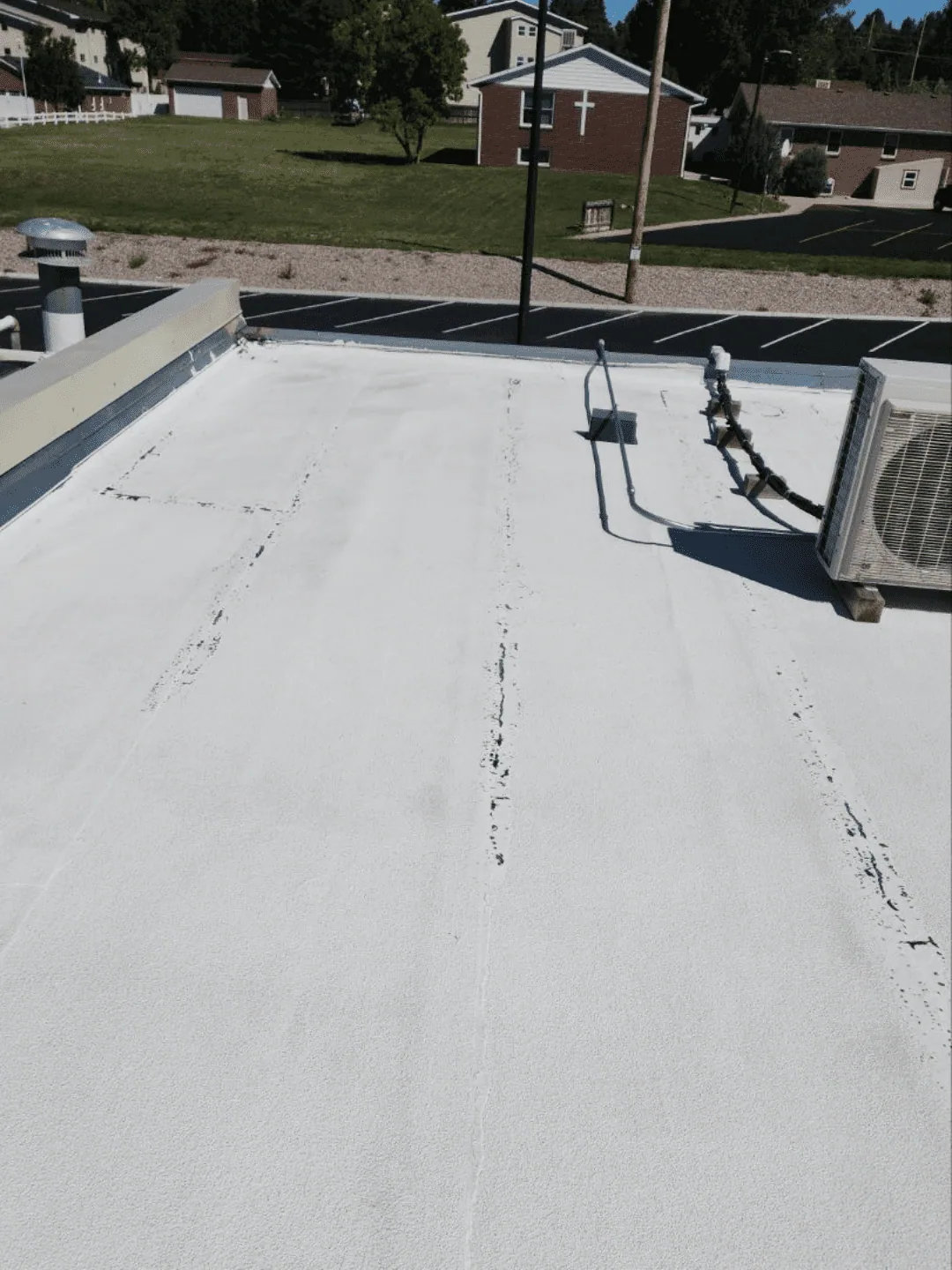
Repair limits should account for connected damage, not only the most obvious tear. A patch that ends at loose material or an open seam may leave the water path intact. We identify the membrane system, inspect adjacent seams and flashing, and note whether insulation or deck may need to be opened. A seam-failure repair or membrane puncture repair can be included when those conditions appear in the affected zone.
Coordinate repair access in Stamford and nearby cities
After a storm, commercial roof access in Stamford depends on the building's operations, roof hatch, mechanical zones, and available staging. Confirm permitted routes, restricted areas, and needed interior protection with the property contact before bringing material to the work area.
The Stamford service area reaches toward Greenwich and Norwalk, where each building still needs its own access and damage review. Our Norwalk service-area team can discuss regional coverage. The responsible site contact should establish which roof sections are available and how work can proceed without interfering with remaining operations.
Match repair details to the roof system
Thermoplastic membranes may call for compatible welded patches; EPDM uses a different preparation and bonding process. Modified bitumen, built-up roofs, and metal systems also have distinct details. We identify the assembly, remove damaged material to sound limits, prepare the substrate, and install the approved layers and terminations. The repair should reconnect to sound membrane without creating a raised edge that interferes with drainage.
Where fasteners, coping, or edge metal have shifted, the scope may need attachment corrections before membrane work is closed. Rooftop units and penetrations should be checked for disturbed curbs, conduits, or supports. Drainage and field conditions may also need inclusion. Material selection follows the roof system and project requirements. For connected areas, include commercial roof repair within the defined storm scope.
Document what changed and what remains
Keep dated photographs of the observed damage, opened layers, repair limits, and completed details. Inspect perimeters, corners, parapet seams, equipment curbs, and outlets as separate details, then connect displaced material with the reported leak path. If separation reaches more than one tie-in, the scope should identify what can be closed in the current phase and what needs follow-up work. The owner can review temporary protection and the permanent boundary in one record. A roof plan can mark affected areas and reported interior leaks. Record which materials were installed, what remained outside the approved scope, and whether additional inspection was recommended. These notes help the owner distinguish completed repairs from temporary measures or areas awaiting further assessment.
After work, review nearby seams, edges, drains, and rooftop penetrations for related movement or debris. If interior water entry continues, compare its location with the documented roof findings before adding another patch. A roof condition report can preserve storm observations and repair history. For larger damage, a replacement evaluation may be appropriate when a localized repair cannot restore the affected assembly.
Commercial Roofing Questions
What should be checked after hurricane winds affect a commercial roof?
Inspect roof edges, corners, parapets, seams, penetrations, drains, and rooftop equipment for movement or damage. Compare these observations with interior water reports. Access should wait until the property contact confirms the area is safe and available for inspection.
Can nearby high water show whether the roof was damaged?
No. Street or basement flooding does not establish a roof condition. We inspect the membrane, drains, and transitions at the property, and a separate flood or structural assessment may be needed for lower-level water.
Can temporary roof protection stop a storm leak?
Temporary measures may reduce exposure when conditions and access permit, but they have limits and are not the permanent repair. The team should document what is protected, keep drainage clear, and schedule inspection of the underlying roof assembly.
How do you decide between repair and replacement after a storm?
The decision depends on the extent of damage, condition of adjacent materials, roof system, and whether a reliable tie-in is possible. We document affected areas and explain which layers or details require further investigation before defining the scope.
Will the inspection include interior leak reports?
Yes, when the owner provides locations and timing. Those reports can help direct roof inspection, but water may travel before it appears inside. The roof-side opening and any moisture below the membrane need separate confirmation.