A drip above a production line is not a roof location. It is the point where water finally came through. We trace the path across the membrane, curb, seam, and drainage detail before setting the repair boundary. Stamford's flexible-industrial category includes light manufacturing, distribution, maker space, and adaptable production, sometimes with office or showroom uses. The installed membrane and its present condition set the inspection scope. We plan the opening, protection, and dry-in around the affected operation. A roof inspection can connect a line-side report to the roof area that needs repair or testing.
Production routes: isolate the work zone
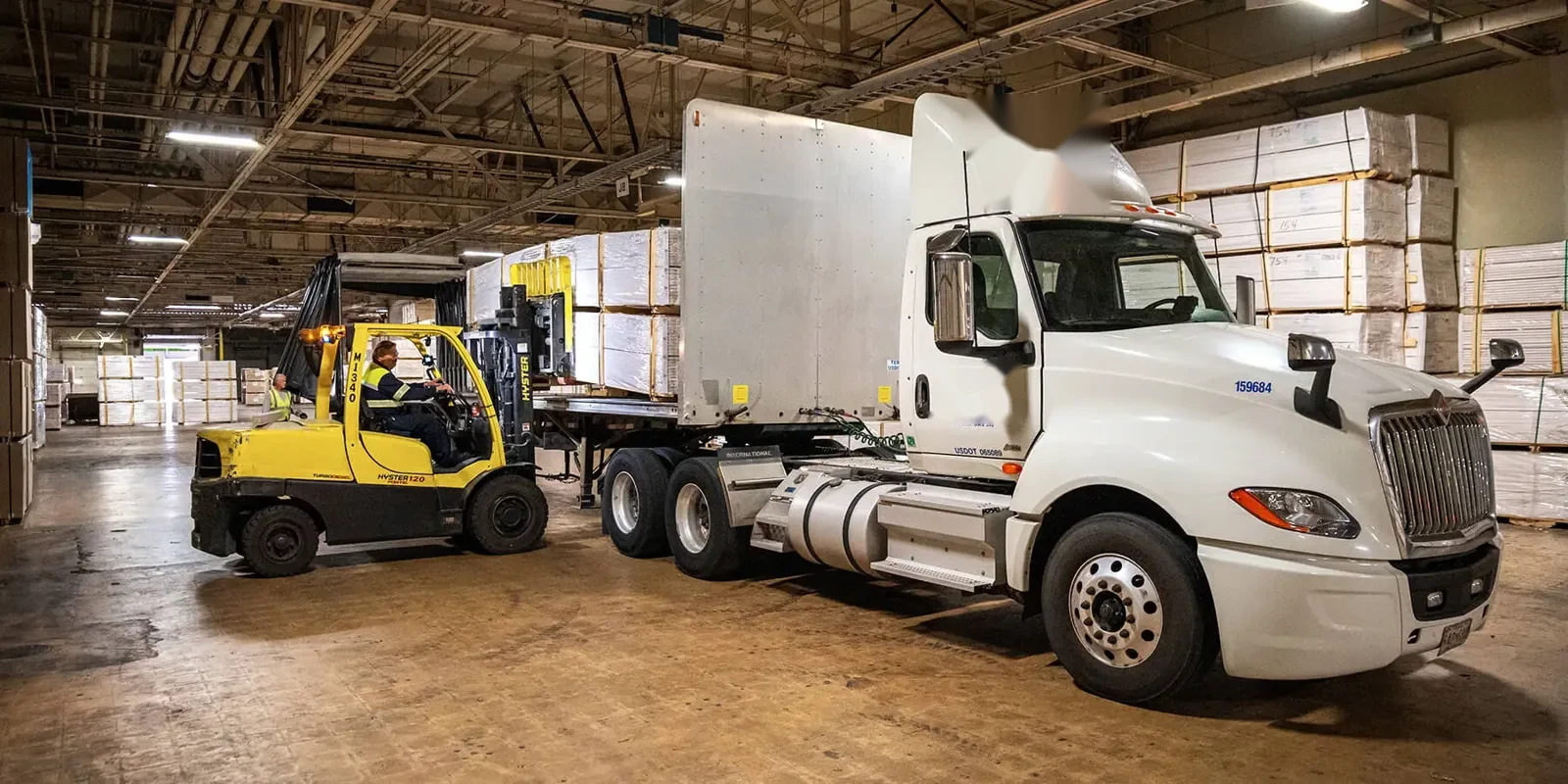
Before material reaches the roof, we identify the lift position, staging area, interior protection, and the route that keeps production traffic clear. A repair over a controlled room may need different barriers from work above an open assembly floor. The manager's rules define those routes. We state where the membrane will open, how the space below will be protected, and what must be closed before the day's work ends. If a process needs a temporary hold or a separate trade, that dependency belongs in the scope.
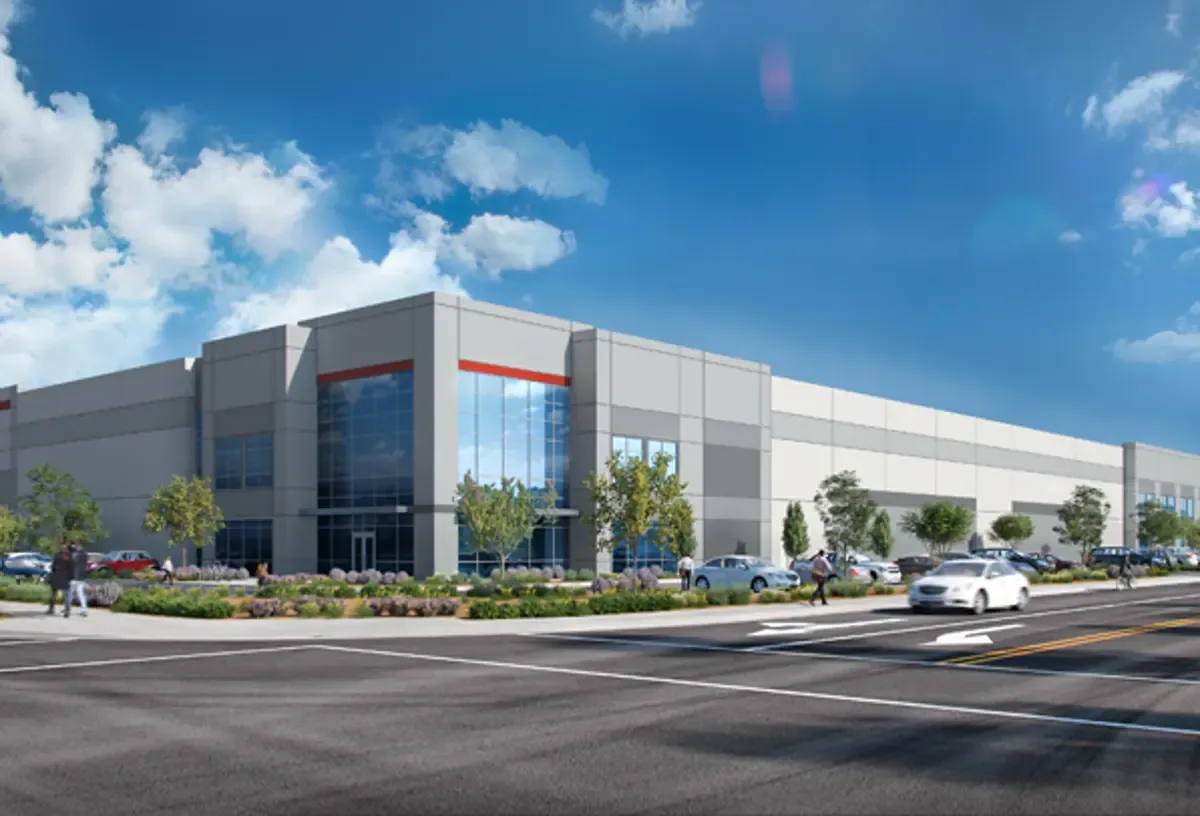
A manufacturer's building may combine shop floor, shipping, office, and storage functions. A plan should mark those zones instead of calling the whole structure one operating area. logistics and 3PL operations add their own loading constraints, while the roof assembly determines the technical repair. We coordinate the ground and roof routes with the site contact and keep debris, removed insulation, and tools out of marked paths. The scope should also identify weather protection at each open edge, so a shift change does not leave an unfinished tie-in exposed.
Roof assembly: inspect the load and movement points
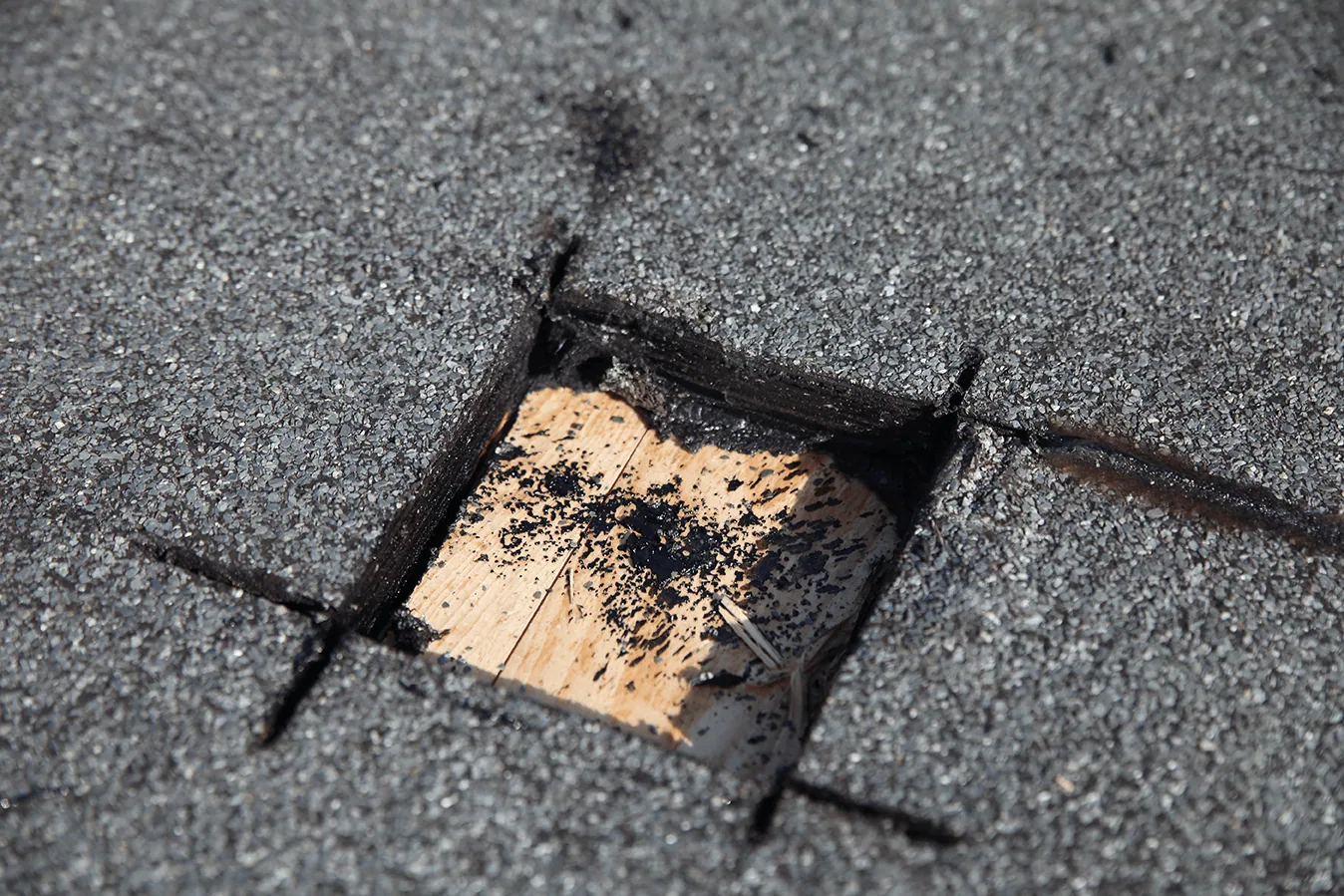
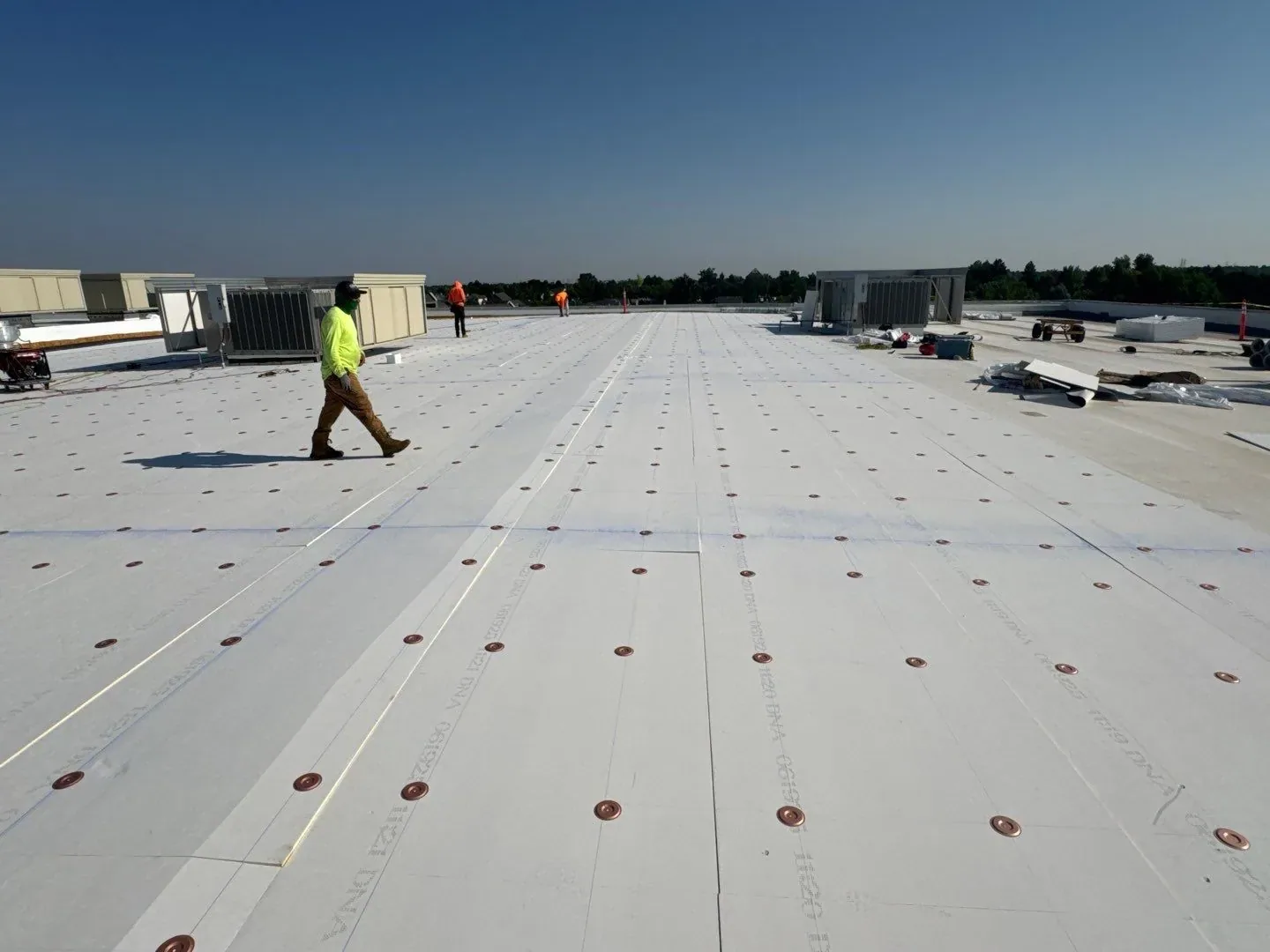
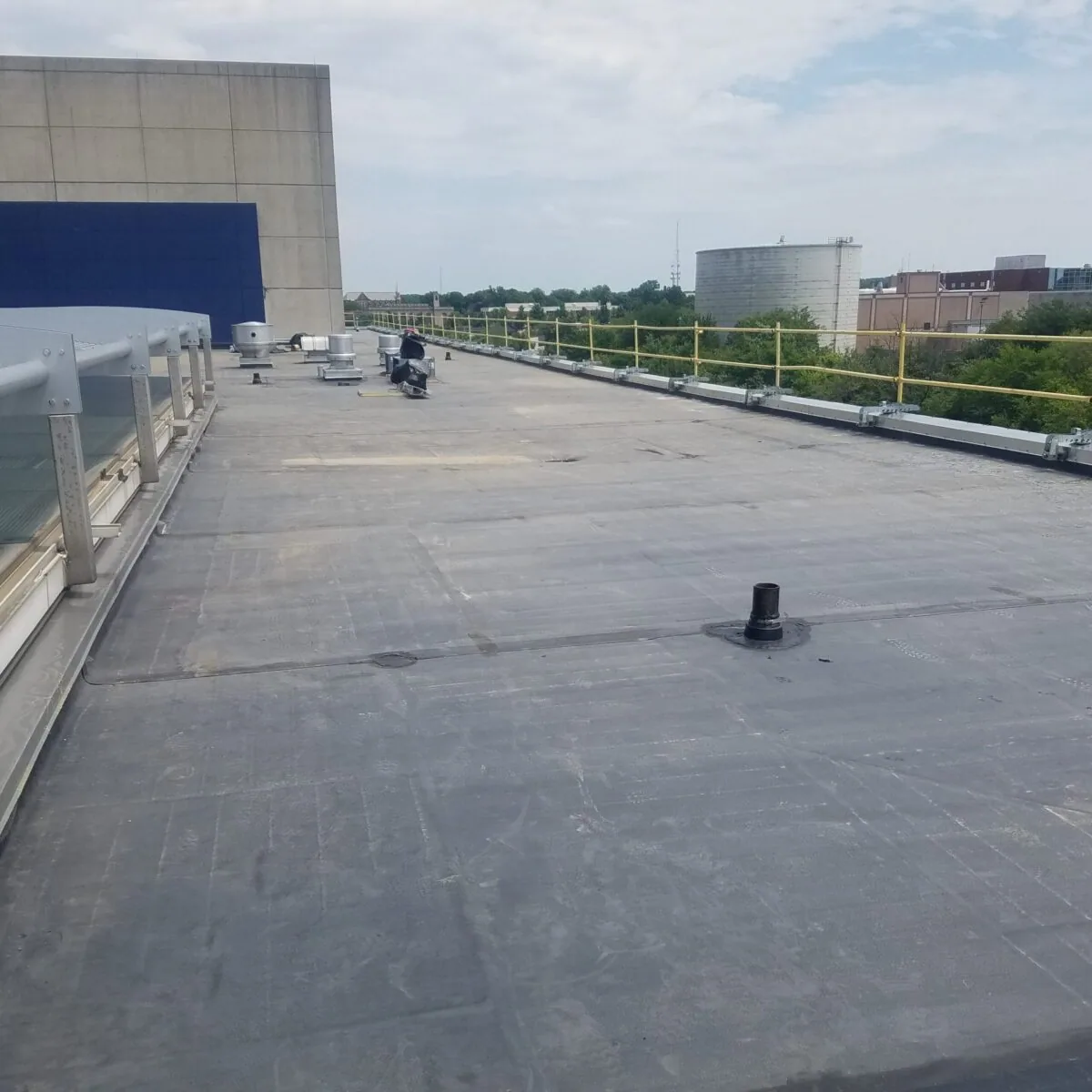
Vibration, equipment service, and repeated foot traffic can stress curb corners, fasteners, and membrane laps. We check those details along with drains, wall turns, edge metal, and prior patches. Where the roof has additions or different elevations, we map the transitions separately. A small weld split on dry, sound material may accept localized repair. Wet insulation, loose attachment, or deck movement can widen the work. We record which observation supports each recommendation rather than treating the roof as one undifferentiated surface. We also check walkway pads, supports, and fastener rows near maintained equipment, because repeated access can disturb a detail even when no interior leak has been reported. The repair boundary should reach sound sheet and secure fastening, not stop at the edge of a visible scuff.
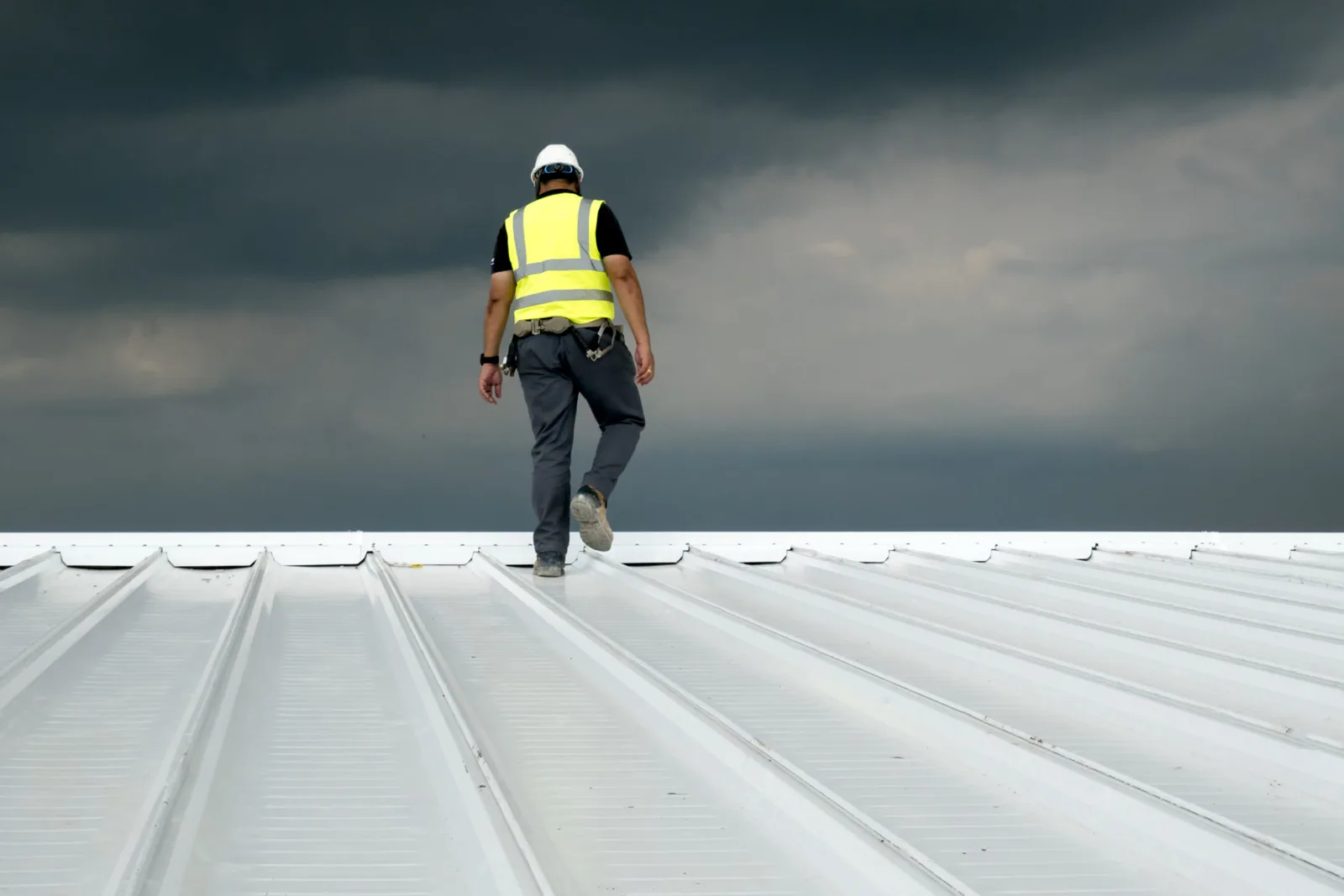
Stamford's flexible-industrial areas support light production and distribution, with possible office or showroom uses. Those operating zones shape access and protection planning; we identify the roof system and its condition in the field. We identify the membrane and deck directly. If the property has TPO, a TPO roof assessment checks welds and terminations in the installed assembly; if the system differs, we select a compatible detail for that material. The roof plan should show equipment bases, roof openings, drain paths, and any areas that could not be safely accessed during the walk.
Water control: follow the defect beyond the stain
Industrial roofs often have long membrane runs interrupted by pipes, curbs, and drainage points. A leak can travel along a deck before it reaches a ceiling or production area. We use the report time and location to select roof zones, then check seams and penetrations in the likely path. If moisture is hidden, infrared review or a core can help define the affected area. We explain what that test would establish and how the result changes removal or repair. A moisture survey is useful when surface evidence does not show the insulation boundary.
Route 1 runs through a coastal commercial corridor that includes Stamford and nearby municipalities. Along a property near that route, deliveries and lift access may need careful timing; the traffic context does not predict roof condition. We ask the site team about vehicle movements, overhead clearances, and active loading areas, then set a material path that suits the property. During roof work, drains and overflow paths stay in view. A blocked outlet or unsealed curb can undo a sound field repair if the contributing detail is left outside the scope.
Repair or capital work: define the decision
A repair is practical when the defect is contained and the neighboring sheet, insulation, and deck remain sound. Repeated seam failures or broader moisture can make several patches a poor use of access and labor. A recover may be considered when attachment, moisture, deck capacity, drainage, and code conditions support another layer. Replacement opens the assembly to the agreed boundary and allows transitions to be rebuilt. We compare options against findings, not a preferred method. recover evaluation and replacement work have different preparation and dry-in requirements.
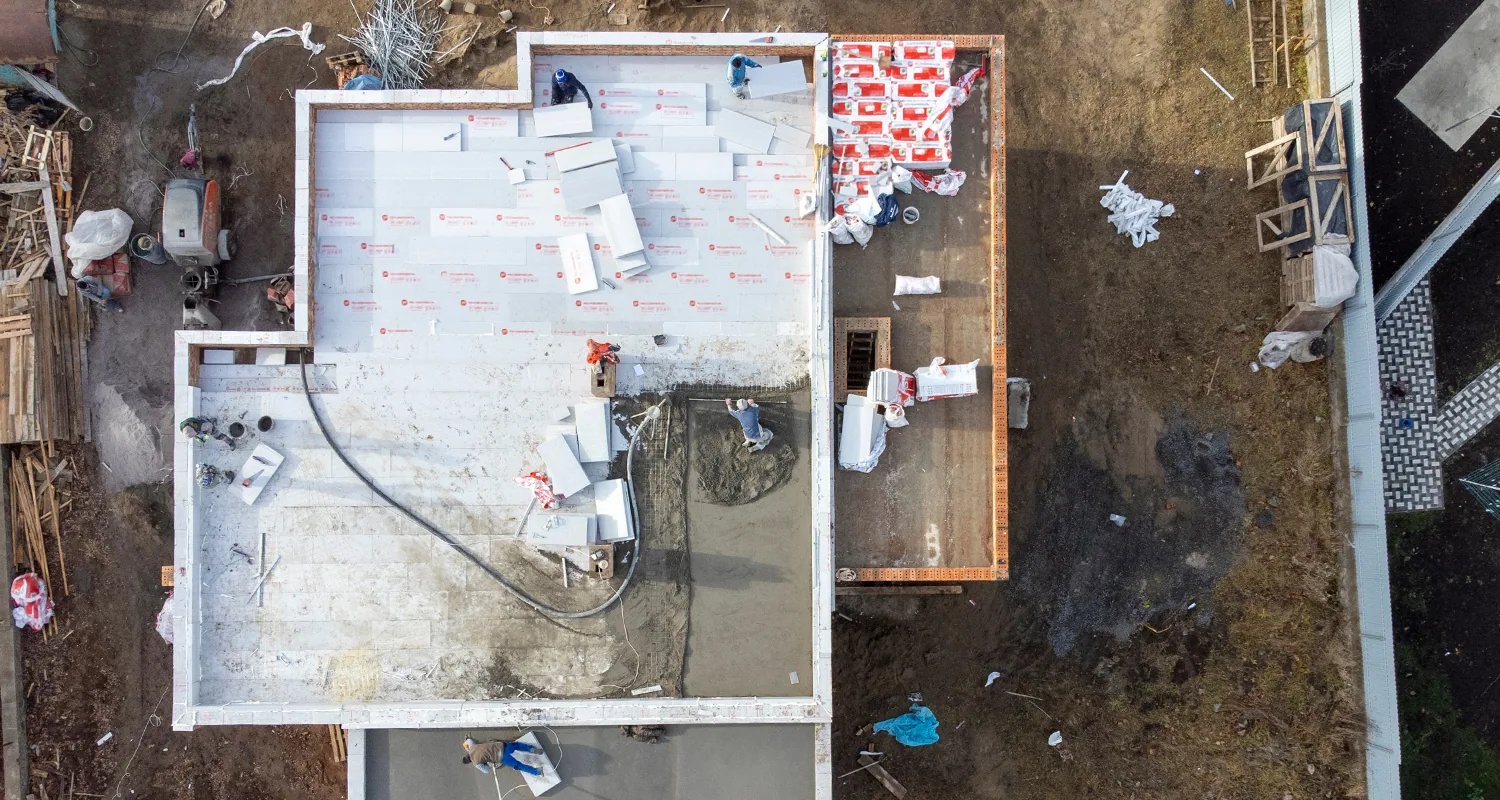
For a capital request, the manufacturer can use a roof-zone map, photos, access assumptions, and exclusions to compare scope. We separate roofing from mechanical or process work that belongs to another trade. The document identifies what remains operational, what needs coordination, and what condition would require approval before extra removal. If a phase ends before the full roof is renewed, the tie-in and temporary boundary should be described clearly. That lets the production team plan around the work without mistaking a partial project for a full-system correction.
Closeout: keep the next service visit useful
After repair, we document the work zone, materials removed, transitions restored, and any adjoining issue outside the agreed limit. Photos should show both the detail and its position on the roof plan. If a test opening found wet insulation, the report records its extent and where dry material began. roof condition reports help facility teams carry those observations forward without turning them into unsupported claims about unseen areas. The next inspection can then focus on the component that moved or the route that needs to stay clear.
Share prior service tickets, known membrane type, roof plans, equipment schedule, and the operation's access rules before a walk. We inspect the actual assembly and provide a written repair scope or larger-system recommendation. For a wider ownership view, real-estate investors can receive findings by asset, while Downtown Stamford roof work can be coordinated around the property's own loading and pedestrian paths. The relevant corridor or district helps frame access, but the roof detail determines the correction.
Commercial Roofing Questions
Can a roof repair be planned around a production schedule?
We coordinate the roof opening, lift access, protection below, and daily dry-in with the site contact. The operating plan sets the workable sequence, and the scope names any area requiring a separate shutdown or trade.
What should a manufacturer send before a roof inspection?
A roof plan, leak locations, prior repair notes, equipment schedule, and access rules help identify the right zones. We still verify the assembly and details in the field before recommending work.
How do you keep a leak from being treated as a ceiling repair only?
We start with the reported room and trace likely water paths through seams, curbs, drains, and deck transitions. The written recommendation connects the interior symptom with the roof detail that needs correction.
Which assembly conditions justify comparing a coating with an overlay?
The existing roof must have suitable adhesion, moisture condition, attachment, and drainage. We identify those conditions first; a coating or added layer is not a substitute for correcting wet or unstable material.
How do you handle production equipment on the roof?
We mark service paths and curbs, then coordinate access with the equipment contact. Roofing scope covers the membrane and flashing transition; equipment repair or disconnection remains with its trade unless included separately.