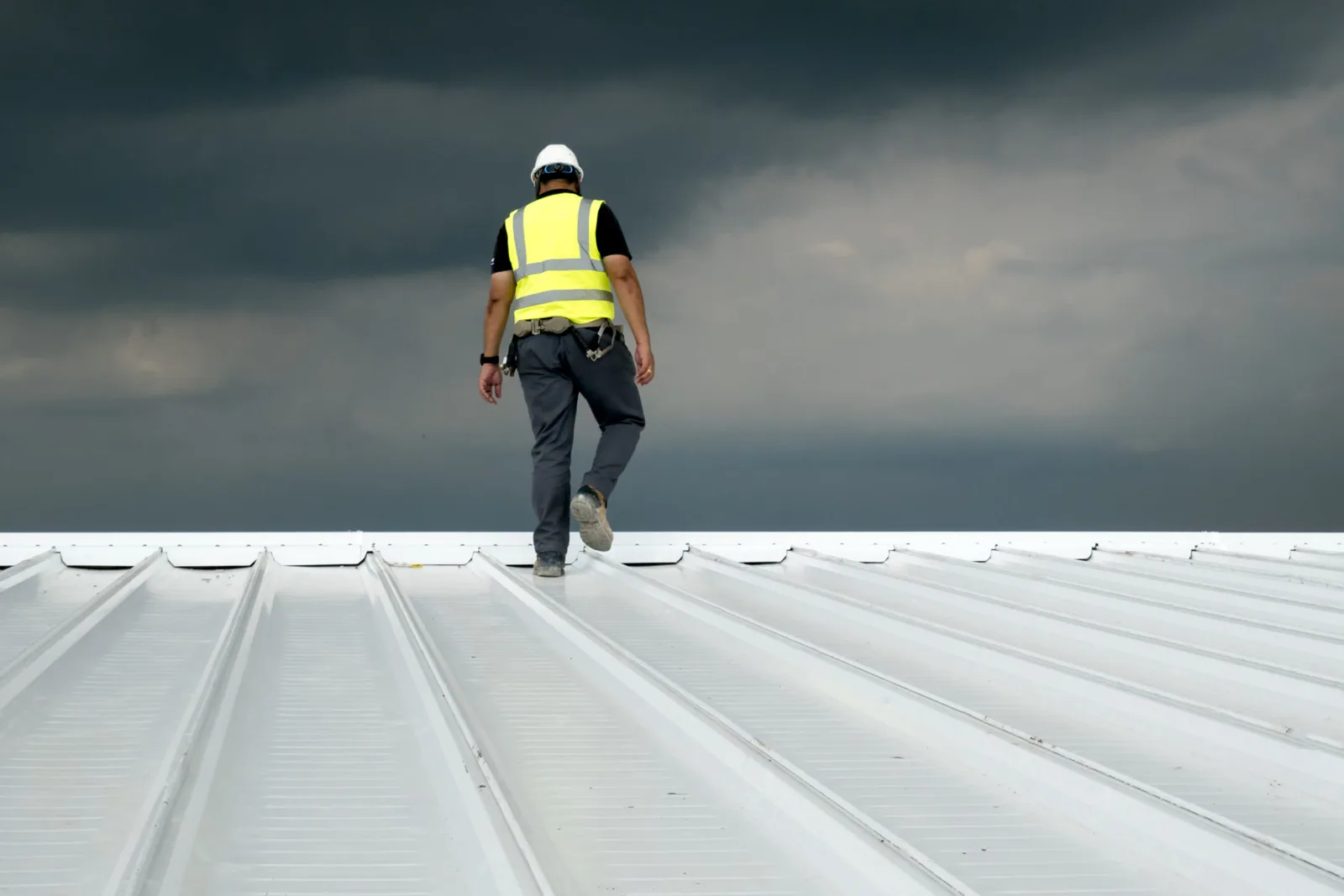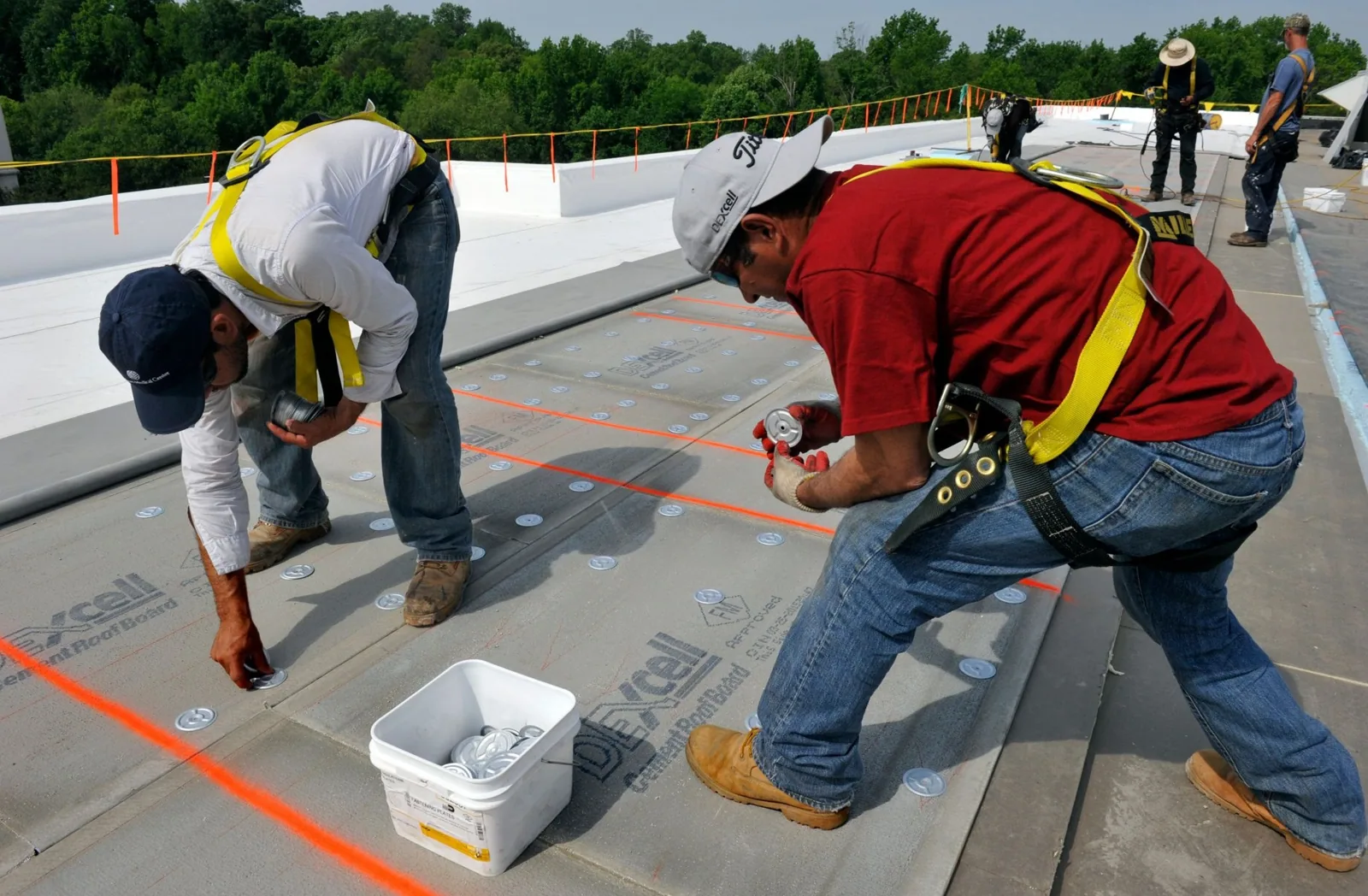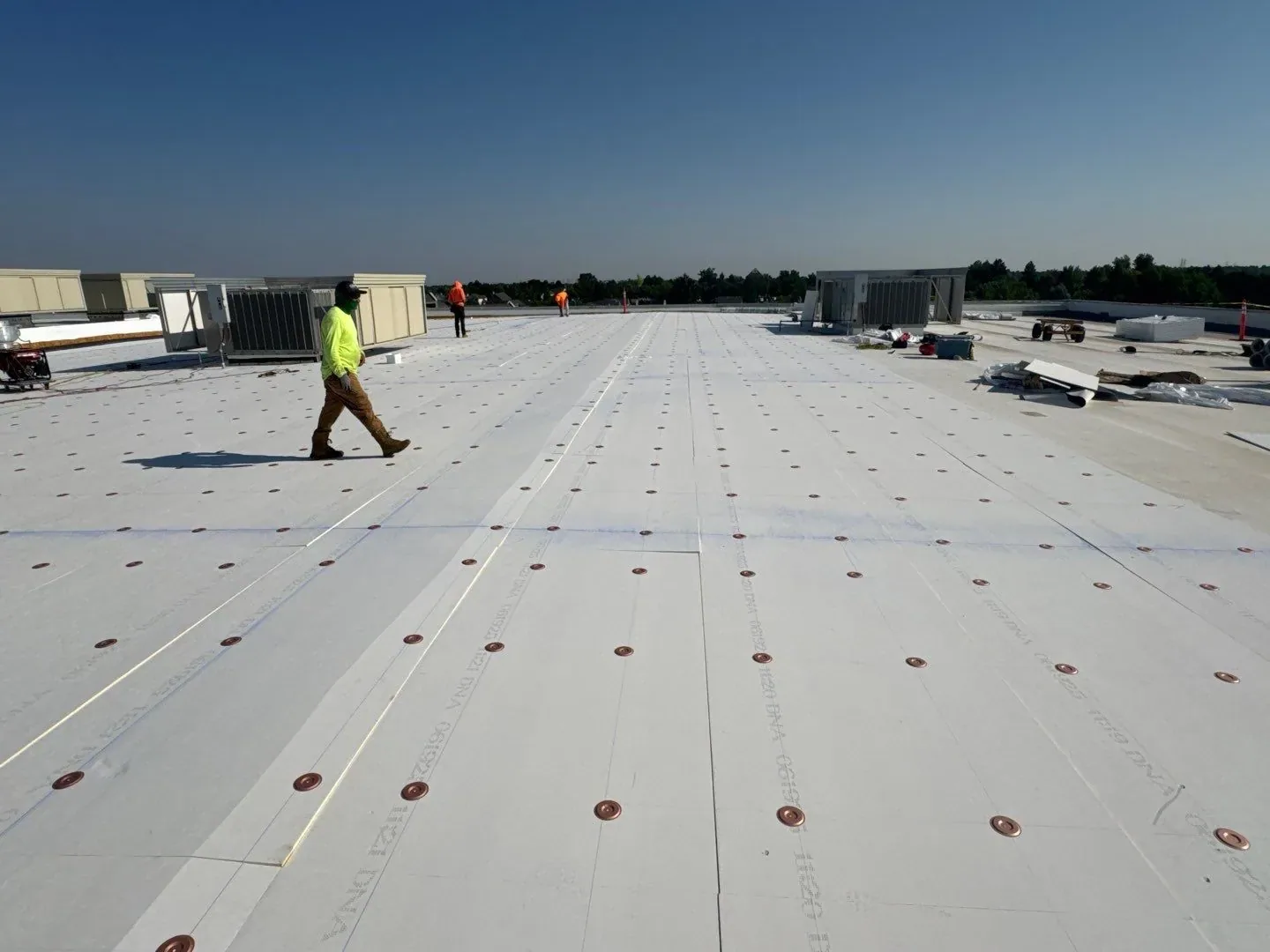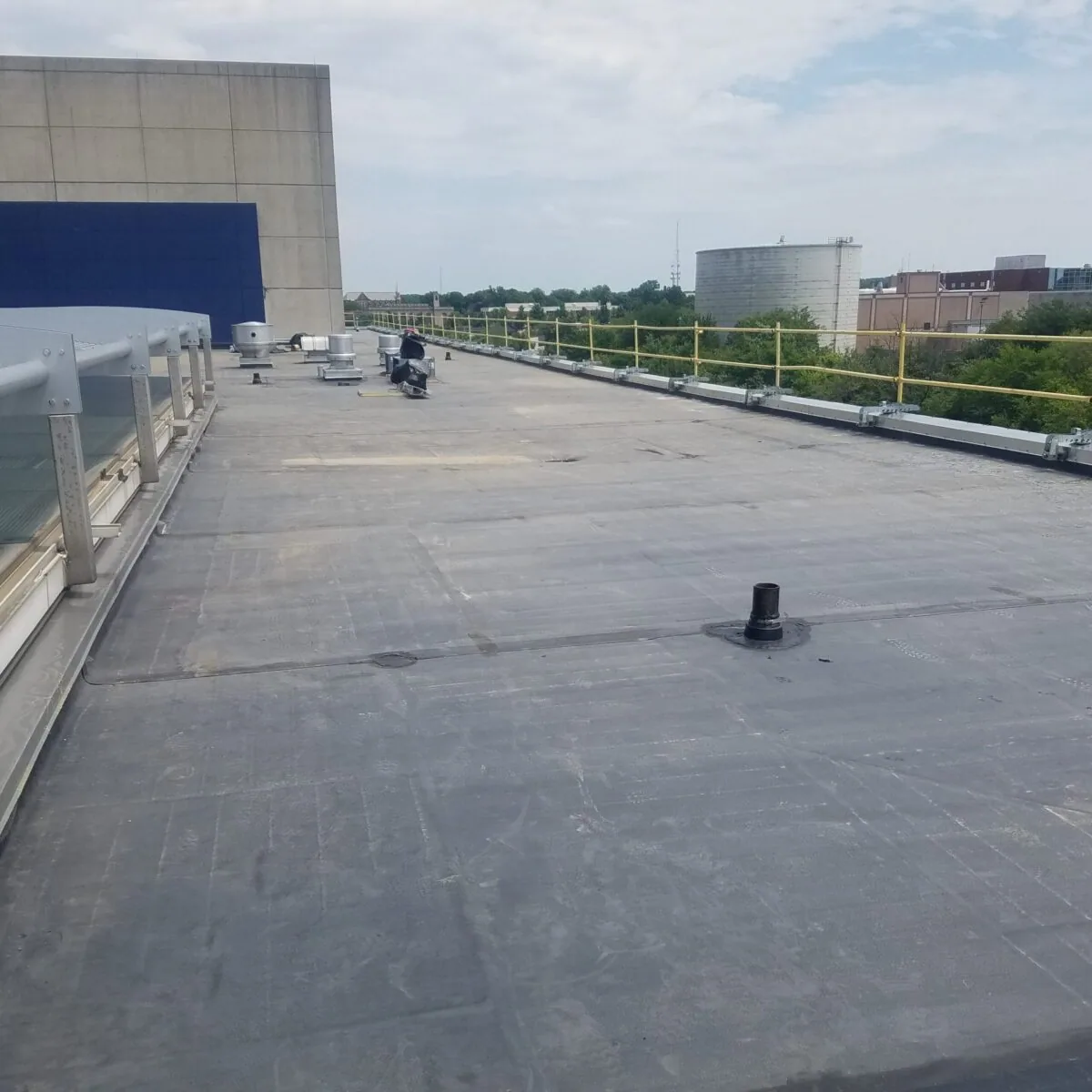
A warm patch can guide testing when its location aligns with leak history or a roof detail. An infrared survey maps thermal patterns that may help identify areas for closer testing. In Stamford, winter freeze-thaw cycles and summer heat make seasonal conditions part of the survey setup, while the actual roof determines what the pattern means. We compare scan locations with seams, drains, curbs, leak reports, and roof construction. The roof layers and details documented in a commercial roof inspection give the images useful context. The useful question is not just where the image changes color. It is whether that location lines up with a leak history or a weakness in the membrane, and whether confirmation would change the work scope. We establish that question before selecting test points, so the scan and any core cuts answer a property decision rather than produce an unconnected map.
Survey method: use thermal patterns to guide a test
The infrared scan maps temperature contrasts across the roof surface. Retained moisture can change how an area gains or loses heat, but shade, insulation changes, rooftop equipment, and surface materials can also affect the image. We review the roof and conditions at the time of scanning before marking a suspected area. We use the thermal pattern to select test points that can distinguish a suspected area from a nearby reference location. A roof insulation review helps identify the assembly and layers that influence interpretation. We explain which test point can resolve the decision, then use a core cut or roof-level check where needed. A consistent pattern over an insulation joint may have a different cause from a compact change beside a drain. We compare image shape and roof detail, then choose a small number of test points that can confirm the relevant condition. Each point gets a clear location on the roof plan or image so the sample can be related back to the scan.
Conditions: set up the roof for a useful scan
The survey needs a roof surface and timing that allow thermal contrasts to be read. We log scan time, weather, shade, equipment activity, roof zones, and recent water exposure beside each image so the thermal contrast can be read against the assembly. We document the setup and compare surfaces with different colors or assemblies, since each can respond differently to heating. A color change only becomes a test candidate when it aligns with roof details, leak history, or another observed condition. Scan timing and images are retained with the Diligence Notes so a reviewer can understand what was observed and under what conditions.
Core cuts: confirm before changing the roof scope
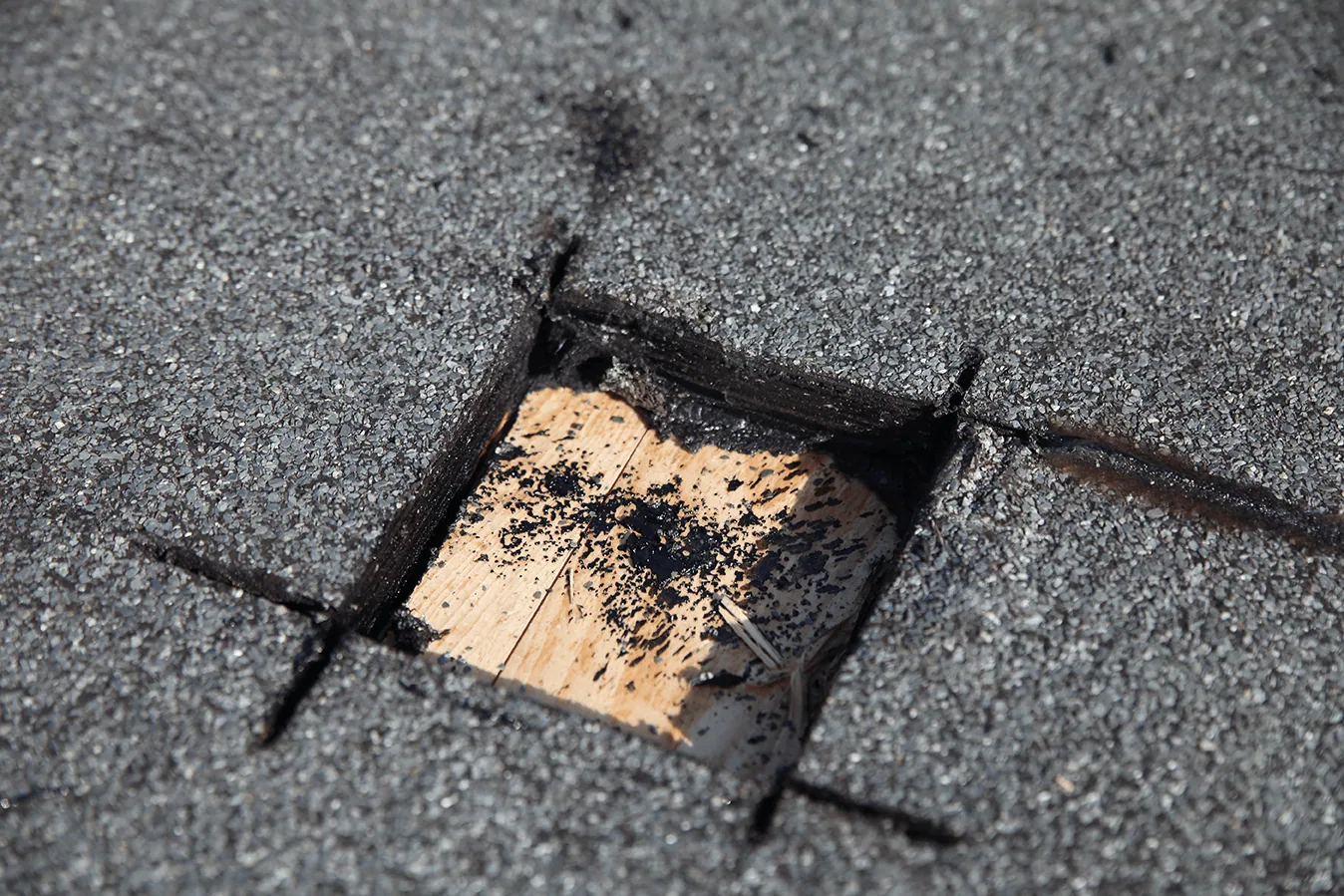
A selective core cut can show the layers at a marked location and whether insulation is wet. We choose test points based on thermal pattern, leak history, roof details, and the owner's decision question. The opening must be repaired with a compatible detail after sampling. If a core finds wet insulation, we map the affected boundary rather than assuming the whole roof is wet. An overlay decision weighs moisture extent and attachment through a recover evaluation; widespread wet material may instead support a replacement scope. Test locations should distinguish a suspected wet area from a nearby reference area where the image appears stable. We document the layers removed and the condition found at each sample. That gives the owner a basis to decide whether more sampling is needed, or whether the confirmed boundary is enough to develop repair details and quantities. Where a roof has multiple repairs or insulation types, we label each sample by zone and layer instead of merging observations. A sketch should show the opening, adjacent detail, and any limit to the scan so later repair quantities trace back to field evidence.
Stamford roofs: connect moisture to the building
On rooftops in North Stamford and Springdale, equipment access and occupied spaces can shape the order of test points. We coordinate entry with the property contact, then mark each scanned zone so a technician can return to the same location. A thermal pattern is read against the roof layers, surface conditions, and field confirmation. For an EPDM roofing assembly, we identify the membrane and underlying insulation before comparing the scan with the construction. We note areas hidden by a unit or parapet, record the limits of coverage, and state the next test that would clarify the condition. The report leaves the owner with roof-specific findings and a clear next step.
Decision use: turn the map into an action boundary
We map test locations, core findings, and the boundary of wet material so the owner can compare the result with the repair or recover decision. An isolated area may support selective repair; a broad moisture pattern can affect recover or replacement decisions. A condition report preserves the images and Diligence Notes, while capital planning can use the findings to set a work sequence. If water is ponding around a suspected area, a drainage review may be needed alongside moisture testing. The report pairs the thermal map with sample locations and the supported work boundary. When a sample leaves the scope question open, we identify the next test point that could settle it. When testing confirms wet insulation beyond a local patch area, the owner can compare selective removal with a larger roofing scope using the same mapped boundary. The findings can be shared with the roofer, building engineer, or ownership team without turning image colors into a repair specification. Each participant can see the locations tested, material condition, and scope question that remains.
The final recommendation should answer the owner's original decision question. If a test confirms wet insulation, map its measured boundary and identify the roof areas included in a repair or replacement scope. If the sample is dry or inconclusive, say what the result establishes and whether another test would change the proposed work. The report should distinguish measured conditions from interpretation, identify areas the scan could not cover, and retain images with their locations. This keeps the next step tied to field evidence rather than color alone.
Commercial Roofing Questions
What confirmation is needed before a thermal pattern is treated as wet insulation?
Use a core cut at a marked point to check whether insulation is wet there. We compare that sample with nearby roof layers and leak history, then map the confirmed extent before setting removal limits.
When is a core cut needed?
A core cut is useful when the owner needs to know whether a marked area contains wet insulation or how the roof layers are assembled. We select test points from the image and roof findings, then repair the opening with a compatible detail. The sample helps establish the moisture boundary. The result guides repair quantities and recover eligibility.
Can a moisture survey tell me whether to recover or replace?
An infrared result can inform a recover decision, but it does not determine eligibility by itself. Moisture extent, deck condition, attachment, existing layers, and permit requirements all matter. We report the confirmed condition and compare the options that fit the assembly. A dry area at one test point does not settle conditions everywhere.
How do weather and season affect an infrared survey?
Surface heating and cooling conditions affect the thermal pattern. We record weather, shade, and other factors at scan time, then interpret images against the roof itself. Stamford's snowfall, freezing nights, and summer warmth affect surface heating and cooling, so we record the scan conditions with the images.
What should the survey report include?
It should identify the roof areas scanned, conditions affecting the images, suspected locations, core-cut findings, and the recommended next step. We distinguish thermal indications from moisture confirmed in a sample. That gives the property team a boundary they can use for repair planning. It should also note test locations and the repair performed at each sample opening.