
Roofing Capabilitie
Commercial Roof Asset Management
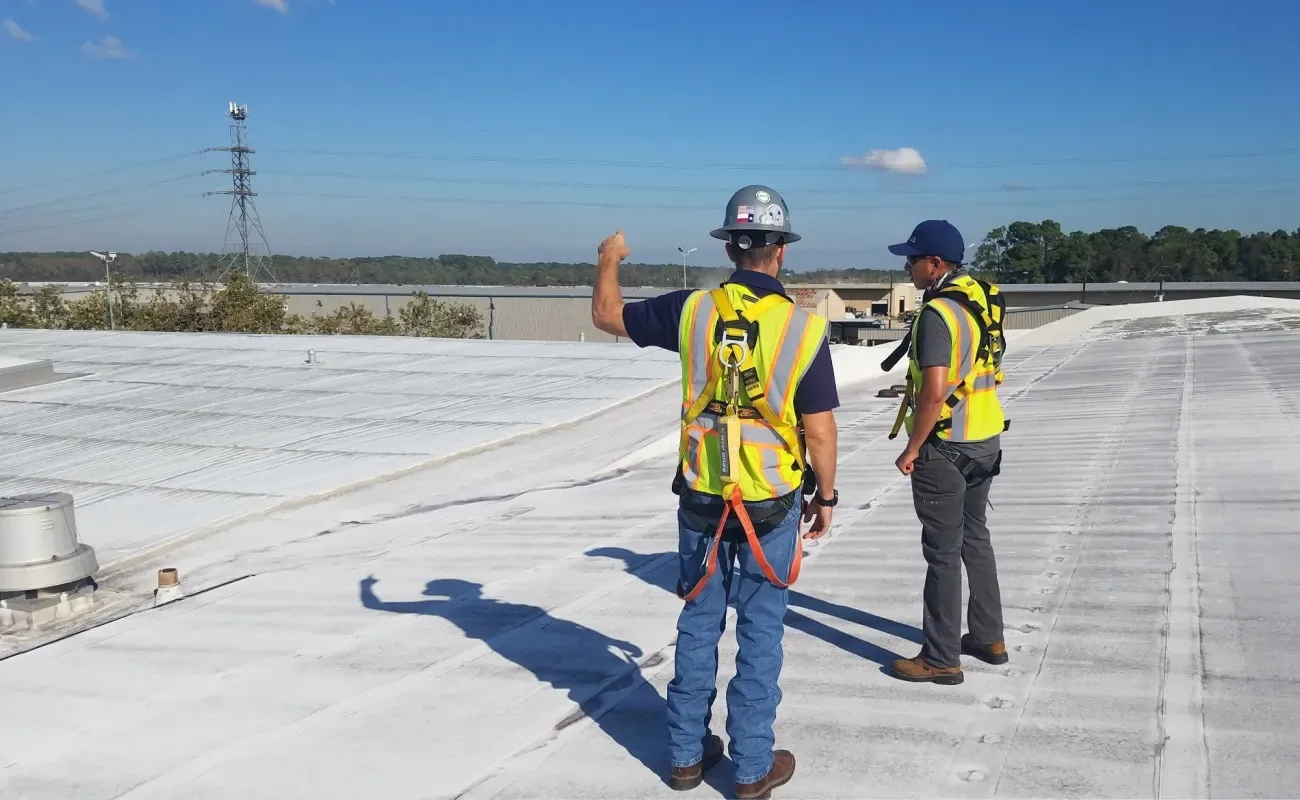
Track roof condition, repair history and renewal decisions across Stamford properties. We turn field observations into a usable portfolio record.
Learn moreA roof portfolio is only useful when each record leads to a work decision. In Stamford, CT, we inspect the assembly, identify the failure and document what should happen next. Stamford directs more growth toward Downtown and transit-served neighborhood centers. Regional work destinations include Stamford, Norwalk and Danbury. Those connections can matter to a property program, but roof condition remains specific to each address. We support inspections, reports, maintenance, warranty records, due diligence and capital planning with observations tied to the actual roof.
Roofing Capabilitie
Track roof condition, repair history and renewal decisions across Stamford properties. We turn field observations into a usable portfolio record.
Learn more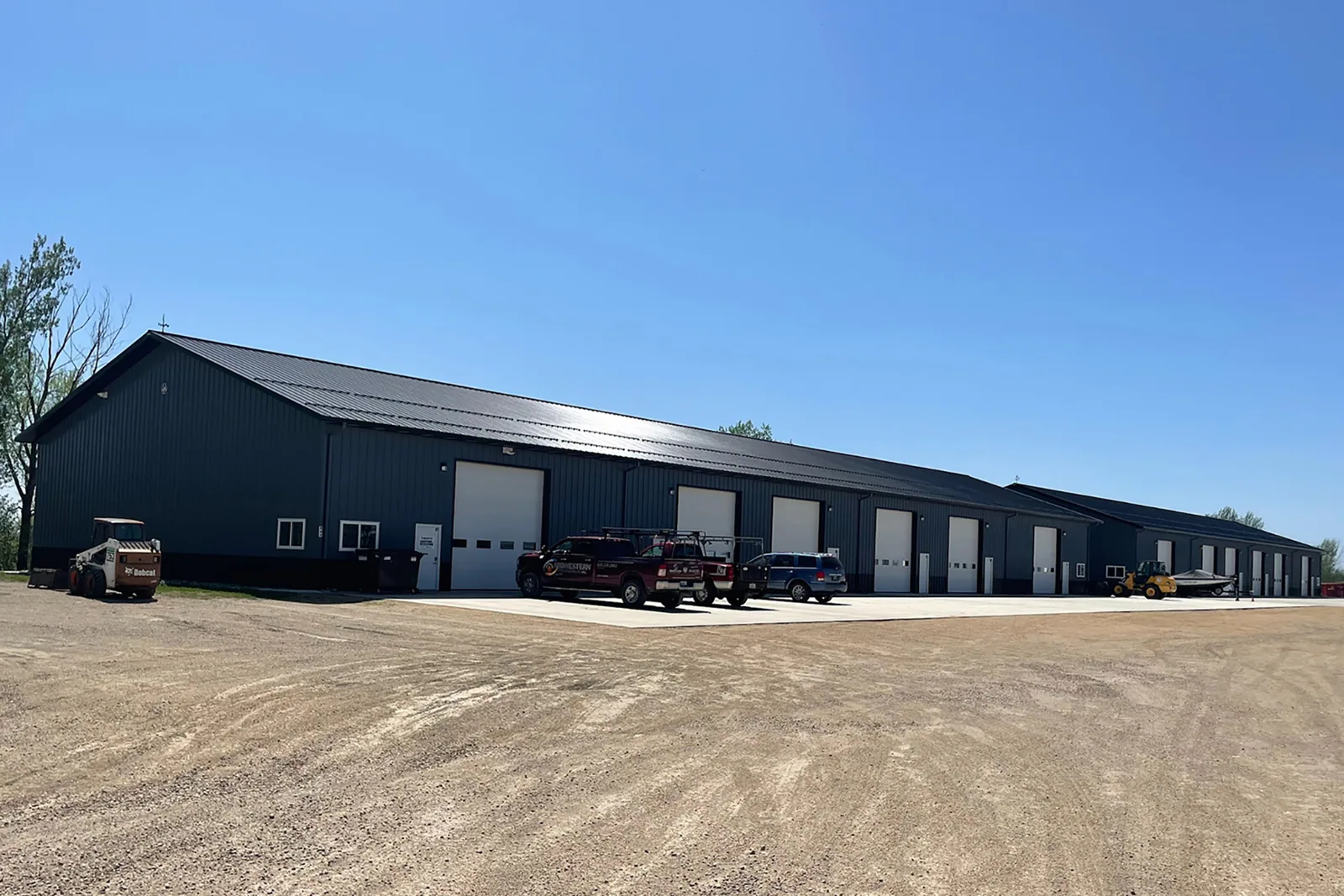
Roofing Capabilitie
Compare roof repairs, recovery and replacement timing with field conditions in Stamford. We connect the scope, access needs and budget sequence.
Learn more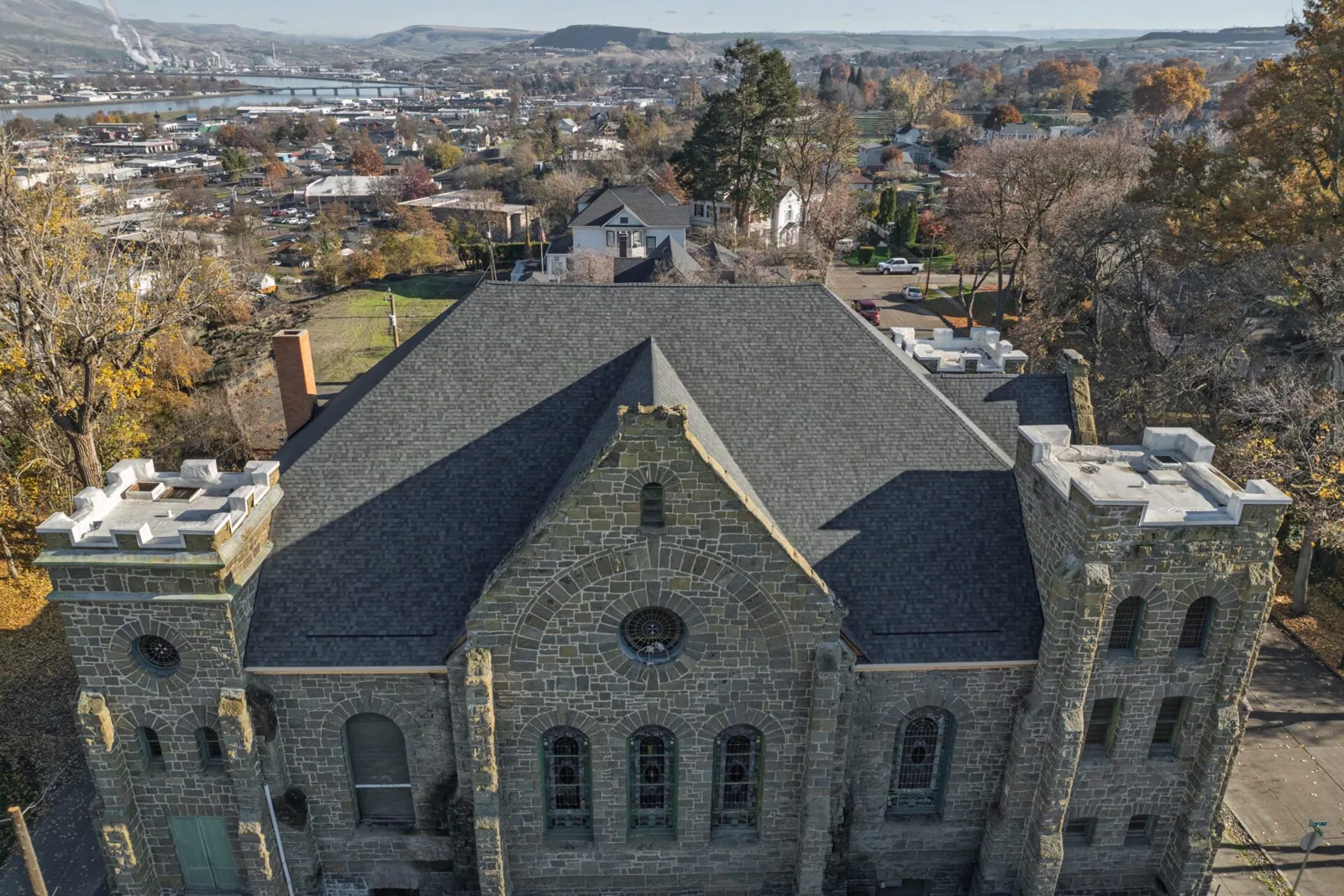
Roofing Capabilitie
Get a written Stamford roof report with photos, observed defects and repair boundaries. We connect field findings to the next maintenance decision.
Learn more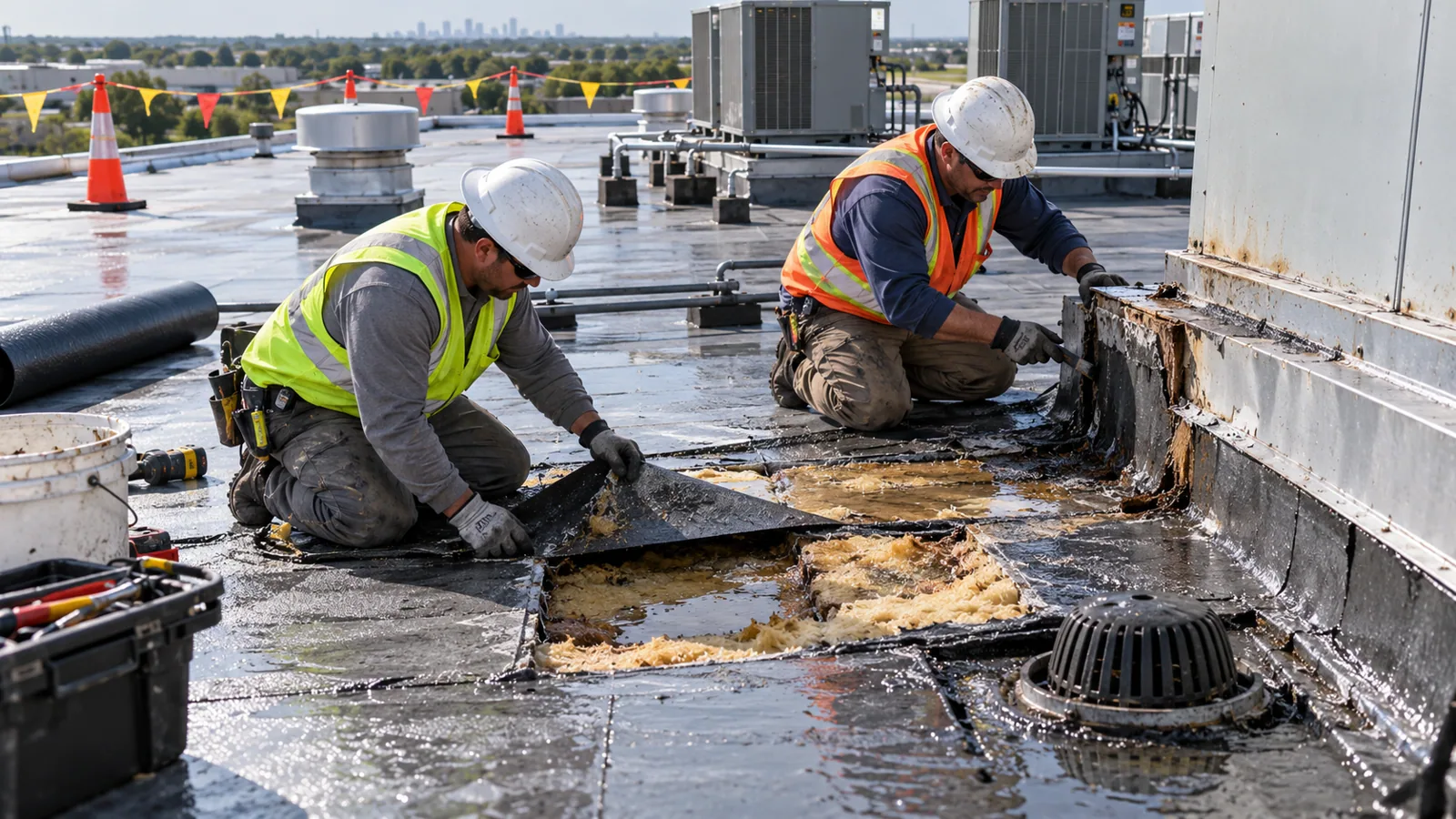
Roofing Capabilitie
Keep Stamford roof warranty records tied to inspections, repairs and maintenance. We review the available terms before planning work on the assembly.
Learn more
Roofing Capabilitie
Review roof condition, repair exposure and records before a Stamford property transaction. We document field findings for acquisition or refinancing decisions.
Learn more
Roofing Capabilitie
Coordinate inspections, maintenance and repair scopes across Stamford properties. We keep site records distinct while giving managers a consistent view.
Learn moreA useful report names the membrane or panel, the failing detail, moisture evidence and repair edge. Photos should show where each condition sits and what was visible at the time of inspection. Roof condition reports help managers separate a completed repair from an item that remains open. For an acquisition or refinance, due-diligence roof surveys can organize observed conditions and questions for the next review.
Across Downtown, South End and nearby business centers, a manager may review more than one assembly and work history. A consistent roof record lists system, access point, repairs, deferred items and the next inspection trigger. Roof asset management keeps those fields connected to the building. A warranty file can also track required service records and known repair details, without treating an inspection as a warranty decision. Warranty management keeps documents and maintenance notes organized.
Replacing a roof is not the only capital choice. A local repair may hold where the field remains attached; repeated failures or wet insulation can point to a broader scope. We identify the conditions behind each option so the owner can compare repair, recover and replacement against the same roof record. Roof capital planning can prioritize work by condition and operating effect, not by a vague age label.
Stamford’s flexible-industrial category allows light manufacturing, distribution, maker and adaptable production uses, with possible office or showroom space. That range can affect access and sequencing. For portfolios with several operating sites, multi-site roof programs can keep inspection and closeout records comparable while retaining each roof’s own repair boundary.
Before a roof walk, identify whether the decision concerns an active leak, a planned replacement, a warranty file or a capital review. Share recent notes, affected rooms and access limits. We inspect the assembly and state what is visible, what was repaired and what needs more testing. That record gives the next decision a clear starting point.
System, observed defects, moisture findings, photos, repair boundaries and follow-up triggers. The report should separate visible evidence from areas that were not opened.
A shared format can organize the records. Each roof still needs its own inspection because assembly, access and condition differ by site.
No. We document the roof and service records. The warranty terms and administering party determine coverage.
We compare condition, repair scope, access and operating impact. Those findings show which work belongs now and which needs a separate budget decision.
Share the decision, prior service notes and access limits. We will inspect the roof and prepare a record that identifies the condition and next step.