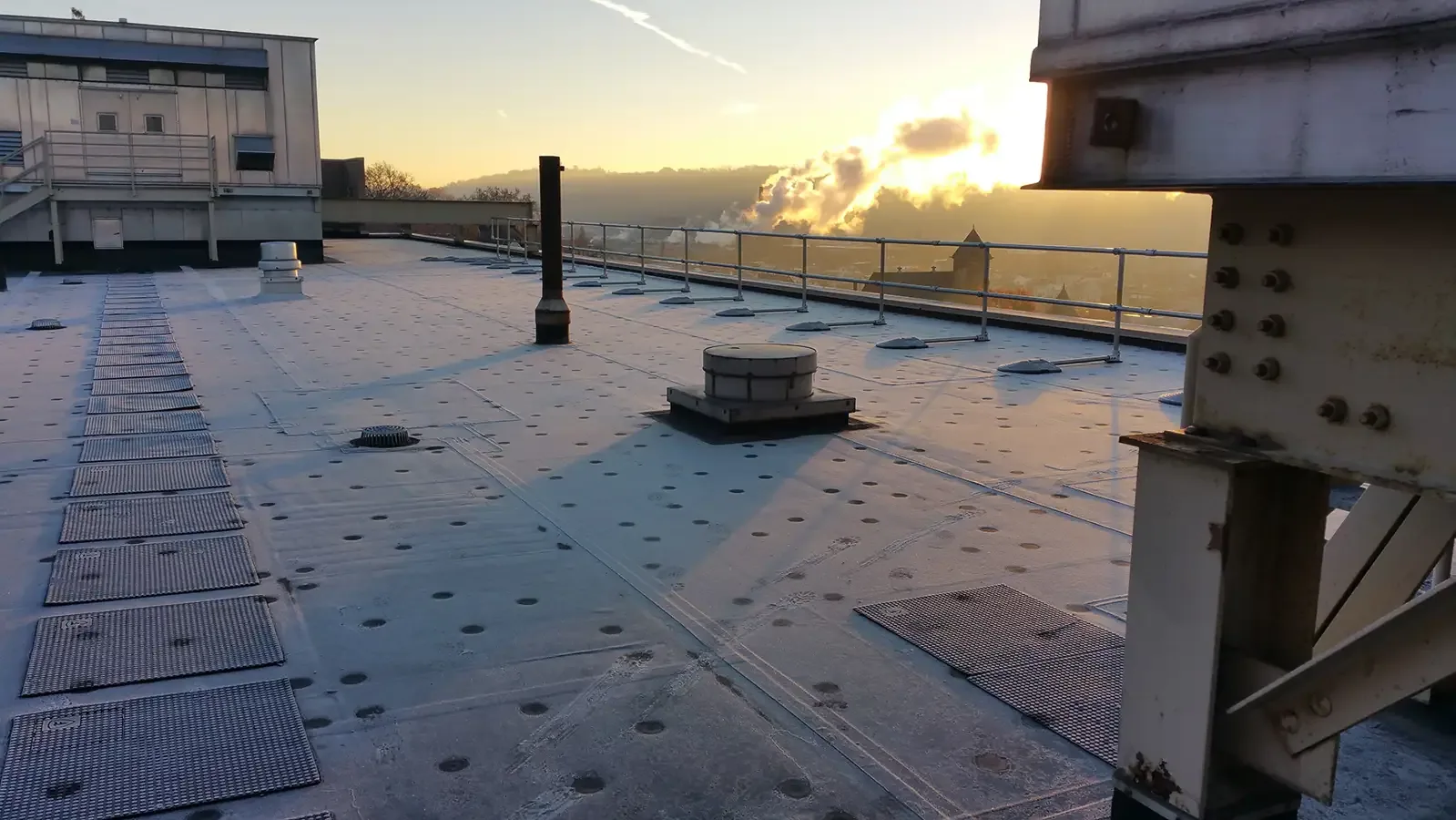
A KEE membrane with a worn surface can still have sound welds, while a clean-looking sheet may have a weak curb corner. In Stamford, CT, we inspect the surface, seams, attachment, and flashing before deciding which condition matters. Summer heat and rooftop equipment add movement and service exposure at details. A KEE membrane inspection checks the field and transitions as one assembly, then marks the repair boundary.
Surface condition: separate wear from a failed seam
KEE membranes are PVC-alloy sheets with a reinforced layer. We inspect for abrasion, cuts, exposed scrim, punctures, and material that has become brittle or distorted. Surface discoloration alone does not set the repair scope. We compare it with seam condition, foot traffic, equipment service paths, and exposure near exhausts. A worn area may need a focused patch when the sheet remains sound around it. If the surface damage repeats across the roof, we map the pattern before recommending broader work.
Cleaning can reveal the material condition, but it does not correct a split or a weak bond. The preparation method needs to fit the membrane and the repair product. We check whether old coatings or adhesive residue interfere with a weld. A test area confirms that the sheet will accept heat before work moves across the surface. We record the limits of any test, including areas hidden by equipment or inaccessible from the roof path.
Welds: inspect the full lap and its ends
Hot-air welding fuses KEE seams and patches. A probe can find an edge that has not closed, but the seam should be reviewed along its length and at each intersection. We look for skips, fishmouths, wrinkles, and contamination. A lap that opens near a drain may have been stressed by trapped water or traffic; the detail needs to be traced before it is resealed. We repair to sound material and keep the new weld clear of wrinkles that can channel water.
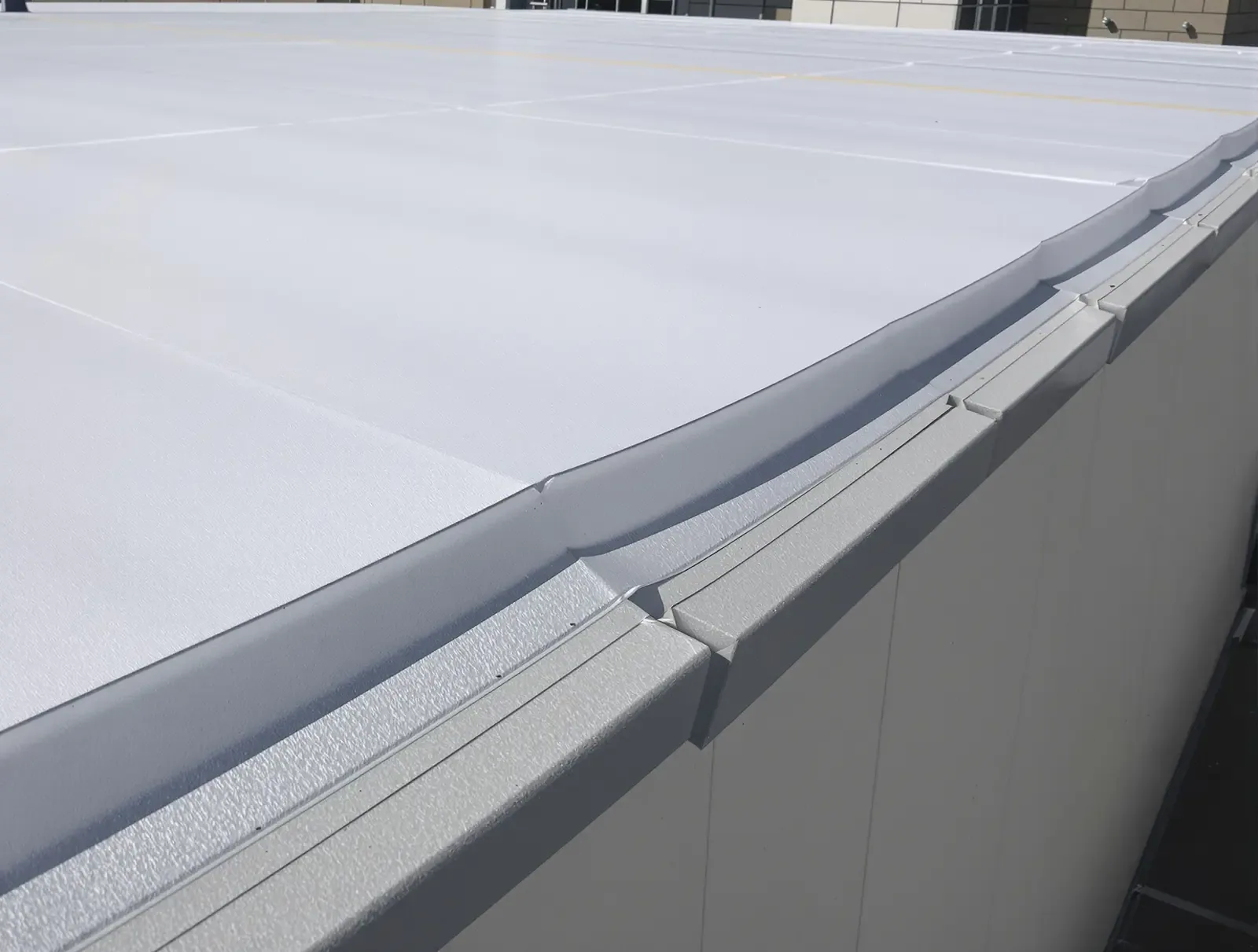
Field seams, patches, and curb flashings may use the same membrane but have different shapes and loads. At a corner, the patch must wrap without stretching across a sharp angle. At an end, it must close without leaving an exposed edge facing runoff. We check the overlap width, heat application, and finished bond. A repairing an open seam scope names the affected runs rather than treating the whole roof as one defect.
Attachment and edge: follow sheet movement
A fully adhered KEE roof behaves differently from a mechanically attached field. We identify how the sheet is secured and inspect perimeters, corners, and transitions where movement concentrates. Loose edge metal, pulled fasteners, or flutter can stress nearby welds. A patch will not stabilize a membrane that has lost attachment. We check the roof edge and the substrate beneath it, then determine whether the correction is limited to the flashing or needs a larger strip of sheet.
KEE, PVC, and TPO sheets can look alike from a distance, but their formulation and surface affect repair preparation. A PVC sheet weld or TPO field seam should be specified for its own material. At a transition between systems, we identify both membranes and use a compatible detail. We do not bridge them with an untested solvent or assume that color confirms material type.
Curbs and drains: keep the flashing tied to the field
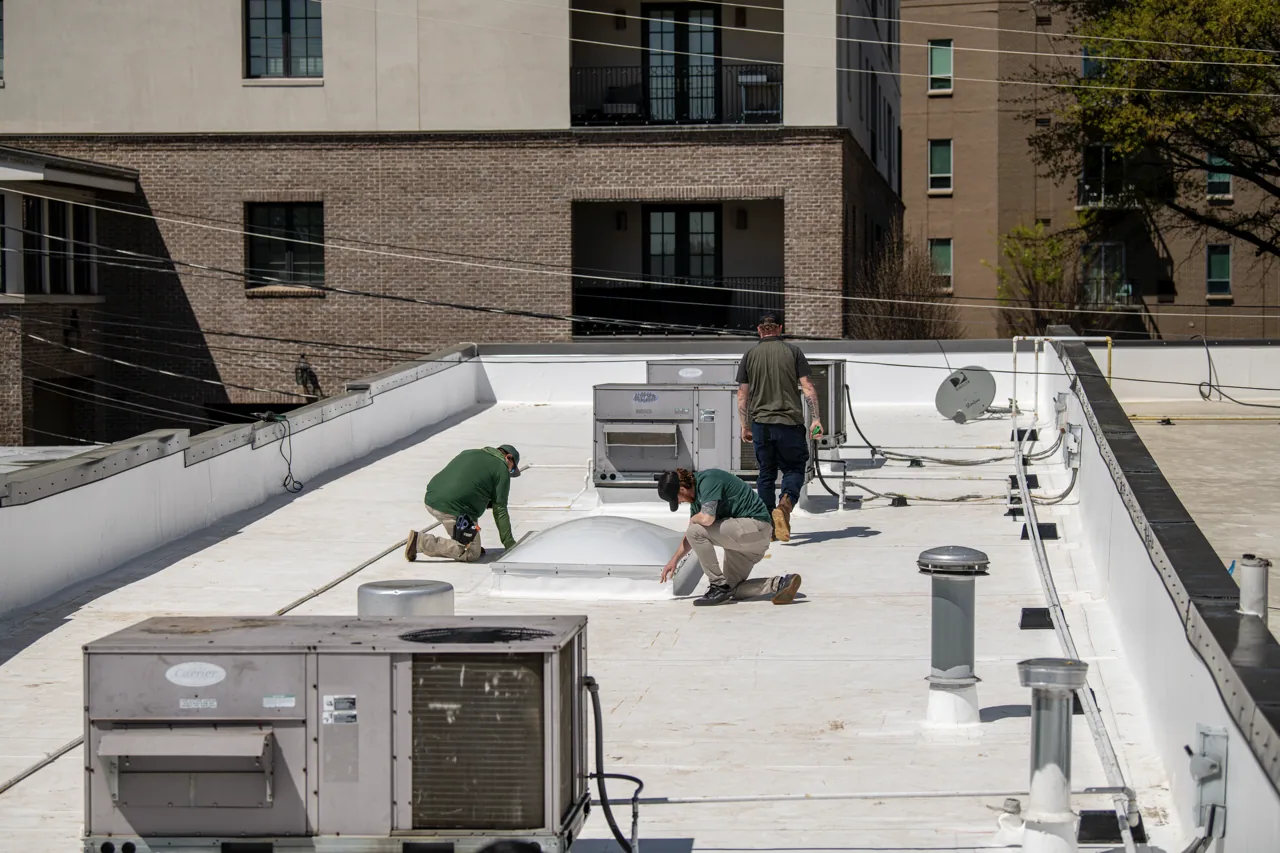
At rooftop equipment, we inspect curb corners, counterflashing, and the KEE turn-up. A curb may move with vibration or service work, pulling the membrane at one corner. We check for open welds, loose metal, and sealant that has lost contact. Pipe penetrations nearby are evaluated separately. The repair scope records each transition that will be opened and how the new flashing returns to the field sheet.A curb that receives a new membrane turn-up may need a metal cap reset to preserve the termination. We check the cap width, counterflashing height, and fastener spacing, then note any corroded substrate or loose wood nailer. If equipment service disturbed the corner, the scope identifies that coordination before the new flashing is installed. That prevents the roof repair from being closed against a moving support.
Drains and scuppers need a secure membrane connection and a clear water path. We inspect clamping rings, drain bowls, overflow points, and low areas for trapped debris or standing water. If water remains because the roof plane is depressed, outlet work alone may leave the same condition. Drainage corrections can accompany a membrane repair when the outlet or slope is part of the observed problem.
Stamford roof work: plan for equipment and access
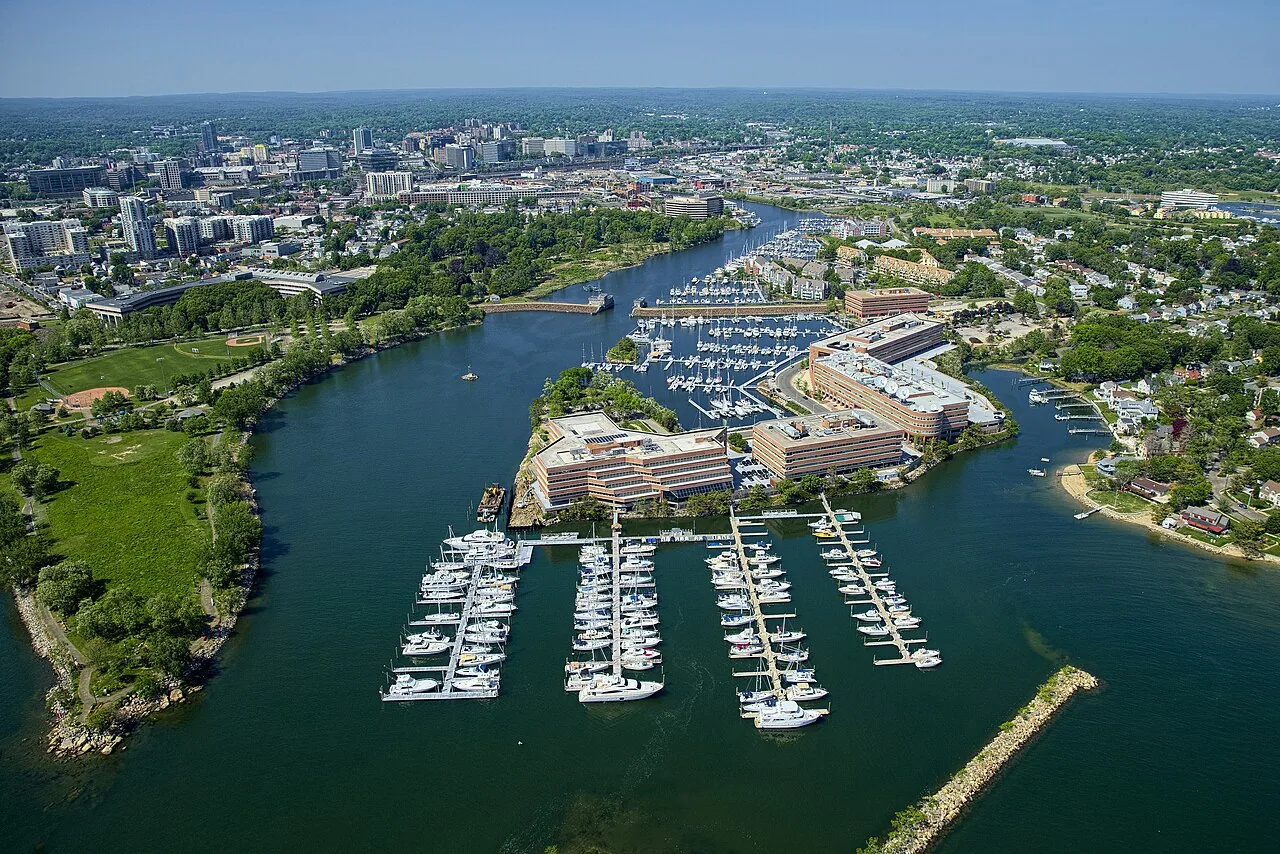
Downtown and South End Stamford include mixed-use building areas where maintenance may happen above occupied space. Summer heat and cooling demand keep rooftop units active, so we coordinate equipment access and protect the roof around service routes. In Norwalk, Route 1 and Route 7 corridors include commercial and industrial uses; delivery and staging plans need to fit the property's operation. Those local patterns inform coordination, not the material choice, which follows the membrane installed.
We set a route for moving rolls, tools, and welding equipment, then keep drains and access points clear. A South End access coordination request still requires the manager to identify roof hatches, equipment schedules, and protection below. We note which systems may need to remain on and any separate mechanical work that must happen before flashing can be closed. This helps keep a roof task within an agreed work zone.
Repair or renewal: match work to the membrane
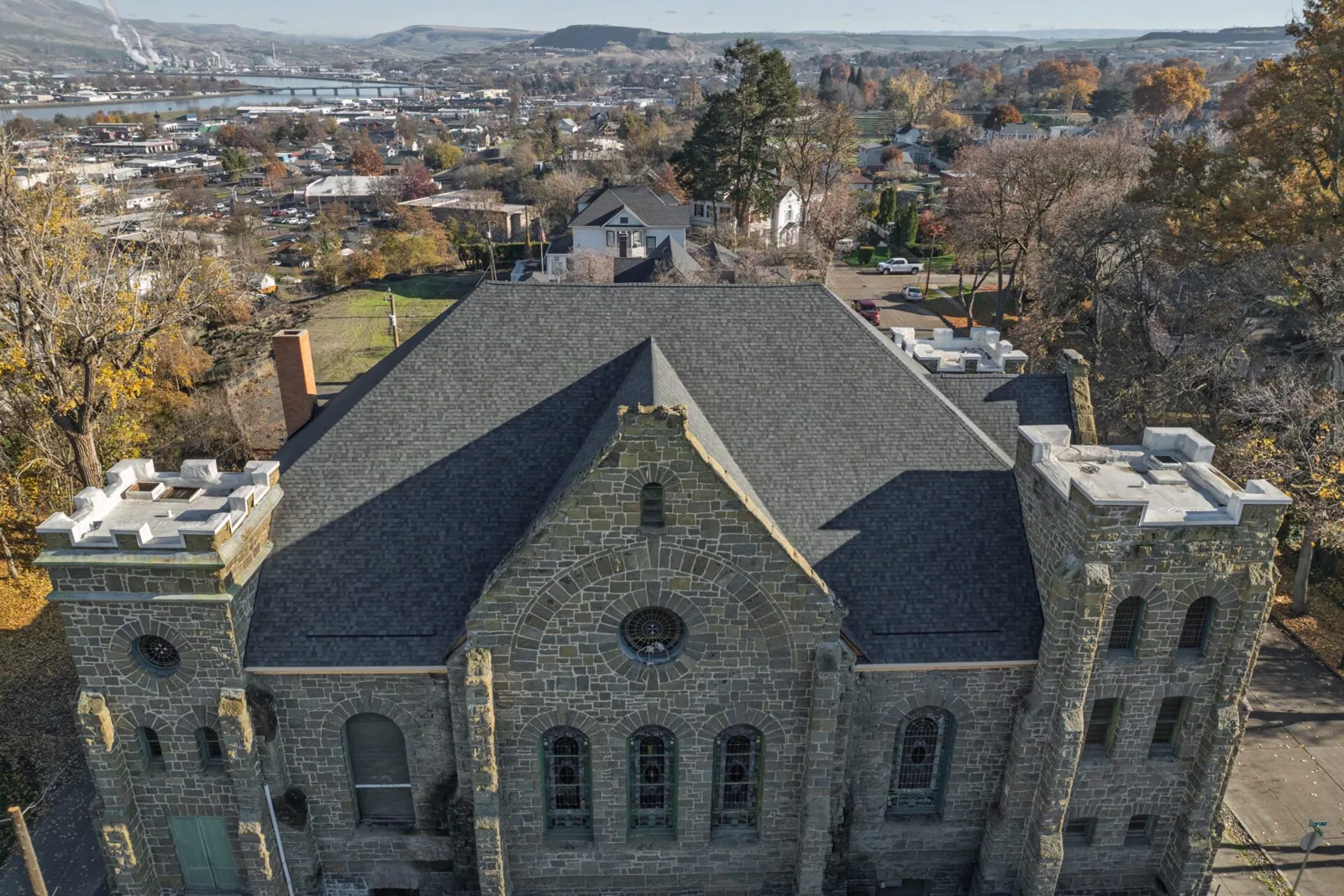
Localized cuts and open welds can be repaired when surrounding KEE remains flexible, attached, and dry. Widespread brittleness, repeated delamination, or wet insulation can change the choice to recover or replacement. We map the visible damage and identify what was not opened. A roof condition report records surface, seam, curb, and drain findings that support the recommendation.The owner can review the proposed boundary against the recorded damage and decide whether to authorize a larger project. We show which areas were tested, which repairs are included, and what condition would require an added scope. The scope describes the expected result for the observed condition. The recommendation follows the sheet, insulation, attachment, and transitions that were actually inspected, with any untested areas clearly identified for the owner.
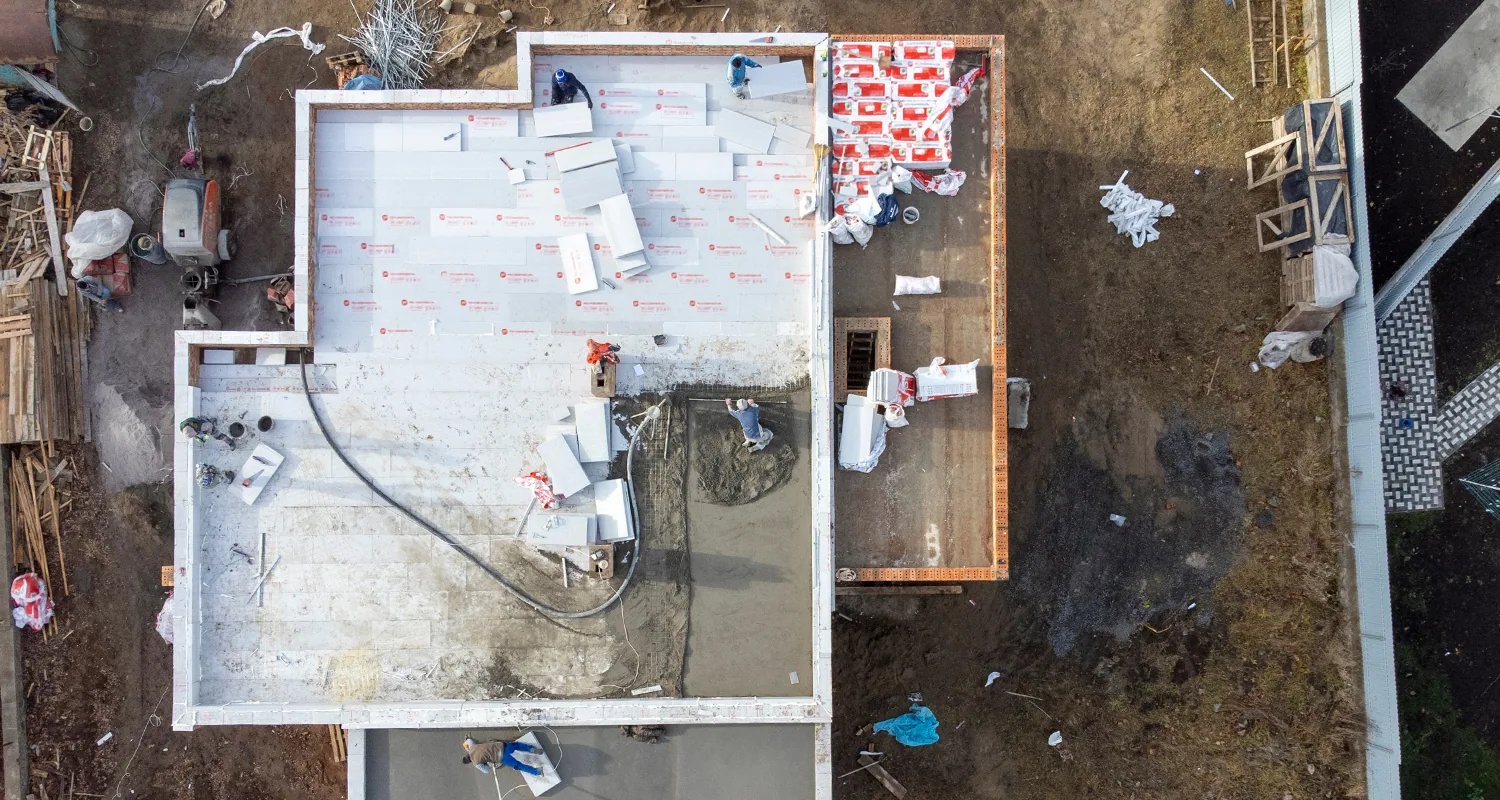
Any renewal scope should identify the deck, insulation, cover board, attachment, and tie-ins to metal. We state which materials will be removed and how exposed areas will be protected during the work. The closeout marks completed repairs and any adjacent condition outside the approved area. This gives the manager a clear record without implying that an uninspected roof area was restored.
Commercial Roofing Questions
How does kee formulation differ from standard pvc sheet?
KEE is a PVC-alloy membrane, but formulation and surface differ by product. We identify the sheet before selecting a repair method or transition.
Can you weld a patch over a worn KEE surface?
The sheet must remain sound enough to accept a weld. We inspect the surface and test preparation before setting the patch boundary.
What does exposed scrim mean?
Exposed reinforcement indicates the membrane surface has been worn through in that location. We check the surrounding sheet and determine whether a patch can tie into sound material.
What assembly conditions must be met before a kee recover is considered?
A recover is considered only when existing layers are dry, secure, and suitable to remain. Deck, insulation, edge height, and drain details also affect the decision.
How do heat and rooftop equipment affect the scope?
We inspect the membrane around equipment for abrasion, movement, heat exposure, and service traffic. Any operating coordination is listed in the work sequence.