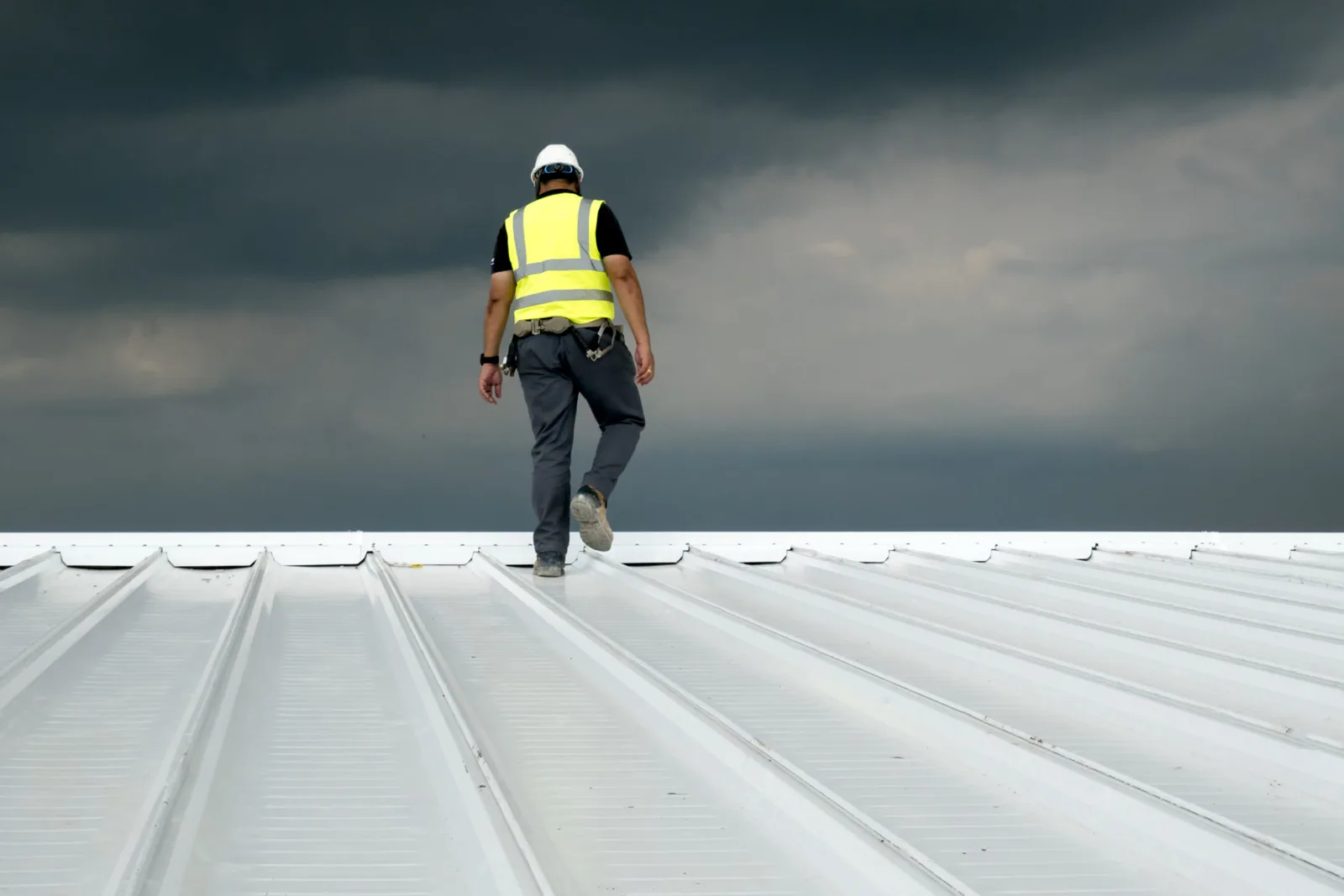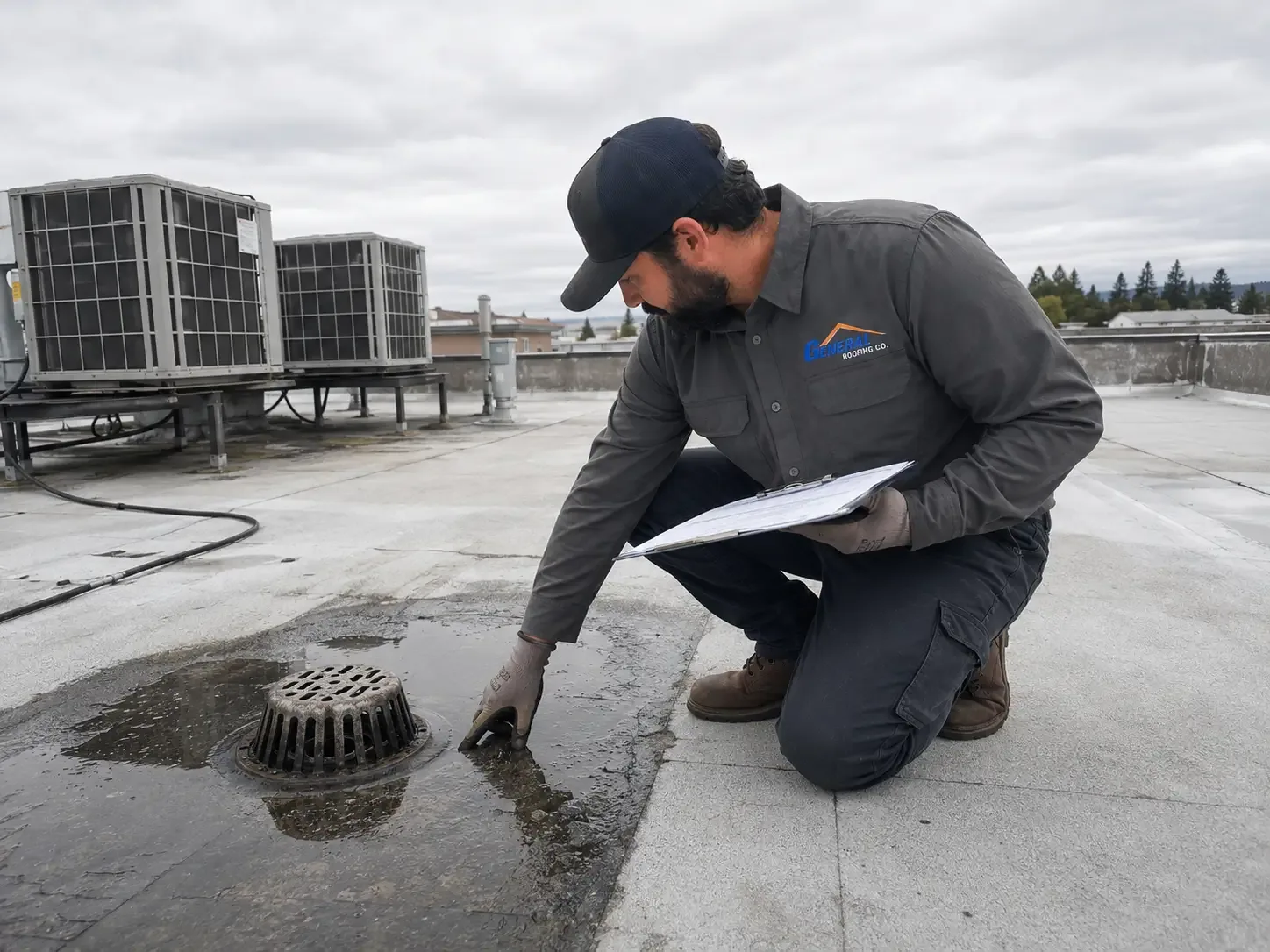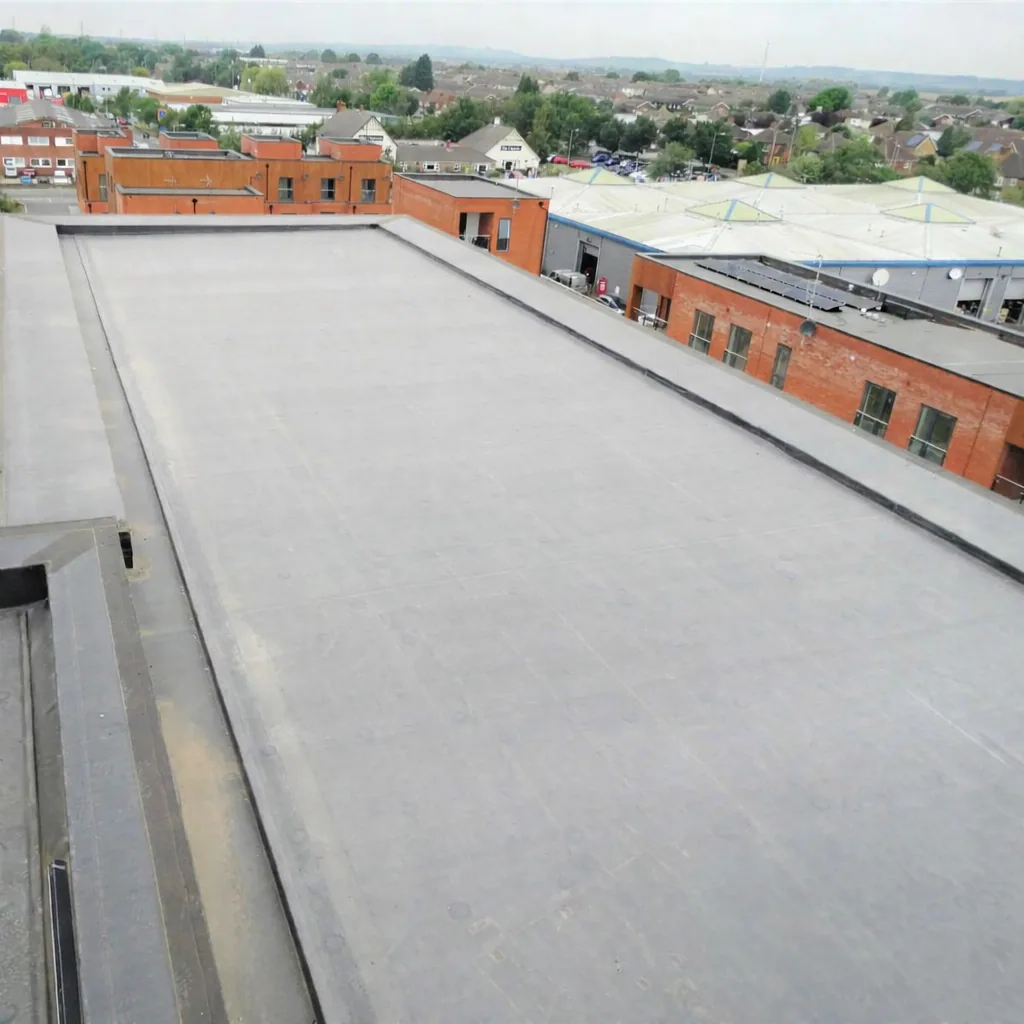
A cracked gravel surface can hide a split in the cap sheet or separation between plies. In Stamford, CT, we inspect the surfacing, laps, and roof transitions before recommending repair. Winter snowfall and subfreezing nights put attention on drainage and edges where water can freeze. inspection of the roof layers checks the visible surface and the assembly beneath it, then marks where a test opening may be useful.
Plies: follow separation through the assembly
Built-up roofing combines reinforcing felts with asphalt or bitumen in multiple layers. A leak may begin at the cap sheet, but water can travel along an interply bond or insulation joint. We inspect all visible layers at a defect and compare the area with seams, curbs, and drain locations. A blister, split, or exposed reinforcement indicates a different condition than loose aggregate. The repair boundary must match the layer that failed. At a drain sump or roof-to-wall transition, the felt layers can be cut and rebuilt to restore the path into the outlet. We inspect the adjoining plies so the patch does not stop at a loose edge. If aggregate must be moved, we plan where it will be kept and how the repaired area will receive its protective surfacing. A clean, stable tie-in is more useful than a large patch that leaves a weak lap just outside its perimeter.
At a test cut, we note the deck, insulation, base sheet, and cap sheet condition. Moisture in one layer can extend beyond the point where it becomes visible. We map the area before selecting a patch. If the plies remain bonded and dry around a contained defect, a compatible repair can stay local. If layers separate across a larger field, adding another cap sheet may cover the sign without addressing the failure below.
Surfacing: inspect protection and water flow
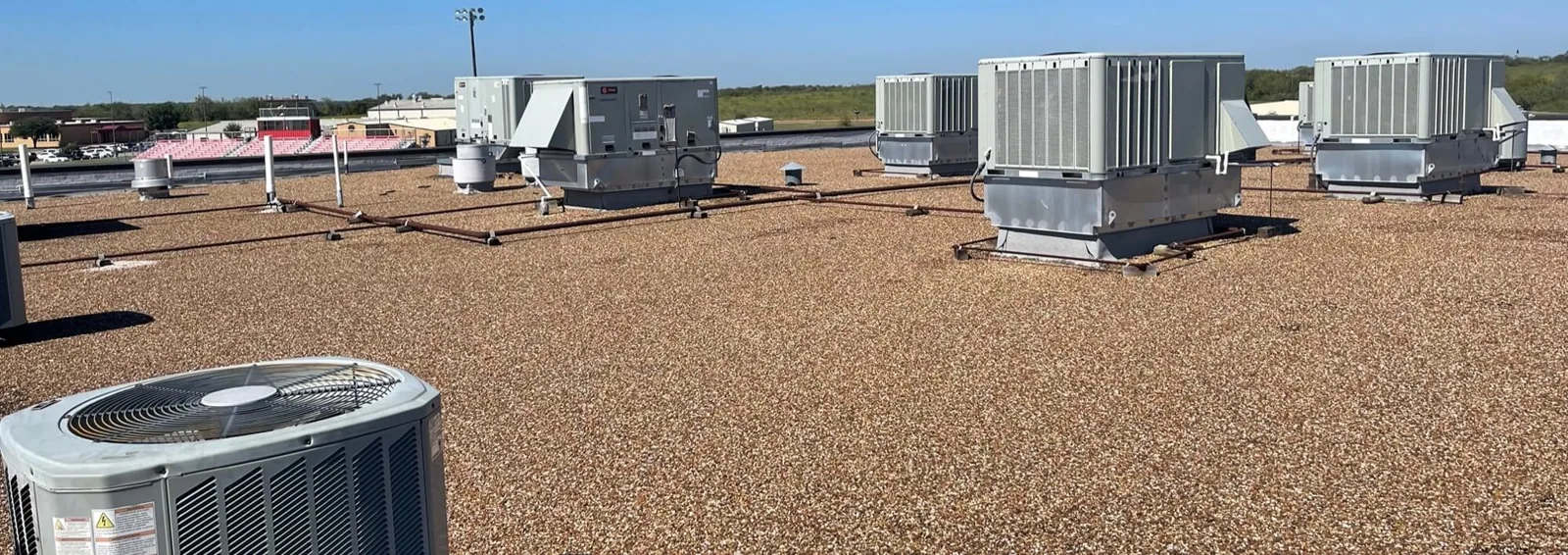
Gravel, mineral cap sheets, and coatings protect built-up roofs in different ways. We check whether aggregate has moved, whether asphalt is exposed, and whether water is carrying fine material toward the drain. Loose stones can obstruct an outlet or make a seam hard to inspect. We clear only the area needed to see the detail, then restore the surface to a condition suited to the assembly. A coating should not be used to bury a wet or unstable layer.
Surface wear at a walkway or equipment route may be concentrated while the rest of the roof remains serviceable. We look at the support below, the path of traffic, and any curb flashing beside it. Repeated cracking can signal movement or a weak bond. The scope distinguishes foot traffic protection from a membrane repair. That keeps a localized wear repair from being confused with replacement of sound plies.
Bitumen application: control the work and tie-ins
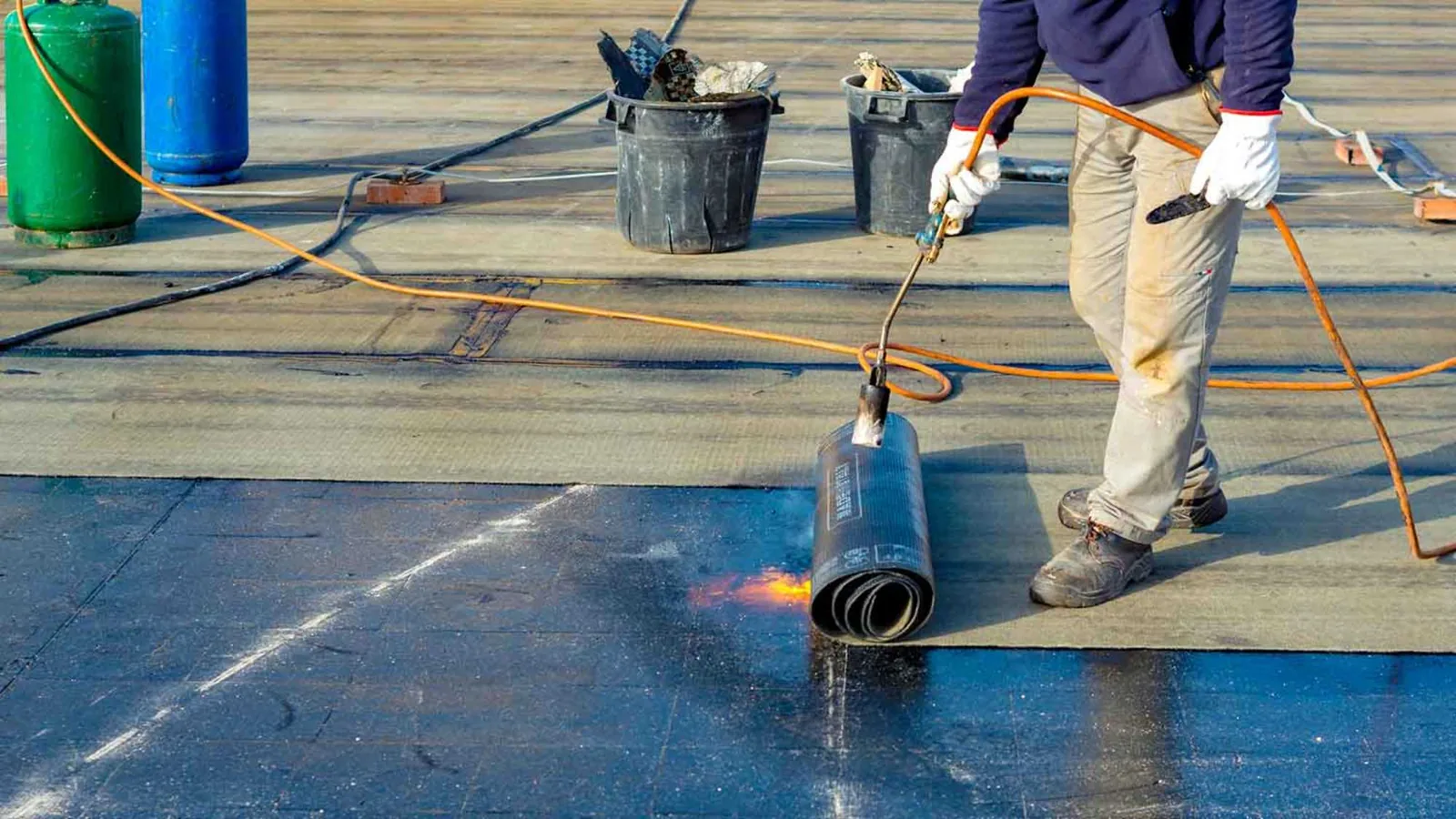
Hot-applied bitumen requires controlled handling, heat protection, and a fire-prevention plan. We review the work area, penetrations, wall cavities, and material route before selecting that method. Cold-applied or self-adhered products may suit some repairs, but only when the substrate and existing roof are compatible. modified bitumen sheets use related asphaltic materials, yet their reinforcement and application details still need to be matched to the roof at hand.
New felt or cap material must extend past the defect into a sound layer. We prepare the surface, set each ply in sequence, and close the edge against runoff. At walls and curbs, flashing height and counterflashing must protect the upper termination. A patch that ends at a wet seam can reopen once the trapped condition remains. We record how the repair ties into the original assembly and which adjacent details were included.
Low points: separate ponding from a blocked outlet
Built-up roofs can hold water at a depressed area or at a drain that is obstructed. We inspect the roof plane, drain bowl, scupper, and overflow path before assigning the cause. A blocked outlet can be cleared; a low plane may need tapered material or deck work. drain and scupper details also require a secure tie-in through the membrane layers. We identify whether the water path crosses a failed seam or simply has nowhere to go.
Parapet flashing and expansion joints need the same layer-by-layer review. The membrane must turn up the wall and remain protected at the top. At a joint, movement must be accommodated without binding the field plies. If an adjacent EPDM transition detail is present, we use a designed flashing between assemblies rather than extending bitumen onto a surface that cannot accept it. Those interfaces often set the practical repair limit.
Stamford roofs: protect the building during hot work
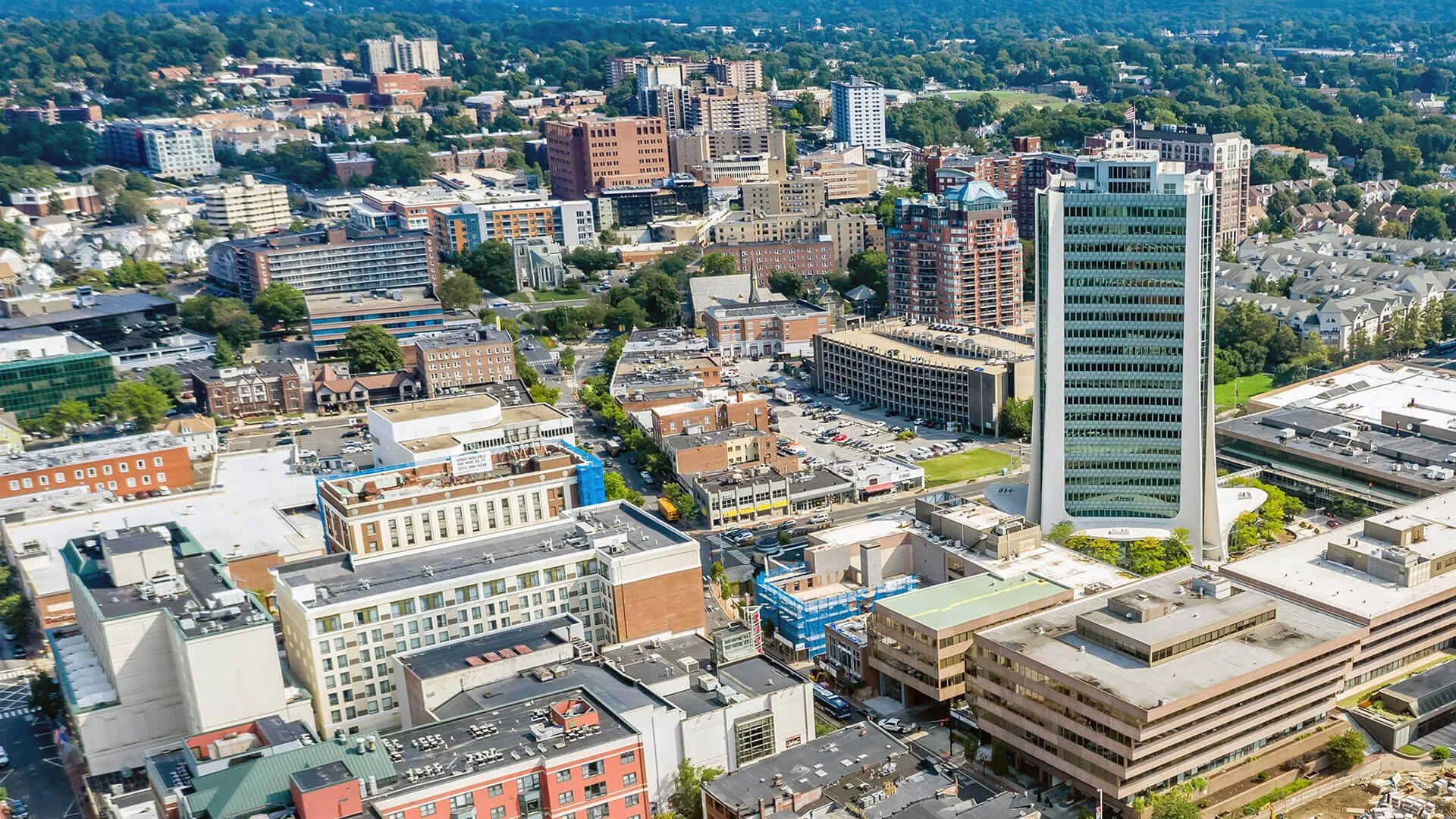
Stamford's West Side is one of its Village Commercial districts, and Downtown and South End form higher-intensity mixed-use areas. On any occupied commercial roof, aggregate and layered felt add steps to the staging plan. We identify where each material will be handled and protect the space below during hot work. Snow and freezing nights put attention on the open-roof boundary, so each exposed area is closed before the shift ends. The manager and crew agree on a spot for removed material and a route for moving it from the roof. During torch work, fire controls and interior checks follow the selected application method. At the end of the shift, the active section is inspected for open plies, loose aggregate, and exposed edges before access below is restored.
Stamford, Norwalk, and Danbury serve as regional work destinations along I-95 and US 7. For projects with several trades, we keep the material path separate from active entrances and loading areas. West Side access coordination begins with the actual roof route, not an assumed property layout. roof condition documentation records the test area, layers found, and repair limit for maintenance planning.
Repair or replacement: decide from the exposed layers
A repair is practical when deterioration is contained and the surrounding plies remain bonded and dry. Widespread moisture, repeated delamination, or a deck problem may justify replacement. We document the test areas and state which portions of the assembly were not opened. A repair boundary through the plies identifies the material removed and the layer that provides the new tie-in.
Replacement planning includes deck, insulation, slope, flashing, and surfacing. The work sequence states where removal begins, how the building stays protected, and which trade owns each wall or equipment interface. Closeout notes show completed sections and any condition outside the approved scope. The owner can compare a local repair with a larger project using the roof's actual condition rather than a general assumption based on age or appearance.
Commercial Roofing Questions
How do you find a leak in a built-up roof?
We follow the water path through the cap sheet, plies, seams, curbs, and drains. A selective opening may be needed to confirm the layer that is wet.
Can loose gravel simply be replaced?
Aggregate can be restored where the underlying roof is sound. We inspect for exposed asphalt, open seams, and blocked outlets before adding surfacing.
How can a selective opening clarify a built-up roof assembly?
A test cut shows the layers at a selected point. We use it when surface conditions do not reveal whether insulation or the deck is affected.
Is hot asphalt always needed for a BUR repair?
Hot asphalt can be used when the roof, work zone, and fire controls support it. At some details, a cold-applied or self-adhered repair is more suitable.
Can a BUR be recovered with a single-ply membrane?
A recover depends on moisture, attachment, load, and compatibility. We inspect the existing plies and detail heights before recommending an added system.