Industry
Property Management Companies
Coordinate roof repairs, inspections, and capital work across managed properties in Stamford, with clear roof-zone findings, access plans, and written scope.
Learn moreProduction equipment, deliveries and tenants put different limits on a roof repair. In Stamford, CT, we begin with the assembly and the operation below it, then set a work sequence that protects both. WestCOG identifies Stamford, Norwalk and Danbury as major work destinations in western Connecticut. The downtown and transit-served centers are part of the city's economic development focus. For roofing, those connections make coordination relevant; they do not establish a property's roof type. We inspect the membrane, edges and drains before writing a scope.
Industry
Coordinate roof repairs, inspections, and capital work across managed properties in Stamford, with clear roof-zone findings, access plans, and written scope.
Learn more
Industry
Review roof condition, repair exposure, and replacement scope for commercial real estate assets in Stamford with findings tied to each assembly.
Learn more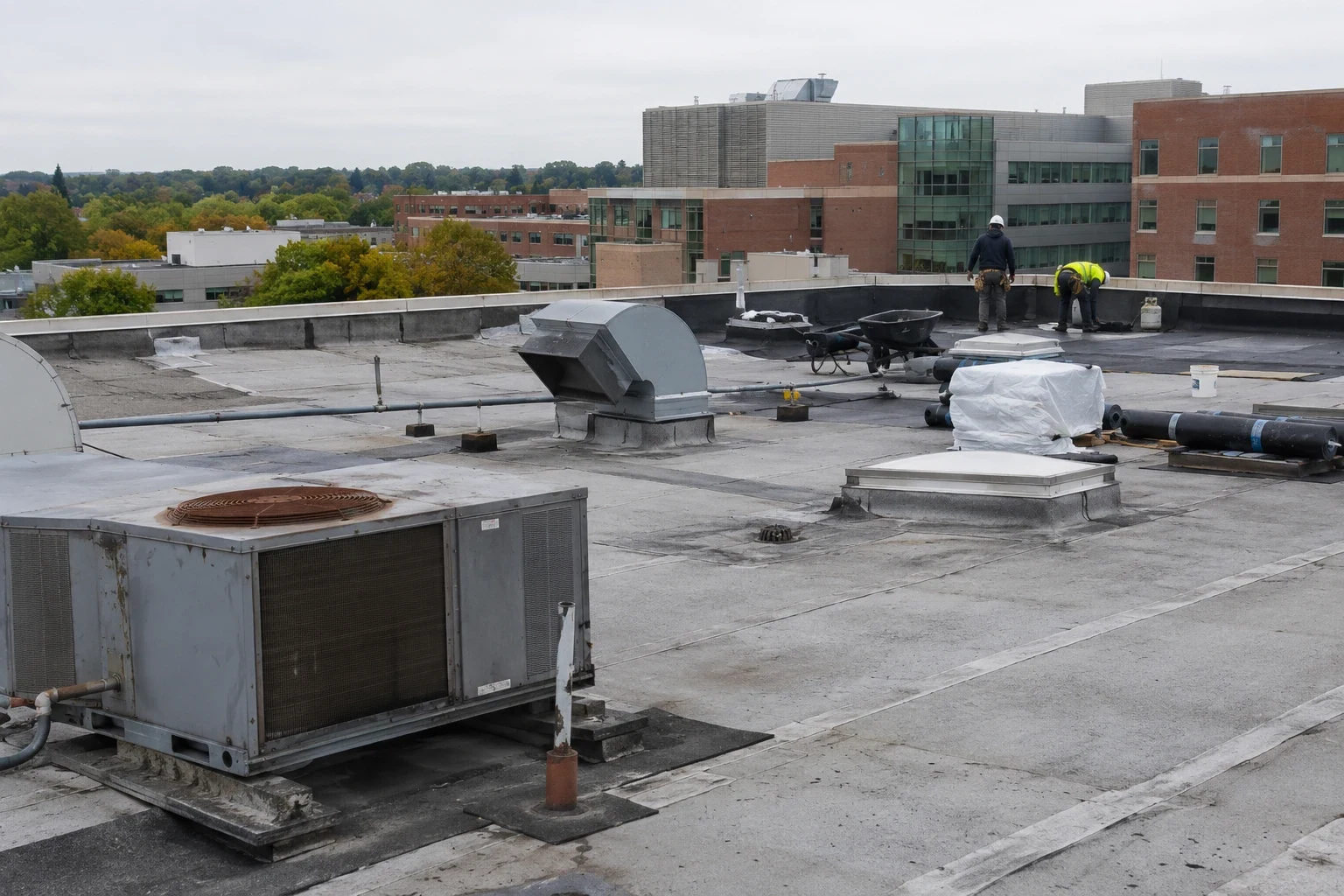
Industry
Plan roof repairs and replacement for healthcare properties in Stamford with careful leak tracing, equipment coordination, and clear work limits.
Learn more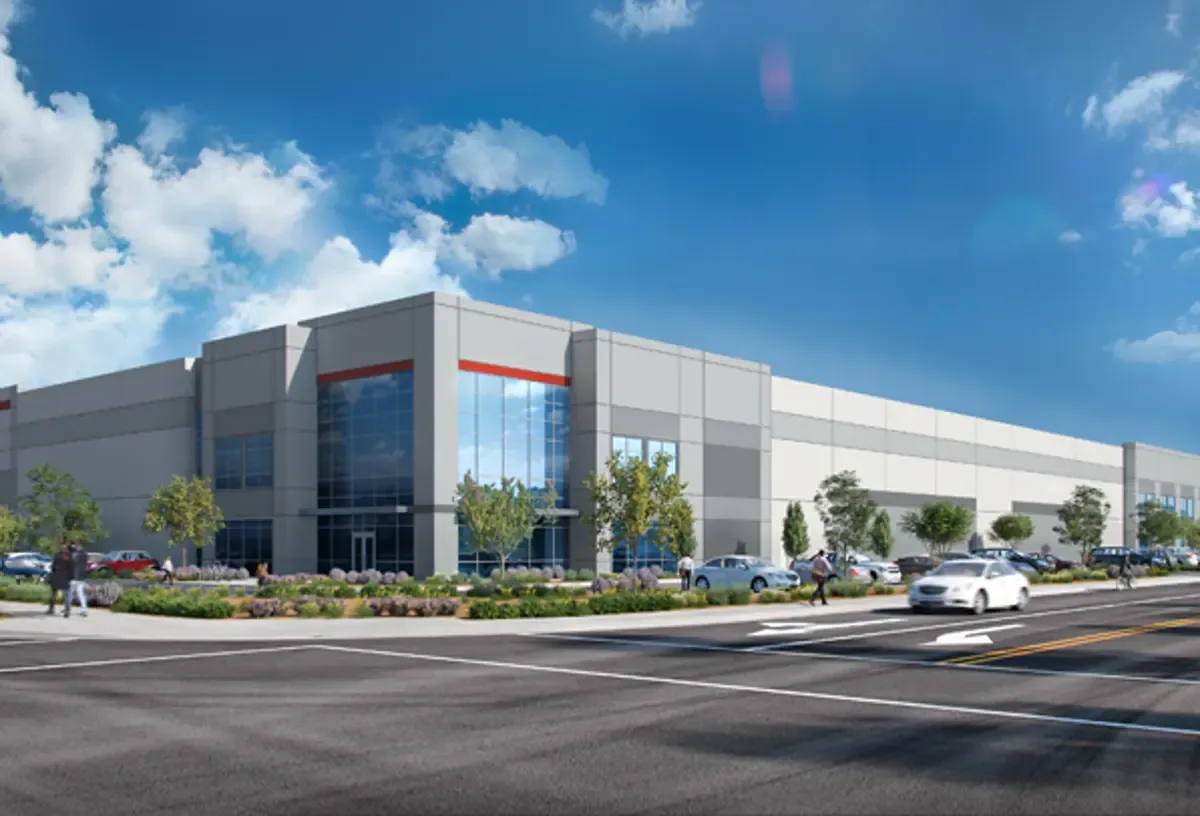
Industry
Plan roof repairs, maintenance, and replacement for Stamford manufacturing properties with attention to production routes, equipment, and water control.
Learn more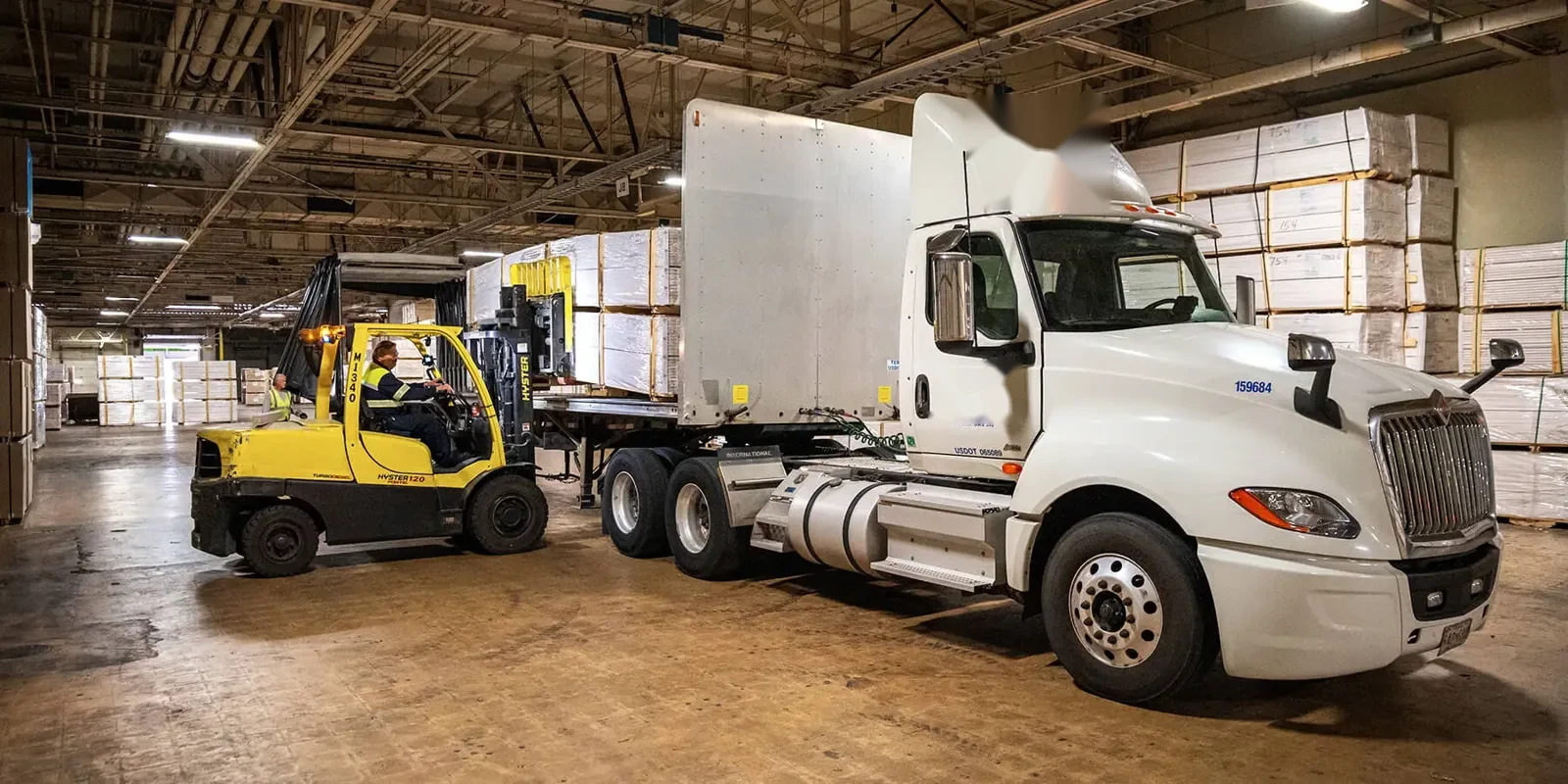
Industry
Coordinate warehouse and distribution roof work in Stamford with clear repair limits, loading access, drain checks, and operational sequencing.
Learn more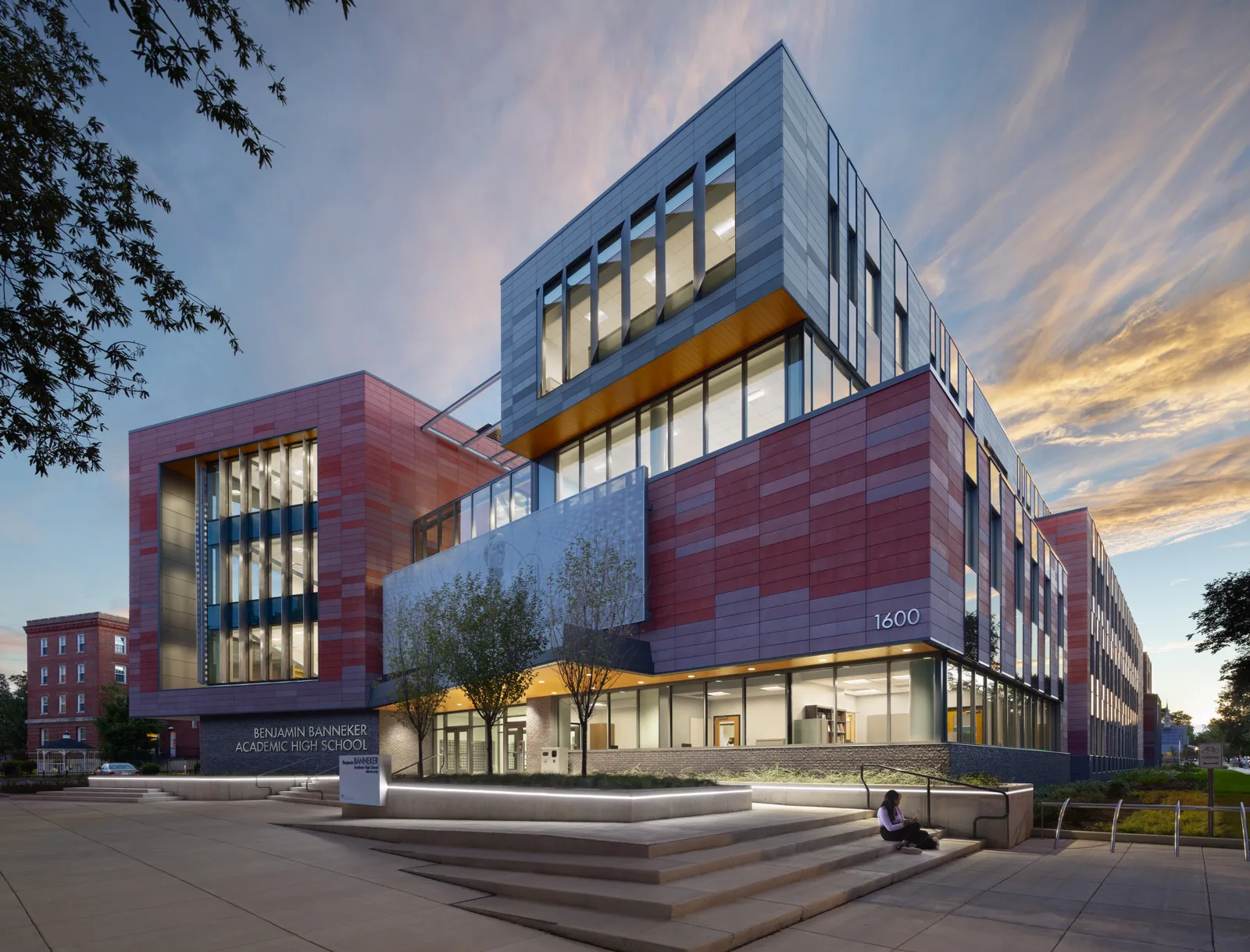
Industry
Plan roof inspections and repairs for school district properties in Stamford with clear work zones, weather checks, and building-access coordination.
Learn more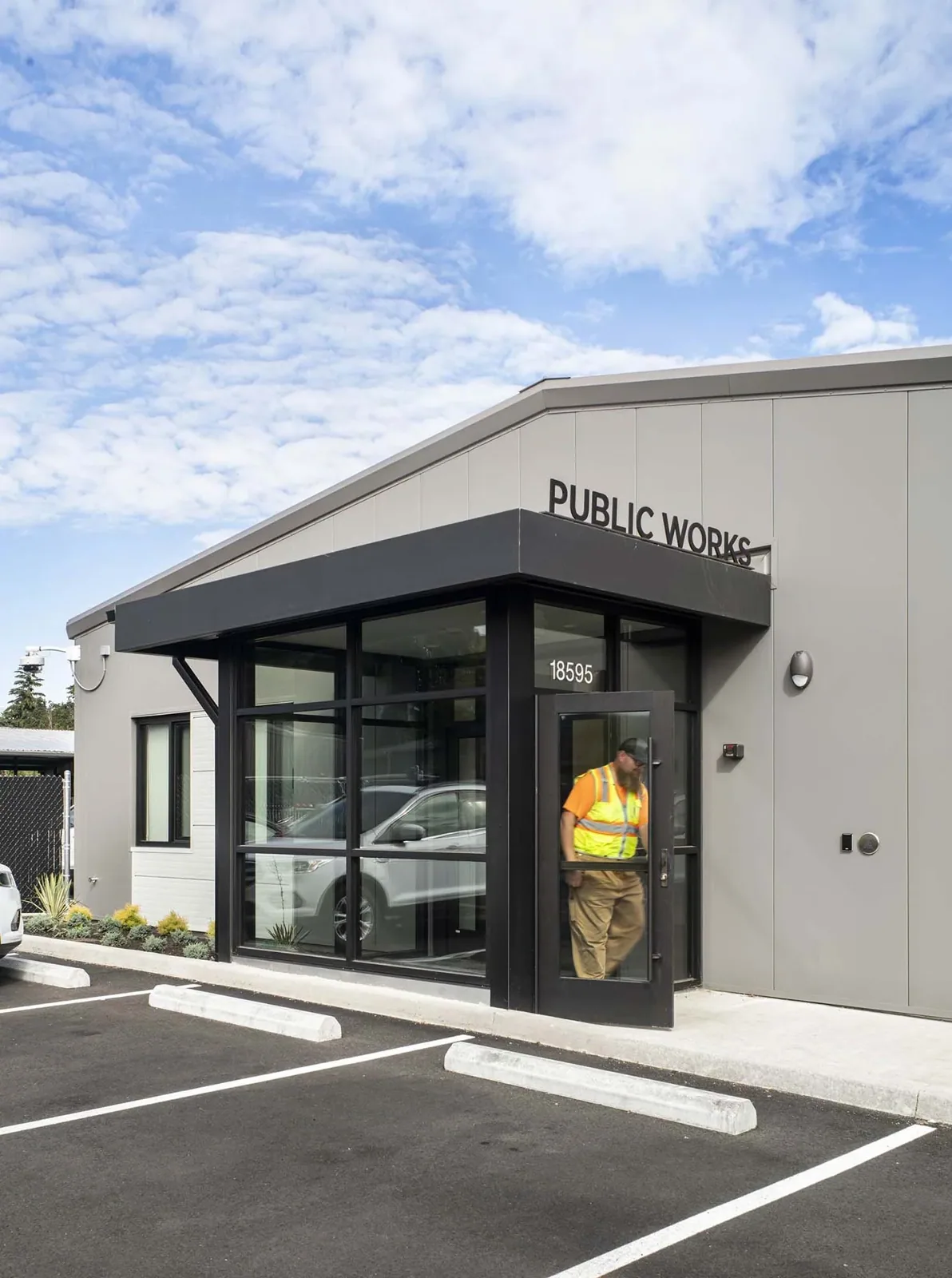
Industry
Scope public-building roof inspections and repairs in Stamford with documented conditions, clear procurement boundaries, and access coordination.
Learn more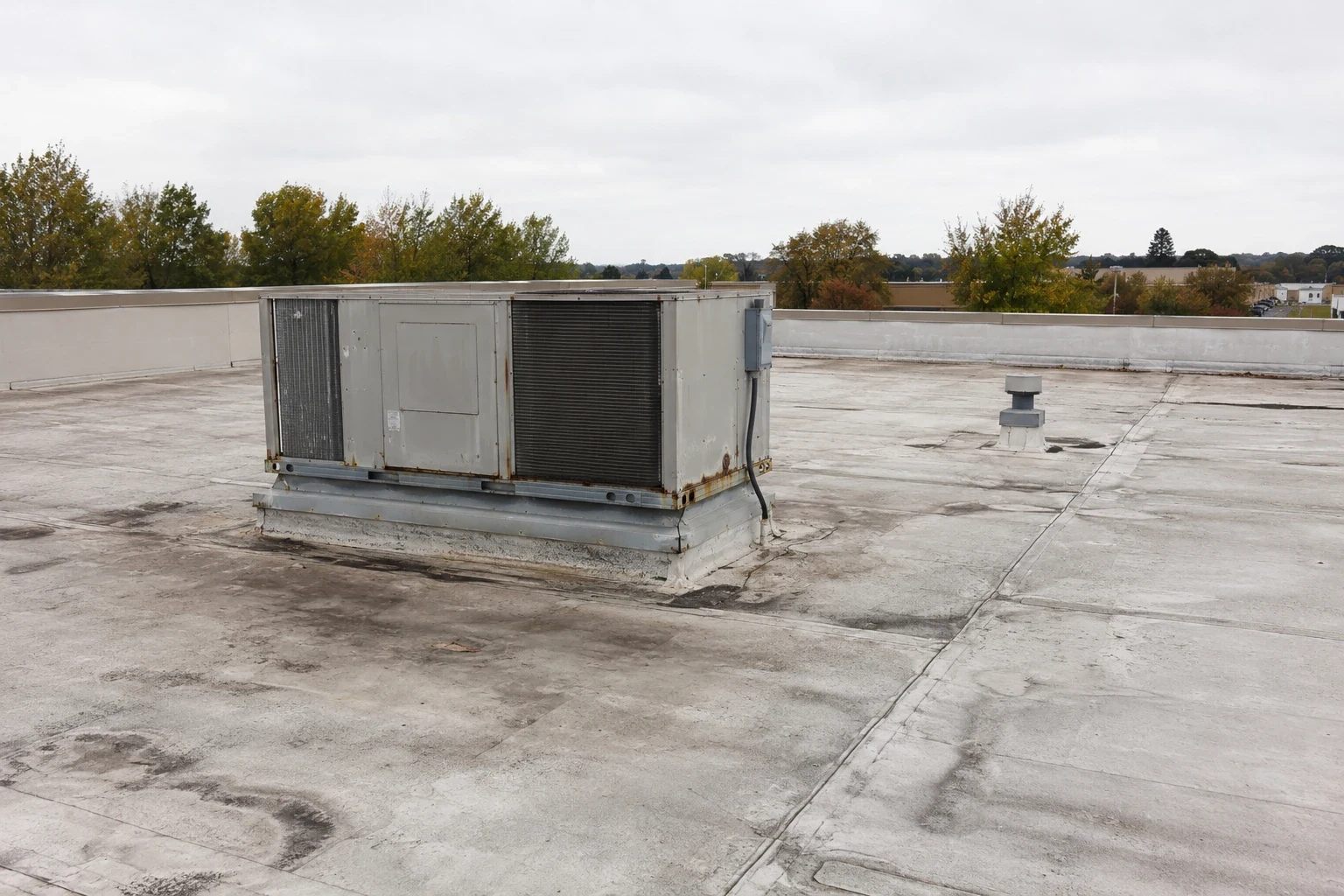
Industry
Coordinate roof repairs across retail and restaurant locations in Stamford with leak tracing, rooftop equipment checks, and clear work windows.
Learn more
Industry
Plan roof repairs for hospitality properties in Stamford with guest-area protection, equipment coordination, and clear inspection records.
Learn more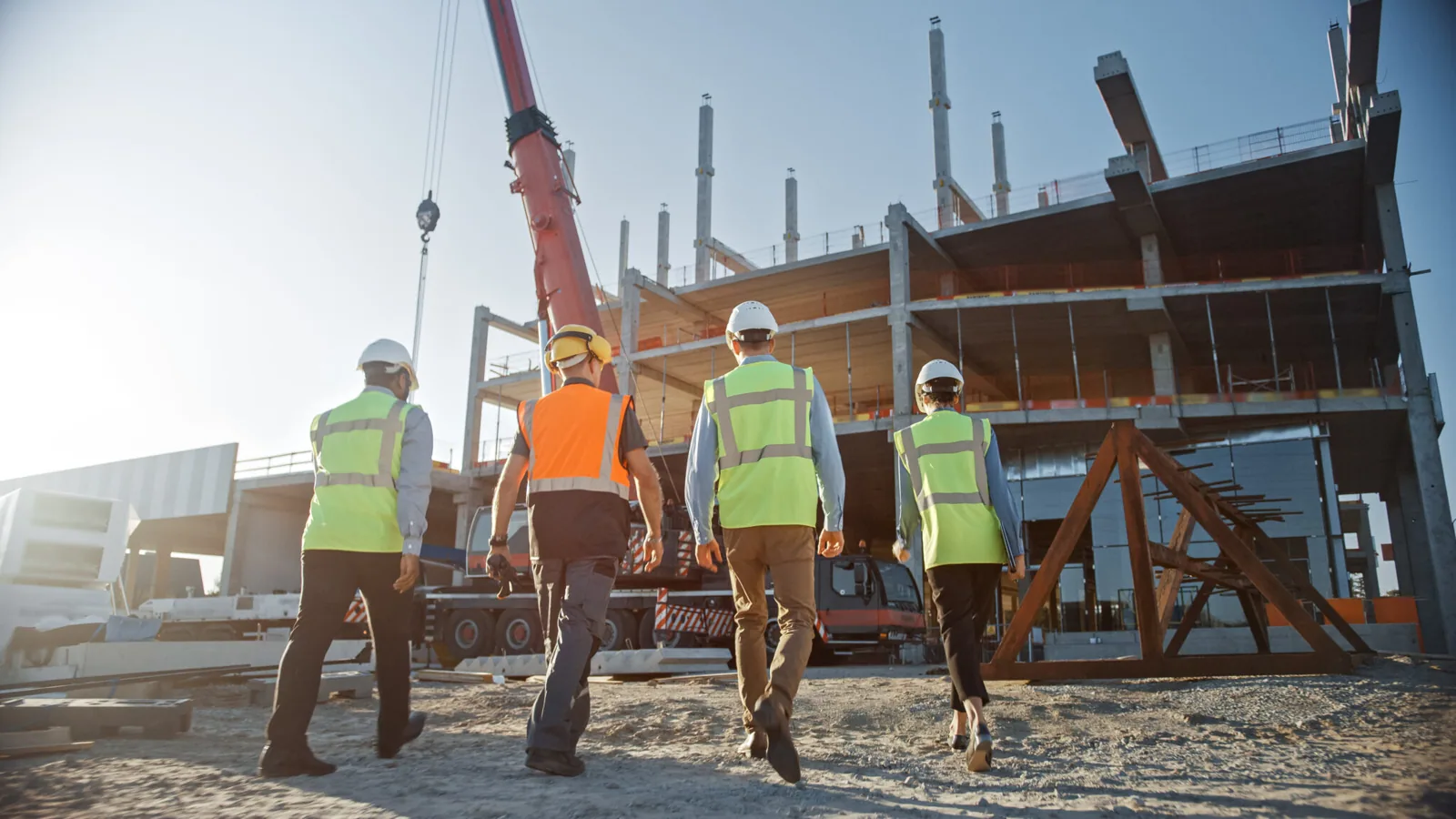
Industry
Coordinate commercial roofing scopes with general contractors in Stamford through defined tie-ins, dry-in points, submittals, and trade handoffs.
Learn more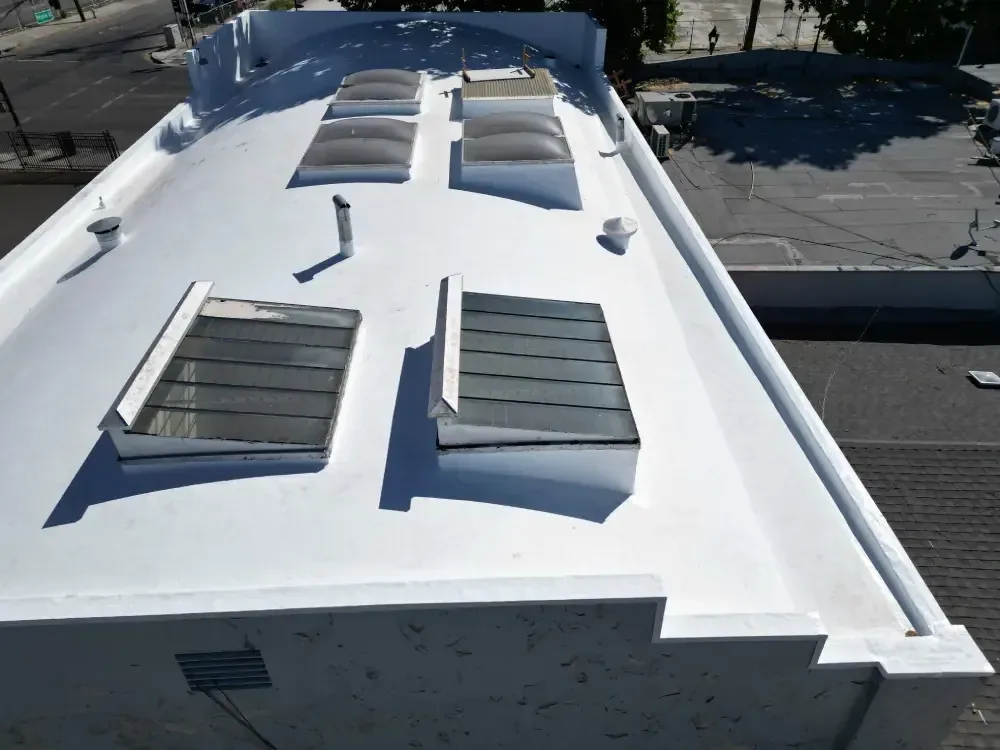
Industry
Document commercial roof damage and repair scope in Stamford with roof-zone photos, moisture findings, and clear separation of observed conditions.
Learn moreA warehouse may need a loading path open while materials move overhead. A health-care or office property may require protected rooms and quiet access. A manufacturing floor can have equipment below a roof opening. We review the owner's operating windows, identify the areas at risk and divide work into sections with a planned close-in. Property managers and real-estate owners receive a written boundary for each area.
Stamford allows adaptable production settings alongside support uses such as office or showroom space. That mix can affect delivery and protection choices. We verify the actual use at the site, the route to the roof and whether the work crosses active space before equipment or material is scheduled.
Water at a ceiling may enter at a seam, curb, wall or drain and move before it appears indoors. We trace the path, identify the membrane and record what is wet or loose. Health-care roof work can require careful separation between work zones and occupied areas. Manufacturing roofs may have equipment curbs, penetrations and service routes to coordinate. The inspection determines the repair, not the industry label.
We document repairs with photos and note the boundary where stable material begins. If removal reaches damp insulation or a weak deck, the manager can review the added work before the opening grows. Logistics operations may need staging planned around loading, while school districts may set access windows around building schedules.
Repair cost changes with roof height, material compatibility, removal depth, staging and protection below. We identify what can be repaired, what requires more removal and what concealed condition needs approval. Public agencies can use those notes to compare a focused repair with a capital option. General contractors can coordinate roof work with adjacent trades when the written boundary and dry-in sequence are clear.
Downtown and the South End contain mixed-use commercial areas. A roof plan there still depends on the building's actual rooms, access and drainage. Retail, restaurants and service businesses can have different hours or rooftop equipment. Retail and restaurant programs need a repeatable record for each address, not an assumption that every roof has the same assembly.
Insurance restoration work begins with the visible condition and a record of the affected area. We photograph the roof detail, separate observed damage from older wear and identify what the inspection could reach. Insurance restoration coordination keeps the roof scope tied to the work shown. We do not promise coverage; the owner and insurer make that decision using their own requirements.
Whether the property is managed by a portfolio team, school district or contractor, the useful output is specific: system, failure, repair limit, access condition and next action. We inspect first and provide a written scope that fits the roof and the way the building is used.
The installed assembly and observed failure set the repair method. Industry use shapes protection, access and sequencing.
A shared record can track condition and completed work across addresses. Each roof still needs its own inspection and repair boundary.
Share the work windows, restricted rooms, equipment routes and staging limits. We use those details to plan daily openings and dry-in.
No. We document observed roof conditions and the work proposed. The owner and insurer determine coverage after reviewing the documented roof condition.
Share the building operation, affected area and access limits. We will inspect the assembly and provide a written repair scope or a broader recommendation when conditions support it.