
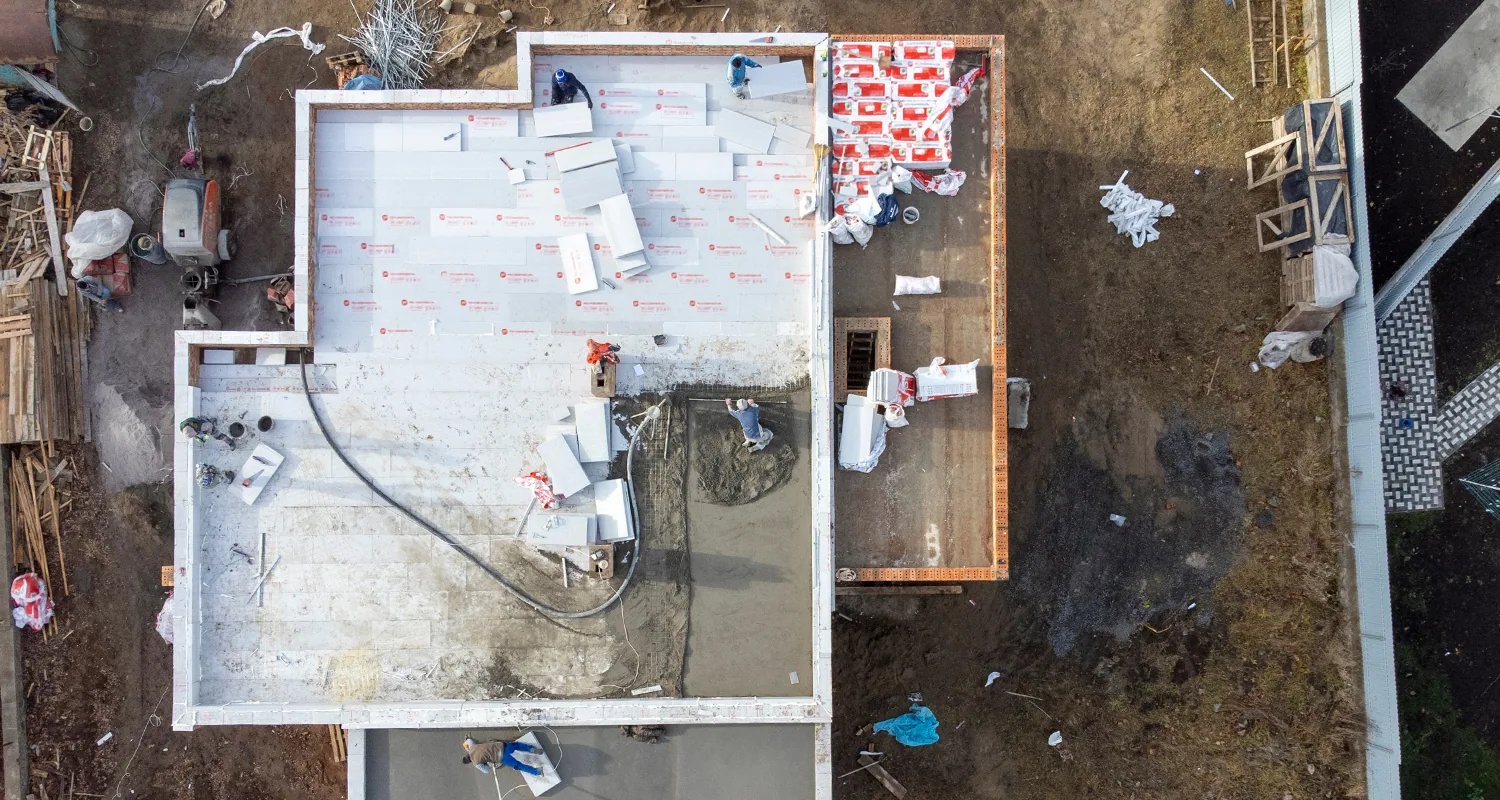
Roofing Manufacturer
GAF Commercial Roofing
Review GAF commercial roof systems and repair details in Stamford. We inspect membrane seams, edges, curbs and drainage before defining the work.
Learn moreA name on a roof label does not tell you whether a repair can tie into the installed sheet. In Stamford, CT, we inspect the actual membrane, seam, flashing and substrate before matching a product system to the work. Downtown and the South End include mixed-use commercial areas; Stamford also recognizes flexible-industrial uses such as production and distribution. The building use and roof condition shape access and sequencing. Manufacturer instructions matter, but the assembly in front of us determines what can be repaired.
Roofing Manufacturer
Review GAF commercial roof systems and repair details in Stamford. We inspect membrane seams, edges, curbs and drainage before defining the work.
Learn more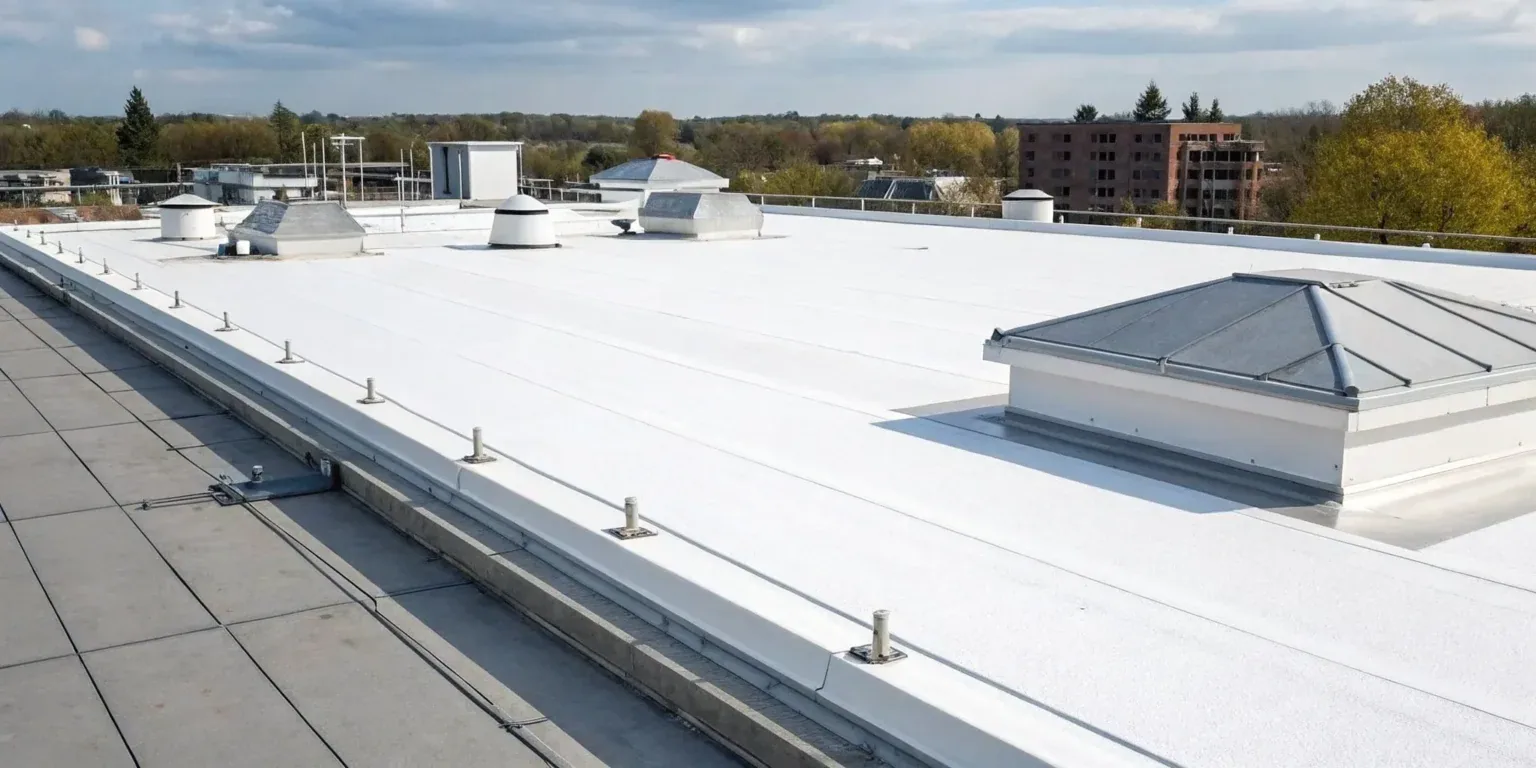
Roofing Manufacturer
Carlisle SynTec commercial roof repair and system review in Stamford, CT. We inspect seams, transitions, drainage and substrate before defining the work.
Learn more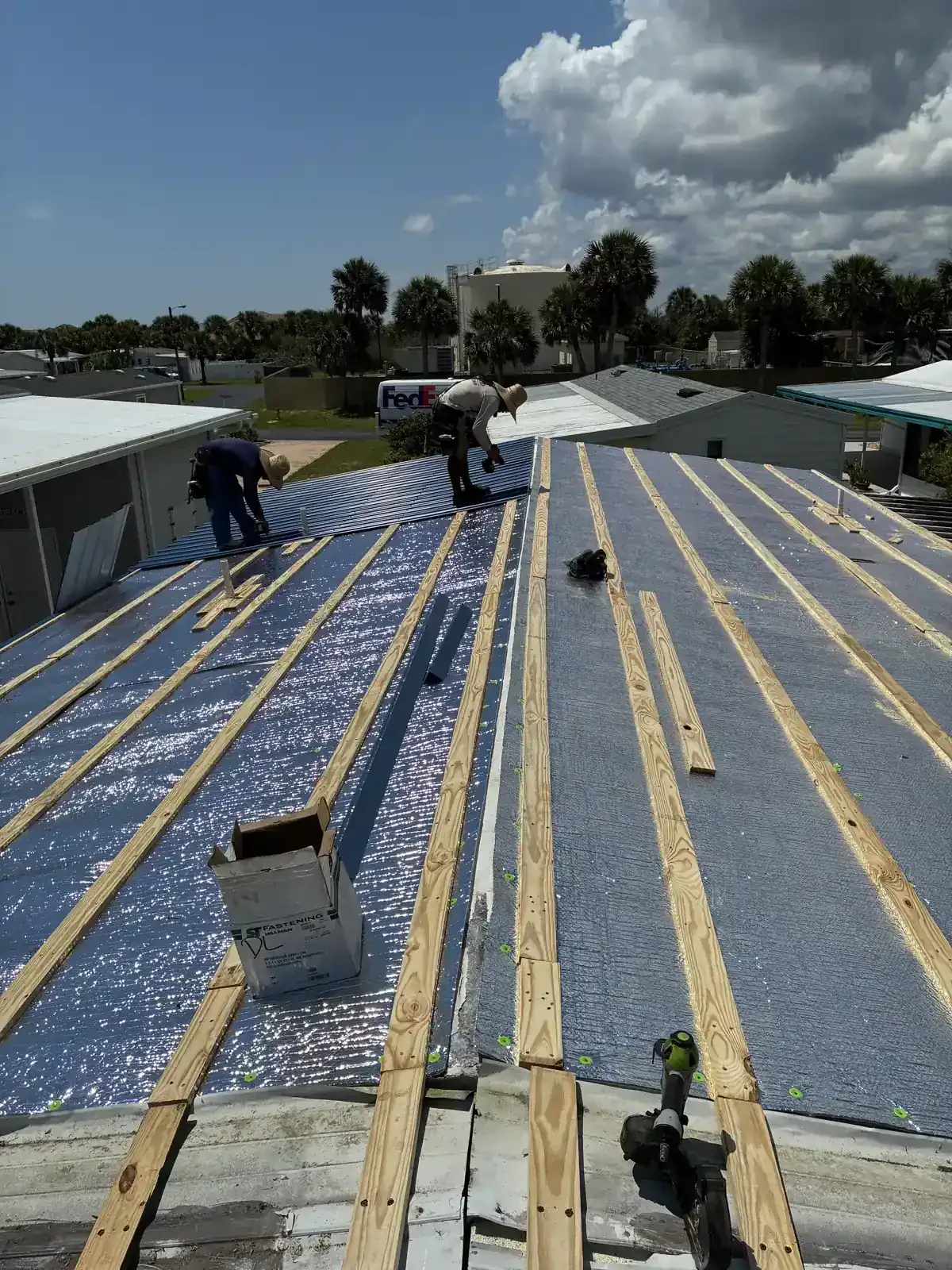
Roofing Manufacturer
Johns Manville commercial roofing in Stamford, CT. Identify the installed assembly, inspect leak paths and details, then set a repair or renewal scope.
Learn more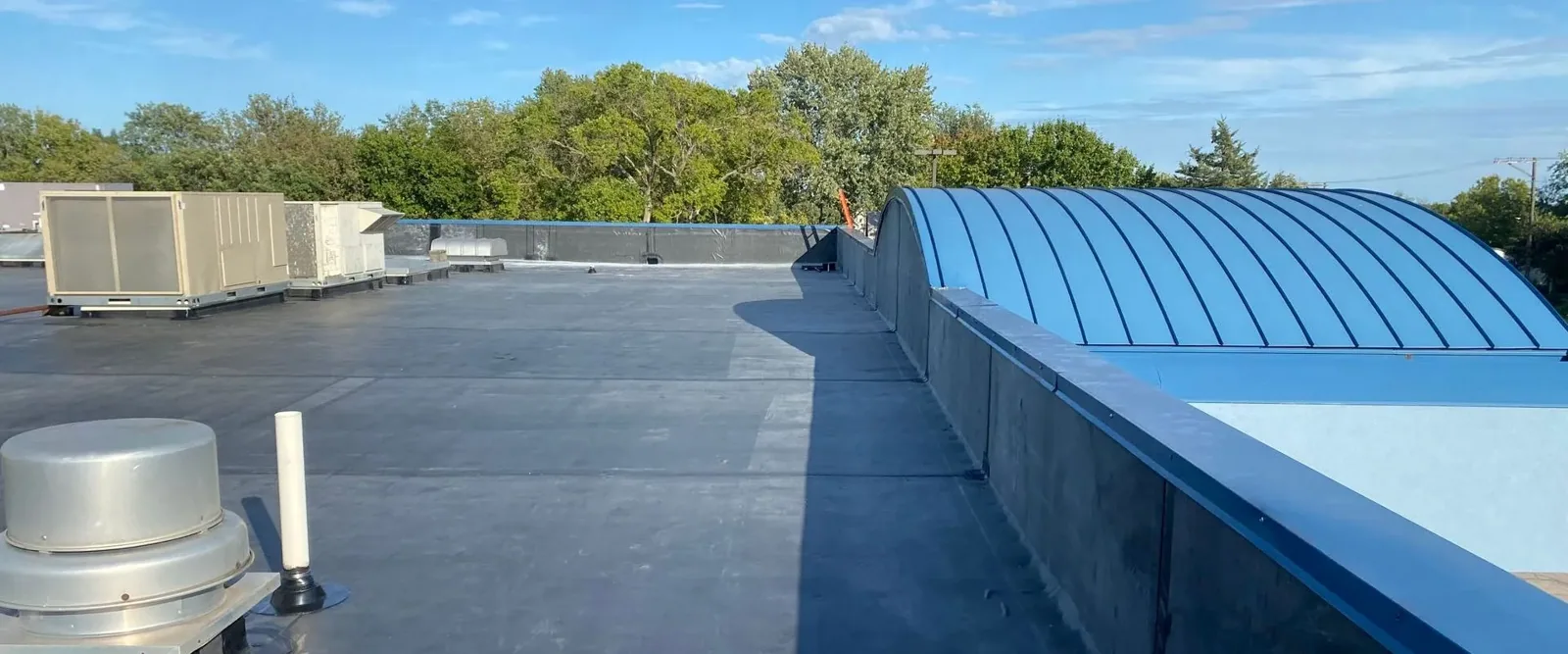
Roofing Manufacturer
Holcim Elevate commercial roof repair in Stamford, CT. We identify the installed system, inspect seams and transitions, and set a repair or renewal scope.
Learn more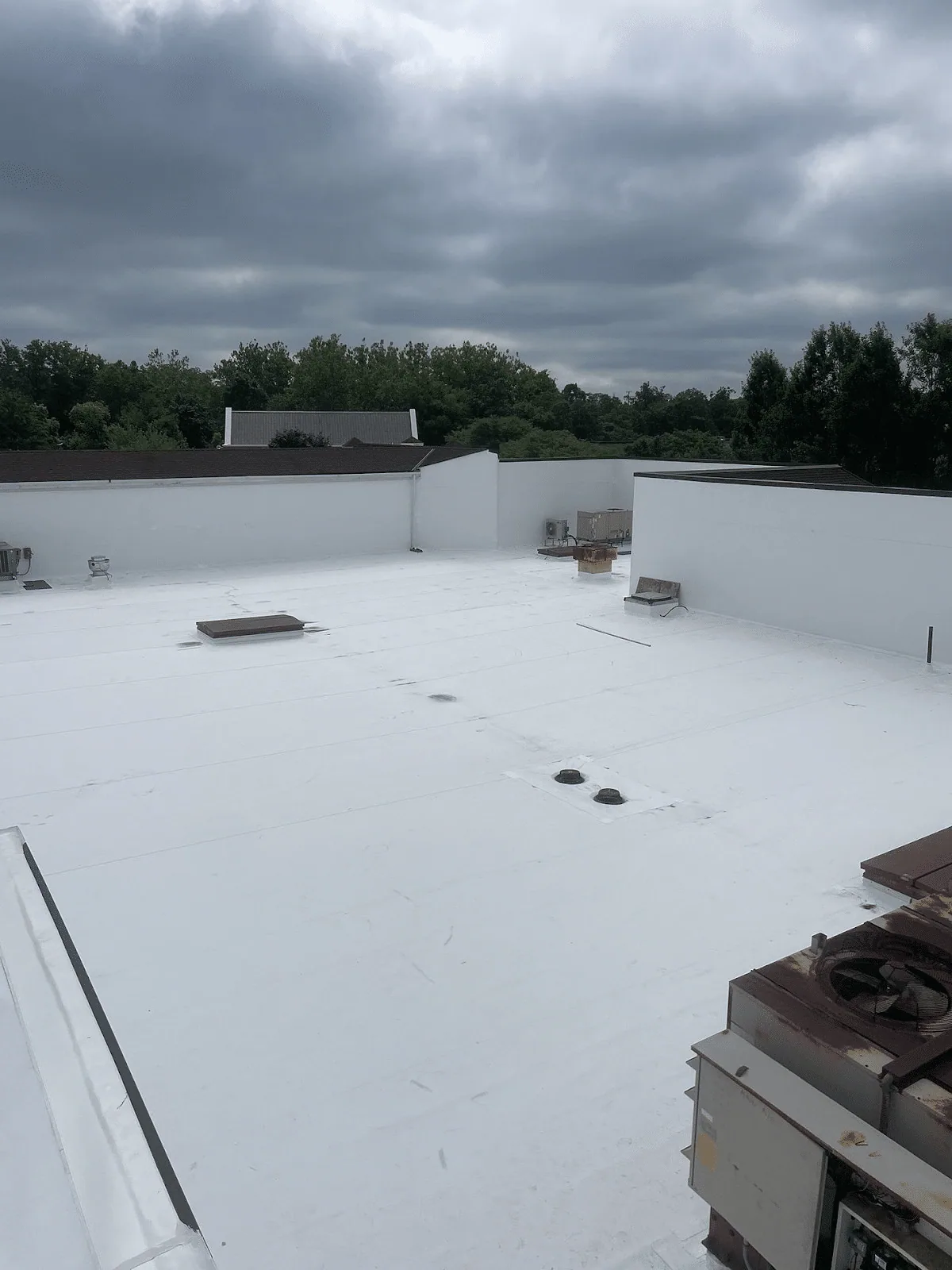
Roofing Manufacturer
Sika Sarnafil commercial roof repair in Stamford, CT. We inspect PVC seams, drains and transitions, then define a scope around verified roof conditions.
Learn more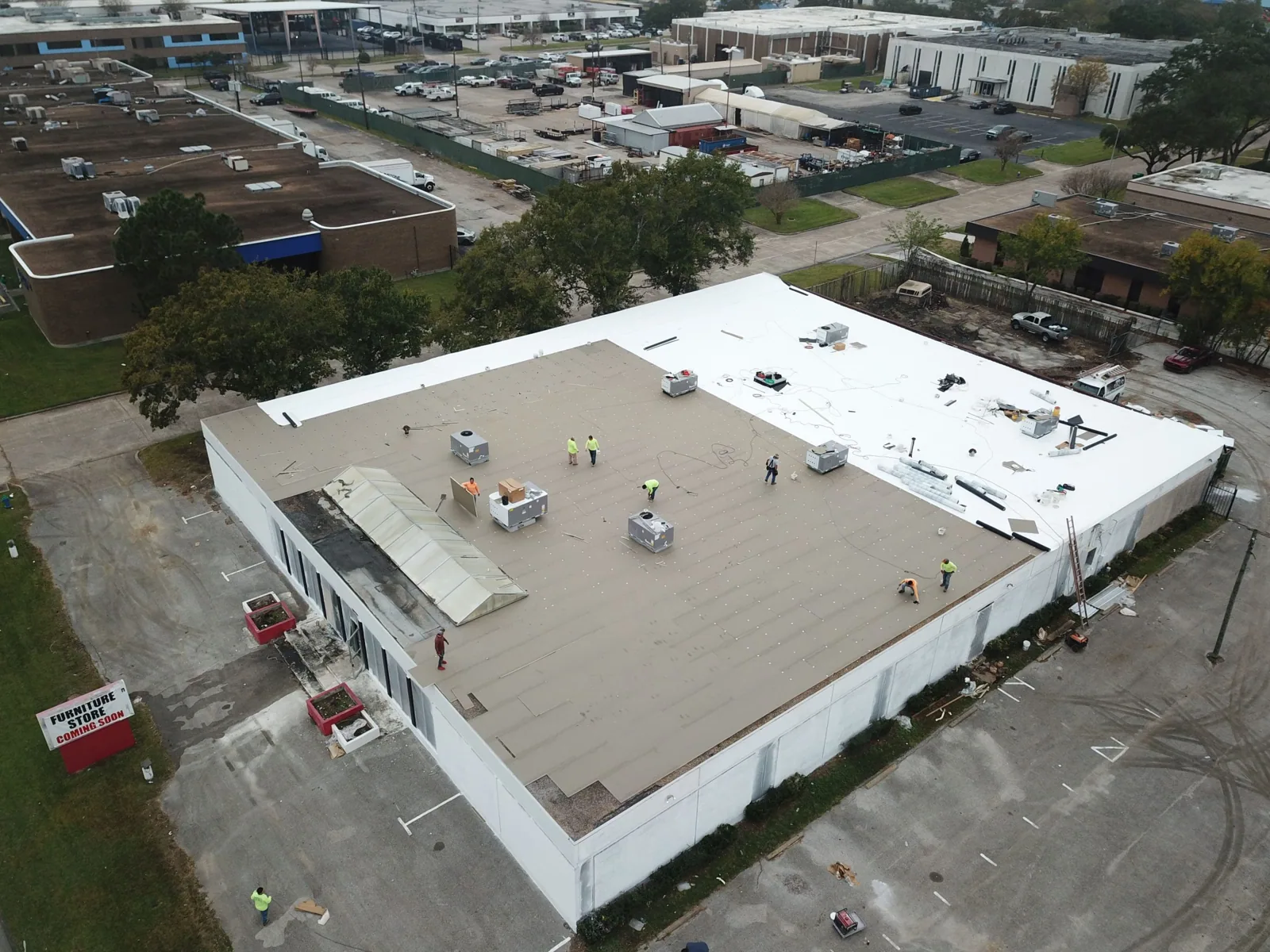
Roofing Manufacturer
Versico commercial roof repair in Stamford, CT. We check TPO seams, drainage and transitions, then define work around the membrane and roof sections in place.
Learn more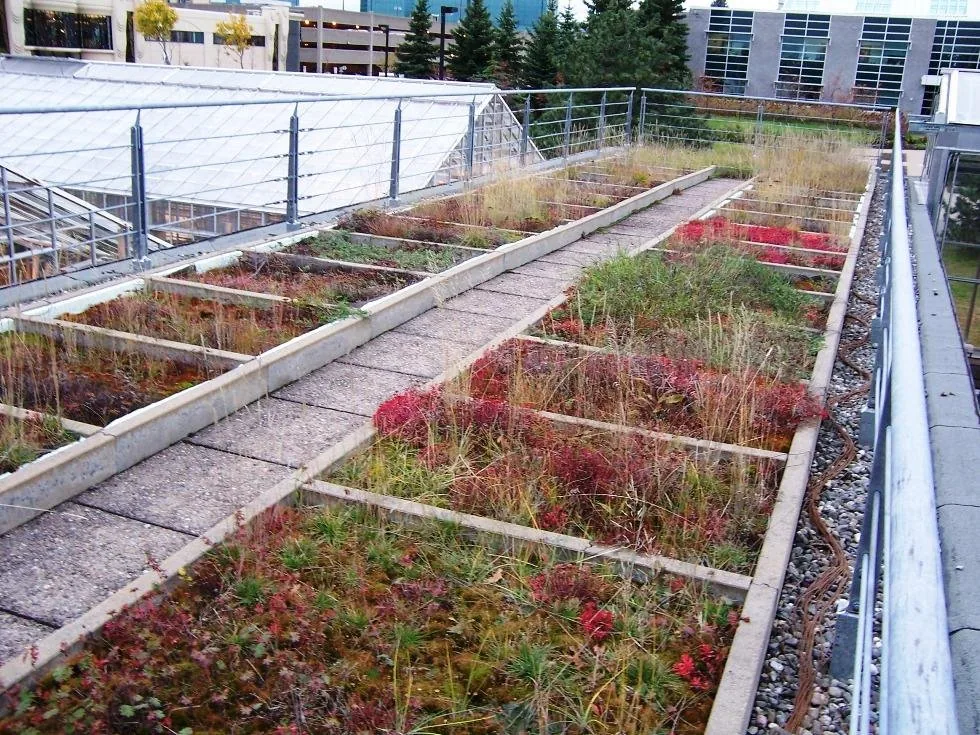
Roofing Manufacturer
SOPREMA commercial roofing in Stamford, CT. We inspect roof layers, laps, drains and transitions, then define work around the conditions found.
Learn more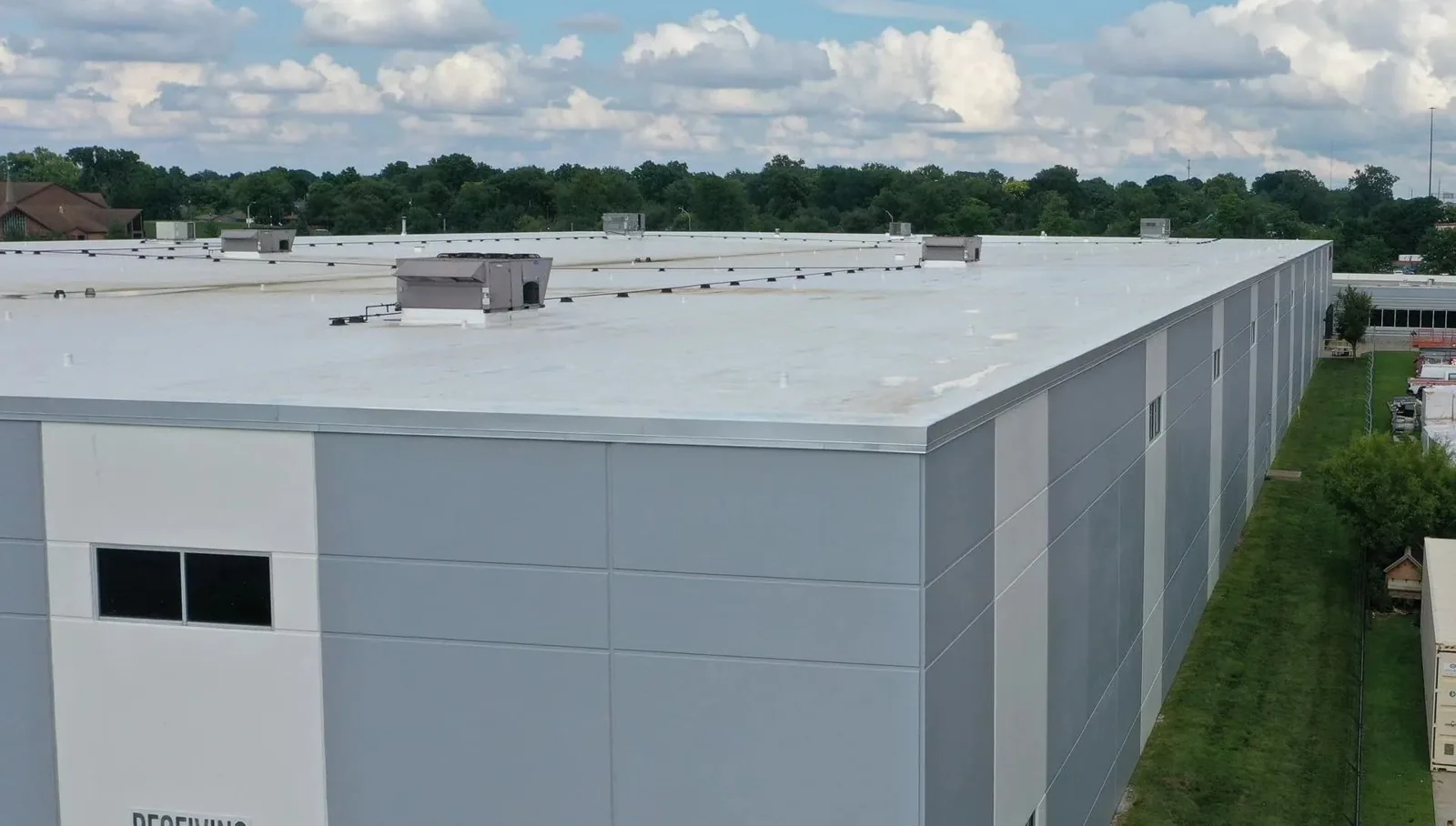
Roofing Manufacturer
Duro-Last commercial roofing in Stamford, CT. We verify roof dimensions, membrane details and transitions before defining repair or replacement work.
Learn moreThermoplastic membranes depend on compatible welds and seam preparation. EPDM uses a different splice process. Modified bitumen and built-up roofs rely on their layers and transitions. We identify the installed system from exposed edges, field details and records, then check whether the receiving surface can accept the proposed tie-in. GAF, Carlisle SynTec and Johns Manville are among the system families available for review.
Each product line has its own technical details and compatible accessories. The estimate names the proposed system type, accessories, and installation detail for comparison with project requirements. The estimate names the system type and proposed detail, and the property owner can compare it with project documents or manufacturer requirements.
Flashing, cover board, fasteners and edge metal must connect to the field material. A repair can fail where an accessory is incompatible or installed over a weak base. We check the product information relevant to the actual detail, prepare the substrate and record the tie-in. Holcim Elevate and Sika Sarnafil systems are reviewed by product and roof condition, not by the label alone.
A coating over a membrane or metal roof also needs a compatible, prepared surface. Existing repairs, contamination, moisture and movement can limit what a coating can do. Versico, Soprema and Duro-Last have product information that can be matched to the system being evaluated.
The manufacturer name is one part of the scope. We also document seam condition, attachment, drainage, edge height and the space below. Stamford winter snowfall and summer heat put roof movement, drainage, and equipment transitions on the inspection list. We inspect the assembly and identify whether a localized repair, recover, or replacement fits the observed condition.
Bring product records, prior repair notes and the area where water appeared to a roof walk. We can identify what is present, explain the proposed material and set out what condition would change the work. Downtown, the South End and flexible-industrial areas do not share one roof profile; each assembly gets a site-specific review.
After repair, the closeout should identify the product used, the location, and the transition rebuilt. Photos help connect that work to the roof record. If a later repair reaches another area, the manager can compare the material and tie-in rather than assume the same product fits everywhere. We leave the system choice tied to the condition documented on the roof.
The brand is one clue; exposed edges, seams, and service records must identify the field material. We check labels, exposed edges, seams and repair records before identifying the field material.
Compatibility must be checked for the actual sheet and detail. A product that does not bond correctly can fail at the tie-in.
The scope identifies the product information reviewed and the installation detail proposed for the roof.
Compare system compatibility, preparation, flashing details, drainage, attachment and the repair boundary. We document the roof conditions behind the recommendation.
Share product records and recent service notes. We will identify the installed assembly and explain which repair or replacement detail fits its condition.