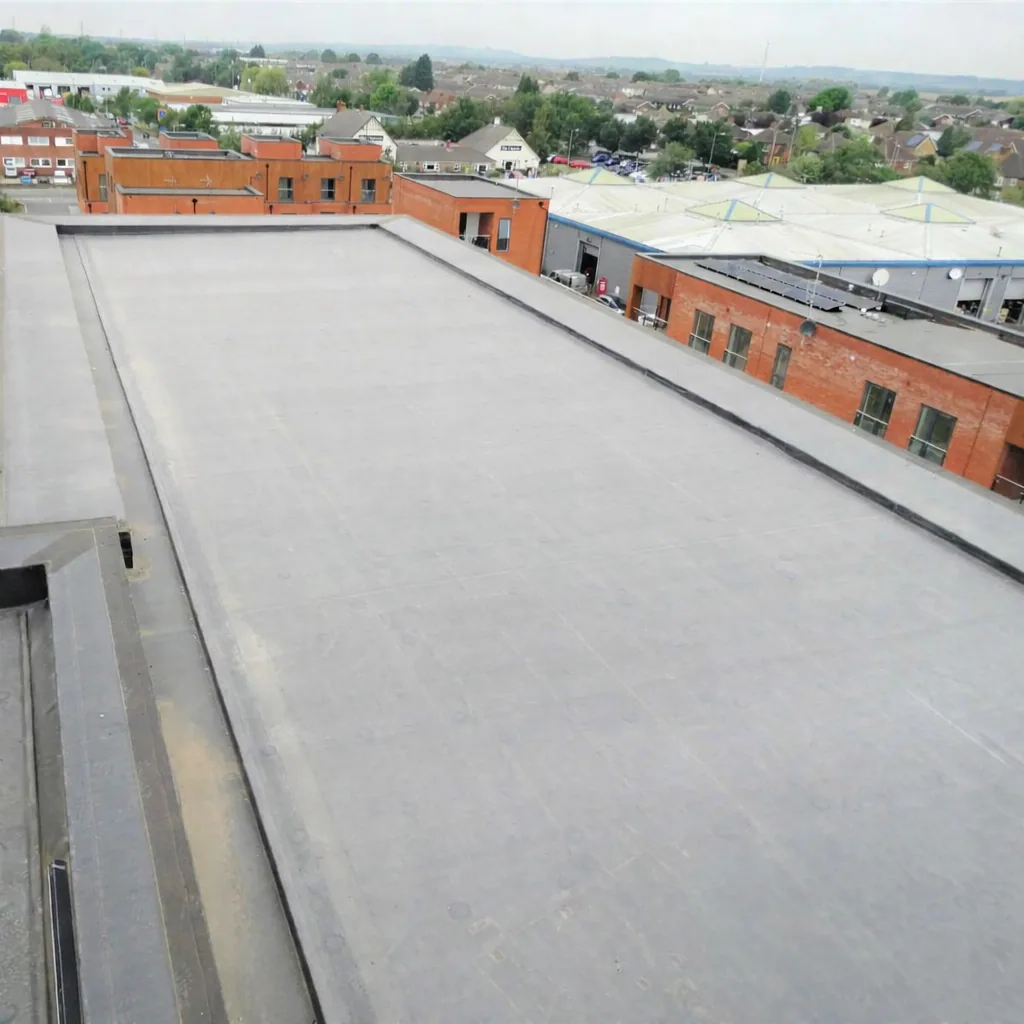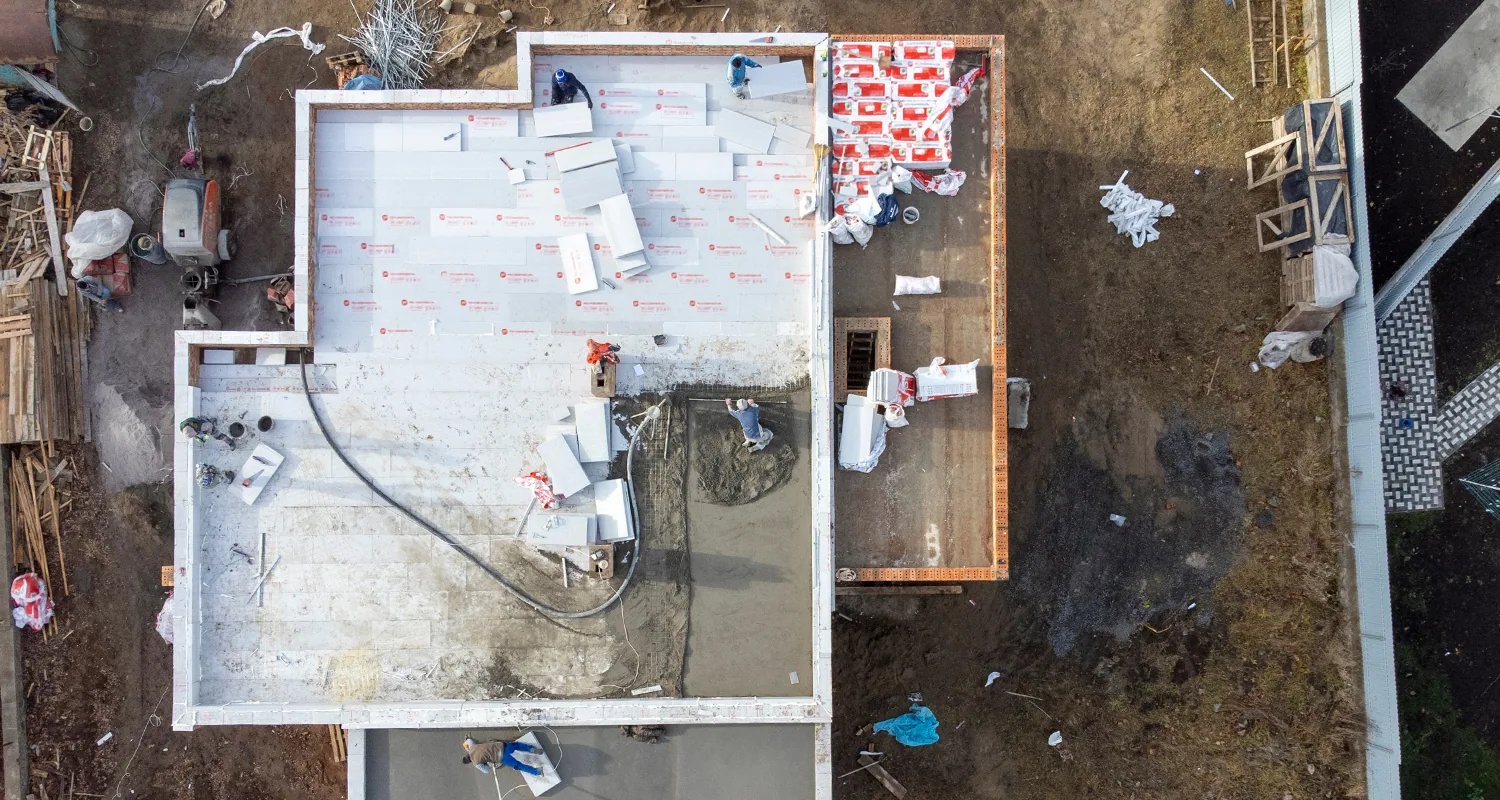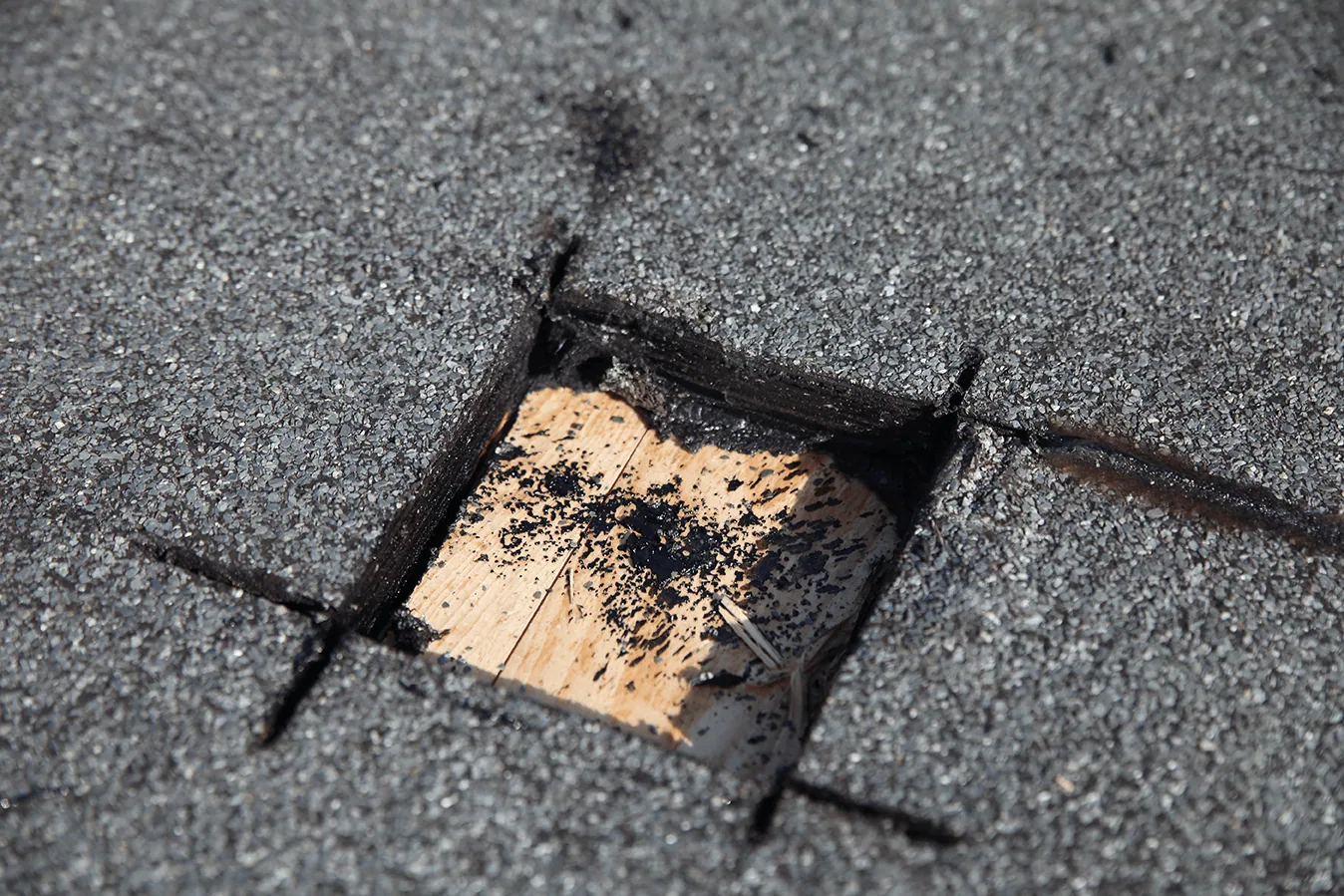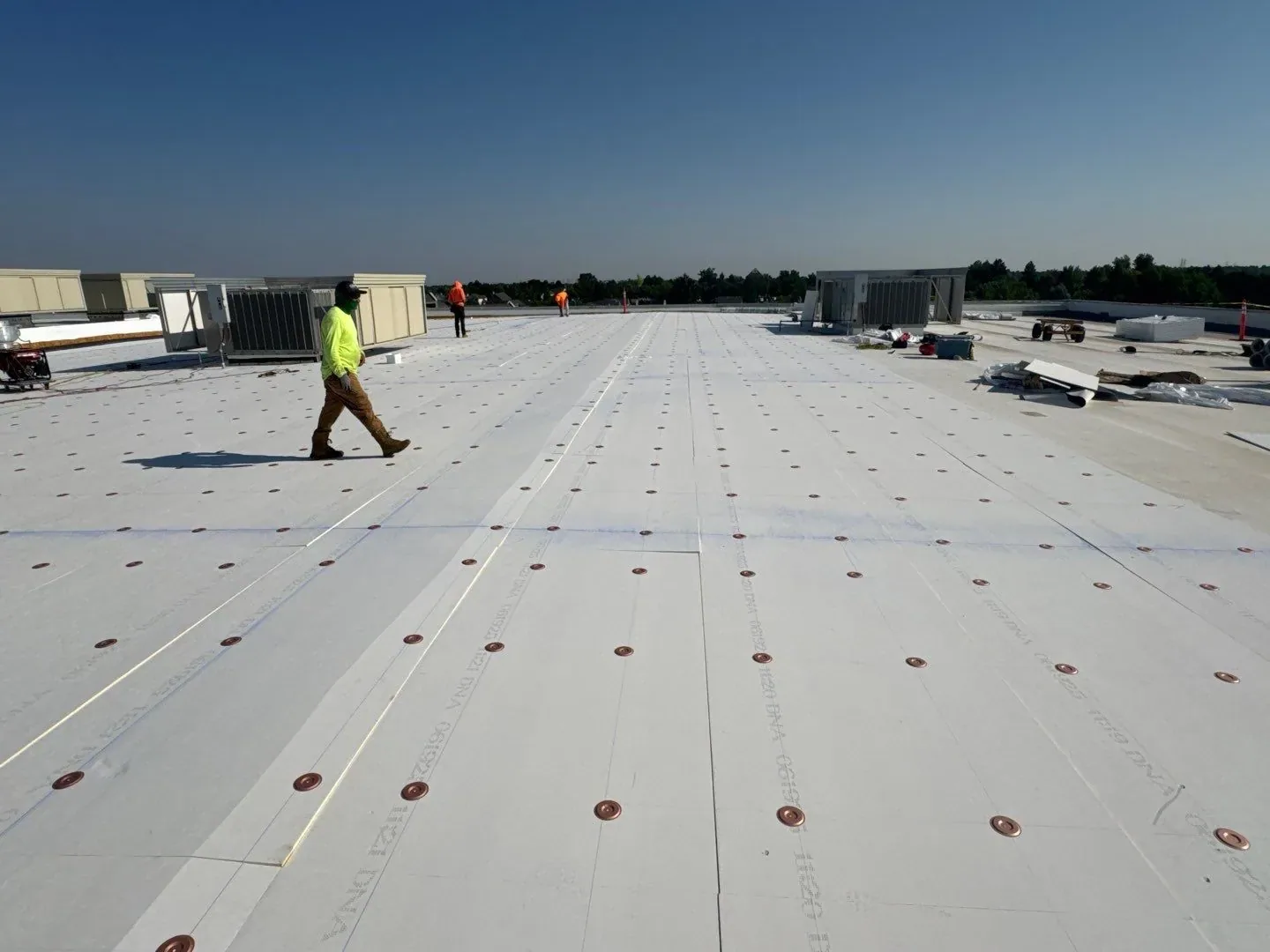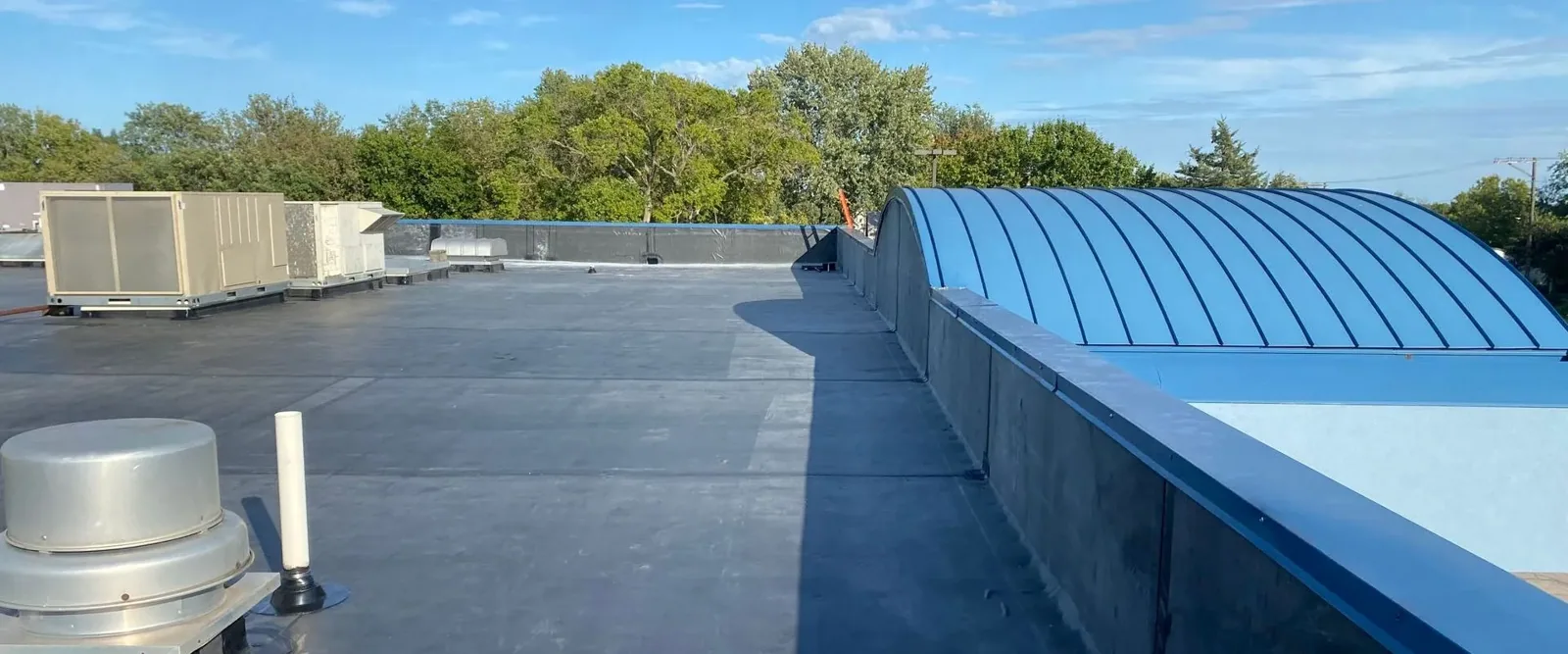
A roof with a Holcim Elevate label still needs a field check before repair. The membrane, seams and details may have changed since installation, and water often travels beyond the visible stain. We identify the section, inspect its edge and penetrations, and map the reported condition to the roof surface. That matters on varied Stamford properties, from the South End to West Side commercial districts. A commercial roof inspection establishes what is actually installed and where work belongs before a repair or renewal scope is chosen.
Confirm what the roof is made of
Holcim offers commercial roof systems across membrane categories. The name does not establish whether a particular area uses EPDM, TPO, PVC or another assembly. Records can describe the original work while the roof now includes additions, patches, resurfacing or a different system over part of the deck. We compare drawings and maintenance files with sheet characteristics, attachment, seam details and flashings. If the system remains uncertain, we make that a question to resolve before selecting material.
An EPDM assembly review checks field sheet, seam treatment and terminations as one system. A TPO assembly review considers the weld and compatible accessories. At a seam between different materials, each side gets its own repair logic. Color and a product label are useful clues but do not replace a field match. The written scope names the confirmed membrane and leaves anything unverified clearly marked.
Inspect the detail that controls the leak
A split membrane can be obvious. The route water took may not be. We compare interior reports with roof pitch, drains, laps, walls, equipment and penetrations, then examine nearby transitions. A curb corner, pipe boot or termination bar can fail while the adjacent sheet still looks flat. We document the defect and the surrounding material before deciding how far the repair must extend. If the wet area is not apparent, an infrared moisture survey can help identify candidate test locations; test cuts or other verification determine what is below the membrane.
Surface preparation is part of the repair, not a detail to skip. Dirt, moisture, old adhesive or an incompatible prior patch may interfere with the new work. We identify what must be removed and what must remain dry and sound. Around rooftop equipment, the curb, flashing, conduit and nearby sheet should be treated as connected conditions. A drain review may also be needed when water stands near the reported leak. The scope can then separate a membrane repair from related sheet-metal or equipment work.
Define the choice between repair and renewal
One damaged area does not automatically require a new roof. If the sheet around it is sound and attachment remains intact, a repair can be a sensible scope. Repeated seam separation, saturated insulation, widespread brittleness or deck distress changes the discussion. We count and locate the defects so a recommendation reflects their pattern. A recoverability assessment checks whether moisture, attachment, edge height and project requirements support another layer. If the assembly cannot accept a recover, replacement or targeted removal may be considered instead.
Holcim Elevate system selection follows the roof and project requirements, not a single product name. The repair scope sets out preparation, material compatibility, lap or flashing work and the boundary of the repair. A recover or replacement scope addresses drainage, penetrations, perimeter height and tie-ins. We do not treat these as interchangeable options or quote one without inspecting the relevant sections. Where a hidden condition could change the plan, we explain the decision point and request approval before expanding the work.
Coordinate access and work sequence
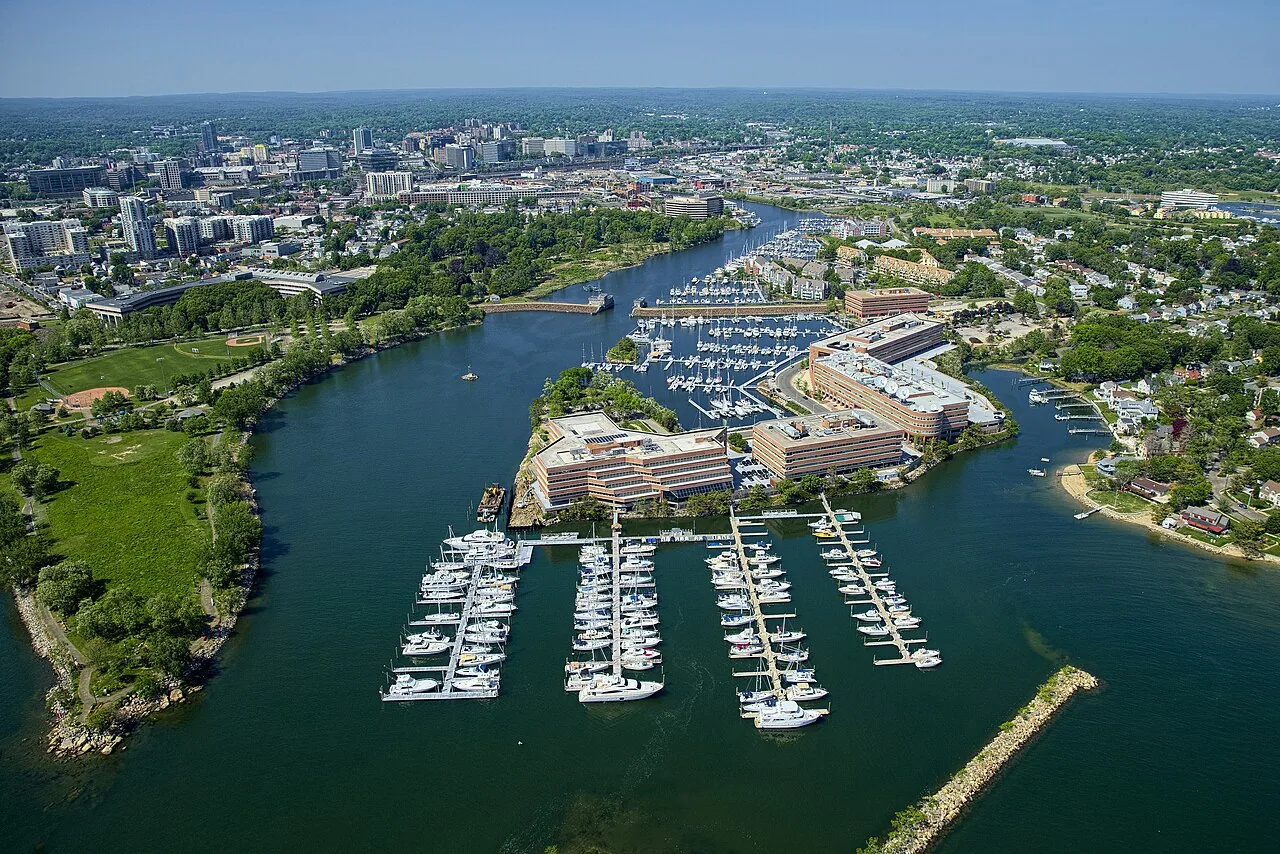
Before mobilization, the property contact identifies roof access, occupied areas, security instructions, material staging and any operational window that matters. We agree how ladders, lifts or deliveries will reach the work area and where debris can be managed. In Downtown Stamford, Stamford Transportation Center serves regional rail and bus access at the South End edge. Around West Side commercial uses, nearby activity can make deliveries and access timing important. Those broad facts help frame planning; the site's own manager supplies its actual access rules.
Membrane work also needs suitable conditions. Wet surfaces, wind, temperature and rain risk can affect preparation, welding and temporary protection. We review conditions when the work is scheduled and keep transitions protected if the sequence pauses. The crew should not cover a detail that is not ready simply to meet an assumed calendar. Where a roof sits in South End Stamford, we verify the installed material at each transition before tying new work into the existing edge.
Close out the exact work performed
Completion records should identify the roof section, product or membrane when confirmed, repair location, materials, preparation and tie-ins. Photographs show the affected seam or flashing before and after work. If opening the assembly reveals a wet layer or damaged deck, document how that condition was handled and whether it required separate authorization. A roof condition report can keep these observations with the roof plan and prior service records for later comparison.
When adjacent areas use different products, mark their boundary rather than extending the Holcim Elevate name across the whole roof. A GAF system reference or Johns Manville system reference may help frame the questions for a separate roof section, but that section still needs independent identification. A clear record keeps the next inspection focused: what was found, what was completed, what remains, and which evidence would change the recommendation.
Keep each repair boundary visible
A roof drawing should show where the inspected material begins and ends, especially when a property has multiple additions or service histories. Mark the areas where the system was confirmed, where a transition remains uncertain, and which details were repaired. That map reduces the risk of treating a neighboring section as identical when it may use another membrane or attachment method. If a tenant reports water at a particular room, connect that report to a roof area only after the route is checked. A map is a working record, not a substitute for examining the membrane.
Before closing a repair, compare the finished transition with the agreed scope. Check the lap or patch edge, adjacent flashing, curb corners and drainage path. Record any condition left for separate work, such as a worn metal edge or a drain issue beyond the membrane repair. If the roof requires an additional layer or replacement, show the tie-in points and how the chosen option changes edge height and drainage. The property manager can then review the scope with the roof plan rather than relying on a product label. The final record should make clear which roof area, material and observation support the recommendation.
Commercial Roofing Questions
Does Holcim Elevate naming tell you which membrane is installed?
No. We match the roof area to its records and field characteristics because the property may have additions or repairs with different materials.
Can a Holcim Elevate roof receive a localized repair?
That depends on the sheet, substrate and adjacent details. We inspect the affected area and define the preparation and repair boundary before specifying materials.
What indicates that a larger scope may be needed?
Repeated seam failures, widespread wet insulation or a weak deck can move the work beyond a single repair. The inspection documents those conditions.
How do you decide if a recover is feasible?
Moisture, attachment, roof edges, drainage and project requirements all matter. We evaluate the existing assembly before proposing an additional layer.
What records help with a Holcim Elevate roof inspection?
Provide the roof plan, product and installation records if available, prior repair notes, leak reports and access instructions for the site.
Related Roofing Work