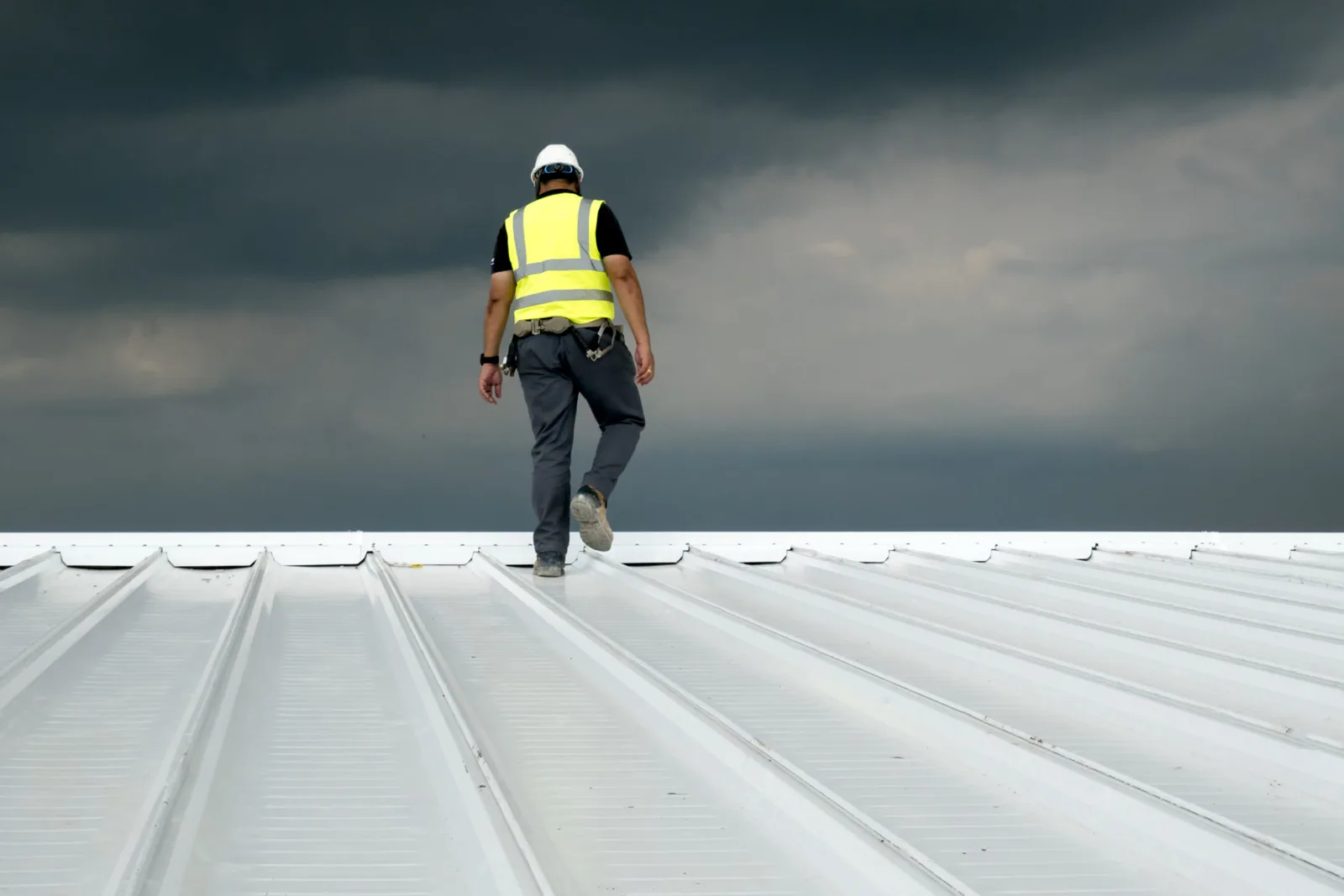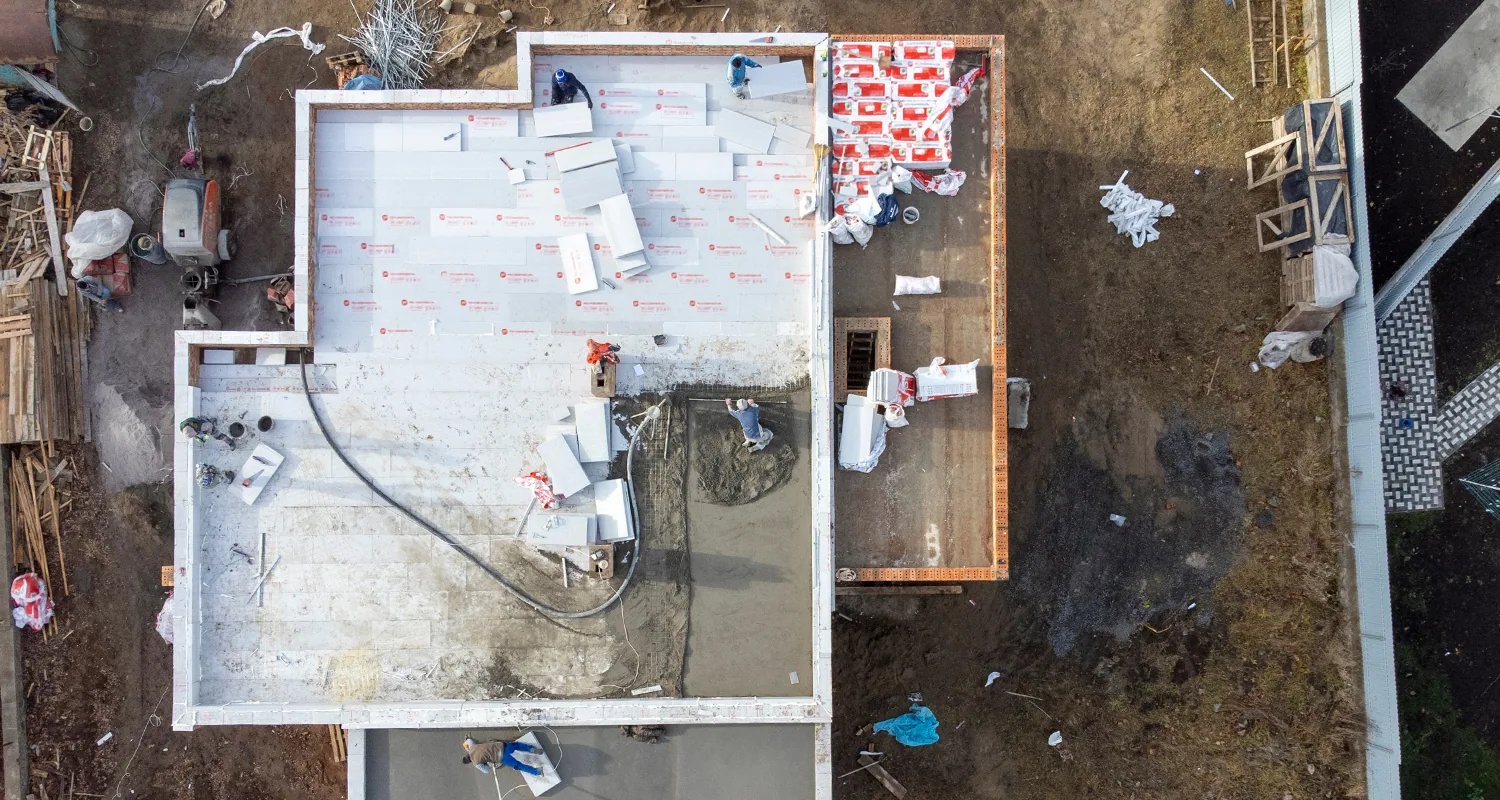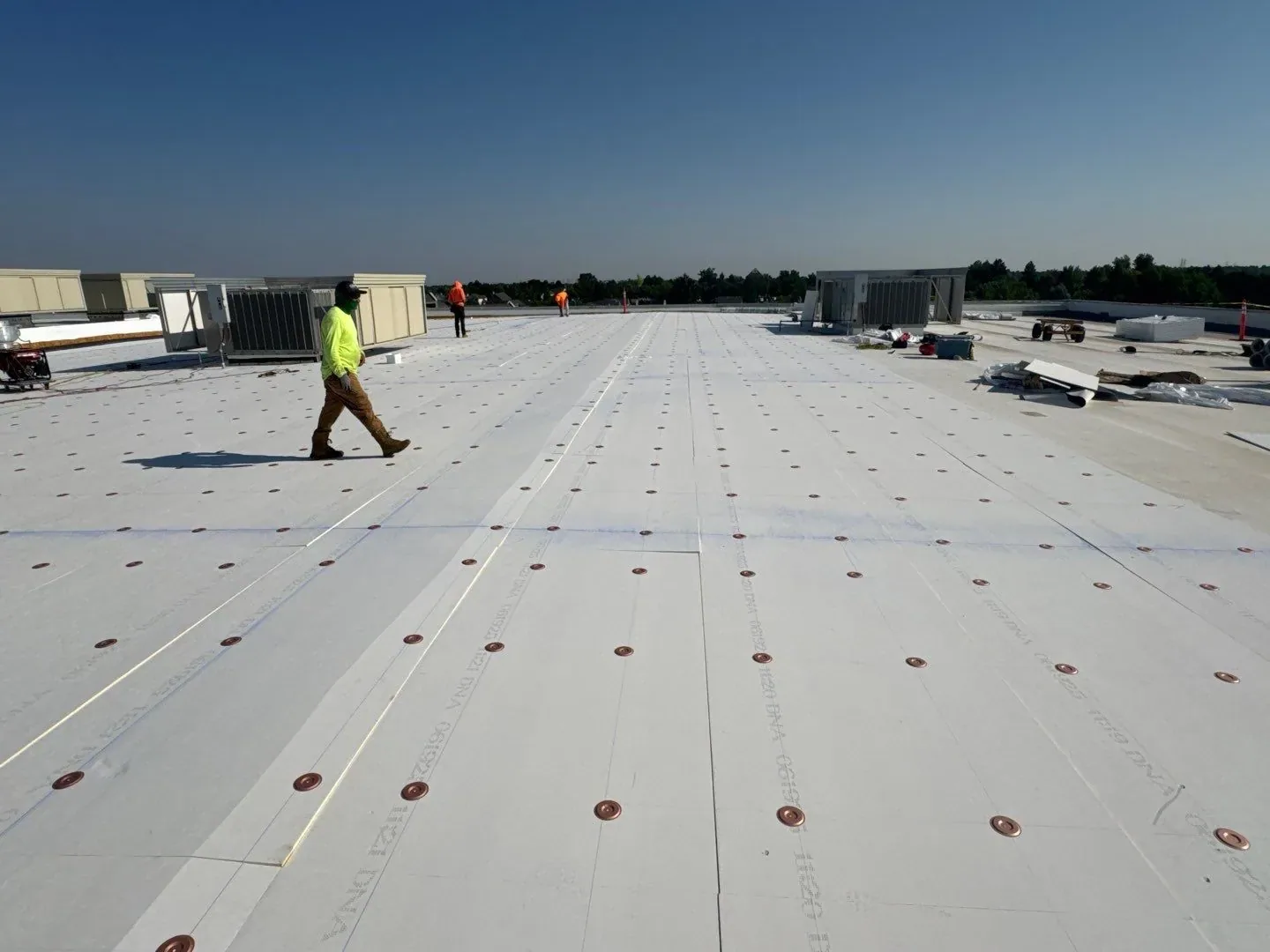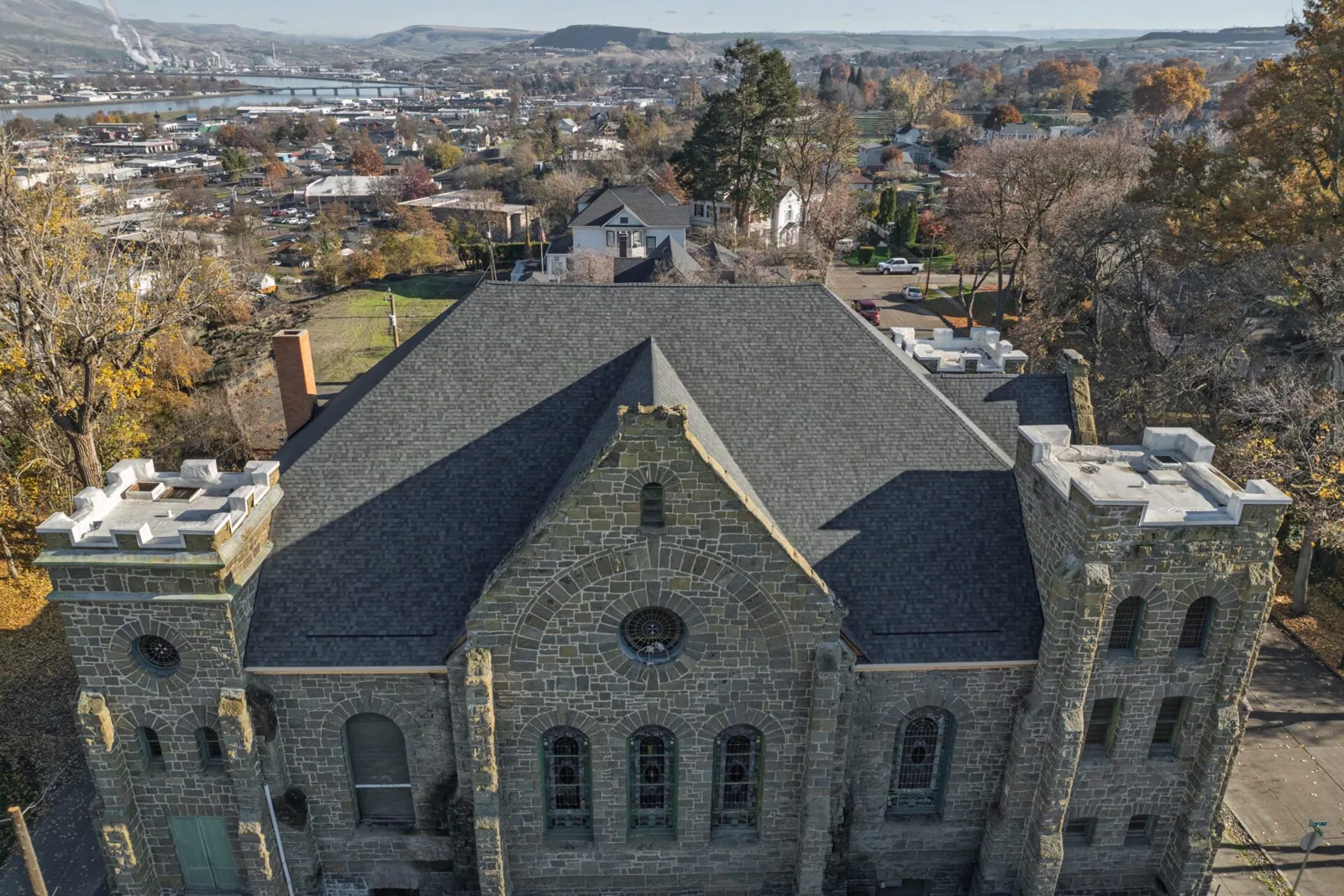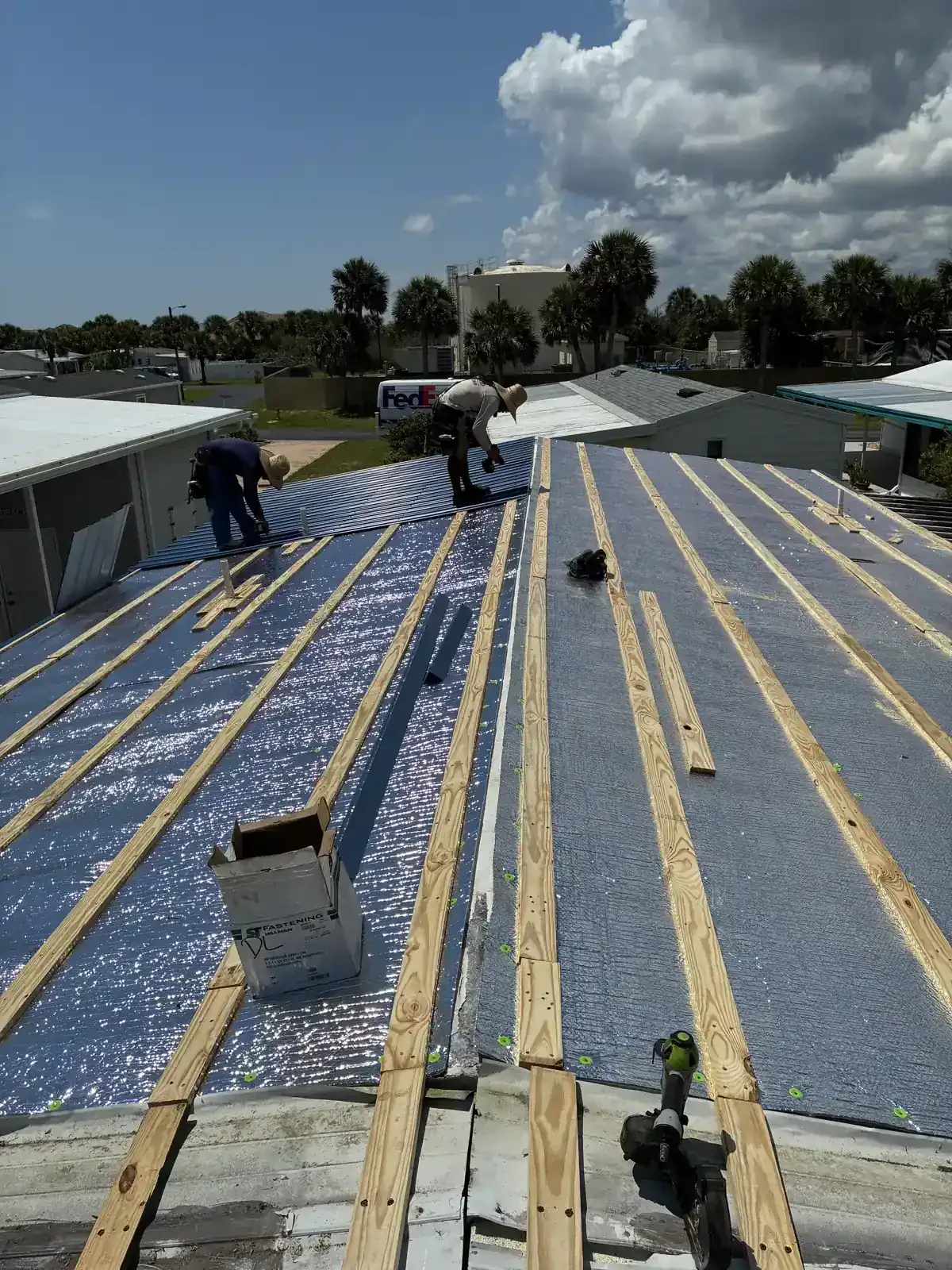
A Johns Manville label is a starting point, not a repair instruction. The roof may include more than one membrane, a later overlay, patches from other materials, or details that no longer match the original submittal. We identify the installed system and trace the condition before specifying what should be opened or replaced. On commercial roofs around Downtown Stamford and the West Side, access and occupancy shape how work is staged, but the roof assembly sets the repair method. A commercial roof inspection records the membrane, seam, perimeter, drainage and penetrations in view before a scope is prepared.
Start with the installed assembly
Johns Manville commercial roofing offerings span membrane and built-up roof applications. A brand name alone does not reveal whether a specific roof has TPO, PVC, EPDM, modified bitumen or a later system over the original surface. We compare roof plans, closeout records and repair history with field conditions. We also note where an addition, equipment change or past repair created a transition. If a label or document cannot be matched to the visible assembly, the report identifies the uncertainty instead of naming a product by guesswork.
Material selection has consequences at seams and flashings. A TPO roof system review looks at welded laps and compatible sheet. A PVC membrane review treats its own welds, accessories and terminations. Where an area is EPDM or bituminous, those repairs require a different method. We separate roof sections by actual construction so the repair plan does not transfer a product assumption from one side of the building to another.
Find how water enters
Water at a ceiling tile can be several feet from a roof defect, especially where insulation, deck flutes or an interior slope carry it away from the entry. We compare the reported room with drains, seams, wall lines, curbs and penetrations above. Each suspect detail gets a closer look. We note whether the membrane is split, lifted, punctured, poorly terminated or simply not the point where water enters. If the path remains uncertain, a moisture survey can guide test openings. Field checks determine what is wet and what repair boundary is justified.
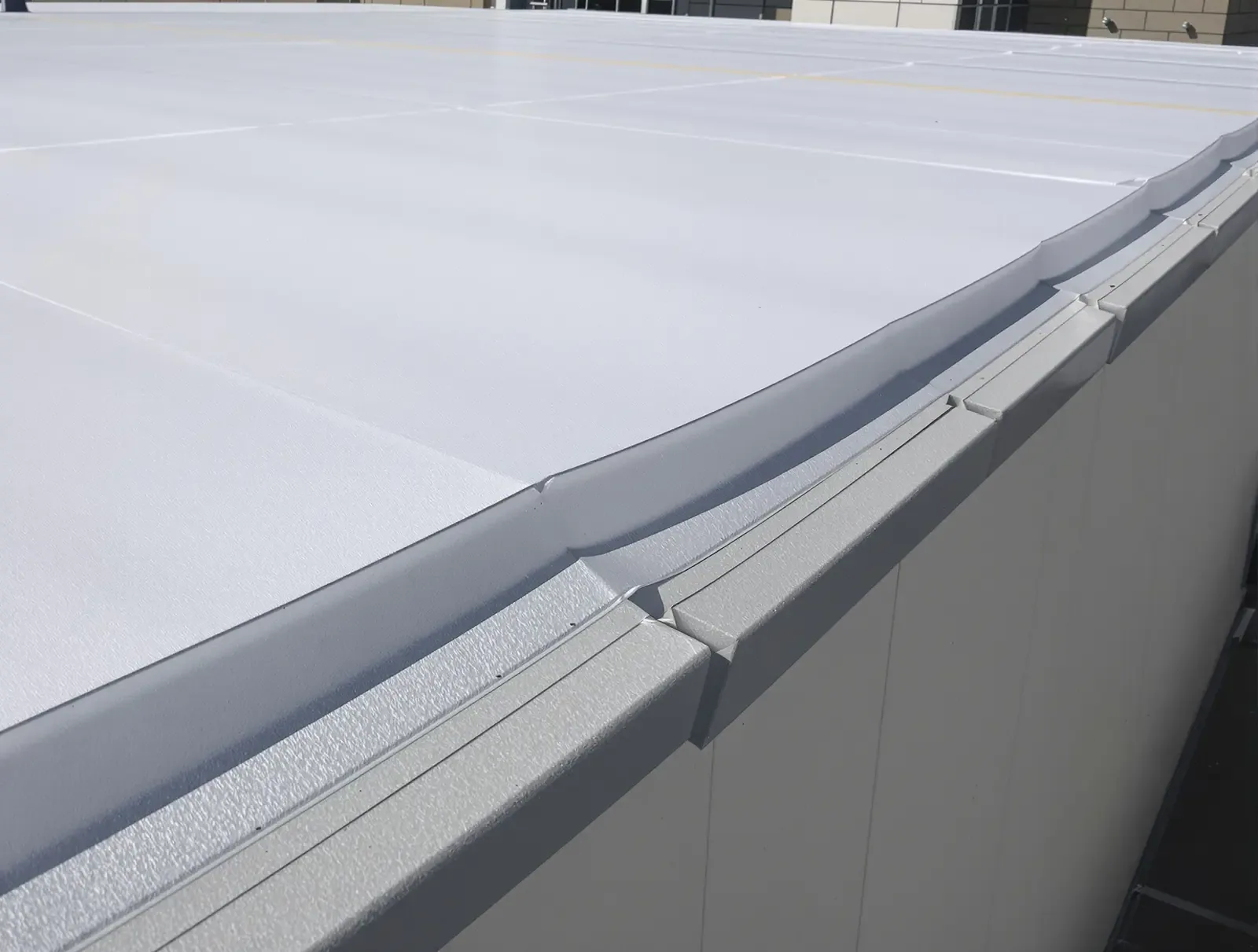
At a roof edge, the membrane termination, metal, fasteners and adjoining wall must work together. Around a unit or pipe, the flashing must connect to a sound surface without trapping water. We check the adjacent field and substrate rather than covering the first visible opening. Where equipment changes or curb movement may be involved, a curb inspection helps define whether that detail belongs in the roof repair. The work description names the observed condition and the area to be addressed.
Choose the smallest sound scope
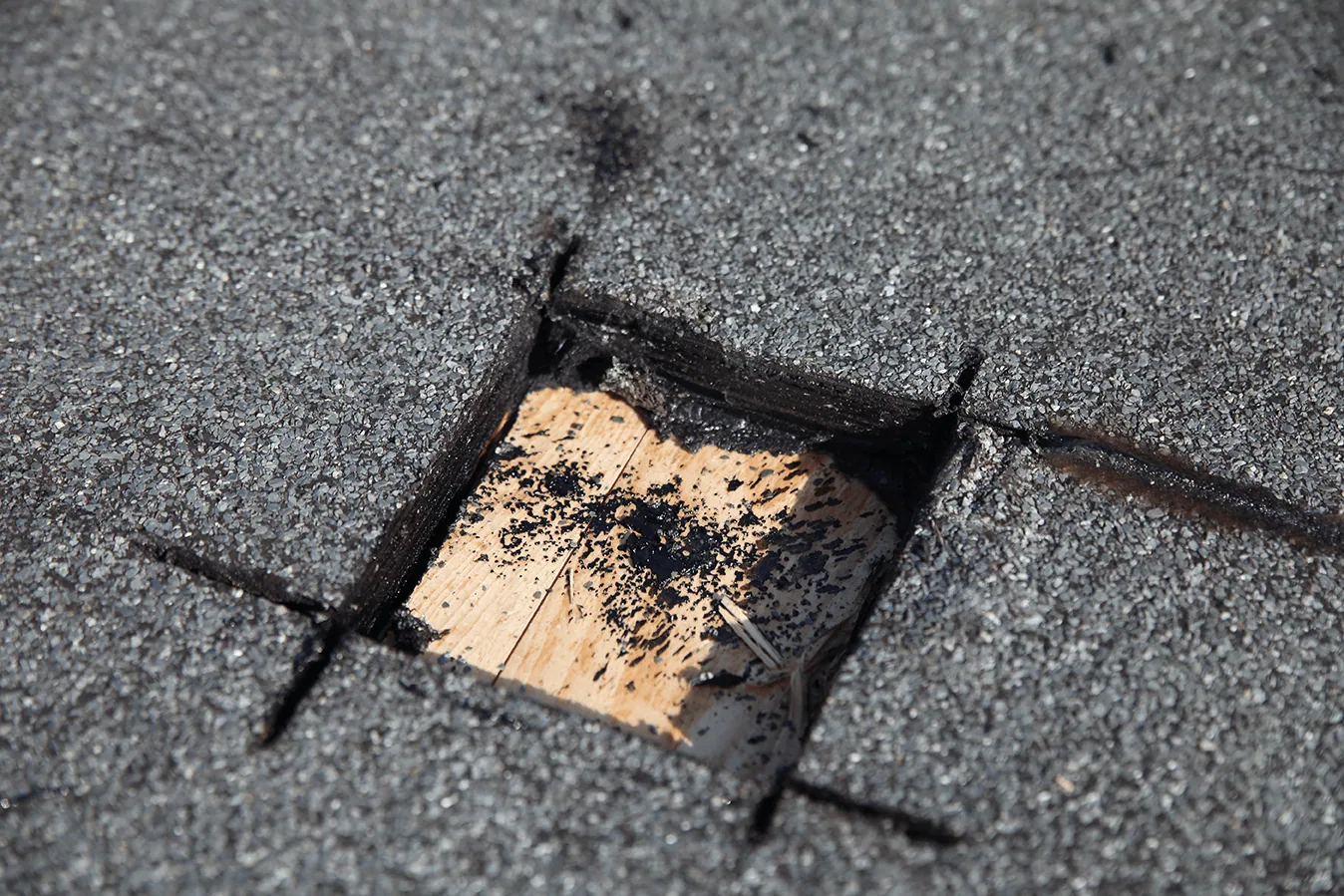
A localized patch can be appropriate when the surrounding sheet and substrate remain in serviceable condition. Multiple separated failures, wet insulation, persistent seam distress or deck damage point toward broader work. We distinguish what can be repaired from what needs further investigation. An existing roof may allow another layer, but only if the assembly, attachment, moisture and project requirements support it. A roof recover review evaluates those conditions before proposing an overlay. If they do not support recovery, replacement options can be compared with a clear explanation of why.
Repair, recover and replacement scopes are not interchangeable prices for the same work. A repair patch is selected for a verified defect and the surrounding bond condition. A recover adds a system over an existing assembly and may affect edge heights, drains and transitions. Replacement removes or changes the existing roof layers. We inspect before recommending one. The scope states the work area, preparation, materials, tie-ins and limitations. If hidden conditions could alter the plan, the proposal says how they will be handled and what approval is needed before expanding the work.
Coordinate work with occupied operations
Roof work occurs above people, equipment and active business operations. The project contact should identify roof access rules, sensitive rooms, deliveries, operating hours that matter, security requirements and places where noise or odors need coordination. We agree on a staging zone and a route for moving materials before work begins. In Downtown Stamford, the Stamford Transportation Center serves regional rail and bus access at the downtown and South End edge. That regional connection is useful context for planning people and deliveries; it does not determine access to an individual property. The site contact must provide property-specific instructions. On a Downtown Stamford roof, we confirm the access route and staging area with the property contact before moving material.
Weather can also change the sequence. Welds and adhesives need appropriate surface preparation and conditions, and exposed transitions require protection if work pauses. We check the roof surface, wind and forecast before deciding which tasks can proceed. If a section cannot be closed in the conditions available, we define the protection and return scope with the manager. On the West Side, the city identifies neighborhood centers as commercial and transit corridors with housing, retail and services nearby. Work staging should therefore be arranged with the actual site, not inferred from a district label.
Keep manufacturer and repair records together
After the work, retain the roof plan, manufacturer information, inspection notes, photographs and approved scope in one property file. Record the system only when confirmed, along with the repair location, preparation, materials and transitions. If a future leak appears, that record helps the next inspection distinguish a new condition from a previously repaired detail. A roof condition report can organize observations for maintenance and capital planning while keeping the observations tied to the areas actually inspected.
Johns Manville material should be considered only for the roof area where compatibility is established. A separate area may use a different supplier or membrane family. For a separate section, we compare the installed GAF system or Carlisle SynTec system with its records and details before specifying compatible repair materials. The final recommendation should be tied to the actual assembly and the conditions observed during the walk.
Write limits into the proposal
A useful proposal separates confirmed work from allowances that depend on what becomes visible after opening the roof. State the membrane family and roof area when known, describe the preparation and tie-in, and name any condition that would stop the work for approval. This keeps a repair from silently expanding into a different assembly or leaving a transition unaddressed. If a deck or insulation issue appears beneath the surface, record the location and discuss the added scope before covering it. The owner can then compare the original recommendation with the condition found in the field.
For roofs with several sections, use a simple map or marked plan to show where Johns Manville material was confirmed and where another system begins. That boundary can matter at a shared drain, parapet, expansion joint or equipment curb. A repair on one side should not obscure the maintenance needs on the other. In Stamford, the West Side and Downtown are separate commercial settings, but their district labels do not tell us what membrane is overhead. The installer should rely on roof records and direct observations, then preserve the detail with the closeout package. That gives a future manager a usable record without broad promises about hidden conditions.
Commercial Roofing Questions
Can Johns Manville material be used for every roof repair?
No single manufacturer material fits every membrane or condition. We identify the roof section and confirm compatibility before specifying repair products.
What if the roof records name a different product than the roof shows?
We compare documents, visible sheet, seams and prior work. If the assembly still cannot be verified, the scope notes that uncertainty and identifies what must be confirmed.
How do the moisture boundary and sheet condition shape the next repair decision?
Not automatically. The condition of nearby seams, substrate, insulation and deck helps distinguish a localized repair from a larger renewal scope.
When can an existing roof receive another layer?
The existing assembly, attachment, moisture, edge details and project requirements all affect feasibility. We inspect those items before proposing a recover.
What should be shared before a roof inspection?
Provide current roof plans, past repair records, leak locations, access instructions and any operating constraints that affect staging or timing.