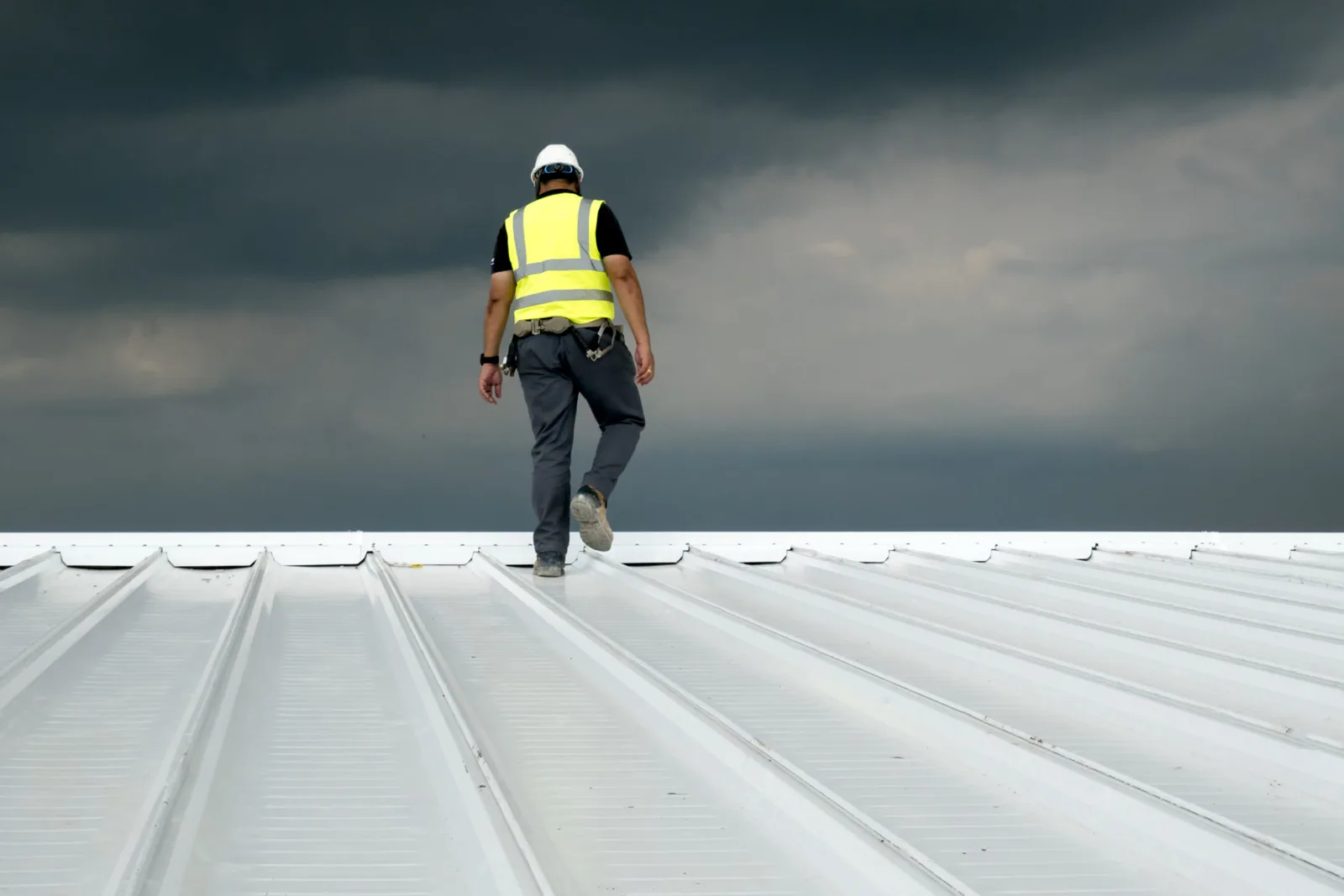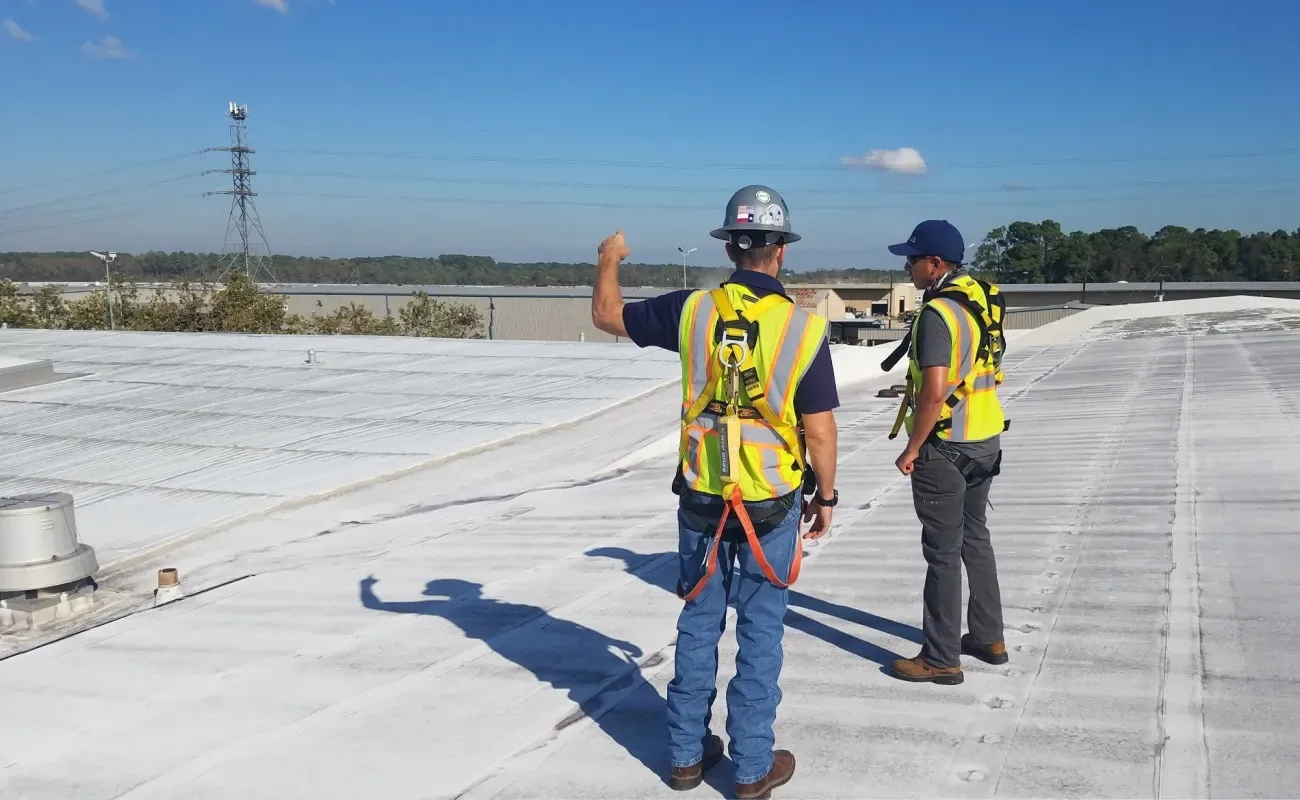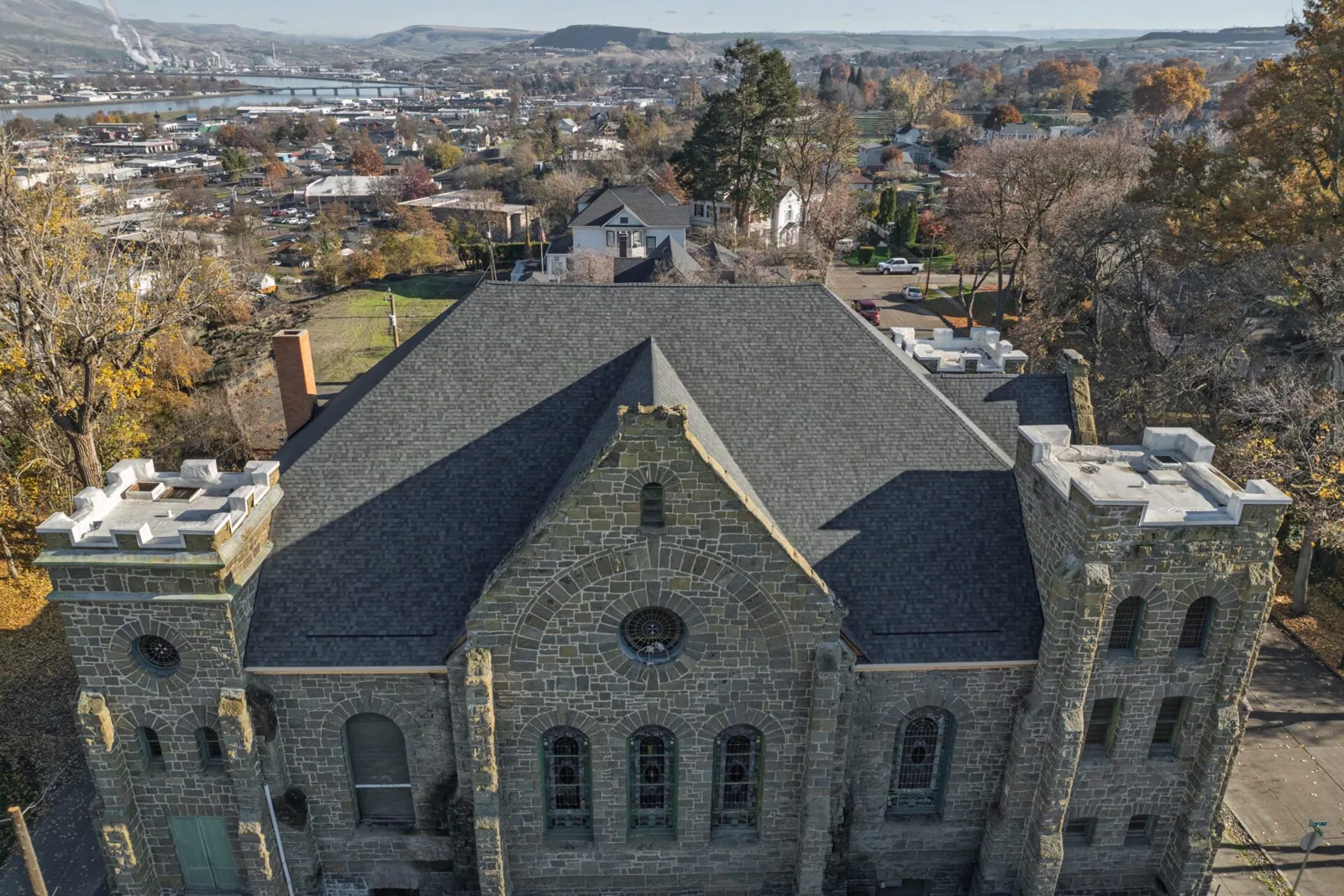
A report that labels a roof as fair leaves the manager with no repair boundary. Our condition reports identify the seam, drain, curb, edge or membrane area observed, then show what the defect means for the next decision. In Stamford, CT, a property record can include a phased mixed-use district such as Harbor Point or the pedestrian-scale commercial blocks of SoNo in nearby Norwalk. Their building uses differ, so the report records the roof in front of us, not an assumed assembly. Each finding pairs a photo with a location, condition and practical action.
Diligence Notes: make the roof finding traceable
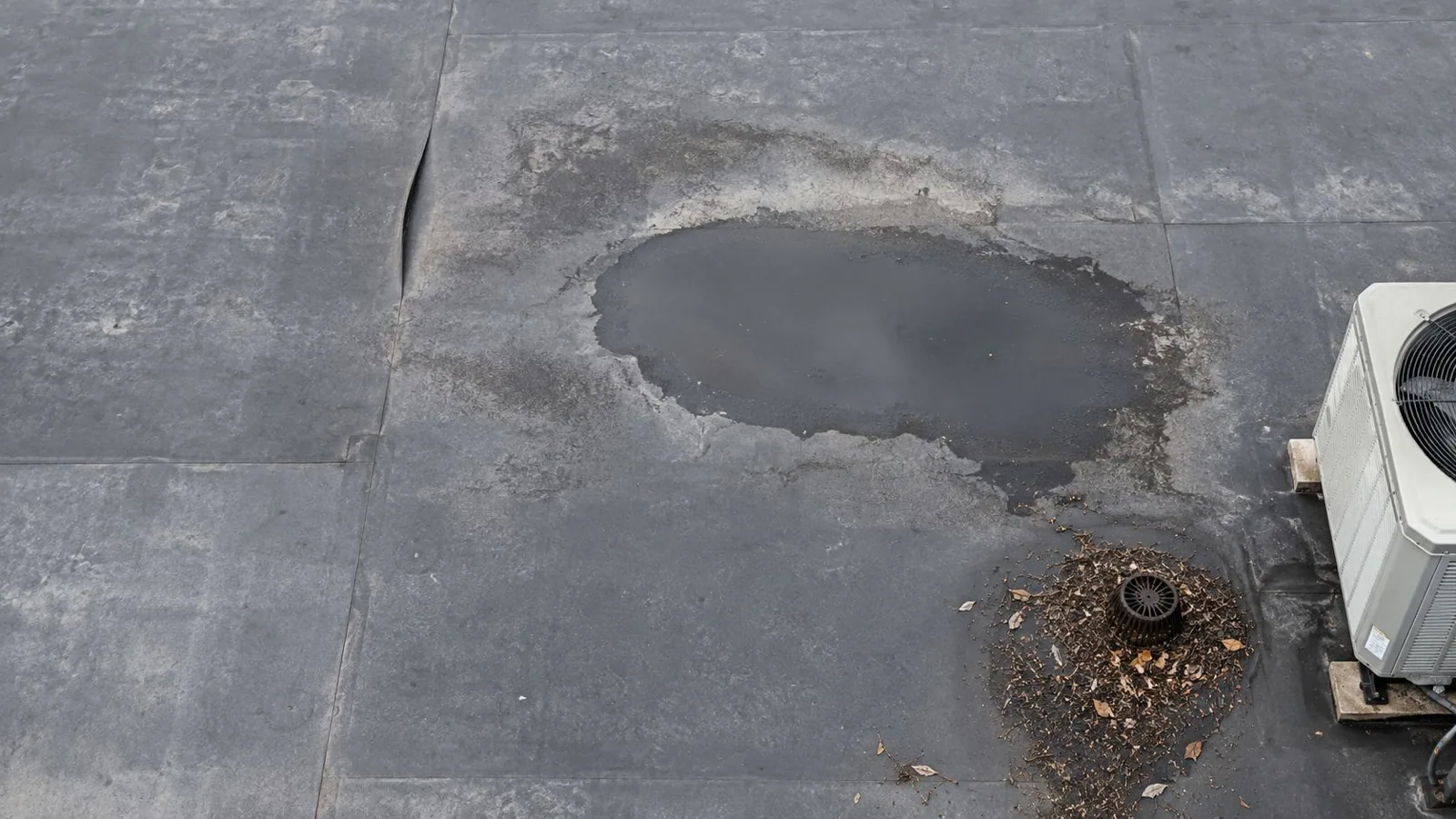
We describe what is visible and where it occurs. A split lap gets a location and a view that shows its direction. A curb note identifies the flashing transition and any open corner. A drain entry records debris, standing water or a damaged bowl when present. Photos should show enough surrounding detail to find the item again, with a closer image for the defect itself. That record helps a manager distinguish a new condition from a previously repaired one.
Where water appears inside, the report separates the stain from the roof entry point. We trace the likely water path across seams, penetrations and drainage details, then state what roof inspection supports the conclusion. If the source remains uncertain, the report says what further access or testing would settle the question. It does not turn a guess into a defect finding. A commercial roof inspection gives the field observations needed for that written record.
Photos and location: show enough to act
A photo without a roof-area label can be difficult to use after the visit. We connect each image to a roof zone or recognizable detail, then pair it with a short written observation. The report can separate the overall condition from individual defects, completed repairs, and items that need another look. If the manager has a plan or prior service note, we can relate the new observation to that record without assuming that an old repair remains sound.
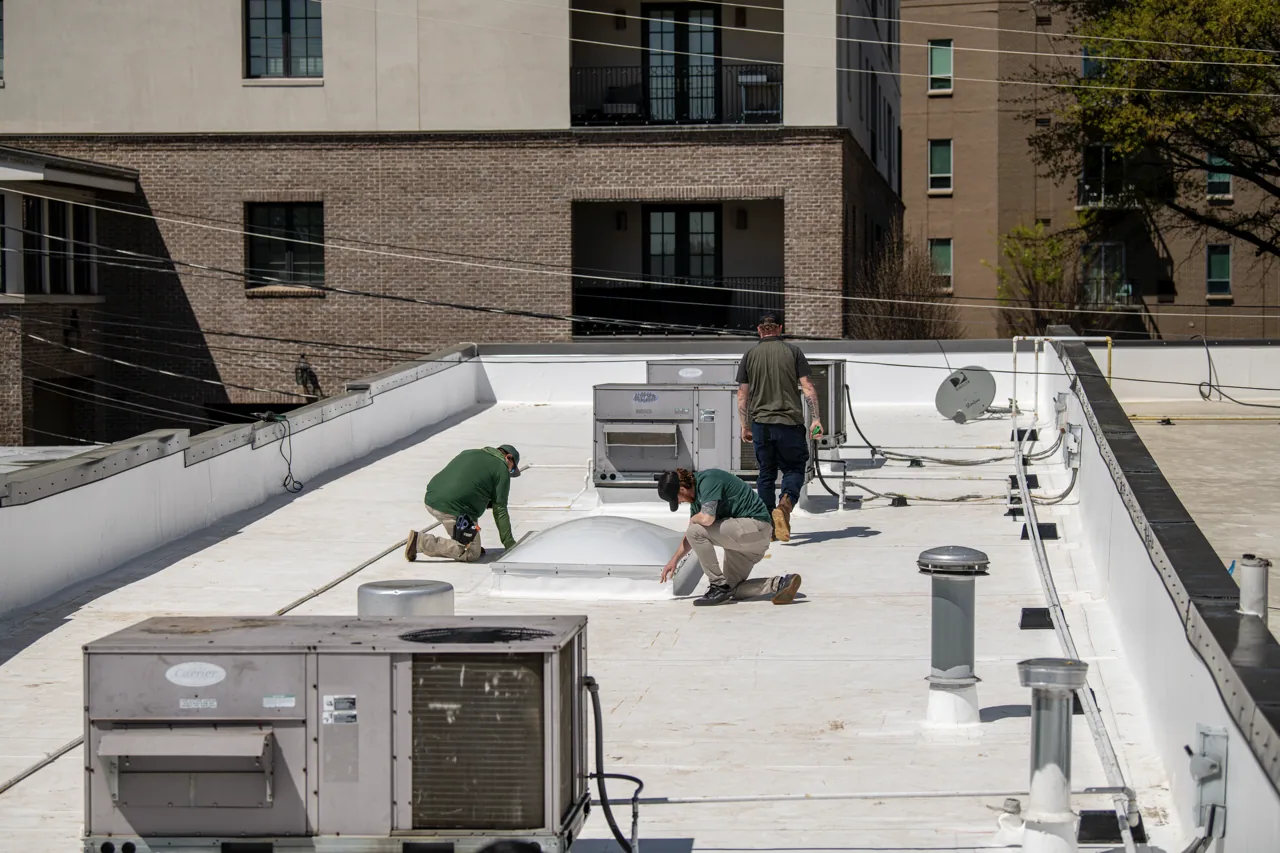
For larger properties, the report should make roof-area location practical. A manager can match a photograph to a roof plan, arrange access to the same zone, and compare the condition with later work. We keep labels consistent across the written notes and image set, but leave room for the property’s own naming conventions. That detail prevents a repair item from becoming difficult to find after staff or vendors change. We can identify roof sections, access points and notable changes in surface or assembly, using the property’s own layout. A drone roof review may help document broad surface conditions where flight conditions and site rules allow, while hands-on access remains important for details that need close examination. The report identifies which observations came from each inspection method.
Repair boundary: state what changes the scope
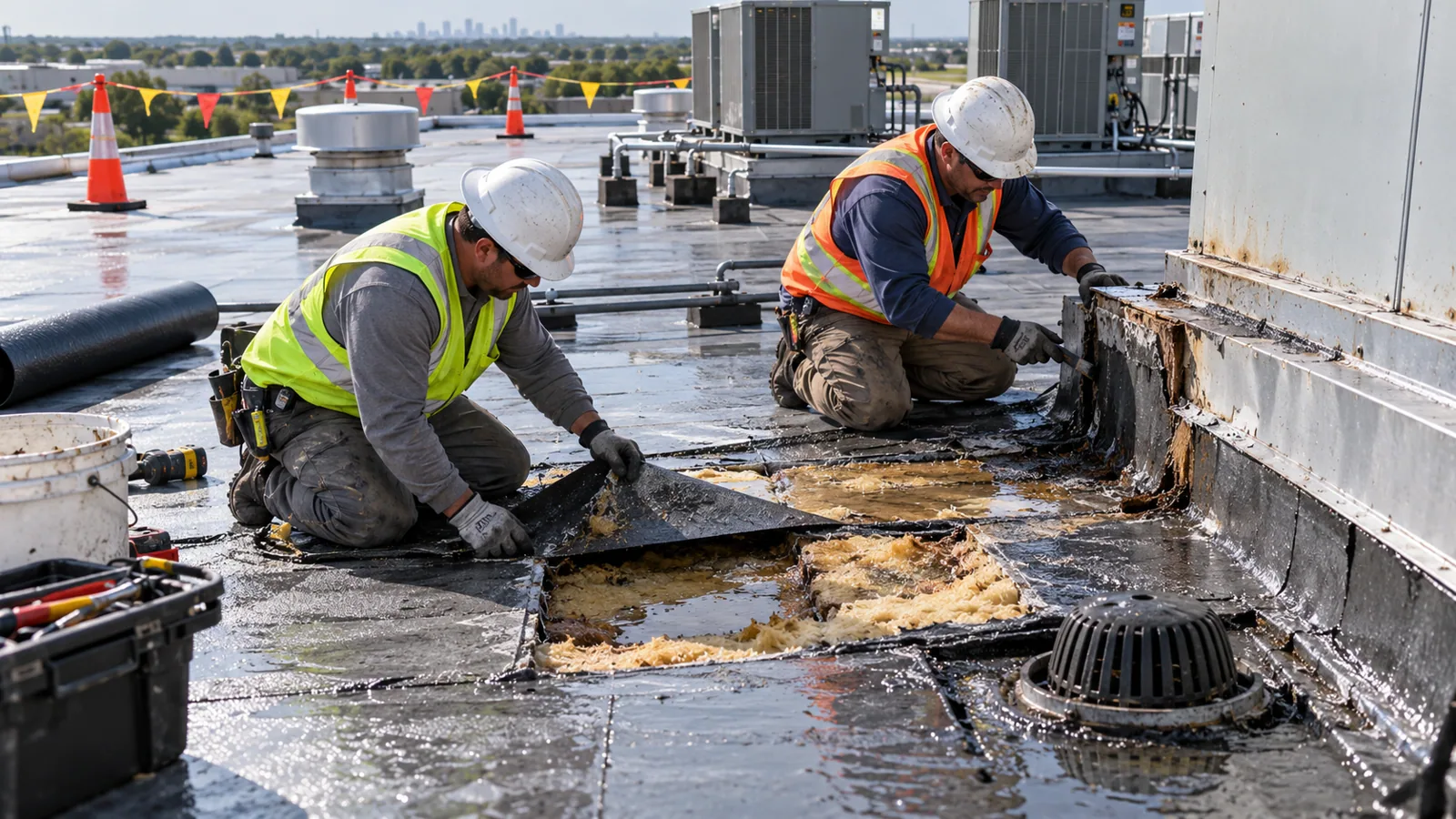
Each finding should lead to a useful choice. A limited opening at one seam may support a focused repair if the surrounding sheet and substrate remain sound. A loose termination bar, wet insulation or repeated separation can shift the work beyond that first spot. We describe the evidence that keeps a repair local and the condition that would require a wider scope. The repair recommendation should be tied to the observed assembly and leave adjacent concerns visible.
Some decisions need more than a visual record. Moisture mapping may guide selective verification, and warranty documents may affect the repair method or required notification. We note what information is available and what remains to be checked. A warranty review can connect proposed work to the property’s actual paperwork. The report should not promise a warranty outcome or state a term that has not been provided.
Stamford conditions: put weather in context
National Weather Service coastal-impact guidance notes that high-water conditions can produce street and basement flooding in Stamford when the hurricane barrier is not closed. A roof report can record whether drains, terminations or interior water entry were observed after coastal weather. After coastal weather, the report records roof-level observations such as drain condition, termination movement, or interior water entry, with photos tied to the inspected area.
Harbor Point’s phased mixed-use setting and SoNo’s pedestrian-scale retail and business blocks call for clear access notes alongside roof findings. At Harbor Point, we record the actual assembly, safe route, and observed defect for the building being inspected; in SoNo, the notes identify the roof zone and any access limit that affects follow-up. Photos keep each finding tied to the surface and detail observed.
Use the report: move from finding to work order
A written report should let the owner assign a next step without translating roofing shorthand. We group findings by location and action, identify items needing prompt repair, and distinguish monitoring from work recommended now. The report can include access notes, weather limitations during the visit, and any area that could not be examined. A portfolio record can preserve the photos, repair history and later updates for comparison at the next review.
When findings affect funding, we can separate immediate repair from a broader renewal question. The capital review can use the report to compare sequence, access and the condition each option addresses. We document what was seen, what work is proposed and what would change the recommendation. A moisture survey can be added when it answers a specific question about the assembly. The result is a working record, not a label without a decision behind it.
Prepare for a useful roof walk
Gather the property roof plan if available, recent leak reports, prior repair notes, warranty documents and access restrictions. Tell us which interior areas have shown water and whether rooftop work or equipment changes are underway. We can use that information to focus the walk, photograph the relevant transitions and explain what the observations support. Where a roof area cannot be reached safely or conditions prevent close examination, the report identifies that limit and the appropriate follow-up.
Clear documentation should survive a handoff between property staff, maintenance vendors and budget reviewers. That means plain descriptions, consistent locations, images that can be matched to the roof, and recommendations tied to actual conditions. We prepare the report after the inspection and can discuss the repair boundary or larger-system concern with the manager. If the roof changes after the visit, a new inspection can update the record rather than relying on an outdated conclusion.
Commercial Roofing Questions
Which roof details and limitations belong in the final condition report?
It records roof areas reviewed, visible conditions, photos, recommended actions and limits on the inspection. Each recommendation should point to the observation that supports it.
Can a report locate the source of an interior leak?
It can trace the likely water path from the roof details examined. If access or testing is needed to distinguish between possible entry points, the report identifies that next step.
How are photos made useful for a portfolio?
Pair each close view with its roof zone and a wider reference image. That lets a manager find the condition later and compare it with completed work.
What can a roof walk establish before moisture testing is considered?
No. A visual inspection records visible conditions. Where concealed moisture could change the scope, we can identify a test area and explain what the result would affect.
How can a condition report help facilities define a repair authorization?
Yes. It can state the location, observed defect, proposed repair boundary and any condition that could expand the work. The owner can review that scope before authorization.