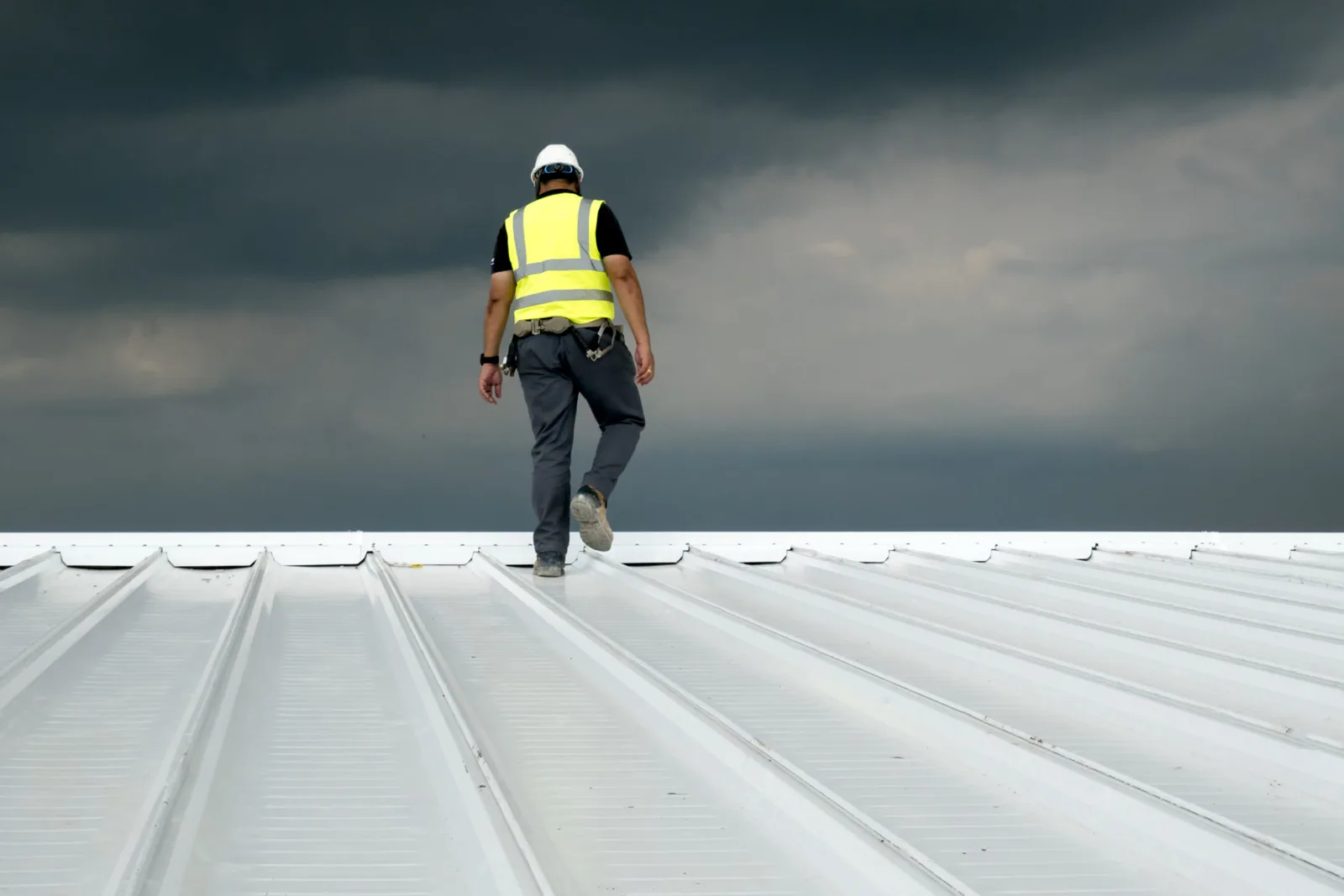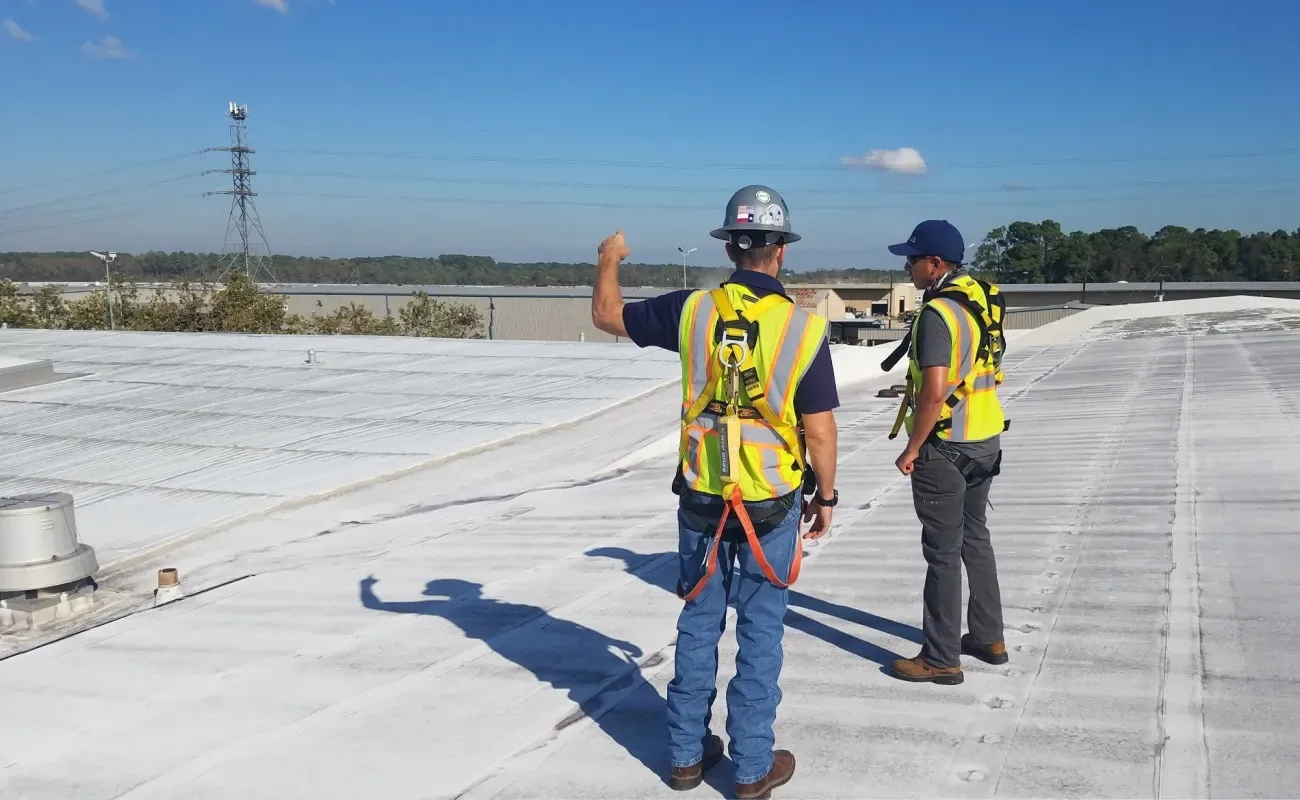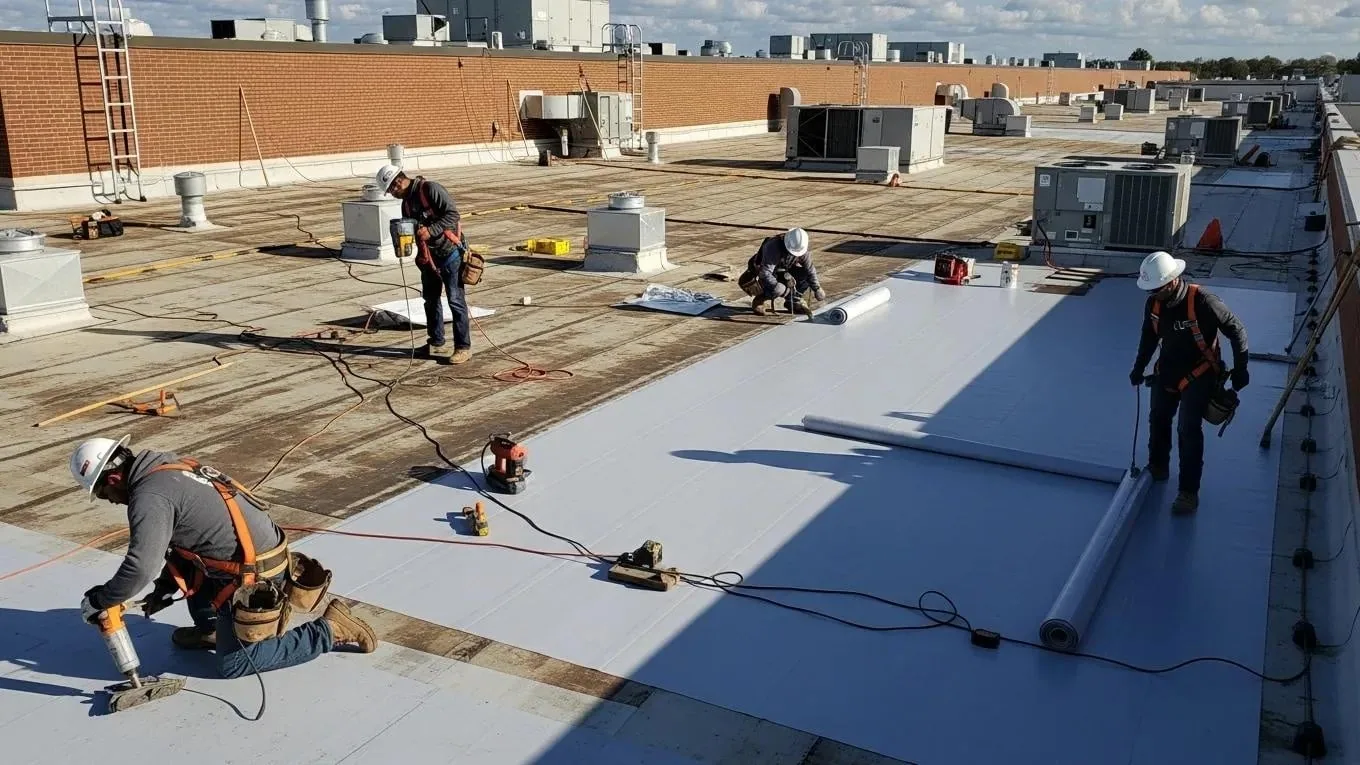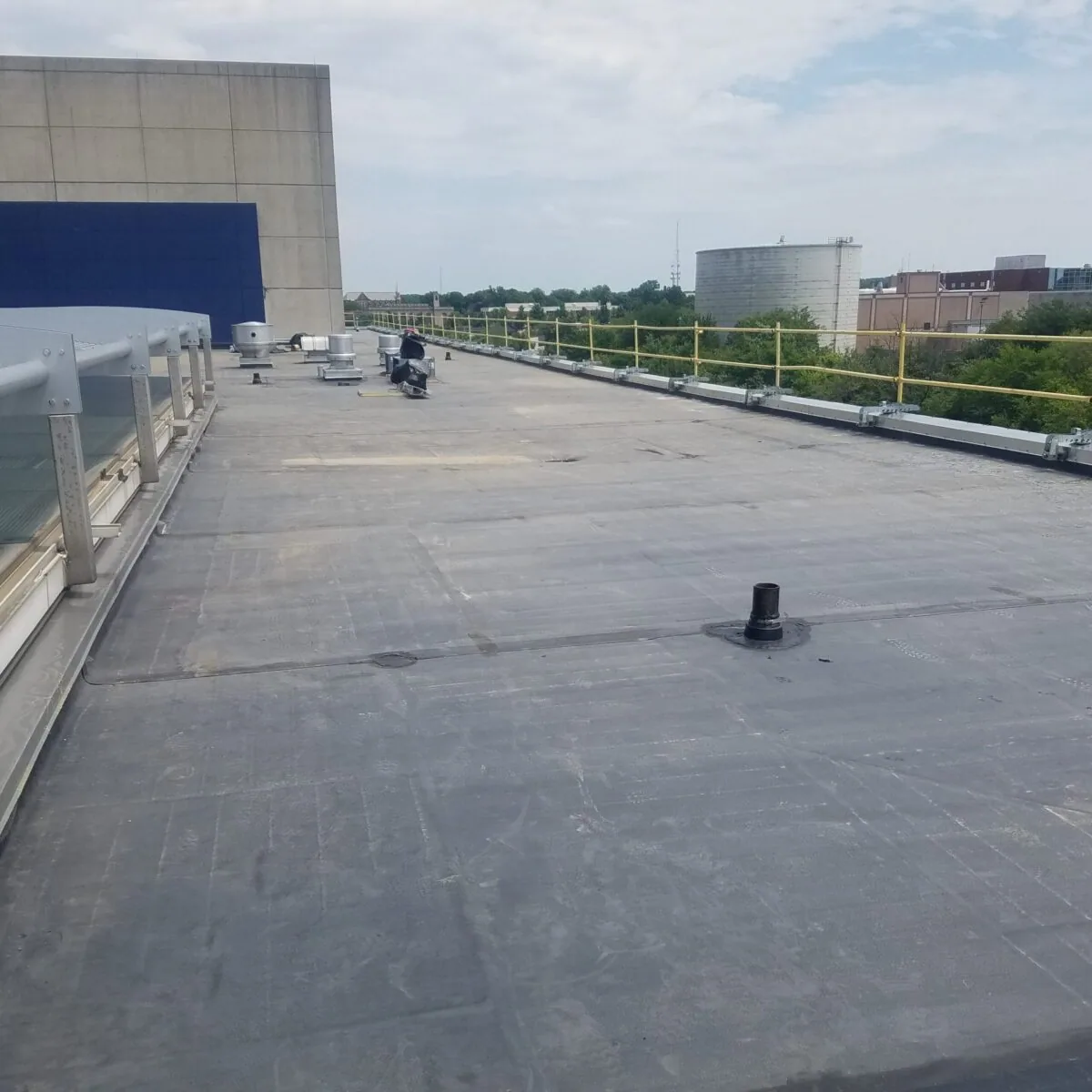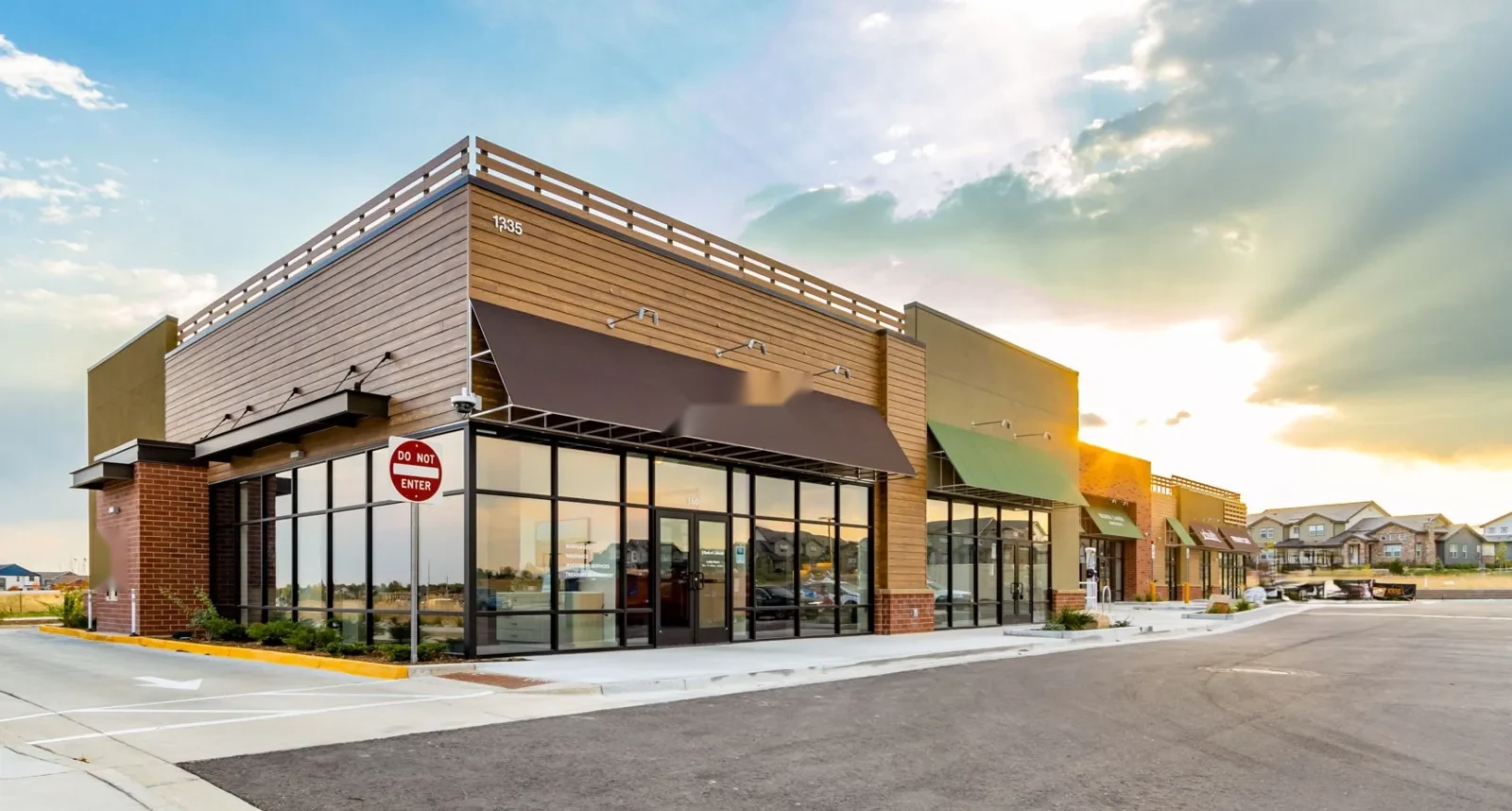
A leak ticket names a room. The water may have crossed a seam, curb, or drain several bays away before it appeared indoors. For a property management company, the useful first move is to connect the report to a roof zone, then decide whether that building needs a repair, a test, or a larger project. Downtown Stamford's offices, housing, and retail sit together in a high-density mixed-use core. We keep the repair boundary tied to the actual assembly and the operation below it. A commercial roof inspection can turn scattered calls and service notes into a roof-by-roof condition record.
Portfolio control: separate the roofs
A portfolio may include different membranes, decks, drainage layouts, and repair histories. One building's patch detail is not a specification for another. We identify each assembly, mark its visible defects, and record areas that need testing before they enter a capital plan. In Stamford, Downtown and South End have mixed-use development, while the city's neighborhood centers serve different building patterns. That range makes a shared spreadsheet useful only when the entries point back to a specific roof zone and observed condition. A separate condition record lets owners and real-estate investors weigh repair against replacement without treating all assets as one roof.
We group findings by condition and consequence, not by a generic severity label. A split seam over an occupied office, a blocked outlet near a retail entrance, and a loose metal return at a loading edge require different work limits. Photographs should show the detail, its roof location, and the adjoining surface. A roof asset register gives a management team a place to keep those records with service dates, open questions, and the next inspection trigger. It does not replace the field observation. It helps the next person find the same area and see what changed.
Service calls: trace the water path
When several tenants report water after a heavy rain, we compare those locations with roof slopes, drains, penetrations, and prior repairs before opening the membrane. Water can travel under a sheet or along a deck, so the ceiling mark remains a starting point rather than a cut line. Water can travel under a sheet or along a deck, so the ceiling mark is a starting point rather than a cut line. Route 1 runs through Stamford, Greenwich, Darien, Norwalk, and Westport as a coastal commercial corridor. For a manager overseeing properties near that route, daily access and delivery movement can affect when a roof area is isolated, but the roof condition still sets the repair. A leak investigation follows the path to the detail that can be corrected.
We distinguish an active entry point from older staining and note what could not be seen without opening the assembly. If insulation is wet, the question is how far it extends and whether the substrate remains sound. A small opening or moisture survey can change the boundary. The written scope should say what area is included, which materials are removed, how the tie-in is closed, and what condition would require approval for added work. That is more useful to a management team than a blanket allowance with no roof location or repair detail.
Occupied properties: keep work and operations legible
Roof access affects more than the crew. A lift may cross a public walk, material can narrow a service lane, and an open roof section needs a dry-in plan before the work starts. We identify access points, areas below the repair, equipment that must stay available, and the route for removing debris. Norwalk Center is a pedestrian-scale retail and business concentration, while Norwalk's commercial and industrial corridors have different ground-level movement. Those are broad area patterns, not assumptions about an individual managed property. The site plan and manager's operating rules determine the sequence.
For multi-tenant buildings, the manager can help identify sensitive rooms, deliveries, and notice requirements. We then keep the roofing scope specific: which zone opens, what protection is installed, and what must be completed before the crew leaves that area. occupied-building roofing is most workable when the roof boundary, interior protection, and temporary closure are coordinated together. If another trade owns a curb, conduit, or unit connection, the scope identifies that handoff instead of burying it under roofing language. The property team can then align the roof work with building operations.
Capital decisions: compare like with like
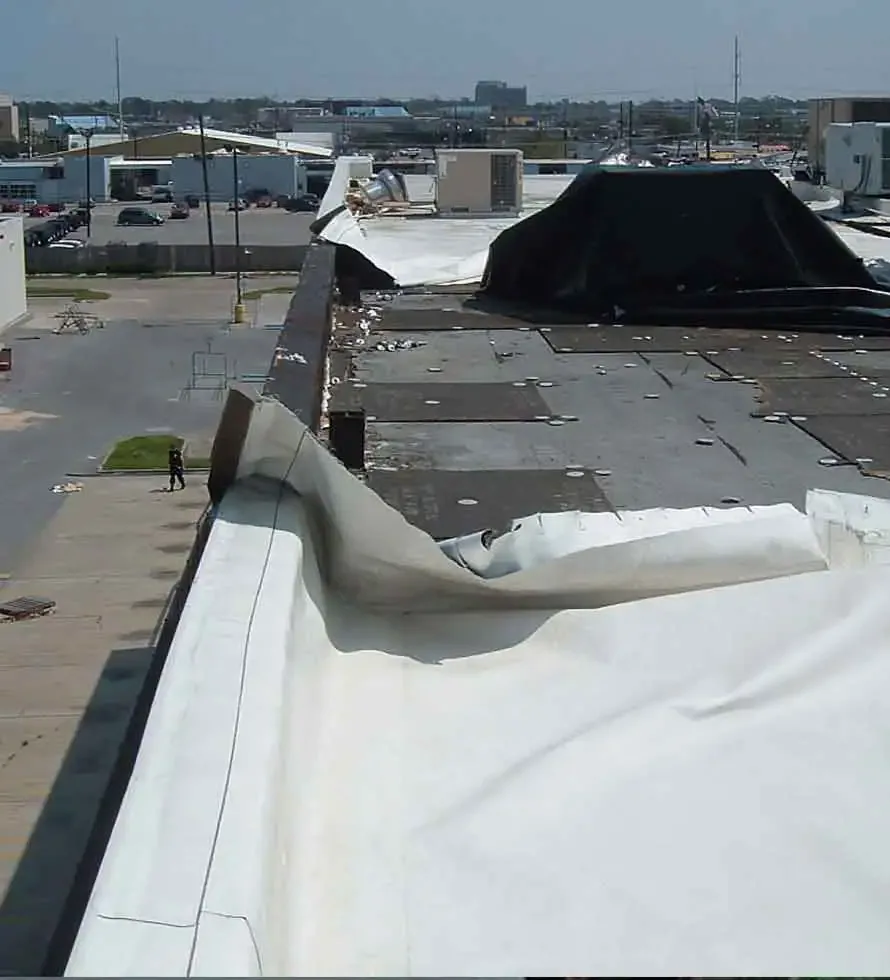
A roof that accepts a local repair may not need replacement this season. Repeated seam failure, widespread wet insulation, deteriorated edge metal, or an unstable deck can change that call. We state the defect, its extent, and the condition that would move the work beyond a patch. When a recover remains under consideration, moisture, attachment, deck capacity, drainage, and applicable code review matter before adding another layer. The assembly review addresses that question; replacement planning sets a different removal and dry-in boundary.
Budget comparisons improve when each option uses the same roof area, exclusions, access assumptions, and closeout expectations. A report can separate immediate repair from maintenance work and longer-range capital scope. It should identify the areas inspected, any concealed conditions, and the next decision date. We can also inspect after major weather or a contractor's roof access so a small disturbance does not sit beside the next budget cycle without review. The goal is a record a manager can use across owners, tenants, and vendors without overstating what a visual inspection established.
Closeout: leave a usable roof record
Closeout should connect completed work to the building's roof plan. We note the repaired seam, replaced flashing, drain correction, or area left for later attention. Photographs taken from a repeatable viewpoint make a later comparison more useful. If a test opening found wet insulation, the record should say how far removal extended and where sound material began. For a broader portfolio view, written roof condition reports can keep observations, recommendations, and unresolved questions in separate fields. That prevents a planning assumption from being read as a completed repair.
A management company can bring recent service records, tenant leak locations, prior roof plans, access restrictions, and any upcoming equipment work to the roof walk. We inspect the assembly in front of us, trace the reported failure, and provide a written repair scope or a larger-system recommendation. For local access planning, Downtown Stamford roof work may involve a different ground route than a property near Norwalk Center. The same roof-by-roof record can organize multi-location retail and restaurant operations across distinct properties. The work boundary stays tied to the property, not the district label.
Commercial Roofing Questions
How should managers compare roofs with different assemblies and maintenance histories?
We can inspect multiple roofs under one program, but each assembly needs its own findings and repair boundary. The schedule can group nearby sites while the report keeps locations, conditions, and recommendations distinct.
What should go into a roof service ticket?
Include the room or tenant area, when water appeared, recent weather, and any equipment or ceiling work nearby. We use that report to select roof zones to inspect, then trace the entry point rather than patching directly above the stain.
How do you handle a repair that may grow after opening?
The written scope sets an initial boundary and names the concealed condition that could change it. We document additional wet material or damaged deck before extending the work, so the manager can review the added area and its reason.
When should a property manager consider replacement instead of another repair?
Repeated failures, broad moisture, weak attachment, or deteriorated transitions can make isolated patches unreliable. We compare those findings with the surrounding assembly and show which condition supports a wider scope.
What records help compare roof bids across a portfolio?
Use a roof plan, assembly notes, prior repair photos, access limits, and the same scope boundary for each bidder. We identify exclusions and closeout checks in our proposal so the options can be compared on equivalent work.