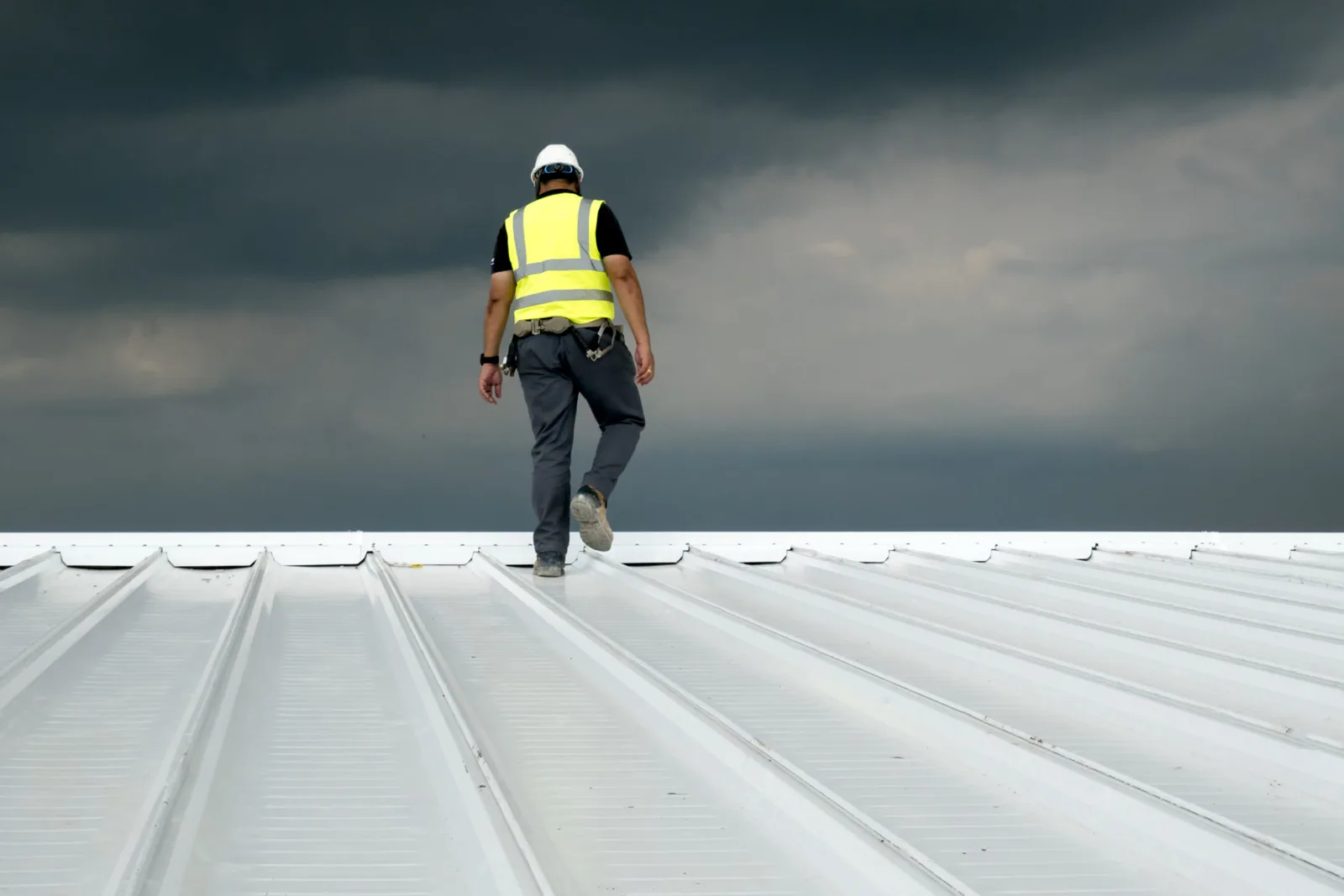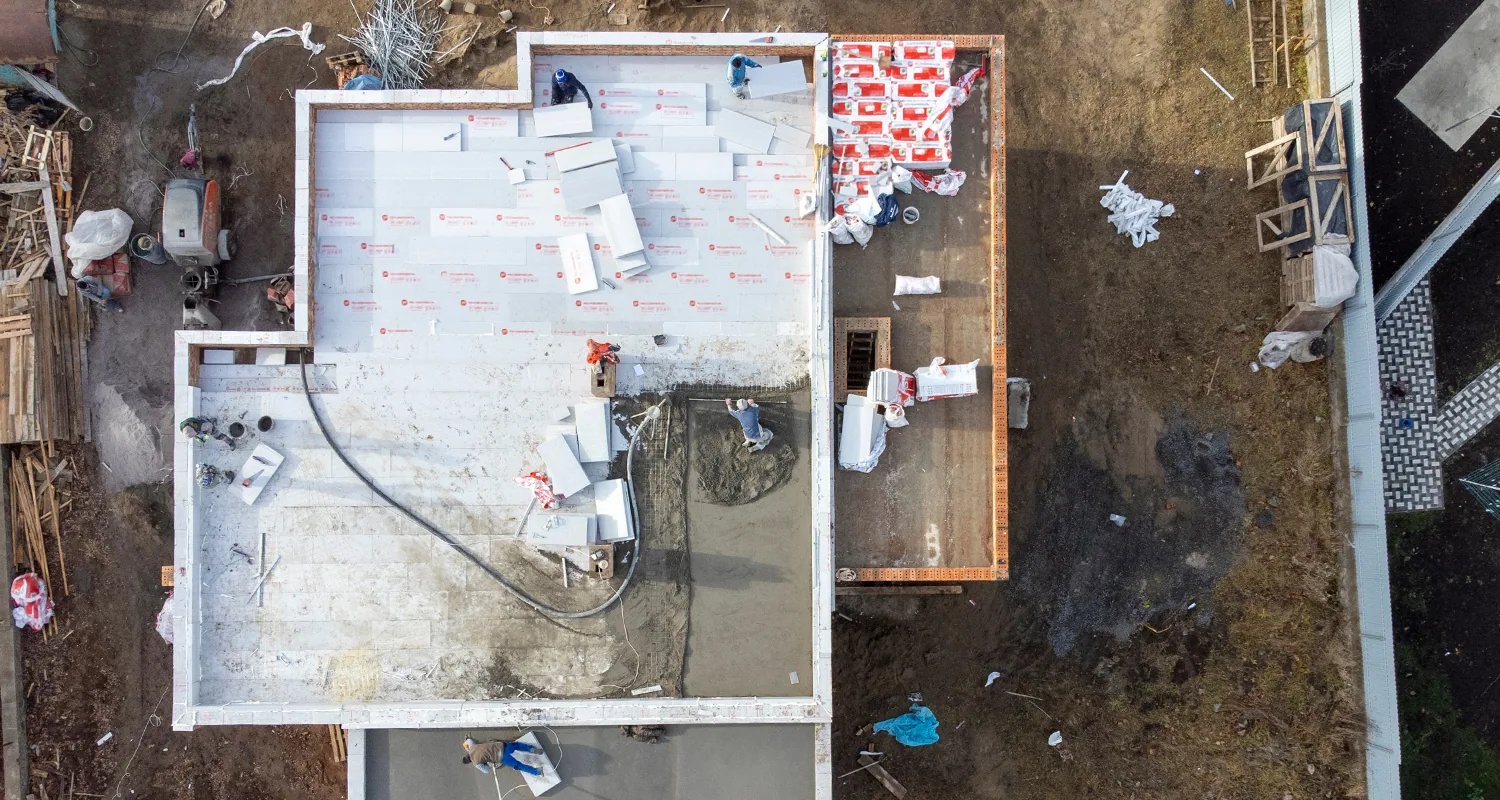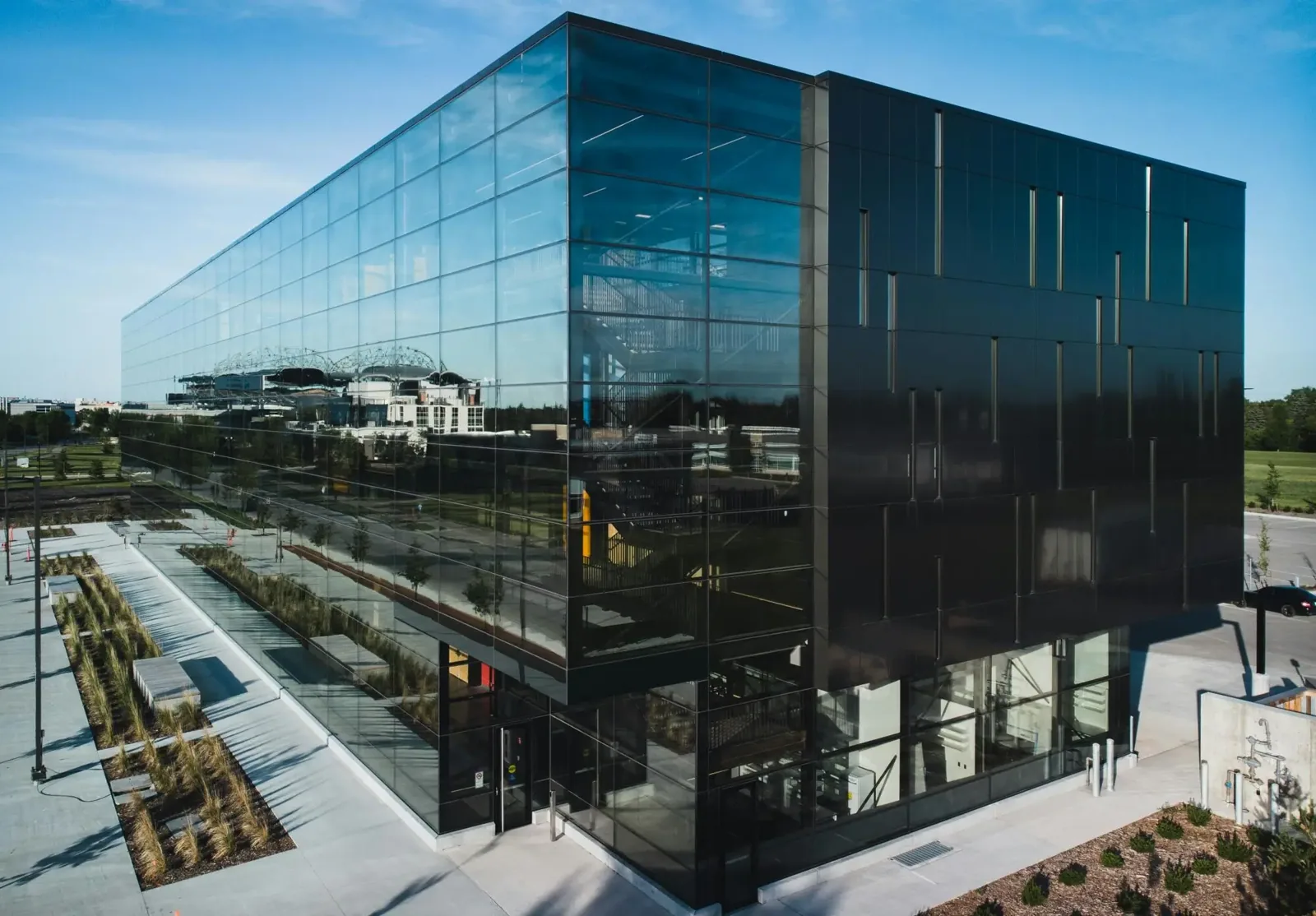
A roof can change an acquisition or capital decision before the leak reaches a tenant's ceiling. A soft deck, wet insulation, or failed termination may sit beyond the visible stain. We inspect the assembly and describe what the finding means for the asset, not just the surface. Downtown Stamford combines office, housing, and retail in a higher-intensity mixed-use core, while Stamford's wider plan retains lower-density neighborhoods. That mix calls for roof-by-roof review rather than a citywide assumption. A due-diligence roof survey can identify the conditions that deserve testing before an investor sets a repair allowance or replacement scope.
Acquisition review: find the hidden boundary
A walkover can show open seams, lifted flashing, ponding marks, and prior patches. It cannot show every layer below the membrane. We map visible conditions, note access limits, and identify where a core or moisture survey would change the conclusion. The report separates observed defects from assumptions about concealed insulation or deck. That distinction matters when a purchase timeline is short. The proposed next step should tie to a roof area and a specific decision, such as confirming wet insulation extent or checking attachment before a recover is priced.
In Wilton, the plan identifies Wilton Center, Danbury Road, Cannondale, and Georgetown as village, mixed-use, and employment nodes. That is useful context for a regional portfolio, but it does not establish roof type or condition at a property. The assessment evaluates visible roof conditions against each asset's service record. property-management teams can carry the same roof map into operations after closing, keeping diligence observations distinct from completed repairs. A written condition report should identify each roof section, evidence, recommended test, and the point at which a repair boundary would need to expand.
Capital exposure: compare viable scopes
A local repair, recover, and replacement are not interchangeable budget lines. A repair can make sense where the surrounding membrane remains stable and dry. A recover adds a new layer only when the existing assembly, moisture, attachment, drainage, and code conditions support it. Replacement removes the defined assembly and resets more of the roof's details. We identify those boundaries and the conditions that could change them. A replacement scope names removal limits, deck assumptions, tie-ins, protection, and closeout checks so the owner can compare it with a repair on the same roof area.
Route 1 links commercial areas through Greenwich, Stamford, Darien, Norwalk, and Westport. The corridor is a regional access line, not a proxy for a building's exposure or roof assembly. For a property near the roadway, delivery and lift planning can affect schedule and staging. Those site constraints belong beside the roofing work in the estimate. We state what is included, what requires a separate trade, and what concealed condition could require review before added work proceeds. That prevents a low initial number from masking a materially different scope. We also state the assumed deck repair allowance, membrane tie-in extent, protection of finished areas, and closeout evidence. If the owner needs a phased project, each phase should identify how the exposed boundary stays dry and which adjacent details remain outside that package. A schedule comparison is meaningful only when the same areas and sequencing assumptions are used.
Condition risk: separate current damage from future work
A seam split can be repaired when the sheet around it is weldable and the substrate is sound. Repeated openings, wet insulation, or deteriorated edge metal can change the economics of patching. We record each defect by location and severity, then connect it to a repair, further test, or capital recommendation. An investor can use that separation to discuss immediate exposure without treating every maintenance item as a present failure. The roof plan should show which areas were walked, which were inaccessible, and where additional testing remains open.
For a cold-weather review, we trace snowmelt through drain bowls, overflow routes, and metal transitions, then record what the roof itself shows. Stamford's recurring winter freezes make those details useful to examine, but the weather pattern is not a diagnosis. The climatic pattern does not diagnose a roof. It gives the inspection a reason to look at drain bowls, overflow paths, low points, and membrane transitions after cold-weather movement. A commercial roof inspection can document those details, while TPO system review addresses the particular welds and sheet transitions when that assembly is present. We confirm the membrane first rather than infer it from a property's use or age.
Portfolio records: keep assets distinct
A real-estate portfolio may contain different roof ages, membranes, slopes, and service histories. Roll them into one condition label and the useful detail disappears. We identify the assembly, roof zones, observed failures, and unresolved questions for each asset. Those entries can feed a capital plan without implying that one building's result applies elsewhere. If a property has several connected sections, the map should still distinguish additions, tie-ins, drains, curbs, and roof elevations where the construction changes.
For a multi-property register, the asset record should include inspection date, weather-related observations, repair history, access constraints, and the next decision point. roof asset management can keep those fields organized as ownership and operating teams change. We can also review the roof after a tenant fit-out or mechanical replacement, when new penetrations may alter a previously sound detail. Near Downtown Stamford, mixed-use functions can make interior coordination important, but each building's actual access and occupancy rules govern the work plan. A district name is not an inspection finding.
Decision record: make the next step specific
A useful recommendation names the affected area, the repair boundary, and the observation that would change it. It also states whether testing is needed before a price or schedule can be firm. We provide that in writing, with photos tied to roof locations. If the substrate is dry and the seam holds, a focused repair may be adequate. If an opening reveals wet insulation beyond the initial area, the owner can review the added scope against the evidence before the work expands.
Investors can share prior reports, roof plans, tenant leak locations, and planned equipment work before a walk. We check those records against the roof and flag mismatches rather than treating an old scope as current condition. For portfolio coordination, a manufacturing asset review has its own operational details, while a Downtown Stamford roof assessment begins with the actual building and access limits. We can prepare a repair recommendation or a broader system scope after the findings establish which decision is in front of the owner.
Commercial Roofing Questions
Can a roof survey produce a repair allowance for an acquisition?
We can define visible conditions, likely repair areas, and tests needed to understand concealed materials. An allowance should reflect those limits and remain separate from work that inspection has not established.
Which roof records make bids comparable during an acquisition review?
Use the same roof plan, assembly assumptions, access conditions, and work boundary for each proposal. We list exclusions, concealed-condition steps, and closeout records so the scopes can be compared directly.
When do moisture, attachment, or deck concerns rule out an overlay?
Moisture, poor attachment, weak deck, or drainage problems can make another layer unsuitable. We inspect those conditions and state which finding moves the decision toward removal and replacement.
Can you inspect multiple assets under one engagement?
Yes, with separate findings for each property. We can coordinate the schedule across sites while keeping assemblies, photos, repair histories, and recommendations tied to the correct roof.
How do you treat an older report after a tenant change?
We use it to locate prior repairs and questions, then compare its roof zones with current conditions. New equipment, access routes, or reported leaks may call for another look at the affected details.