An acquisition file may list a roof as serviceable without showing the seam that has opened beside a curb. A due-diligence survey connects the property record to visible roof conditions, repair needs and questions that could affect a capital decision. We inspect the assembly, photograph relevant details and distinguish a localized defect from a broader concern. In Stamford, CT, a portfolio may span Ridgefield Center and Danbury Center as well as the core city. The survey records each property separately, with the condition and proposed follow-up tied to the roof examined.
Roof walk: inspect the details that change exposure
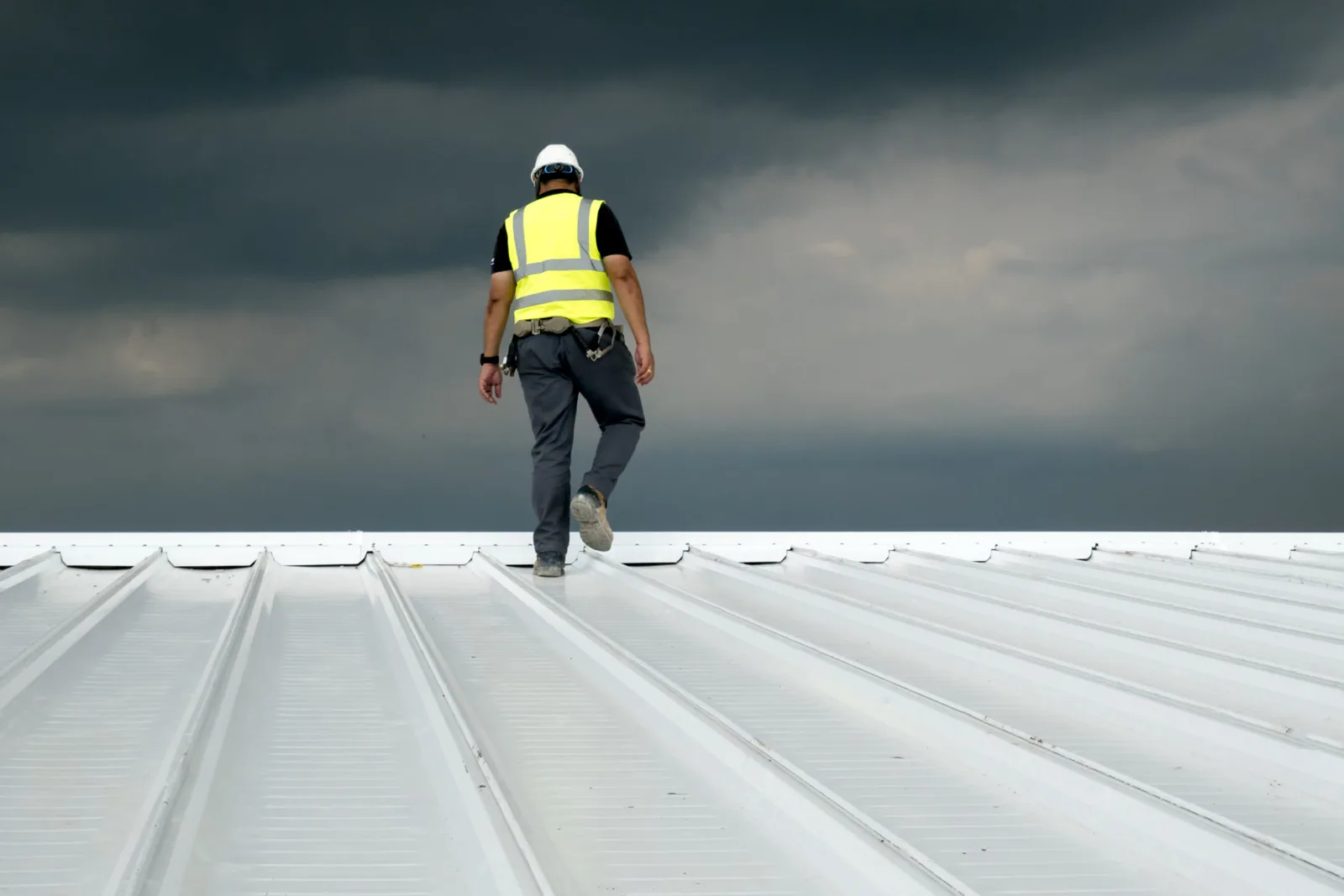
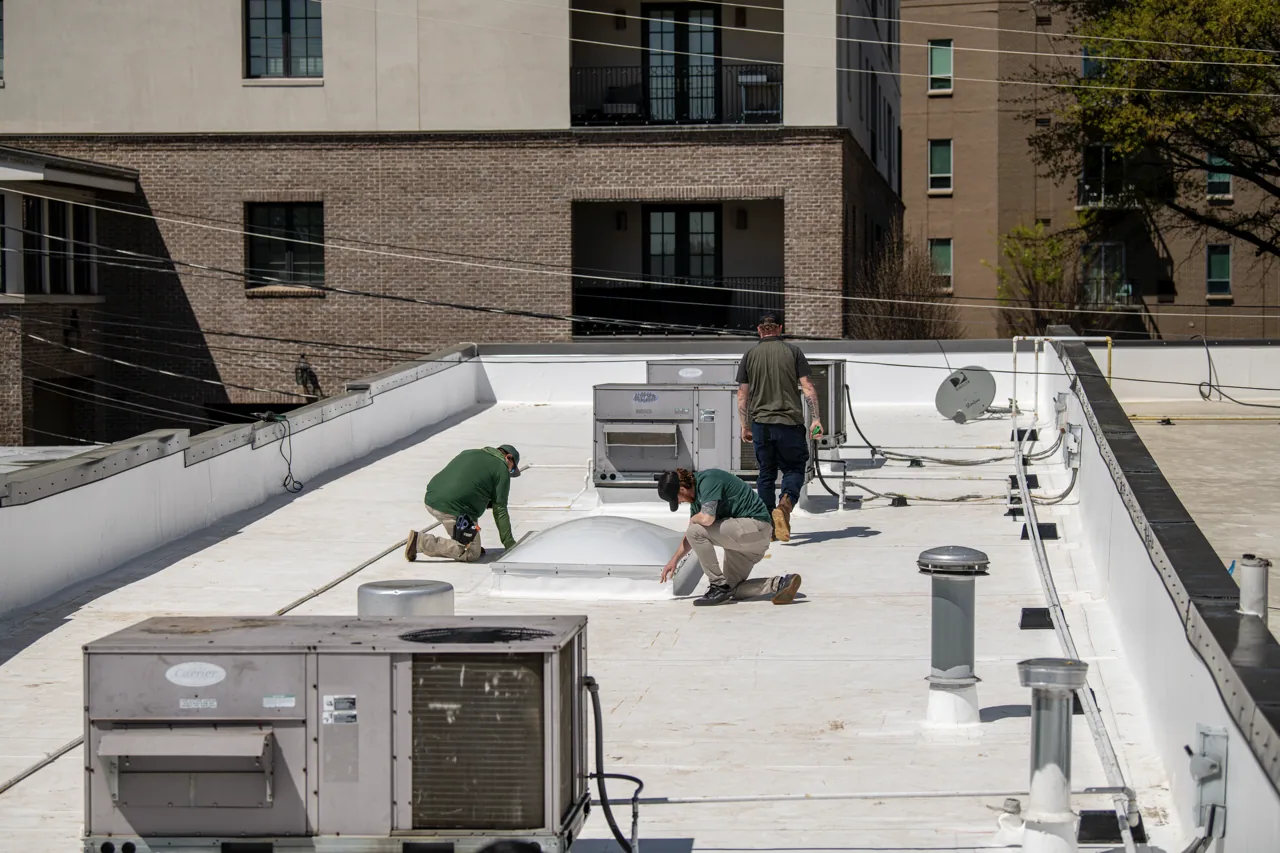
We review membrane condition, seams, penetrations, perimeter terminations, curbs, drains and visible substrate concerns. A split lap near one roof opening is different from repeated separation across multiple areas. We note the location, extent visible, access limits and any signs of prior repair. If the interior has water staining, we trace the likely path from the roof details rather than treating the ceiling mark as the source. The inspection record identifies what was examined and what requires closer testing.
The survey is scoped to the requested property and access available on the visit. It does not infer hidden conditions where a roof area cannot be opened or examined. If the decision depends on concealed moisture or deck condition, we identify the test needed and the decision it could change. A moisture survey can help map potential areas for selective verification, but the report should distinguish indications from confirmed wet material.
Documents: compare the file with the roof
Review available roof plans, replacement invoices, repair notes, warranty documents and any prior assessment. We compare those records with visible field details and mark differences that need clarification. An invoice may identify an installation or repair without describing every roof section. A warranty can apply to one assembly or work phase rather than the entire building. A written condition report gives the buyer, owner or lender a clear record of the site observations and supporting photographs.
We also identify open items that affect scope: recurring leak locations, repairs that have not been completed, damage around equipment, ponding at drains or a section that could not be accessed. The report separates observed conditions from assumptions in the property file. When records are incomplete, we state what additional document or inspection would help resolve the issue. This avoids converting an unknown into either a hidden liability or an unsupported assurance about the roof.
Repair exposure: define near-term work
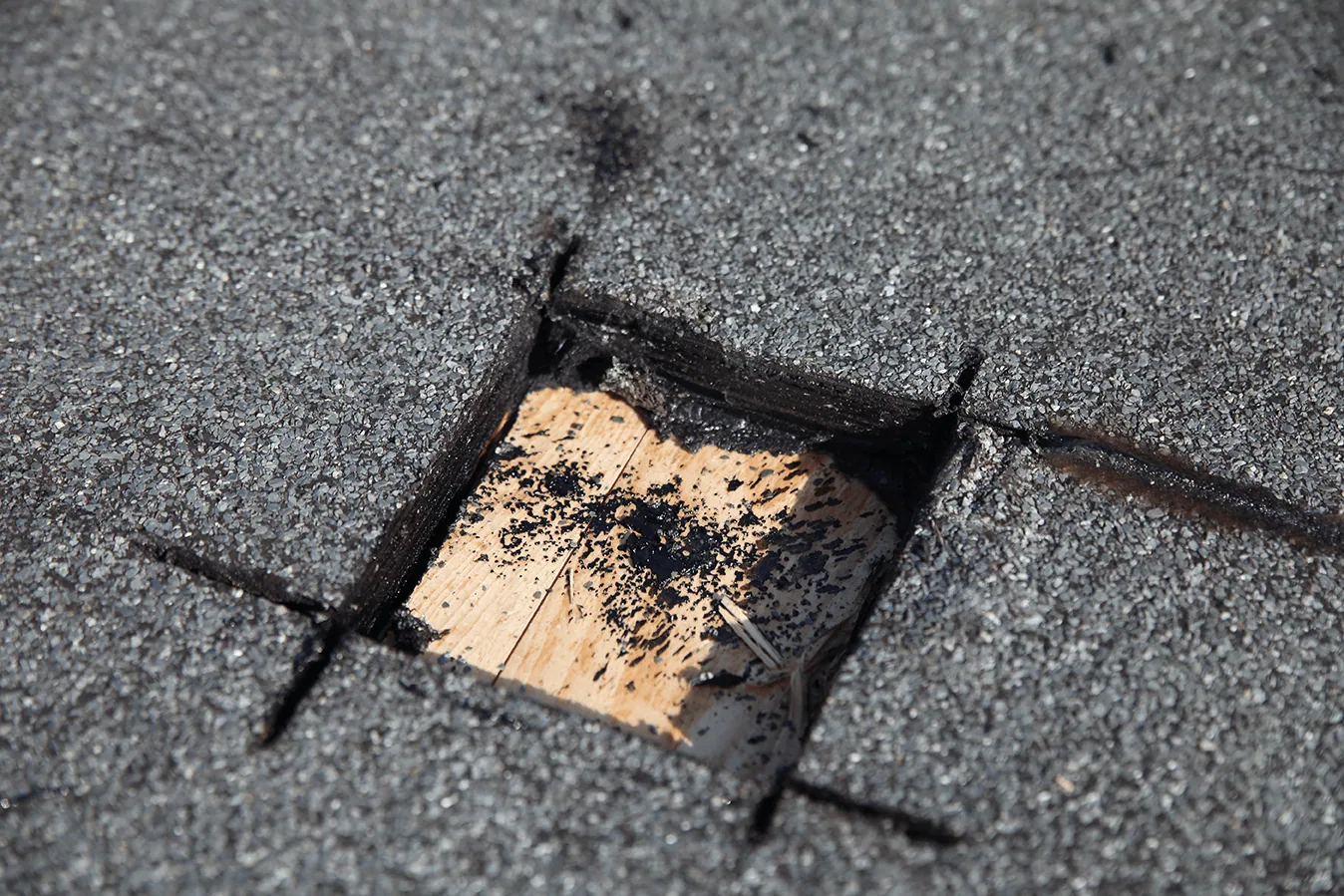
Not every visible defect carries the same consequence. Active water entry, a loose edge detail and surface wear call for different action. We describe the repair area, urgency based on the observed condition, and the boundary that keeps a fix local. If wet insulation extends beyond an isolated seam, or the membrane has separated across several details, the scope may need to widen. A repair evaluation can establish whether the proposed work addresses the cause or only the visible symptom.
Where a roof has repeated repair history, compare dates, locations and methods. New work may need to avoid disturbing sound adjacent material or address a transition that a previous patch left exposed. If the assembly is near a larger renewal decision, a focused repair may still be appropriate to control current water entry while the buyer evaluates a broader scope. We state which path is supported by the evidence and which condition would change the recommendation.
Market context: separate each property record
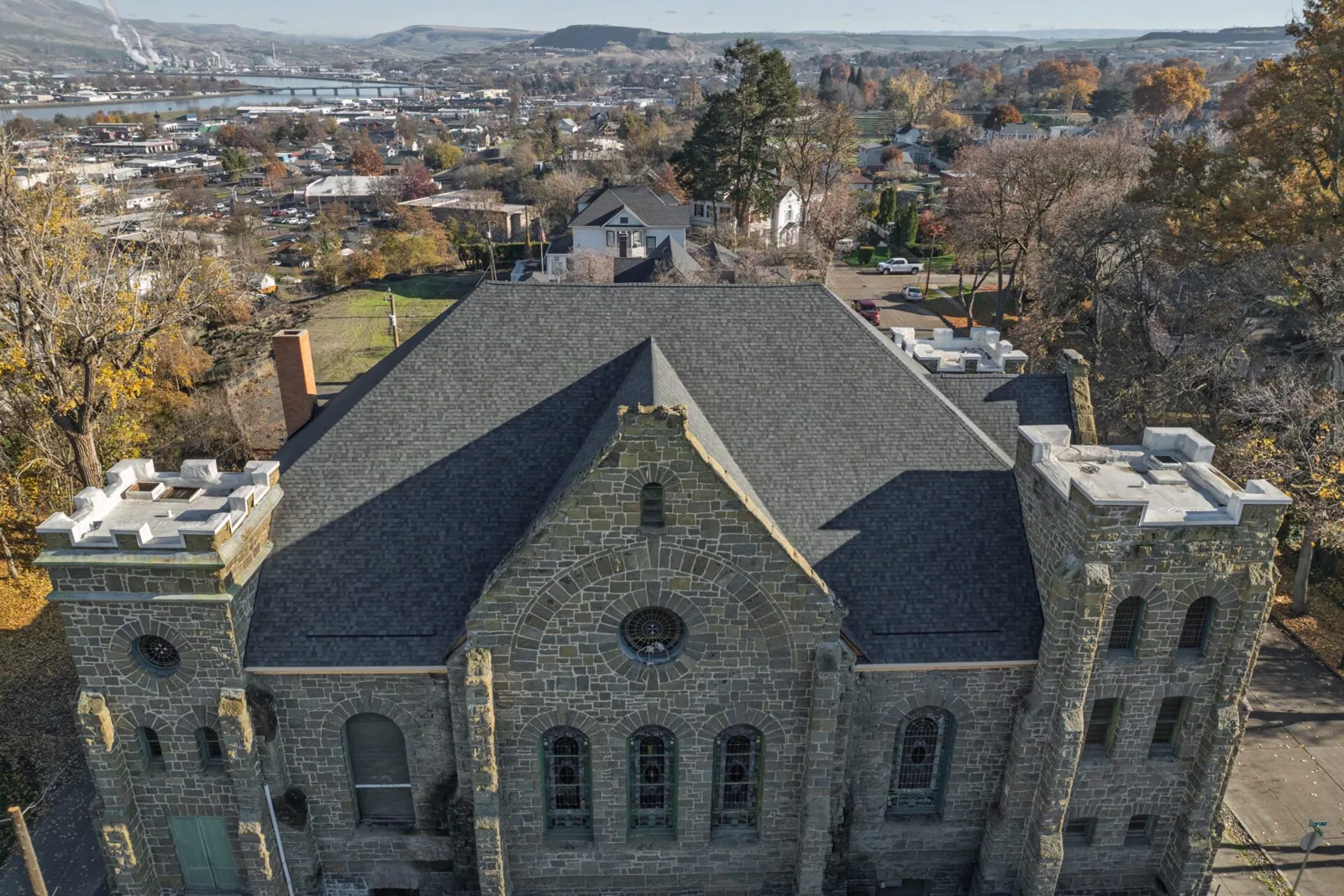
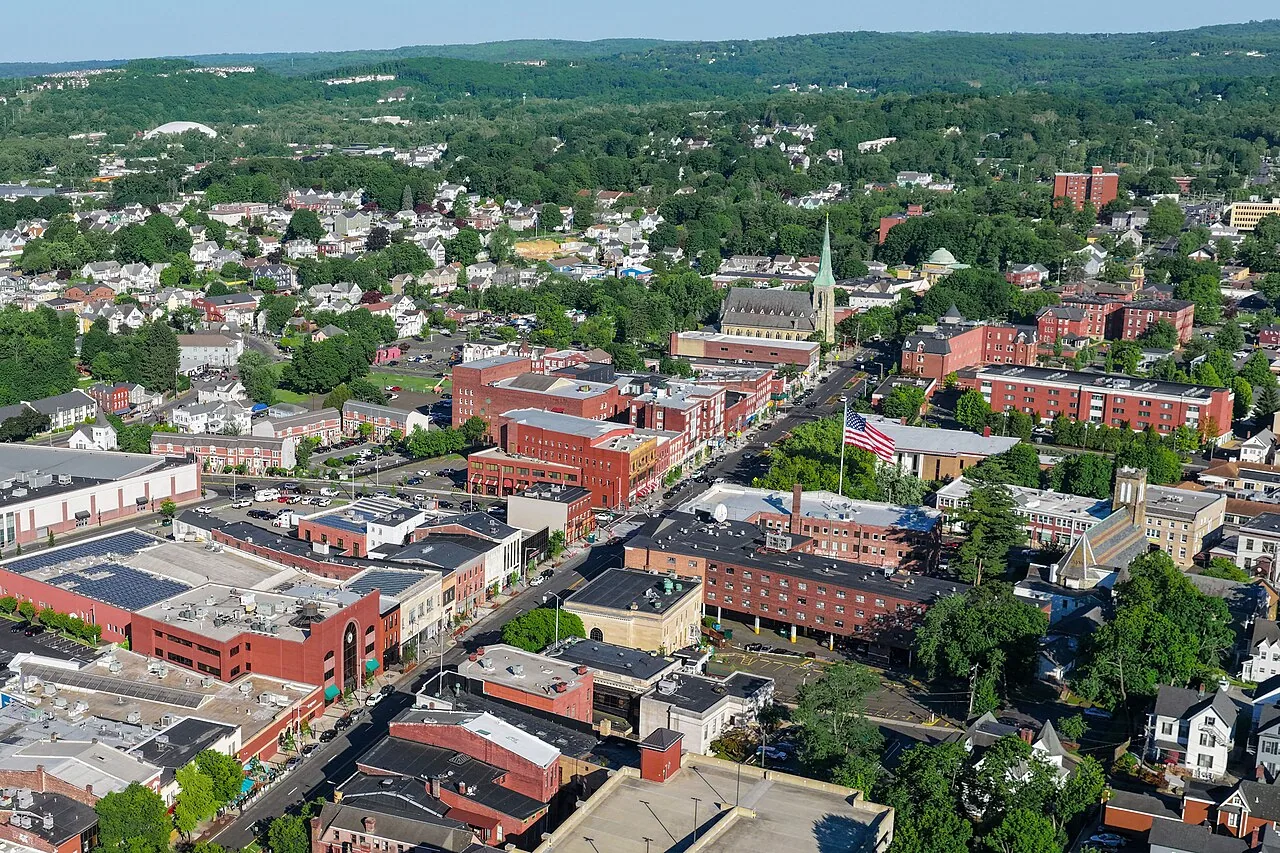
Ridgefield Center has Route 7 intersecting Routes 102, 33 and 35 in the surrounding area. Danbury Center connects Route 7 with I-84 and US 6/202. We use those road connections to plan the visit, then identify the assembly and access points at each property before setting the survey scope. We inspect each location and retain its roof notes with its own records. That is especially important when transaction materials group buildings under a shared owner or operating portfolio. We label each roof area consistently with the supplied plans where possible. If the plan does not match current conditions, we note the discrepancy and use an observable reference during the visit. That keeps later questions tied to the same surface and prevents a general portfolio summary from obscuring a specific repair need.
The report names observed roof sections, access points, test locations, and any limit that affects the transaction scope. We record the areas reviewed, conditions found, photos taken and follow-up needed. For nearby commercial properties, a Ridgefield-area roof survey or a review in Danbury can be scoped to the transaction’s actual buildings. Field photos and test notes tie each recommendation to the observed assembly and access.
Budget alternatives: compare repair and renewal
For a buyer or refinancing team, the useful output is a condition-based range of work, not a single label. We can separate immediate repair, selective testing, maintenance items and potential larger-system renewal. A recovery may be possible when the existing assembly and substrate are suitable. Replacement becomes a stronger option when deterioration is widespread, moisture affects the assembly or the substrate cannot support another layer. The capital planning review can place those choices in a sequence and identify what information remains open.
Timing depends on access, weather, material staging, the building’s operations and any trade work that meets the roof. We note those items because they affect a transaction’s plan for repairs and renewals. A recovery assessment can check the existing layer and deck before that approach is included. We do not substitute a conceptual allowance for a defined scope when the roof condition is still unknown.
Survey report: give the decision team a working record
The report should be readable by the asset manager, property team and transaction advisers. We organize it by roof area, provide photographs with location notes, describe the observed condition and state the action recommended. Items that need opening, testing or a follow-up visit are listed separately. If a proposal is requested, we connect the scope to the reported defect and explain what could expand it. The asset register can carry the resulting condition and completed repair into future reviews.
Before the roof walk, gather the building plan, prior service notes, warranty papers, reported leaks and access rules. Identify any equipment or tenant operation that limits roof access. We can then focus the inspection on the transaction’s key questions, document the field picture and discuss what the next repair or testing step would answer. The result is a property-specific roof record with observed conditions, access limits, and recommended next steps.
Commercial Roofing Questions
Which roof records and field conditions should a buyer compare before an acquisition?
It records accessible roof areas, visible conditions, repair history reviewed, photos and recommended follow-up. We state what could not be assessed and what testing could change the scope.
Can the survey estimate future roof costs?
It can identify near-term repair items and conditions that may support a larger scope. Cost depends on assembly, access, substrate and work extent, so we define each scope before estimating it.
Will a roof walk find concealed moisture?
A visual walk cannot establish every concealed condition. When moisture could affect the transaction decision, we can identify an appropriate survey or selective opening for verification.
Which roof documents help reconcile seller records with field findings?
Useful records include roof plans, installation and repair invoices, warranty documents, leak reports and maintenance notes. We compare them with current field conditions.
Can one report cover multiple properties?
Yes, with a distinct property record for each roof. Separate findings prevent a condition, warranty document or repair history from being assigned to the wrong building.