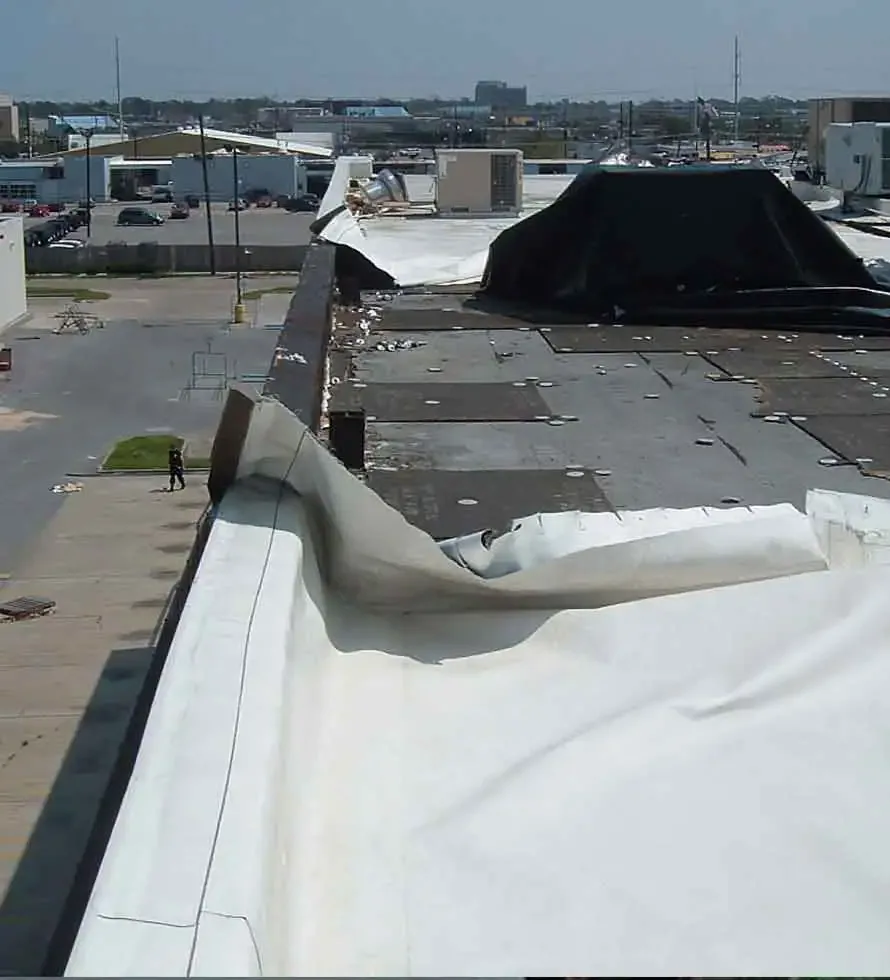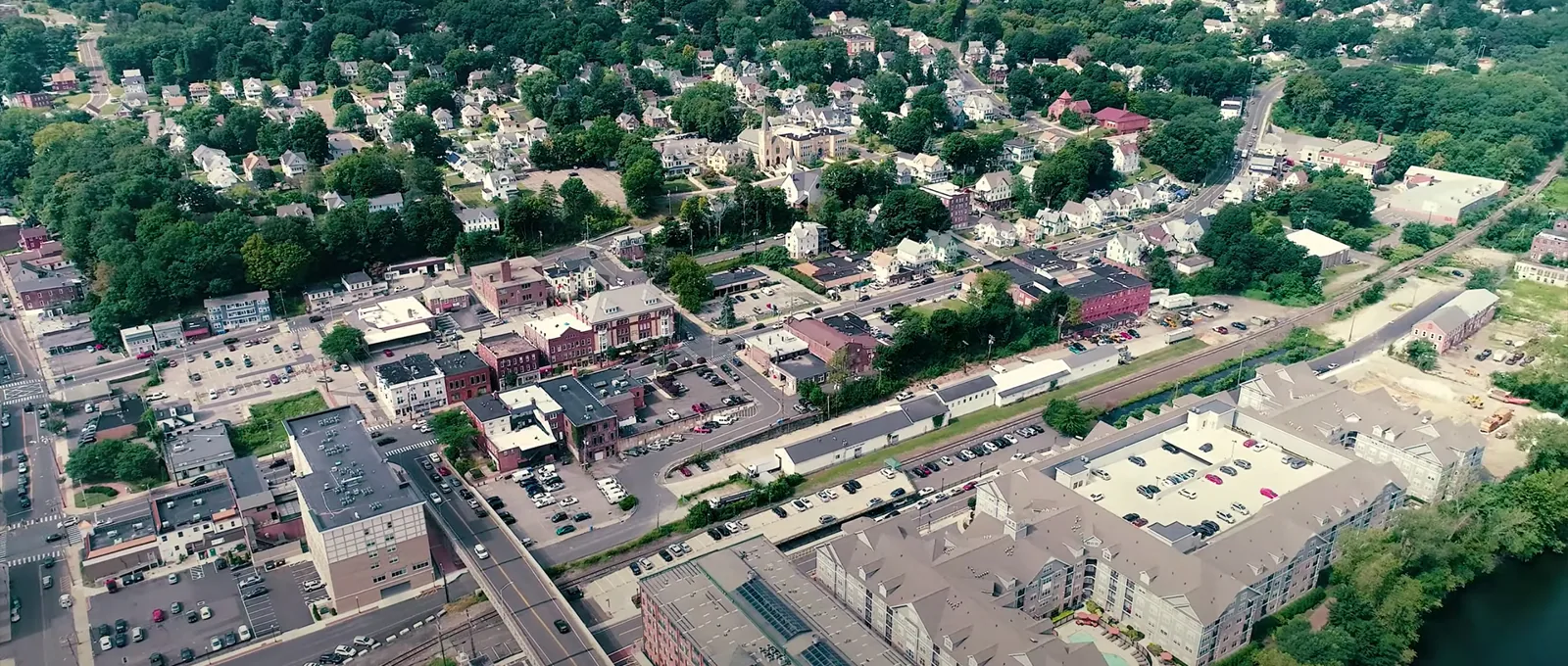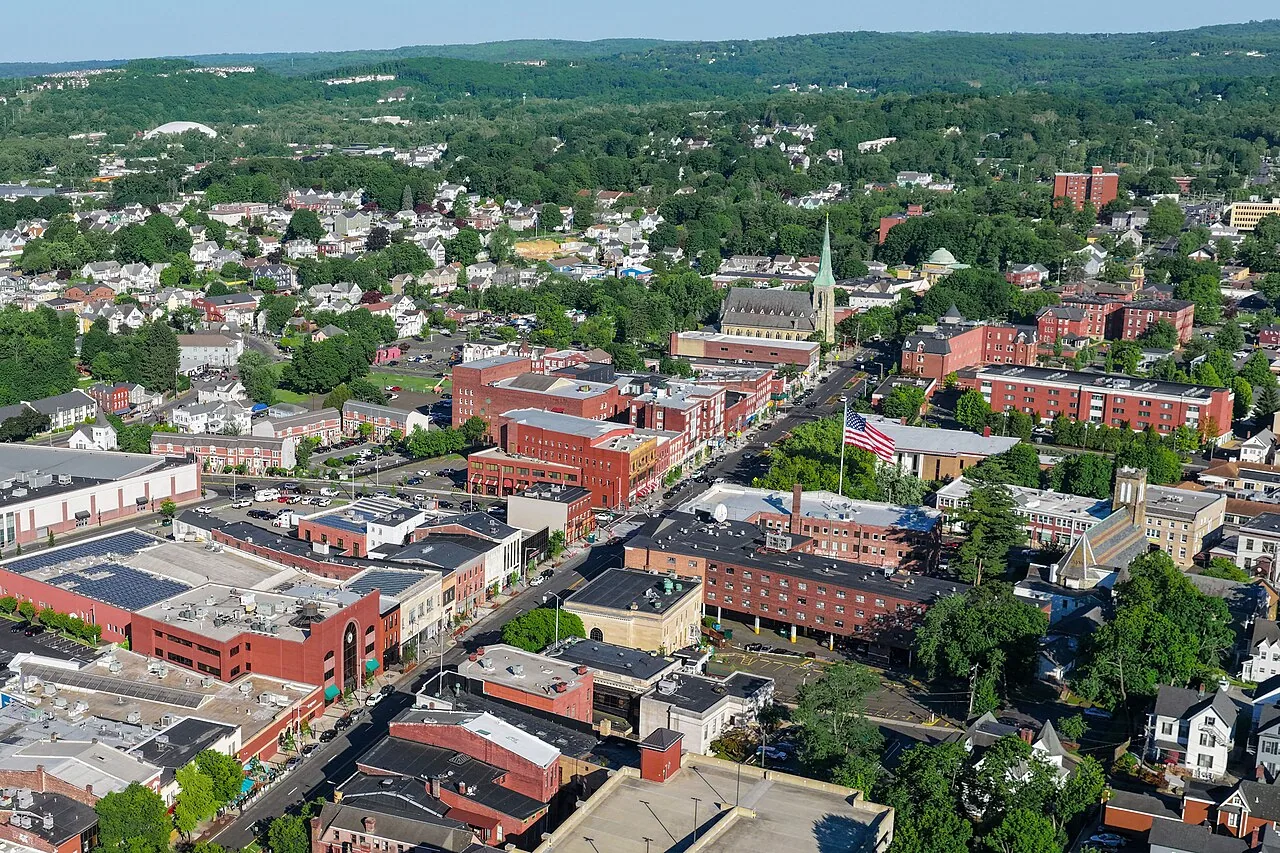
A wet ceiling beside a wall can trace back to a roof transition, not just the nearest seam. In Ridgefield, CT, we follow the water path through the membrane, flashing and drainage before deciding how far a repair must go. Route 7 meets Routes 102, 33 and 35 in the Ridgefield area. Those junctions put different travel paths into the town's regional setting; they do not establish a building's roof system. We inspect the assembly at the property, check its attachment and mark the boundary where sound material begins. Commercial roof leak repair starts with the reported location and the detail that could carry water toward it.
Route connections: plan access around the work area
Route 7 intersects Routes 102, 33 and 35 around Ridgefield. A roof delivery still depends on the site's driveway, loading space, ladder or hatch, and the area that must stay open below. We ask the property contact which route equipment can use, where materials can be staged and whether work hours are limited. A project with a narrow staging area can need smaller deliveries or an alternate sequence. Those setup details affect labor and dry-in timing, so they belong in the estimate rather than in a last-minute assumption.
Ridgefield participates in southwestern Connecticut's regional transportation network. That broader context does not replace property-specific access rules. We mark the roof zone, identify doors or paths below it and determine how removed material can leave the building without crossing an active area unprotected. A second roof section may require its own sequence if the access point, membrane or interior protection changes. Danbury Center and Danbury Road in Wilton are distinct locations along the regional network; each roof walk needs its own notes and work limits.
Leak path: read the roof before opening it
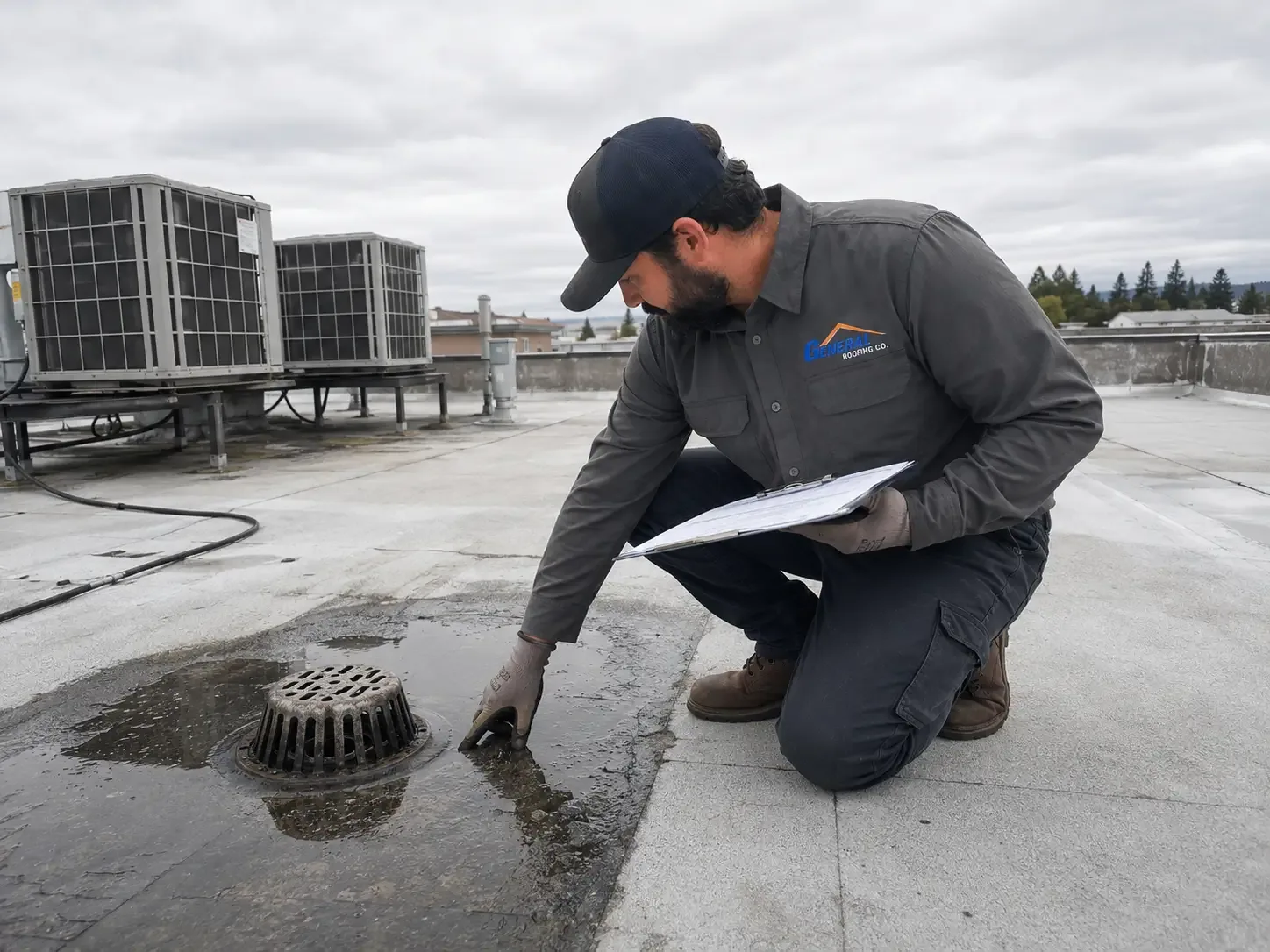
Water may enter at a split lap, pass beneath insulation and show up at a wall several feet away. We compare the interior report with the roof's slope, seam direction, penetrations and low points. A drain can discharge while water slips at its flange. A parapet can look closed from the ground but admit moisture where coping joints or fasteners move. We inspect connected transitions that fit the leak timing, then decide whether the evidence supports a test cut. The inspection records the route found, not a guess based on the room alone.
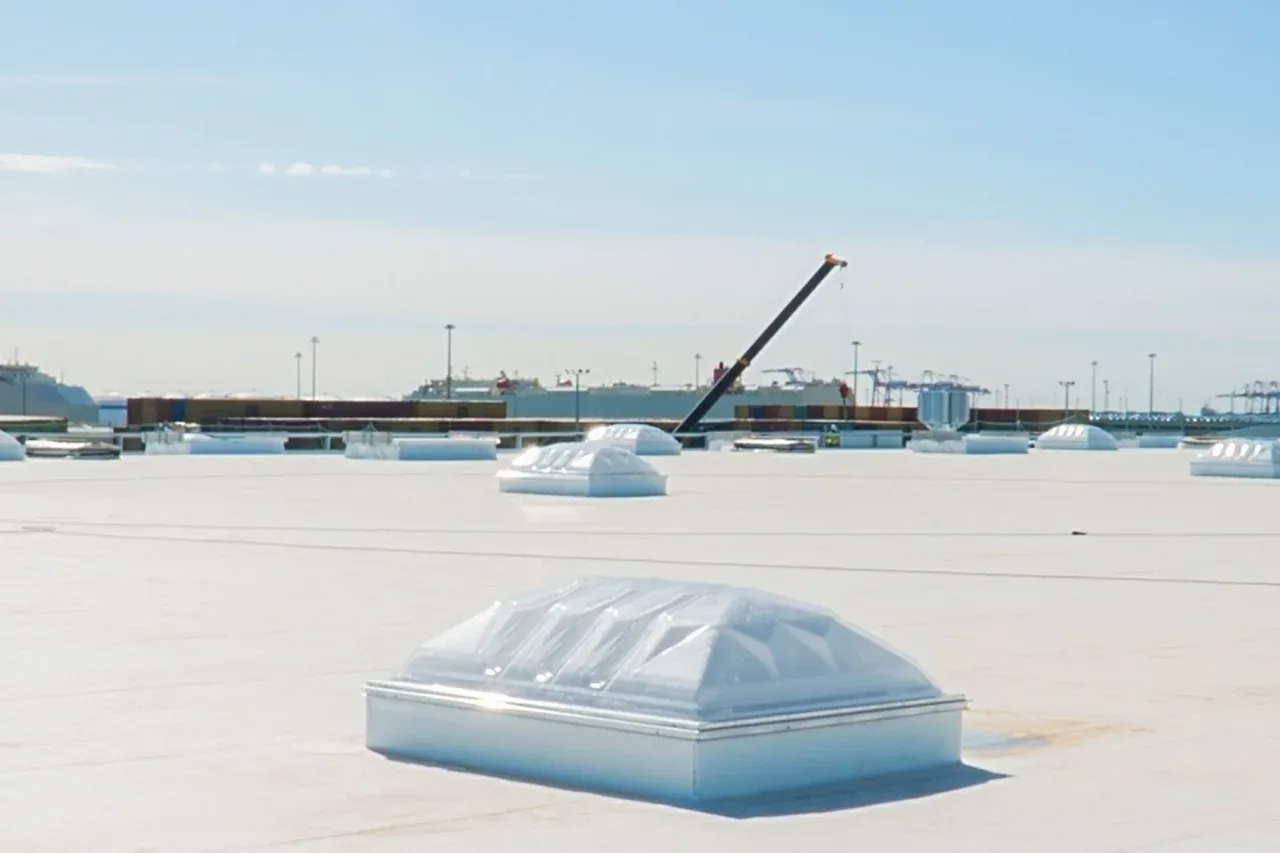
At each suspect detail, we check whether the membrane is attached, whether flashing laps drain outward and whether previous repairs changed the surface. A curb corner, roof-to-wall transition and outlet each need a different test. Drain repair can address the bowl and membrane connection; Penetration flashing addresses a curb or opening through the field. If the water route crosses more than one assembly layer, we list the observed transition and what remains concealed until removal.
Installed system: match the method to the surface
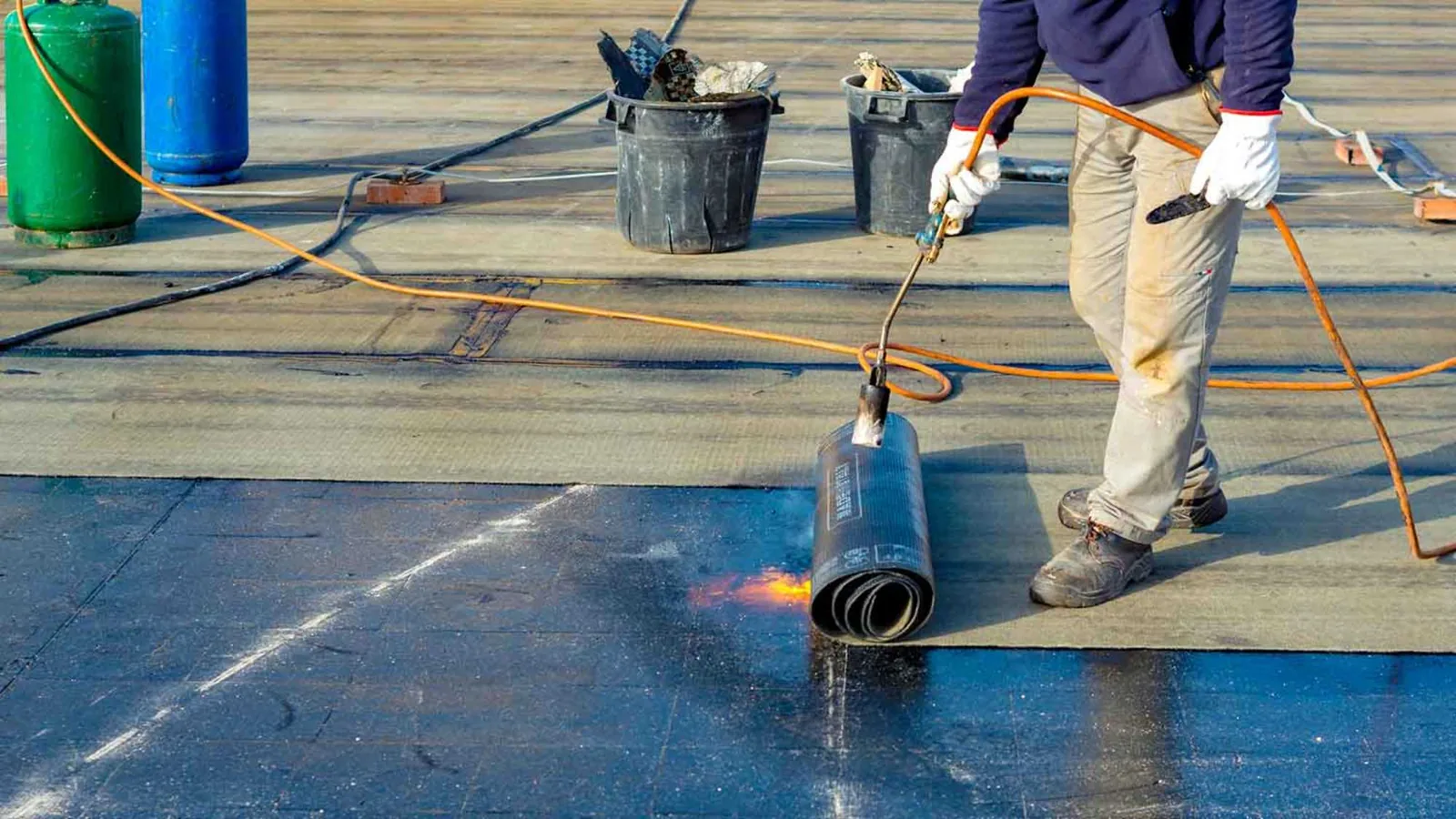
A repair method changes with the roof. We identify whether the field is thermoplastic sheet, EPDM, modified bitumen, built-up roofing, metal or a coating, then examine seams, fasteners and the base around the failure. Sheet roofing may need a weld or splice test. Metal panels rely on panel laps and secure attachments. A coating cannot bond well to a loose or damp layer beneath it. Wet insulation, a soft cover board or corrosion at a metal return may require a wider opening before the repair line reaches stable material.
Previous work can hide a second layer or interrupt the original seam pattern. We inspect exposed edges and compare the roof's actual build with available maintenance notes. Modified-bitumen repairs use a different tie-in from PVC seam work. At a curb or parapet, vertical flashing must connect with the field membrane without leaving an open corner. The scope names the installed system and preparation method, then shows where the repair will stop if removal reveals another layer.
Repair limit: follow the damage to stable roofing
A local patch is useful when the surrounding membrane remains secure and the opening reaches dry, firm material. We remove the failed area, prepare its edges and connect compatible roofing to the stable field. If wet insulation or damaged cover board extends farther, the repair has to include that layer. We describe the added removal and ask for approval before expanding the work. Closing over soft material can leave a weak base under a clean surface seam, so the cut line must follow the assembly rather than the stain.
Several separated wet areas, repeated seam movement or widespread attachment loss may point beyond a single repair. We compare the inspected area with recover or replacement only after checking the number of layers, drainage and edge condition. Commercial roof repair can remain focused where the failure is contained. A broader recommendation should explain which roof condition changed the choice and which portions remain outside the proposed work. A capital review can keep a current repair separate from future work while tying each decision to observed conditions.
Condition record: make the next decision traceable
A useful inspection record pairs each interior report with the roof detail checked above it. We photograph open laps, loose fasteners, drains and curb corners, then note whether water was present and what could be reached. If a test opening is needed, the report identifies why the location was selected and what the exposed layers showed. Roof condition reports can organize those observations for managers tracking more than one asset. The document should separate verified conditions from areas that remain concealed or inaccessible.
A roof record uses the property's own identifiers and photos, so later inspections can compare the same roof detail and note whether the prior repair boundary still holds. We can compare later inspections against the same roof detail, note a new split or clear outlet, and state whether the prior repair boundary still holds. That makes a future service call easier to scope without assuming that every leak represents a larger system failure.
Estimate: connect price and timing to the roof findings
Cost depends on the surface, length of failed seam, connected flashing, number of penetrations, removal depth and interior protection. A short weld repair and a curb rebuild do not use the same labor. Wet insulation, disposal and limited staging can add work. We list the included repairs, access assumptions and the concealed condition that requires owner review before the estimate grows. If separate roof areas need different methods, the scope keeps them distinct so a manager can compare the work and timing without guessing what the number covers.
Connecticut permit applicability depends on the code in effect when an application is filed. We can document existing layers, penetrations, drainage and the proposed tie-ins for the project review, while the scope itself stays tied to the roof inspected. Before arranging a walk, share the interior report, recent service notes and any limits on delivery or roof access. We can inspect the assembly, trace the leak route and provide a written repair boundary or a larger-system option when the observed conditions support one.
Commercial Roofing Questions
Why can water appear at a wall when the roof seam looks intact?
Moisture can travel beneath insulation or along a transition before reaching the interior. We compare the stain with roof slope, curb corners and nearby drainage, then test the detail that fits the timing.
Do Route 102, 33 and 35 determine roof access?
They identify connections in the Ridgefield area, but the property entrance, staging space and roof access set the work route. We confirm those details with the manager before planning material movement.
What changes the patch boundary?
Wet insulation, a soft cover board or an attachment failure can move removal past the visible split. We record the exposed layer and explain any added area before permanent close-in.
Can a report distinguish an isolated leak from a wider concern?
Yes. Photos and notes can show whether failures cluster at one transition or appear in separate roof zones. We use the observed attachment, moisture and system layers to compare repair and broader options.
Which roof records and access details should a ridgefield center contact prepare?
The room where water appeared, the time it was noticed, prior repair notes and access limits help direct the roof walk. We still verify the actual assembly and failure before setting scope.