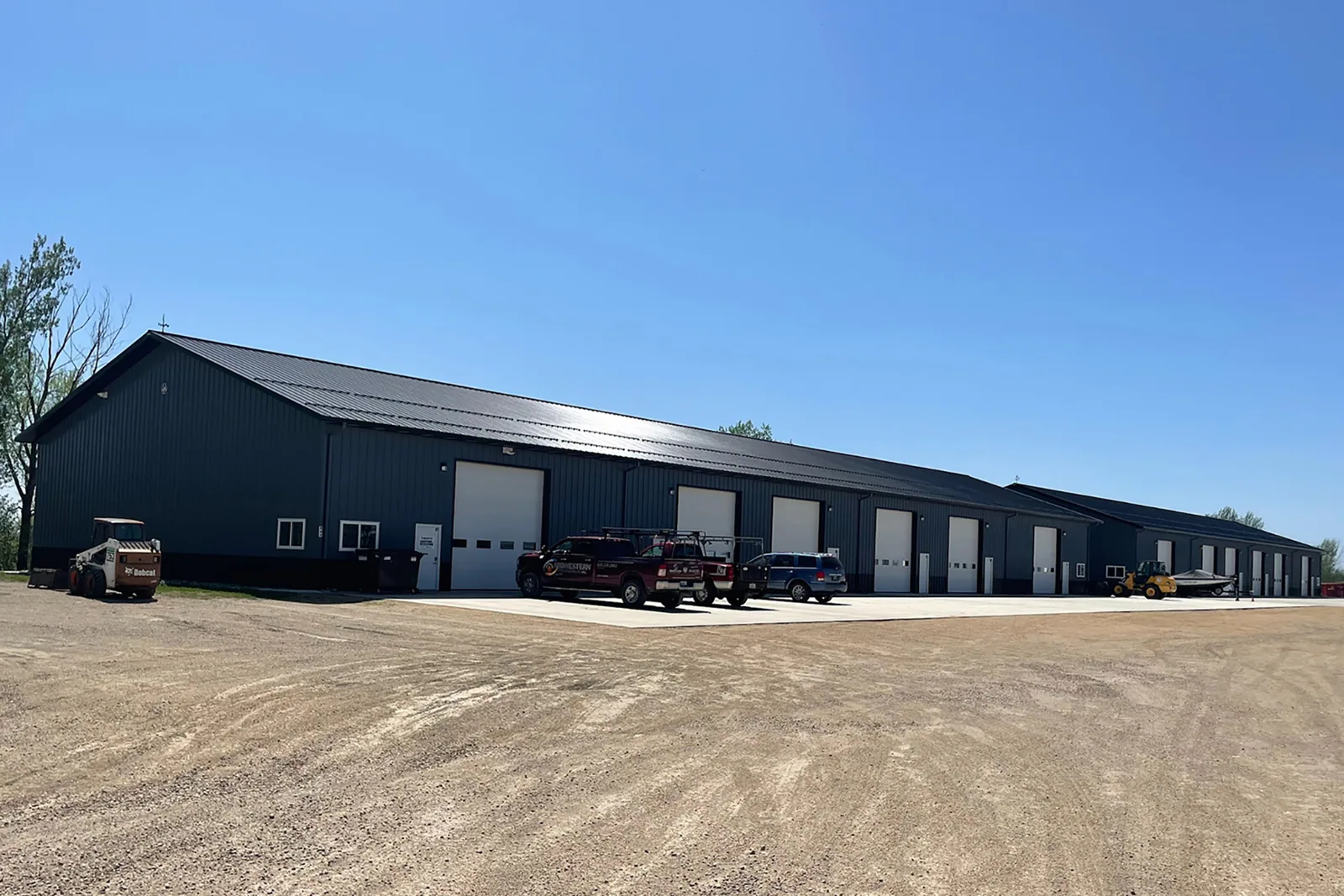
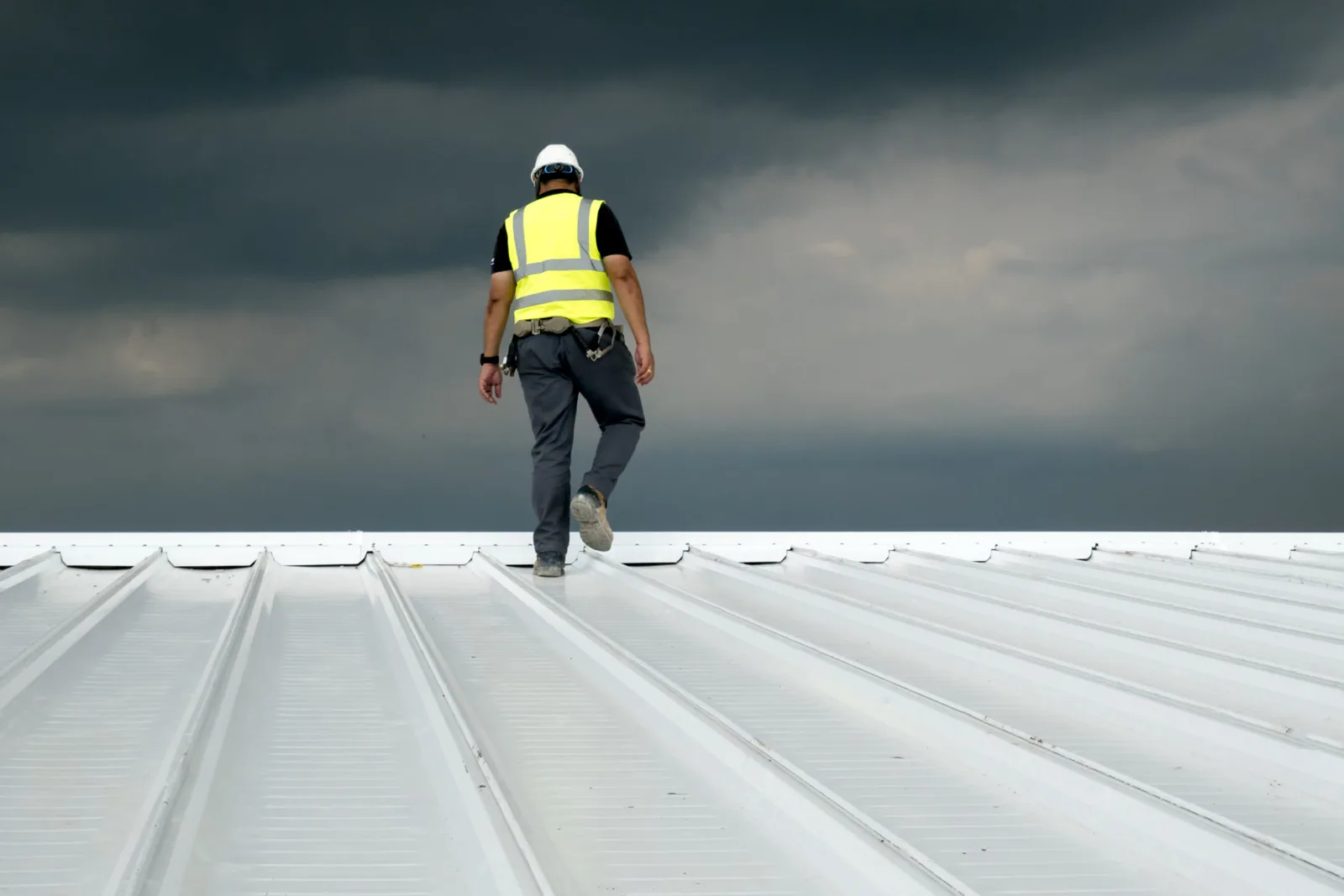
A lifted termination can make a dry roof look sound from the middle of the field. We inspect the details that decide whether a seam, edge, curb, or drain is holding. In Stamford, Downtown and South End roofs sit among mixed-use buildings, while flexible-industrial properties can combine production with office or showroom use. We check the actual assembly and note conditions that affect repair, recover, or replacement. A written roof condition report gives property staff a clear record of the findings and next step. The report should help an owner decide what to fix now and what to budget. We identify active leaks separately from wear that has not opened the roof. A photo without a location or explanation is hard to use, so each finding connects the condition to a roof detail and an action boundary.
Roof walk: follow the water and the details
We start at access, drainage, and visible failure points. Then we follow seams, wall terminations, equipment curbs, penetrations, and edge metal across the areas that can be reached safely. An interior stain helps locate the area to inspect; we trace the water path before assigning a roof condition. Stamford winters bring snow and subfreezing nights, so we look closely at drainage and terminations where repeated freeze-thaw can stress an assembly. Findings stay tied to the specific roof. If insulation may be involved, an insulation and cover-board review can identify where a closer moisture check is useful. We note areas that were obstructed or unsafe to reach, then explain the limits rather than treating them as inspected. The route through the roof should cover changes in slope, parapet walls, expansion joints, and equipment zones. Those transitions can carry water into another area, so their condition belongs beside the central field in the inspection record. At each accessible transition, we note whether the membrane turns up cleanly, where a seam changes direction, and what detail should be photographed for comparison at a later visit.
Drainage and penetrations: record the weak transitions
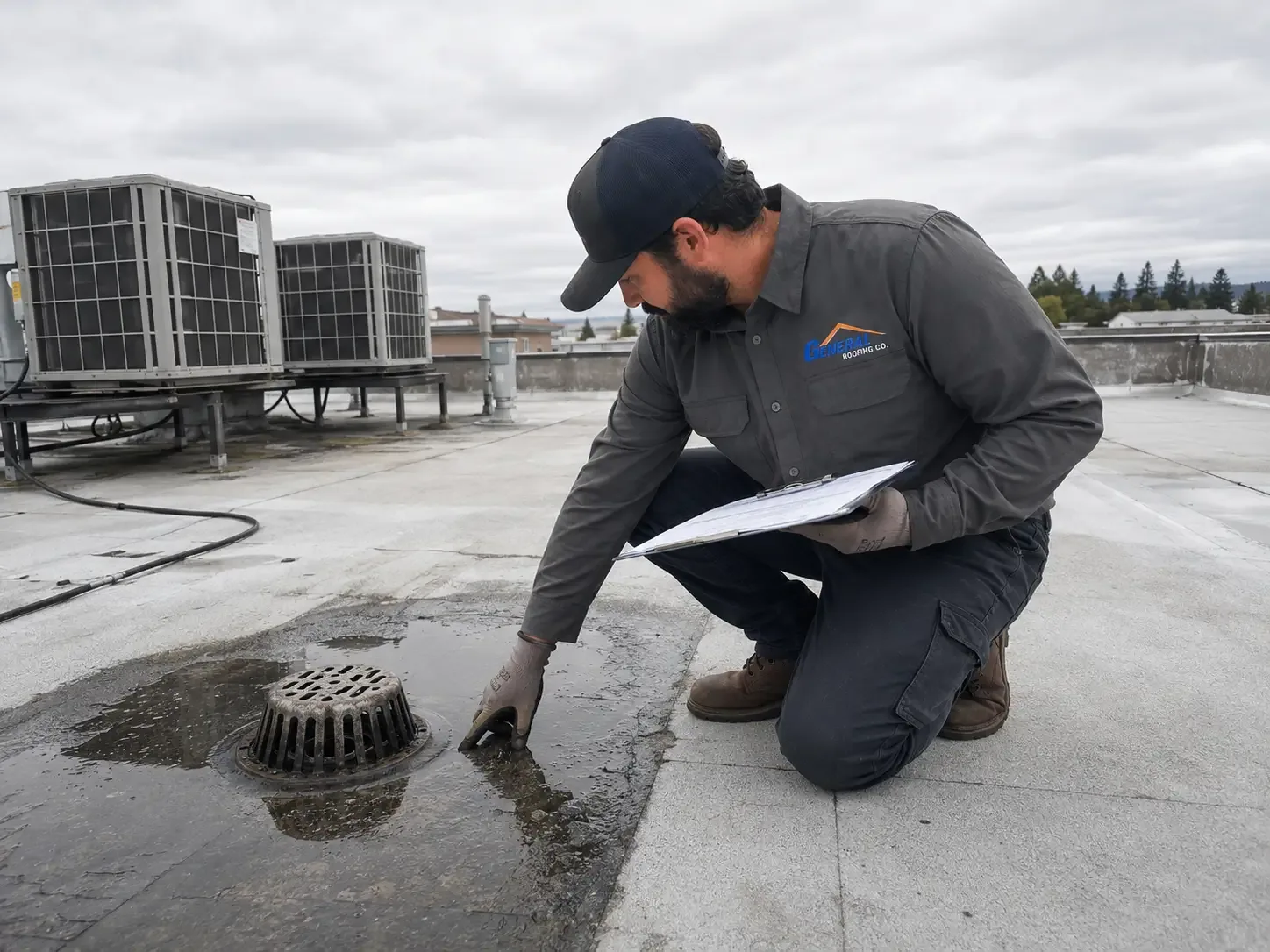
At each drain, we check the bowl, flange, nearby seams, and the path water takes across the field. Scuppers and gutters need their own inspection because overflow can mark a wall even when the roof opening is elsewhere. Rooftop equipment adds curbs, conduit, and service paths that can interrupt drainage or membrane continuity. Our drain inspections and penetration-flashing work follow those transitions. The report distinguishes a blocked opening, a failed flashing detail, and a membrane condition so the proposed work matches what is actually wrong. We look for debris, water staining, loose strainers, and repair material that may narrow a drain throat. At equipment curbs, the counterflashing and sealant are checked along with the membrane turn-up. A condition at one transition can direct water toward another, so our notes preserve the connection between details instead of listing defects without a path.
Condition findings: separate urgency from planning
We describe active leaks, open laps, loose edge metal, wet insulation, and conditions that need observation. Photos identify the location, while notes explain why the detail matters and whether the repair boundary is local or wider. Summer heat and cooling demand make equipment curbs and service areas worth checking during a roof walk. We verify the assembly and details in front of us before assigning a condition or repair. If a condition is stable but should be budgeted, capital planning can organize the next decision without treating every finding as an emergency. Urgency follows water entry, safety, and damage to the assembly, not the appearance of an old patch alone. We sort active defects from future maintenance and state what evidence would raise or lower priority. That distinction helps property staff set work against tenant schedules and operating budgets while keeping critical repairs visible.
Building use: make the findings useful to operations
Access limits, roof units, and work windows affect how a repair crew can reach a finding. For operations involving production, distribution, offices, or showrooms, we note which routes need to stay open and which equipment cannot be interrupted. Those constraints shape follow-up while the recommendation stays tied to the membrane and details observed. In the West Side and Springdale, we record the inspected detail, safe route, and next action for the work team. A report can be shared with staff coordinating other trades, but it separates roof findings from equipment or facade work outside the inspection. If an inaccessible area could change the repair boundary, we identify the follow-up needed and the roof zone to compare on the next visit. We note whether roof units need a shutdown window and whether access is available without crossing active work areas. That gives the person scheduling repairs a practical sequence while keeping the condition recommendation tied to observed materials. The report can identify the roof zone and access window for any return visit.
Decision record: repair, recover, or replace
The inspection should lead to a practical next step. A contained seam or curb issue may support repair. Wet insulation, a failing deck, or repeated defects may change the scope. We explain the condition that supports each option and note what additional investigation is needed before pricing. A localized finding can lead to a repair scope; an overlay can be considered through a recover evaluation that weighs moisture, attachment, and project-specific permit requirements. The report gives the owner observations, photos, and an action boundary tied to the roof conditions found. A recover recommendation needs a moisture picture and a stable base; a replacement recommendation needs a removal boundary and details for reconstruction. We identify where more testing is warranted before those decisions are priced. The report can also flag a roof area whose condition is acceptable now but should be reviewed after seasonal weather or planned equipment work.
Commercial Roofing Questions
Which seams, curbs, drains, and membrane zones belong in this stamford inspection?
We inspect accessible membrane, seams, curbs, drains, penetrations, edges, and visible interior leak evidence. The written findings identify conditions, locations, photos, and recommended next steps. We also record access limitations and identify any area that was not reached.
Can an inspection show whether insulation is wet?
A visual walk can identify signs that call for moisture testing, but it cannot confirm every concealed layer. We note suspected areas and recommend an infrared survey or core cut when the decision depends on moisture extent. The added test is focused on the question the roof condition leaves open. We use it to refine the repair or replacement boundary.
How does the report compare a localized repair with replacement across the affected zones?
It compares the condition found with the repair boundary and the extent of affected material. A local defect may support a repair, while repeated failures or widespread moisture can justify a larger scope. We state the evidence and the condition that would change the recommendation. The owner can see what is known and where a test is still needed.
How does Stamford weather affect an inspection?
Snow, subfreezing nights, and summer heat make drainage, terminations, and equipment curbs useful details to include in the inspection. We record the conditions visible on the roof and tie each finding to its location.
What records should I bring to the roof walk?
Recent leak notes, service tickets, past repairs, access rules, and known equipment shutdown limits help connect the roof to its operating history. We compare them with current conditions and record discrepancies. If plans or prior roof drawings are available, they can help identify concealed transitions and service routes. A list of rooms affected by leaks helps us trace likely water paths.
Related Roofing Work