Moisture reported above a server suite can trace to a roof seam or curb several bays from the ceiling mark. We locate the entry detail, inspect surrounding layers, and set a repair limit before opening the assembly. Data-center roofs need a clear division between roofing work and equipment service, with access paths protected throughout the job. We inspect membrane laps, penetration flashing, drains, insulation, and visible deck, then note what requires a test opening. A roof inspection should show the affected zone, the defect, and the boundary that keeps dry material intact. Downtown Stamford's mixed-use core combines office, housing, and retail roofs. The South End sits next to that urban growth area. We identify the installed assembly on each roof before defining the repair boundary.
We agree on access limits, equipment clearances, interior protection, and daily dry-in before work reaches the membrane. An equipment room cannot be treated as a staging area. The office-building roof beside a technical space may share a roof field, but the work plan follows each property's access limits.
Cooling load: inspect transitions around equipment
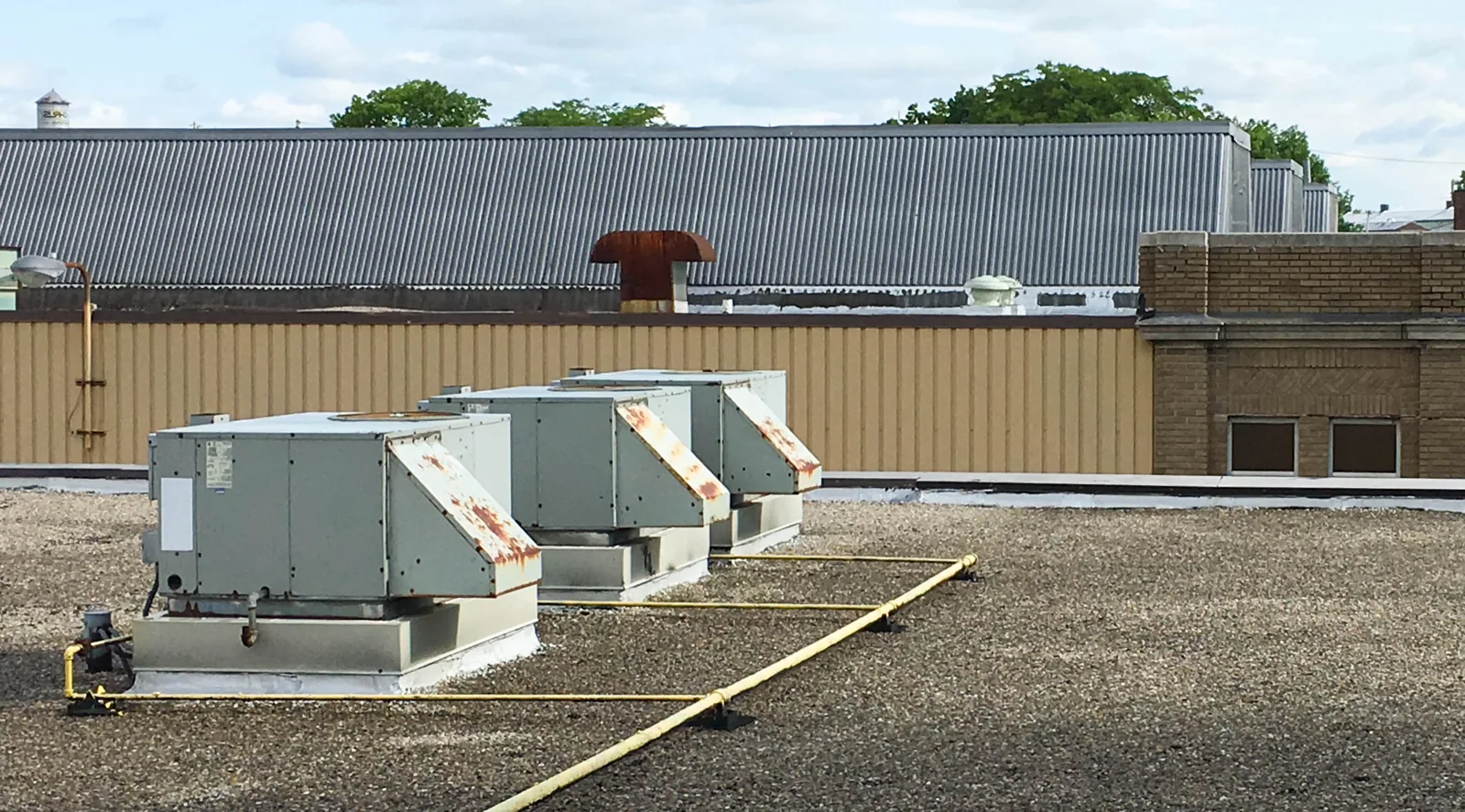
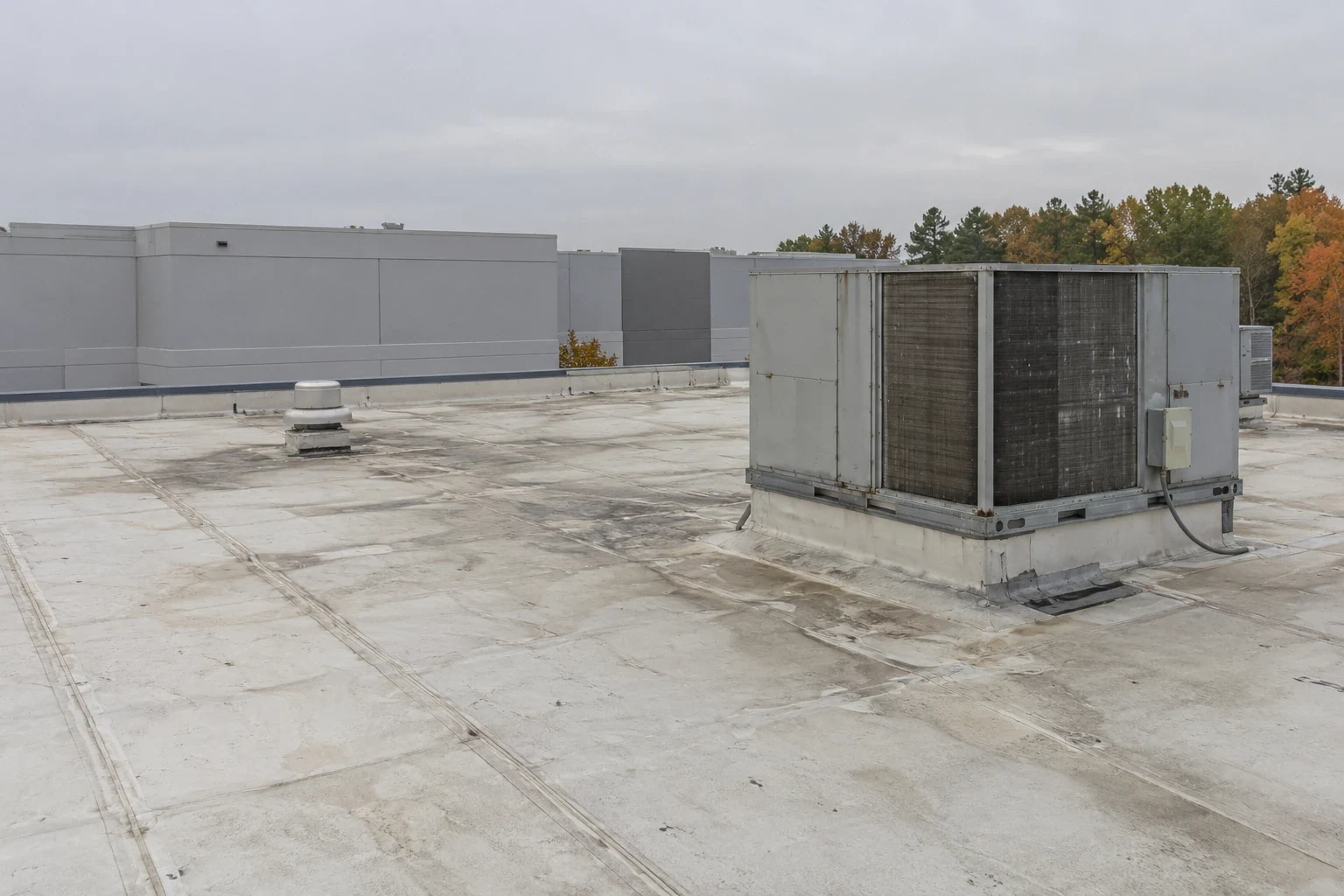
Roof-mounted equipment loads the deck and interrupts the membrane at curbs and supports. We inspect corners, counterflashing, fasteners, walkway surfaces, and metal returns where service traffic can loosen a detail. The roofing scope identifies any unit that must remain accessible and the point where another trade takes over. A curb and support repair can address the flashing boundary without taking responsibility for the equipment itself. If the base moves or the deck beneath it has lost support, the repair needs a wider structural review before new membrane covers the area.
Stamford's summer maximums commonly sit in the low-to-mid 80s, with cooling demand recorded through the season. That is a reason to inspect equipment-side transitions, not proof a particular roof has failed. We look for open laps, brittle sealant, displaced metal, and insulation condition around each base. A finding is tied to the roof zone and the observed detail, not inferred from the building's use.
Water entry: map penetrations before patching
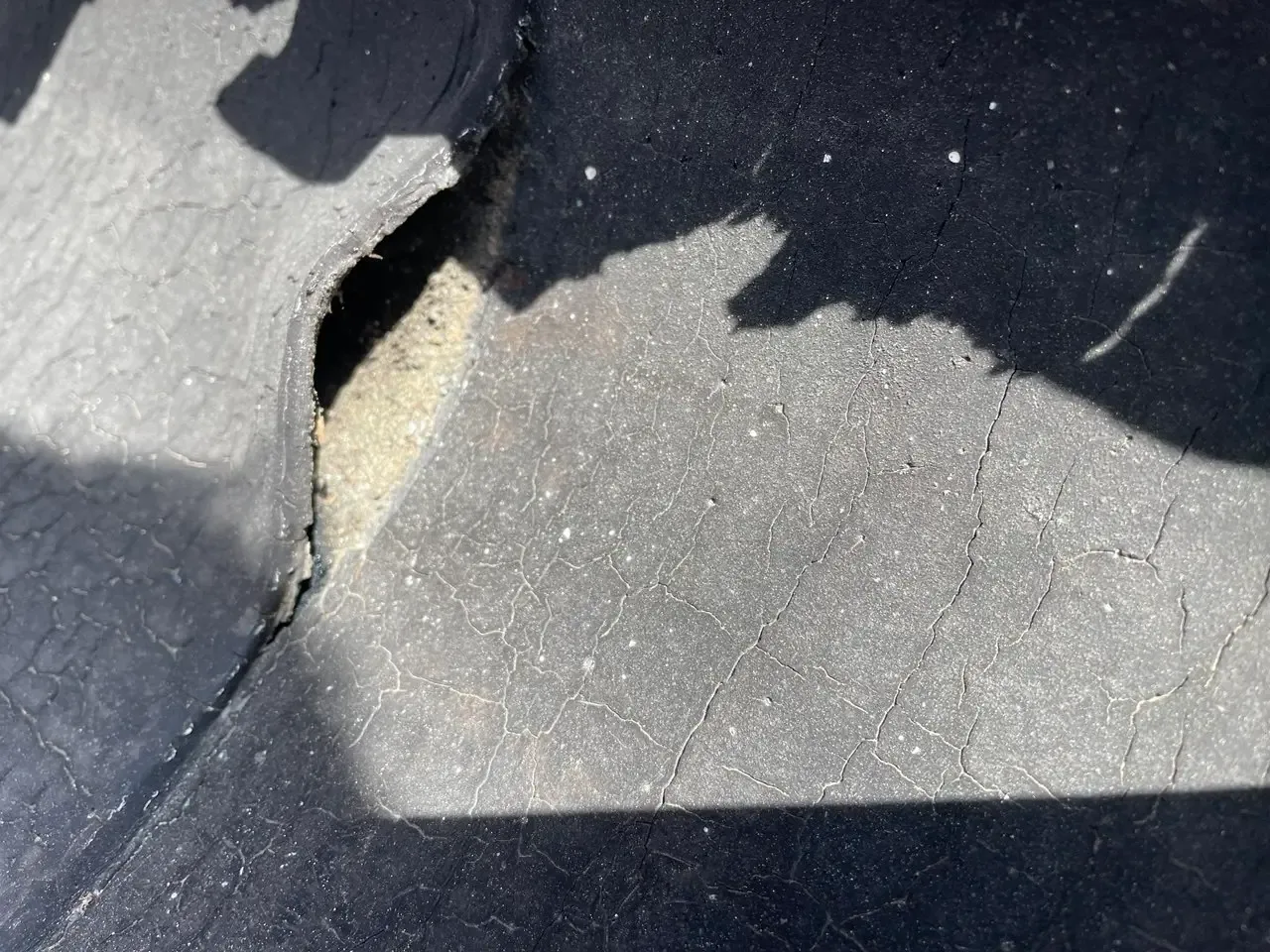
Cable, piping, conduit, and exhaust routes multiply roof openings. Each needs a flashing detail that remains compatible with the surrounding membrane and sheds water toward the intended drain. We mark the curb corners, sealant line, and any split lap, then compare those observations with an interior leak report. A surface repair should extend to stable, clean material. Where a seam has opened, seam repair begins with the lap and adjoining membrane rather than a bead of sealant placed over a moving edge.
When Stamford's hurricane barrier is not closed, high water can affect streets and basements. After coastal rain, we inspect roof outlets, edges, and penetrations against the reported water path, while ground-level flooding calls for a separate assessment. A storm review can document displaced metal or lifted membrane without assuming every leak followed the same path.
Drainage: protect overflow and outlet paths
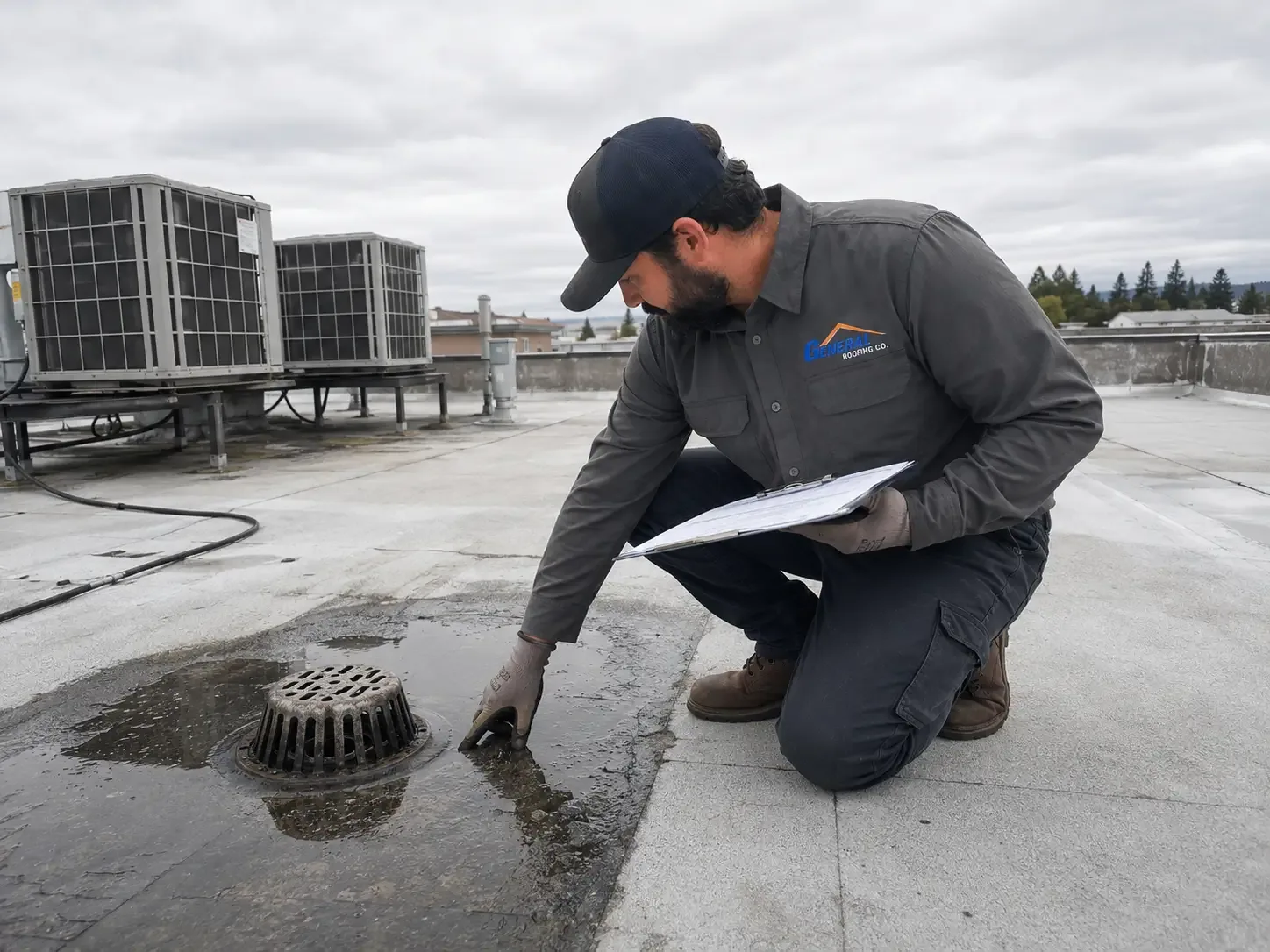
Drain bowls, overflow scuppers, and low seams need a continuous route to discharge. We check the strainer, flange, surrounding membrane, and any repair material that could narrow the opening. A blocked bowl and a failed lap are different defects, even when they produce one ceiling stain. drain and scupper service addresses the outlet detail; if the field holds water, the scope also considers the conditions that keep runoff from reaching it. The record states whether slope, deck, or debris is in the repair boundary.
Harbor Point is a phased redevelopment district with homes, offices, retail, hotel, and public spaces. That mixed-use setting makes ground protection part of the work plan. We check lift placement, pedestrian separation, and clear paths at the specific property before setting material. We close each shift without a loose edge or unprotected opening.
Assembly: verify layers before a recover
A membrane's appearance cannot show all the layers beneath it. We check seams, attachment, insulation, and accessible deck, then identify where infrared review or a core sample would change the scope. Wet insulation may need removal to dry material; soft deck can require correction before a new roof is installed. A TPO roof system is one possible assembly only when deck, attachment, transitions, and project conditions fit. System type does not prove recover eligibility.
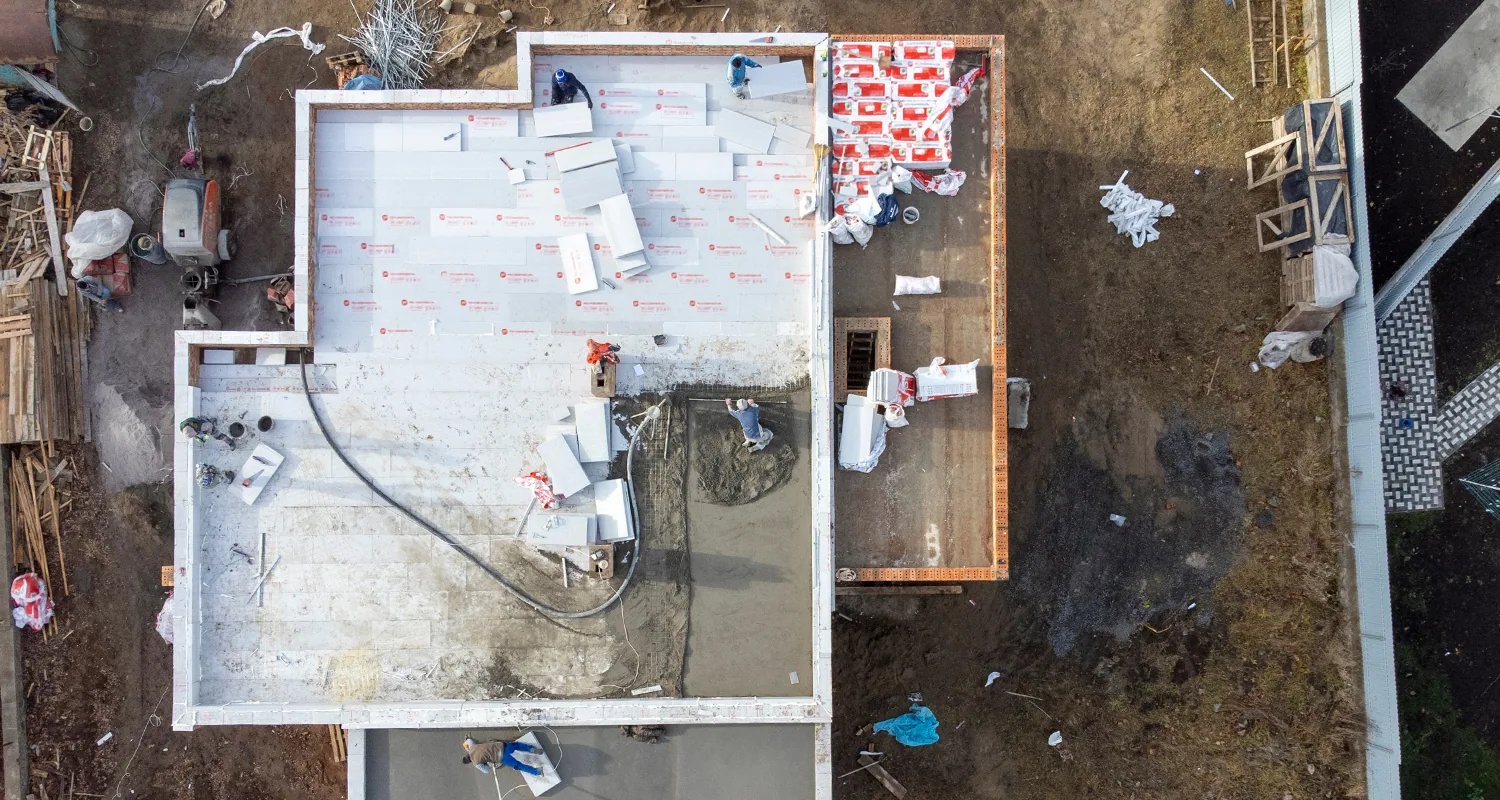
A recover leaves existing material in place only when moisture, attachment, deck, and code support the added layers. Otherwise tear-off can be needed to reach a reliable substrate. The scope marks the area evaluated and states what would change the choice after exposure. A cold-storage roof can raise other vapor questions, but a data-center assembly must be assessed on its own. We separate visible conditions from hidden areas that remain uncertain.
Access plan: protect maintenance routes
Roof access may run past ladders, hatches, equipment clearances, or controlled areas. Before opening the membrane, we agree on the route, protection, and parts of the roof that another technician may need during the workday. The written sequence names the open zone, the closeout condition, and any access restriction that remains. Tools and debris have designated handling paths; they do not travel across equipment or sensitive walkways without protection. If another trade must disconnect or move a component, that dependency is clear before roofing starts.
South End sits next to Downtown within Stamford's higher-intensity mixed-use growth area. Nearby commercial uses may make pedestrian separation and delivery coordination important, but access at a particular building must be checked. A South End roof walk still begins with the actual hatch, lift location, and protected route. Photos document the repair and its limits.
Repair boundary: match the recommendation to evidence
A single puncture with dry adjacent material may allow a limited repair. Repeated openings, wet insulation, unstable attachment, or deck damage can move the work toward a larger correction. We mark roof zones, list the condition that would widen the boundary, and separate confirmed work from concealed material that has not been opened. Timing depends on the approved access window, weather, drying requirements, and coordination with equipment service.
Cost drivers include protection, equipment curbs, drain correction, insulation removal, deck work, and the amount of membrane that needs replacement. We note which conditions are established and which need testing. After completion, closeout photos and zone references show what was corrected and what remains for another trade. That record identifies the next maintenance decision and any portion still awaiting inspection.
Commercial Roofing Questions
Can roof work take place while computing equipment stays online?
The sequence can protect operating equipment if access, interior protection, and the work zone are agreed first. We define where roofing crews may travel and which components another trade must service. Each shift closes the opened area to the agreed condition, and any change to that boundary is reviewed before work continues.
How do you test for moisture beneath a data-center roof?
We first inspect visible seams, curbs, drains, and interior reports. Infrared review or a core opening may help define wet insulation, but the test area and interpretation belong in the scope. If results do not confirm a broader condition, we keep the work boundary limited to the evidence gathered.
Which roof zones, penetrations, and test limits should the report map for facilities?
It should identify the roof zone, observed defect, photographs, and any area that could not be inspected. We distinguish the repair completed from work assigned to equipment service or another trade. The property team can compare future findings with a clear record of the work reached.
Can a rooftop unit be disconnected for flashing work?
The responsible mechanical trade handles disconnection and reconnection. We mark the curb and membrane work, confirm service clearance, and coordinate timing with the property contact. If the base or deck appears unstable, that condition is recorded before roofing resumes around it.
When is replacement more useful than a local repair?
Repeated failures, broad wet insulation, loose attachment, or deck deterioration can make a narrow patch unreliable. We compare the affected zones with surrounding material and explain which test would confirm the extent. If dry layers and sound attachment remain around one defect, a smaller correction may still fit.