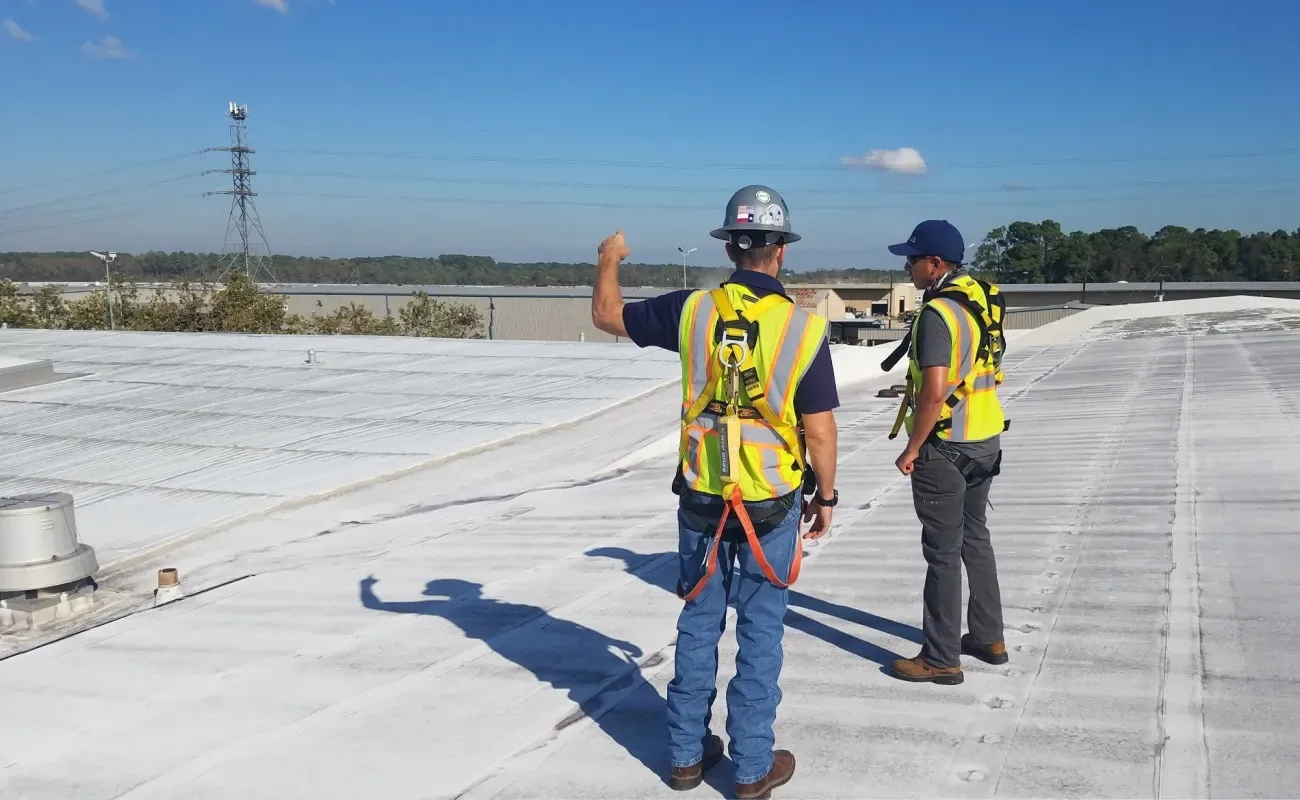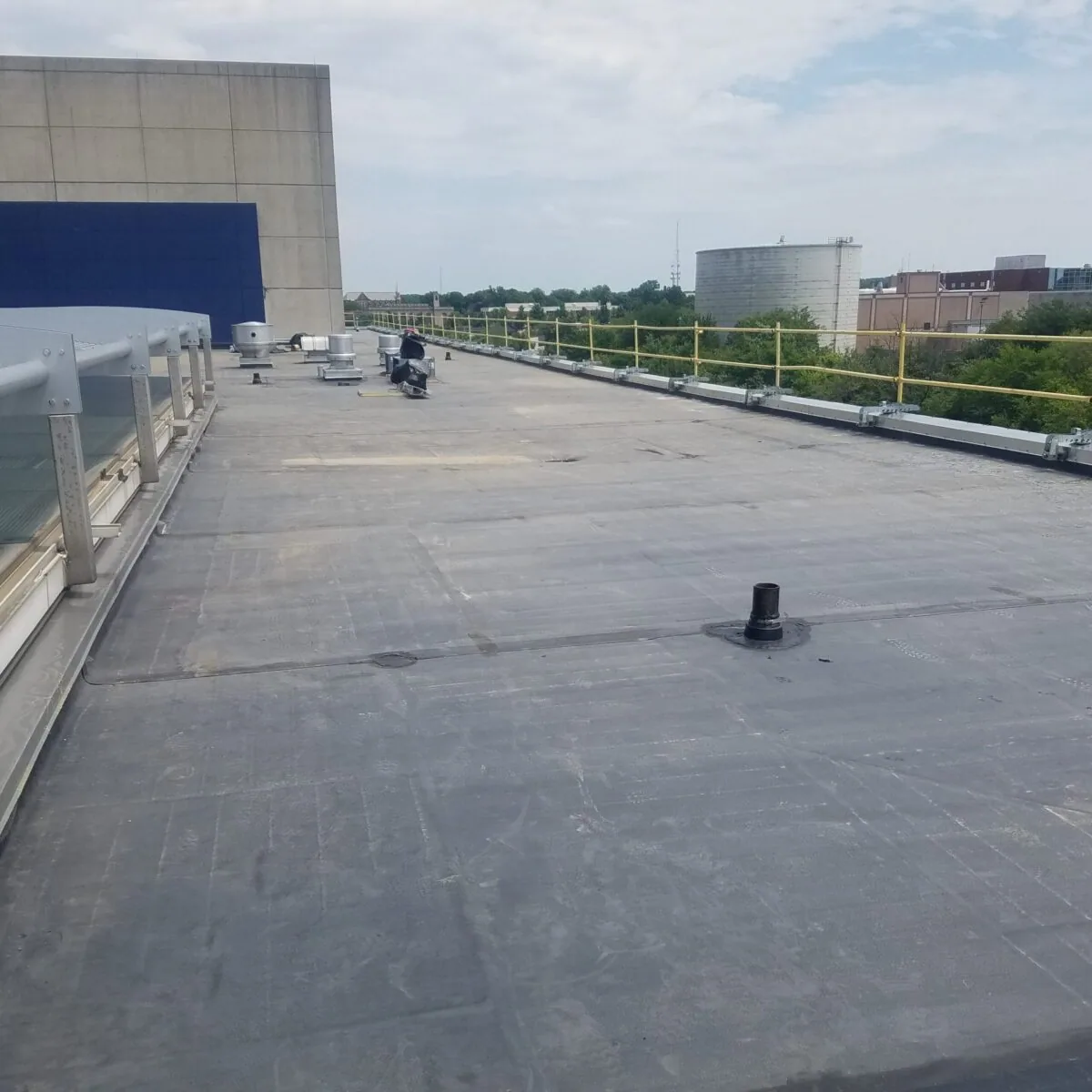
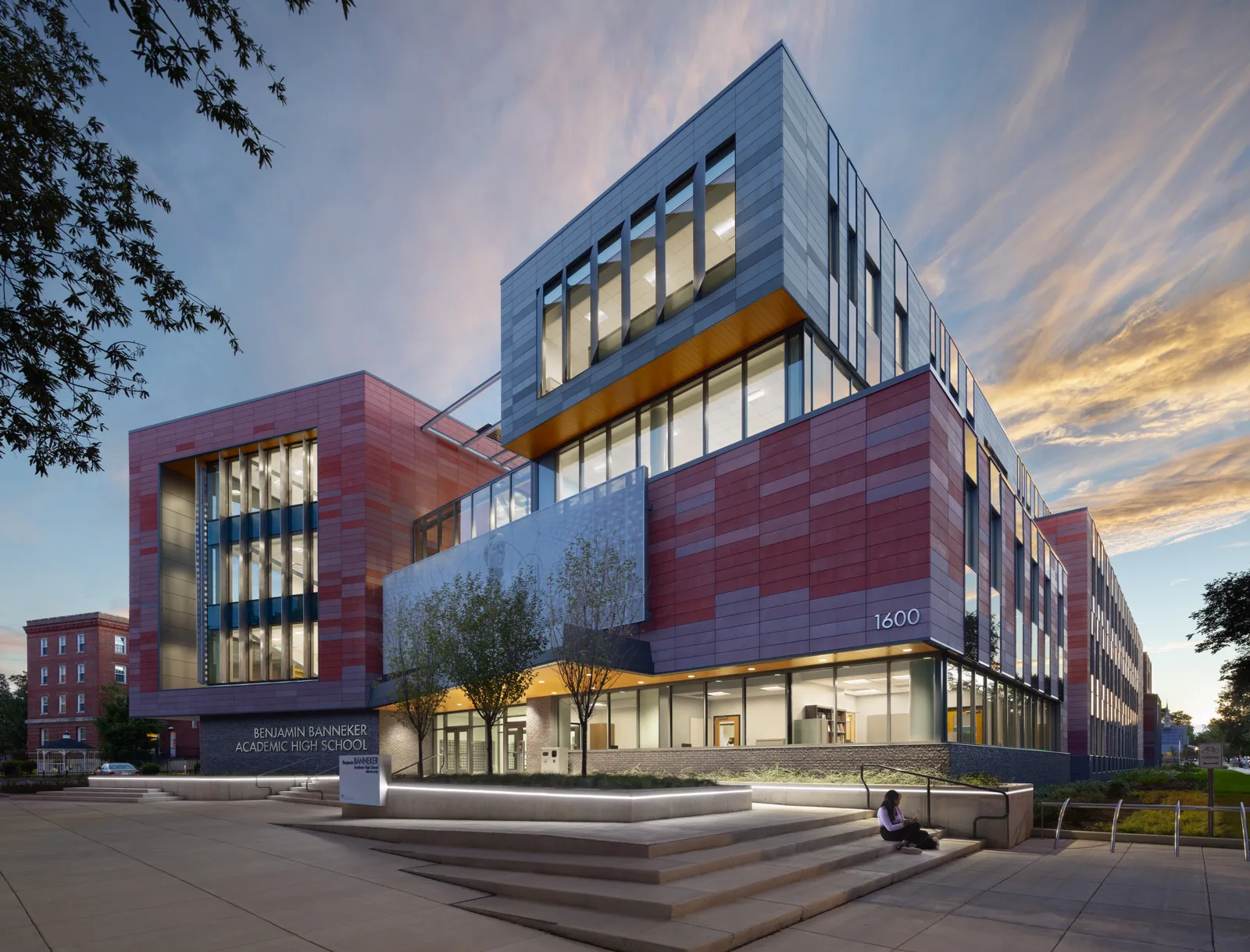
A ceiling mark in a classroom may sit below a roof opening several sections away. Water can follow a deck or seam before appearing indoors. We trace the path, inspect the membrane and flashing, then set a repair limit that the facilities team can review. A school district manages different building types, roof ages, and access rules across its portfolio. In Stamford, mixed-use growth is concentrated in Downtown and the South End while the city's wider land pattern includes lower-density residential areas. That range is a reminder to inspect each district roof on its own. A roof inspection can organize the reported defects by building and roof zone.
Building use: plan around the school calendar
Roof work can affect arrival routes, maintenance access, and rooms below the repair. We identify the roof opening, protection area, lift position, and daily dry-in before setting a sequence. The district provides calendar and access restrictions; we connect them to the membrane work. If a repair can be completed in a narrow window, the scope names the materials and tie-in needed to close it. If the condition needs a larger opening, that requirement should be visible before the schedule is set.
District records help us locate recurring reports and prior repair boundaries. A roof plan, service tickets, ceiling locations, and photos give the walk a starting point. We still verify the seam, curb, drain, or wall transition in the field. A healthcare portfolio has different occupancy controls, but both settings need an explicit roof work zone and interior protection plan. occupied-building roofing coordinates those steps when the facility cannot be treated as empty during the project.
Leak tracing: connect the room to the roof
A wet ceiling tile does not locate the entry point. Water can travel along insulation or deck seams before it reaches a classroom, office, cafeteria, or corridor. We compare the report with roof slopes, drains, penetrations, and prior patches. If the affected area is concealed, infrared review or a core opening can help establish how far wet material extends. The scope should say what was inspected, where testing occurred, and what remains unknown. That keeps a classroom report from being mistaken for a condition assessment of the entire building.
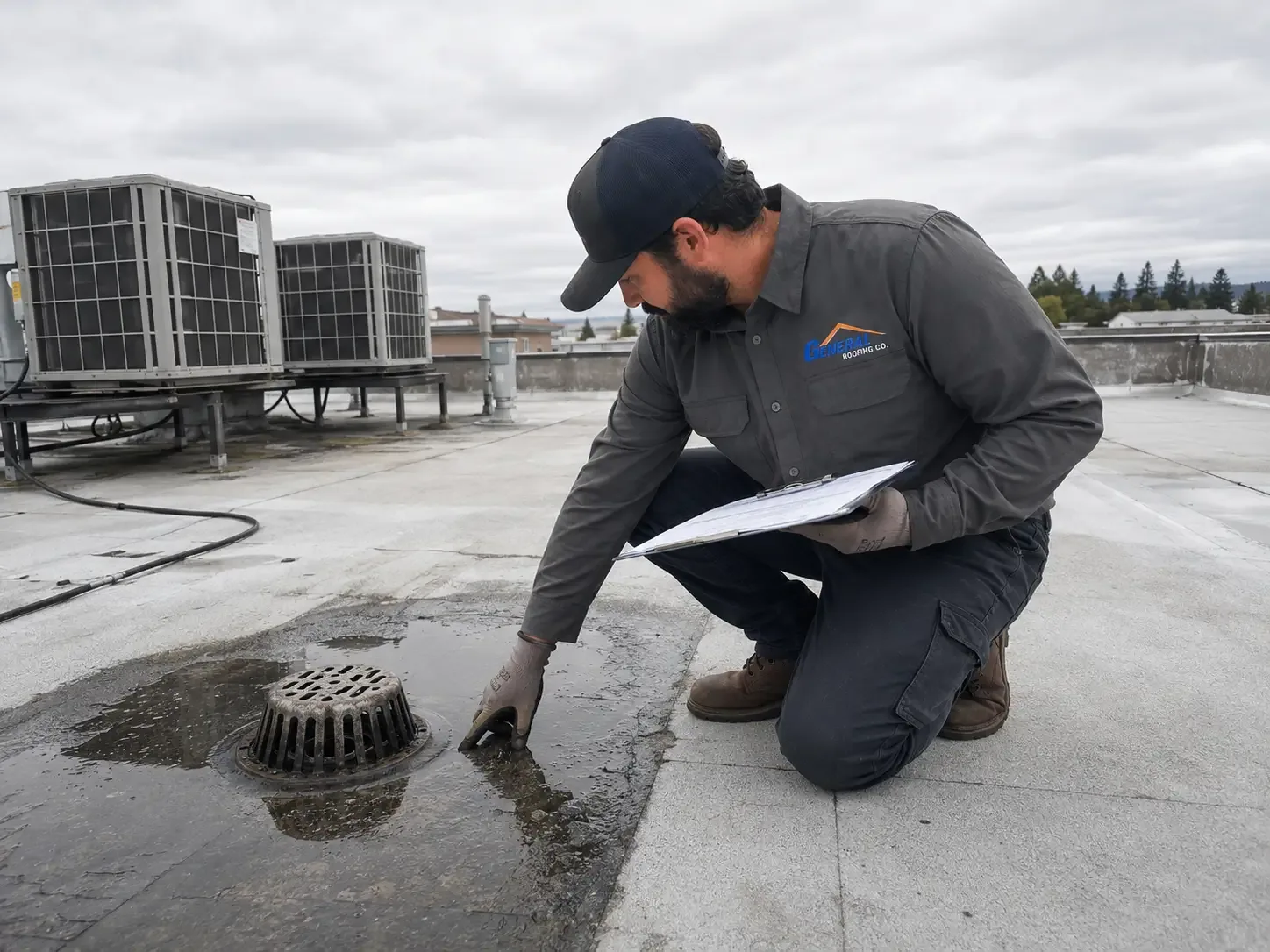
Stamford's NOAA normals show recurring winter snowfall and subfreezing nights. Those seasonal conditions make drainage and terminations useful inspection points after cold weather, especially where water can remain at a low spot. The weather record does not prove damage to a school roof. We check the actual bowl, overflow route, metal edge, and membrane transition. If a drain correction is needed, drain and scupper service addresses the outlet and adjoining sheet, rather than clearing debris while leaving a failed flange in place. We record whether the repaired area ties into the original sheet or ends at a mechanically secured edge.
Portfolio planning: keep building findings separate
A district-wide program can coordinate dates, but the report still needs separate entries for each roof. Assemblies, slopes, curb layouts, and prior repairs vary. We mark visible defects, inaccessible areas, recommended tests, and the repair boundary for each property. A repeated leak location may warrant a closer look, but a pattern should be verified before it becomes a replacement recommendation. The facilities director can compare urgent work with maintenance and capital items without mixing their scopes.
Route 1 connects commercial areas through Greenwich, Stamford, Darien, Norwalk, and Westport. It is a regional corridor, not a substitute for the district's own property list or access plan. When deliveries or lift equipment cross a busy street frontage, the site contact identifies a safe staging area and pedestrian route. We describe those dependencies beside the roof scope. A roof asset record can keep inspection dates and repair histories tied to the correct building as staff and vendors change.
For budget review, the district can separate immediate water-control work from deferred maintenance and planned replacement. We mark the reason for each category, such as an active entry path, aging transition, or area that needs testing. If an inaccessible section remains outside the inspection, it stays listed as open rather than receiving a condition label by inference. The team can then assign follow-up to a building, roof zone, and decision date. That record makes a later capital request easier to reconcile with the work actually completed.
Repair choices: match the assembly
A focused repair may hold when a defect is contained and the adjoining membrane, insulation, and deck remain sound. Repeated seam failure, broad wet insulation, or weak attachment can change that recommendation. A recover adds a new system only when moisture, deck capacity, attachment, drainage, and code conditions support it. Replacement removes the assembly within a defined limit and rebuilds the details. We show those options in the same roof zones so a district can compare what each scope fixes and what it leaves.
At each transition, check that the repair material bonds to the adjoining assembly. We identify the membrane before choosing a patch, weld, flashing, or coating method. EPDM needs different seam preparation from a heat-welded sheet. Where insulation or deck condition may change the project, a test opening can inform a replacement scope before final quantities are set. The written plan records how the roof will be protected, which spaces need interior measures, and what closeout evidence the district receives.
Records: leave a clean maintenance handoff
At closeout, the facilities team should know which roof section was repaired, which drain or curb was addressed, and what adjoining issue remains outside the work. Photos are more useful when they tie to a roof plan. We state where materials were removed, what was installed, and any area that still needs testing. written condition reports can make that handoff easier to use at the next budget review or service call.
Before the walk, share building access rules, school calendar limits, leak reports, prior repairs, and any planned rooftop equipment work. We inspect the assembly and prepare a written repair scope or a larger-system recommendation. For a broader local reference, Downtown Stamford includes a higher-intensity mix of offices, homes, and retail, while each school property follows its own layout and operating rules. public-agency facilities also need distinct roof records, even when the procurement path differs from a district's.
Commercial Roofing Questions
Can roof repairs be scheduled during a school break?
We can review calendar windows, access limits, and the condition driving the work. The roof scope still needs a dry-in and closeout plan for each phase, even when the building is less occupied.
What information helps investigate a classroom leak?
Share the room location, timing, prior ceiling or roof work, and any recurring pattern. We use it to inspect likely roof zones, then follow the membrane and drainage details that could carry water to that room.
How should a district compare several roof proposals?
Use the same building list, roof zones, access assumptions, work limits, and closeout requirements. We identify exclusions and conditions that could change the scope so bids do not compare different amounts of work.
What if testing finds wet insulation beyond the first repair area?
We document the opened area and show where the wet material continues. The district can review the added removal and tie-in before work extends past the agreed limit.
Can one maintenance program cover different school roofs?
A program can set recurring inspections and organize records, but each roof needs its own assembly notes, condition map, and repair history. That keeps a finding on one building from carrying over to another.