A leak log can name the room and miss the roof detail that keeps feeding it. Roof asset management starts with a condition record that ties each observation to a membrane area, seam, curb, drain or edge. In Stamford, CT, a portfolio can include Downtown mixed-use properties and flexible-industrial buildings with office or showroom space. Those uses change access and repair planning. We record the roof condition, open repair items, maintenance history and decision points so the next budget review begins with the same field picture. A photo-supported condition report gives each property a clear starting record.
Condition record: separate observation from recommendation
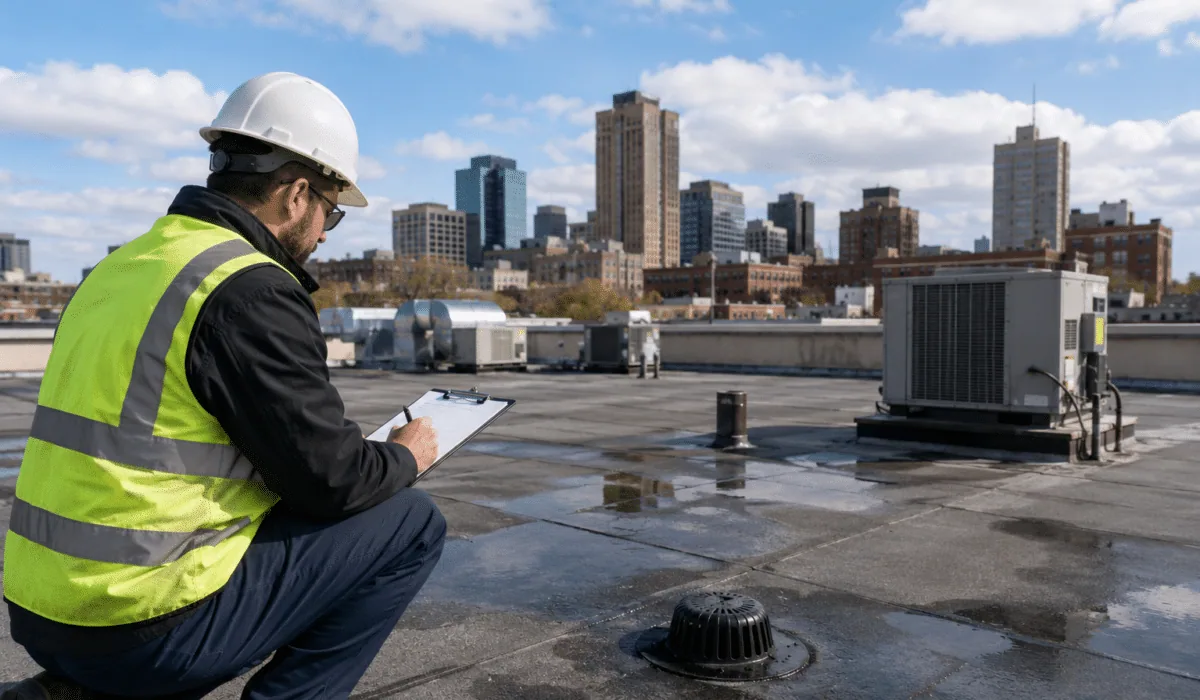
A useful record distinguishes a visible defect from the work it may require. We note where a seam is open, whether a termination bar has released, how a curb flashing meets the field, and whether water is holding near a drain bowl. Each item gets a location, a condition, a recommended next action and a reason the scope may change. A stained ceiling alone does not define the roof repair. The entry should connect the interior report to the likely water path, then leave the repair boundary open until the roof is examined.
That distinction matters when several properties are reviewed together. One building may need a focused repair and a follow-up check. Another may show wet insulation or repeated movement at several transitions. The record should not turn both into the same urgency label. We separate active water entry, developing wear, completed work and items to monitor. Managers can then direct access, notify occupants and compare needs without treating every note as a replacement recommendation.
Portfolio history: keep each repair tied to its roof
Work history loses value when an invoice says only that a leak was fixed. We connect completed work to the roof area and detail addressed, including the material repaired, the visible limit of the work and any condition left for later review. A maintenance visit can update that record with drain cleaning, seam observations and new service items. If a later leak appears nearby, the manager can see whether it follows a known repair boundary or points to a different failure.
Records also help keep site instructions useful. A roof with scheduled equipment service may need a marked access route and a note about protected work areas. When production and office functions share a property, we record operating hours and access routes before planning work across the roof. We record the applicable operating constraints without assuming every building in that category has the same equipment or roof assembly. The actual roof walk decides what belongs in the file.
Review cycle: decide what needs a field check
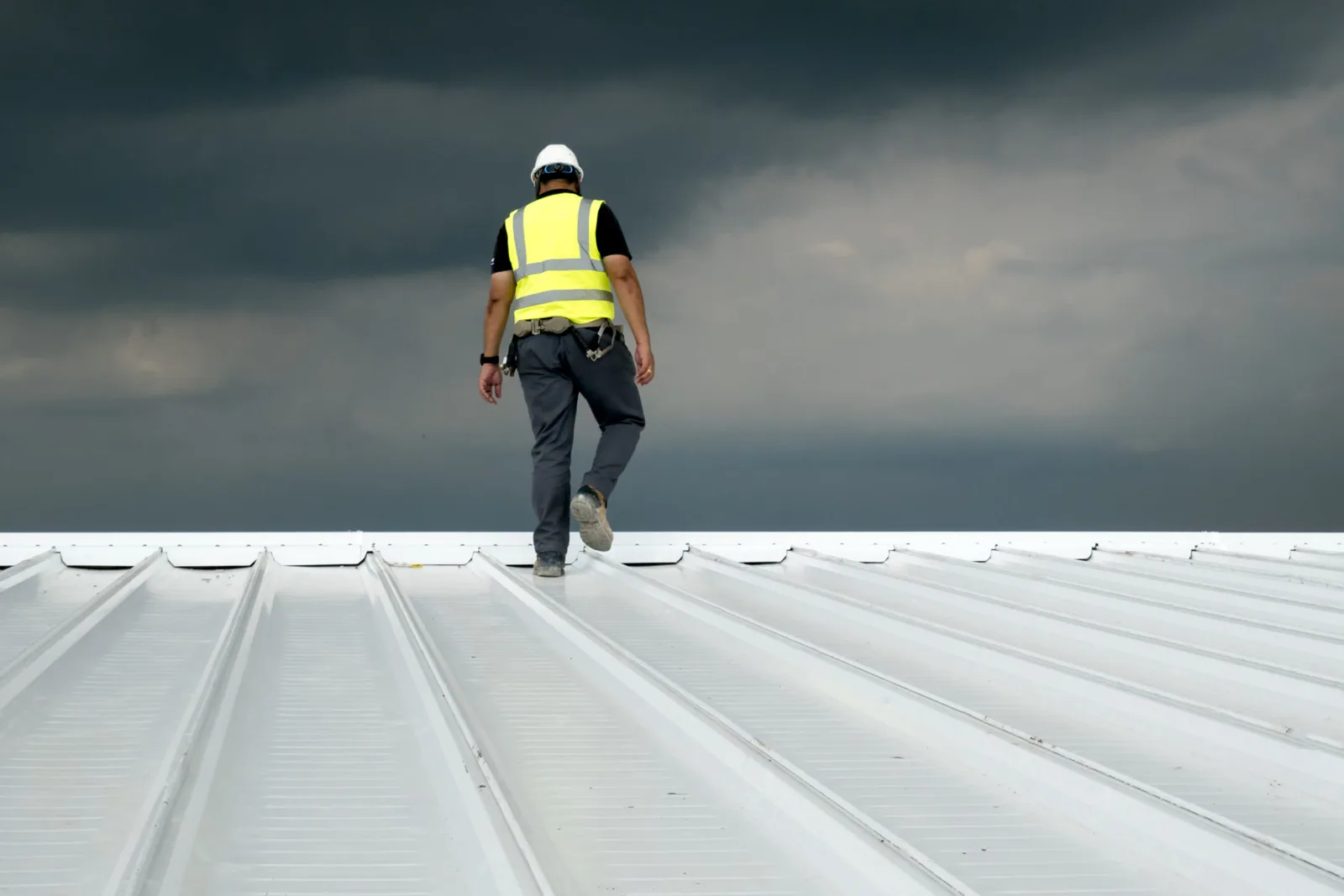
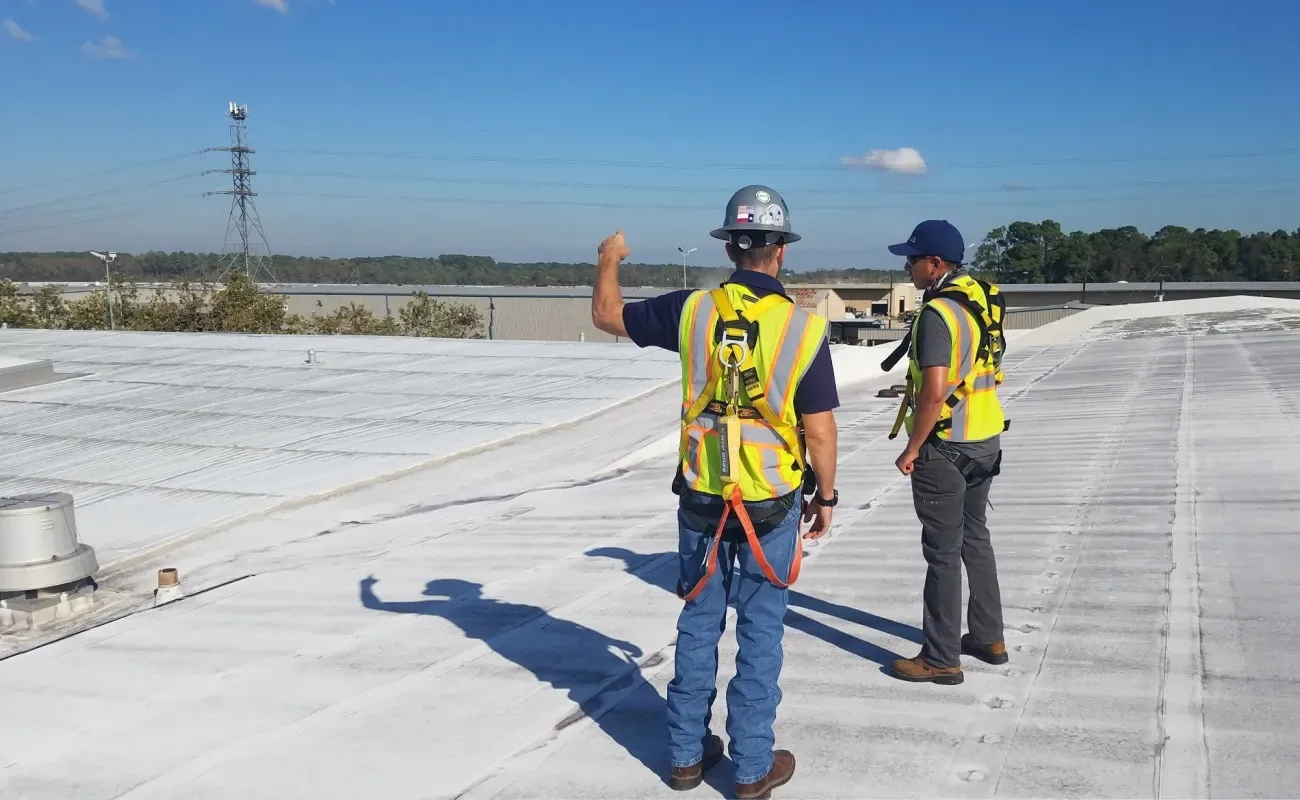
A portfolio review should send attention to a roof condition, not simply repeat the last calendar date. Recent interior water, a patch that has begun to lift, debris at a drain, a curb alteration or a repair that could not be completed all justify another look. We can compare those triggers with prior notes and arrange a roof inspection where the next decision depends on current conditions. A record is not a substitute for seeing a changed seam or testing a repair area.
Stamford has recurring winter snowfall and subfreezing overnight temperatures. That makes freeze-thaw exposure relevant when reviewing drainage, lap edges and terminations after winter. Summer daily highs in the low-to-mid 80s also bring seasonal heat exposure to the roof surface and rooftop equipment. We connect those conditions to the specific assembly observed, rather than marking every property as if it had the same weather damage. The next inspection can focus on details already showing movement or water retention.
Capital view: turn Diligence Notes into a sequence
An asset register becomes useful when it shows which decision comes first. A recurring leak at one curb may need repair now, while worn surfacing elsewhere can be monitored until a broader scope is justified. We group items by roof area, consequence and work relationship, then note what information is still needed. The capital planning review can use those findings to compare a near-term repair with a later recovery or replacement. A recommendation changes when deterioration crosses more than one isolated detail.
Timing also depends on how the roof can be reached and what operations must remain available. Material staging, lift access, weather exposure and coordination with rooftop trades can affect sequence. We mark those constraints by property instead of carrying a generic note through the portfolio. If a repair scope grows after opening a detail, we document the revised boundary and explain which condition changed it. That gives the owner a traceable basis for authorizing work or requesting a larger-system evaluation.
Stamford portfolio: read the building use with the roof
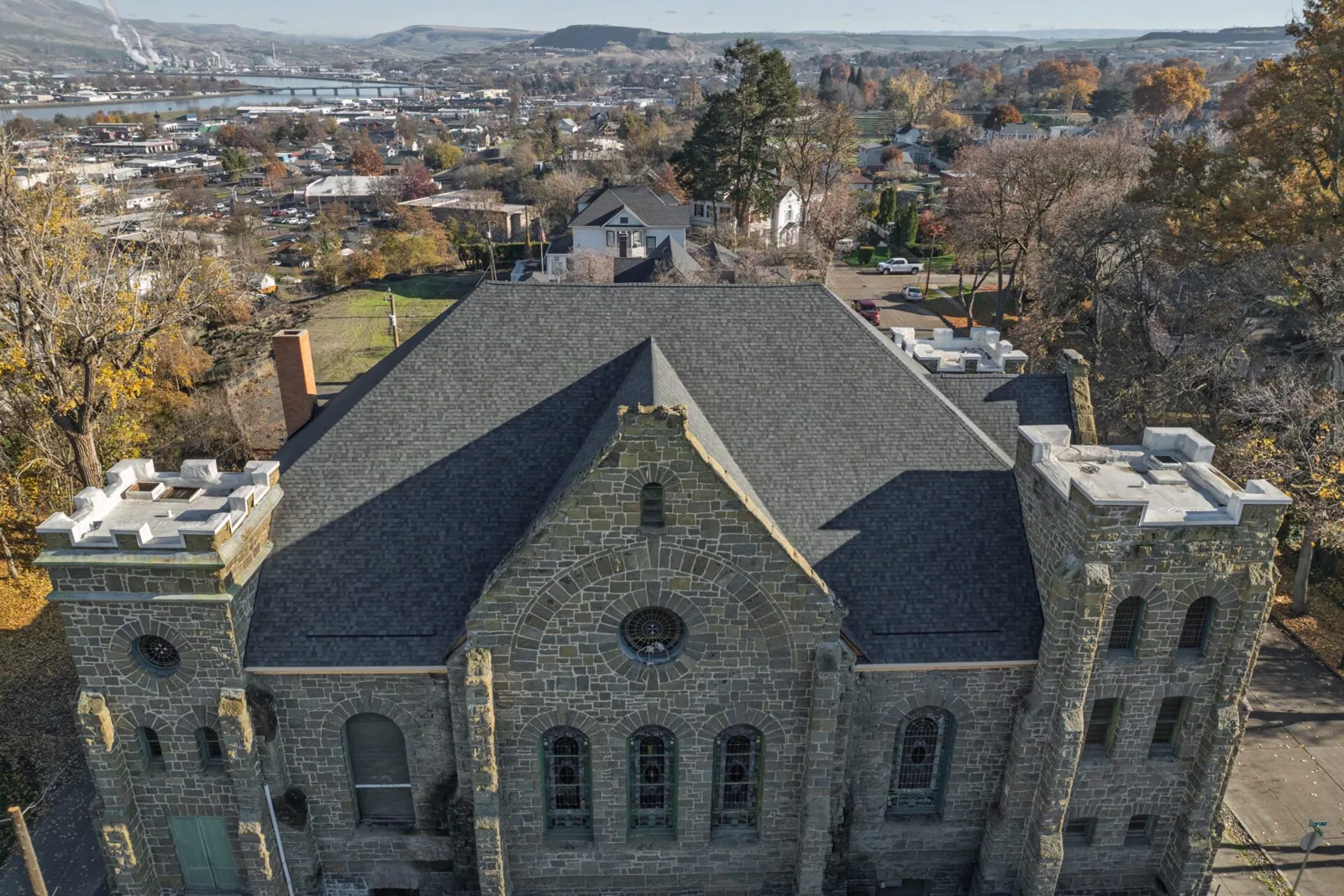
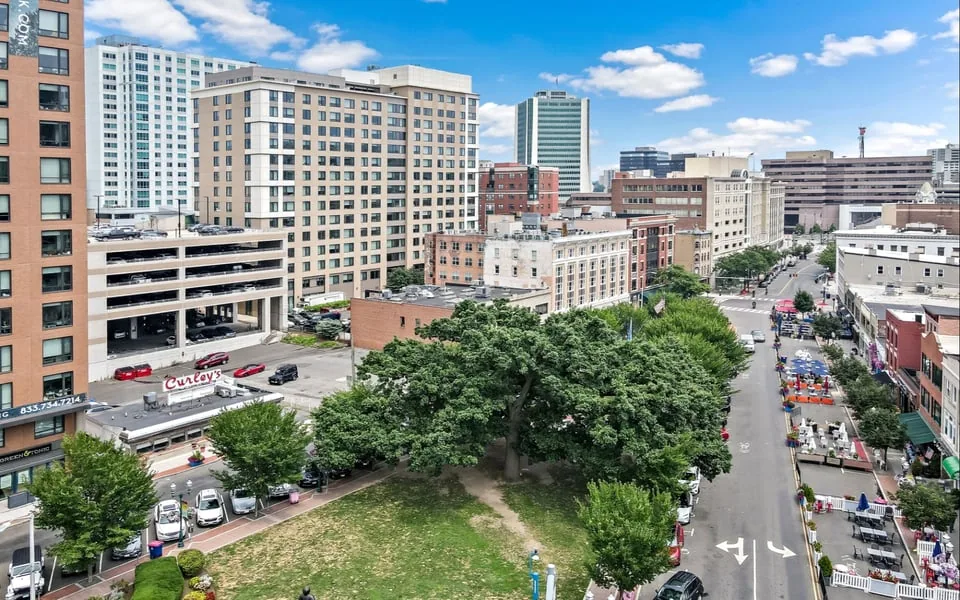
Downtown and South End Stamford bring office, housing and retail uses together. A single roof record can therefore need to account for several uses below it, access rules and a repair window that avoids disrupting daily activity. We verify the installed assembly during the roof walk, then tie the access rules and repair window to that property's operating needs. A Downtown Stamford service visit can add an updated observation when a repair or change in use calls for one.
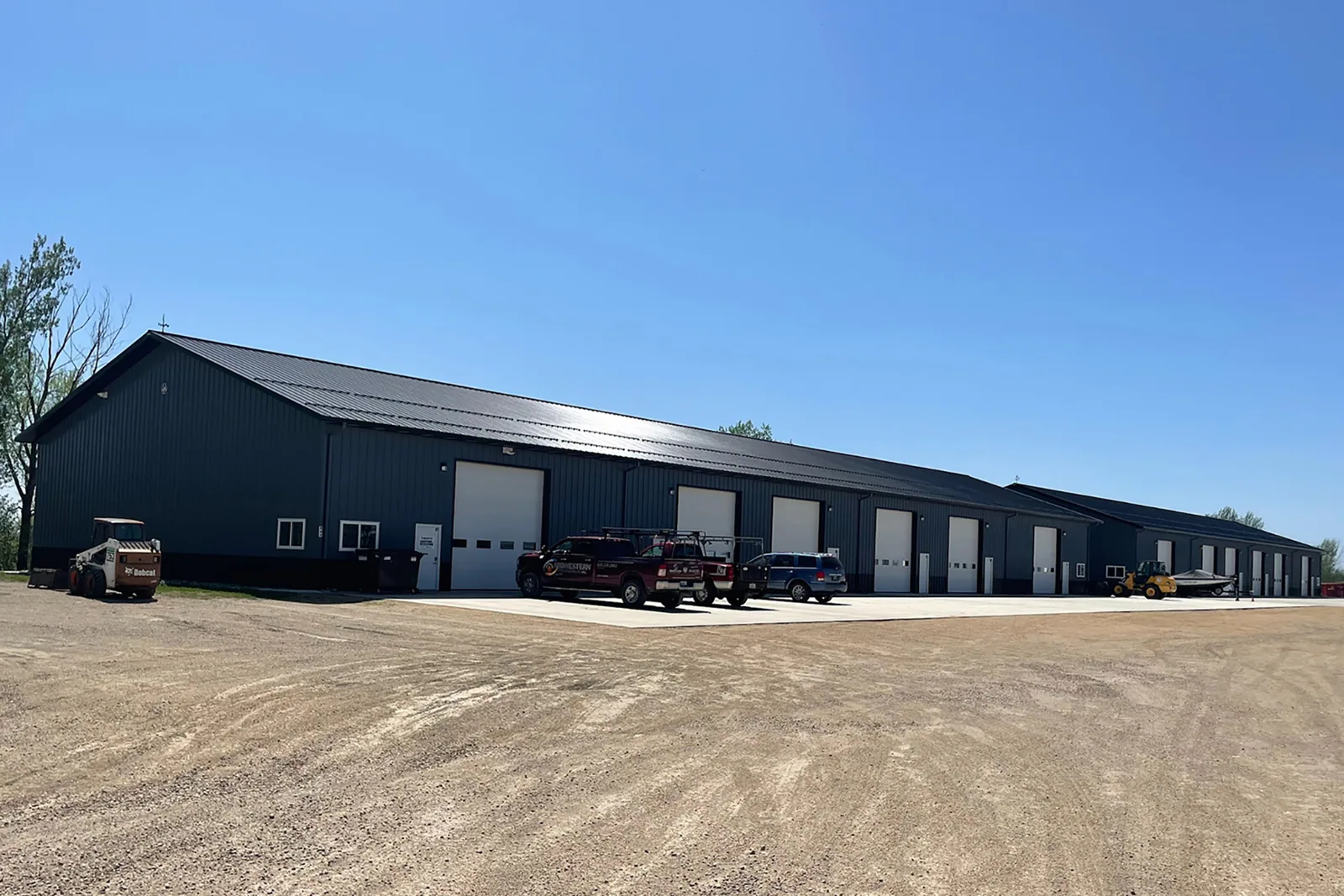
Stamford's flexible-industrial areas allow manufacturing, distribution, maker, and adaptable production uses, sometimes alongside office or showroom activity. We keep the access note tied to the specific building and roof. That range affects how a roof walk is coordinated, but it does not tell us whether a particular building has a wet deck, a specific membrane or a failed seam. We keep those conclusions with the inspection. This gives the owner one record format while preserving the different roof conditions, use limits and repair decisions at each property.
Next action: keep the record usable
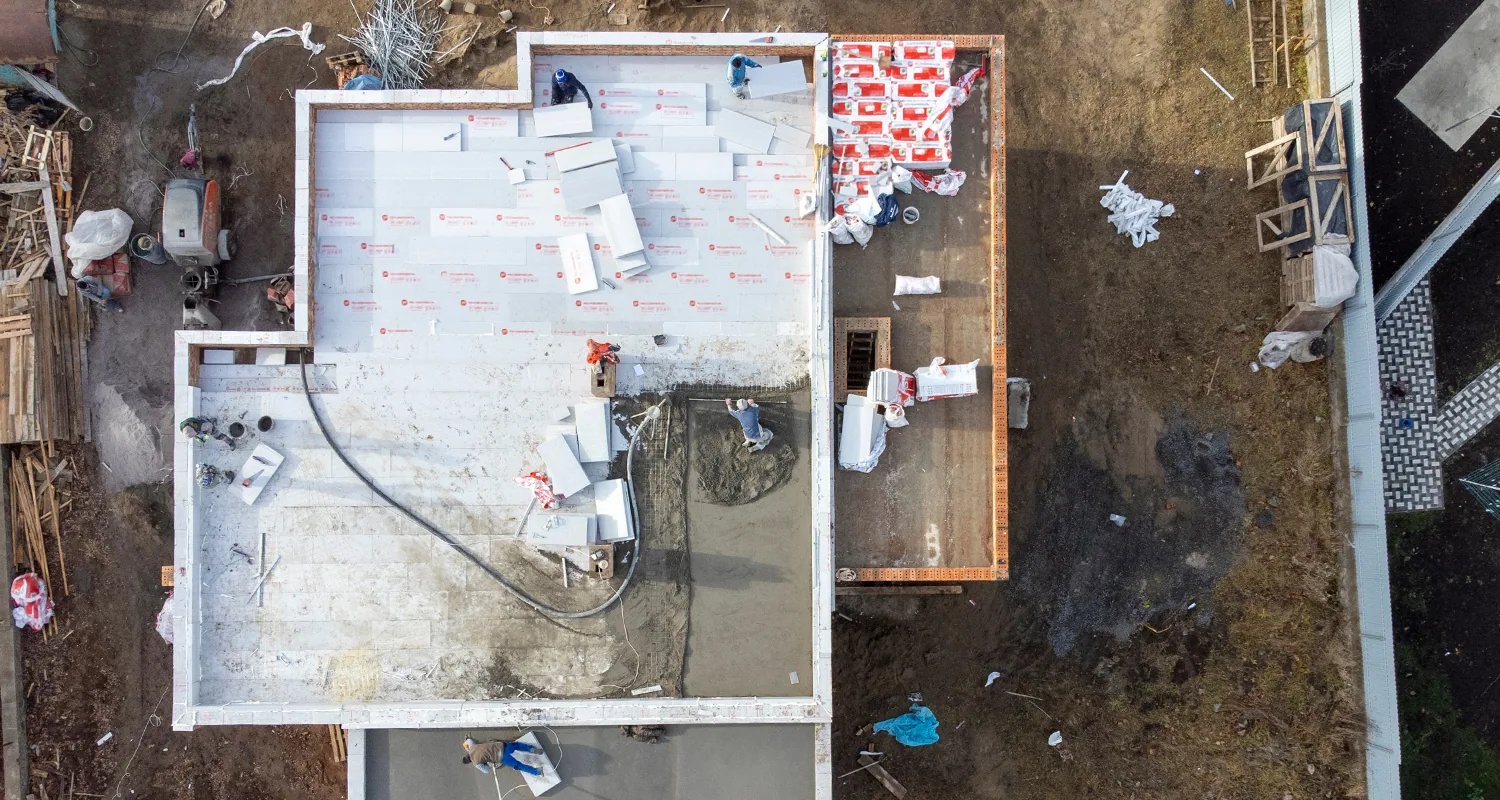
Start with the property list, known leaks, prior invoices, warranties and any access restrictions. We can compare those records with current roof observations and identify missing information before it becomes a budget assumption. A TPO roof and a built-up assembly do not use identical repair details, so the material and condition should be recorded at the property level. If moisture testing is needed, a targeted moisture survey can help define where further evaluation belongs.
The working file should make a decision easier: what was seen, what was repaired, what remains open and what would change the scope. It should not promise that a roof will remain trouble-free or imply that a condition is known before inspection. We update the record after field work and keep each recommendation attached to its evidence. For a portfolio manager, that creates a clearer handoff from service call to maintenance review and capital discussion.
Commercial Roofing Questions
Which inspections, repairs, and open conditions should stay with each roof record?
Record the roof area, assembly when identified, observed condition, photos, repair history, access limits and next action. Keep a recommendation separate from the observation that supports it.
How does a manager compare several properties?
Use the same fields for each property, then compare condition and work need rather than treating every roof as identical. We flag urgent water entry separately from wear that can be monitored.
Can old service invoices replace a roof walk?
Invoices show what was billed, but may not identify the exact seam, curb or drain detail. A current inspection ties the record to the roof condition now visible.
When should an asset record be updated?
Update it after inspections, completed repairs, roof alterations and newly reported water entry. Those events can change the repair boundary or the next review needed.
Can the record support a capital budget?
Yes. It can sort repair items, recurring conditions and larger-system concerns. We connect the proposed sequence to field findings and note what further testing could change it.