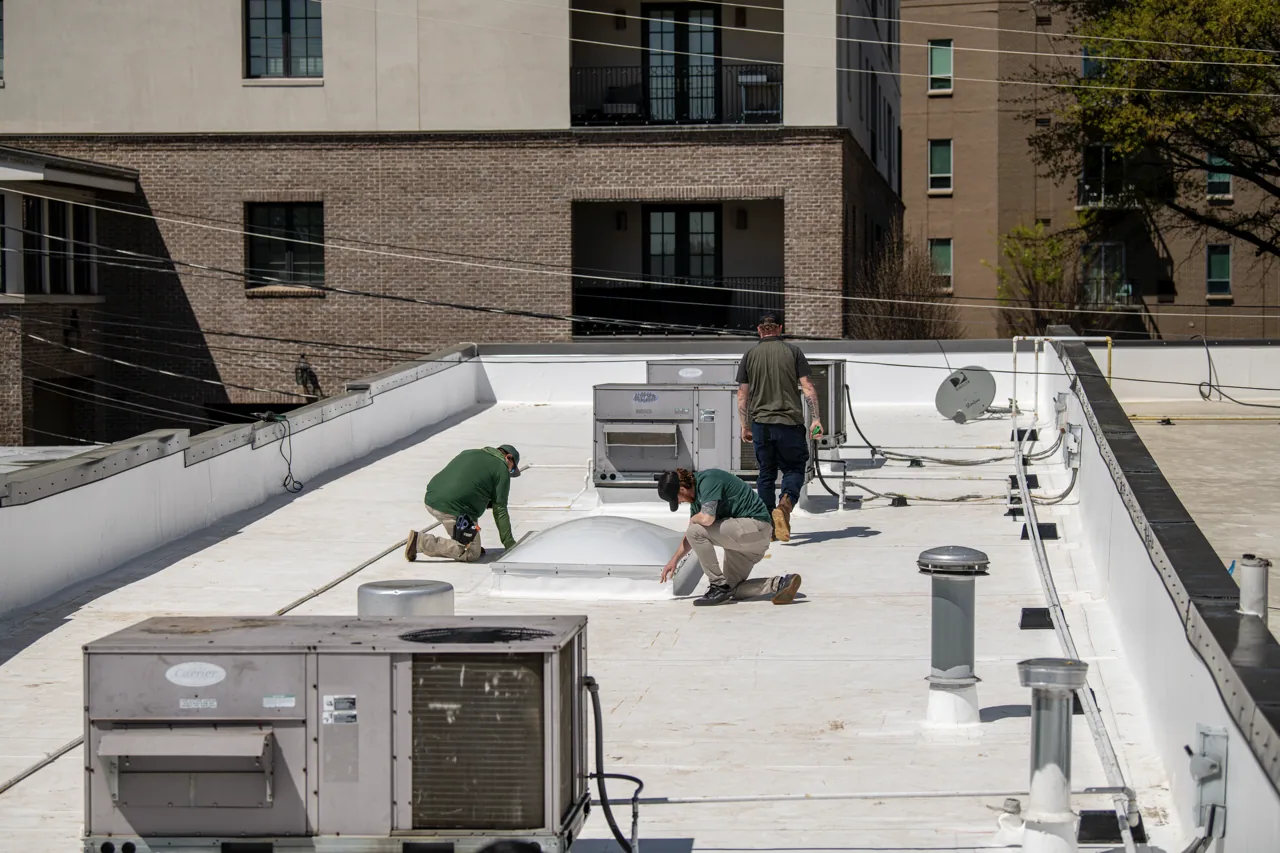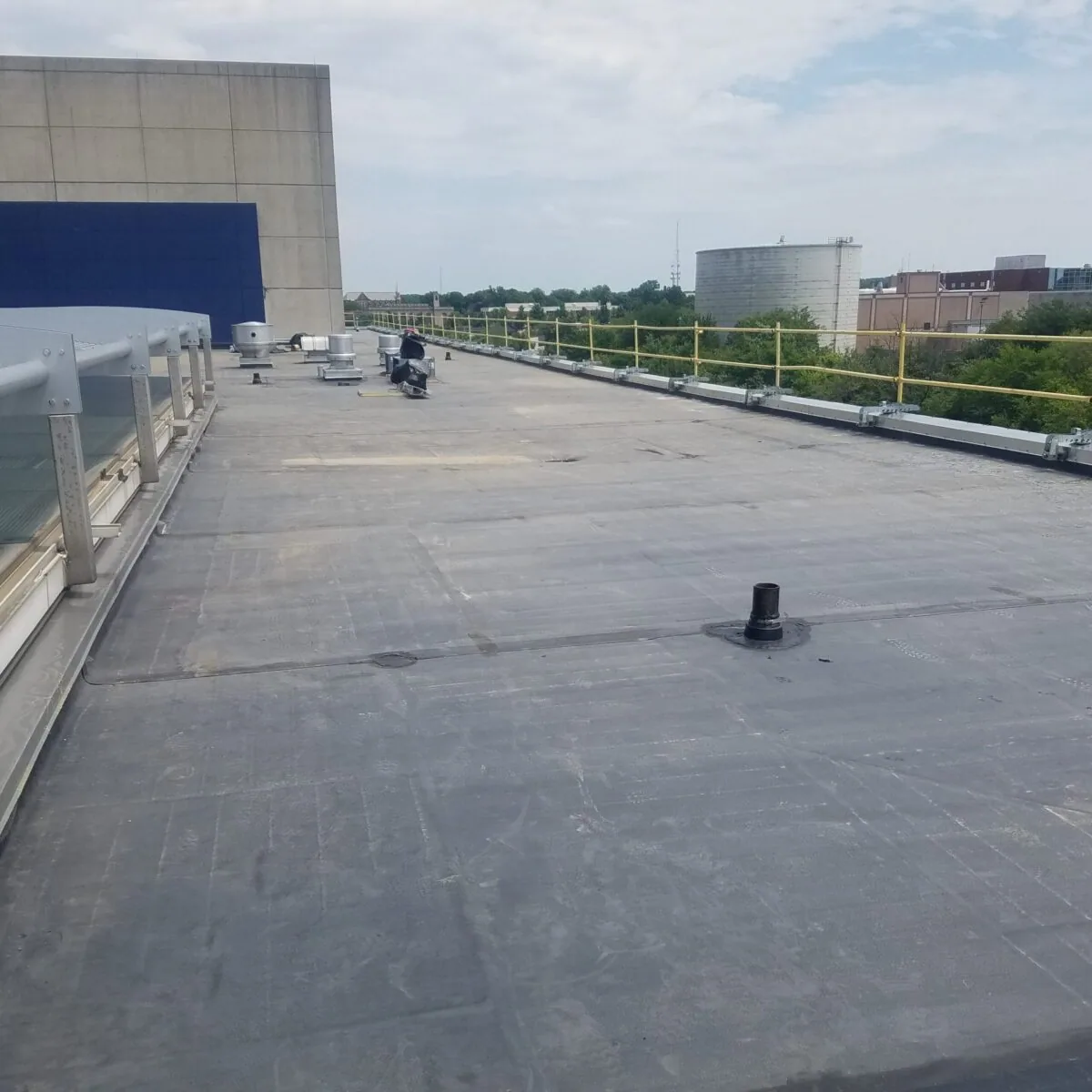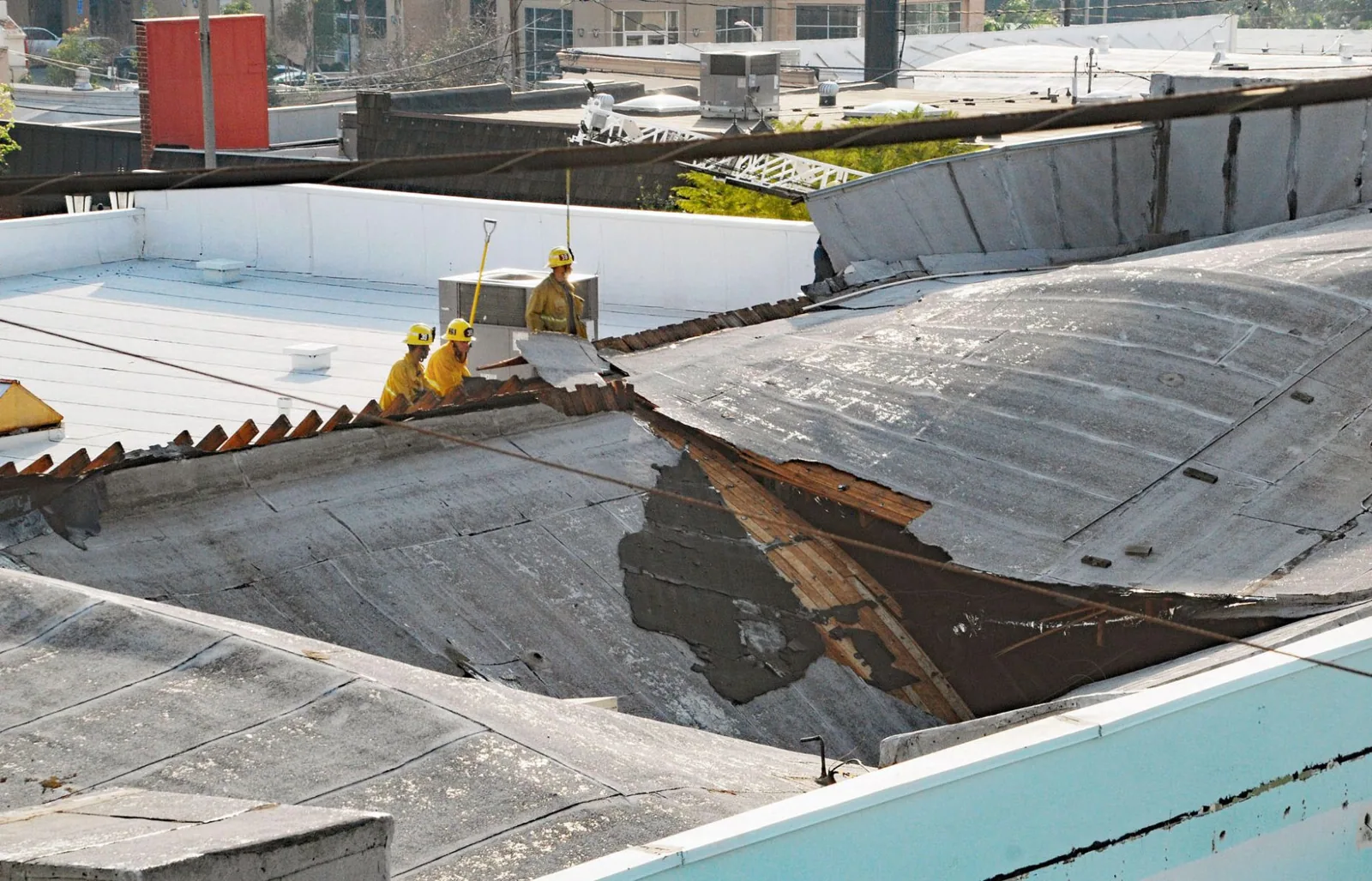
A wet mechanical room needs a roof boundary before the next shift begins. For active water entry, first identify the affected space, whether water is still entering, and who can authorize access. We first confirm the affected space, whether water is still entering, and who can authorize access. The commercial leak response traces the roof-side path from the ceiling mark to the likely opening. A call should include the address, safe roof-access route, active water location, and any building restriction that cannot wait. That information helps us prepare suitable temporary materials and coordinate with the person responsible for the affected area. We distinguish a new opening from a recurring leak and set a follow-up boundary for permanent repairs.
First moves: protect people, equipment, and access
Move sensitive equipment or stock away from active water when it is safe. Mark the interior area and keep people clear of wet electrical equipment or falling material. If a ceiling is bulging, debris is falling, or water is near energized equipment, keep the area clear and involve the building's safety lead. Once the interior route is safe, the roof-side inspection can focus on the seam, curb, drain, or edge detail that may be carrying water. An inspection identifies the immediate repair zone. The person reporting the leak should note when it began and whether rainfall, wind, equipment use, or a recent roof repair preceded it. Those details help distinguish a new opening from a recurring path without delaying necessary safety steps. If water is near energized equipment, do not touch the equipment; keep the area clear and have the building safety lead manage isolation. A photo taken from a safe indoor position can help identify the affected room without sending staff onto a wet roof.
Temporary cover: control entry while conditions are active
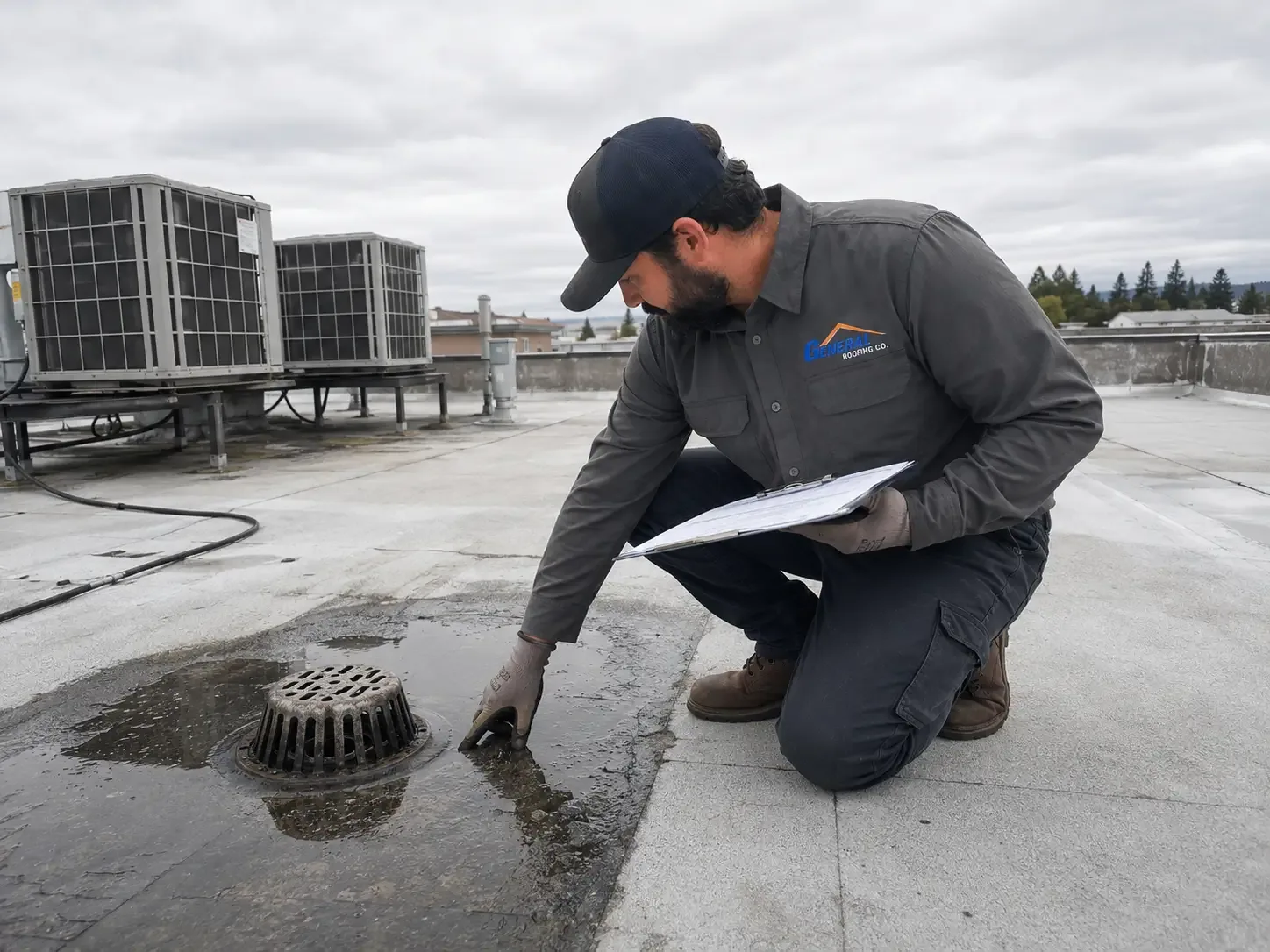
A tarp or temporary patch is intended to limit water entry until permanent work can proceed. We confirm whether the membrane and attachment surface can accept temporary material, then choose a method suited to the roof's wind exposure and available sound area. Water needs a clear route to the drains; protection should not redirect runoff toward another opening. Where drainage contributes to the entry, drain and scupper work may be part of the immediate scope. Loose material or saturated insulation can prevent secure attachment. If roof conditions or weather make placement unsafe, we focus on interior protection and explain what must change before roof work can proceed. The temporary measure is recorded with its limits and the permanent repair required. We note where the protection begins and ends, which materials are secured, and whether it can remain in place through the next weather period. The chosen attachment must not tear sound membrane or rely on a loose surface.
Dry-in: close the exposed section before leaving
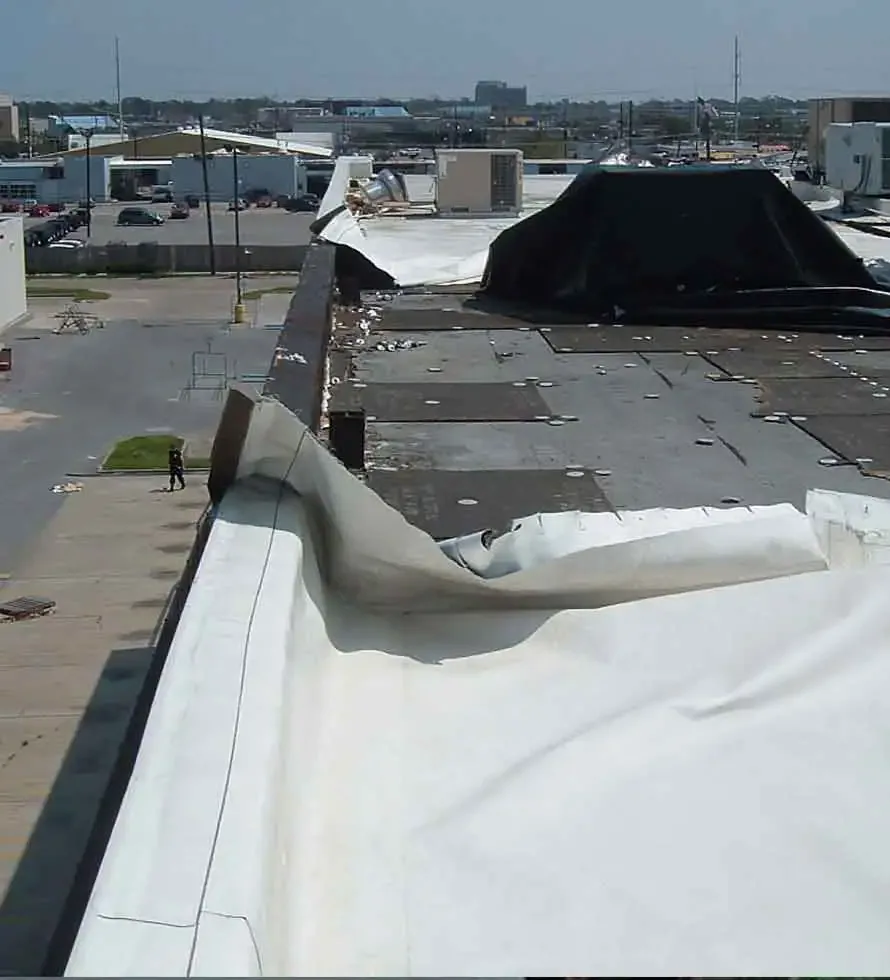
If wind has exposed insulation or deck, the dry-in closes that opened assembly. We remove loose material only where safe, protect exposed layers, and secure the closure to a sound boundary without concealing unresolved damage. We mark the edge and photograph the section so permanent work returns to the same location. After closure, a wind damage assessment can define the remaining repair. If access or weather prevents a secure close, we state which area remains vulnerable and the next safe step. The closure should direct water toward a working drain rather than trap it at a curb or wall. We photograph the finished edge and note any exposed layer that still needs permanent reconstruction.
Permanent repair: replace emergency cover with a real detail
Once the active entry is controlled, we return to test the repair area and adjacent material. Wet insulation may need to be dried or removed. A damaged lap, curb corner, or termination needs compatible materials and a sound substrate. We record what was protected, what remains exposed, and what needs permanent work. Permanent work may be a commercial roof repair or replacement work, depending on how far damage extends beyond stable material. The temporary measure is not presented as a permanent membrane repair. We identify the membrane type, check whether water has moved beneath it, and select repair materials that suit the existing assembly. A permanent fix may need removal of wet insulation or replacement of a damaged section before the seam is restored. We explain each part that changes the repair scope, so the owner can approve work on the condition found rather than on the temporary cover alone. Before applying permanent materials, we prepare a stable, suitably dry surface and identify any insulation or deck that was removed or rebuilt.
Building coordination: keep the response useful
Emergency roofing can affect tenants, equipment, service doors, and loading routes. We ask which activity must continue and identify a safe path around the affected area. We also work in Harbor Point, a broad district within Stamford's South End, where an authorized contact confirms roof access and the work boundary. Glenbrook is a named Stamford neighborhood; there we confirm the material route and operating limits with the building contact before opening the roof. Where retail, office, residential, or service uses share a site, we coordinate any temporary restriction with the person managing the affected space. If rooftop equipment needs to stay in operation, we identify safe clearance around its curb before permanent work. The closeout goes to the designated contact so follow-up can be arranged from the documented roof condition.
After the call: document the remaining work
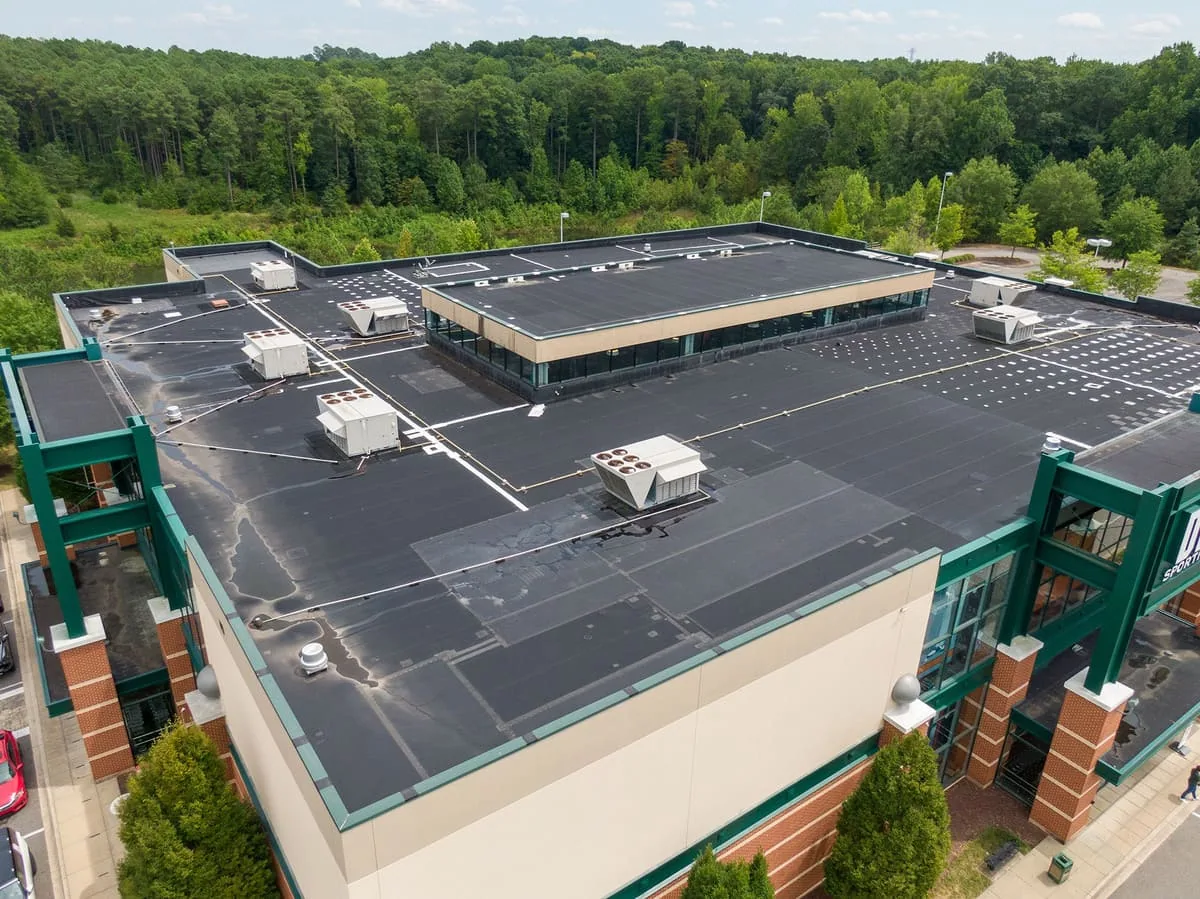
A temporary closure should leave a record: leak location, roof area protected, materials used, conditions still visible, and the permanent work required. Photos can show the edge of the temporary area and the adjacent seam or curb. If weather prevents a complete inspection, the report should state what could not be reached and the next safe inspection step. A roof condition report helps the property manager track that follow-up. If recent service records show the same entry point, we compare them with current conditions rather than assuming a prior patch remains sound. The closeout also says whether the temporary cover is still in place and whether it needs a separate removal visit. Maintenance staff can use that record to keep the area clear and report any new water. We identify the permanent repair decision and any condition that could change it, such as wet insulation beyond the visible opening or a damaged edge that extends past the temporary closure. The closeout gives the next crew the roof area, temporary boundary, and access contact in one record.
Commercial Roofing Questions
How is an emergency roof assessment scoped?
The assessment identifies the affected area, whether water is still entering, roof-access and safety limits, and details that may be allowing entry. If conditions allow, temporary measures can limit further water entry. Permanent work follows after the assembly is checked; wet or damaged material may change the scope.
Will a tarp permanently repair my roof?
No. A tarp or temporary closure helps control water entry until we can repair the membrane and supporting details. We record the protected area and return to evaluate the substrate, wet insulation, seam, curb, or edge that still needs permanent work.
What should building staff do before the crew arrives?
Keep people clear of wet electrical areas, protect movable equipment if safe, and identify the affected room and roof access route. Share the contact who can authorize entry and any operating restrictions. Those details help us reach the right roof area without delaying the immediate assessment.
Can you work while a Stamford property remains open?
We coordinate access and the work zone around the building's operations where conditions permit. The response plan identifies any area that needs to be isolated and the time required for roof access. Active water and safety conditions determine what must happen first.
After temporary protection is placed, what findings set the permanent repair scope?
We document the temporary measure, inspect adjacent roof details, and prepare a permanent repair scope. If wet material or a wider failure changes the repair boundary, we explain the finding and compare the larger options. The property team receives a record of what remains open.