
Service
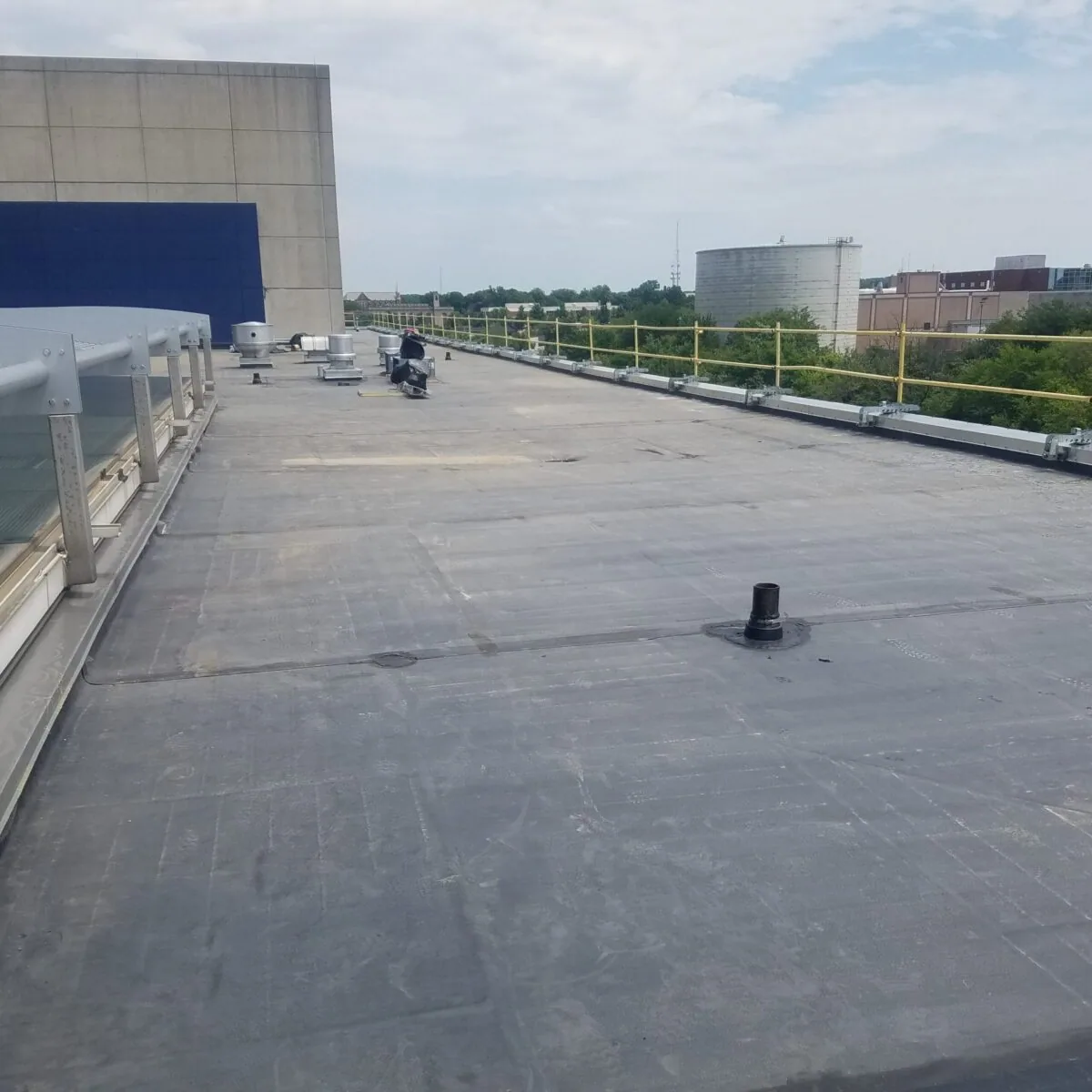
Commercial Roof Replacement
Replace a commercial roof in Stamford with a scoped tear-off, dry-in plan, and system choice tied to the deck, drainage, and building schedule.
Learn moreWater at a ceiling does not tell you whether the roof needs a patch or a larger scope. In Stamford, CT, we inspect the membrane, edge, curb and drain around the reported area, then show where the repair can stop. Downtown and the South End include mixed-use commercial buildings, while other city areas have different property patterns. The assembly decides the work, not the neighborhood label. We repair, replace, recover, restore, inspect and maintain commercial roofs, with a written scope that names the material and boundary. Commercial roof repair starts with the failure point.
Service
Replace a commercial roof in Stamford with a scoped tear-off, dry-in plan, and system choice tied to the deck, drainage, and building schedule.
Learn more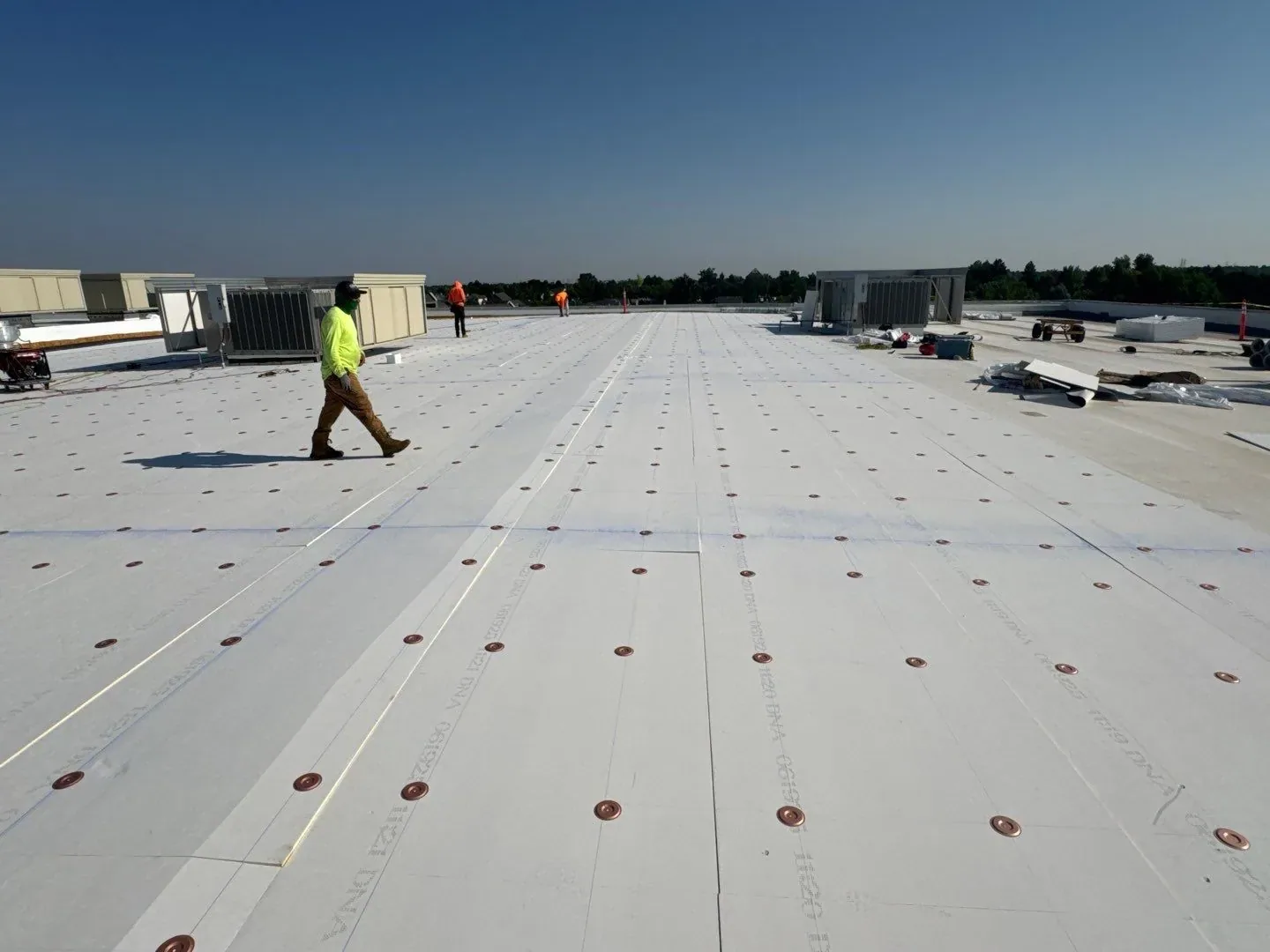
Service
Evaluate a commercial roof recover in Stamford against moisture, deck, attachment, and permit conditions before adding a new roof layer.
Learn more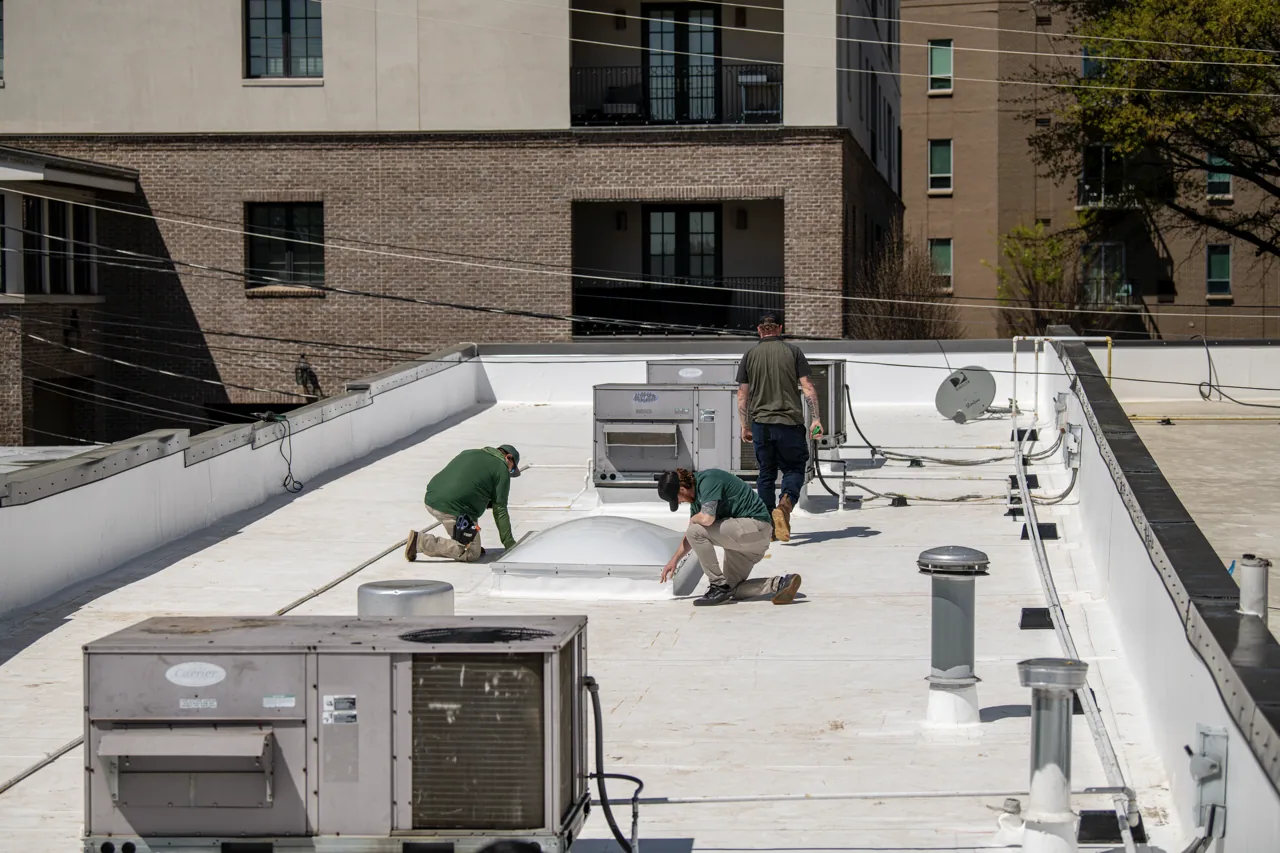
Service
Repair commercial roof seams, flashing, drains, and membrane damage in Stamford with a written boundary tied to the leak path and roof condition.
Learn more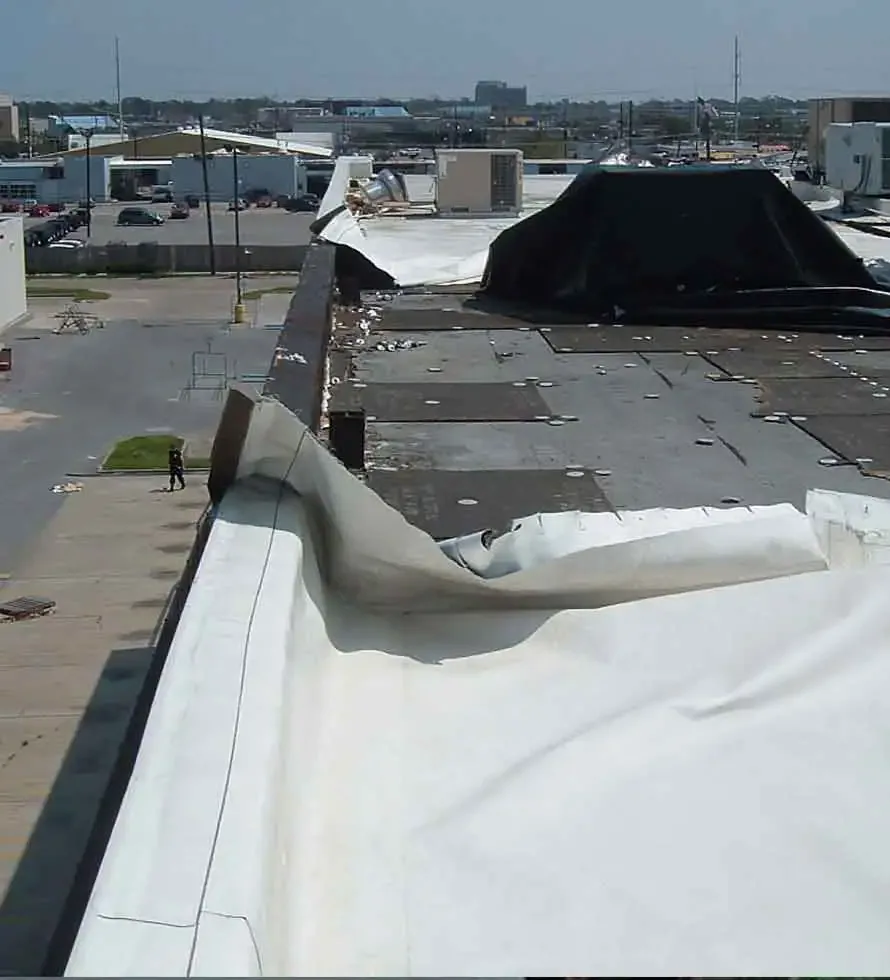
Service
Trace and repair commercial roof leaks in Stamford by checking the water path at seams, curbs, drains, and edges before setting a written scope.
Learn more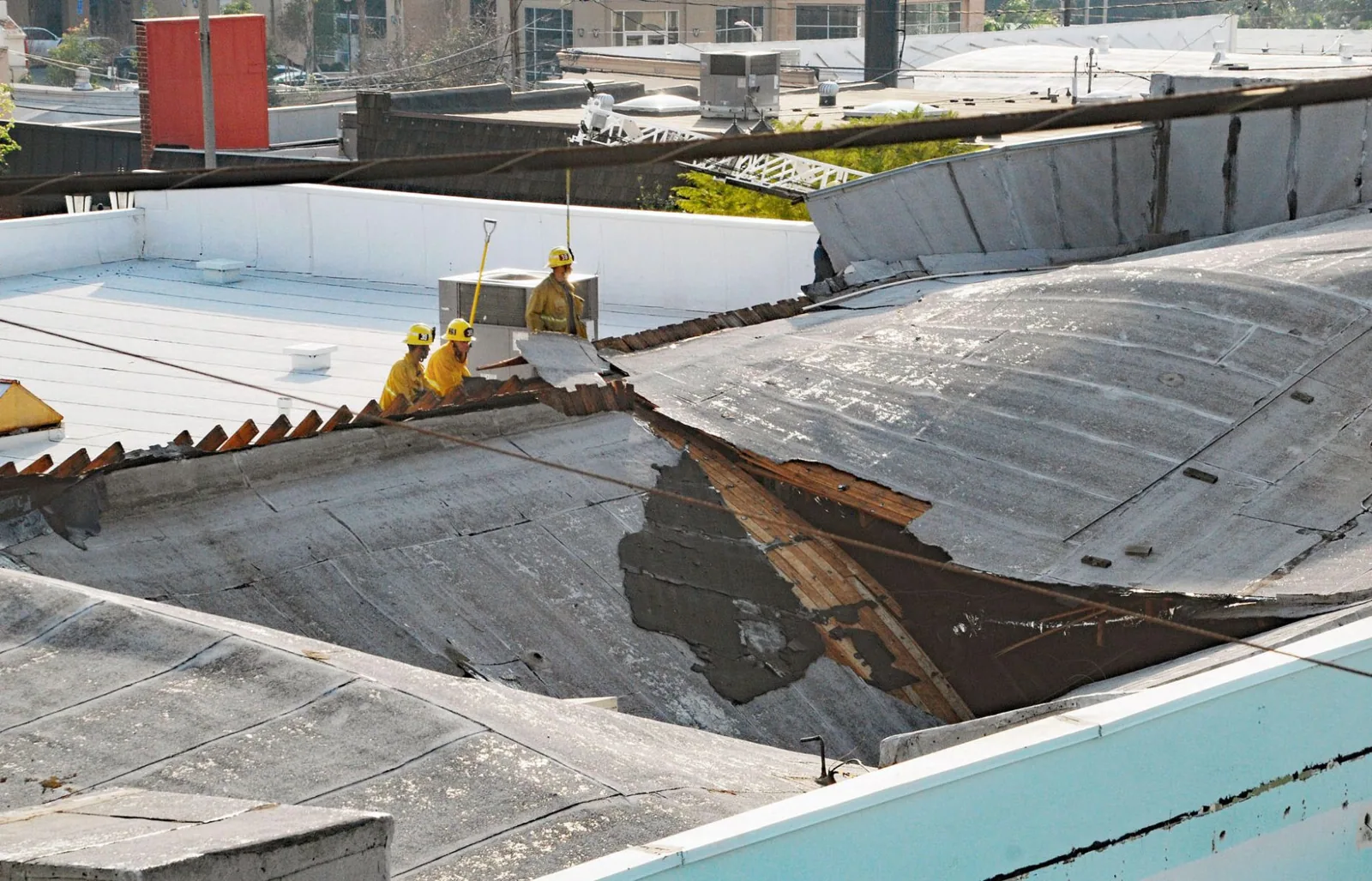
Service
Get around-the-clock emergency commercial roof response in Stamford, including leak tracing, temporary protection, tarping, and a permanent repair scope.
Learn more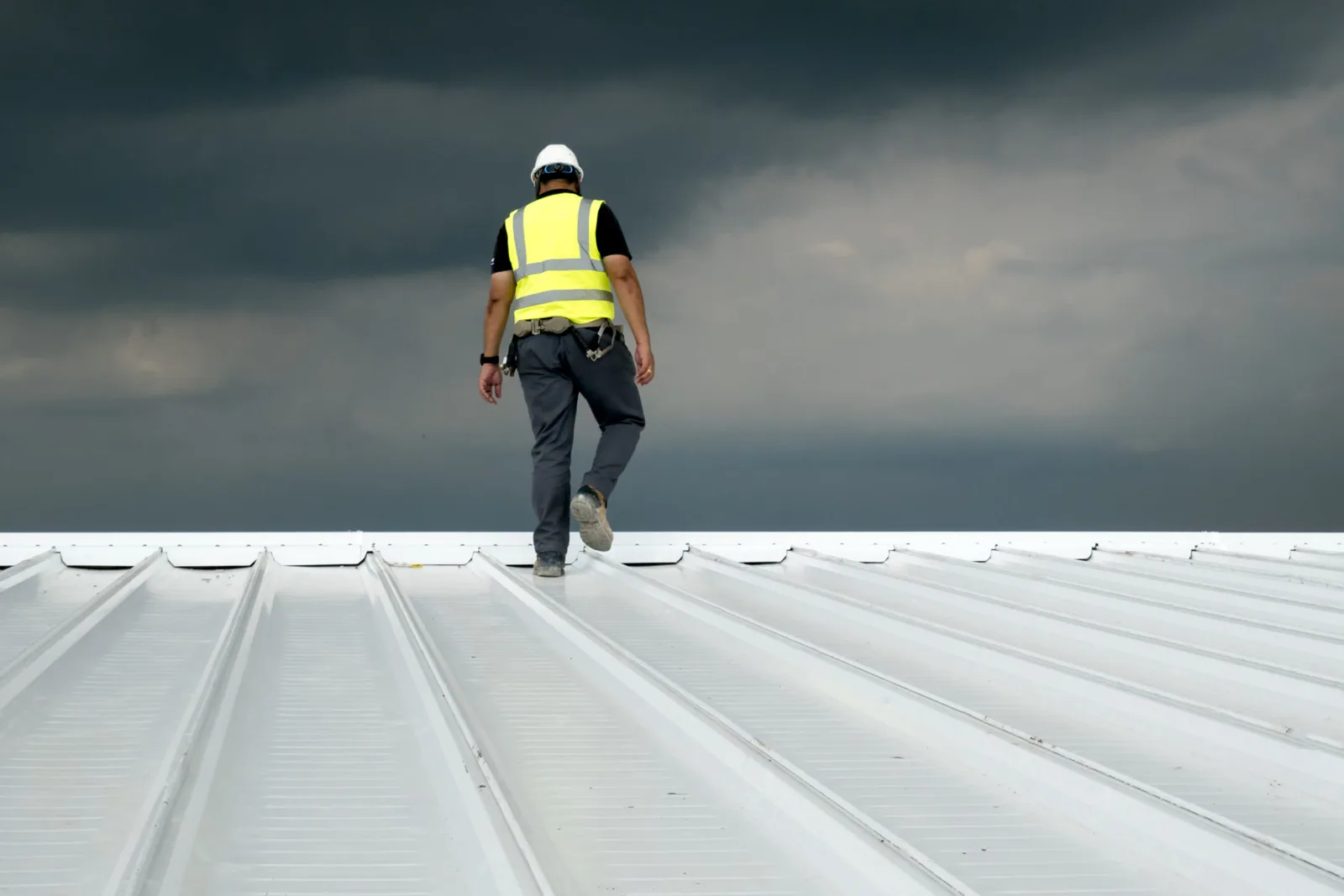
Service
Inspect a Stamford commercial roof for seam, curb, drain, edge, and moisture conditions, with photos and findings tied to repair and planning decisions.
Learn more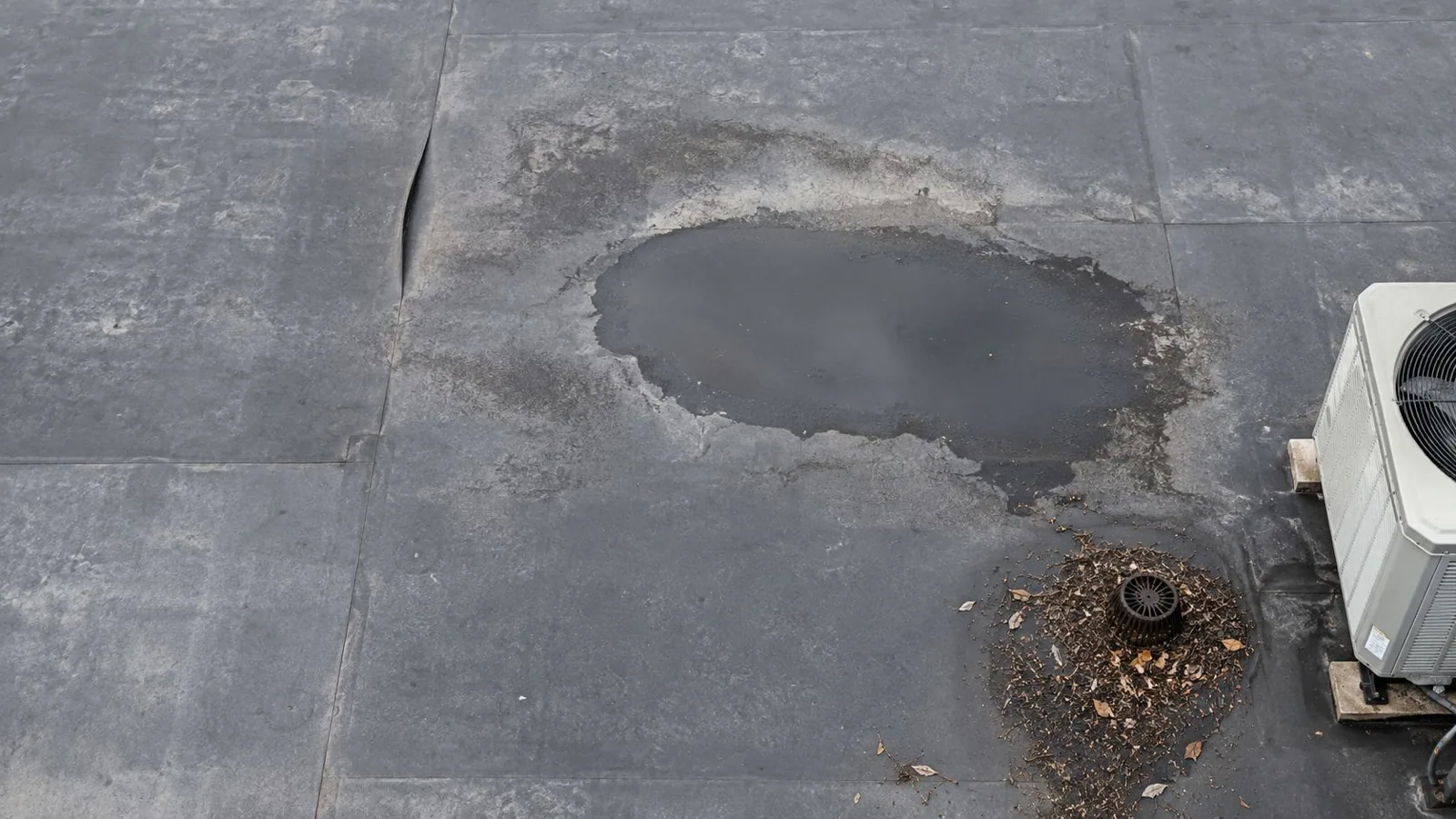
Service
Capture drone images of Stamford commercial roofs to review broad field conditions, locate visible details, and plan hands-on follow-up where needed.
Learn more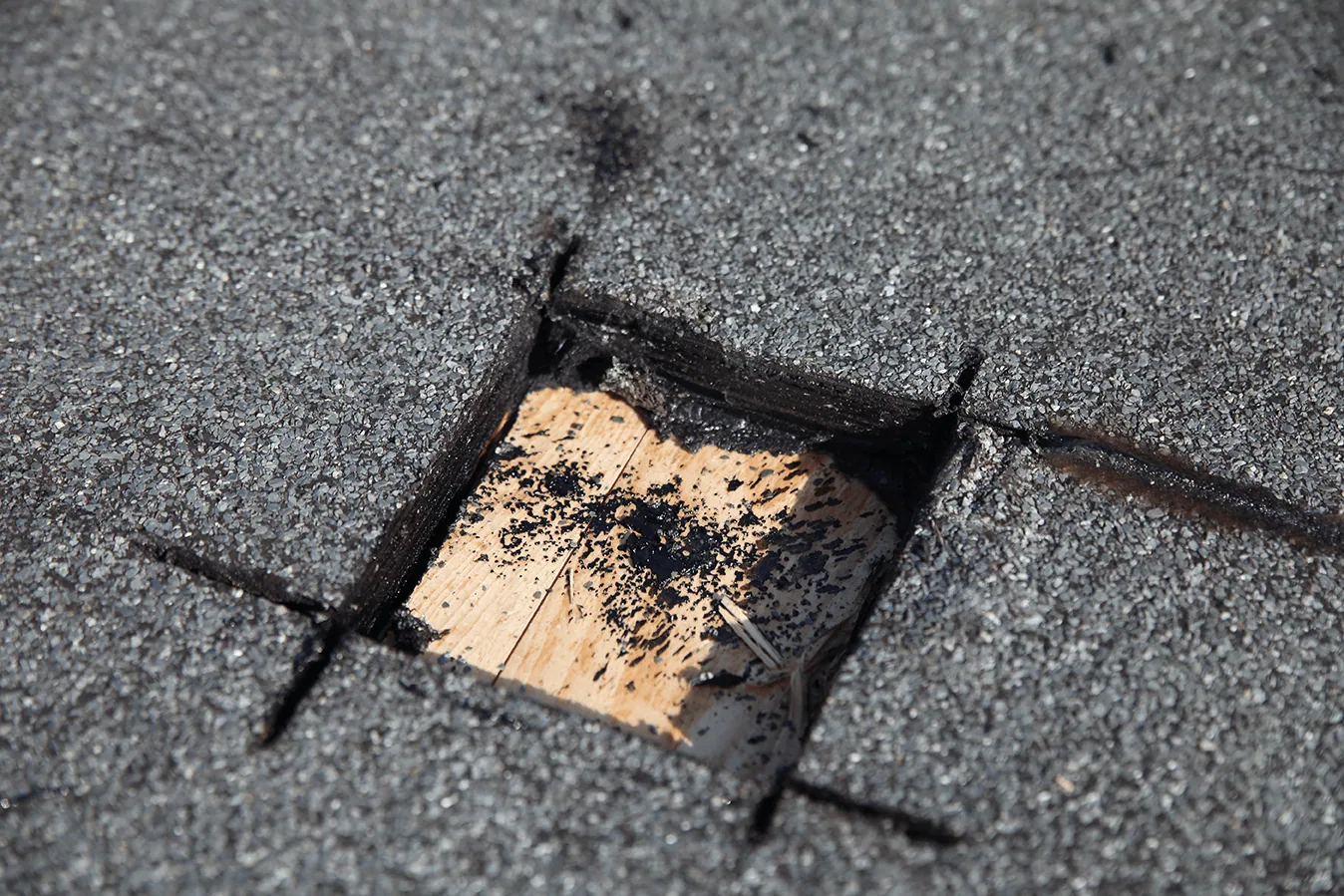
Service
Use infrared imaging and selective core cuts to investigate suspected roof moisture in Stamford and set a repair, recover, or replacement boundary.
Learn more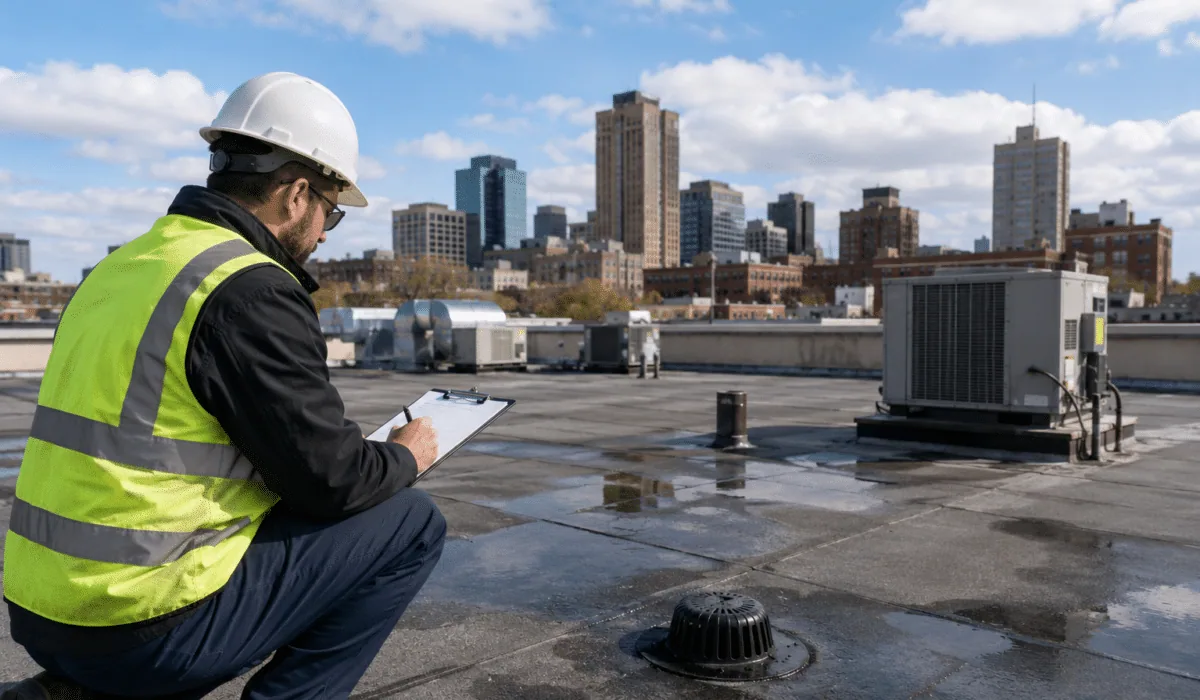
Service
Preventive roof maintenance in Stamford tracks drains, seams, curbs, and repairs so building teams can address wear before it reaches interiors.
Learn more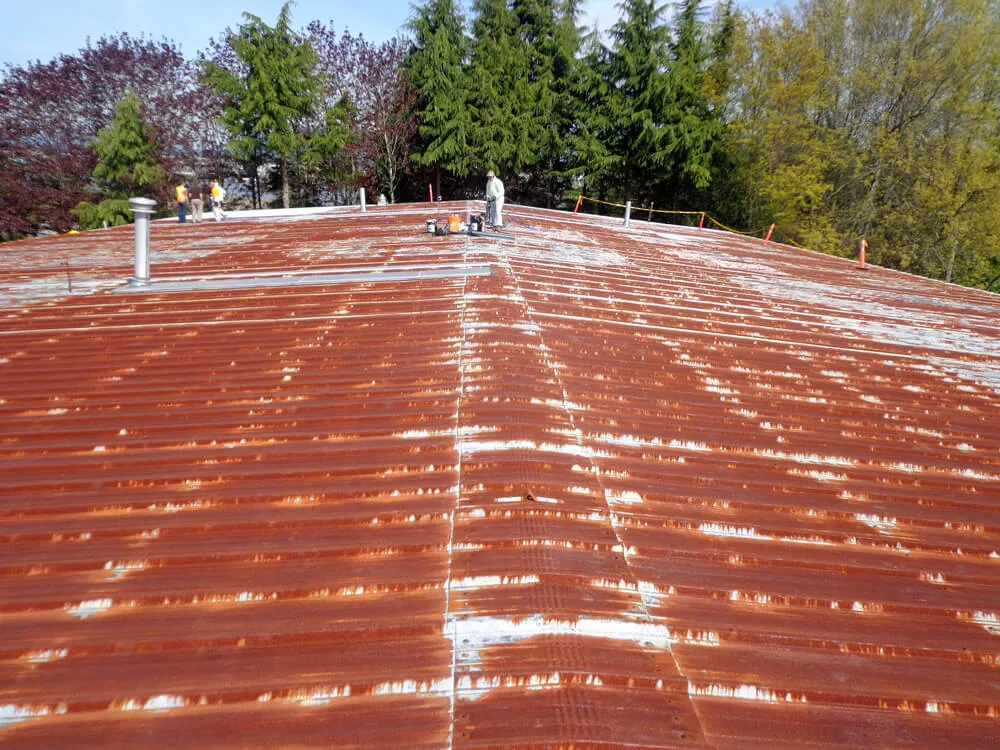
Service
Commercial roof coating in Stamford starts with substrate and seam checks, then matches surface preparation and system choice to the roof's condition.
Learn more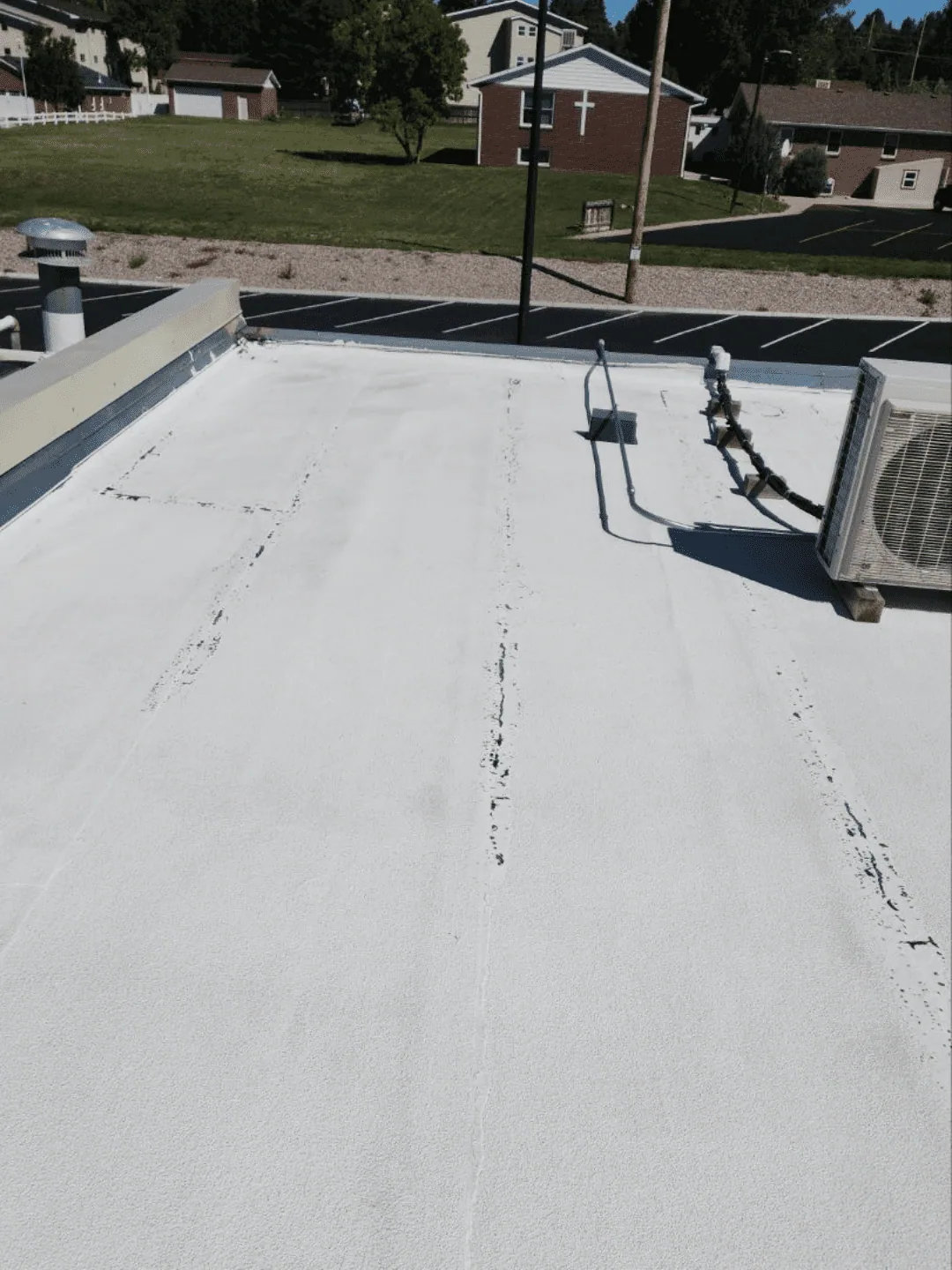
Service
Storm damage roof repair in Stamford begins with a safe inspection of seams, edges, drains, and interior evidence before the repair boundary is set.
Learn more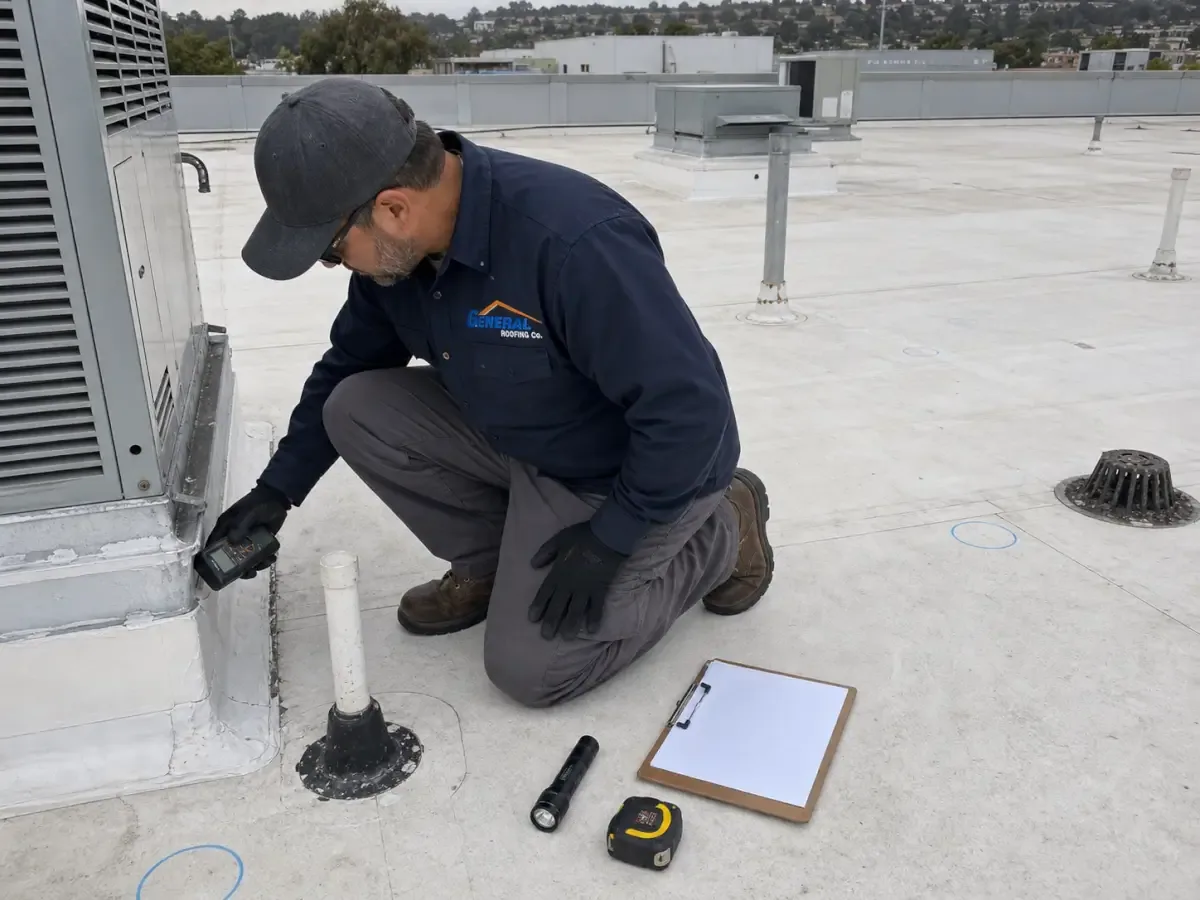
Service
Prepare a Stamford commercial roof claim with documented damage, repair boundaries, roof conditions, and a clear scope for work the assembly supports.
Learn more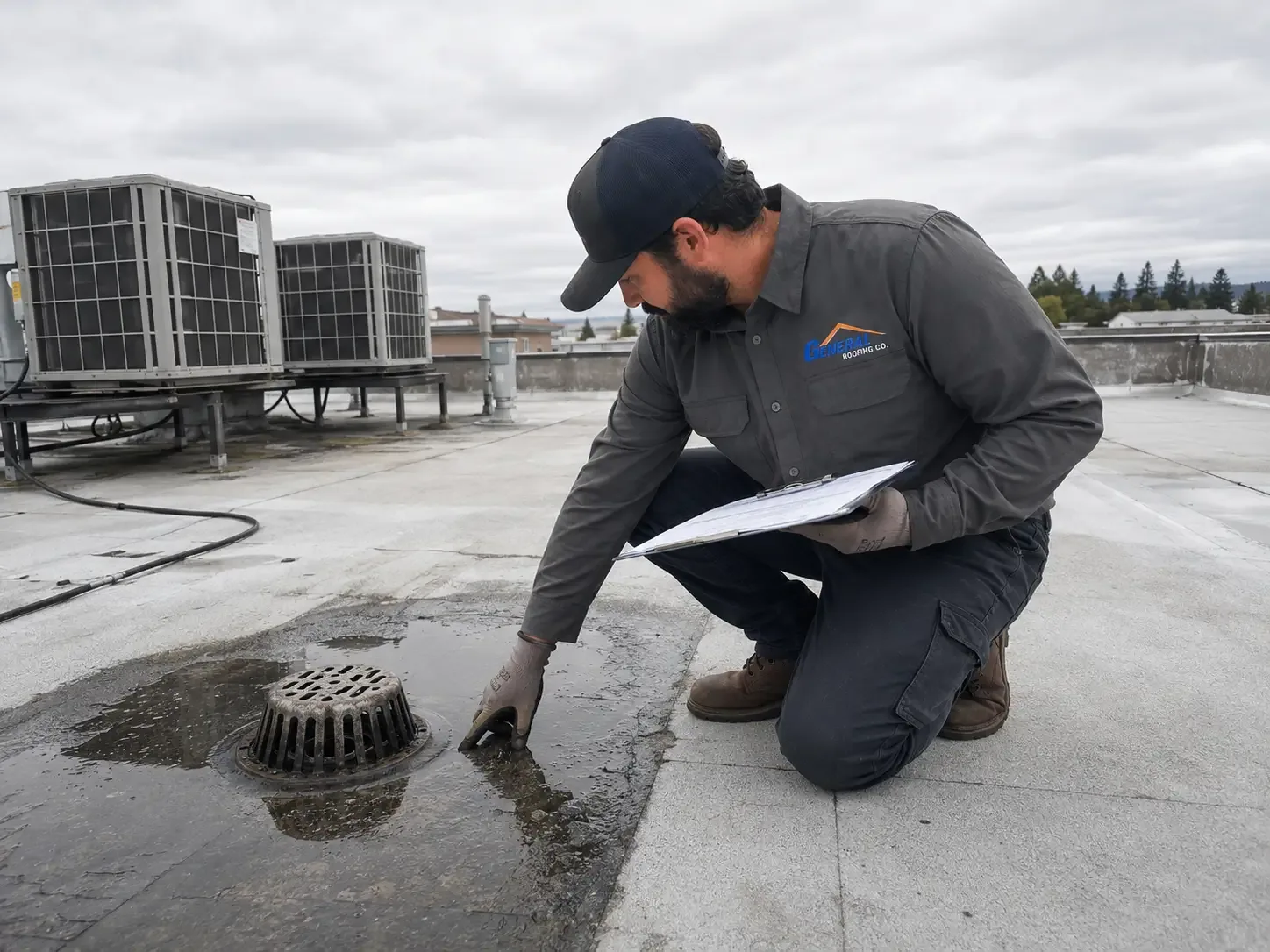
Service
Commercial roof drain and scupper work in Stamford checks bowls, flanges, overflow paths, crickets, and ponding before drainage repairs are selected.
Learn more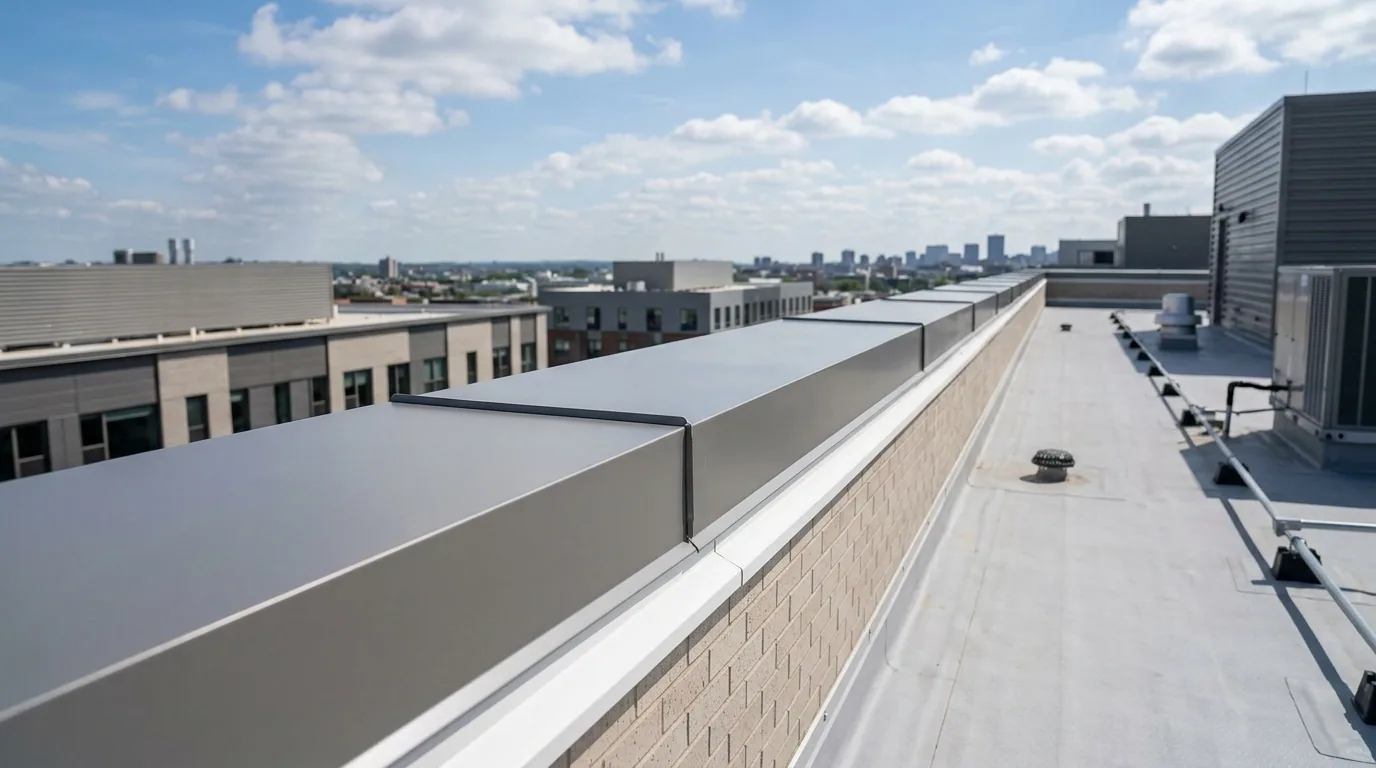
Service
Commercial edge metal, coping, and gutter repair in Stamford checks attachment, laps, drainage, and roof transitions before replacement is scoped.
Learn more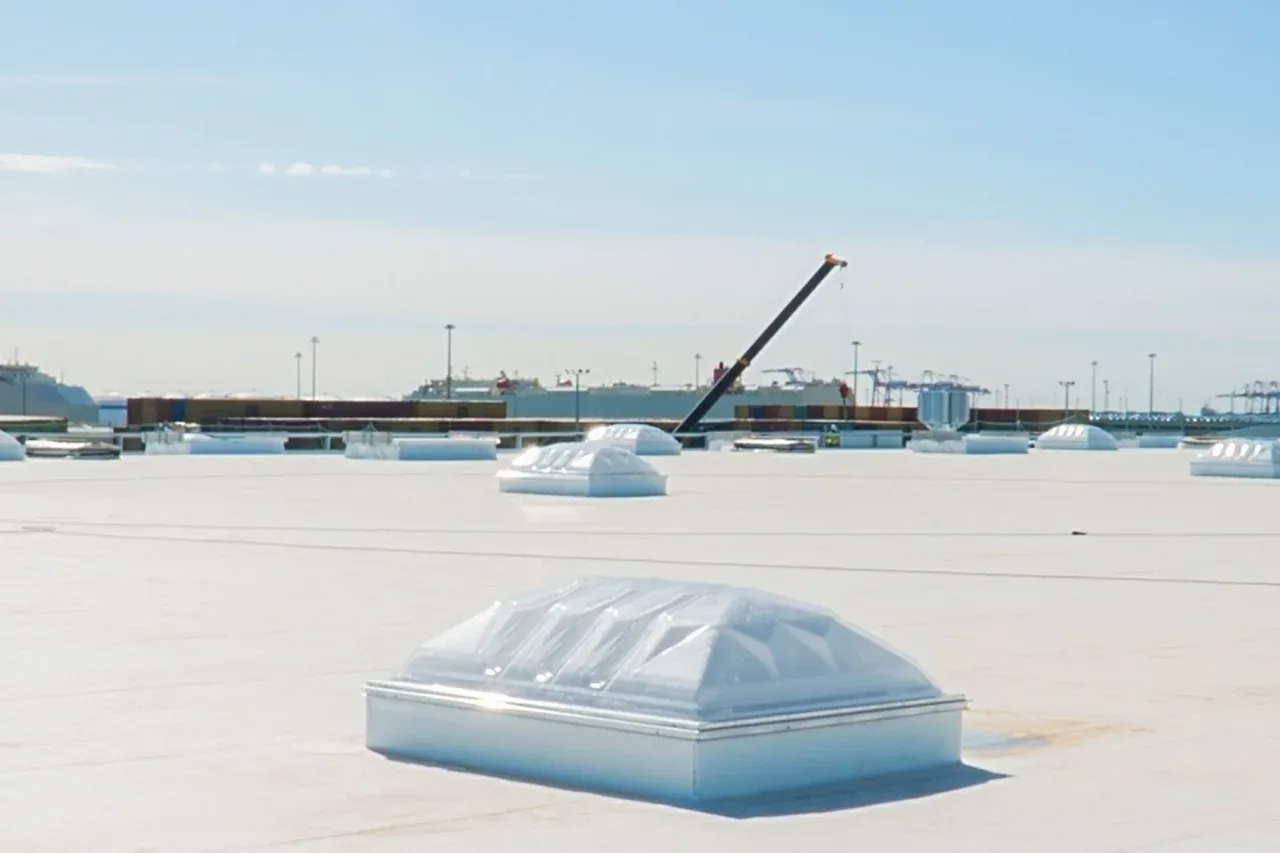
Service
Repair commercial skylight curbs and roof penetrations in Stamford with careful checks of flashing laps, seals, membrane tie-ins, and water paths.
Learn more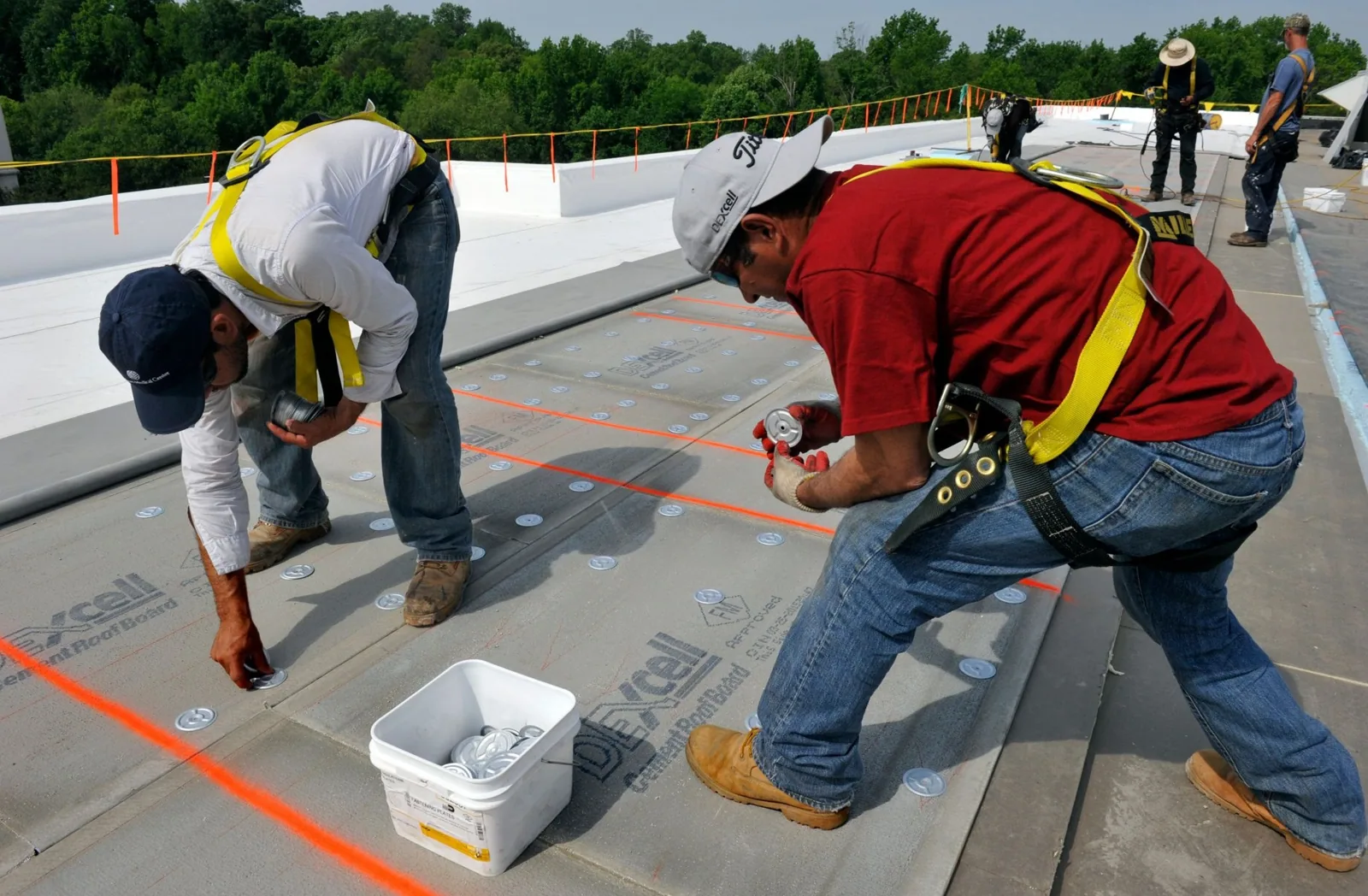
Service
Improve commercial roof slope and protection in Stamford with tapered insulation, cover board, and a scope based on drainage, moisture, and assembly condition.
Learn more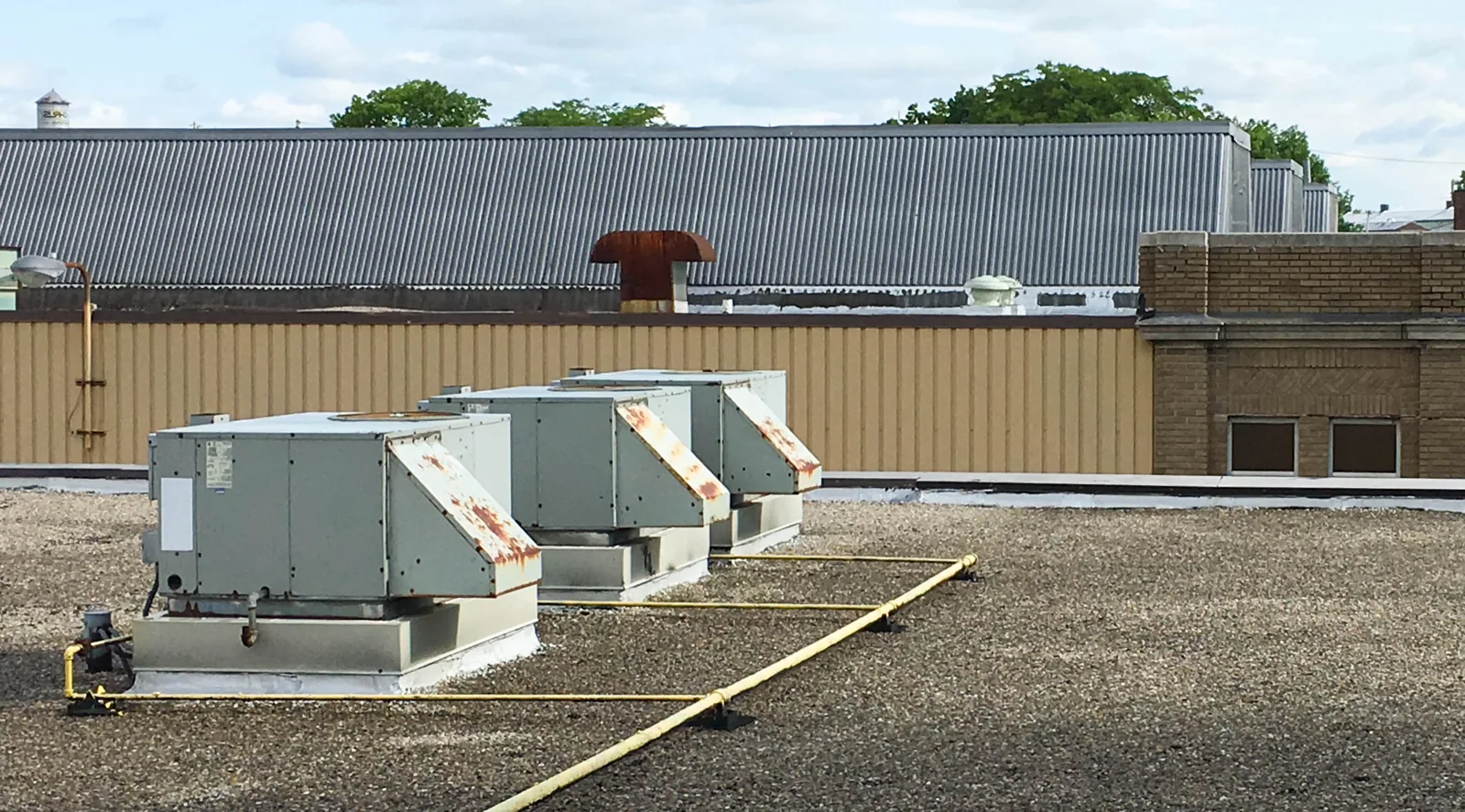
Service
Repair curb flashing and equipment supports on Stamford commercial roofs. We trace water paths, check attachment, and define a repair boundary around each unit.
Learn more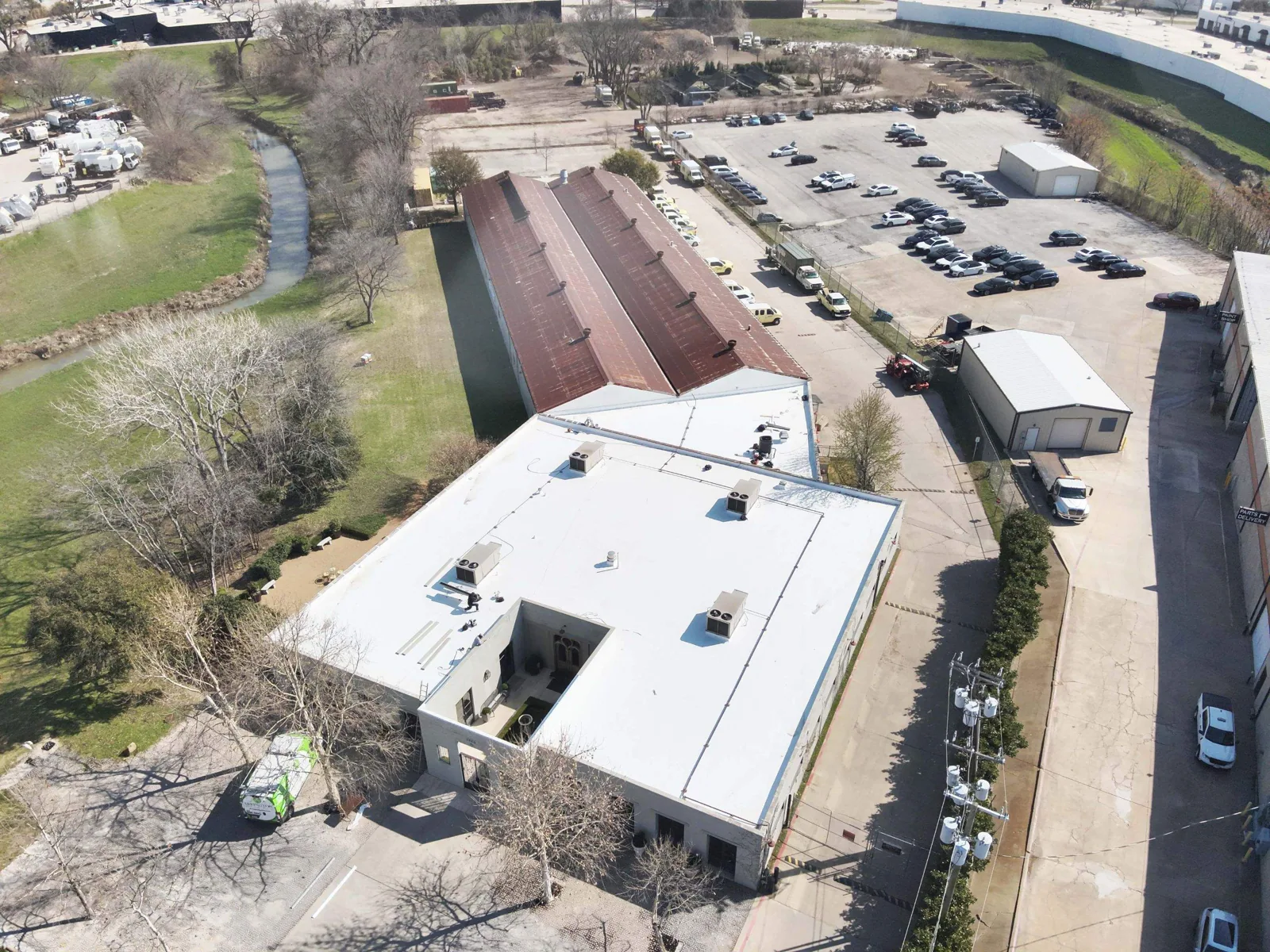
Service
Evaluate reflective roof options in Stamford by membrane condition, drainage, insulation, and equipment load before choosing a coating or replacement system.
Learn more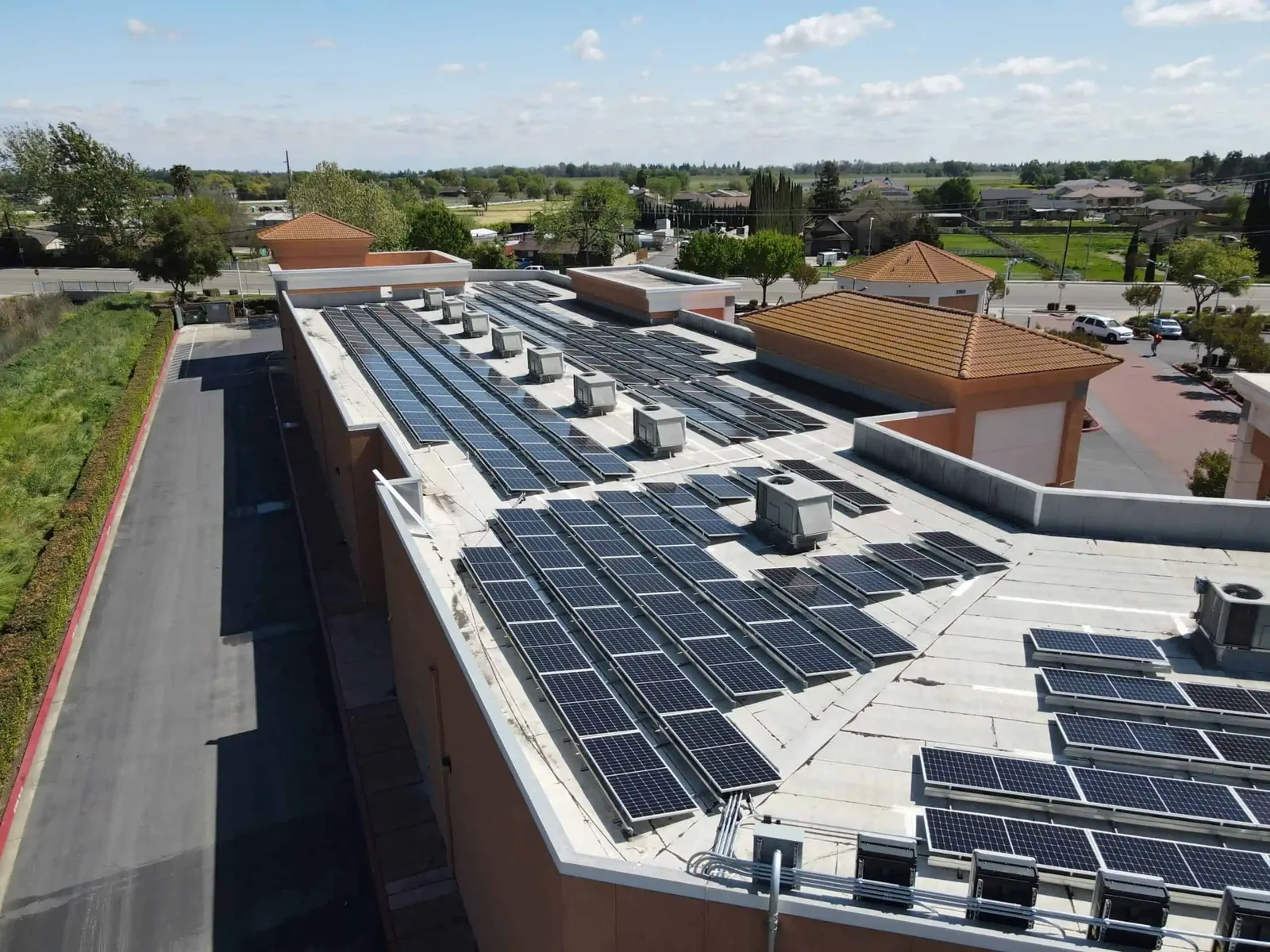
Service
Prepare a Stamford commercial roof for possible solar by reviewing structure, membrane, drainage, access, and attachment details before an array is planned.
Learn more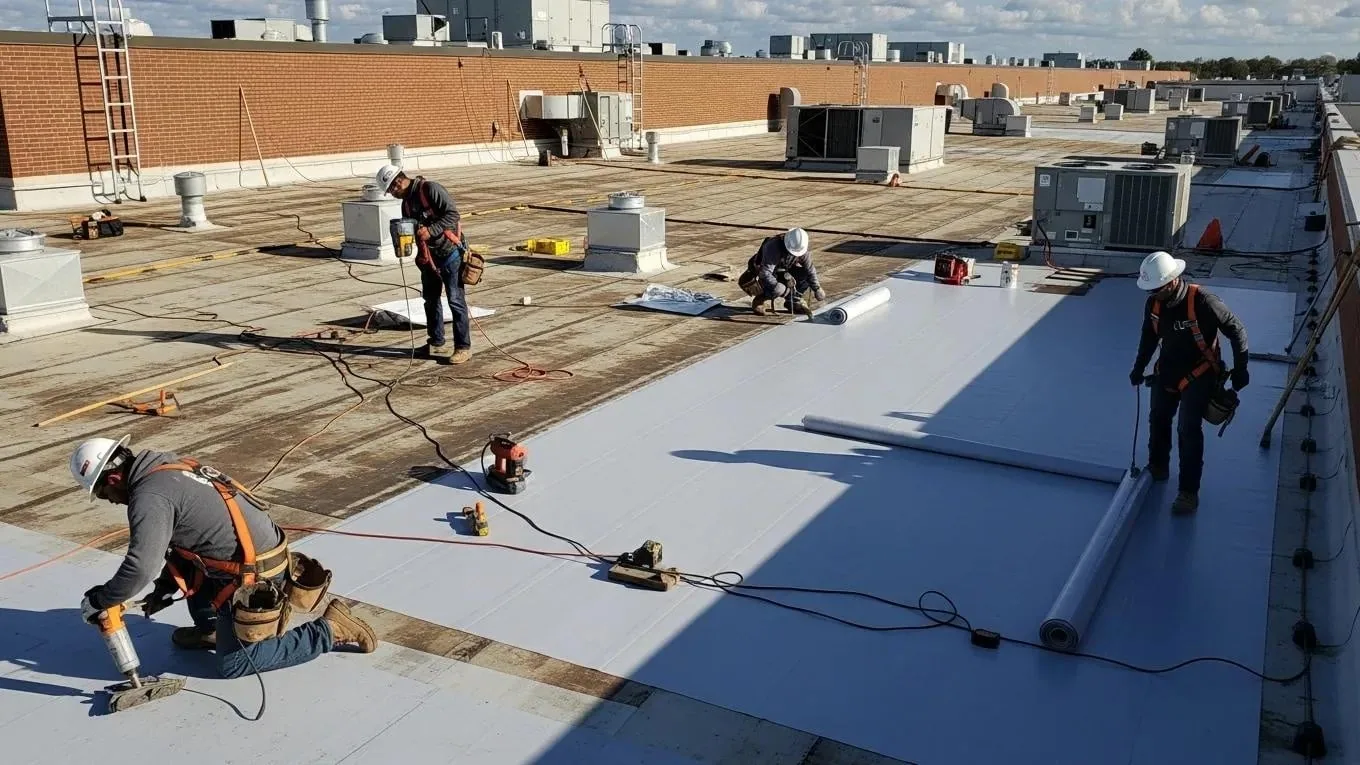
Service
Plan commercial reroofing in Stamford around occupied floors, deliveries, roof access, and daily dry-in limits while keeping each work boundary clear.
Learn more
Service
Scope military-project roofing in Stamford around access controls, mission schedules, submittals, roof details, and daily closure limits.
Learn moreA split lap, loose termination or failed curb corner can admit water that travels before it appears indoors. We compare the room mark with slope, seam direction and nearby penetrations. The work record identifies the defect, the material around it and the point where wet insulation or movement would expand the scope. Leak repair addresses the connection that fits the evidence. After wind or falling debris, storm-damage repair separates roof damage from unrelated wear.
Stamford's winter snowfall and freezing temperatures make drainage, terminations and seasonal movement worth checking. Summer heat also works a membrane and its metal transitions. After winter exposure, we inspect the surface and water path, then plan safe dry-in before opening a roof section. A written condition record helps the owner compare the immediate fix with a broader recommendation.
Replacement is a different decision from adding another patch. We review moisture, attachment, edge height, drainage and the number of existing layers. Removal can expose wet insulation or deck damage that changes the plan, so the scope states the expected work and approval point for concealed conditions. Commercial roof replacement covers removal and new system selection. A recover is considered only when the existing assembly can support it.
Occupied buildings need a controlled sequence. We set the daily opening limit, protect the space below and close each work area before the agreed stop. Roof recover work requires sound attachment and acceptable moisture conditions. Those checks matter in a mixed-use area such as Downtown or the South End, where access and interior use can differ from one property to another.
A roof walk checks more than the leak location. We examine seams, drains, penetrations, edge metal, rooftop equipment and prior repairs. Photos and notes distinguish visible conditions from areas that would need a controlled opening. Commercial roof inspection can support repair planning, maintenance or a capital decision. When roof access is limited or the surface needs another view, a drone inspection can document accessible areas without treating imagery as a substitute for hands-on testing.
Infrared readings can help locate temperature patterns that deserve a closer check. An infrared moisture survey is interpreted with roof construction and follow-up probes where appropriate. The result guides the next inspection step; it does not turn a temperature image into a moisture measurement on its own.
Maintenance notes are useful when they show what changed. We record open seams, loose metal, blocked outlets and repairs completed, then identify any item that needs follow-up. A clean drain bowl and a watertight flange are separate conditions. Preventive roof maintenance can track those details across service visits. A coating may fit a compatible, prepared assembly, while a failed seam or wet substrate needs another repair path. Roof coating restoration begins with surface condition and adhesion.
We work on low-slope and metal commercial roofs. The installed material, condition, access and use below determine the recommendation. Bring recent service notes, affected rooms and access limits to a roof walk; we inspect first, then define the work the assembly supports.
It should name the roof material, failed detail, repair edge, access limits and condition that would expand the work.
Moisture, repeated separation or weak attachment can move the scope beyond a patch. We show the condition and compare the assembly options.
Drone imagery documents accessible areas. We use hands-on checks or testing when a detail needs confirmation.
Access, dry-in conditions, material preparation and concealed moisture can change the sequence.
Share the leak location, recent service notes and access limits. We will inspect the assembly and provide a written repair scope or broader system recommendation when the roof supports it.