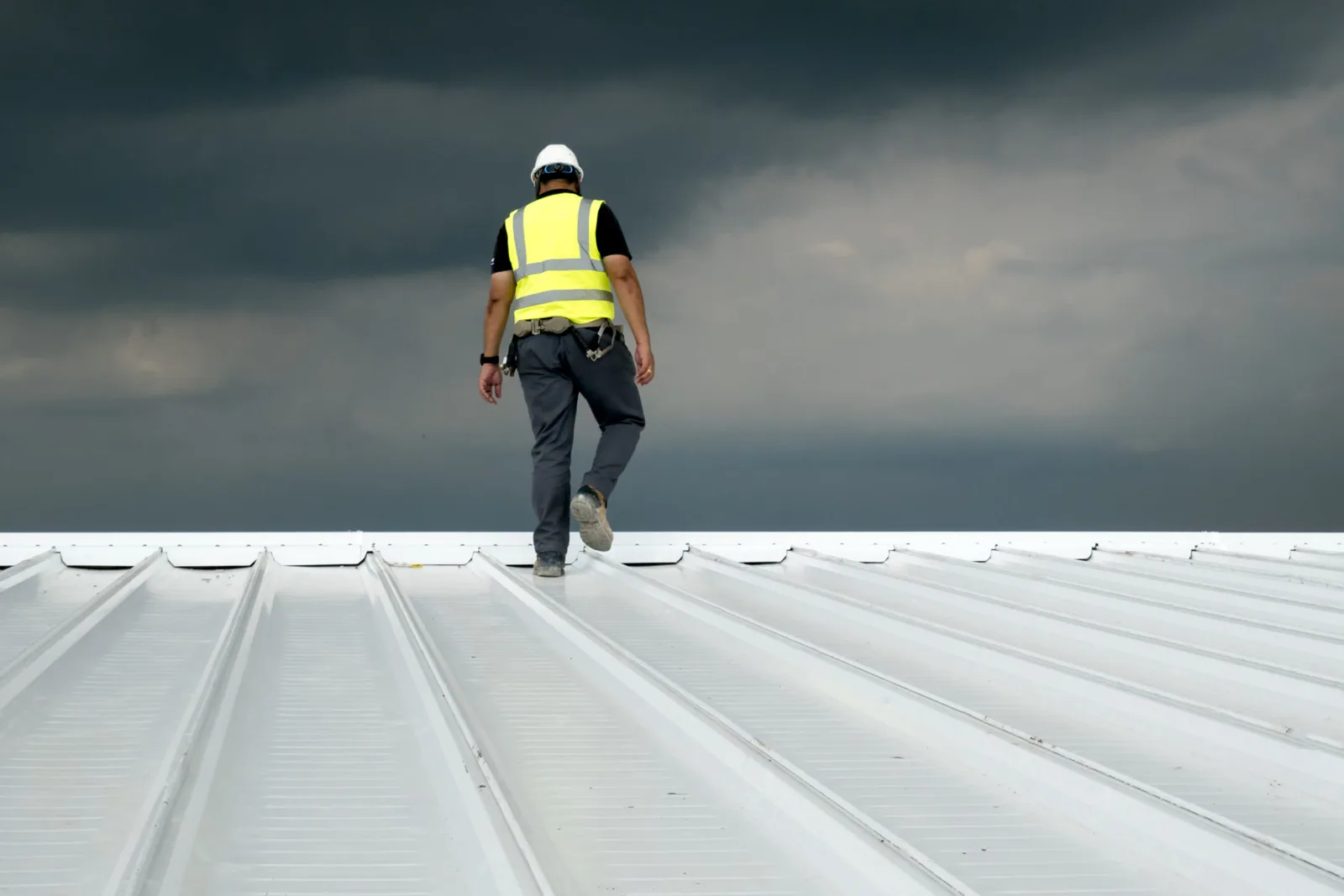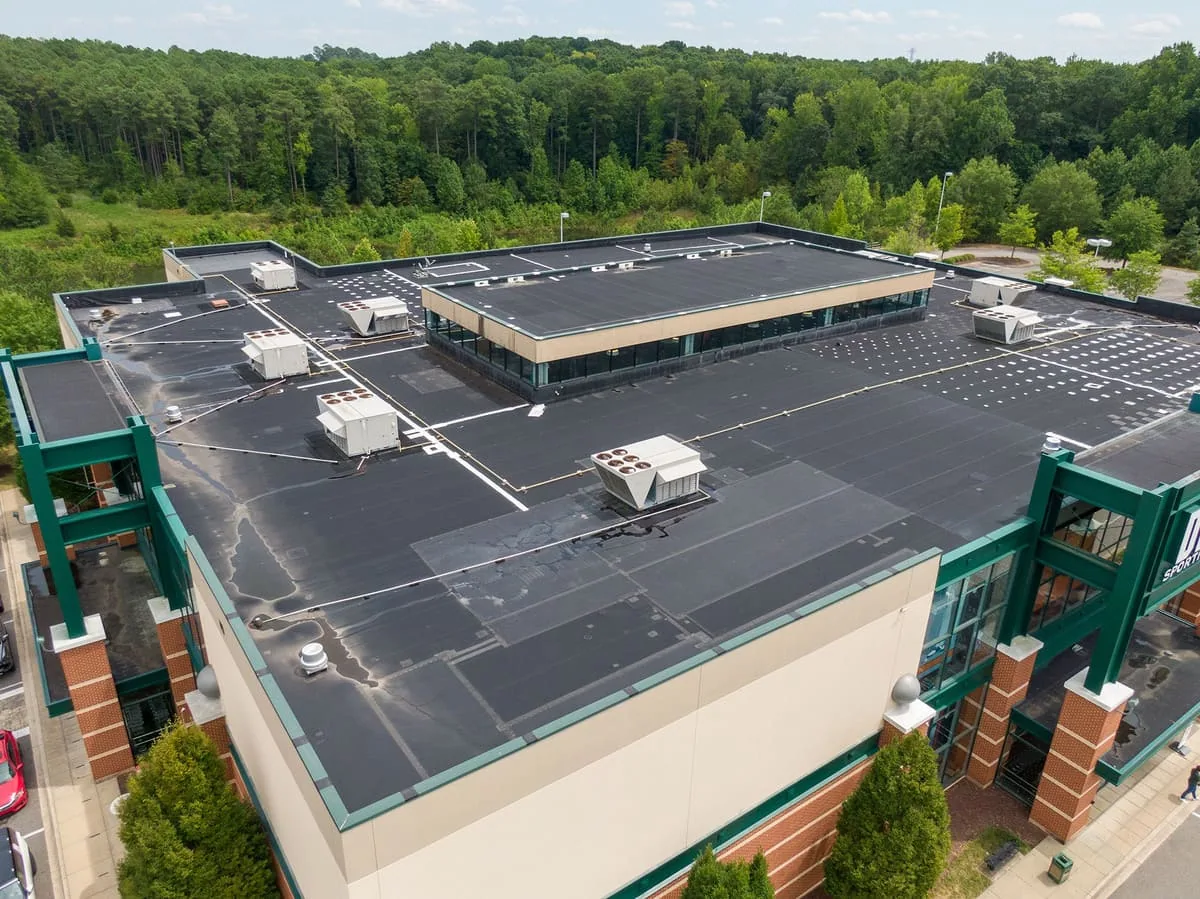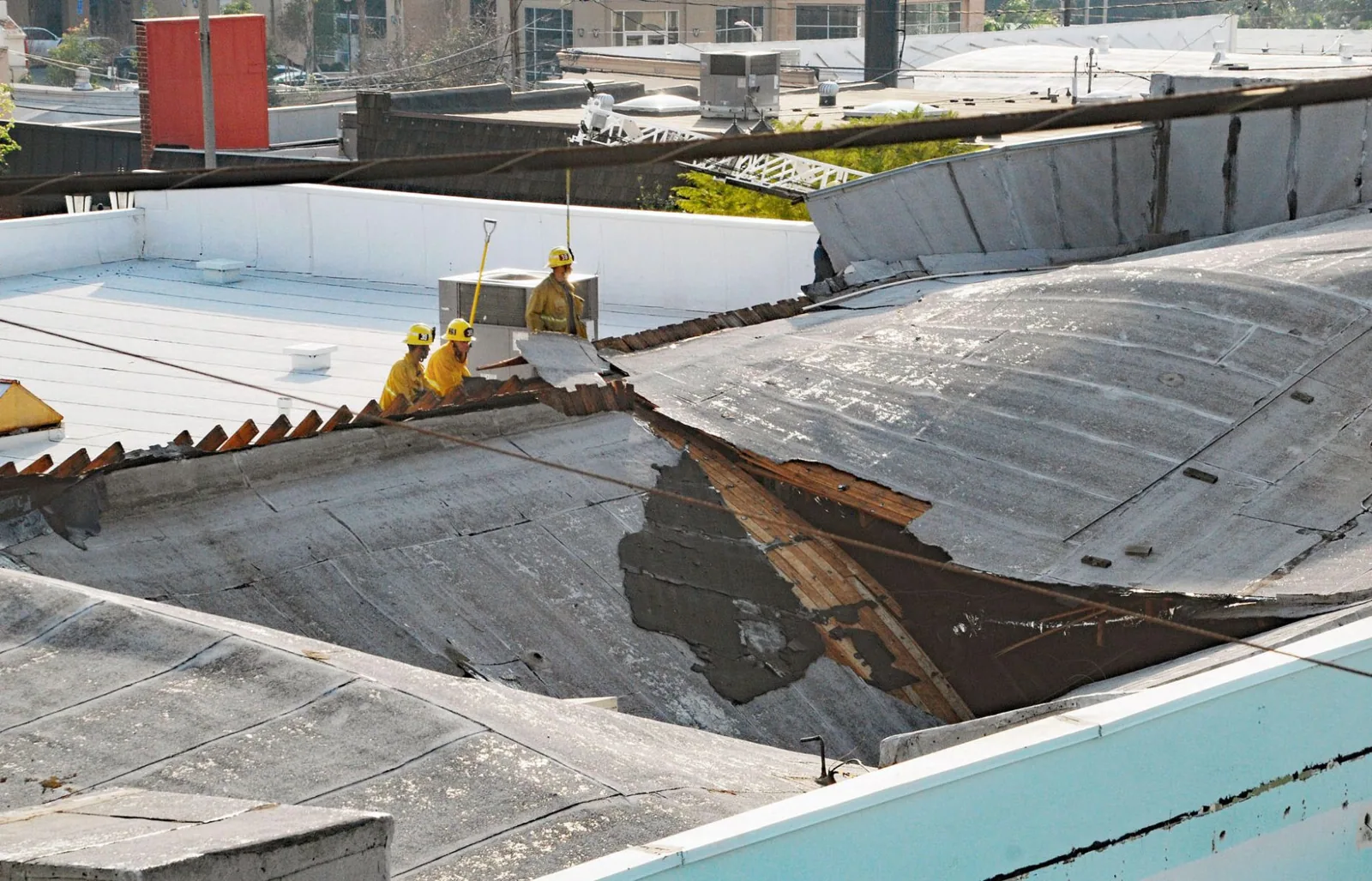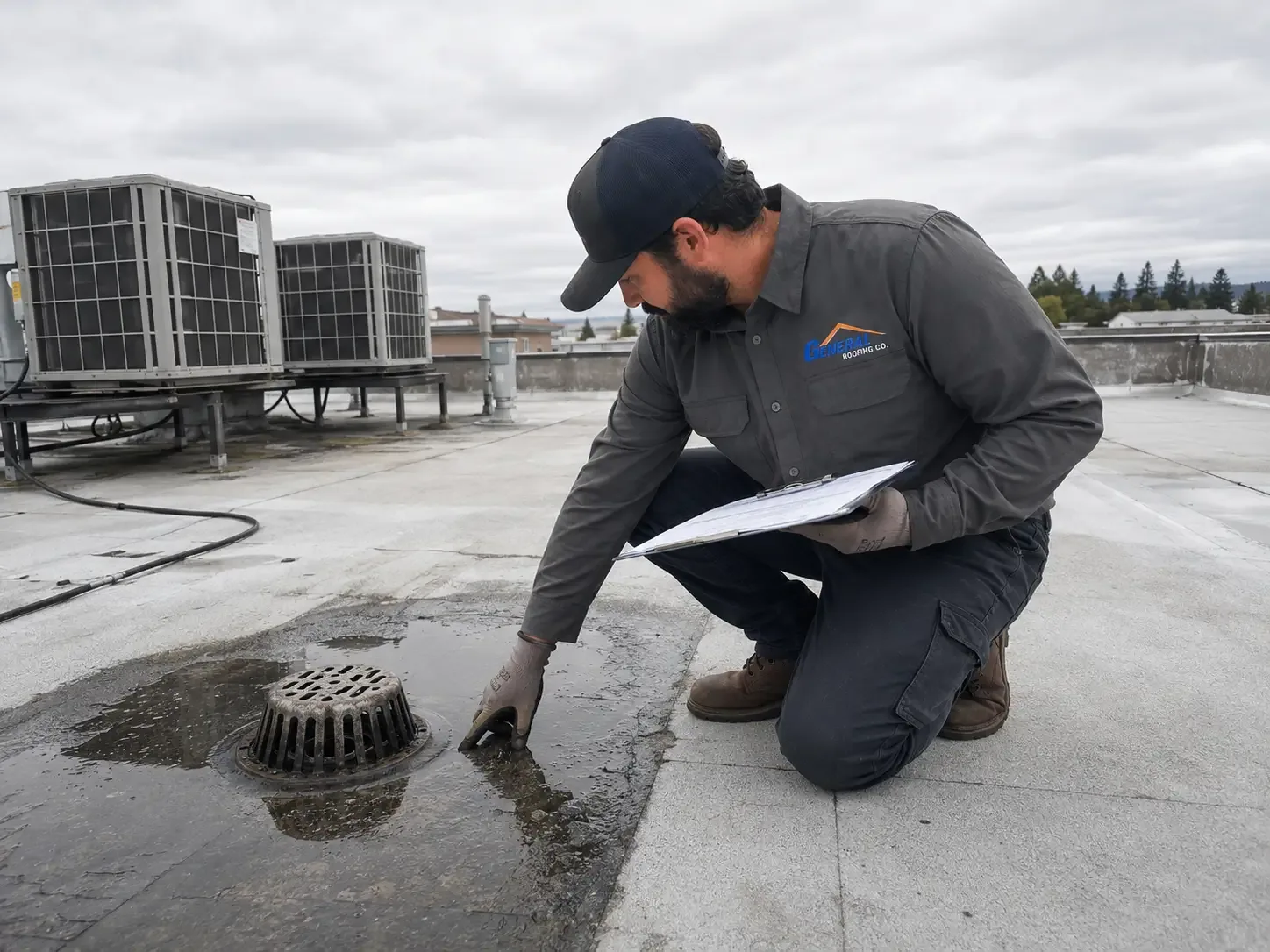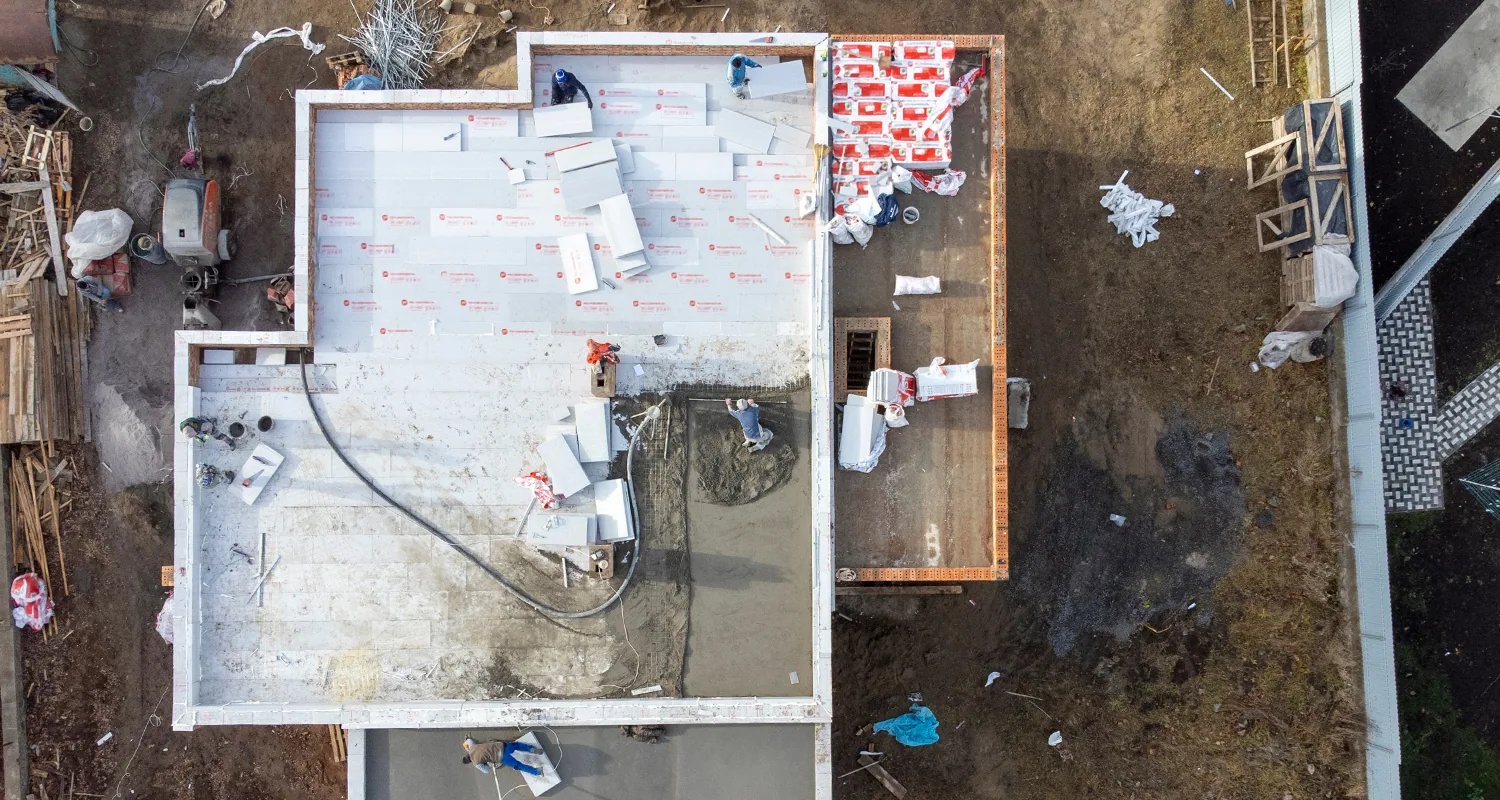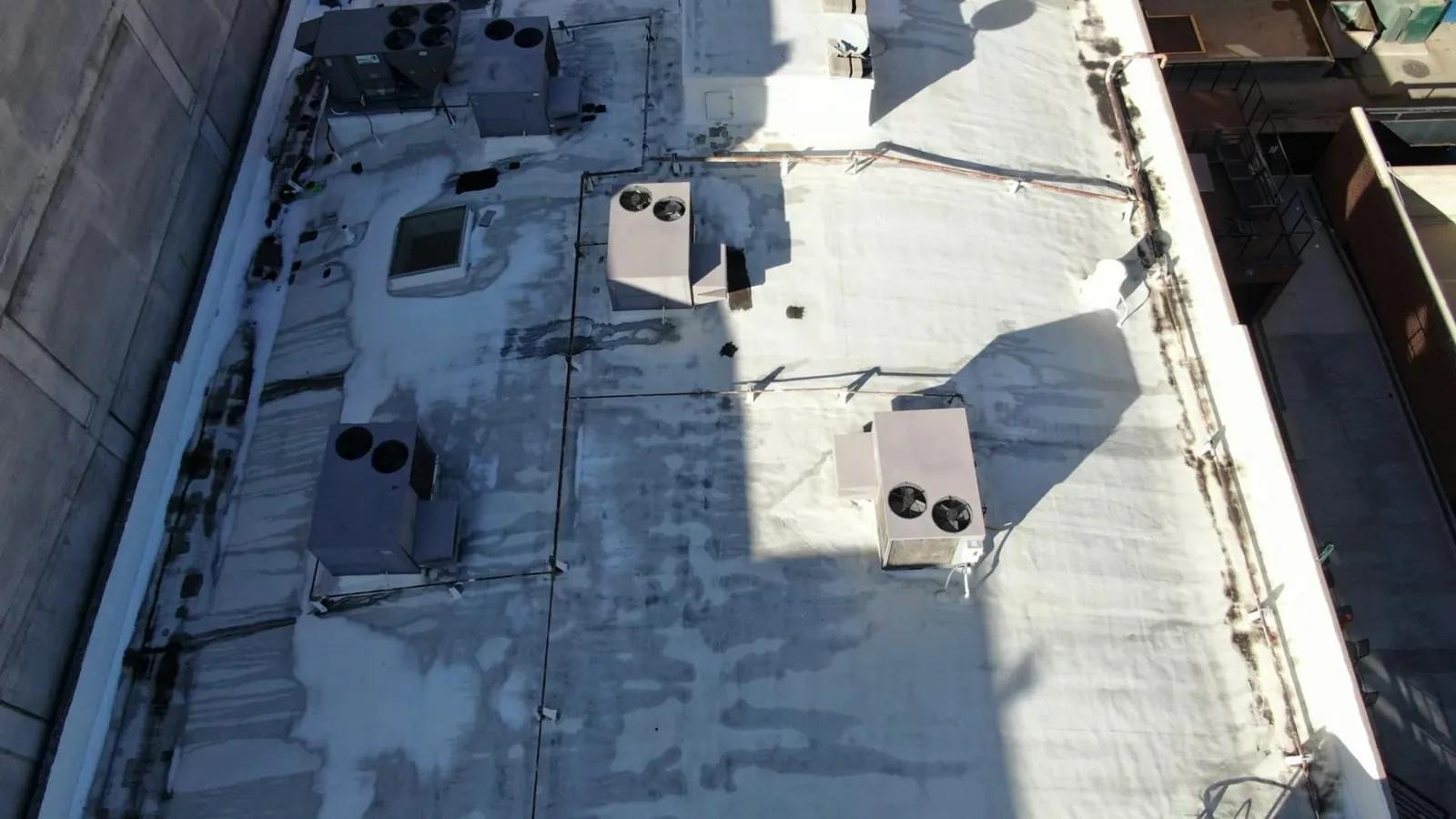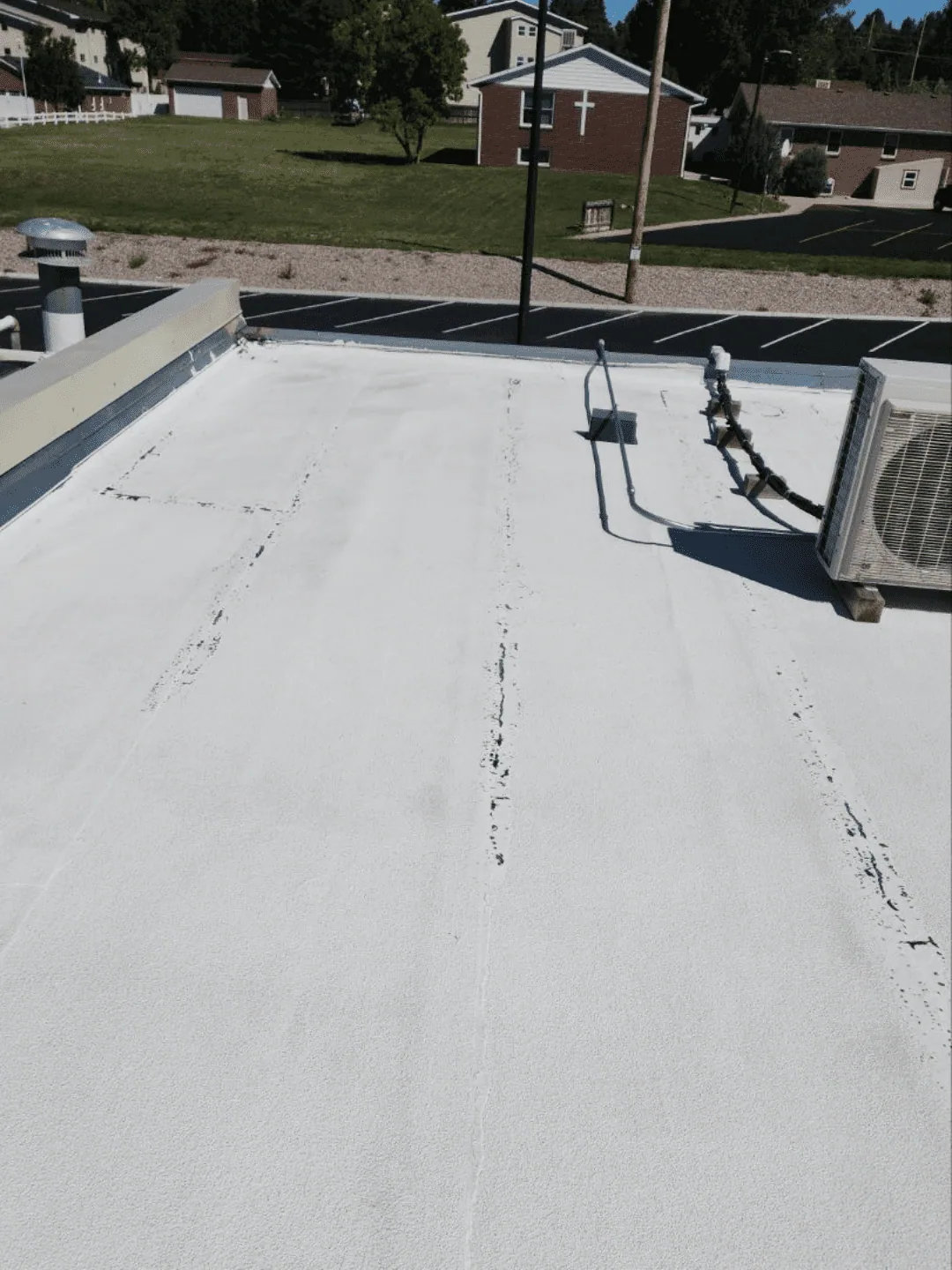
A lifted edge can leave a membrane intact in the field and open at the perimeter. After a storm in Stamford, CT, we inspect the metal return, termination, seams, and nearby drainage before deciding what can be repaired. Stamford appears on a coastal hurricane-surge planning map. After a coastal storm, we inspect the roof for wind-driven rain paths, edge movement, and drainage changes that affect the repair scope. A post-storm roof inspection records what moved, what remains secure, and what needs follow-up. The first scope is limited to evidence we can reach and verify. A broad storm label is not a repair boundary.
Roof check: separate new damage from old wear
We start with the reported leak or visible change, then compare it with seams, curbs, penetrations, edges, and patches around that zone. Wind can lift an edge or loosen a flashing transition without opening the central membrane. Hail or falling debris can leave impact marks, but appearance alone does not show whether a layer has been breached. We photograph the condition, check attachment where accessible, and note what was present before the storm if records are available. A wind-damage review follows the forces that could have moved a detail.
Stamford's coastal setting also makes water and wind conditions part of the inspection sequence. State planning identifies the city among coastal communities with a hurricane-surge planning map, but that regional tool is not a parcel-level flood determination. For the roof, we check wind-driven rain paths, drain performance, and any edge exposed to ponding or runoff. If the roof is unsafe or wet weather limits access, we document the visible interior and return when roof conditions permit. We do not treat an area as inspected when it was not safely reached.
Temporary protection: limit entry without hiding damage
When water is entering, we first consider the people, equipment, and electrical conditions below it. Temporary protection may limit further entry if the roof surface, weather, and access allow a secure placement. A tarp or patch needs a defined boundary so it does not send runoff toward another opening or cover a detail that still needs inspection. We record what the measure covers, what remains exposed, and what permanent work is likely to require. An emergency roof assessment can set that immediate scope without promising a particular arrival time.
Loose metal, wet insulation, and displaced membrane need different treatment. We remove or secure only material that can be handled safely, then identify any area requiring drying, testing, or replacement before a durable repair. Drainage remains part of temporary planning; blocking a scupper to keep water away from one room can create ponding elsewhere. Our drain and scupper work addresses a restricted outlet or damaged transition when it contributes to the entry path. The written note distinguishes temporary control from completed repair.
Failure point: trace the edge, seam, and curb
At a roof edge, we inspect coping, cleats, fasteners, sealant, and the membrane termination. At a curb, we check corners, counterflashing, and the seal between the flashing and vertical face. On a single-ply field, a displaced lap or puncture may be local; a failure that continues across several seams may require a wider boundary. A TPO repair follows the installed material and weld details. We do not apply a universal patch method to every roof.
Impact from wind-blown material can damage equipment screens or metal without affecting the roof membrane. Conversely, a small opening at a penetration may send water across a deck flute before it appears indoors. We compare the roof-side detail with the room location, drain route, and nearby mechanical equipment. A flashing repair assessment can define a failed curb or wall transition. If the surface is sound around it, the repair can remain focused. Wet layers or loose attachment change the scope and require further evaluation.
Building use: coordinate the repair boundary
Downtown Stamford and South End are mapped as higher-intensity mixed-use areas, with offices, housing, and retail within the same core. Storm work above occupied space may require separating a roof access path from an interior area where water is reaching finishes. We coordinate with the person responsible for access and identify equipment or rooms that need protection. In Norwalk, Route 1 and Route 7 support commercial and industrial corridors, where deliveries and operating schedules can shape roof access. These broad areas help describe the local building mix; they are not claims about any single customer or property.
We mark which roof zones were inspected, which remain obscured, and whether other trades need to clear an area before permanent work. A repair sequence may include dry-in, removal of wet material, replacement of insulation, and rebuilding the flashing detail. We keep those steps distinct so a temporary closure is not mistaken for finished work. A warehouse roof assessment may need a clear loading route; a mixed-use building may need separate communication for its occupied areas. The roof condition and safe access determine the actual sequence. We keep a clear record of the boundary between the temporary measure, confirmed damage, and repairs still awaiting dry conditions. That distinction helps staff direct follow-up to the right roof zone and keeps a later review from treating an isolated dry-in as completed restoration.
Written scope: match the work to evidence
The repair recommendation identifies the affected assembly, confirmed opening, materials to remove, and details that remain uncertain. Photos show the location and repair boundary. A condition report can help an owner compare the scope with maintenance records and later inspection findings. If storm damage is widespread, repeated at several transitions, or combined with wet insulation, a recover evaluation or replacement review may be more useful than adding isolated patches.
We explain what can be repaired now, what must dry or be tested, and which conditions change the recommendation. We compare the storm date with maintenance photos, prior repairs, and the affected assembly to define work tied to conditions visible on the roof. If a claim is being considered, preserve photographs and repair notes before material is removed. The owner can then review the documented conditions and decide whether to request a separate coverage determination. Roofing scope and insurance decisions remain distinct.
Commercial Roofing Questions
How soon should a roof be checked after a storm?
The inspection should follow safe access and weather conditions. If water is entering, report its location and protect affected contents where it is safe to do so. We assess visible conditions and identify what needs temporary control or permanent work.
Can wind damage be limited to the roof edge?
Yes. A loose coping section, termination, or edge-metal return may be the only confirmed defect. We check nearby membrane and attachment before keeping the repair scope at the perimeter.
Does a leak after a storm prove storm damage?
Timing is useful, but the roof condition and records establish the repair finding. We document open details, movement, punctures, and prior patches so the scope is tied to observed evidence.
If water continues entering during the walk, which temporary control can be evaluated first?
The immediate assessment identifies the affected space and safe access limits. Temporary protection may be used when weather and roof conditions permit; permanent repair follows after the substrate and surrounding details are checked.
What records help with a storm-related claim?
Keep dated photographs, the inspection findings, temporary-work notes, and the permanent repair scope. A clear location and condition record helps the owner review the roof work separately from any coverage decision.