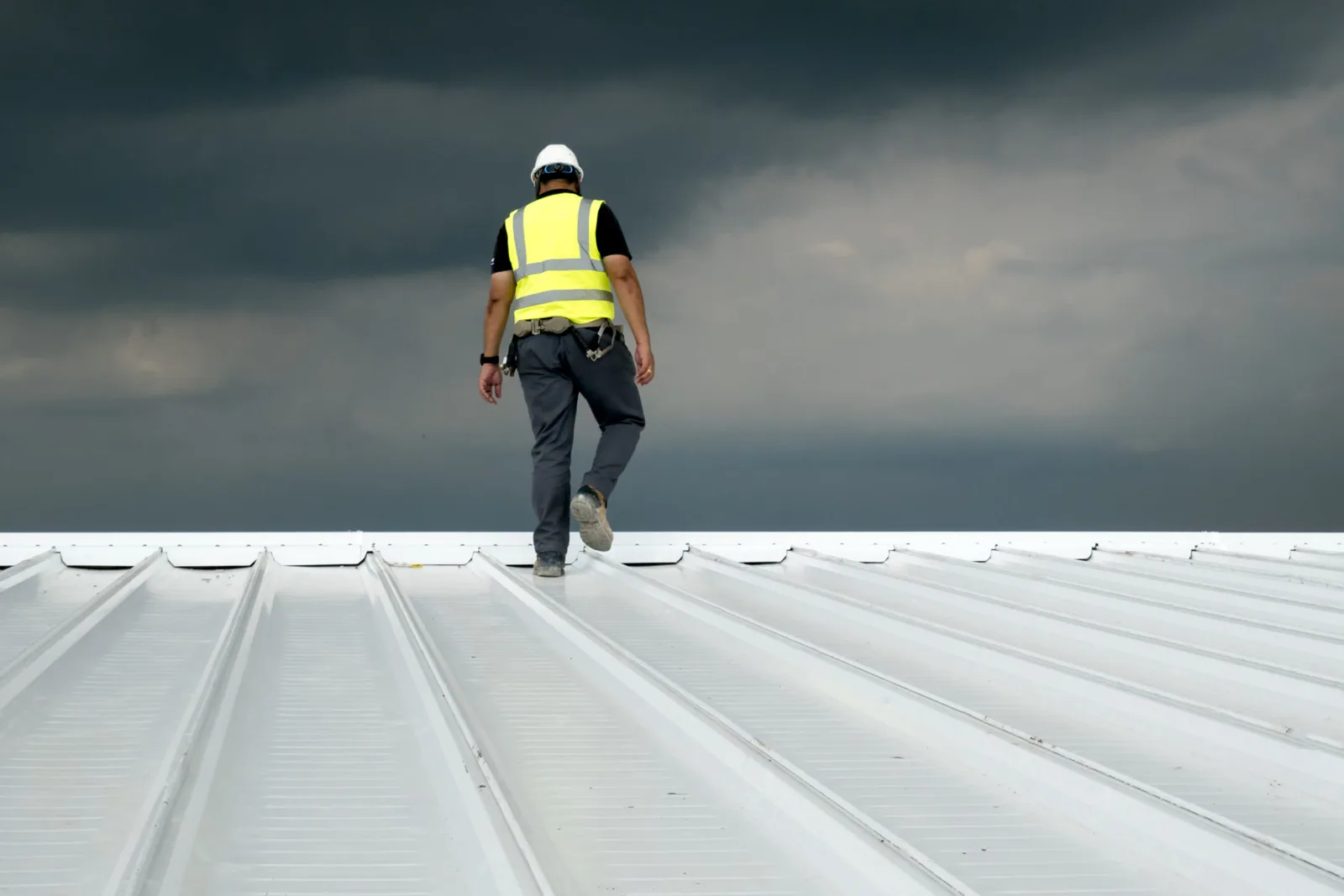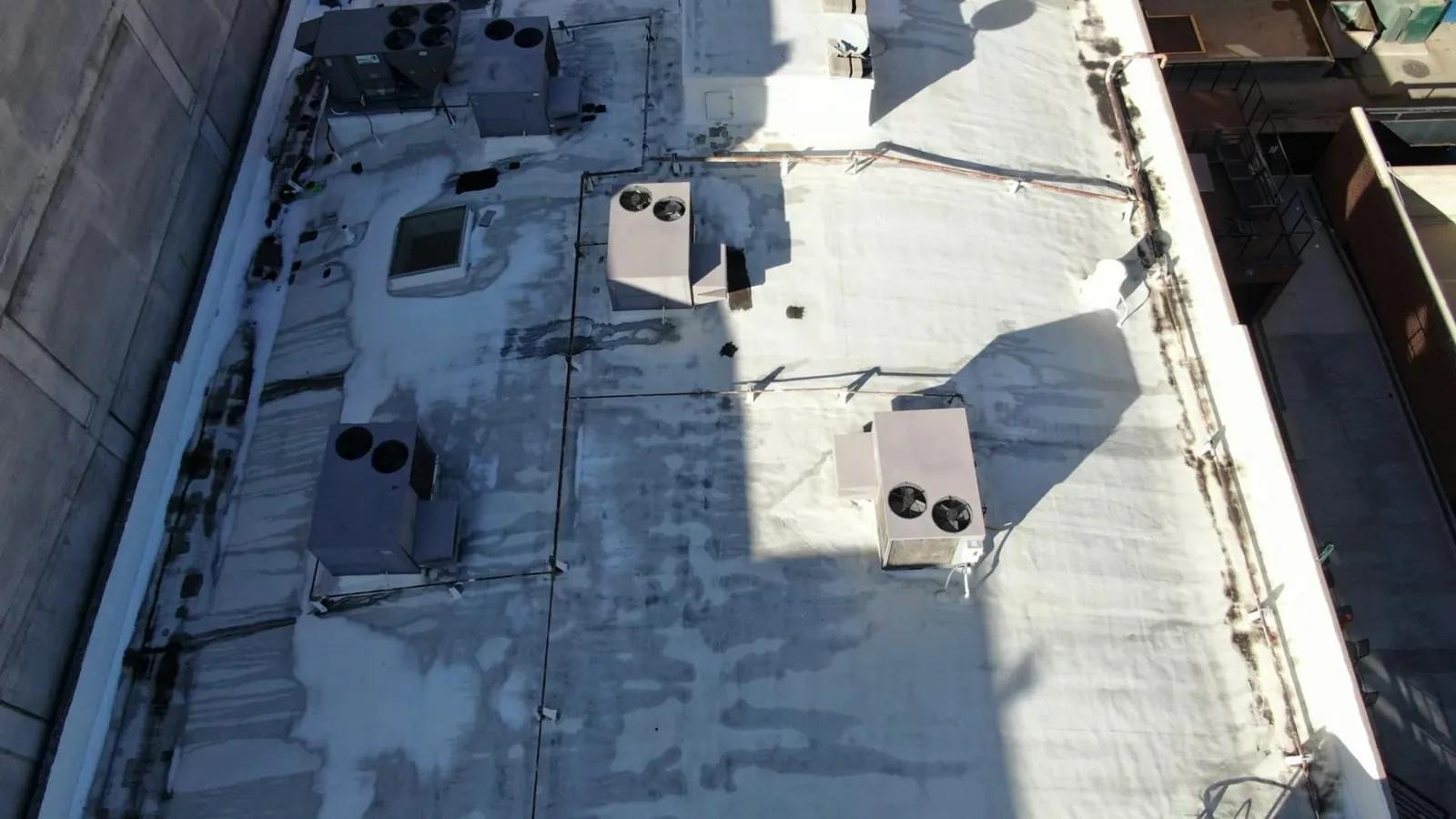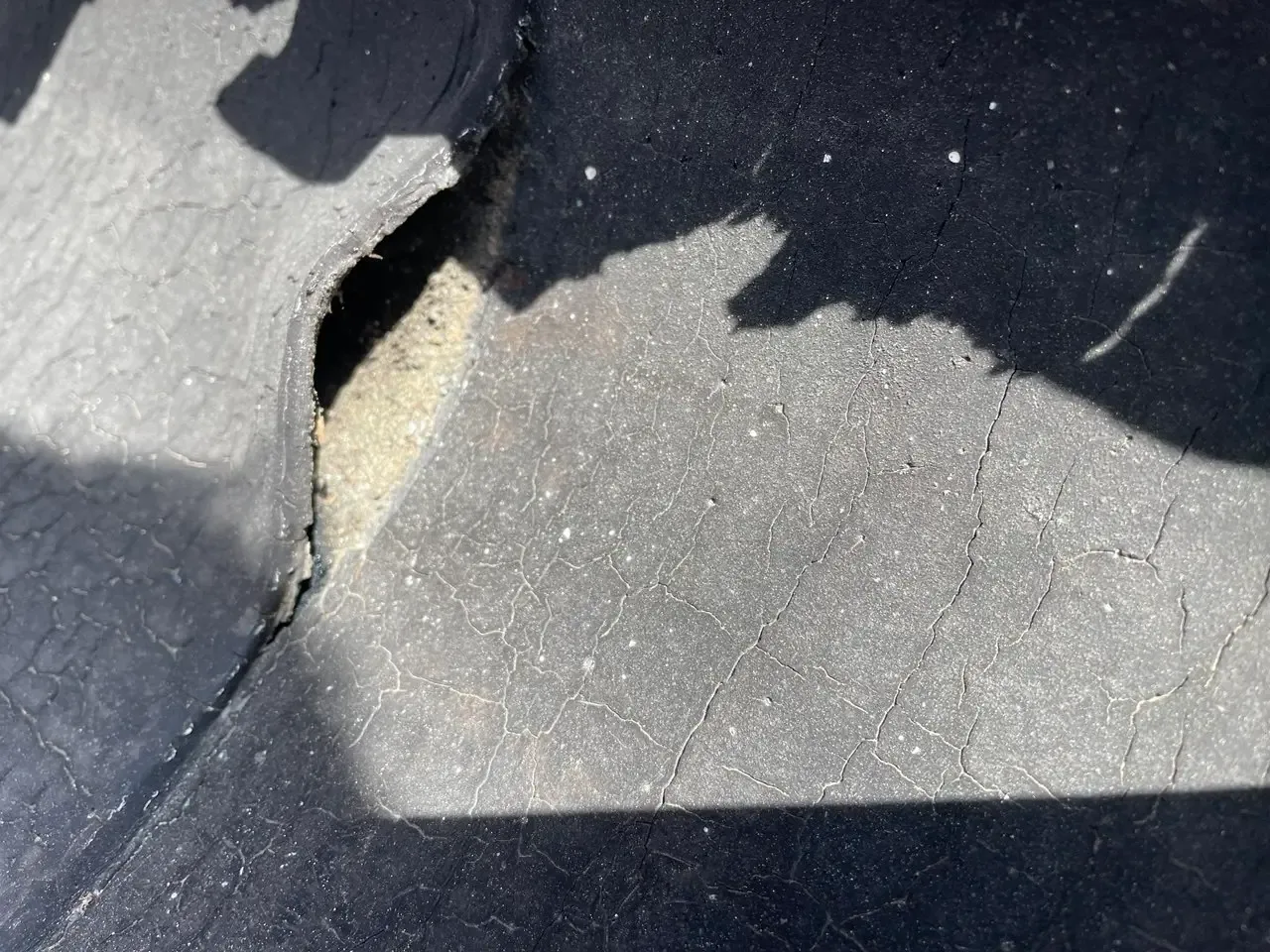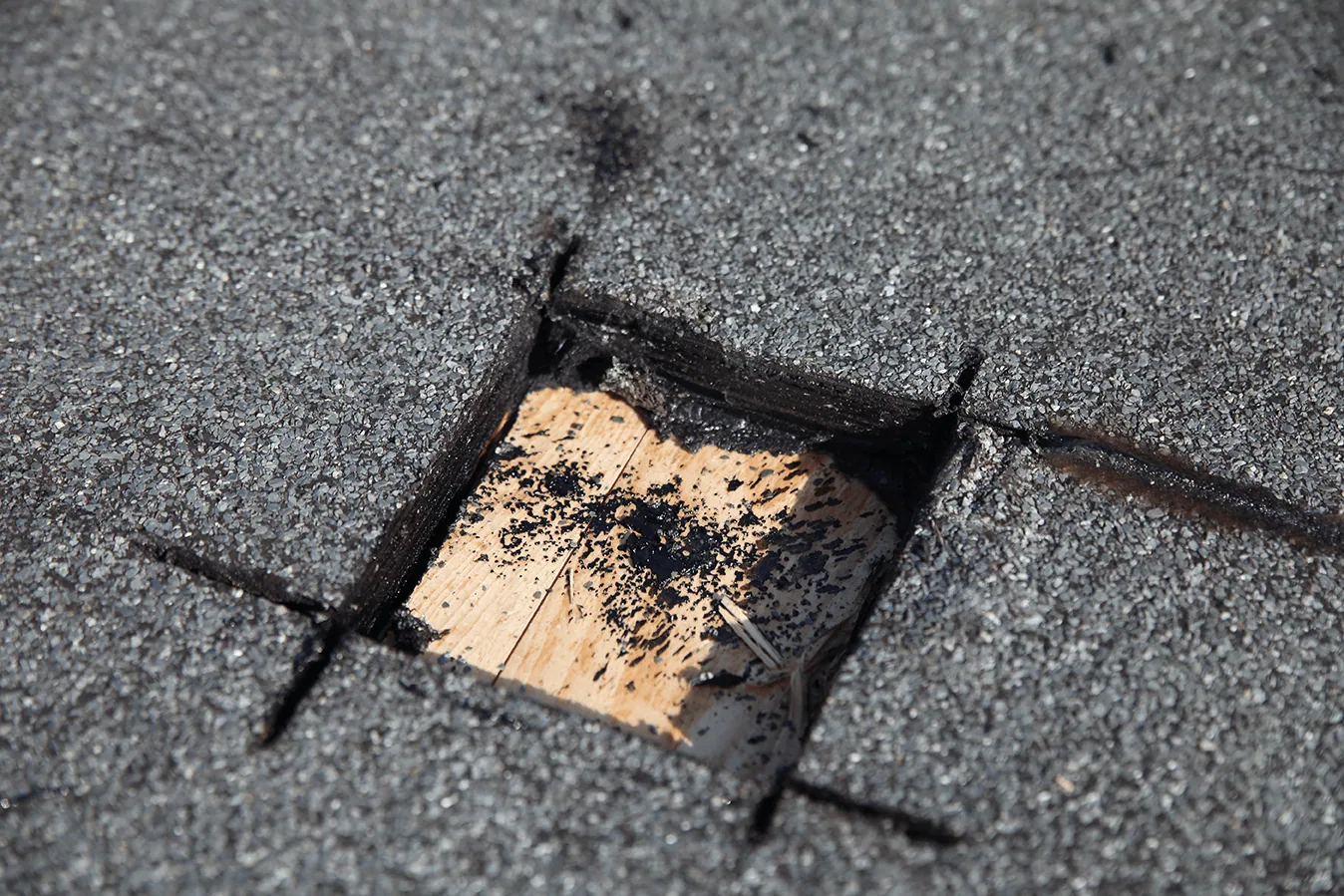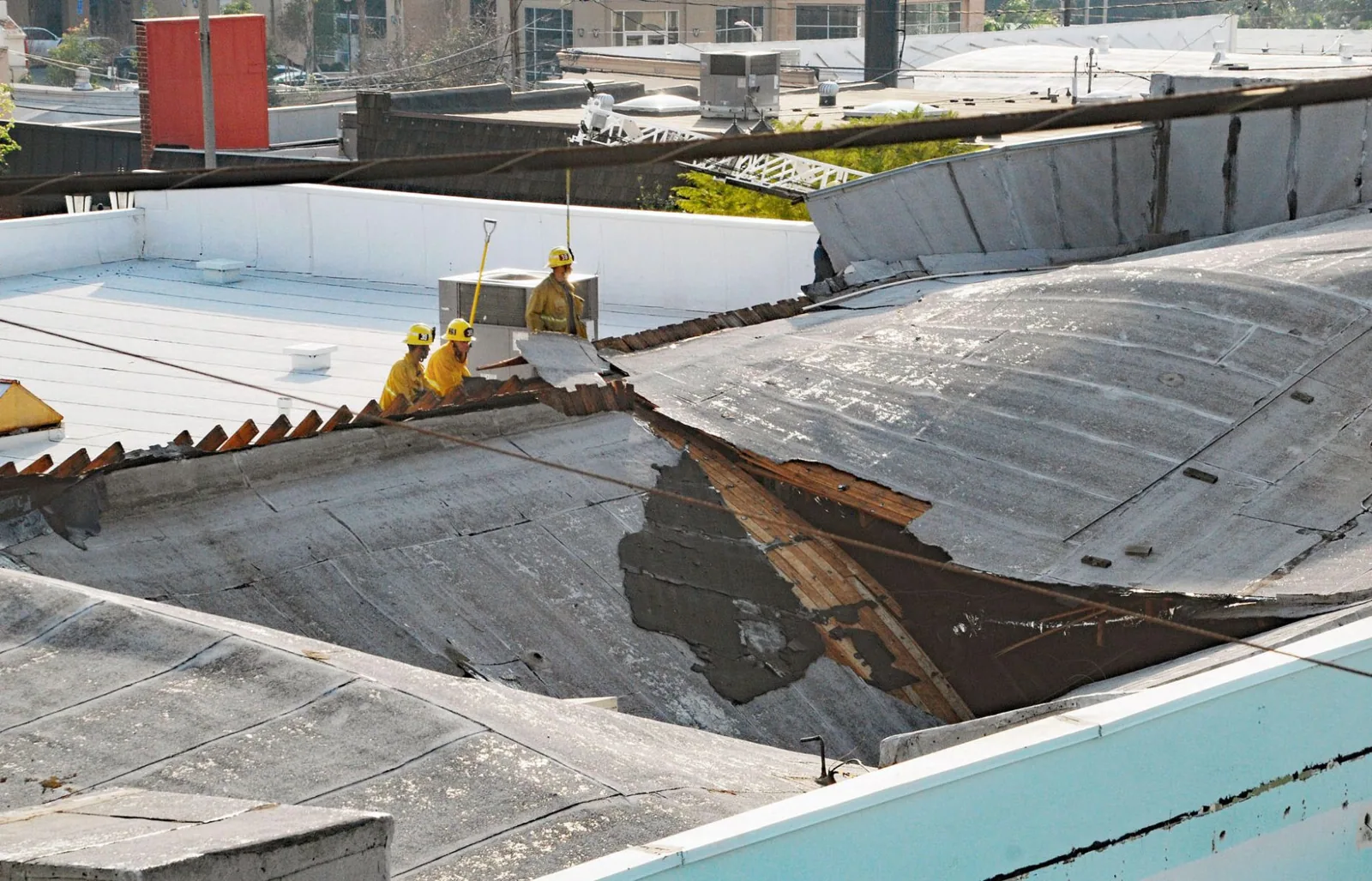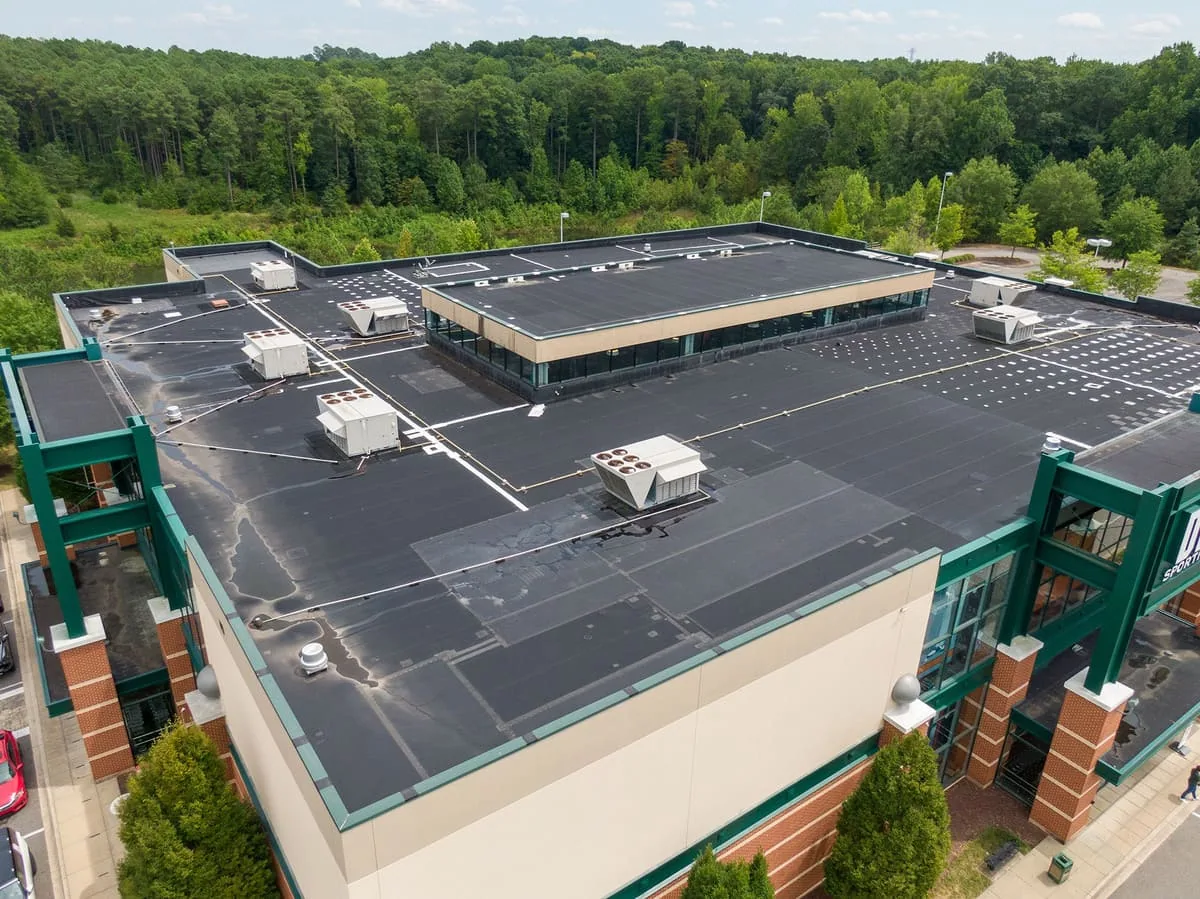
A metal return can lift while the membrane field stays flat. In Stamford, CT, we check the edge, cleats, termination, and nearby seams before deciding how far a wind repair should reach. The roof may also show displaced flashing, a loose curb corner, or a new water path that does not line up with the room below. We photograph each condition and mark its roof zone. A wind-related roof inspection helps separate movement caused by the recent event from older wear or an earlier patch. The repair boundary follows the detail we can verify, not the storm label on the service ticket.
Stamford sits on Long Island Sound, where wind, rain, surge, and erosion can arrive in the same coastal event. The roof still needs a component-by-component review. We identify exposed edges, penetrations, drains, and any section that could not be reached safely. The owner receives a clear record of what is loose, what remains secure, and what needs testing before material is closed again. That record keeps temporary protection separate from completed work.
Edge movement: find what released
At the perimeter, we inspect coping joints, cleats, fasteners, fascia returns, termination bars, and the membrane turn-up. A short loose section may be repairable when the adjoining metal and substrate hold. Missing fasteners, stretched metal, or a split at the transition can require a longer correction. We compare the affected edge with nearby corners and wall conditions, since the same exposure may appear at more than one run. A flashing failure review follows the wall and curb transitions when the movement reaches beyond the coping.
Uplift can also affect a seam without peeling back a large panel. We look for a broken weld, an open lap, a wrinkle that has changed direction, or a fastener row that no longer bears evenly. The assembly matters. A repair on TPO does not use the same heat and material method as work on modified bitumen or standing seam metal. A split-seam repair also needs a dry, stable sheet beside the opening. If the membrane can be joined to dry, stable material, the repair may remain local. Loose attachment or wet insulation can change that decision, so the report states what was checked and what remains concealed.
Water after wind: follow the new path
Wind-driven rain may enter at an edge, curb, pipe support, or lap and travel below the membrane before it reaches a ceiling. We compare the interior report with the roof slopes, seams, and drainage route above it. A stain is a useful location marker, not proof of the opening. The crew checks nearby repair patches and equipment bases as well as the visibly displaced metal. If moisture extends past a seam or termination, an infrared moisture survey or test opening can help set the material removal line.
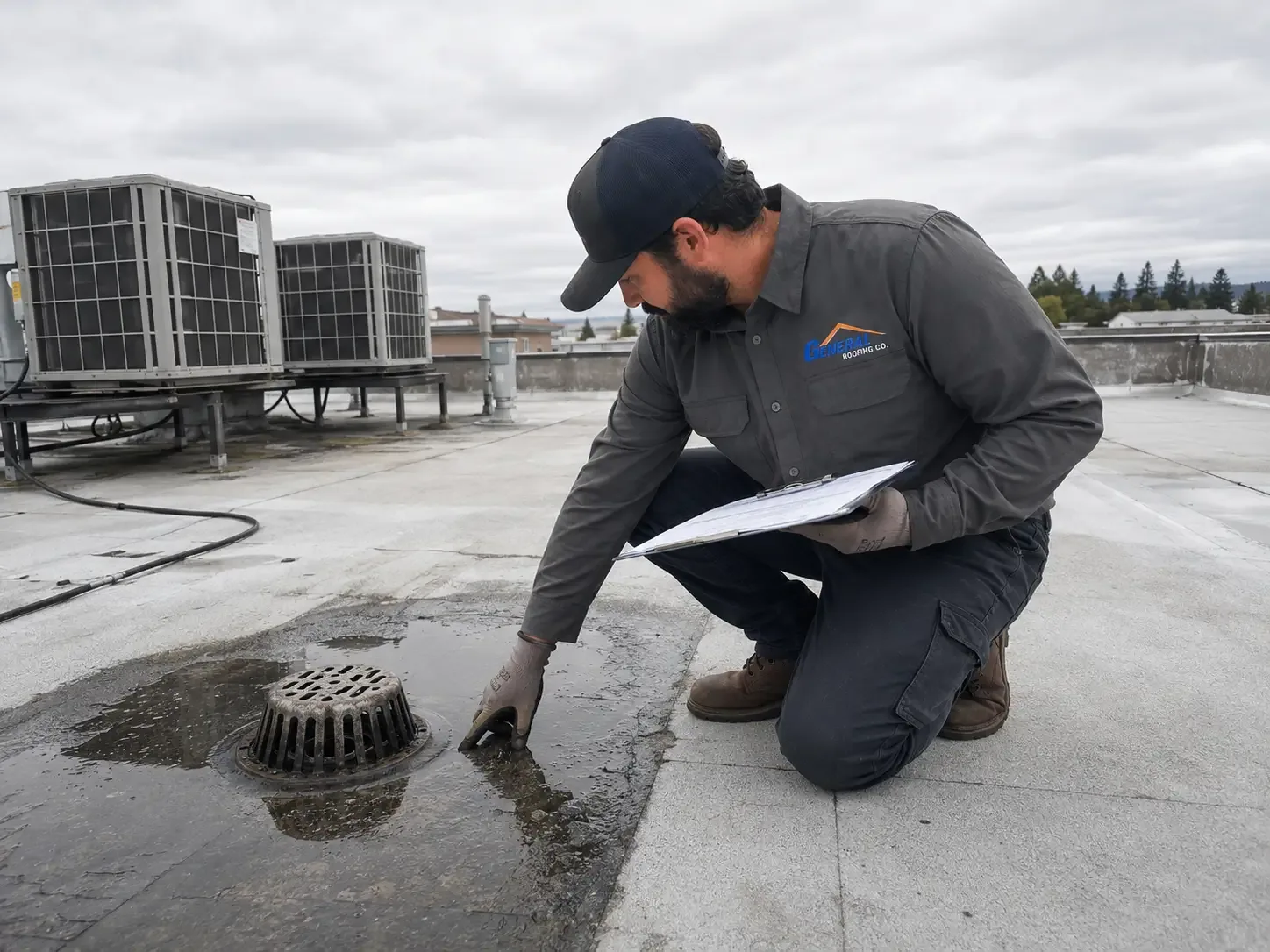
High water can affect streets and basements along the Stamford coast when the hurricane barrier is not closed. After a coastal storm, we inspect the drain bowl, overflow, scupper, and surrounding membrane for debris, movement, or an open path. A drain and scupper repair can address a damaged flange or restricted outlet when it contributes to roof water entry. The scope identifies that detail and its tie-in.
Temporary control: protect the opening
If water is entering, we first consider the space below, electrical exposure, roof access, and weather. A temporary patch or cover may reduce entry when the surface and attachment conditions allow it. The measure needs a defined edge and a safe way to shed water. A loose tarp can move, trap water, or cover a seam still needing inspection. We mark its limits, photograph what remains exposed, and state whether permanent repair requires drying or further testing. An emergency roof assessment can scope that immediate work and discuss the next steps with the property contact.
Loose metal and displaced membrane should not be pulled free merely to make the roof look orderly. We secure only material that can be handled safely, then identify components requiring another trade or a later dry-weather visit. Temporary work is not the final repair boundary. Before removing a temporary cover, the crew checks the surrounding laps, corners, fasteners, and substrate so the permanent correction does not stop at the first visible opening. Photos taken before and after control help the owner track what changed.
Stamford context: plan around the roof below
During Hurricane Sandy on October 29, 2012, wind damage was reported in Stamford, and the storm created a worst-case surge setup for Connecticut's coast. We inspect exposed perimeters, curb corners, metal returns, edge attachment, and field seams for movement, then tie each finding to the repair boundary. Photographs show which transitions moved and where surrounding material remained secure. We mark each affected run from its first loose connection through the point where secure attachment resumes. At a Downtown Stamford commercial roof, access above occupied rooms can shape the work sequence; the property contact confirms routes and limits.
The Route 1 coastal corridor extends 22.77 miles from the New York line to the Westport-Fairfield boundary, passing through Greenwich, Stamford, Darien, Norwalk, and Westport. Before a section opens, we confirm the property's lift route, set-down area, and protected zone with the site contact. The sequence names which area will be exposed, how it will be dried in, and what must be checked before the crew leaves for the day.
Repair limit: keep the correction defensible
A focused repair is reasonable when the damaged detail is isolated, the surrounding membrane is dry, and the attachment remains sound. Several lifted edges, repeated seam openings, or wet insulation may point to a wider assembly concern. We document each condition separately, then explain what changes the scope. A TPO seam repair follows the material and weld condition where that system is present. The existing assembly must be identified before anyone chooses a repair method.
When damage reaches multiple roof zones, we compare the cost and disruption of repeated repairs with a broader evaluation. A roof recover review considers moisture, deck capacity, attachment, drainage, and project-specific permit requirements. Removal may be needed if wet material or unstable layers cannot support another assembly. We provide a written boundary, photographs, and any test still needed before pricing can be final. The recommendation distinguishes confirmed wind damage from unrelated wear, so the owner can review the roof work on its own evidence.
Commercial Roofing Questions
Which roof details do you check after strong wind?
We inspect coping, cleats, edge metal, terminations, seams, curbs, penetrations, and drainage around the reported area. Photos show the exact roof zone and whether a detail has moved, opened, or stayed secure.
Which edge conditions allow a focused repair after wind lifts metal or membrane?
A contained metal or termination issue may support a focused repair when the substrate and nearby membrane remain sound. We check adjacent fasteners and transitions before setting that limit.
Does a leak after a storm establish wind damage?
The timing helps direct the inspection, while the roof's condition establishes the repair finding. We compare the reported water path with displaced details, older patches, and any available service records.
What if the roof cannot be reached safely?
We record visible conditions and areas not inspected, then arrange a return visit when access is safe.
Which photos and conditions belong in a wind-damage repair log?
It should identify the roof zone, damaged component, photographs, temporary controls, completed work, and any open test or follow-up. We keep confirmed repair separate from items still under review.