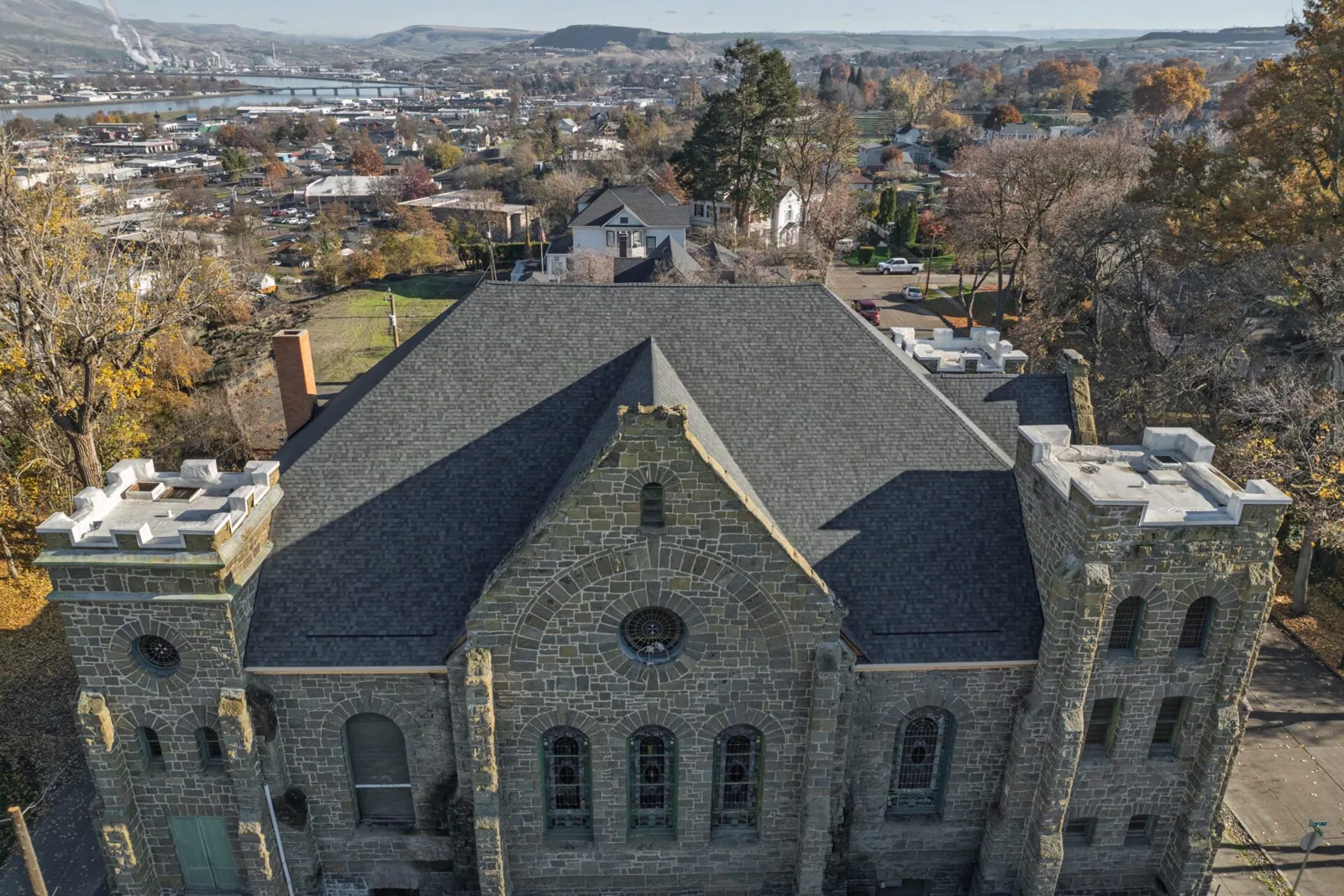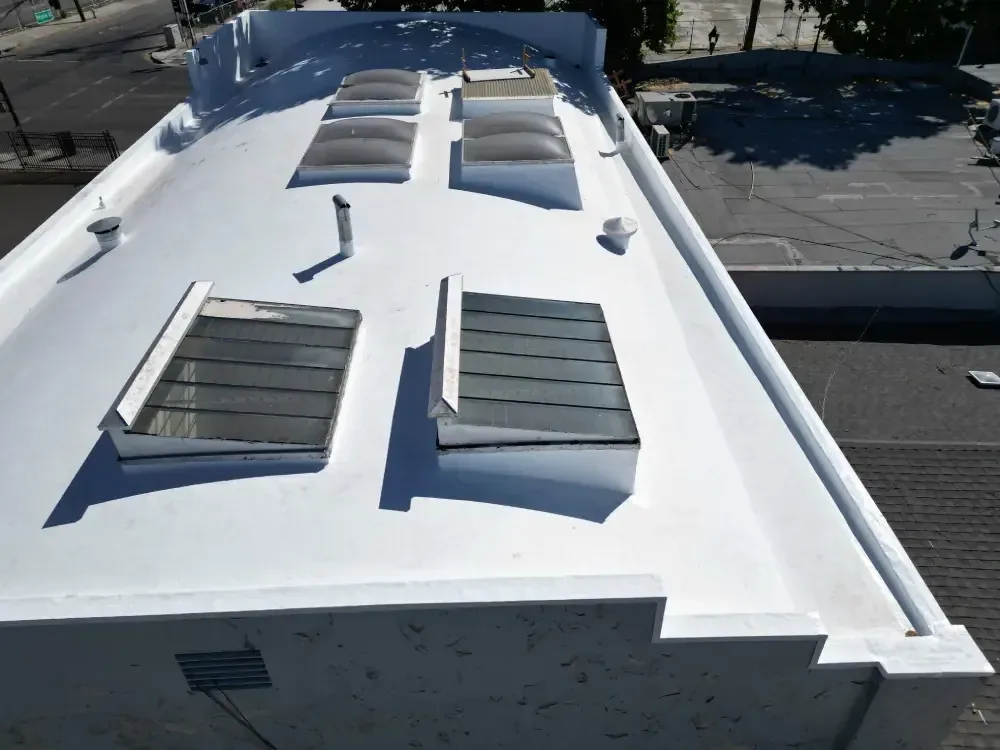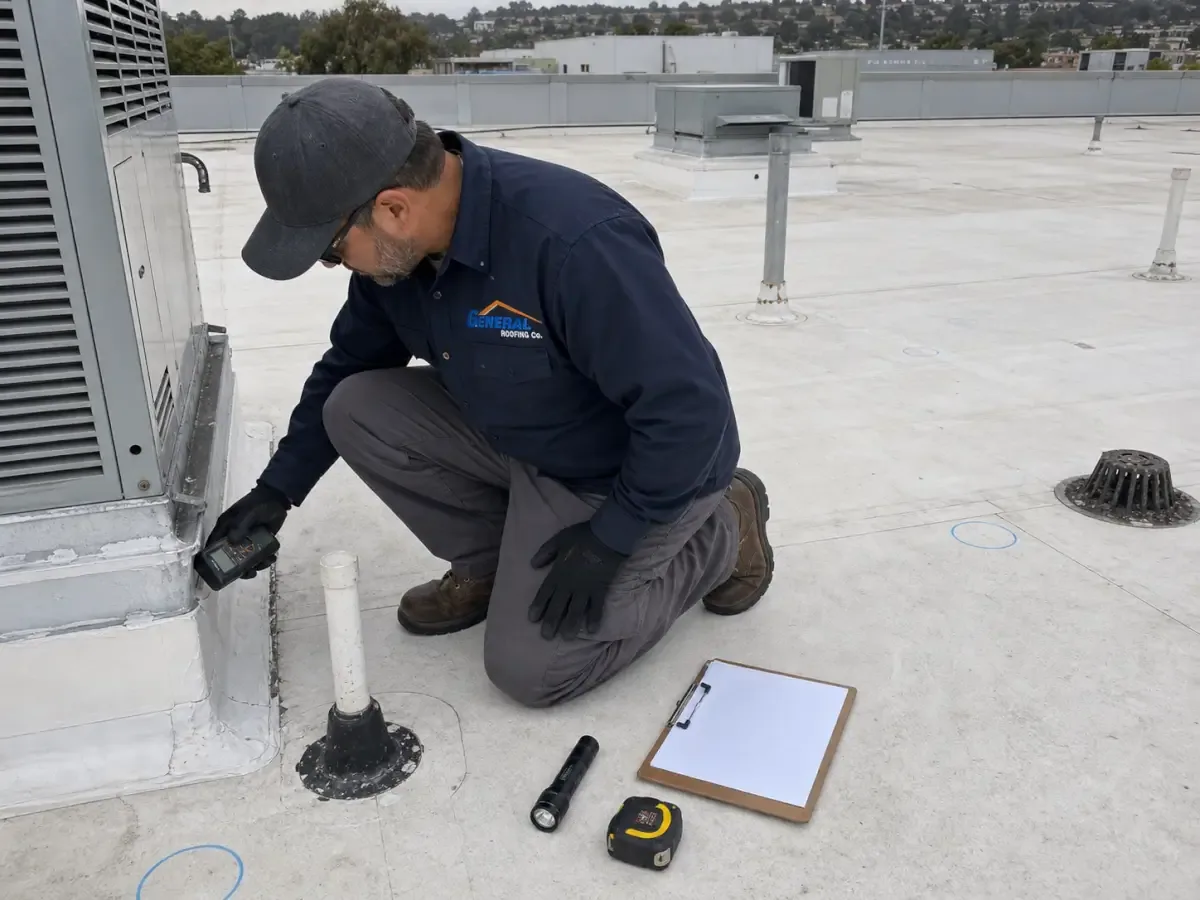
A claim file needs a roof condition, not a guess based on the storm date. For a commercial property in Stamford, CT, we document the affected assembly, visible damage, and repairs that the roof can support. The National Weather Service recorded wind damage in Stamford during Hurricane Sandy. We compare the reported event date with the seams, edges, drains, and transitions present now. A storm damage assessment can identify the roof-side evidence, while a written record keeps the contractor's scope separate from an insurer's coverage decision.
Roof evidence: tie each finding to a location
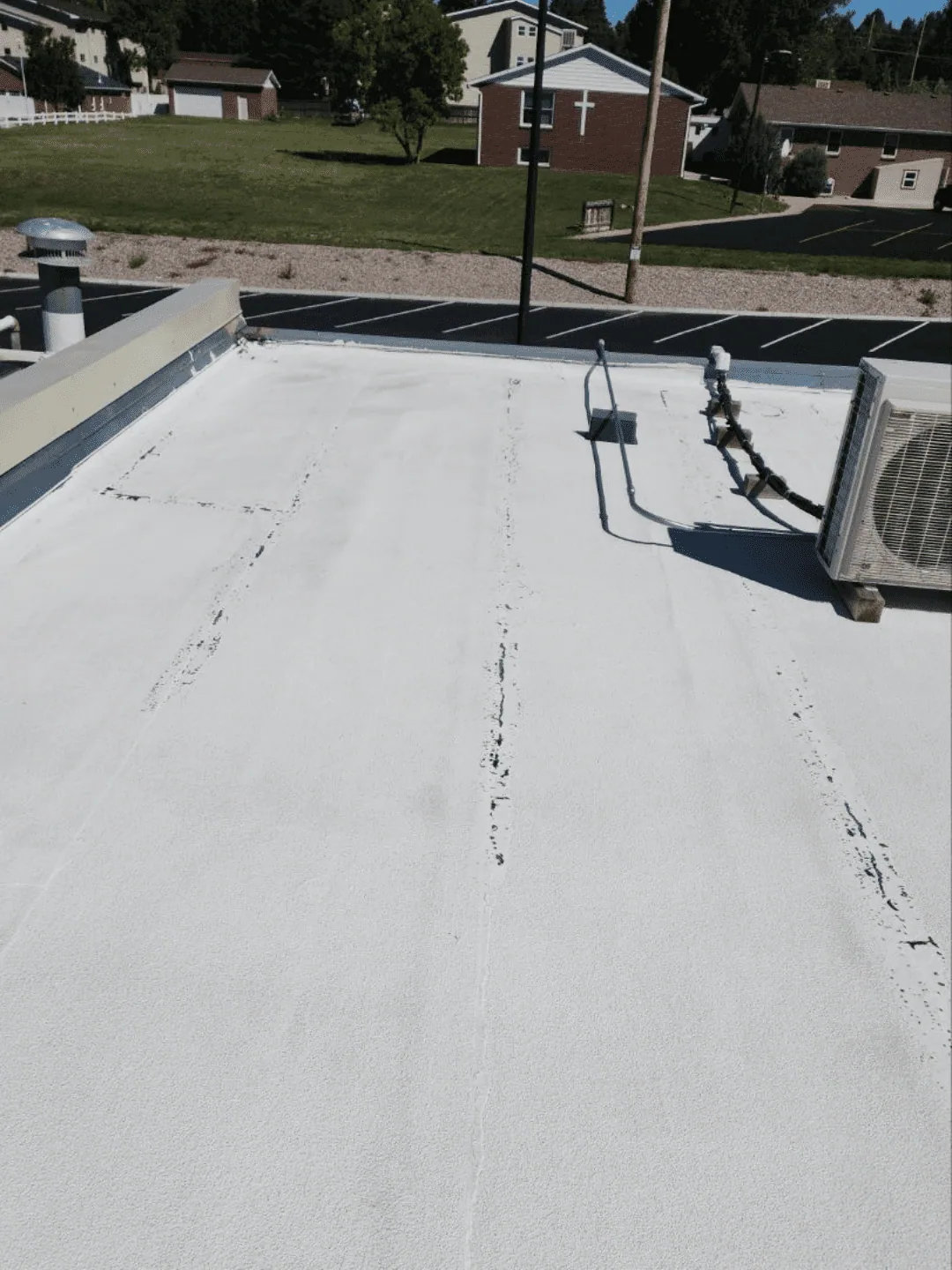
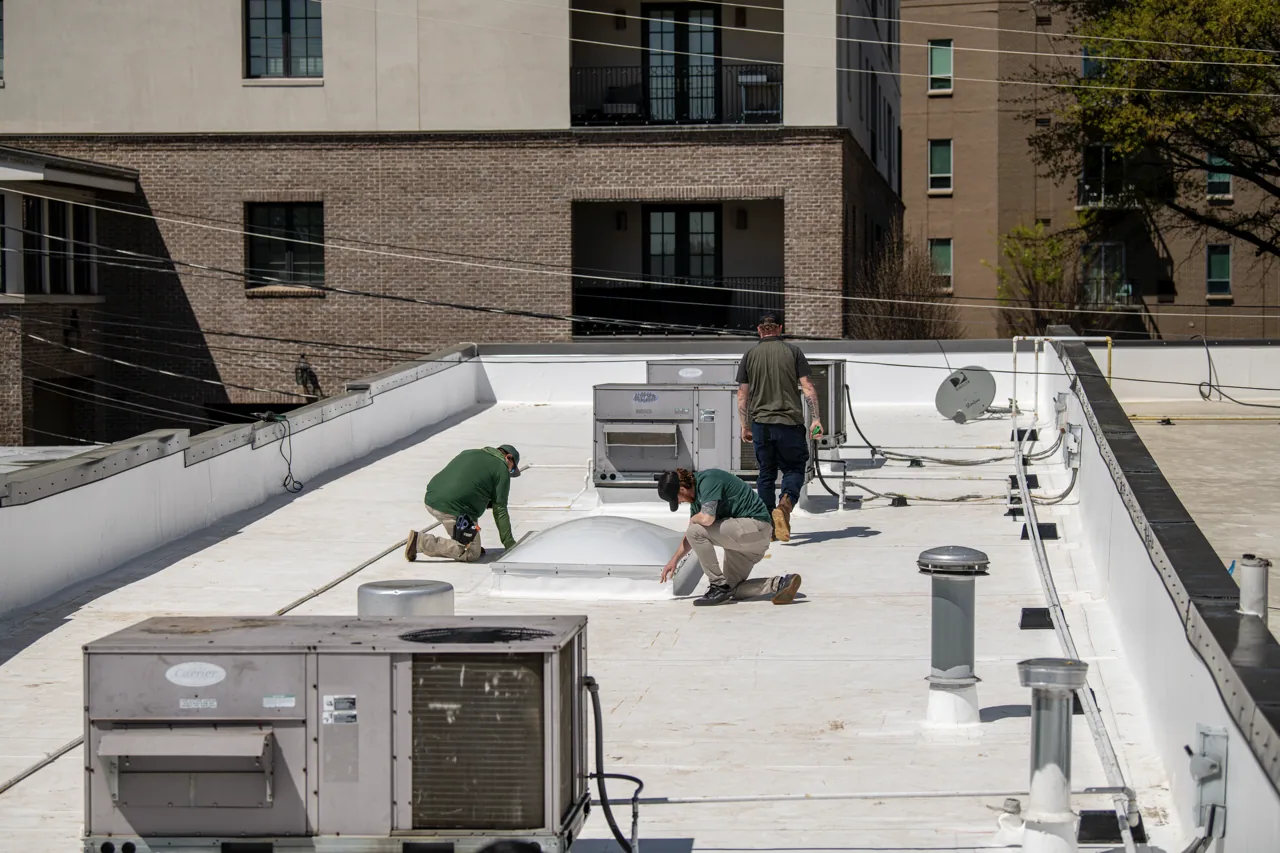
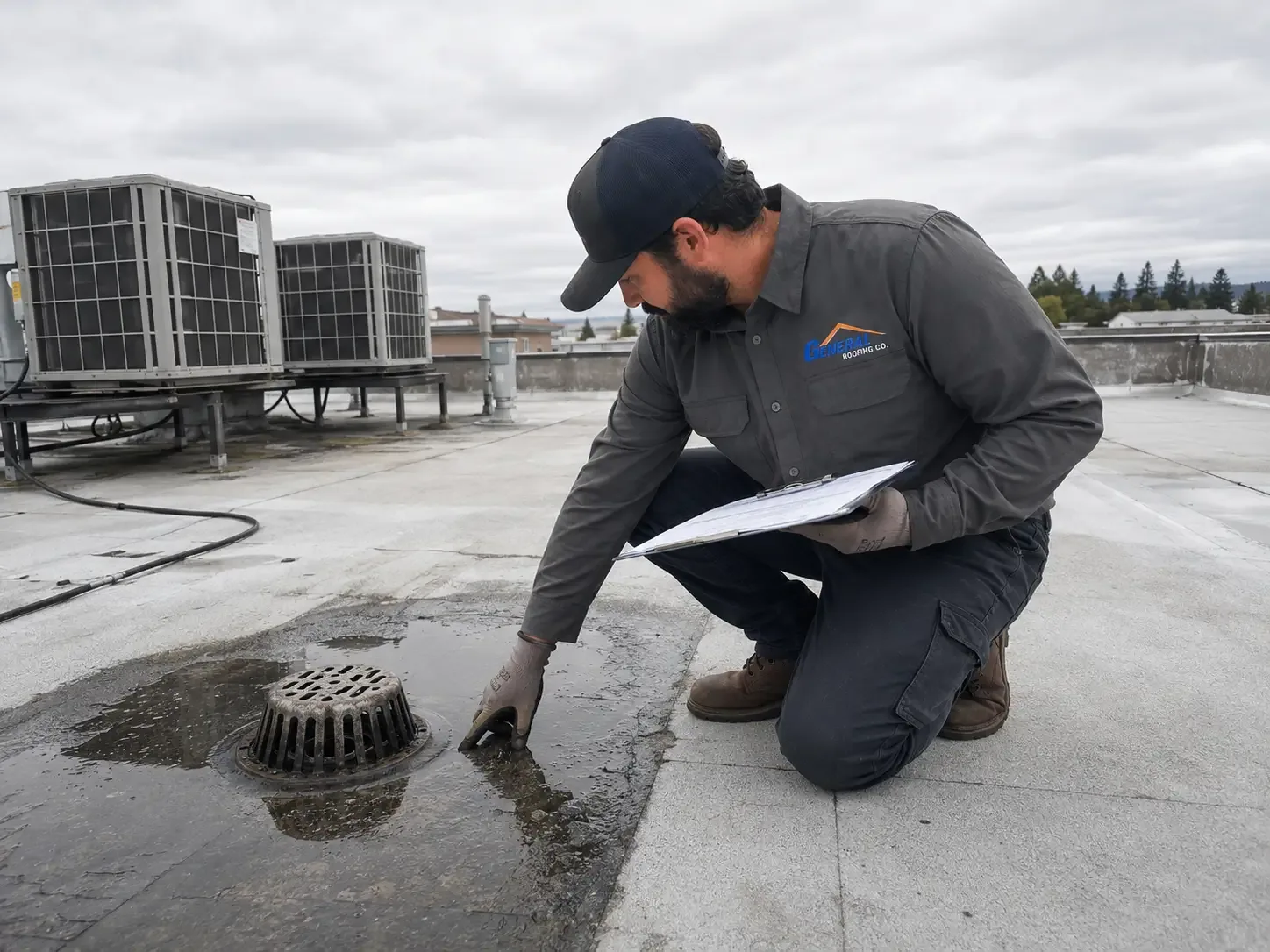
We photograph the seam, edge, curb, penetration, or drain that shows a change. Each image needs a roof zone and a short note about why the detail matters. A wide photo can orient the reader; a close view can show a lifted lap or damaged flashing. Include a nearby parapet, drain, or roof unit in one frame when it helps locate the detail. Mark the photo reference on the roof plan and record whether the image was taken before removal, during testing, or after the repair was closed. We also note conditions that do not fit the reported event, such as an older patch or a recurring leak path. A commercial inspection establishes that comparison. The record should distinguish what is visible from what requires opening or testing.
Water can move laterally through insulation or along a deck before it appears indoors. We compare the room location with the roof detail above and nearby transitions, then record the material and water path observed. Dated maintenance records, prior repair notes, and photos can clarify what changed. We record whether an area was inaccessible or wet at the time of inspection. If a condition cannot be safely reached, that limit stays in the report rather than being presented as a completed check.
Repair boundary: separate immediate work from review
A contractor scope describes the work needed to return the roof detail to service. It can identify temporary protection, removal of wet material, membrane repair, and replacement of damaged flashing. A repair estimate should tie quantities and methods to observed conditions, with assumptions stated where the assembly remains concealed. We can explain the roof sequence and provide photos, but the policy and claim decision belong to the owner and insurer.
Stamford appears in coastal surge planning maps. When roof water, wind, and interior damage appear in one claim file, we inspect the membrane, attachment, drains, and transitions and document the roof-side conditions found. If storm water entered at a scupper or curb, the scope should identify the opening and the materials affected. The drainage repair scope can separate a blocked outlet from a failed roof detail. A coverage reviewer may need different information, so we preserve the underlying observations in a usable form. Scope quantities identify the roof section, edge length, or penetration being addressed. We show how the repair meets the existing assembly and identify any allowance that needs field verification. If wet insulation is removed, the record names its location and the compatible replacement work at the tie-in with dry material.
Photo record: make comparison possible
A good record lets the reader compare the roof before and after the reported event. We label each image by roof area, identify the defect, and note adjacent material that appears intact. The report can include a simple roof sketch when the route is not obvious. A photo-backed condition record helps property staff track what was repaired, what remains open, and which area should be revisited. It also reduces confusion when several roof details appear in a single estimate.
In Downtown Stamford and South End, offices, homes, and retail uses share a higher-intensity mixed-use core. A repair record can identify which roof zone protects occupied space and what access limits affect the work. In Norwalk, the Route 1 and Route 7 corridors include commercial and industrial activity, so delivery or operating schedules may matter when repairs are staged. The report identifies the insured property, roof assembly, and damage observed so the repair scope stays connected to the inspected area. On a single-ply roof, an open seam, puncture, or raised termination needs a different description from a shifted metal panel or loose trim. We record the material and location rather than treating every mark as storm damage. An older coating or patch can obscure the surface, so we note what additional inspection would clarify before assigning a cause.
Claim coordination: keep the decisions distinct
Owners often need a clear answer about what can be repaired now and what is still being reviewed. We can explain access, materials, sequence, and the conditions that would expand the roofing scope. The policyholder and insurer determine whether the policy covers the loss. A restoration coordination plan organizes contractor documentation alongside the owner's claim process. If a carrier requests a site meeting, roof observations and proposed work should remain concrete and consistent with the written scope.
For a single-ply roof, the proposed repair depends on membrane type, attachment, and the condition around the opening. A TPO repair may require a clean, dry surface and compatible detail work. Other materials have different preparation needs. The report notes which system is present only when records or inspection support that identification. If the assembly cannot be confirmed, we say what must be checked before finalizing the repair method. That protects the owner from a scope built on assumptions.
Next scope: preserve the roof facts
Before repairs begin, keep dated photographs, leak locations, prior service records, and any temporary measures together. We can prepare a warehouse roof scope or another commercial repair description that explains materials and work area, without stating that an insurer will approve it. If a broad failure or widespread wet insulation changes the project, a capital comparison can show repair and replacement alternatives. Downtown Stamford building use may mean the work must be divided by access zone, while South End mixed-use space can require careful interior coordination.
The final report should make the next action plain: repair the confirmed opening, test a concealed area, or compare a larger system option. It should also list excluded conditions and areas not reached. A claim file may continue to change as materials are removed, so we document new findings before the repair boundary expands. Labor access, interior protection, material removal, drying, and rebuilding can affect the roofing scope even when the visible opening is small. That gives the property team a roof-based record for decisions, while coverage questions stay with the policyholder and insurer.
Commercial Roofing Questions
What observations can support an insurer review without deciding coverage?
No. We document roof conditions and describe the repair work they support. The policyholder and insurer determine coverage under the policy terms.
Which measurements, photographs, and repair boundaries belong in a roof damage record?
Photos, roof-area labels, visible conditions, access limits, temporary measures, and the repair boundary help make the record useful. We separate confirmed findings from questions that need testing.
Does damage reported after Hurricane Sandy prove the cause?
We compare the reported storm date with current roof details and available maintenance records, then document what the assembly shows.
Should permanent work wait for a claim decision?
The owner should address active water and safety conditions while coordinating with the insurer. We can identify temporary protection and describe the permanent roofing work supported by inspection.
Can the estimate include concealed damage?
It can identify an allowance or condition that needs verification, but concealed material should not be described as confirmed. We note what inspection or opening would establish the final scope.