A budget line marked roof replacement can conceal several different conditions. One area may have an isolated seam failure, while another has wet insulation or repeated movement at curbs and edges. Capital planning begins with those distinctions. We inspect the assembly, record the repair boundary and show what evidence supports a near-term fix or a larger project. In Stamford, CT, Downtown and South End properties include mixed-use buildings where access and work timing affect the sequence. The condition report keeps observations separate from funding assumptions.
Scope first: know what the budget is buying
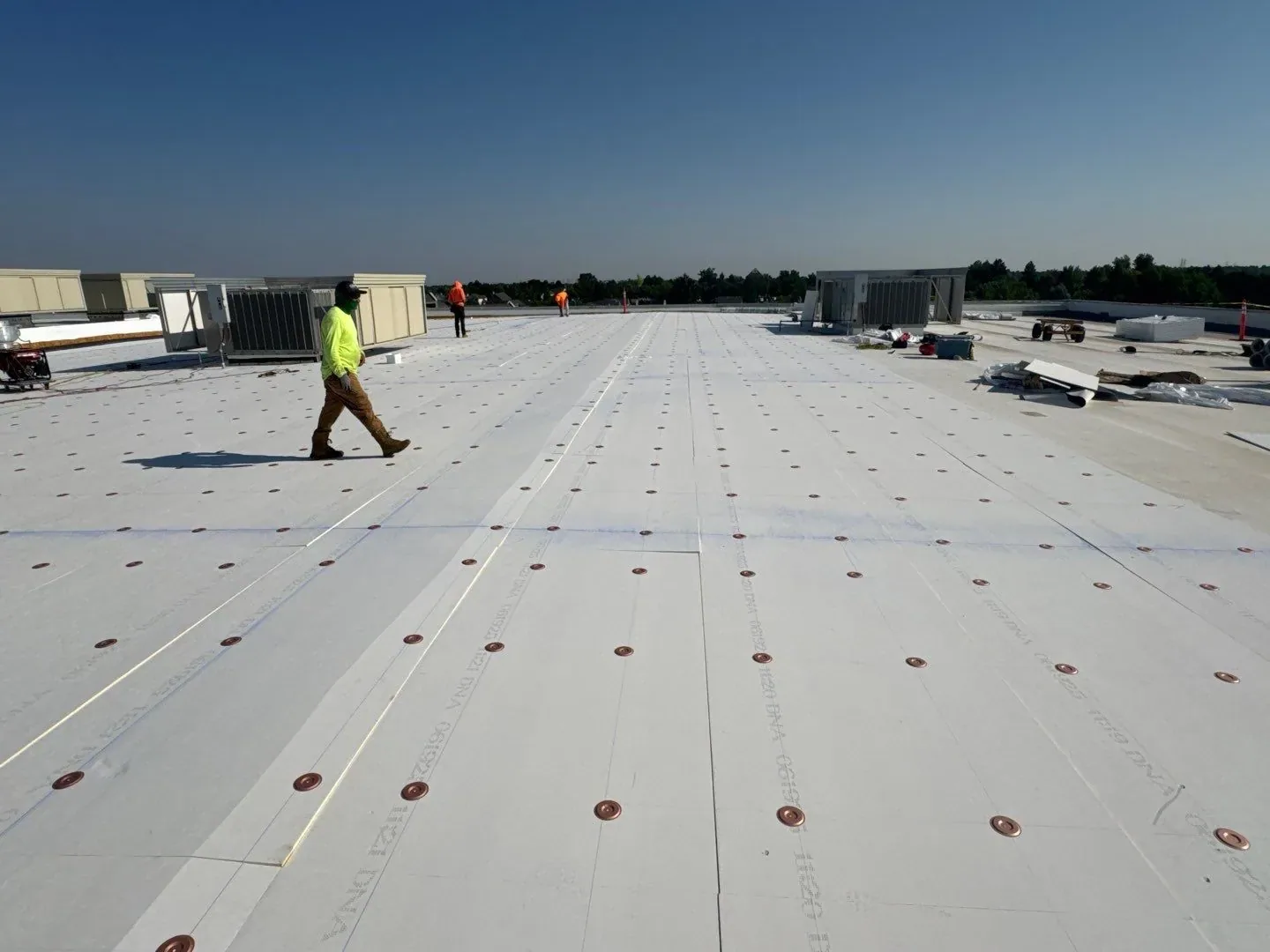
A roof budget needs a defined scope before it can be compared across years. We identify the area involved, the system observed, the work needed and what remains uncertain. A localized repair can address a failed lap or curb transition. A recovery may make sense when the existing assembly is suitable for another system, while widespread wet insulation or deteriorated attachment can move the decision toward replacement. The replacement evaluation should explain why a smaller repair no longer solves the condition.
Do not combine unrelated items into a single allowance without a field reason. A drain correction, perimeter metal repair and broad membrane renewal carry different access and sequencing needs. We list them separately, then identify dependencies. For example, repair work may need to precede coating, and rooftop equipment coordination can affect where crews begin. The owner can see which items protect the existing system, which extend its serviceable use, and which require a larger capital commitment.
Cost drivers: connect each one to field conditions
Price changes with the amount of failed material, the repair area, substrate condition, roof access and the detail count. A short seam repair can grow if the sheet has separated beyond its visible end. A curb can require more work where old flashing, equipment supports and surface layers meet. We document those conditions before estimating the scope. A repair visit can determine whether the issue stays local or crosses into adjacent insulation or attachment.
System choice also changes labor and sequencing. Existing membrane type, fastening, deck condition and compatibility constrain what can be installed over or beside it. If moisture testing would change the repair-versus-replacement call, we mark the area for further evaluation rather than burying that uncertainty in a broad allowance. A moisture survey can guide selective verification, with the final scope tied to what testing and inspection establish.
Timing: account for weather and building operations
Project timing depends on more than crew duration. Rain exposure, temperature, material handling, lift access, rooftop trades and the need to keep a building operating can set the workable sequence. A repair may fit into a short window, but a larger renewal needs staging, protection and coordination between work areas. We identify those constraints while defining the scope so the funding plan reflects a credible work sequence, not just a target season.
Stamford climate normals record recurring winter snowfall and subfreezing nights. Freeze-thaw cycling makes drainage, laps and exposed transitions relevant when setting inspection priorities. The same normals show summer daily highs in the low-to-mid 80s Fahrenheit, a condition to consider when selecting work periods and managing rooftop exposure. We compare those seasonal exposures with the actual drainage, laps, and exposed transitions before deciding whether weather changes the project scope.
Portfolio mix: separate use from roof condition
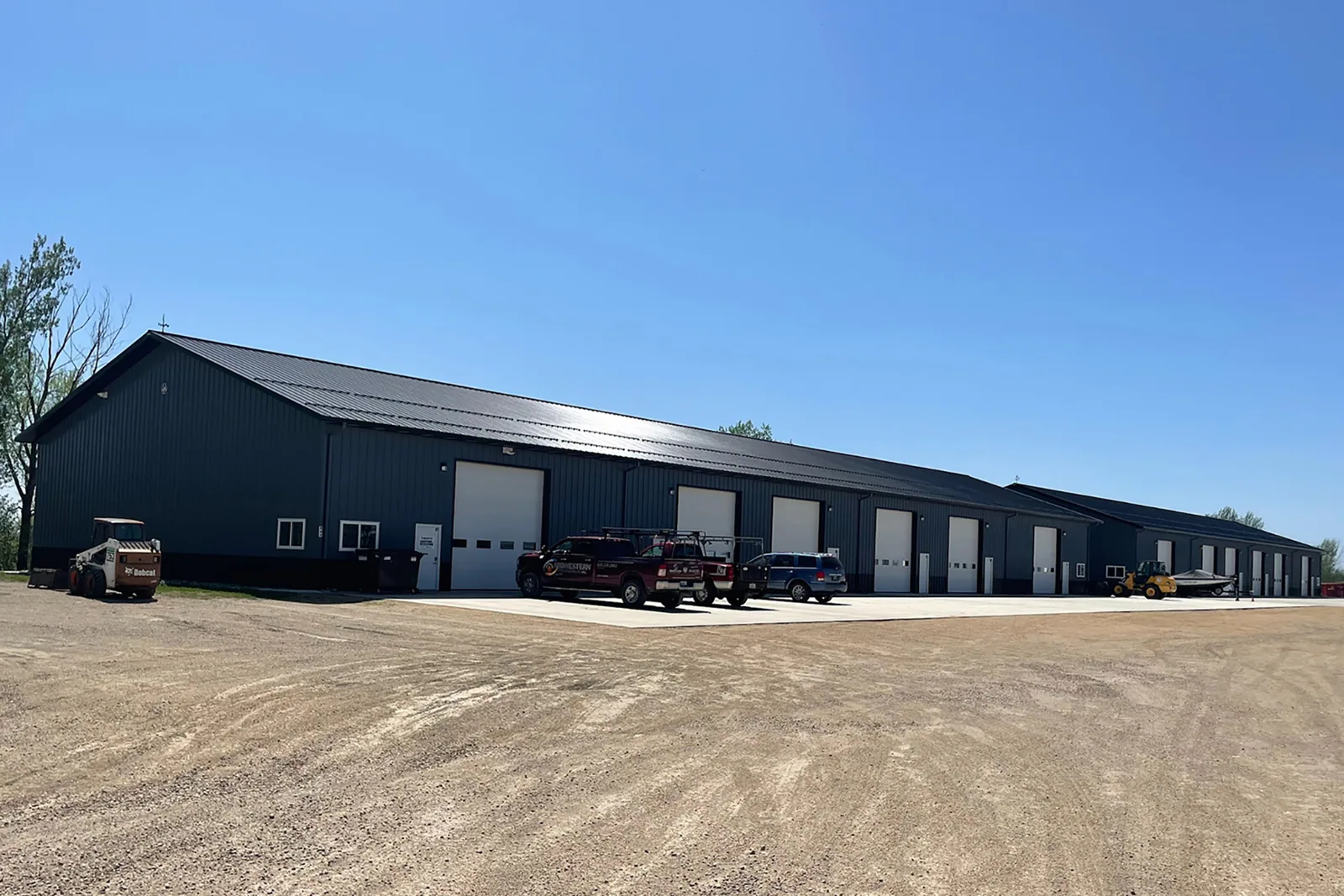
Stamford’s plan describes a flexible-industrial category that can include light manufacturing, distribution, maker space and compatible offices or showrooms. Those operations can affect access, equipment shutdowns and material staging. They do not establish what membrane is on a specific building. We inspect each roof and keep its assembly, open repairs and operating constraints in its own record. That gives the owner a consistent way to compare projects without assuming two properties need the same treatment. Norwalk Center adds a different planning context: the city plan describes pedestrian-scale retail and business blocks there. A project sequence for a Norwalk property still starts with its own roof walk, but the work plan can account for the access pattern around its business use. We keep those context notes distinct from assembly findings and from Stamford property records. That separation lets a portfolio review compare needs without carrying one town’s detail into another roof’s recommendation.
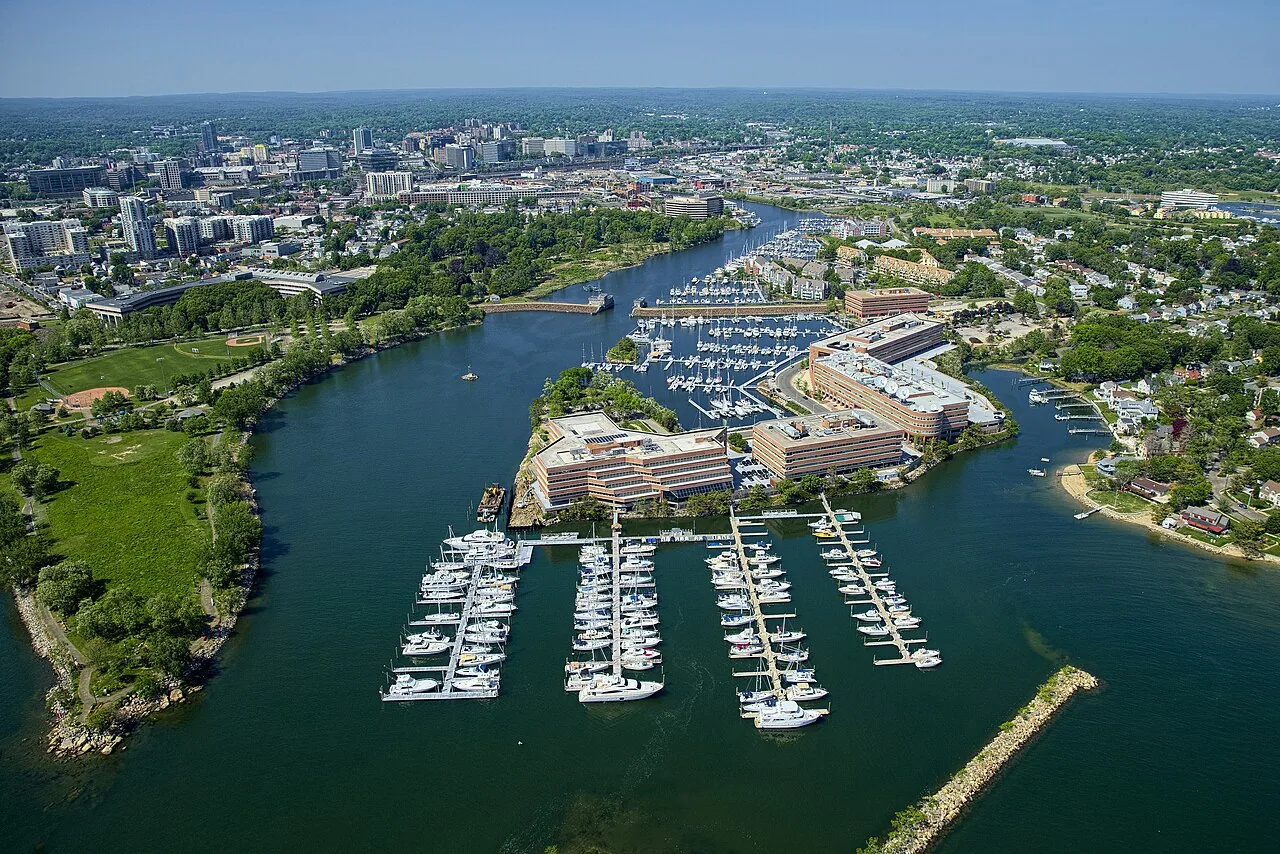
Downtown and South End Stamford also appear in the city’s higher-intensity mixed-use planning areas. A capital sequence for those properties may need to account for multiple building uses below a roof and coordinated access above it. We note the affected areas and work windows, then separate those logistical items from the technical reason for the scope. For buildings in South End Stamford, we update the roof record when repair history or operating conditions change.
Compare alternatives: repair, recover or replace
The useful comparison is not simply lowest current cost against highest current cost. It is the condition each option addresses and the work it leaves behind. A repair targets a known failure. A recovery can add a new roof layer when the existing assembly and substrate support that approach. Replacement exposes and renews more of the assembly, which may be warranted when deterioration is widespread or the substrate cannot support a lasting repair. The recover evaluation should state the suitability checks that control that choice.
We describe what each option includes, what it does not address and which condition would change the recommendation. If an isolated repair depends on a sound surrounding field, we explain how that field was assessed. If a broader scope is proposed, we identify the defects or assembly limits driving it. The owner can then compare timing, access and operational impact with the technical result each option is intended to achieve.
Funding sequence: keep assumptions visible
Separate immediate water-entry work from planned renewal, then mark the inspection or testing needed before a later commitment. A useful sequence states what can proceed now, what should be monitored, and what evidence would move a future project forward. If a warranty applies, we review the available documents and proposed work before assigning a warranty-related task. Our review of the issued warranty terms can keep project decisions tied to the property’s maintenance record.
For each roof, keep photos, observations, accepted scope and completed work together. Update the plan when a repair uncovers a different substrate condition or when equipment work changes the roof details. That record helps the next review start from the current assembly rather than a stale estimate. We can walk the roof with the manager, explain the alternatives and prepare a written scope for the selected work.
Commercial Roofing Questions
What should a roof capital plan compare?
Compare the field condition, repair boundary, work sequence and operational impact for each option. We explain why a repair, recovery or replacement fits the observed assembly.
Can a repair be budgeted before testing?
A defined repair can be estimated when the affected area is understood. If moisture or substrate condition could expand the work, we identify that check before setting the final scope.
Which Stamford conditions affect project timing?
Winter snowfall and freezing nights, along with summer heat, can influence inspection focus and workable installation conditions. The roof and chosen materials still control the schedule.
When does recovery remain an option?
The existing assembly, substrate, moisture findings and applicable requirements must support another layer. We inspect those limits before recommending recovery.
How should completed work change the plan?
Add the repaired area, materials, photos and remaining conditions to its property record. That update may close a budget item or show where the next review belongs.