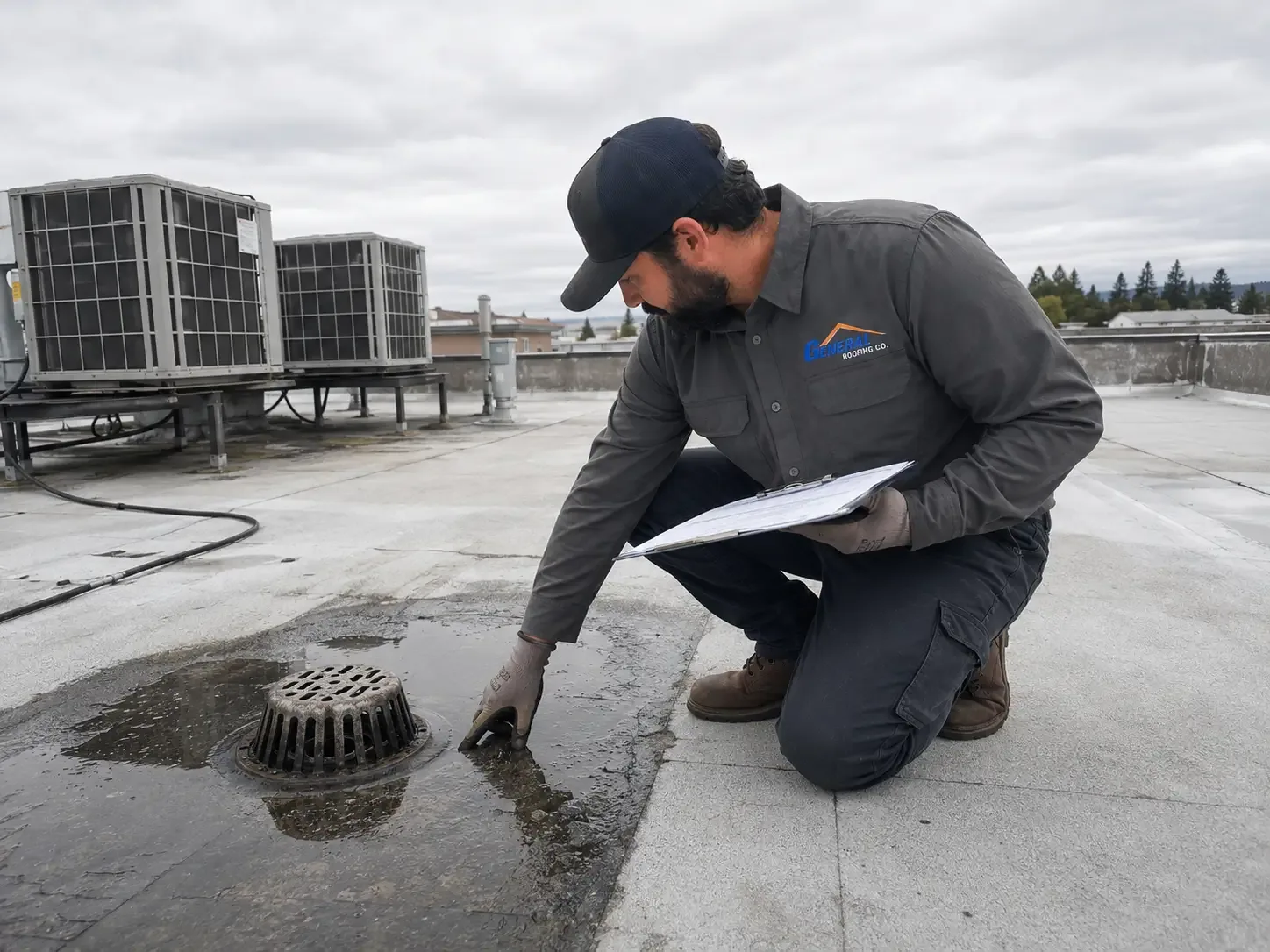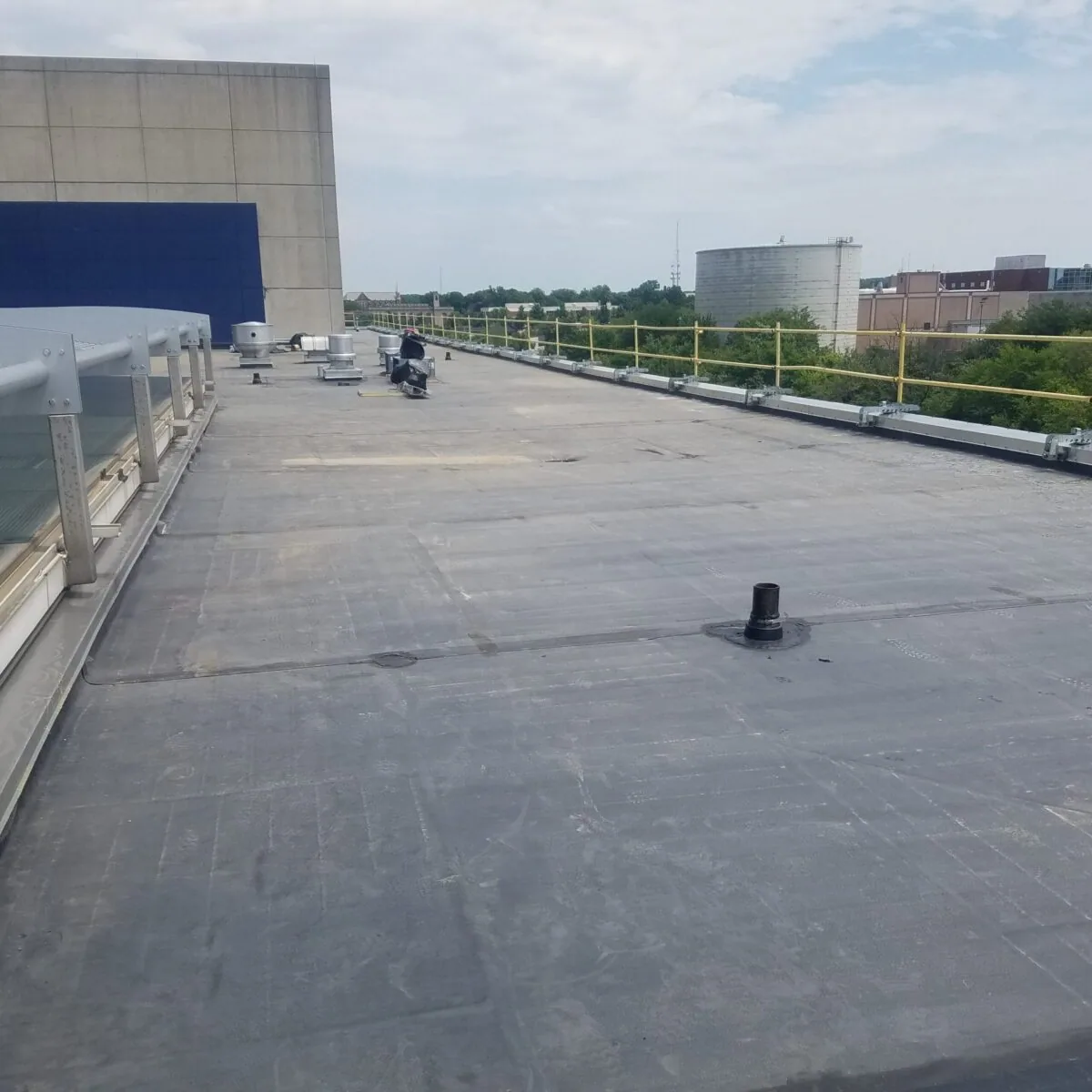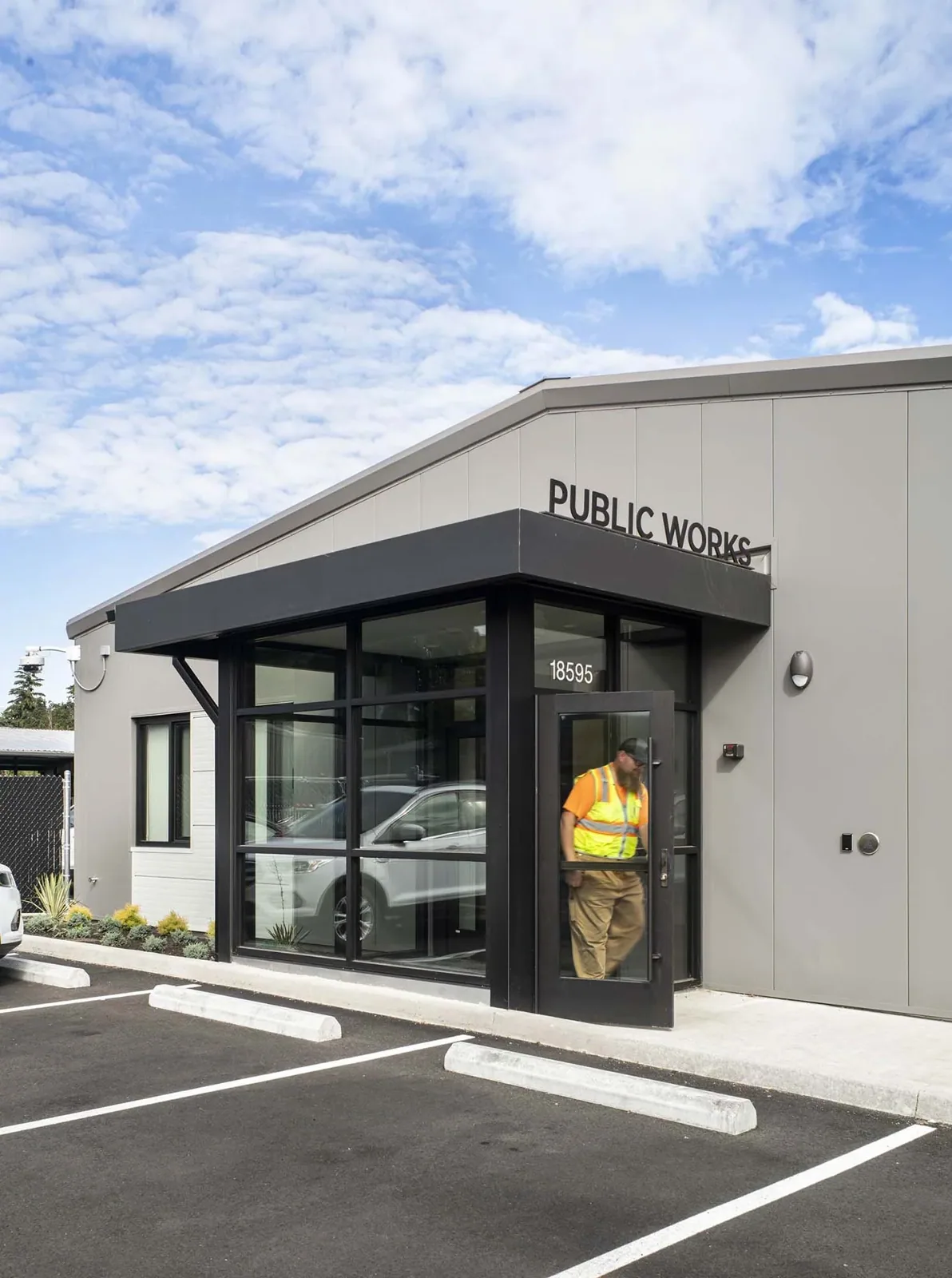
Water drops from a failed curb can cross the deck before reaching a public room. We trace the water path to the membrane detail, then set a work boundary the facilities and purchasing teams can review. The adopted city plan gives Downtown and South End higher-intensity mixed-use roles; low-density, single-family land still covers most of Stamford. Public properties sit within that varied building stock, and each roof needs its own inspection. A commercial roof inspection can give the agency a location-specific record to support a repair scope or a larger capital request.
Scope definition: make the bid boundary clear
A public work package should state the roof area, assembly assumptions, access plan, protection, and closeout evidence. We identify visible defects, areas that need testing, and the condition that would expand removal. If the deck is concealed, the documents should explain how the agency reviews an added condition before the scope changes. That keeps a unit price or allowance tied to a real roof zone rather than an open-ended description.
Trumbull has more than one million square feet of redeveloped or reoccupied commercial space, with businesses in healthcare, technology, manufacturing, construction, education, and professional services. For public procurement, that range makes building-specific access, protection, and operating limits worth stating before a roof scope is priced. A school district roof program has its own calendar and access constraints; the bid documents should identify those limits directly. We can provide condition reports with photos, roof-zone references, and recommendations separated from concealed conditions.
Alternates should name the decision they represent. One may price work to the visible repair line; another may include removal to a sound deck if an opening confirms deterioration. A separate price for added edge metal or drain correction can also be evaluated when the defect map supports it. The package should state what authorizes each alternate, how affected rooms are protected, and how the completed area is documented. That gives reviewers a consistent way to compare options without assuming the entire roof will be opened.
Site access: coordinate the work area
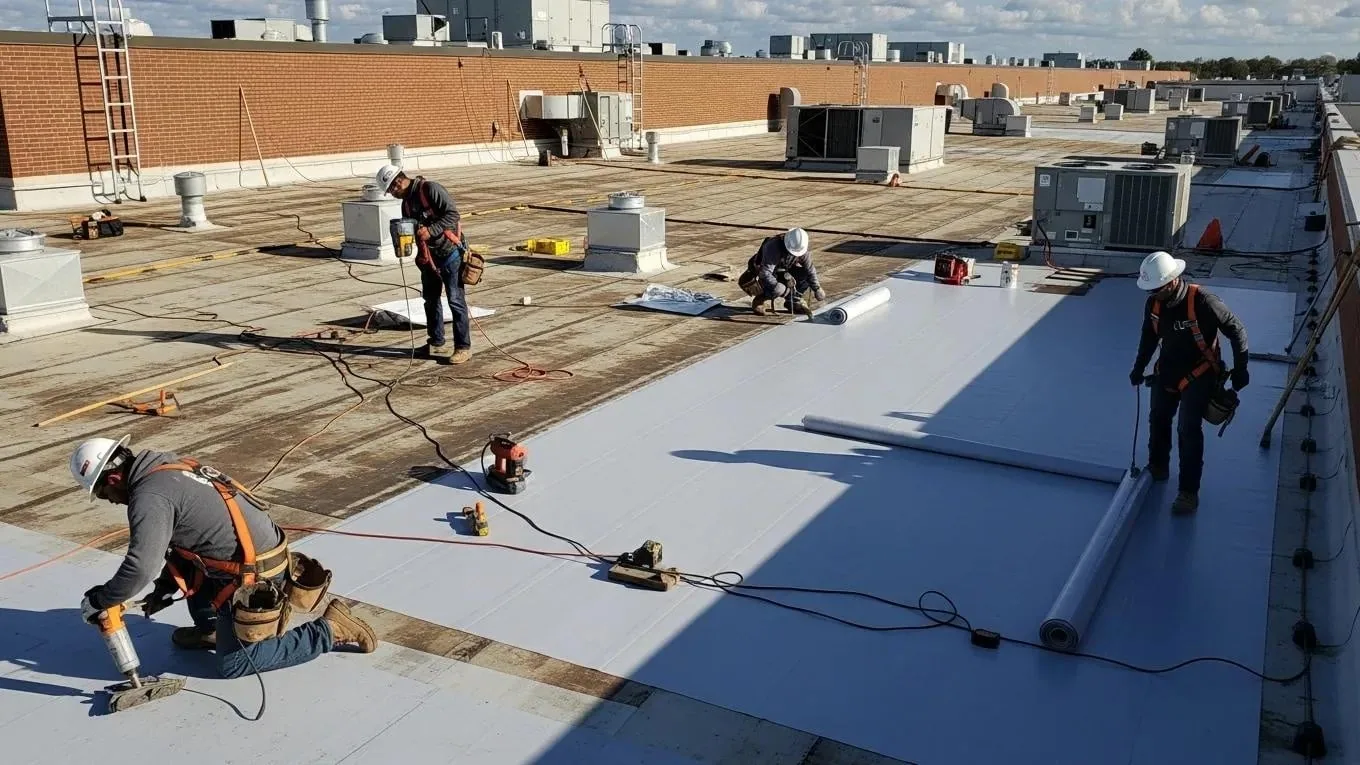
A lift, material pallet, or debris chute can affect pedestrian routes and adjacent public access. We identify staging, overhead protection, roof entry, and the area below an opening before the crew begins. The agency confirms any public hours, security rules, or restricted rooms. We then describe the work sequence and dry-in at each shift boundary. If a separate trade owns a rooftop unit or electrical connection, the bid scope identifies that handoff so the membrane work does not leave an incomplete curb.
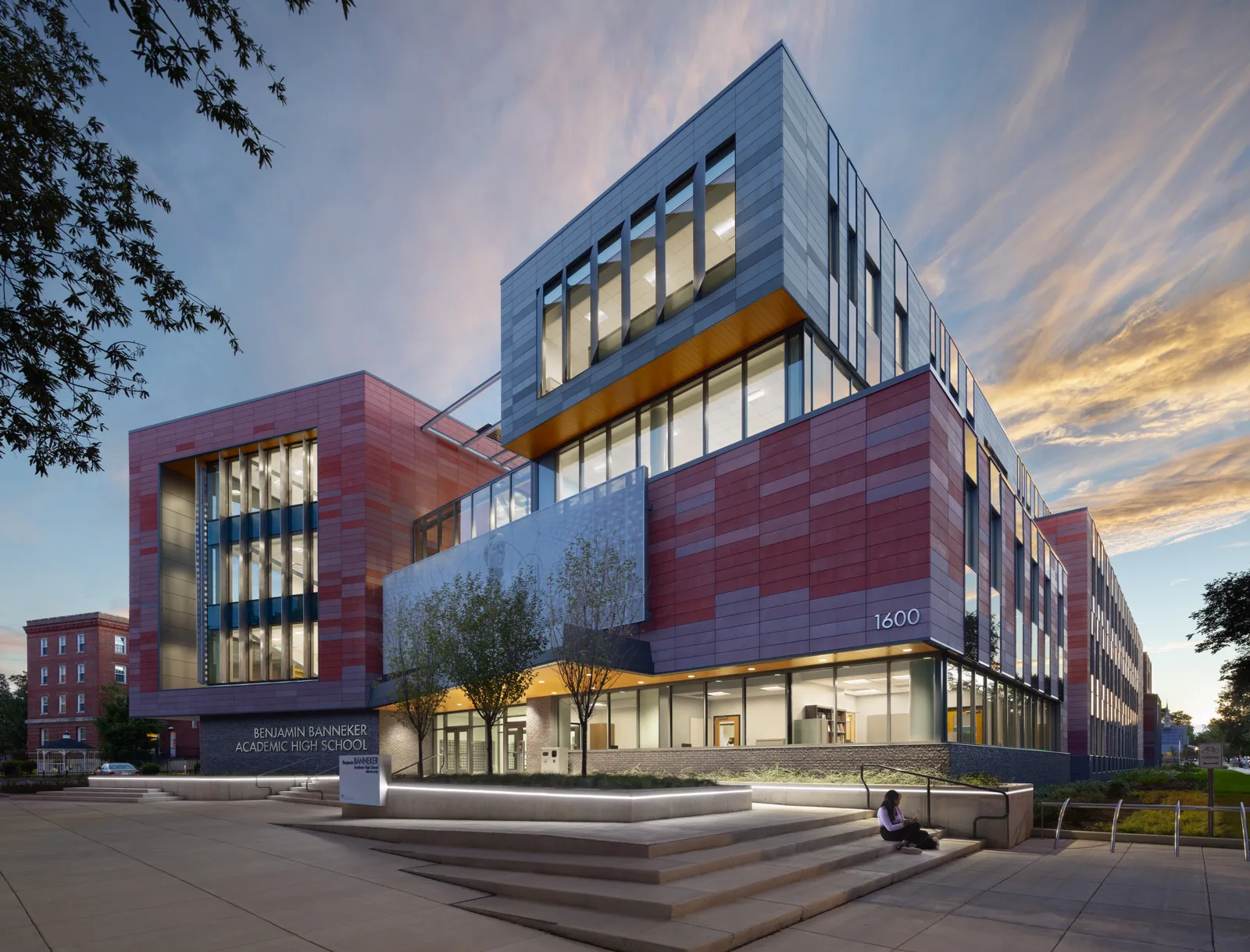
Route 1 connects Greenwich, Stamford, Darien, Norwalk, and Westport. Near a public building, deliveries still follow the entrance, staging area, and traffic-control plan approved for that property. A roof project in an occupied facility should show where people move below the work, which entrances remain open, and how interior protection is installed. We can phase roof sections to keep the plan legible, provided each phase has a complete temporary closure.
Condition review: separate visible from concealed
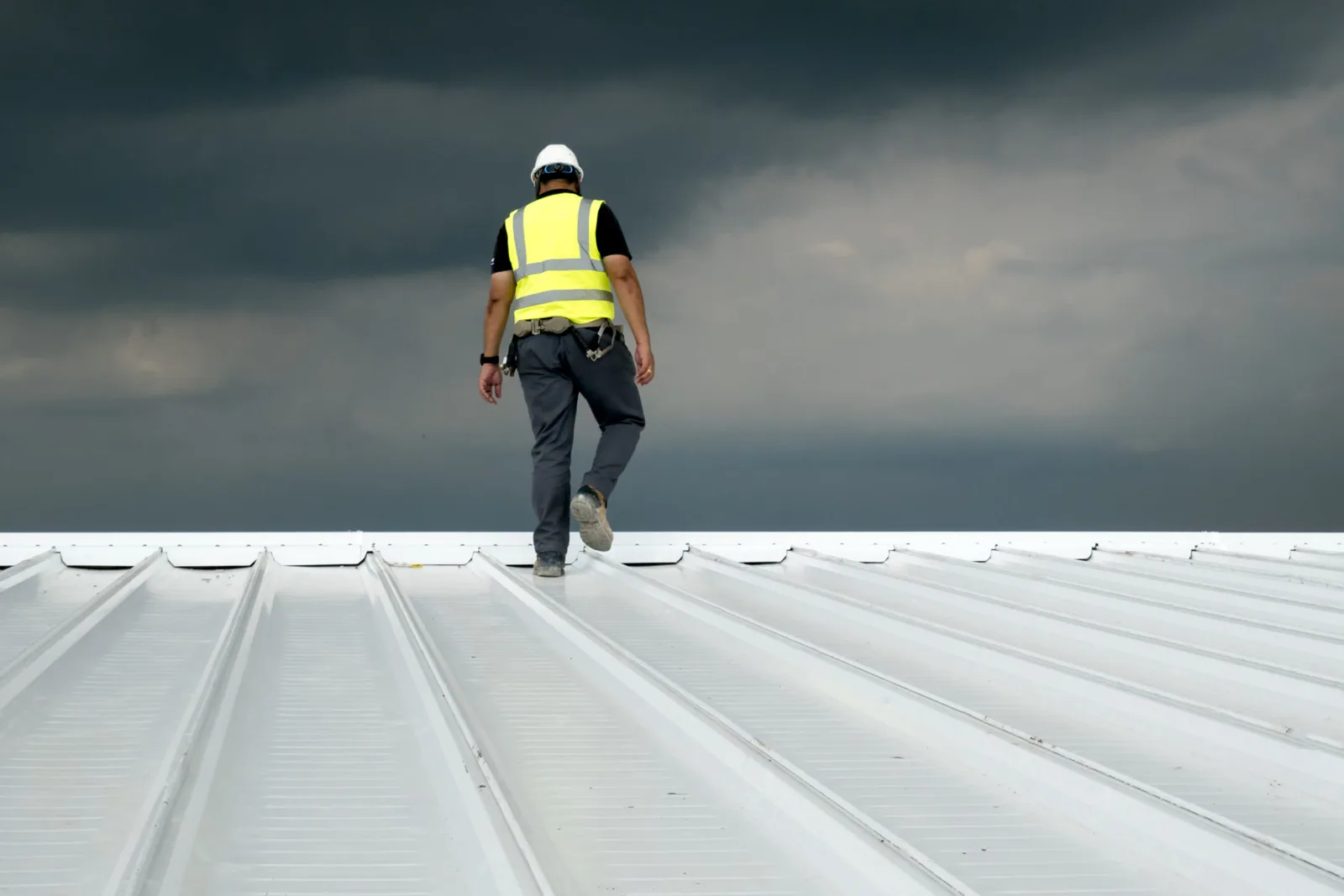
Open seams, failed flashing, ponding, and wet insulation call for different corrections. We photograph the detail, mark it on a roof plan, and state whether the observation is surface-visible or confirmed by an opening. The report separates conditions seen on the walk from concealed areas that need testing. When moisture may continue beyond the stain, a test or infrared survey can help set the removal line. The agency can review the evidence and authorize added work before we open another zone.
Stamford's winter snowfall and subfreezing nights put attention on drains, terminations, and edges after cold weather. We check the outlet, overflow, laps, and transitions that govern water movement at the property. A drain repair includes the flange and adjoining membrane where they contribute to water entry. If repairs appear in several roof areas, we compare their condition with the assembly and maintenance record before proposing a full replacement. We also record whether a drain remains accessible for routine inspection after the roofing work ends.
Repair or capital project: compare the same areas
A focused repair is appropriate when the sheet and substrate around the failure remain sound. A recover may be viable only after moisture, attachment, deck, drainage, and code conditions are understood. Replacement removes the assembly to a defined line and rebuilds the details. We show these alternatives against the same roof zones and state what each includes. A recover review and a replacement proposal should not be compared if one excludes wet insulation removal or edge metal that the other includes.
For public purchasing, a clear schedule identifies submittals, access dependencies, temporary protection, inspection points, and closeout records. We state where a different trade or agency approval is needed. The plan can also note work sequencing if a building has occupied areas or essential equipment. We avoid treating an assumed future phase as part of the current contract. The work description and documentation should show what was completed and what remains on the asset list.
Closeout: preserve an auditable roof record
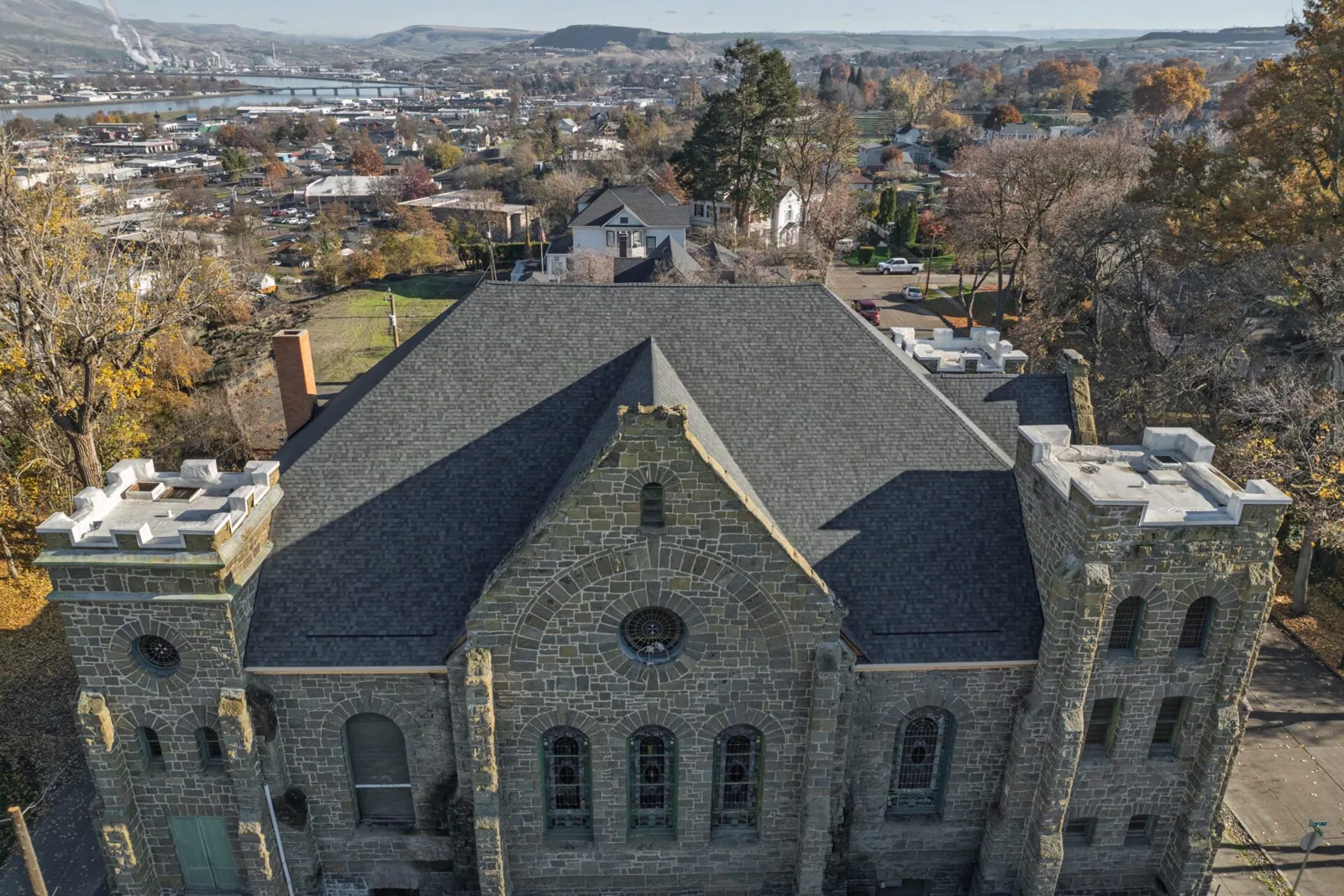
At completion, we record repairs by roof zone, identify material and flashing work, and note adjoining conditions that were not part of the contract. Photos connect the completed detail to the plan. If testing or deck review remains open, the record says so. roof asset management can keep the inspection, bid scope, change approvals, and closeout in one property history. That history helps facilities staff respond when another service request comes in. A dated completion note can identify any temporary protection removed and the boundary left for later attention.
Provide the roof plan, leak reports, access rules, purchasing requirements, and any planned equipment work before the inspection. We will identify the roof condition and prepare a written repair scope or broader-system recommendation. The Downtown Stamford mixed-use core contains office, housing, and retail activity. At a public-property roof, loading, entrances, and the assembly on site set the work order. A property-management record can also support continuity when agency staff or maintenance vendors change.
A useful handoff lets facilities staff, procurement, and the selected contractor work from the same boundary. Keep the roof plan, marked observations, approved additions, and closeout photos together. If the review identifies a condition outside the original scope, document its location and obtain the required authorization before extending removal. That makes the final record useful for maintenance decisions as well as payment review.
Commercial Roofing Questions
What should an agency include in a commercial roof bid request?
Identify the roof areas, access limits, assembly information, known leaks, protection requirements, and closeout records. We can help define the inspection findings and note where testing is needed before quantities are final.
How do you document a concealed roof condition?
We identify the test opening or moisture survey area, record what it shows, and connect it to the proposed removal line. Any added work beyond the original boundary is described for review before that boundary changes.
Can a public building remain in use during roof repair?
The access route, room use, overhead protection, and daily dry-in govern the sequence. We coordinate the work area with the agency contact and identify any activity or trade that needs a separate window.
How should repair and replacement options be evaluated?
Compare the same roof zones and list materials, removal limits, tie-ins, exclusions, and closeout checks. We connect each option to the observed condition so the agency can review the scope difference.
Which completion details should follow a public-roof repair project?
Include roof-zone photos, completed repair details, materials installed, areas excluded, and any open test or maintenance item. We prepare a record that facilities staff can connect to the roof plan.