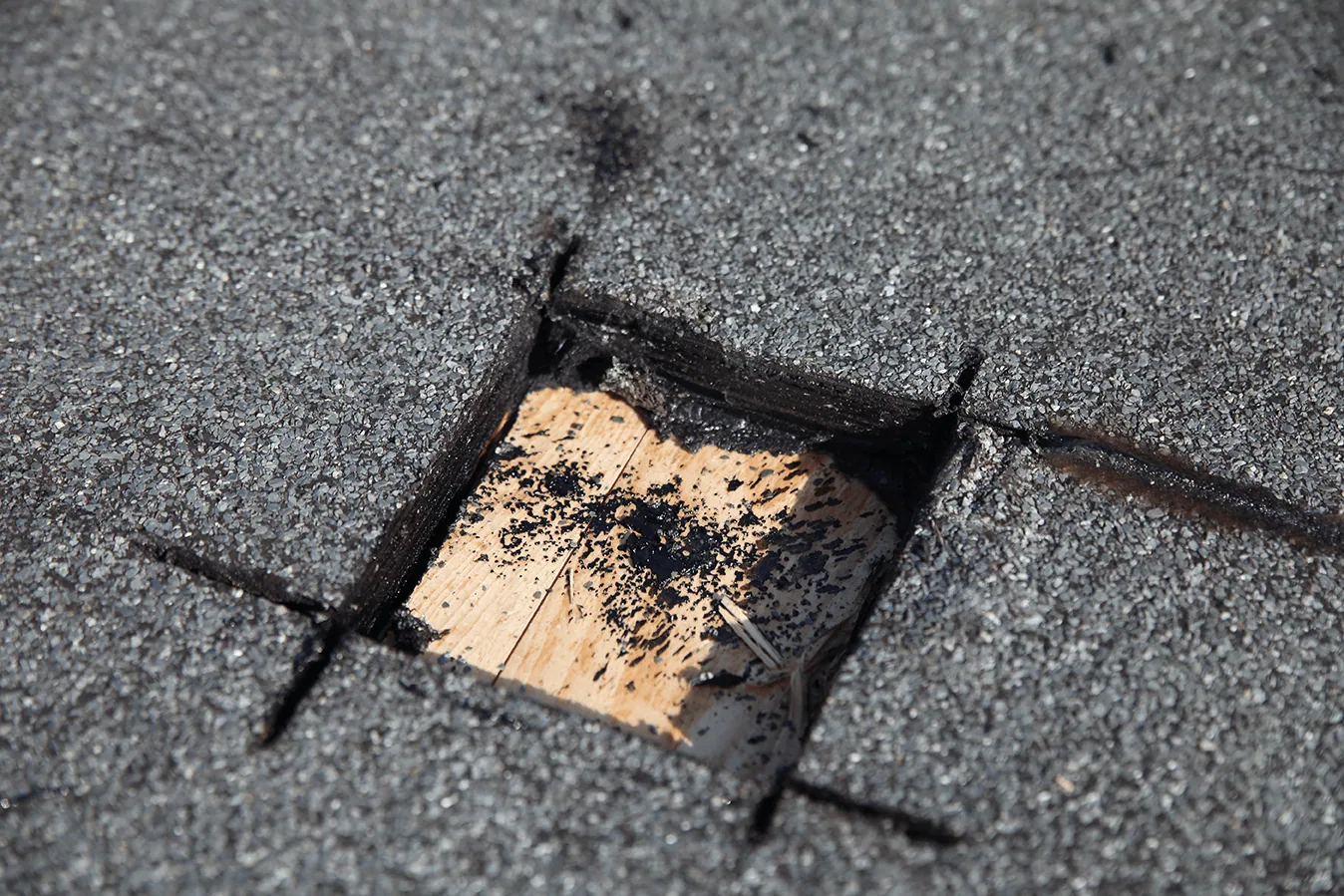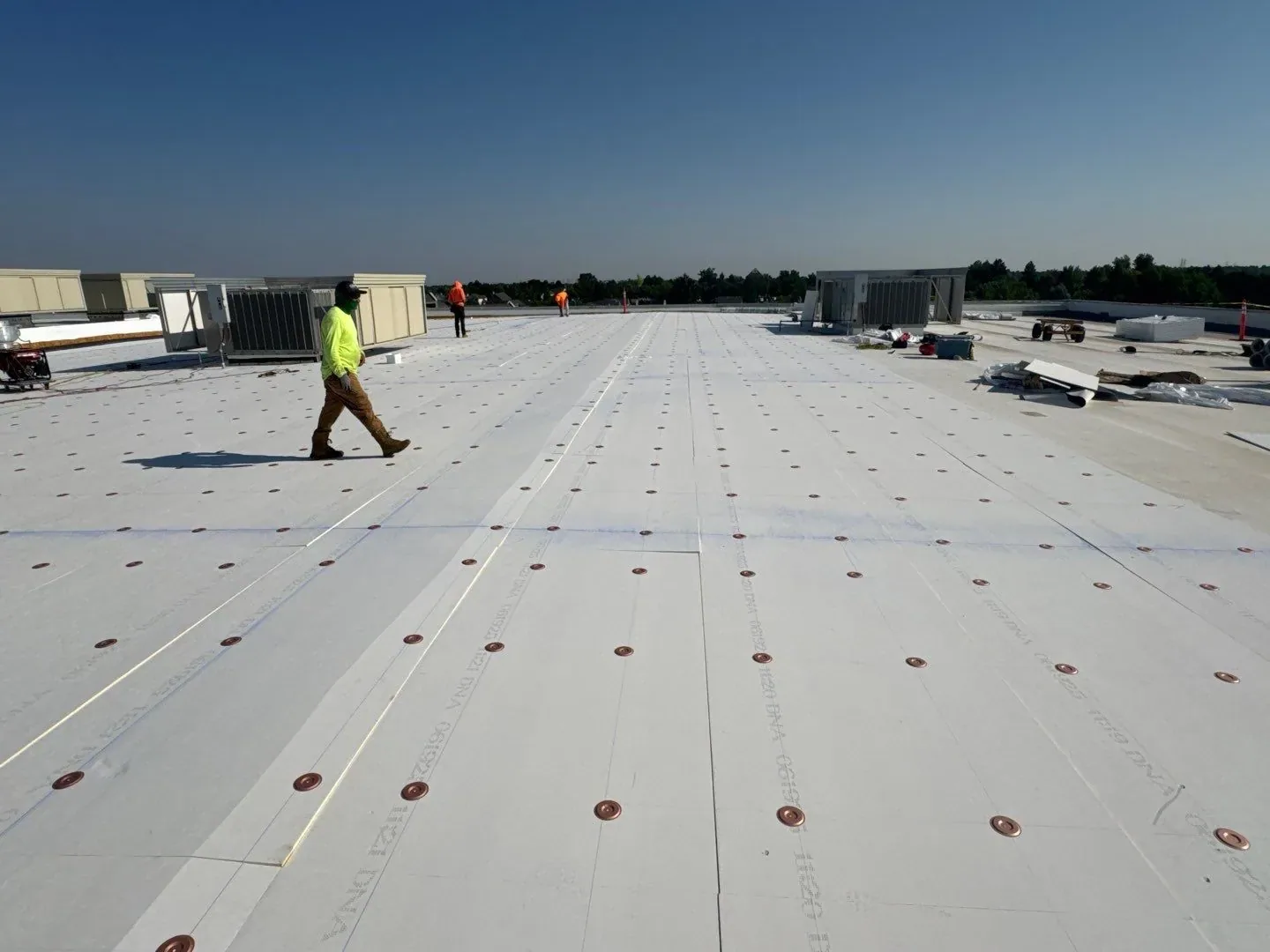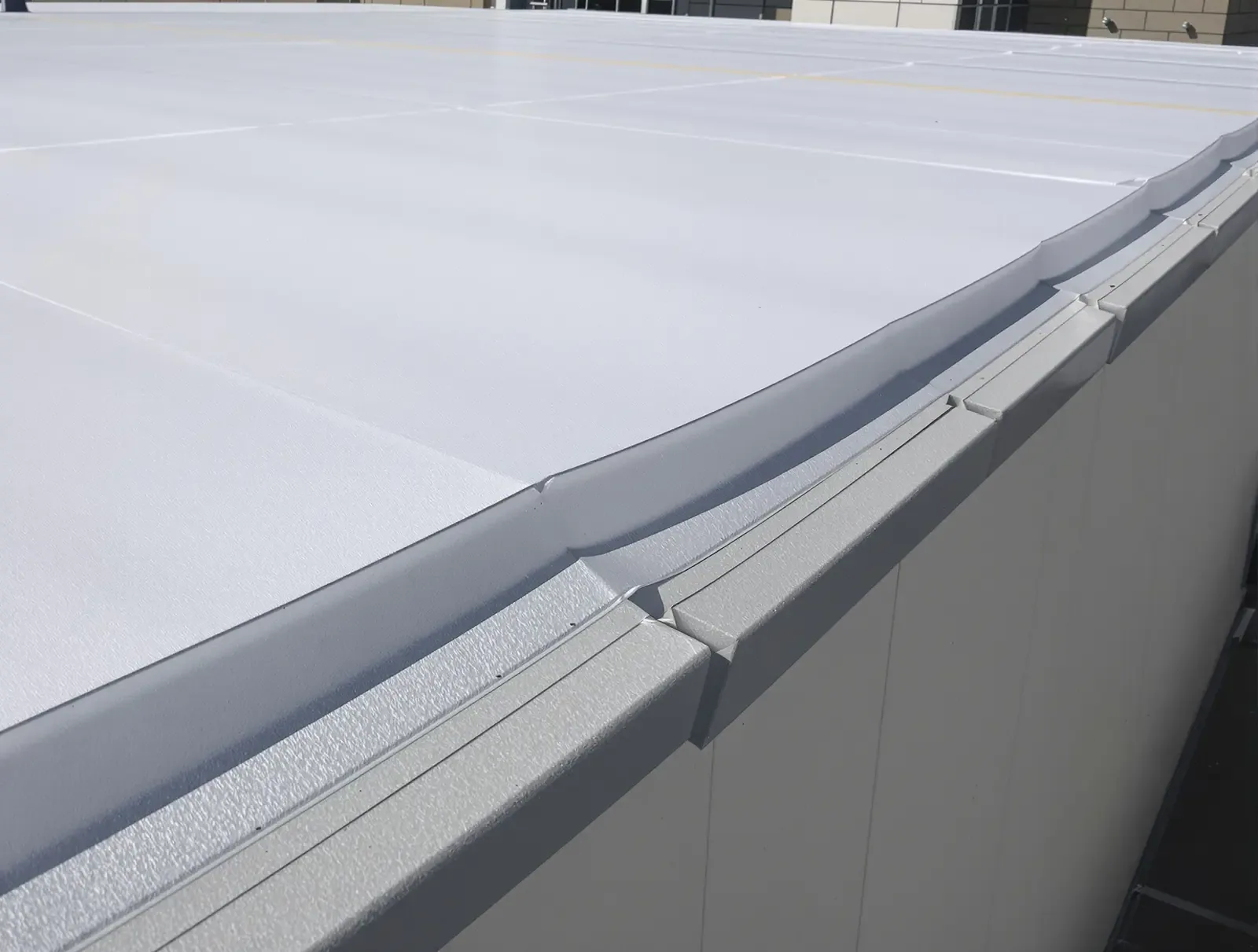
A weak TPO weld can carry water past a clean-looking field. GAF EverGuard TPO work starts with the seam, edge termination and curb detail, not the color of the sheet. In Stamford, CT, a commercial roof may sit above the mixed-use South End or a neighborhood center such as West Side, but its assembly must be read on the roof. We inspect the installed membrane, attachment and transitions, then define a repair boundary. A roof inspection records what is present before we recommend a GAF system repair or larger scope.
System fit: identify the installed membrane
GAF’s EverGuard commercial line includes TPO and PVC membrane systems. Those sheets are not interchangeable simply because both use heat-welded seams. We identify the installed material, thickness where known, attachment method and transition details before making a repair. A seam patch must bond to the system in place. If the roof changes material at an addition or repair, the interface deserves its own inspection. We do not assume the product from an old note or a color alone.
A TPO system depends on clean, properly welded laps and secure perimeter details. PVC uses its own membrane formulation and compatible accessories. We check seam quality, flashing at penetrations, curb corners and drain transitions as connected parts of the roof. Where the defect crosses a weld or enters the insulation, the repair may need to extend beyond the visible opening. The scope should state that limit and the condition that would change it.
Field details: follow water past the seam
A roof leak may follow a concealed path before staining an interior finish. We compare the stain location with the roof opening, lap direction, curb flashing and drain bowl. A split weld near a rooftop unit may not be the only failed point; the corner, pitch pocket or metal return can carry water sideways. Hands-on inspection checks the seam and surrounding substrate. If the route remains unclear, a moisture survey can help select areas for further verification.
At edges, attachment and termination work together. A loose bar or unsupported transition can let sheet movement stress the weld nearby. We inspect the perimeter condition and document whether the field membrane remains attached. Around a curb, the vertical flashing needs a sound bond and closed corners. A repair that treats only the visible cut may leave the adjacent weak detail untouched. We describe what the repair includes before opening or covering the next area.
Repair method: match the approved assembly
Before applying a patch, we remove contamination and check whether the membrane surface can accept the repair. The patch material and weld procedure must suit the installed GAF system. A deteriorated sheet can resist a sound weld, and an old coating or incompatible repair layer can change the preparation. We mark the work area, clean it, test the weld and check the patch edges. If the substrate is wet or the membrane has split beyond the repair zone, the opening may need to widen.
At penetrations, the repair is a detail, not just a piece of sheet. We check the curb height and corners, pipe flashing and any termination at the wall. A separate curb and equipment review can identify related movement before membrane work begins. At drains, we examine the bowl, clamping or welded transition and the surrounding field. A repair should restore continuity while preserving drainage. We document any unresolved condition that needs a separate scope.
Renewal options: repair, recover or replace
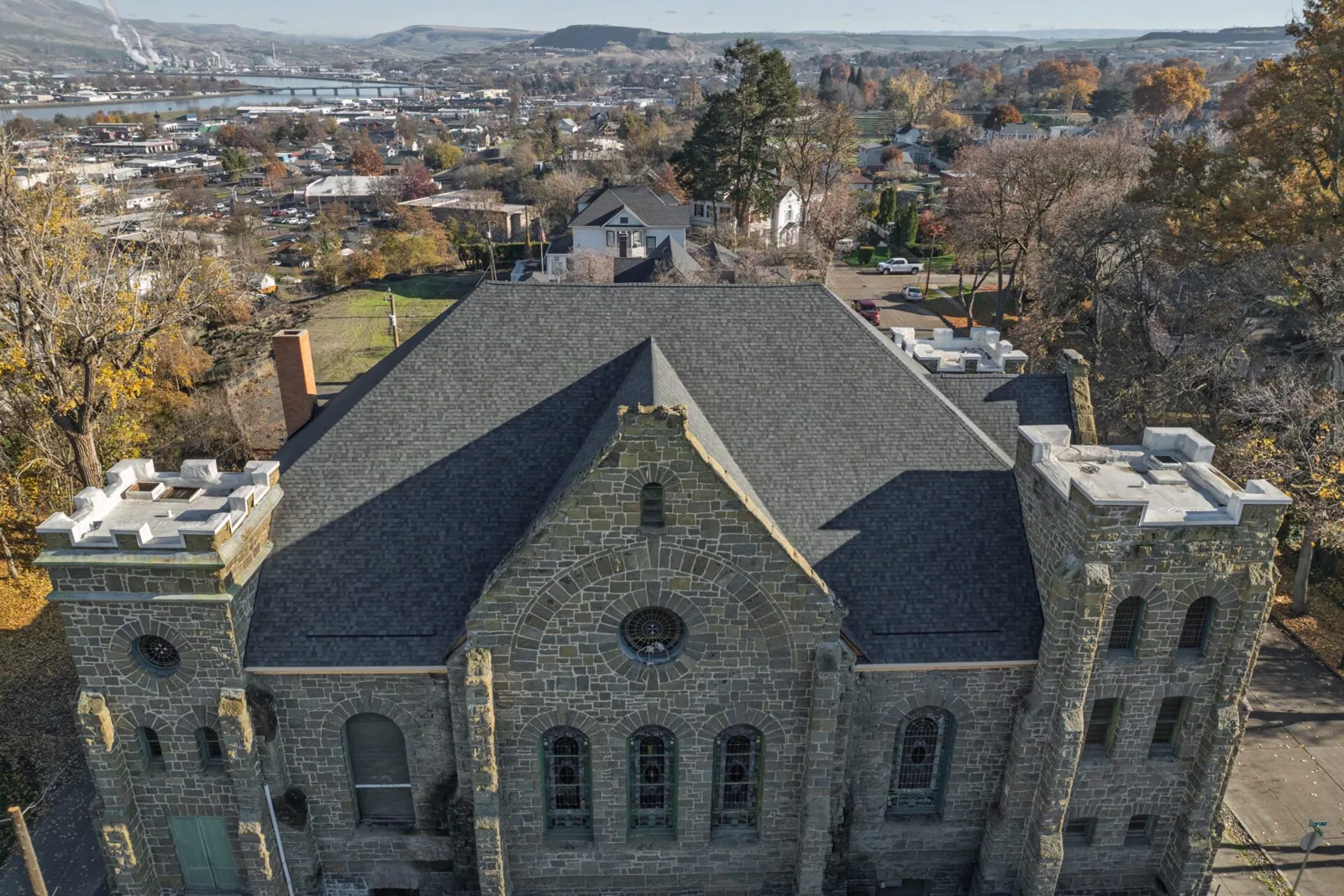
An isolated seam failure may support a focused repair when the surrounding field and attachment remain sound. Repeated weld separation, widespread wet insulation or a failing substrate can move the decision toward replacement. Recovery may be possible if the existing assembly and deck can support another system and applicable requirements allow it. We inspect before making that call. The recovery assessment identifies what can remain and which conditions would rule out another layer.
GAF system selection depends on the roof condition, slope, drainage, rooftop traffic and project details. We compare the proposed assembly with the existing edges, flashings and equipment transitions. A coating is not a substitute for correcting a failed substrate or an open seam. The PVC option or another system type can be considered when the full assembly and owner requirements support it. The proposal should name the work, not promise a particular outcome.
Stamford roof work: plan around use below
South End sits next to Downtown within Stamford's urban mixed-use growth area. West Side is one of the city’s named Village Commercial districts. For an occupied commercial property, we coordinate roof access, material staging, noise-sensitive work and interior protection with the manager. The installed GAF system still needs to be identified at the roof. The schedule should account for the building’s actual operations and the weather window for membrane welding.
Cold weather, wet surfaces or wind can interfere with preparation and seam work. We check the roof conditions on the day of repair and adjust the sequence when the membrane cannot be prepared or welded properly. Summer heat also affects surface handling and crew exposure. We identify the areas that can be completed safely and keep open transitions protected. Where work must pause, the manager receives a clear status and the next scope boundary, without an arrival-time promise.
Glenbrook is a named Stamford satellite neighborhood and Village Commercial district shaped by redevelopment. That is a broad neighborhood description, not a claim about a particular building. For a GAF inspection there, the roof still has to be identified by its installed membrane, attachment and repair history. A property manager can help by noting leak locations, earlier work, occupied areas and the approved route to the roof. Those details keep the inspection focused on the actual assembly. For a roof in Glenbrook, our commercial roofing service there follows the same system-first approach.
System record: retain the details that matter
Keep the GAF product information, roof plan, repair notes and photographs with the property record. Identify the roof area, membrane type when confirmed, attachment and transition repaired. If later work affects a seam or curb, the prior scope helps show what changed and where another inspection belongs. A written condition report can record the field observations. A Carlisle system review or Versico manufacturer overview is relevant only where a separate roof area uses that assembly.
For a property manager, the useful result is a defined repair or renewal recommendation. Arrange a roof walk and share recent leak reports, prior repair notes, roof plans and access limits. We inspect the membrane and its details, then prepare a written scope. If the condition extends beyond an isolated weld, we explain why the work boundary changes. The decision stays tied to the roof that was examined and the system actually installed.
Commercial Roofing Questions
Can a GAF TPO seam be patched?
A compatible patch may work when the sheet and substrate around the weld remain sound. We inspect the lap, test the preparation and define how far the repair must extend.
How do you tell GAF TPO from PVC?
We review roof records and inspect the installed sheet and accessories. Appearance alone is not enough to select a repair material.
When is a larger GAF roof scope needed?
Repeated seam failure, wet insulation or a weak substrate can take the work beyond one patch. The inspection identifies which condition changes the recommendation.
Which gaf assembly details must be checked before a second roof layer is considered?
Recovery depends on the existing layers, substrate, moisture condition, attachment and project requirements. We check those items before proposing another system.
What should be ready for a Stamford roof walk?
Have the roof plan, recent leak locations, prior repair notes and access limits available. Those details help us find the right roof area and document the repair boundary.