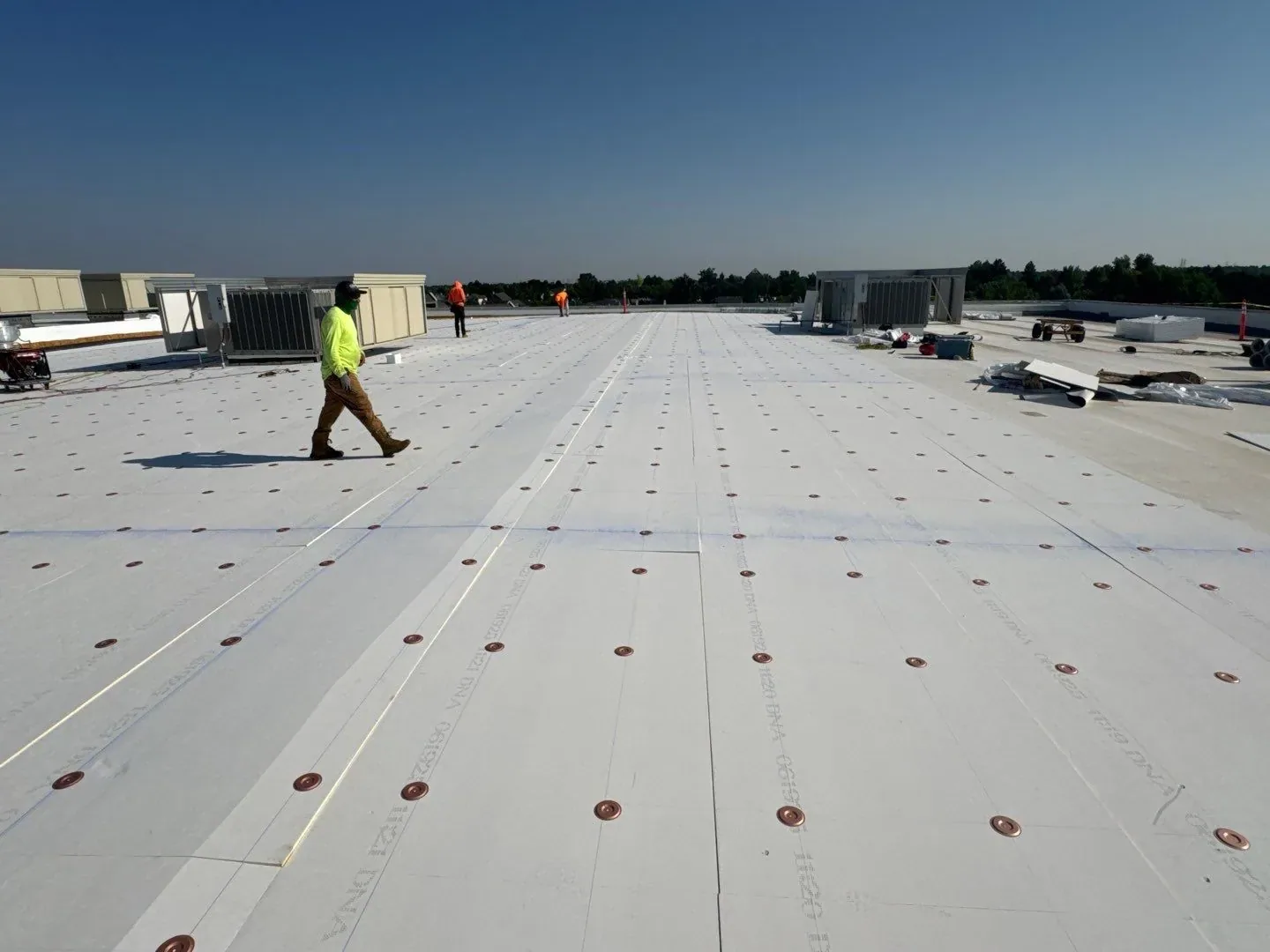
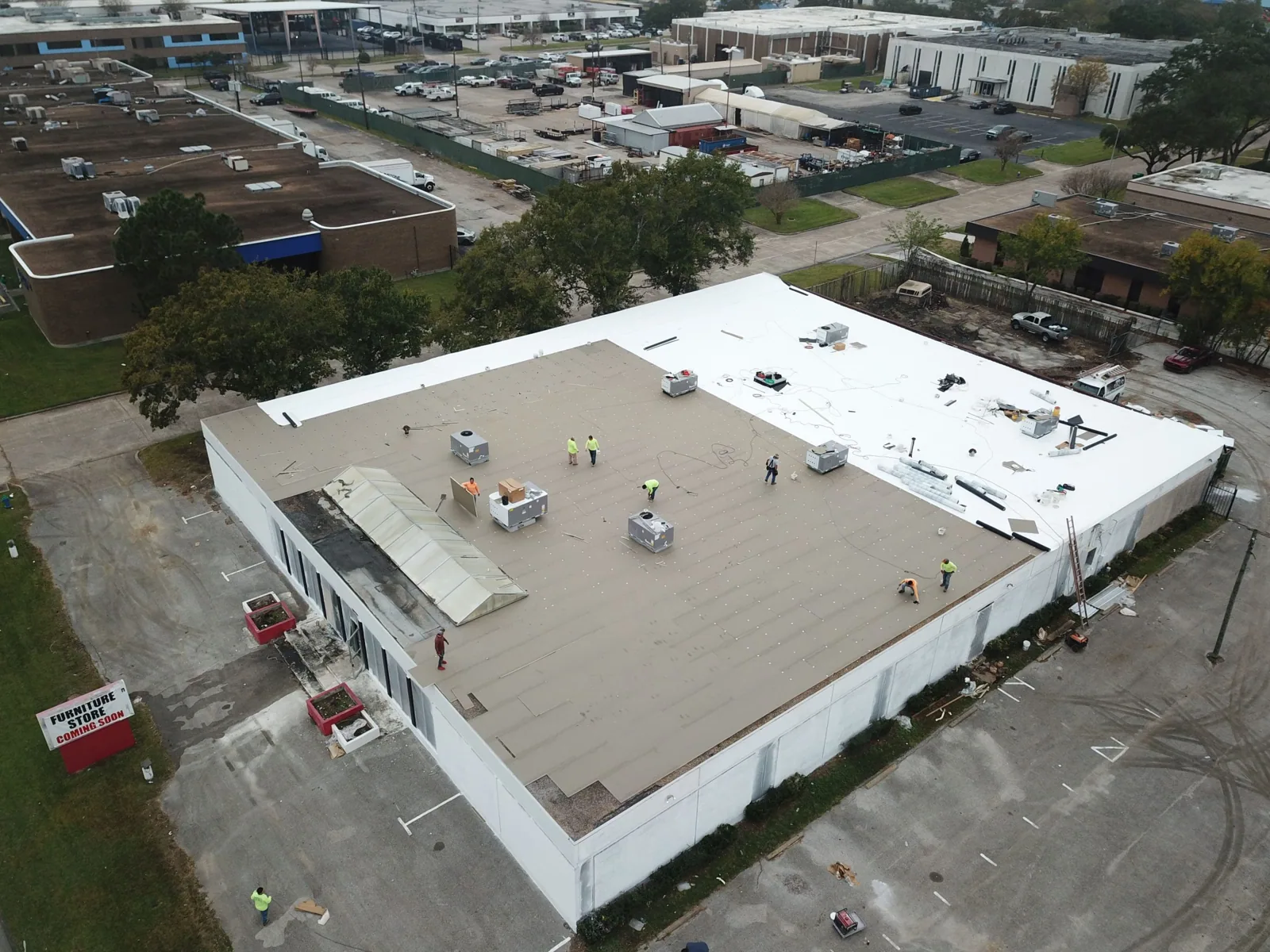
A Versico TPO label does not reveal whether the roof is still one continuous assembly. A later addition, a repair strip or a changed curb can create a different condition beside the original sheet. We map the roof area, check seams and transitions, then trace any leak report before choosing a weld or patch. That approach matters in South End Stamford, where buildings and uses sit close together, and on commercial blocks elsewhere in the city. A commercial roof inspection identifies the system and the limits of work before a material is selected.
Read the membrane in context
Versico commercial roofing includes TPO and other single-ply options. A particular roof may have been installed in stages, and its records might not describe every later change. We compare maintenance files and roof plans with visible sheet, attachment, seam layout, flashing and drainage details. At a patched area, we identify both the original material and the patch material when possible. If the roof cannot be matched to its records, the scope leaves the system unconfirmed until a closer check settles it.
For a TPO area, a TPO seam review examines the weld, edge and accessory tie-in together. If a section uses EPDM, that membrane needs its own preparation and repair materials; a separate EPDM section needs its own material check before repair. We do not choose a repair from color or manufacturer name alone. The material must suit the surface and detail actually present.
Inspect the seams that carry the detail
Field seams are only one part of a TPO roof. Perimeter terminations, wall flashing, pipe boots, curb corners, drain bowls and expansion joints can interrupt the sheet and create a path for water. We check the bond or weld at each suspect detail and look for movement in adjacent materials. A seam that appears closed may still be weak if its edge is lifting or the substrate below has changed. If the water source is not visible, an infrared moisture survey may guide further testing rather than stand in for it.
Water can travel beneath the membrane before it reaches an interior ceiling. We compare reported rooms with roof slope, drain location and seam direction, then mark observations on the roof plan. If opening is needed, the scope states the test location and what findings would alter the repair. This keeps a localized investigation from becoming an undefined roof-wide opening. The owner can see where the moisture was confirmed and where the surface was only visually reviewed.
Set a repair boundary that can be checked
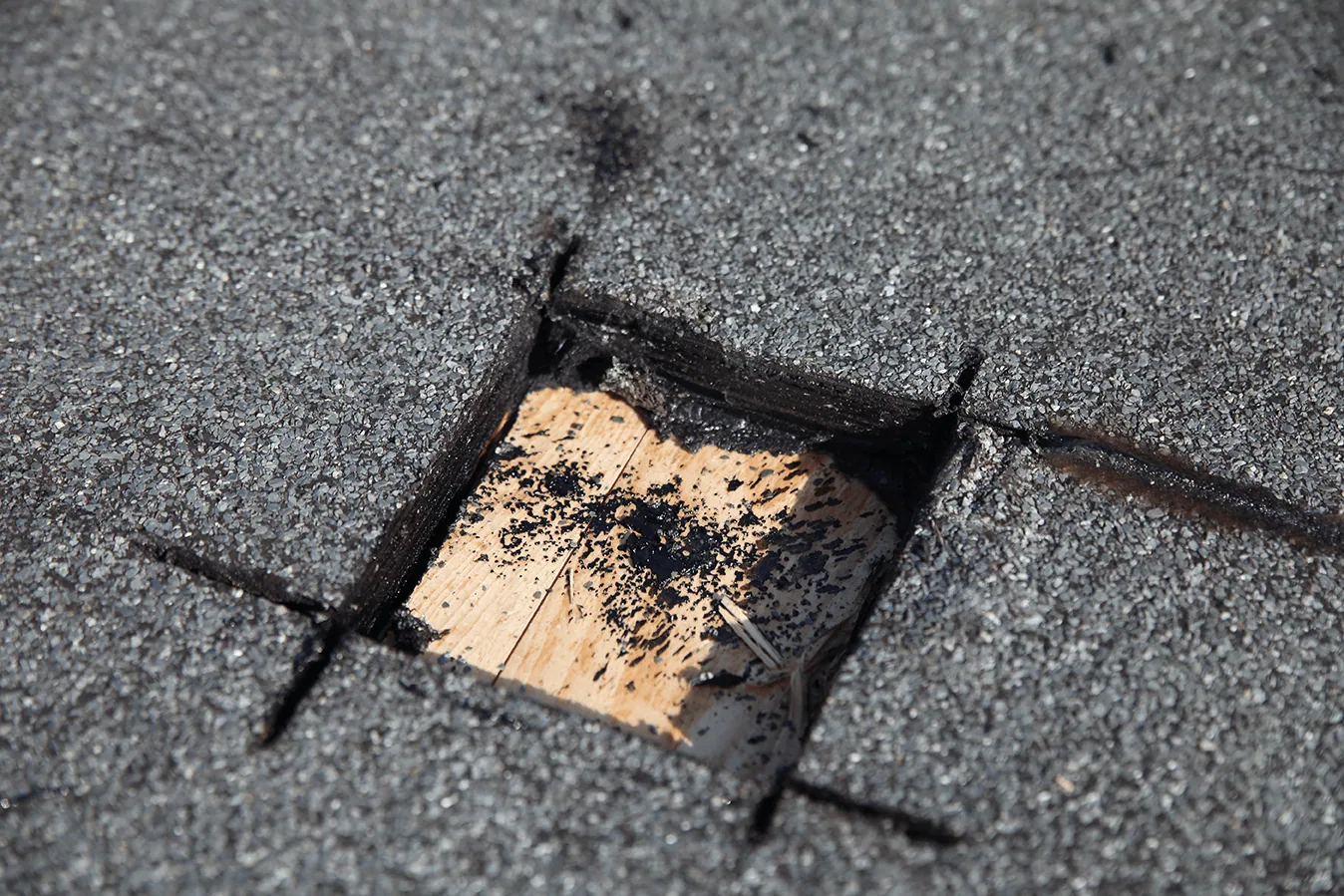
For one puncture or isolated seam defect, a focused repair may be appropriate when the sheet and supporting layers around it remain sound. Several separated openings, recurring failures, wet insulation or unstable attachment require a wider review. We record the condition and extent before proposing the work. A commercial roof repair scope should state the preparation, compatible sheet, weld or flashing work and the edge where the repair ends.
When problems are spread across the roof, the next decision may be another layer or replacement. A roof recover assessment considers moisture, deck, attachment, edge height and project requirements before an overlay is considered. If roof equipment or a changed curb contributes to the defect, separate flashing or mechanical work may need coordination. We explain those connections instead of calling every wet ceiling a membrane failure. The recommended scope follows what the inspection supports and can be revised if opening reveals different conditions.
Consider the work route and surrounding use
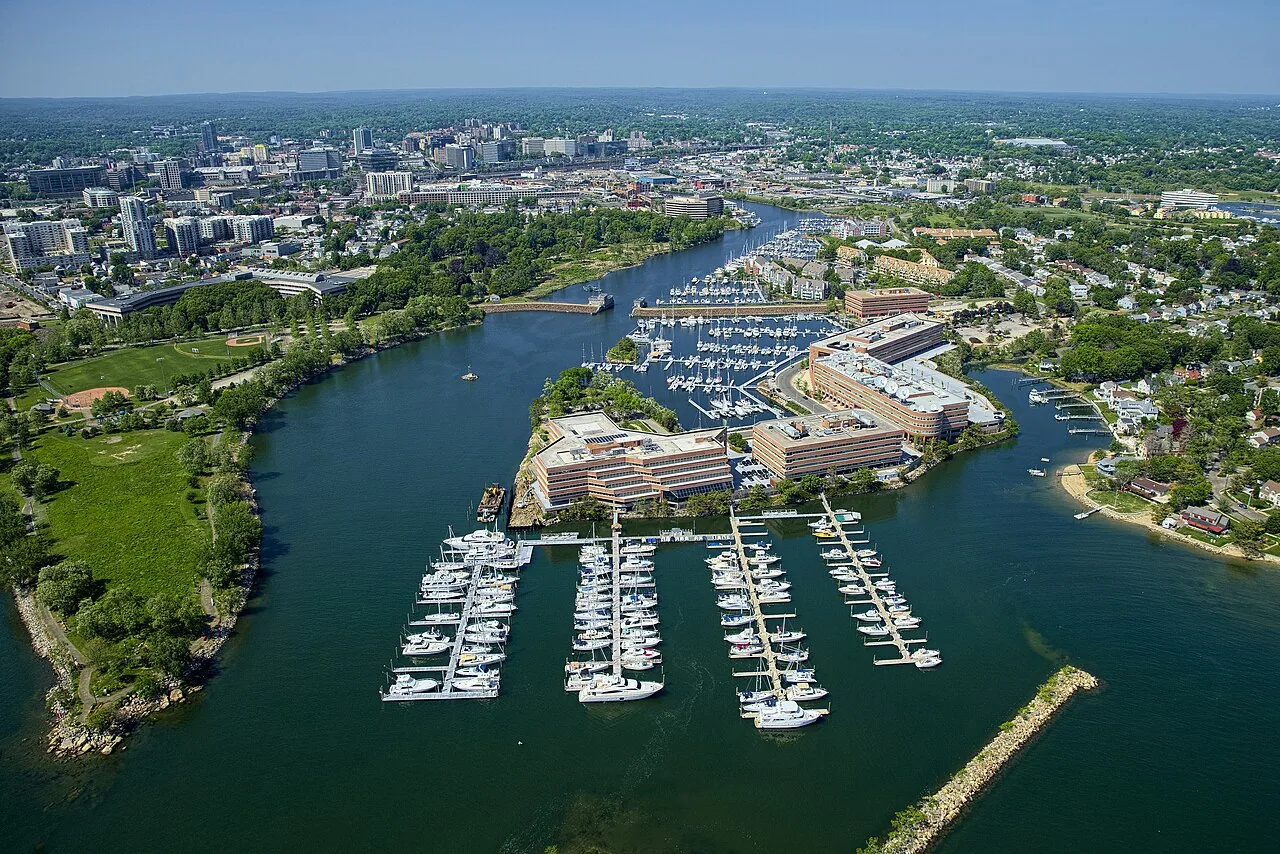
The South End is part of Stamford’s urban mixed-use growth area beside Downtown. South End sits beside Downtown in Stamford's urban mixed-use growth area. For roof work there, we set delivery, access, and protection below with the property contact. Before work starts, the site contact sets roof-access rules, staging, security requirements and any operating constraints. For work in South End Stamford, we confirm the access route, staging point, and protection below with the property manager.
Stamford's Route 1 segment between Greenwich and Darien is 3.2 miles long. Where deliveries use that corridor, a property contact should coordinate staging and arrival access directly. Weather also matters: a TPO weld requires a prepared surface and suitable conditions. We review wind, rain, temperature and surface moisture before the crew begins, then protect any open transition if work must pause. The work sequence identifies the next roof zone and the conditions required before it opens.
Document how the system changed
After the repair, save the roof drawing, dated photographs, product identification when confirmed and the approved scope. Mark which seams, flashings or penetrations were worked and note any adjacent item that remains for later attention. A roof condition report can place those observations beside prior leak and maintenance records. This is especially useful when several contractors or building managers will handle the roof over time.
For a separate area, a GAF roof system comparison or Johns Manville product comparison may help identify what questions to ask about that material. Neither replaces checking its own records or inspecting its details. The closeout should distinguish known facts from items that remain unverified. That gives the next maintenance decision a clear starting point: system, location, repair, unresolved condition and any test needed to settle the next question.
Coordinate penetrations with later trades
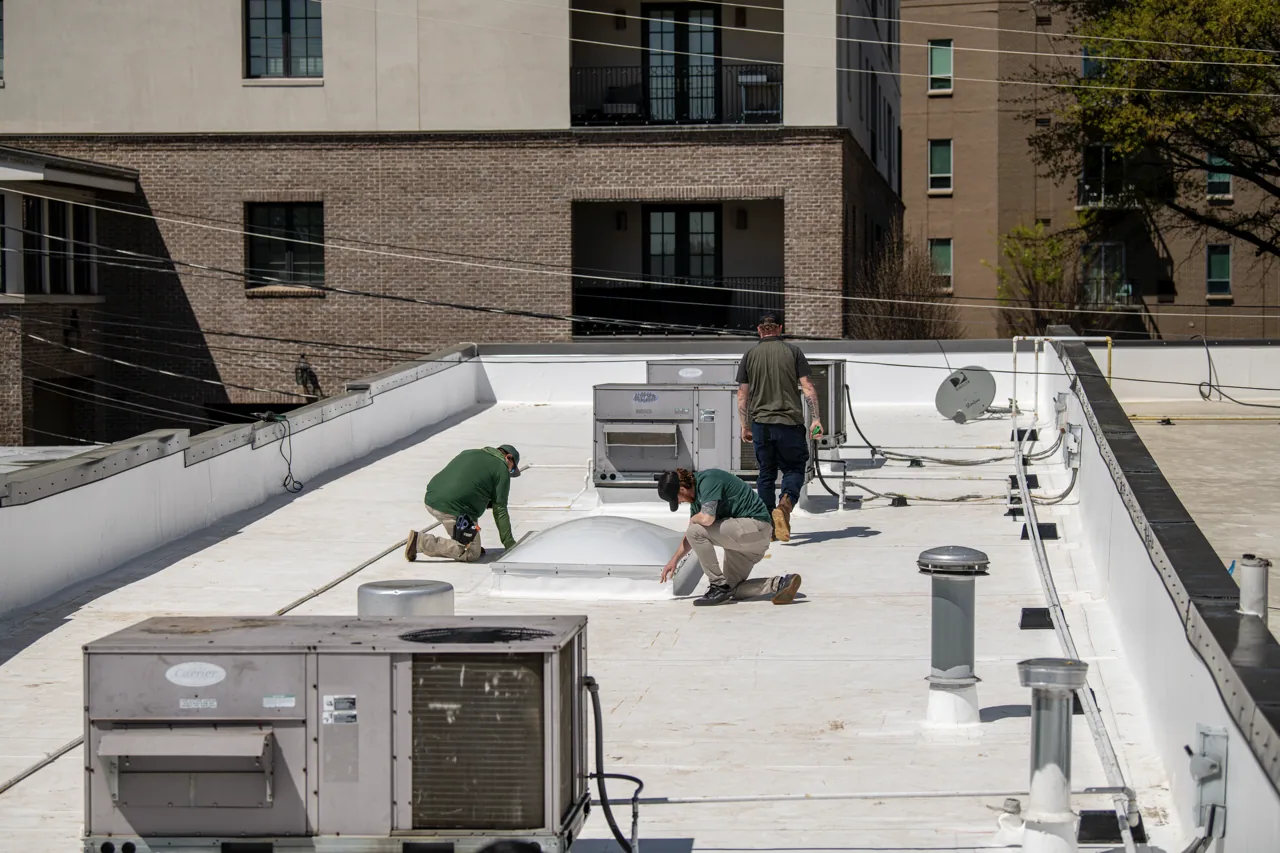
New equipment, conduit, supports and service lines can disturb an otherwise sound roof assembly. Before another trade works above the ceiling, identify who will protect or restore the membrane at its penetrations. A support added after the original roof can leave an unsealed fastener or a curb with flashing that no longer connects to the field sheet. We photograph the surrounding membrane and note the detail before roof work, then include the affected transition in the scope if it is part of the condition being addressed.
That coordination is especially useful when a leak appears after mechanical work. We inspect the recent installation area, its curb flashing, fasteners, and membrane tie-in before setting the repair boundary. We compare dates, work records, roof plans and the visible seal around the penetration. The final recommendation can separate roofing repairs from mechanical adjustments while keeping the boundary clear. If a curb must be altered, the owner should know which party is responsible for completing the tie-in and documenting it. That avoids leaving the membrane open between scopes or placing a patch over a detail that will soon be changed.
Keep the maintenance log current after each visit. Record whether the roof was dry, which areas were opened, where repairs were completed and what remained outside the approved work. A concise log can also note drainage changes or new rooftop penetrations that need attention on a later inspection. These details help the next manager distinguish a fresh problem from an earlier repair and decide what evidence to gather before requesting another scope.
Commercial Roofing Questions
Can a Versico TPO seam be repaired?
A repair may be possible if the sheet and adjacent layers can accept compatible preparation and welding. We inspect those conditions before defining the scope.
Will the roof label identify every roof section?
Not necessarily. Additions and repairs can introduce other materials, so we check each section against records and field details.
Does moisture mapping establish a leak source?
It can identify areas for further investigation. The moisture condition should be verified before a repair area or removal scope is set.
When should the owner consider an overlay?
The existing layers, attachment, moisture, deck, edges and project requirements affect feasibility. We review those items before recommending a recover.
What should the site manager share before work?
Provide roof drawings, past repairs, leak locations, access procedures, staging limits and any operations that need coordination.
Related Roofing Work