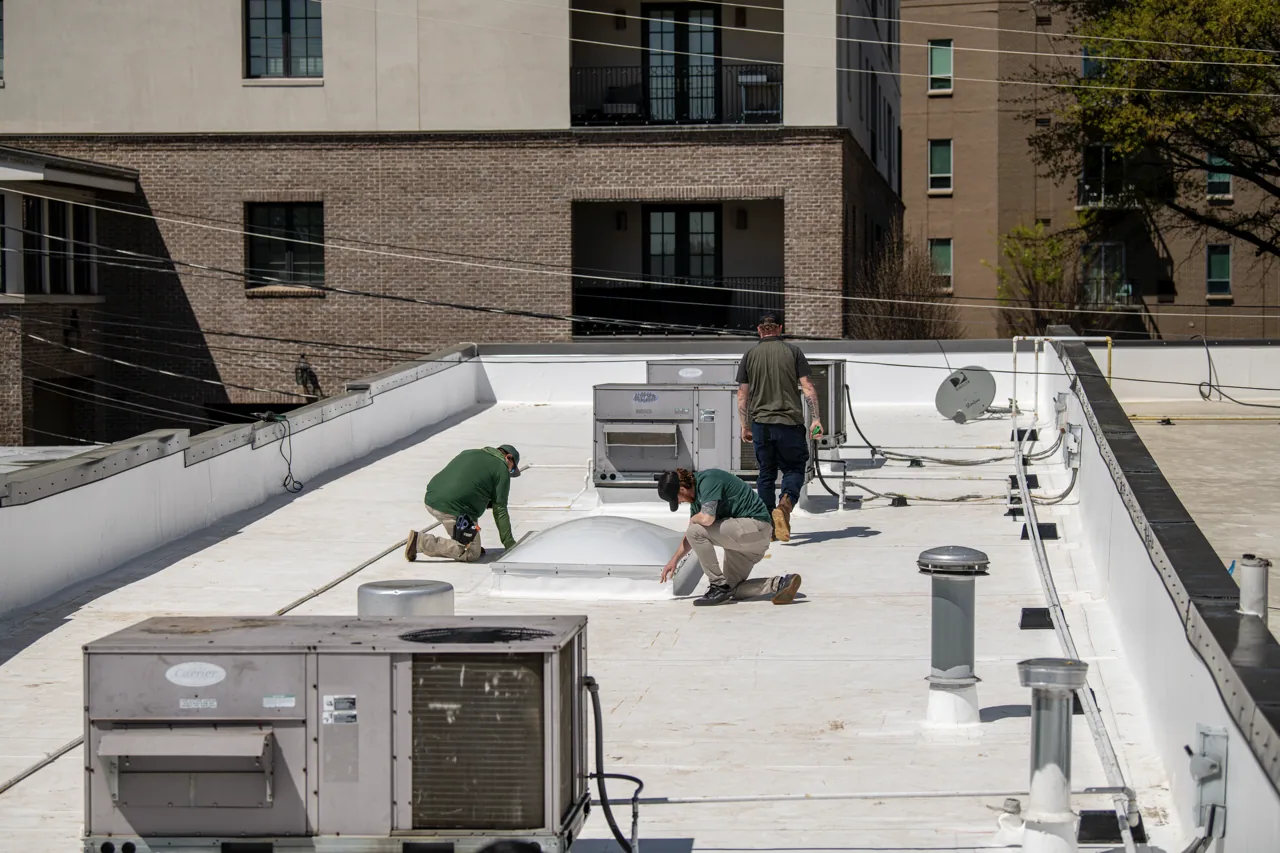
A PVC seam can look closed and still fail at an edge, corner or termination. Sika Sarnafil roof work begins by checking the complete detail, not just the visible field. We identify the membrane, trace the leak report and inspect the transitions that connect the sheet to drains, walls and equipment. Stamford’s South End and Downtown Stamford have varied commercial uses, yet the repair method depends on the actual roof assembly above each property. A commercial roof inspection records those conditions before we propose repair, recover or replacement work.
Confirm Sarnafil before choosing a repair
Sika Sarnafil products are associated with commercial PVC roof systems, but the product label does not confirm what remains installed after years of repairs or additions. We compare the submittal, roof plan and maintenance record with the sheet, attachment, seams, flashing and accessory details. A modified section or a patch from another system can change what materials are compatible. Where the membrane cannot be verified, the scope identifies what must be established before installation proceeds.
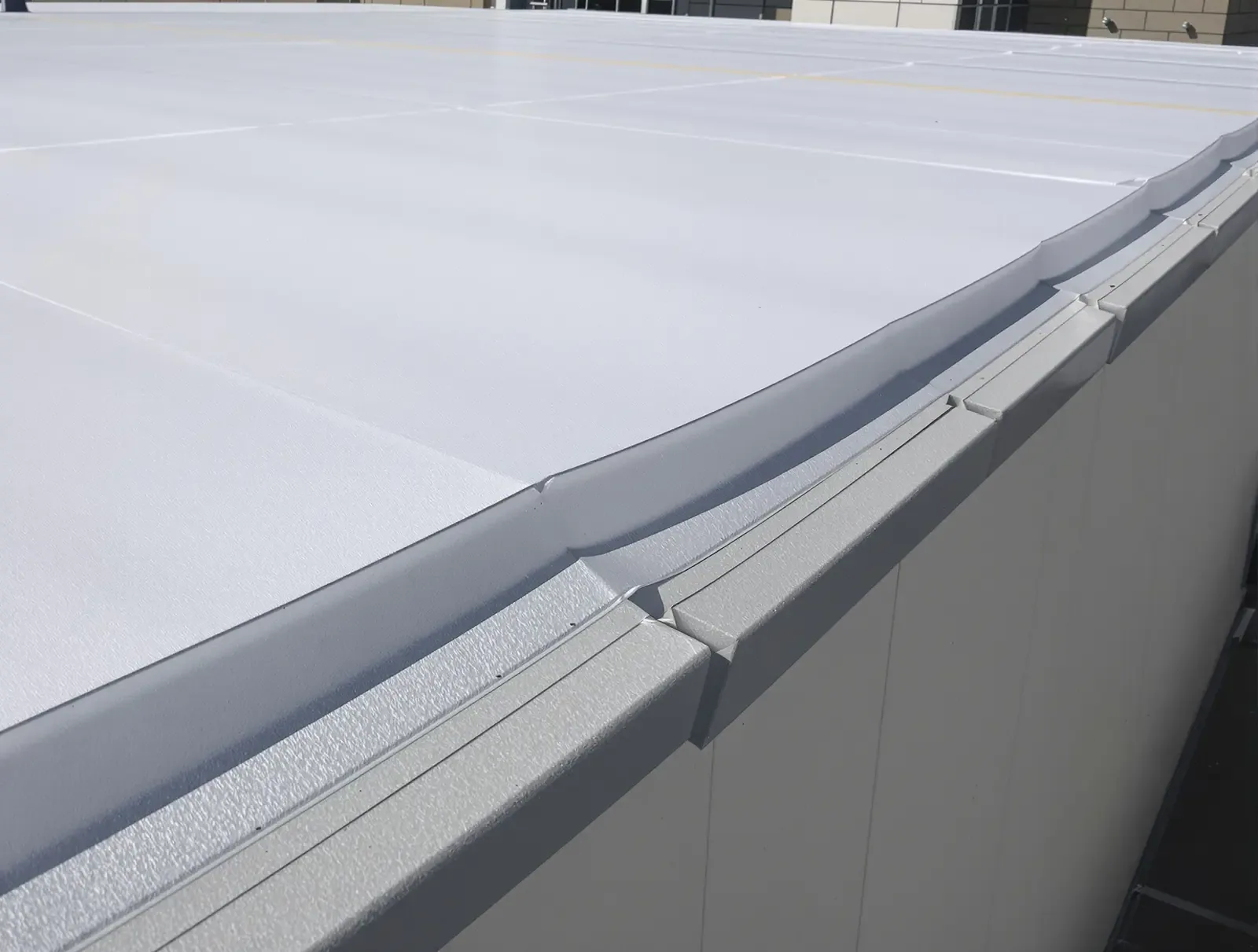
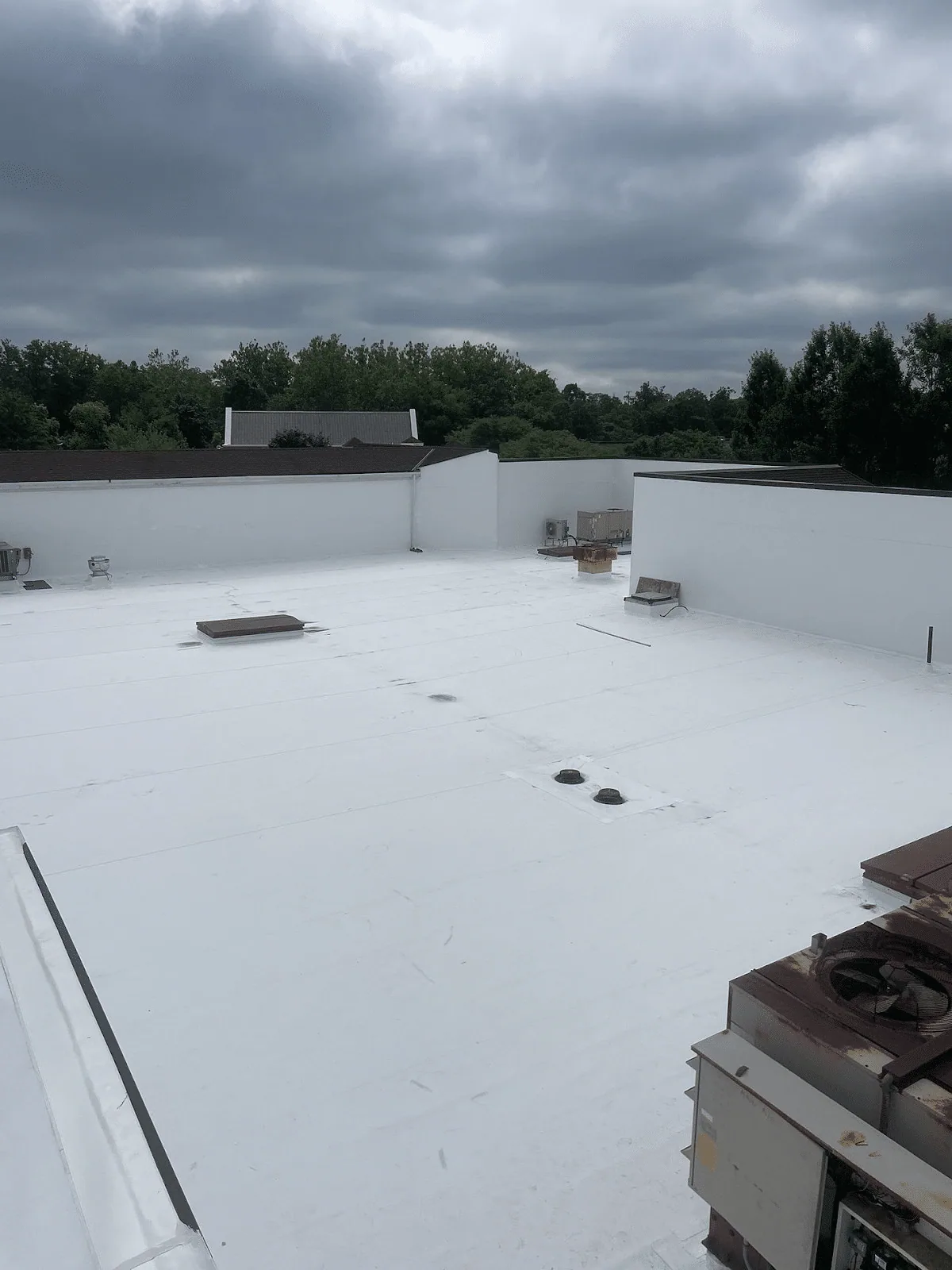
PVC sheet, welding tools and accessory details need to suit the installed assembly. A PVC roof assembly review considers lap integrity, flashing transitions, termination and the substrate below the repair. A repair cannot simply assume that two white sheets are compatible. We check sample preparation and confirm the weld on the existing material where conditions allow. If the sheet is brittle, contaminated or separated from its support, the repair may require a wider boundary or a different scope.
Check seams, corners and water routes
A roof leak report is a starting location, not proof of the entry point. Water can move along insulation or deck flutes before appearing in an occupied area. We compare the reported ceiling location with roof slope, drains, seam direction, curbs and penetrations. At a parapet, the membrane turn-up and termination deserve the same attention as the field lap. At a drain, the bowl, clamping or welded interface and surrounding sheet all matter. An infrared moisture survey may help choose locations for verification when the wet area is not visible.
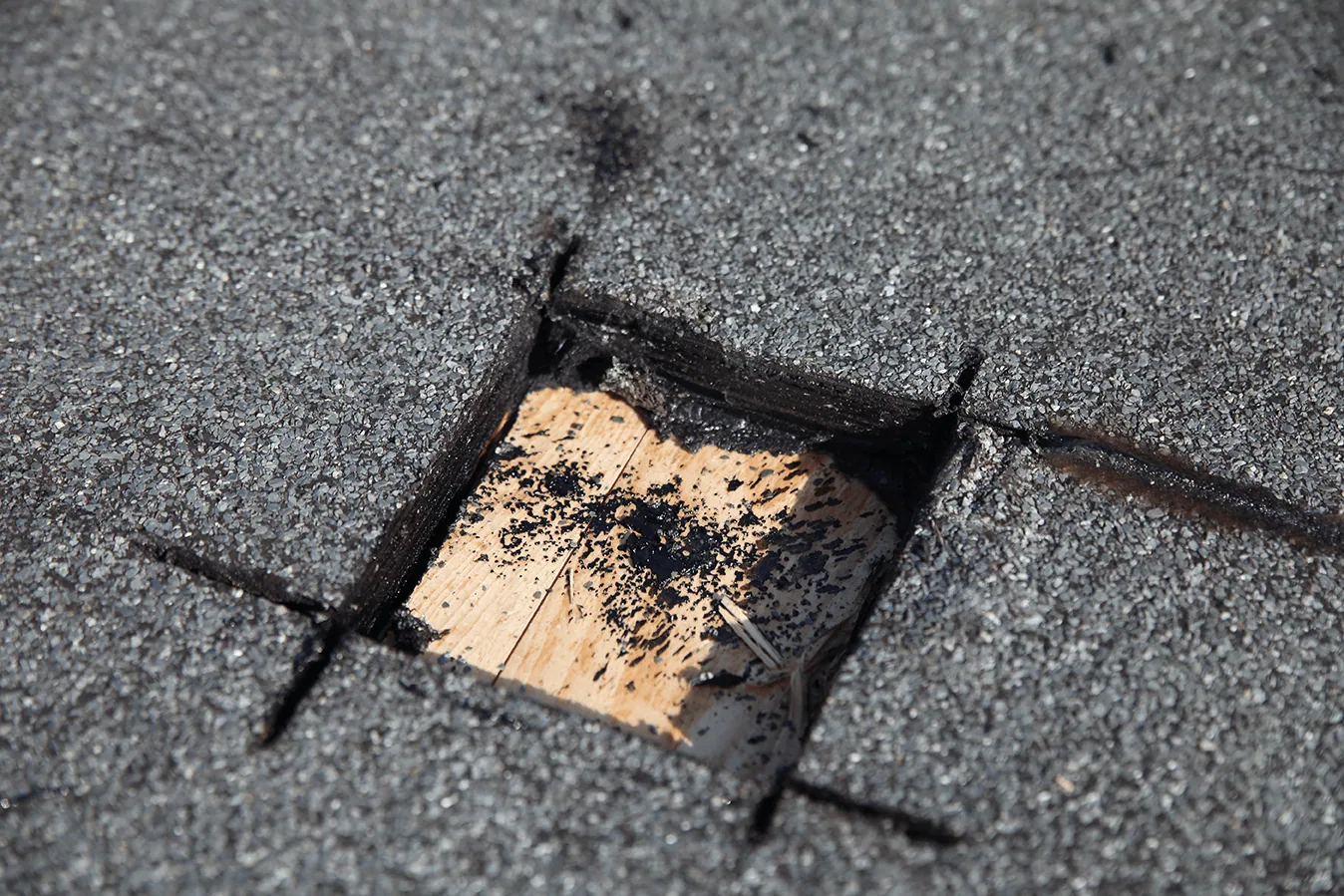
We look for lifted edges, open welds, punctures, loose terminations and signs of movement near equipment. A corner that has separated can admit water even when the long seam beside it remains intact. We document how far each defect extends and whether adjacent sheet can receive a compatible repair. If water remains beneath the surface, test openings or other agreed checks may be needed. The work boundary should be based on verified conditions, not the size of the interior stain or an assumption that every suspect detail failed.
Match the scope to the roof condition
A localized patch may suit a contained split when the sheet, backing and surrounding weld remain sound. Several failures, wet insulation or a weak deck can call for a larger investigation. We separate each observed defect and note whether it repeats across the roof or clusters around a specific transition. A commercial roof repair scope names the affected areas and required preparation. If conditions point to broad renewal, replacement work may be compared with repair after the assembly is mapped.
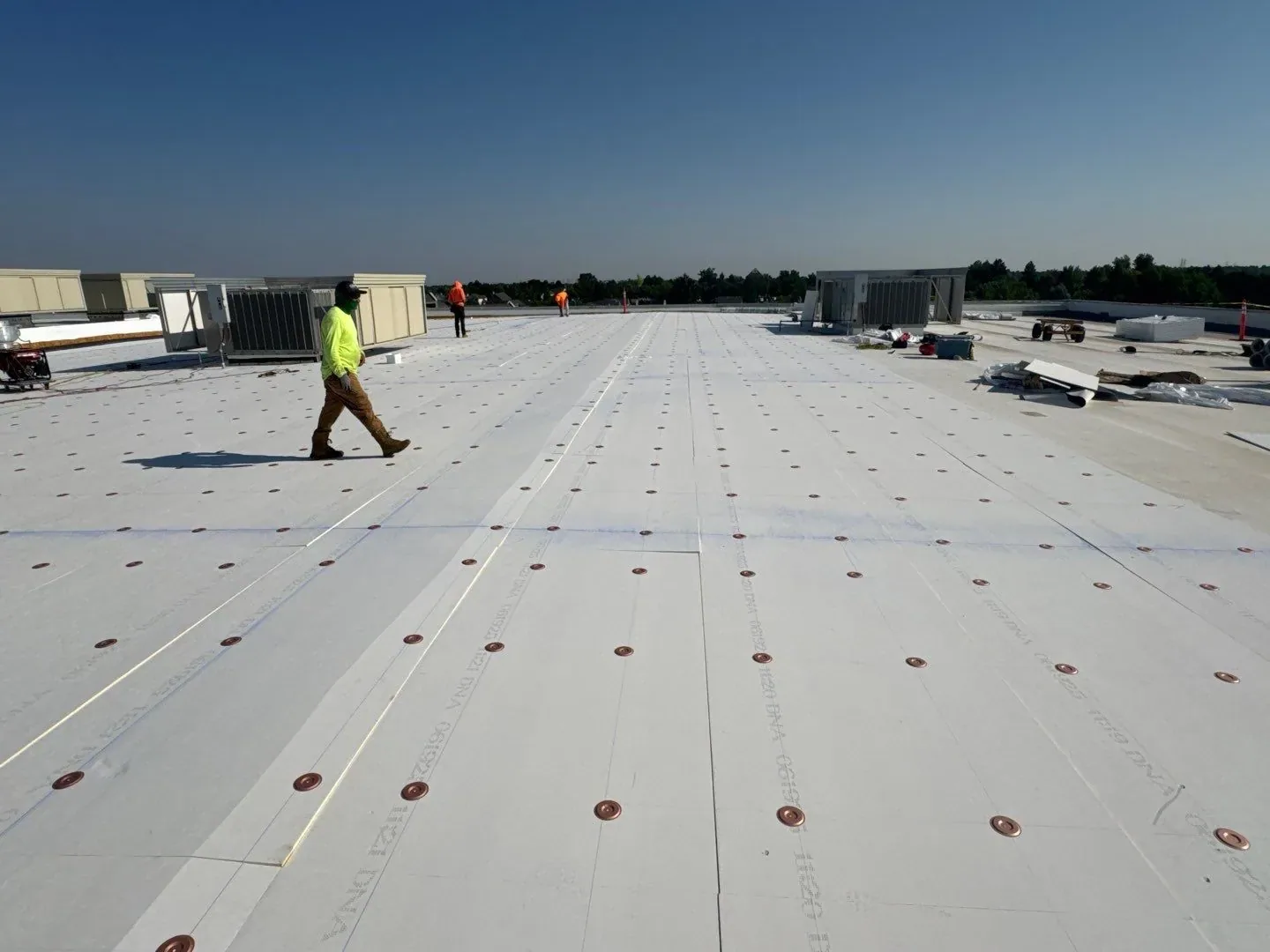
Recovering over a PVC roof requires more than a material choice. Existing layers, attachment, moisture, edge height, drains, rooftop equipment and project requirements affect feasibility. A roof recover review identifies conditions that could rule out another layer. Where removal is needed, the scope should address the deck and insulation found beneath the sheet. We explain the difference between a repair, an added assembly and a replacement so the owner can compare what each option changes and what remains in the roof.
Plan access before the weld work
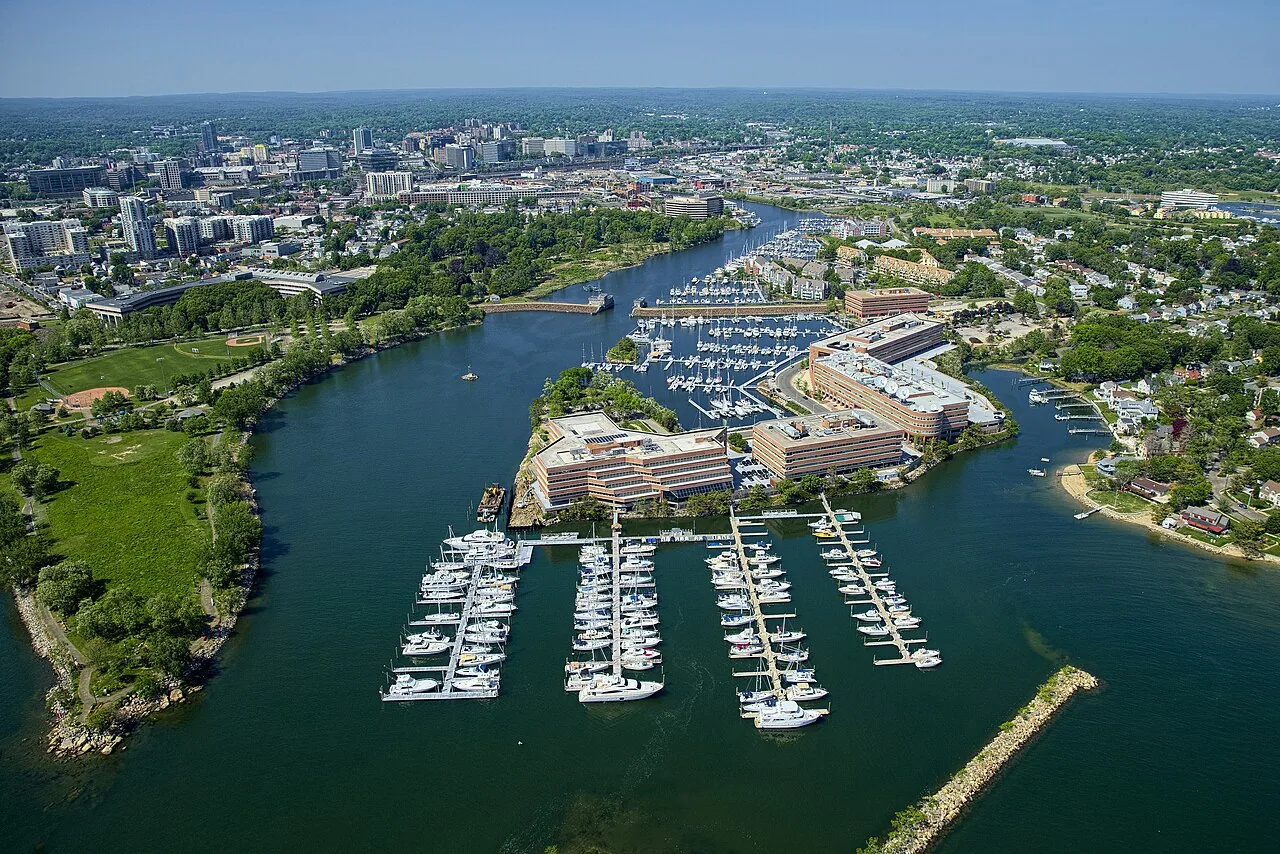
Before mobilization, the site contact should identify roof access, security procedures, occupied areas, deliveries, staging space and any equipment that cannot be interrupted. We agree on the work route and protect areas below where debris or tools may be handled. Stamford’s plan places the South End within an urban mixed-use growth area beside Downtown. That broad context can inform coordination, but a specific property needs its own access and operating instructions. At a South End Stamford roof, we confirm the access route and work area with the property contact before staging materials.
Seam work also depends on a clean, dry surface and conditions suitable for preparation and welding. Wind, rain, temperature or surface contamination can change the sequence. We inspect the roof before the work and protect open transitions if an area cannot be completed. The crew should not weld over moisture or leave a detail exposed between steps. The project contact receives a clear note about any condition that affects the scope and which area remains under review.
Keep a record of the PVC details
For future maintenance, retain the roof plan, Sika Sarnafil product details when confirmed, repair notes and photographs. Mark the area addressed, seam or flashing repaired, preparation performed and any transition left for separate work. Record which sections were inspected but not opened, so later readers can distinguish visual observations from concealed conditions. A roof condition report can collect those findings alongside prior scopes and leak logs.
If another roof section uses a different manufacturer, preserve that separation in the record. Where neighboring sections carry GAF or Carlisle SynTec materials, verify their product and repair records independently before selecting a tie-in for the Sika Sarnafil area. A clear closeout package gives the property manager a practical starting point for the next walk: known material, completed repairs, unresolved conditions and the evidence that would support a broader recommendation.
Do not conceal a failed transition
A membrane patch is not complete if it leaves a weak transition at the edge of the repair. Before closing the area, check whether the adjacent seam is fused, whether flashing remains secure and whether the repaired surface drains as intended. Record any termination that could not be corrected within the approved work. If an expansion joint, wall or sheet-metal edge has its own failure, name it separately so the owner can decide whether to address it now or authorize a second scope. The repair record should distinguish closed work from an open recommendation.
That distinction matters when more than one roof system meets on a property. Mark the PVC field, adjacent membrane and any overlay boundary, then photograph the connection. A Sarnafil repair follows the verified PVC area and stops at the transition to a different or unconfirmed assembly. Downtown Stamford’s mixed-use core and Glenbrook’s village-commercial area call for clear work-zone and access notes. At either location, the roof plan identifies the inspected assembly and repair boundary. The work itself remains limited to verified conditions, compatible materials and the boundary accepted by the owner.
Commercial Roofing Questions
What seam conditions determine whether a sika sarnafil pvc detail remains repairable?
It may be repairable when the sheet and adjacent detail are suitable for compatible preparation and welding. We inspect the material and define the repair boundary first.
How do you verify the PVC membrane?
We compare available roof records with the installed sheet, seam and accessory details. If those checks leave uncertainty, we mark it before selecting a repair material.
Does a leak report show where the roof failed?
Interior water marks guide the inspection but do not identify the point of membrane failure. We trace the roof route and inspect seams, drains, walls and penetrations before locating the entry point.
When should repeated membrane defects trigger a broader renewal review?
Repeated defects, widespread wet layers or a damaged deck can justify comparing broader renewal. The observed conditions determine whether repair remains a sound option.
What should be provided before a roof walk?
Share the roof plan, product records, leak history, past repairs, access rules and any operating constraints that affect the work area.
Related Roofing Work