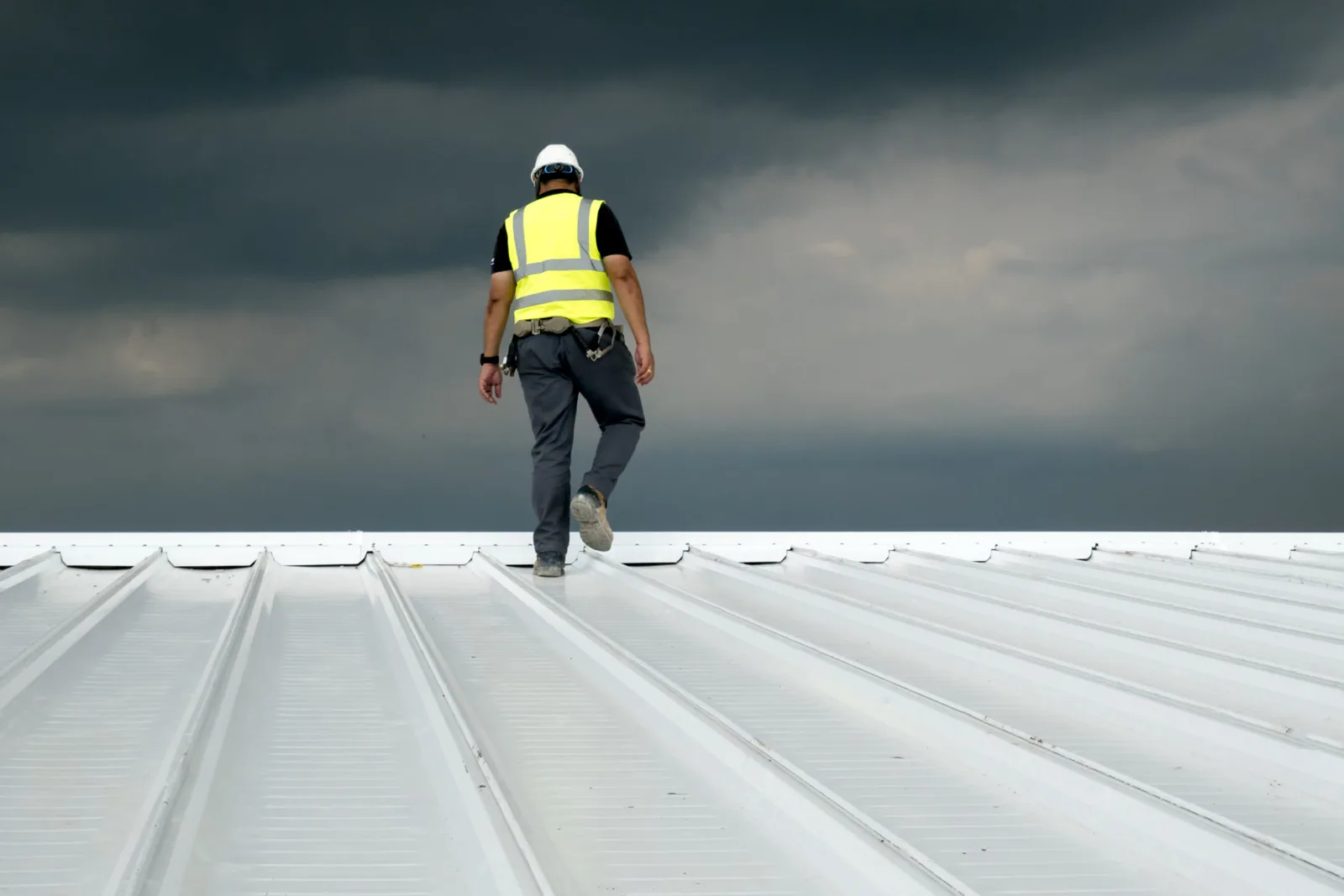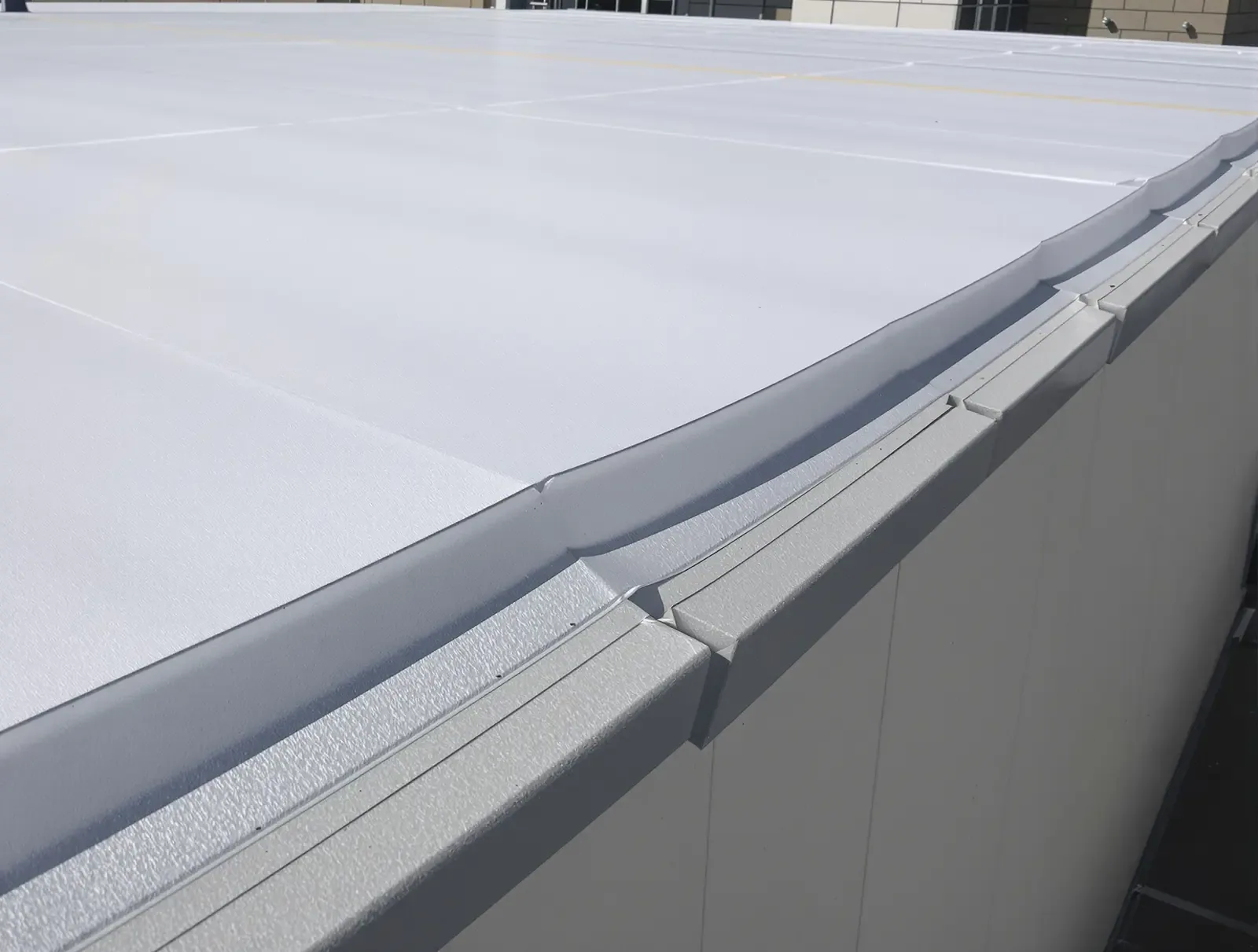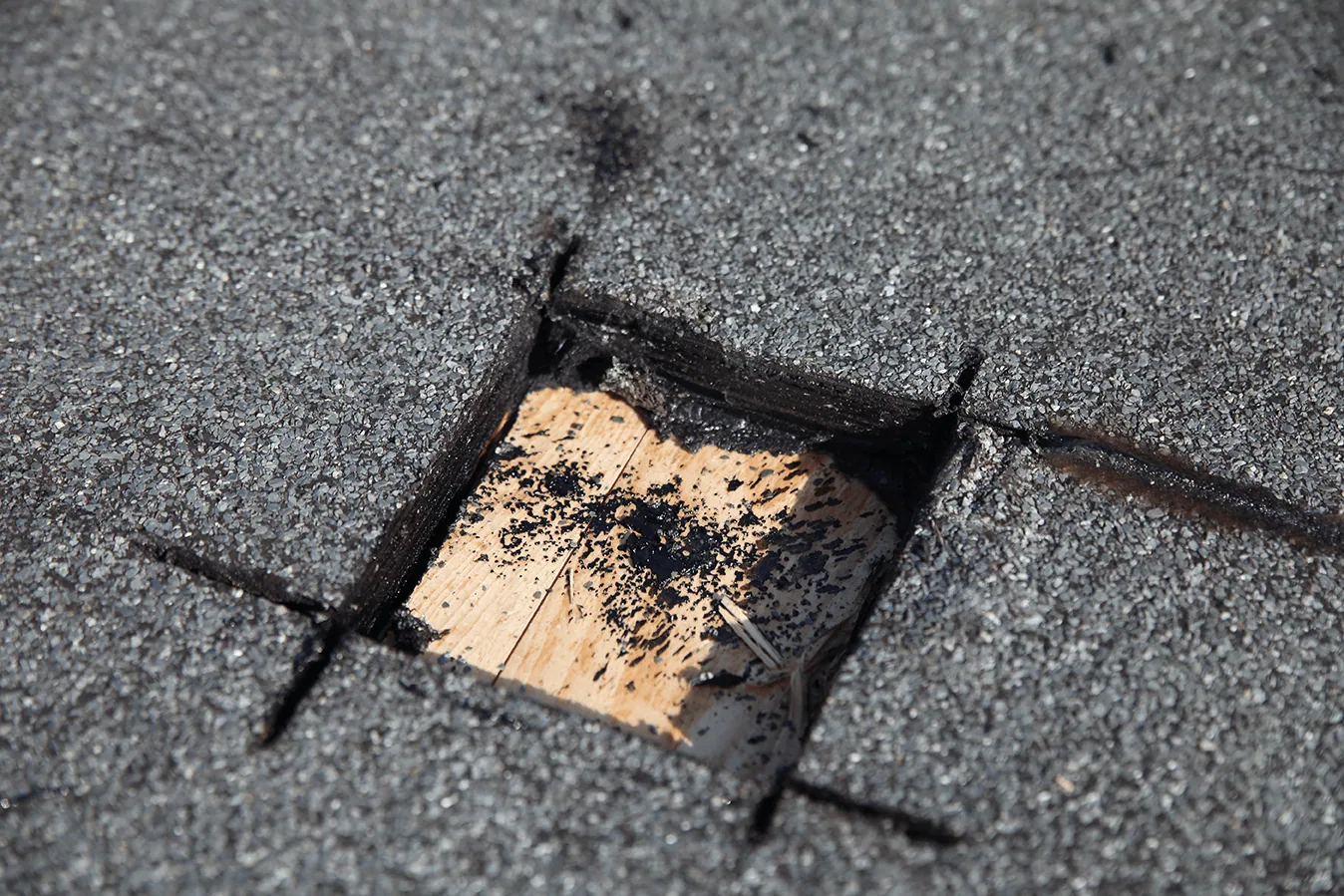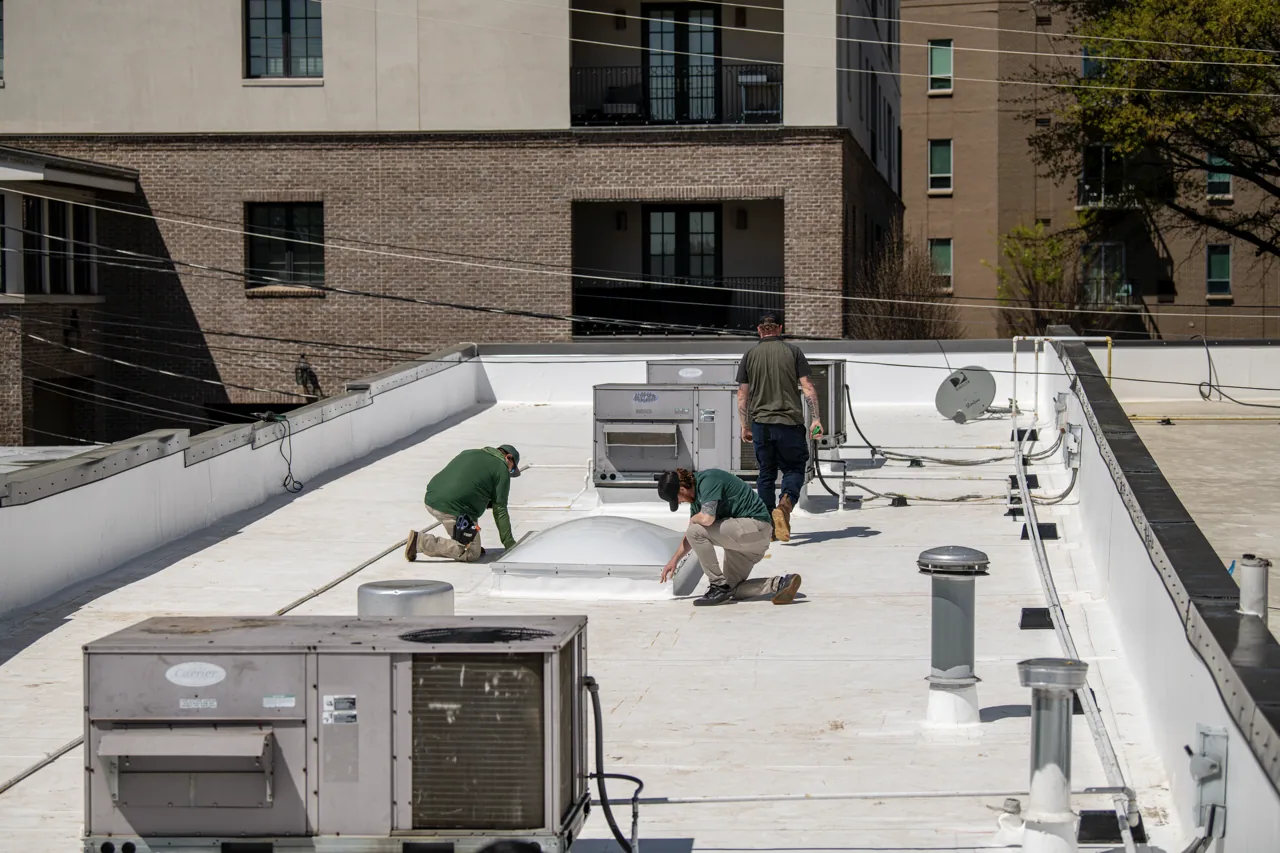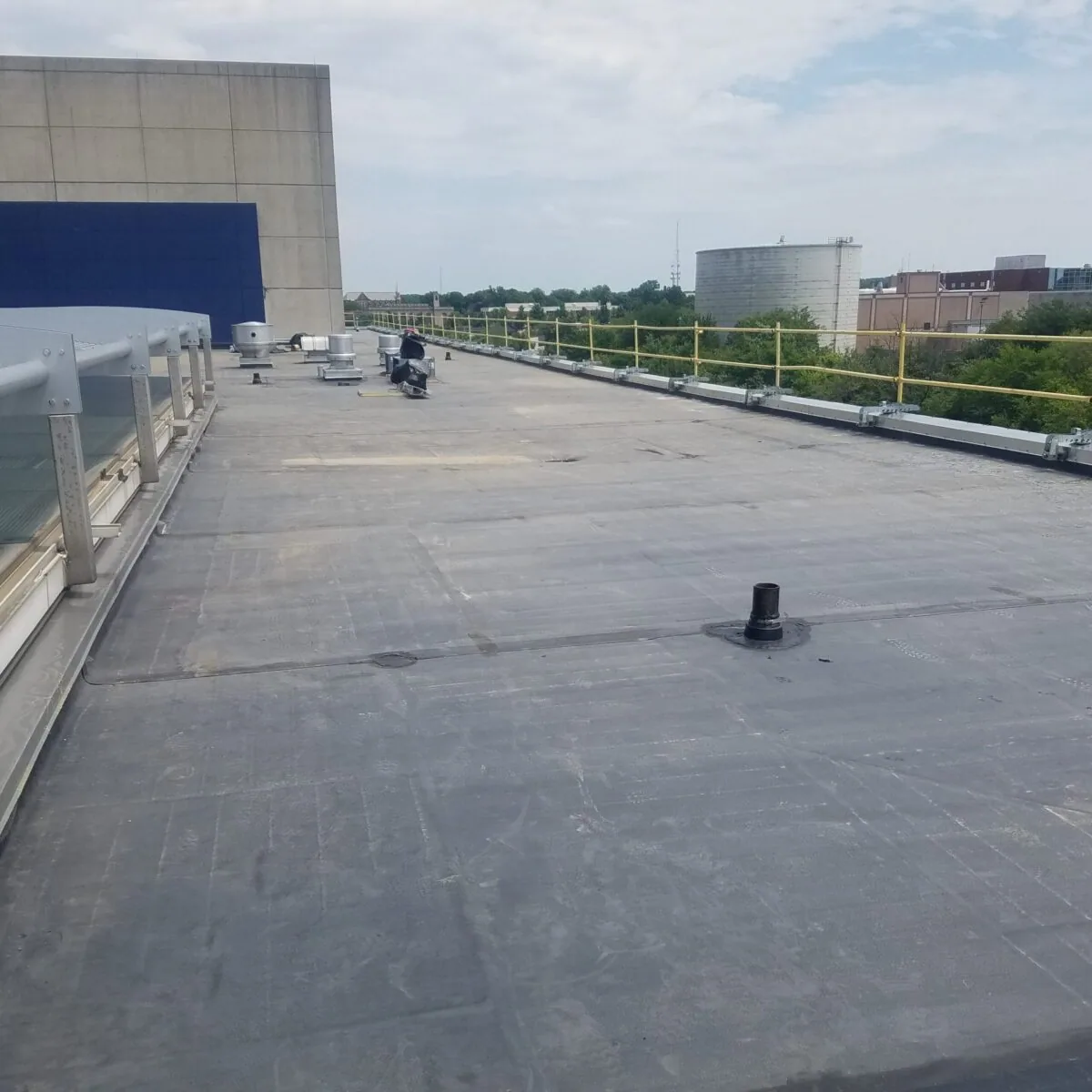
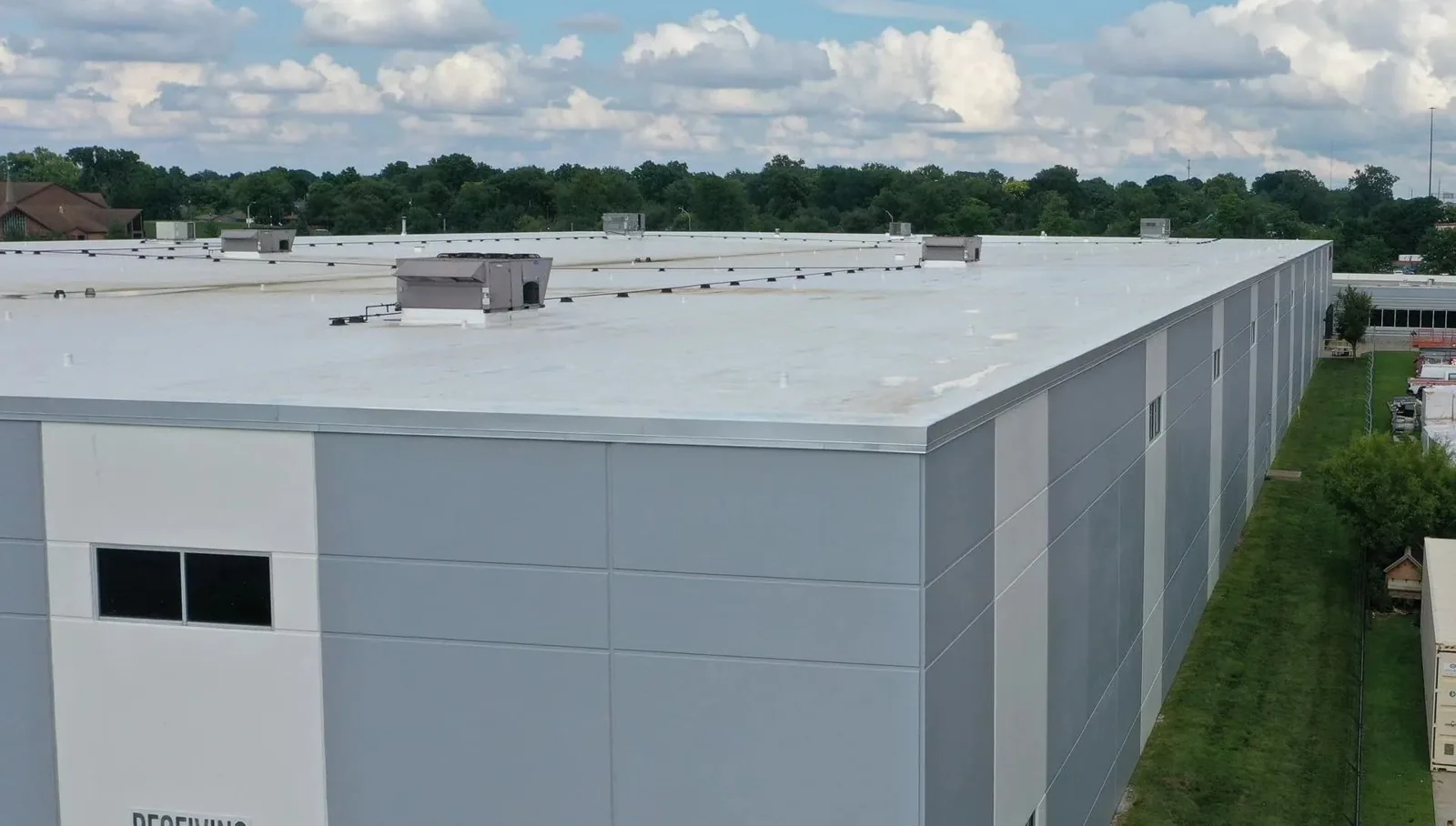
A prefabricated roof panel still has to meet the conditions on the building. Duro-Last assemblies may arrive with field sheets and details prepared to fit a roof, but field dimensions, edges, curbs and drains must be checked before installation. A leak in an existing system also needs diagnosis before a panel or patch is specified. We begin by comparing roof records with the surface and transitions in front of us. The South End sits beside Downtown Stamford as a higher-intensity mixed-use area, while Glenbrook is a named satellite neighborhood. In either setting, the building's own transitions set the measure. Our commercial roof inspection records the areas, dimensions and details that control a repair or replacement scope.
Measure the roof and verify the system
Duro-Last is known for custom-fabricated PVC membrane roofing. The product concept depends on accurate field information and details that match the actual roof. Existing plans may be outdated after additions, curb changes or past repairs. We compare dimensions, slopes, perimeter conditions, penetrations, drains and rooftop equipment with records and current conditions. When the installed brand or membrane cannot be confirmed, the scope describes the evidence needed before compatible material is selected.
A PVC roof system review checks the membrane and its seams, flashings and terminations together. A site with multiple sections may not use one product throughout. We mark where material changes, note existing overlays and identify details that affect measurements. The result should show what is known and what needs field verification before fabrication or repair. A drawing should not turn an unmeasured feature into a fixed dimension.
Check the perimeter and penetrations
Many leak paths begin where the field membrane stops or changes direction. We inspect parapets, edge metal, wall transitions, skylights, pipe boots and curbs for open seams, loose flashing, punctures or movement. At a drain, we check the bowl and the sheet connection, then consider whether ponding or a low area is contributing to the reported water. If the roof plan shows a unit installed after the original membrane, its curb detail may deserve a separate review. Each transition is described by location and condition so the repair does not stop at the visible stain.
Water can travel underneath a sheet before it appears indoors. We compare the reported room with the roof slope, deck, drain route and nearby openings. If the path remains uncertain, an infrared moisture survey can help prioritize verification areas. The survey does not replace a test opening when the assembly below must be confirmed. We agree on test locations and how each opening will be closed. The inspection record distinguishes a visible observation from a concealed condition that was actually checked.
Separate field repair from a new system
For an isolated puncture or failed seam, a compatible repair may be possible when the surrounding sheet and substrate remain sound. Repeated leaks, damaged attachment, widespread moisture or failing edges call for a broader scope. We map the conditions and identify whether they are confined to a section or repeated across the roof. A commercial roof repair recommendation names preparation, compatible material, seam work and the repair limit rather than simply describing a patch.
If the roof needs renewal, a commercial roof replacement scope addresses removal, substrate, insulation, drains, edges, penetrations and transitions. A recover assessment is a separate choice that depends on existing layers, moisture, attachment, edge height and project requirements. Custom fabrication can support a defined system, but it does not make a damaged deck or blocked drain disappear. We compare options only after the conditions that control them have been inspected.
Coordinate dimensions, access and operations
Before a field measure or installation, the property contact identifies roof-access rules, occupied spaces, secure areas, staging and delivery limits. Confirm which equipment must remain operating and where material can be lifted or stored. Glenbrook is a Stamford satellite neighborhood and one of its Village Commercial districts. For a field measure there, we follow the property's access and safety instructions and record its own roof dimensions.
Measure dates and installation sequence depend on weather and roof condition. Wet surfaces, wind or rain risk can affect preparation and seam work. We verify conditions before covering the membrane and protect open transitions if a task pauses. Where other trades will alter equipment or curbs, complete that coordination before final tie-in. The schedule should set the order of work and decisions without promising a particular arrival or completion time. The site contact receives the agreed work area and any condition that needs approval before it changes.
Close the loop with a dimensioned record
Keep the final roof plan, field dimensions, approved details, product identification and photographs together. Mark the repaired area or installed section, perimeter edges, penetrations, drains and any condition left outside the work. A roof condition report can preserve observations for later maintenance. If the work used a custom-fabricated sheet, the record should identify the roof section and approved details that shaped it, not only the manufacturer name.
For another roof section, compare the installed assembly with a GAF membrane system or Versico membrane system while confirming compatibility at the actual transitions. Each section still requires its own records and compatibility check. The owner should leave with a clear line between installed work and any remaining recommendation. That record helps a future inspection start from dimensions and conditions that were checked rather than assuming the full building has a single roof system.
Resolve measurements before fabrication
Field dimensions should capture the shape of the roof, not just its longest edges. Note changes in elevation, parapet returns, drain locations, curb sizes, offsets and the position of penetrations. Compare those measurements with the roof plan and record where they differ. If the property has more than one section, label each measurement set so details are not carried from one area to another. Confirm whether existing edge metal or flashing will remain, be removed or be replaced as part of the planned work.
When the roof has irregular geometry or later additions, pause to clarify the drawing before a panel is ordered or a repair is cut. A dimension that appears close can still shift a seam or leave a difficult tie-in at a curb. We record the question, recheck the affected area and update the scope after the field condition is settled. The field record should include date, roof section, reference points and photographs. This makes it possible to compare the final membrane placement with the approved dimensions and identify which transitions were included.
Keep the final dimensions with the approved material schedule and closeout photographs. That record ties the roof as built to the transitions later inspected.
Commercial Roofing Questions
What makes Duro-Last roof work different?
The system uses PVC membrane with custom fabrication. Field dimensions, transitions and accessories still need to match the roof before repair or installation.
Can an existing Duro-Last roof be patched?
A compatible repair may be possible if the sheet, substrate and adjoining seam remain suitable. We inspect the area before defining materials and extent.
Do existing plans provide enough information to fabricate?
They may help, but additions and past work can change dimensions and details. Current field conditions should be checked before the scope is set.
How should separate membrane assemblies be recorded before repairs begin?
We identify each section separately and record its transitions. Materials and repair methods should follow the confirmed assembly in each area.
What should the property contact prepare?
Share the roof drawings, repair records, leak history, equipment changes, access rules and any limits on staging or deliveries.