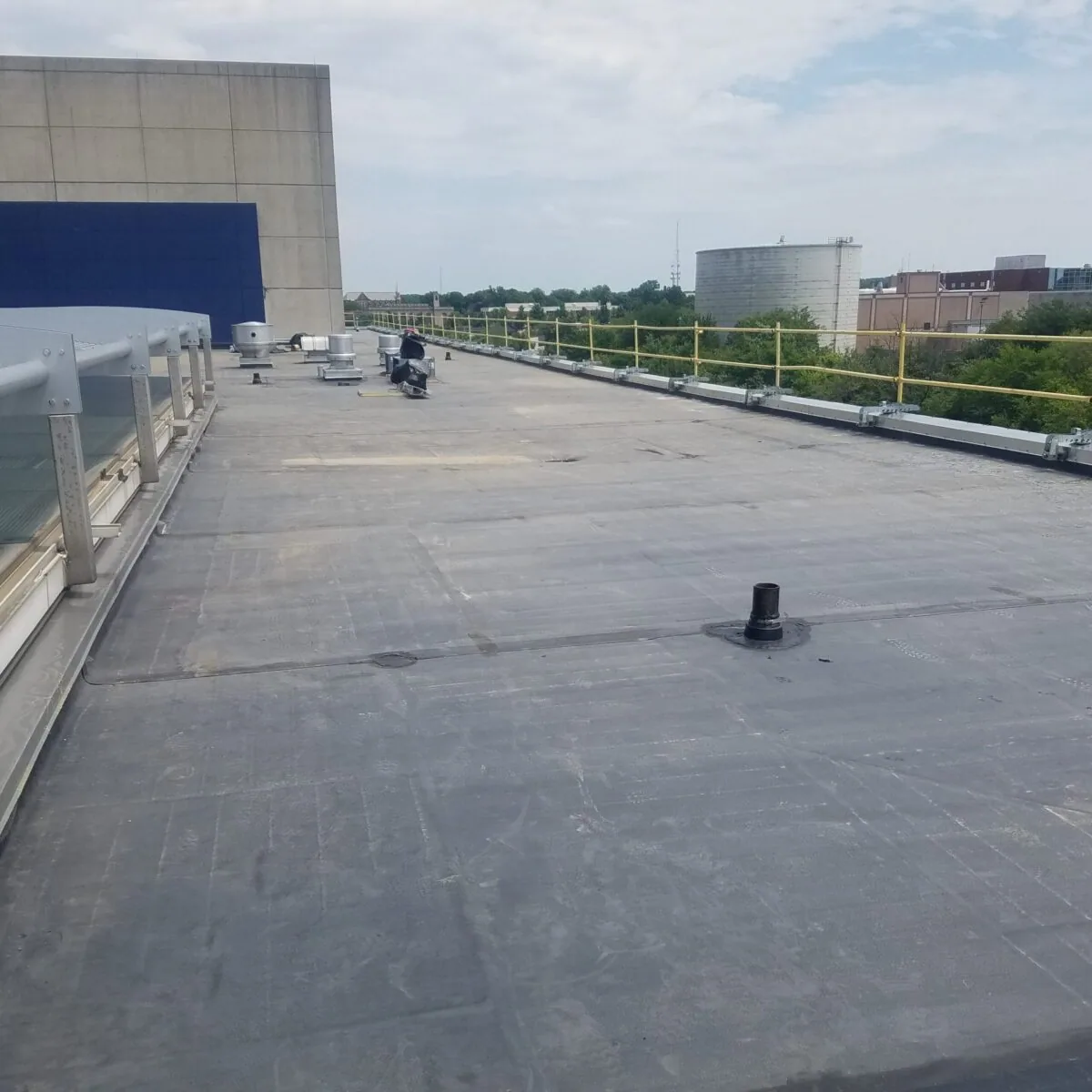

A guestroom ceiling stain may trace back to a roof drain or equipment curb several bays away. We follow the water path before defining the repair. Hospitality groups often manage different roofs, operating rules, and renovation histories across their properties. Stamford's Downtown and South End include mixed-use office, housing, and retail areas, while the roof at each property remains its own assembly. We inspect seams, drains, flashing, and penetrations, then identify what the operation needs to protect below the work. A commercial roof inspection can connect guest or staff reports to the affected roof zone.
Guest areas: protect the space below
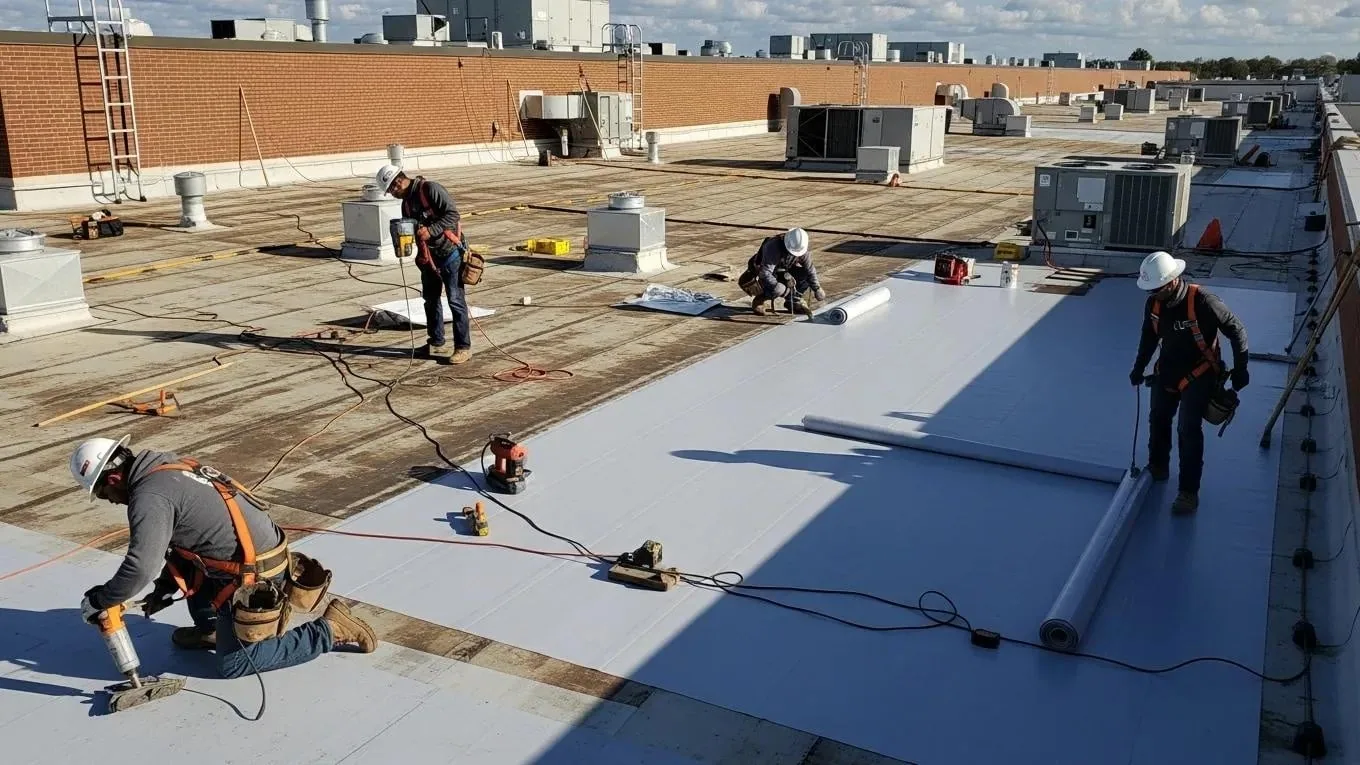
Before opening a roof, we identify the interior area, overhead protection, access route, and daily closure needed for that section. The property contact can point out occupied rooms, service corridors, deliveries, and times when noise or access is restricted. We include those limits in the sequence. A repair may be small, but it still needs a firm boundary, compatible materials, and a dry-in plan at the end of each work period. If interior protection or another trade is required, the scope names that dependency.
A hotel may have guest rooms, dining areas, meeting space, or other uses. The manager identifies the spaces below the roof zone and any service route that must remain open. occupied-building reroofing coordinates that information with the membrane sequence. For a group managing several locations, property management records can keep access rules and completed repair areas attached to the correct roof.
Roof equipment: check the flashing boundary
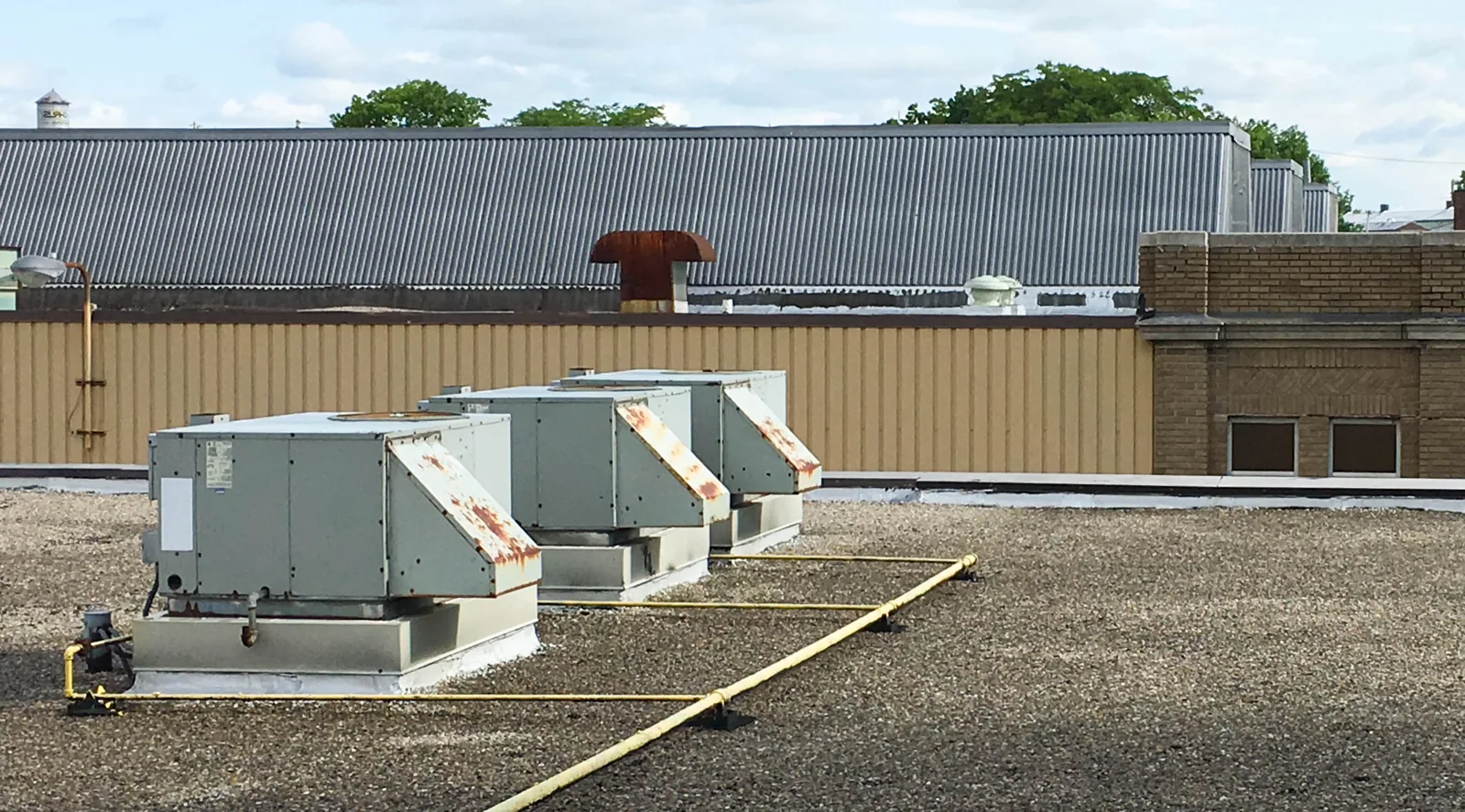
Ventilation units, exhausts, pipe supports, and service curbs interrupt the membrane. Repeated maintenance access can loosen a metal return or wear a walkway beside a curb. We inspect corners, fasteners, flashing, and adjacent seams, then note which system belongs to a mechanical or kitchen trade. The roof scope restores the weather connection; it does not repair the equipment. If service access must continue during the job, the path and protection are agreed before the membrane is opened. A curb and support repair can define that transition.
Stamford's summer record places ordinary daytime highs in the 80s, with a recurring seasonal demand for cooling. That pattern can make roof-mounted equipment and its flashing worth reviewing where service traffic is routine. We inspect the sheet, metal, seal, and curb at the property to identify any condition that needs correction. If a renovation recently changed a unit or duct, we check the tie-in around the work area and document any roofing detail that needs correction before the next maintenance visit.
Leak investigation: trace beyond the room
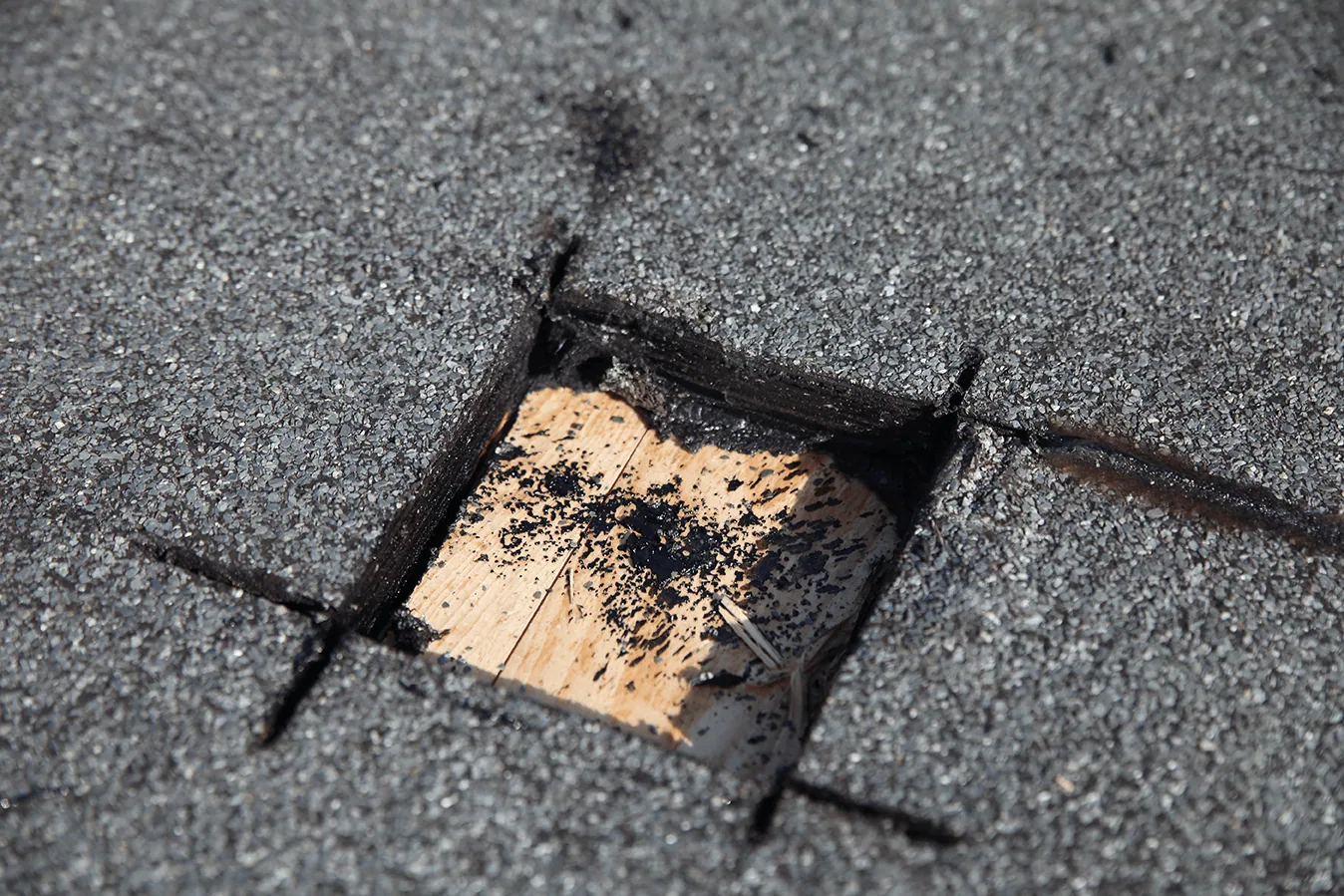
A ceiling stain is useful evidence, but it is not the membrane entry point. Water can move along a deck, beneath a sheet, or around a curb before it drips indoors. We compare the room report with roof slopes, drains, laps, and prior repairs. If insulation is concealed, a moisture survey or test opening may help define how far removal should extend. The report should state the observed zone and any area that remains untested. That gives the manager a sound basis for protecting contents and planning the next repair step.
The Route 1 corridor follows the shoreline through Greenwich, Stamford, Darien, Norwalk, and Westport. A hospitality property near the roadway may have limited space for a lift or material delivery; the site's actual access plan controls. We ask where a truck can stage and which pedestrian path remains open. We use that corridor context to plan the delivery discussion, then confirm the property’s actual staging space and access route. A moisture survey can support further testing when the leak report and visible surface do not establish the insulation boundary. We mark the test area on the plan and explain whether the next step is an opening, removal, or a focused repair.
Repair or replacement: match work to the finding
A contained defect on a stable, dry assembly may accept a localized repair. Widespread moisture, repeated seam failure, or deteriorated deck can change the recommendation. A recover adds another layer only when attachment, moisture, drainage, deck, and code conditions support it. A full replacement takes the roof back to the agreed removal plane and rebuilds perimeter, penetrations, and drainage details. We compare those options using the inspected roof areas and explain what each includes. A replacement scope should name dry-in, guest-area protection, equipment coordination, and the closeout record. If the roof ties into a wall or canopy, that transition should be included or clearly excluded.
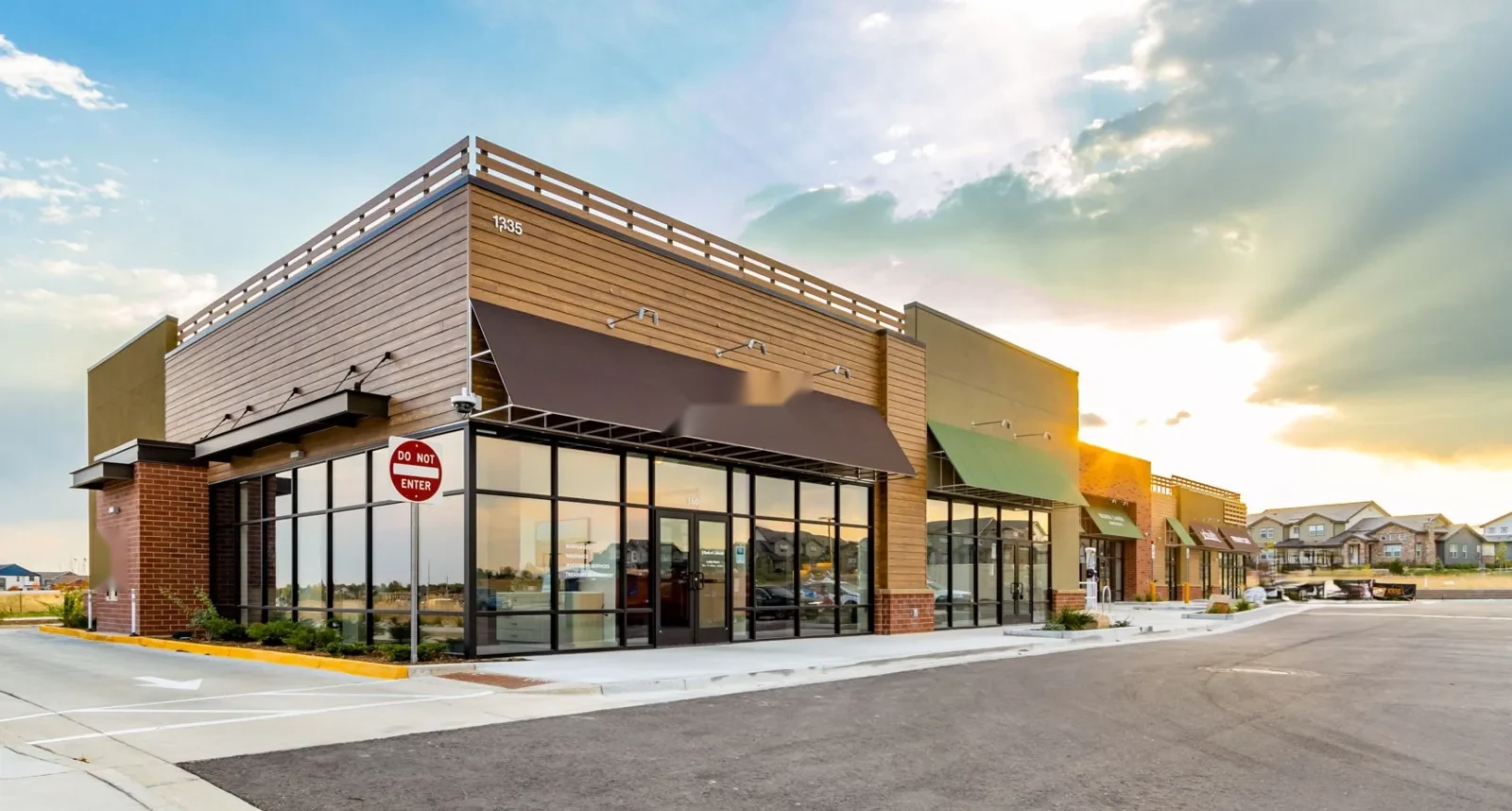
For a group portfolio, scope comparison works best when each property has its own roof plan, material identification, access assumptions, and repair history. Shared branding can simplify portfolio records, while each scope still follows the roof assembly and operating limits found at the property. A retail operator may face similar occupied-site scheduling, but the building use and roof conditions still shape each sequence. We record what was repaired, what remains outside the boundary, and what test or approval would be needed before a broader phase proceeds.
Records: carry the repair into operations
Closeout photos should show the seam, drain, curb, or edge that was corrected and locate it on a roof plan. We list materials installed and note adjoining conditions outside the work. That record helps a facilities team connect a new leak report to prior service. roof condition reports can separate completed repairs from maintenance recommendations and unresolved tests. The result is a usable history, not a blanket statement that the whole roof was renewed.
Share recent service calls, interior locations, access rules, renovation notes, and any equipment schedule before the walk. Our written recommendation will identify the repair detail, any moisture test still needed, or the wider replacement limit under consideration. A manager at a property in Downtown Stamford can map material staging from the allowed service entry and identify guest paths that must remain open. If work follows a guest-area renovation, the roof plan should identify the new penetration or detail so future leak reports can be traced accurately. For a group, the same closeout fields make it easier to see which properties have an open moisture test, which have completed repairs, and which need a separate capital review. A location manager can send a new leak ticket with the right plan reference instead of relying on a past contractor's shorthand.
Commercial Roofing Questions
Can repairs be phased while guests remain on site?
We plan each roof opening with protection below, access controls, and a complete daily closure. The property contact identifies occupied spaces and routes; we include the resulting sequence in the work scope.
What information helps trace a leak above a guest room?
Share the room, timing, weather, and any nearby renovation or equipment work. We inspect the related roof zones and trace seams, curbs, and drains that could carry water away from the visible mark.
How do you coordinate roofing with a unit replacement?
The mechanical trade handles the unit and connection; we inspect the curb flashing and membrane tie-in. We identify the work order and access window before the roof detail is opened.
Can one roof report cover a hospitality group?
A program can schedule several properties, but findings stay separate by address and assembly. Each report includes the inspected zone, photos, work boundary, and any test still needed.
When should a hotel consider replacing instead of repeatedly repairing?
Repeated failures, broad wet insulation, unstable attachment, or deck deterioration can make isolated patches poor value. We map those conditions and compare repair with recover or replacement scope.