A portfolio loses useful history when one property’s repair note becomes another building’s assumption. A multi-site roof program sets a common way to inspect, record and prioritize work, while keeping each roof’s assembly and condition separate. We build the schedule around property needs, access and operating constraints. In Stamford, CT, a manager may coordinate roofs near Norwalk Center and Merritt 7, two commercial settings with different patterns of use. The program uses a consistent record, not a shared repair conclusion.
Program setup: set one record standard
Start with the property list, roof plans, known leaks, service history, warranties and access instructions. We establish consistent fields for roof area, system when identified, observed defect, photo reference, repair status and next action. The format lets a portfolio manager compare conditions without flattening important differences. One property may have a membrane seam issue, another a perimeter detail, and a third may need moisture testing before a larger scope is set.
We also identify how each building operates. Equipment service, tenant schedules, loading access, security procedures and active construction can change the roof walk or work sequence. These constraints belong in that property’s record. They should not be copied to every site as a generic assumption. A roof asset register can hold the condition and work history, while written condition reports supply the observations that update it.
Inspection cycle: match visits to roof need
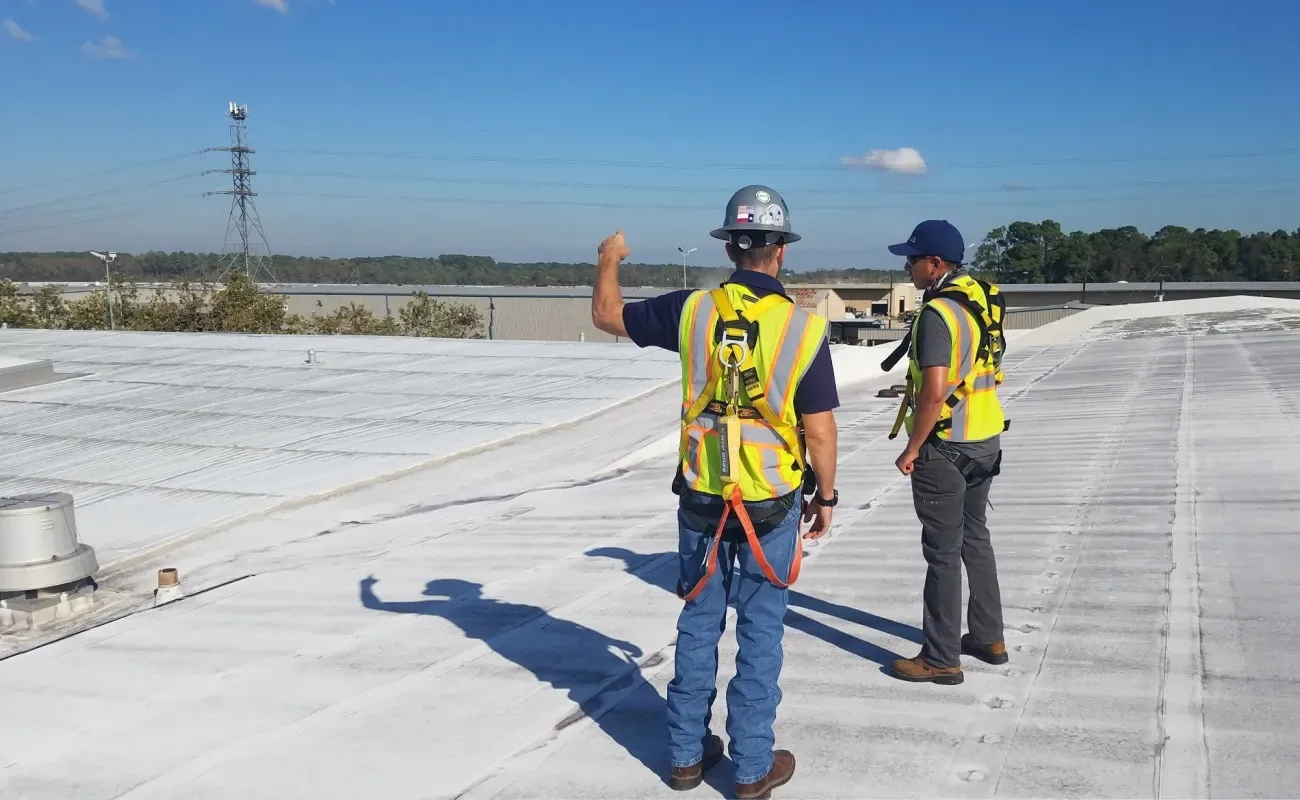
A common calendar can organize visits, but condition should set the priority. Recent water entry, repeat repairs, a new curb, open seam, drainage concern or roof access change can justify an earlier review. We inspect the affected detail, photograph the area and connect the finding to prior work. A roof inspection can cover the specific assembly and record what requires a repair, testing or continued observation. The interval and scope should fit the property record.
Stamford normals show winter snowfall and subfreezing overnight temperatures, making seasonal attention to drainage and terminations relevant. A program can schedule a review after winter exposure where the property’s history warrants one. Stamford summer normals put daily highs in the low-to-mid 80s Fahrenheit, a seasonal cue when checking exposed surfaces and rooftop transitions. Those regional conditions guide planning; they do not establish damage at an individual roof. Each visit reports the conditions actually found.
Work priorities: separate urgent from planned
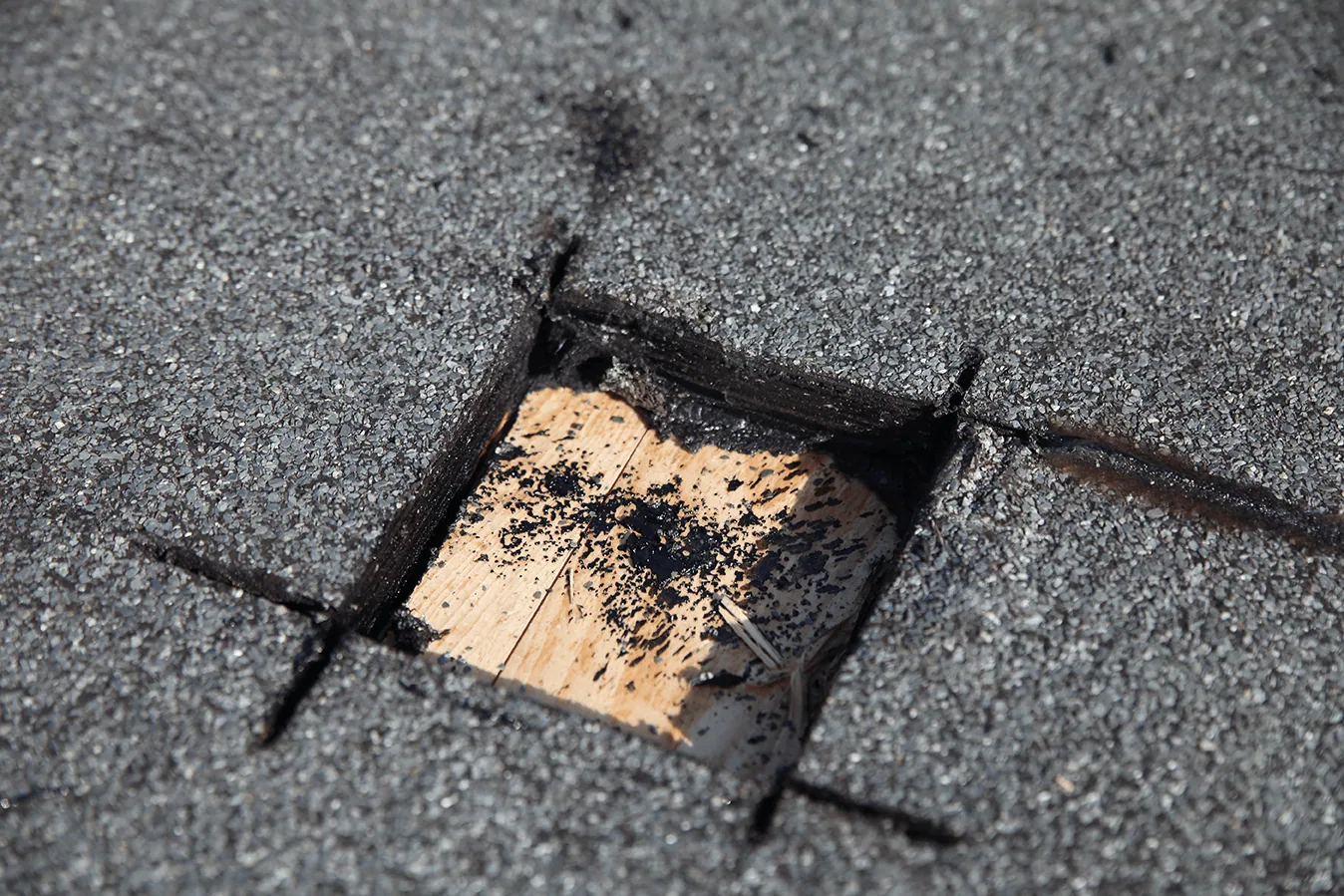
Prioritization needs a reason that a manager can trace. Active water entry and a loose edge detail may need attention ahead of surface wear that remains stable. We state the observed condition, the consequence of leaving it open and what would change the work boundary. The repair scope should identify the roof area and the specific detail addressed. If moisture may extend beyond that area, a moisture survey can help define where verification belongs.
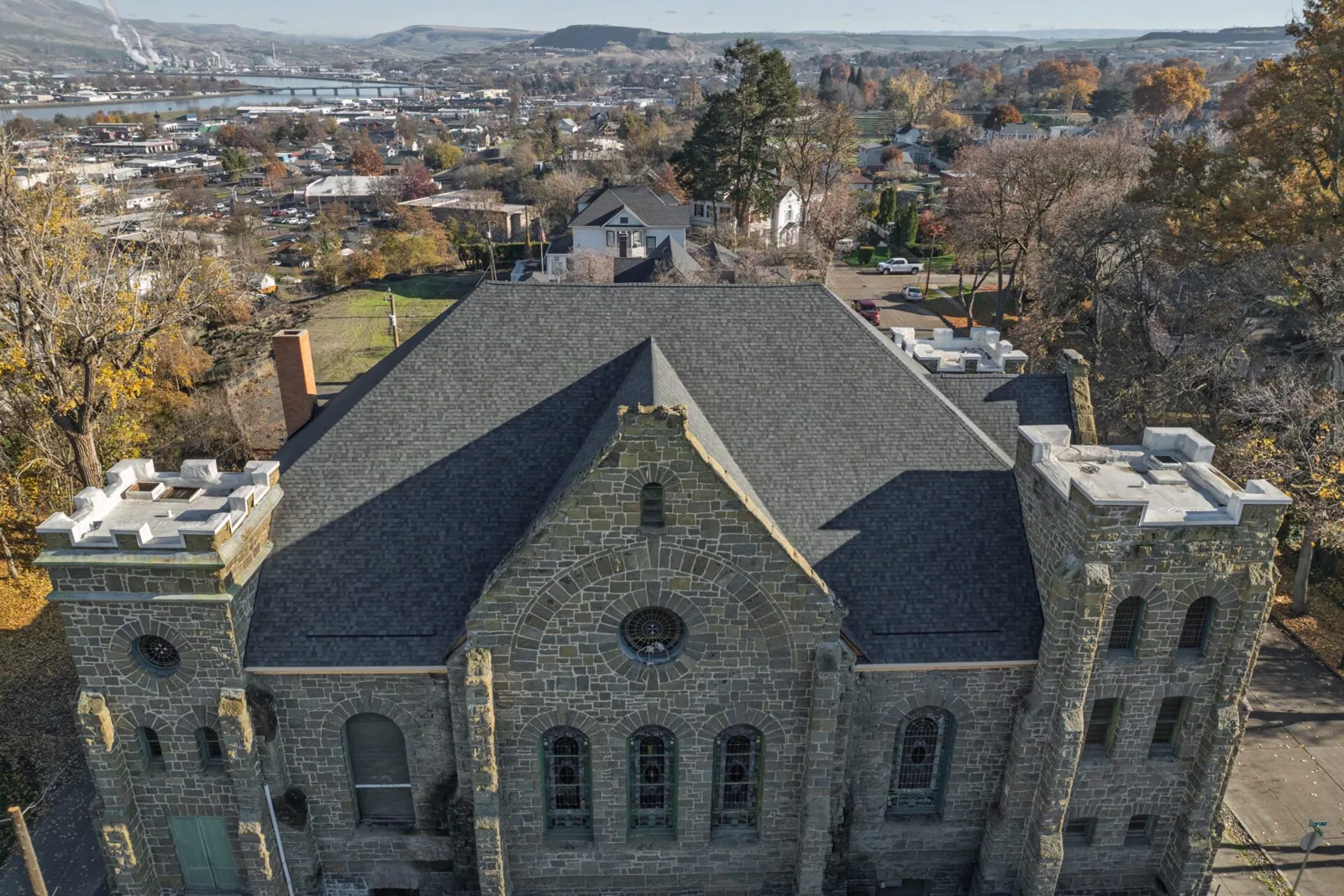
Group work only when the conditions and access make that sensible. Two nearby properties may share mobilization planning, yet still have different systems, repair materials and owner approvals. A multi-site plan lists each scope on its own line, then notes the coordination opportunity without merging the work. If a roof requires a larger renewal, its capital decision remains distinct from a leak repair elsewhere in the group.
Regional operations: use context, not assumptions
Norwalk Center has pedestrian-scale business blocks and serves as the city's bus hub. Merritt 7 is identified as an office-dominated district with high traffic. Those settings can affect how property staff schedule access and coordinate work, but they do not tell us what membrane or roof detail a building contains. We keep operations notes with each site and inspect its assembly before choosing a repair method. A Norwalk Center area review remains specific to the property and its roof.
Across a regional portfolio, travel and access planning can make the program more efficient, but roof condition remains the controlling factor. The record can identify a preferred visit window, contacts supplied by the manager and roof areas needing review. It should not promise a fixed arrival time or assume the same access route at each property. We confirm site requirements before the visit and revise the sequence if weather or operations prevent the planned work.
Maintenance work: close each open item
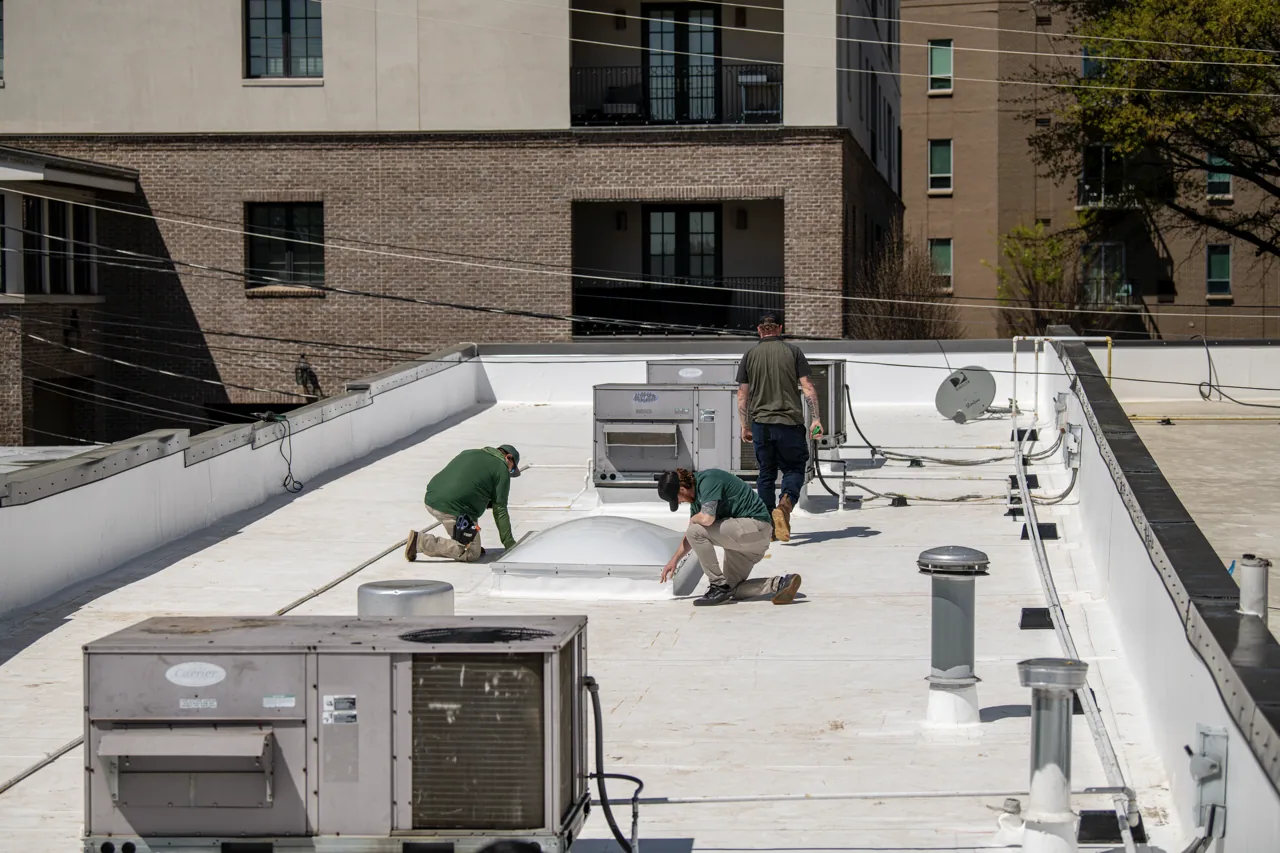
A maintenance plan is only useful when findings close out. We list the drain or seam inspected, note work completed and leave unresolved conditions visible for assignment. A blocked drain may call for cleaning and a check of the bowl and surrounding membrane. A lifted flashing edge needs examination of the attachment and substrate before it is reset. The maintenance visit updates the property record with the work performed, not just the date of attendance.
When several roofs are in the program, the manager can see which items are closed, which need a quote and which require a new inspection. Warranties, permits and repair approvals may differ by building, so we track them at the site level. A warranty file review can help align proposed work with the available documents. It does not replace review by the applicable warranty administrator.
Renewal planning: build a sequence from evidence
When repair needs begin to overlap, compare the assembly condition with the cost and disruption of a broader project. A capital review can distinguish near-term repair from recovery or replacement planning. We identify which findings support each option and what further testing could change it. A roof-recover assessment checks whether the existing substrate and layers suit an added system; a replacement scope addresses the areas that require removal or a more complete renewal.
Norwalk and Stamford sit within a regional work area connected by commercial corridors and transit. That makes coordinated planning practical for a manager overseeing properties in both cities, but not a reason to use one roof’s condition as a proxy for another. We maintain separate photos, scopes and closeout notes. The program brings them into one review so an owner can sequence decisions while preserving the detail required for each building.
Reporting: make the handoff useful
After each visit, the manager should know what was inspected, what changed, what remains open and who needs to approve the next step. We provide a written summary with photographs and a proposed scope when repair is recommended. If a detail cannot be safely reached or requires testing, we identify that limit and the follow-up. The information can be reviewed alongside replacement planning or a system-specific assessment when the condition warrants it.
Bring the property list, service notes, known leak locations, warranty records and access rules to the first planning discussion. We can walk the roofs, agree on reporting fields and set a practical first review sequence. The program then grows from actual roof findings and completed work. Each recommendation remains tied to its site, while the manager receives a portfolio view clear enough to assign maintenance, approve repairs and plan larger scopes.
Commercial Roofing Questions
Can one roof program cover different systems?
Yes. The record format can stay consistent while each roof’s membrane, attachment, details and repair method remain specific to that assembly.
How are visit priorities set across sites?
We rank by observed water entry, defect extent, prior repair history and conditions that could change the scope. The priority record gives its basis.
Can work at multiple properties be coordinated?
Where access and scope make it practical, we can plan visits together. Each property still receives a separate inspection record and repair recommendation.
What should a manager provide to start?
Share the property list, roof plans, prior service notes, known leaks, warranty documents and site access limits. We use them to plan the first field review.
How does the program handle an open leak?
We assess the roof detail and water path, then define temporary measures when conditions allow and a repair scope after the condition is confirmed.