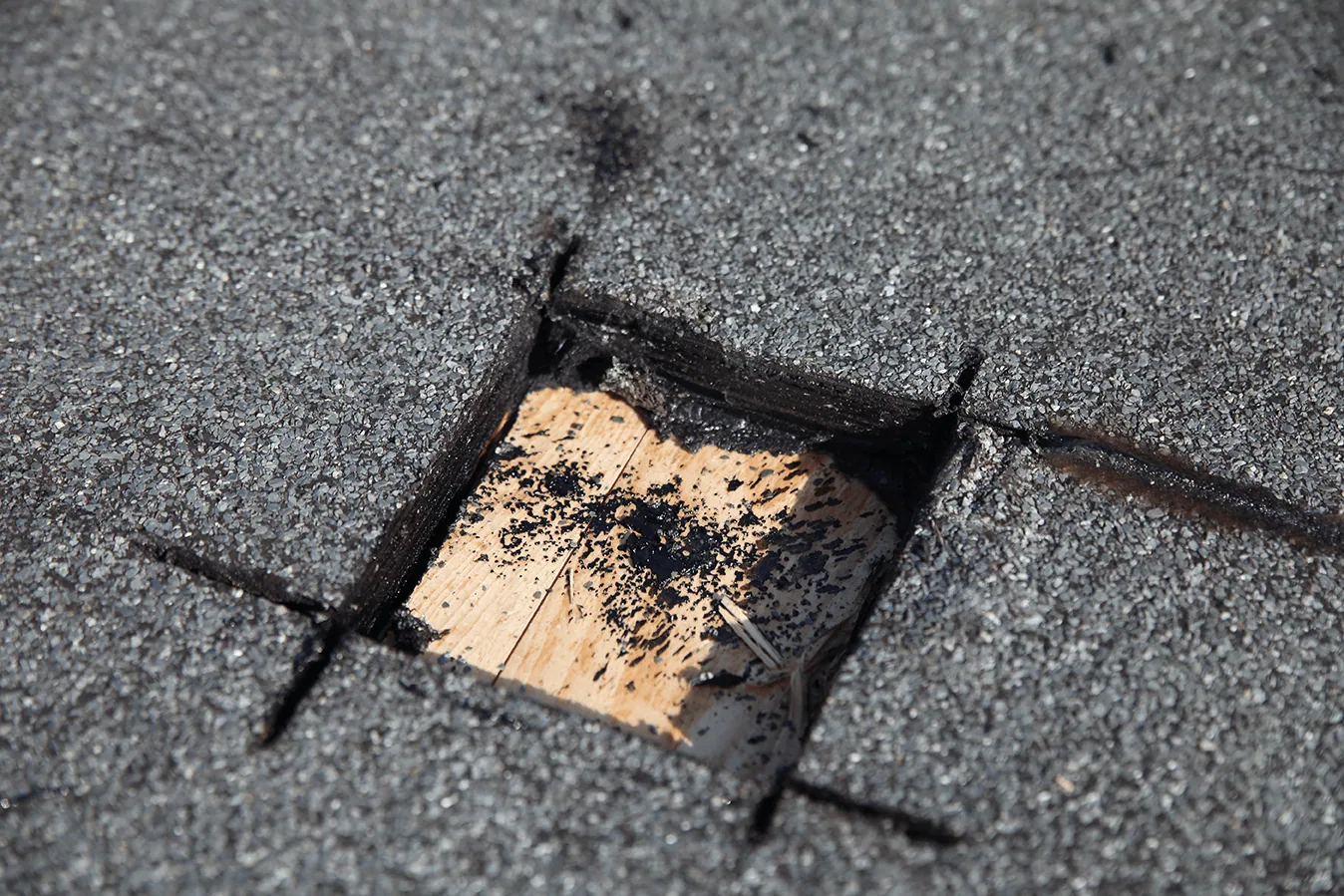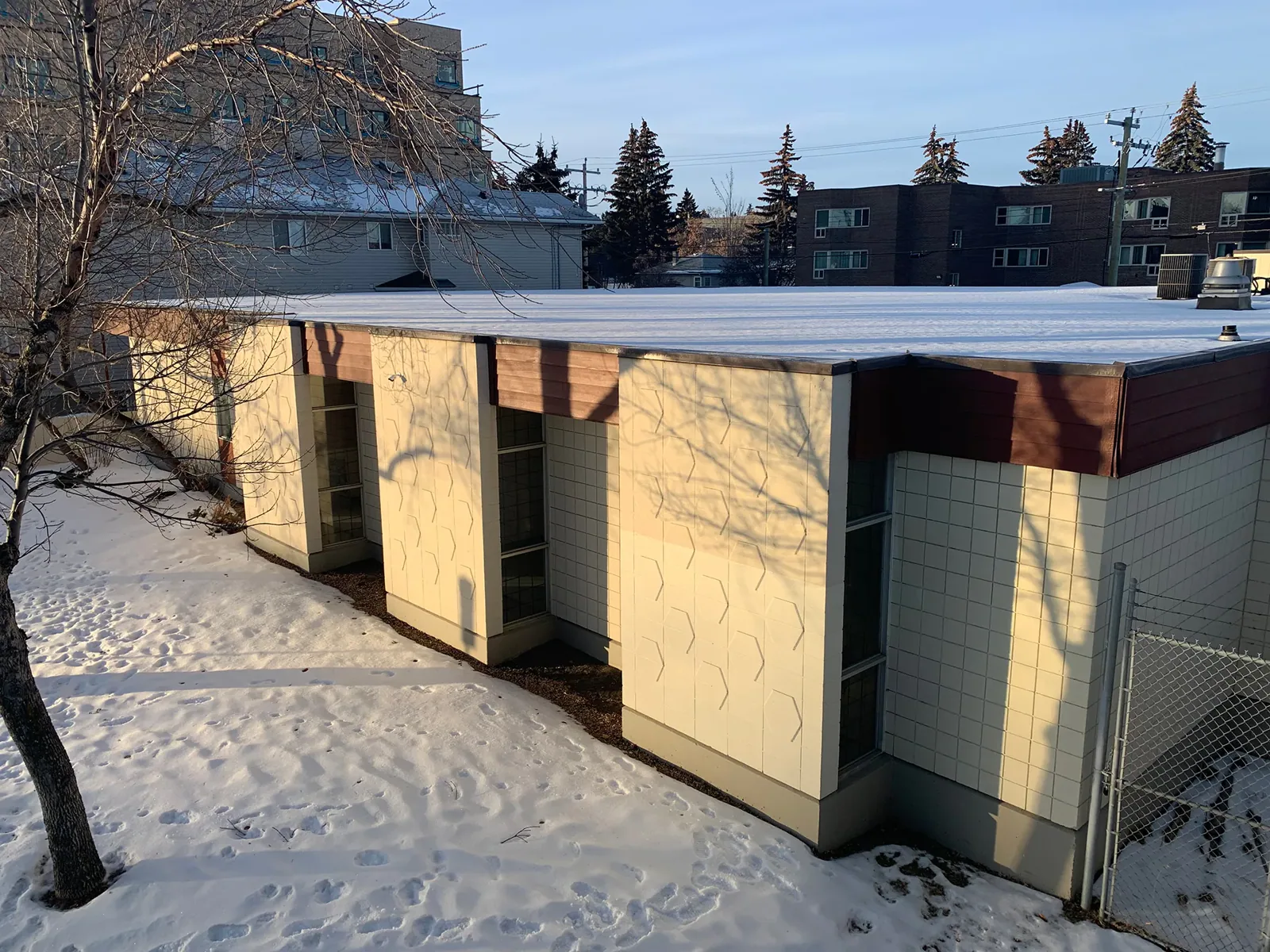
A thaw can reveal a leak or lifted detail that was hidden under snow. Ice at a drain, split membrane, displaced edge metal, and wet insulation each call for a different response. Snow and ice roof damage repair in Stamford, CT begins with safe access and a review of the roof assembly, drainage, and reported interior conditions. We document visible conditions and identify where closer investigation is needed before selecting materials.
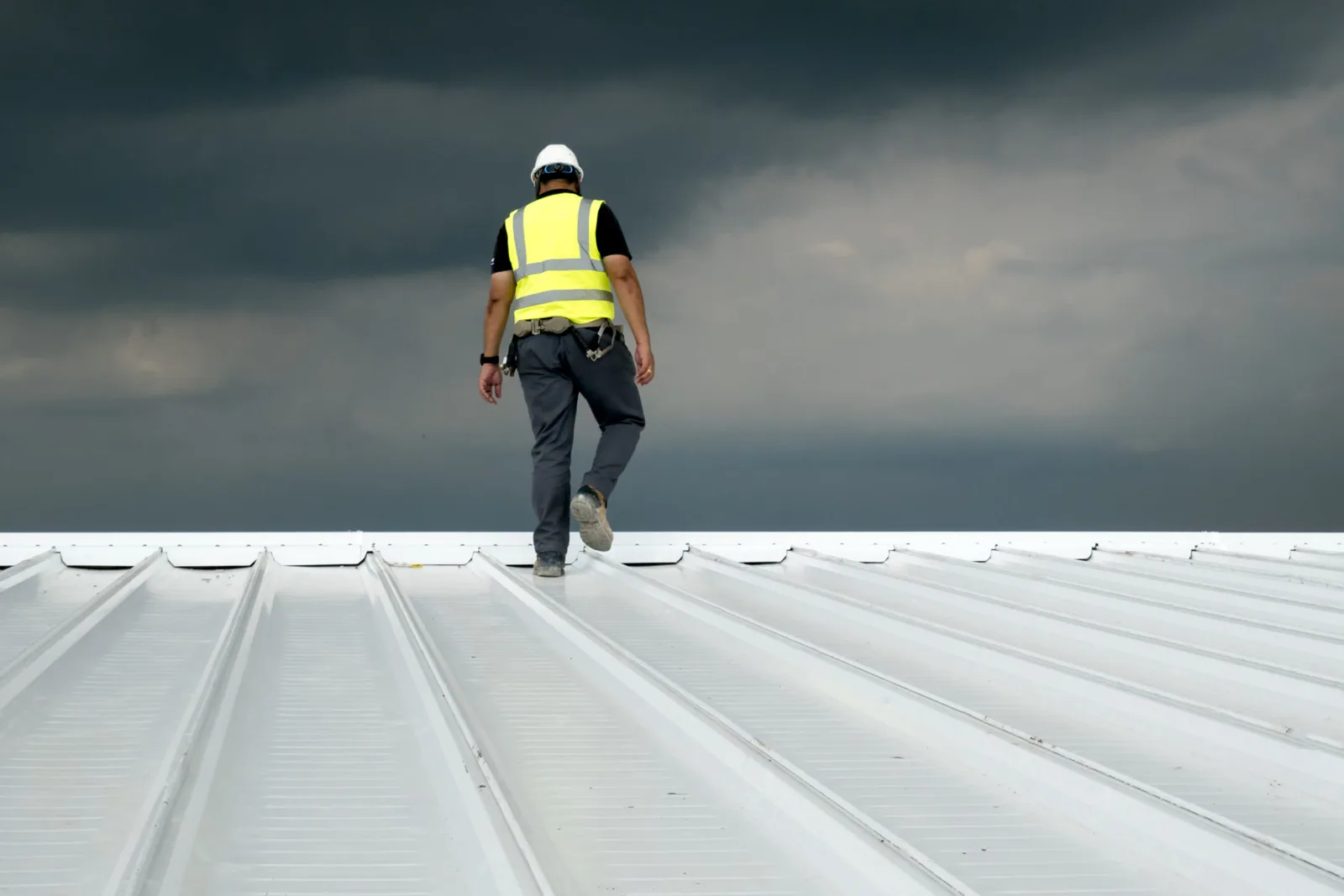
Do not send untrained staff onto a snow-covered or icy roof. Loads, slippery surfaces, and concealed openings can create hazards. Roof access should follow the property safety plan, and structural concerns belong with a qualified engineer. Once access is authorized, a commercial roof inspection can trace visible damage and record affected zones without assuming that a single leak represents the entire roof.
Check for snow-related movement and stress
Snow can conceal drains, seams, equipment supports, and previous repairs. After safe access is established, inspection should look for unusual deflection, separated joints, crushed or displaced components, and water entry near roof transitions. A roofing contractor can document visible conditions but should not estimate structural capacity from appearance. Where movement or loading raises a structural question, involve an engineer before disturbing the affected area.
Winter at Stamford's 5 N station has recurring snow and nights below freezing in the long-term climate record. This supports checking roof transitions for seasonal wear, but it cannot tell the snow depth or load on one building during a storm. Site observations and structural criteria govern the response. Keep snow removal separate from repair unless qualified personnel and the property safety plan authorize the work.
Trace ice around drains and low points
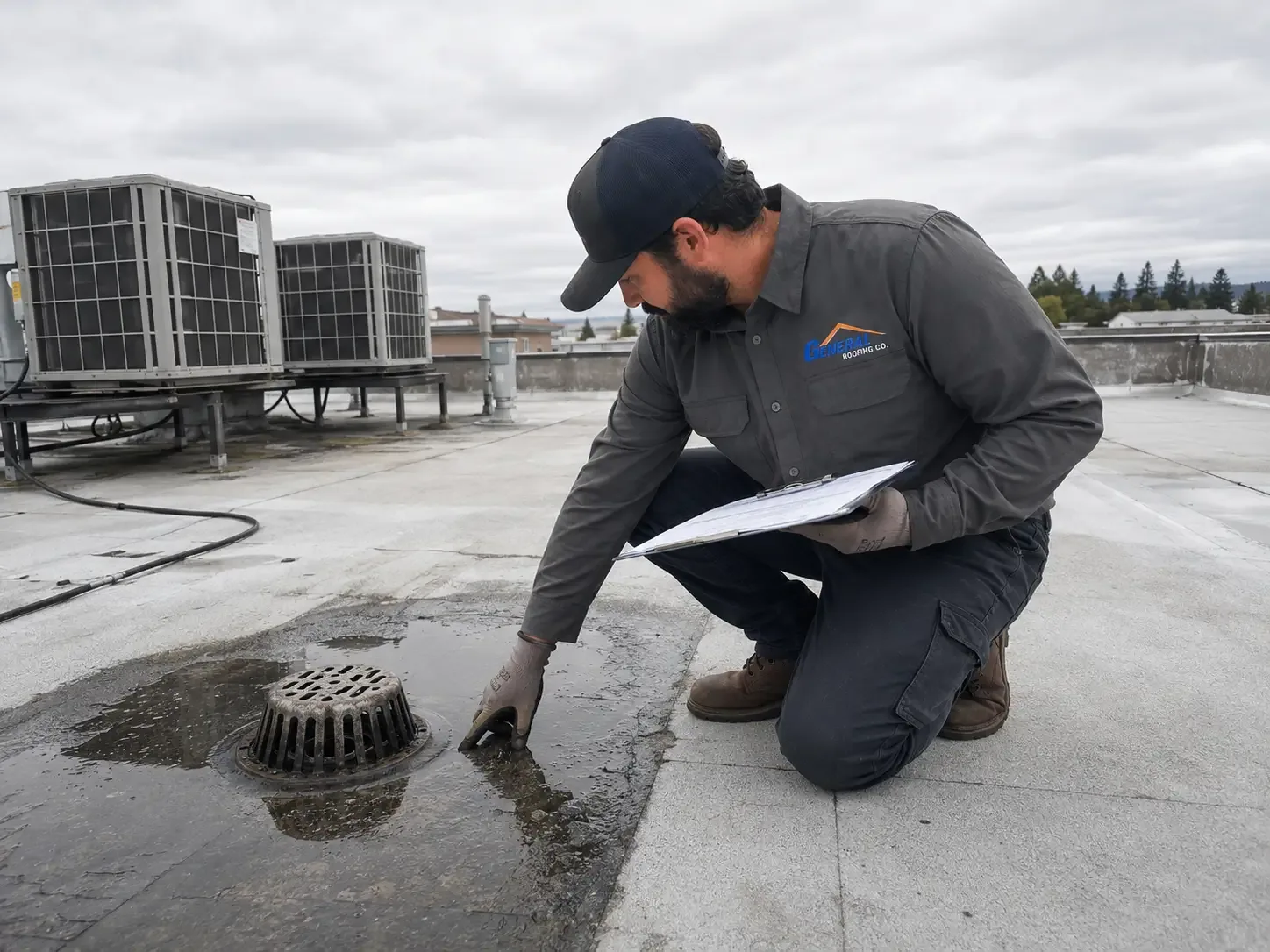
Ice may form where runoff slows, outlets are blocked, or warm interior air meets a cold roof surface. An ice dam at a perimeter can push water toward a seam or flashing detail that normally sheds runoff. We inspect drains, scuppers, overflows, and roof slope after conditions permit. A raised patch, compacted debris, damaged strainer, or settled area may change the path of meltwater. A drain and scupper inspection can address outlet components within the repair area.
Do not chip ice with tools that can puncture the membrane or damage metal. Heat sources and de-icing chemicals can harm roofing materials or create new hazards. The owner should use a qualified method suited to the roof and the situation. Once the surface is visible, we record the outlet condition and any water marks. If standing water remains after thaw, evaluate whether it comes from an obstruction or a low area in the assembly.
Look for openings after repeated freezing
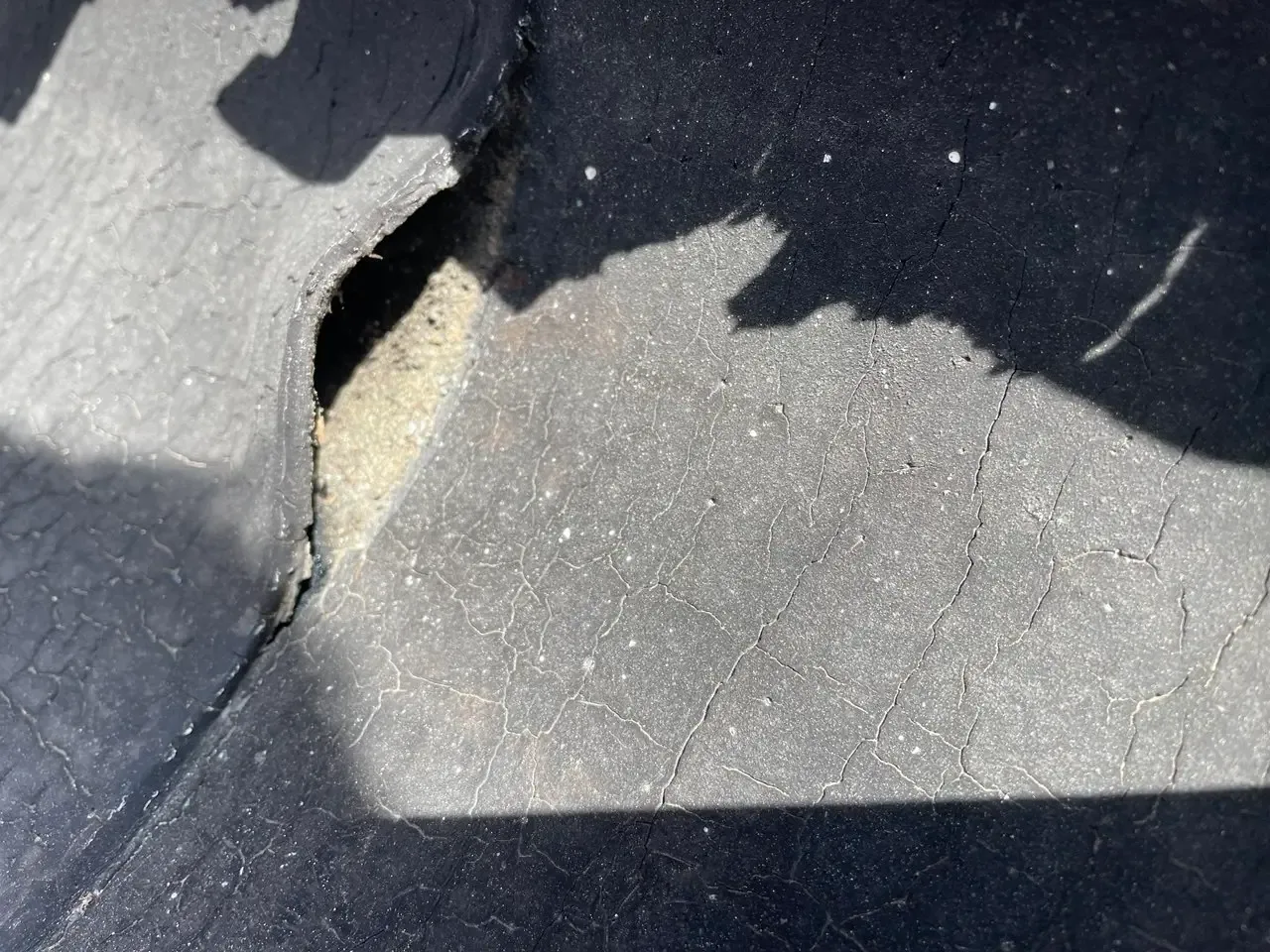
Water entering a crack can freeze and expand, widening a small separation over repeated cycles. Vulnerable locations include membrane seams, flashing corners, parapet caps, curb transitions, and old patches. After thaw, inspect whether the edge is still bonded and whether the surrounding membrane remains flexible. A visible gap may be the entry point, but water can travel before staining an interior finish. Correlate the reported room with roof elevations and adjacent details.
NOAA's station normals reflect recurring subfreezing nights during Stamford winters. That seasonal pattern supports checking vulnerable roof transitions as part of maintenance, not predicting that any particular seam has failed. A seam-failure repair addresses an open lap, while flashing repair may be needed where a wall or curb tie-in has separated. The scope should identify which condition was observed.
Compare roof observations with interior signs
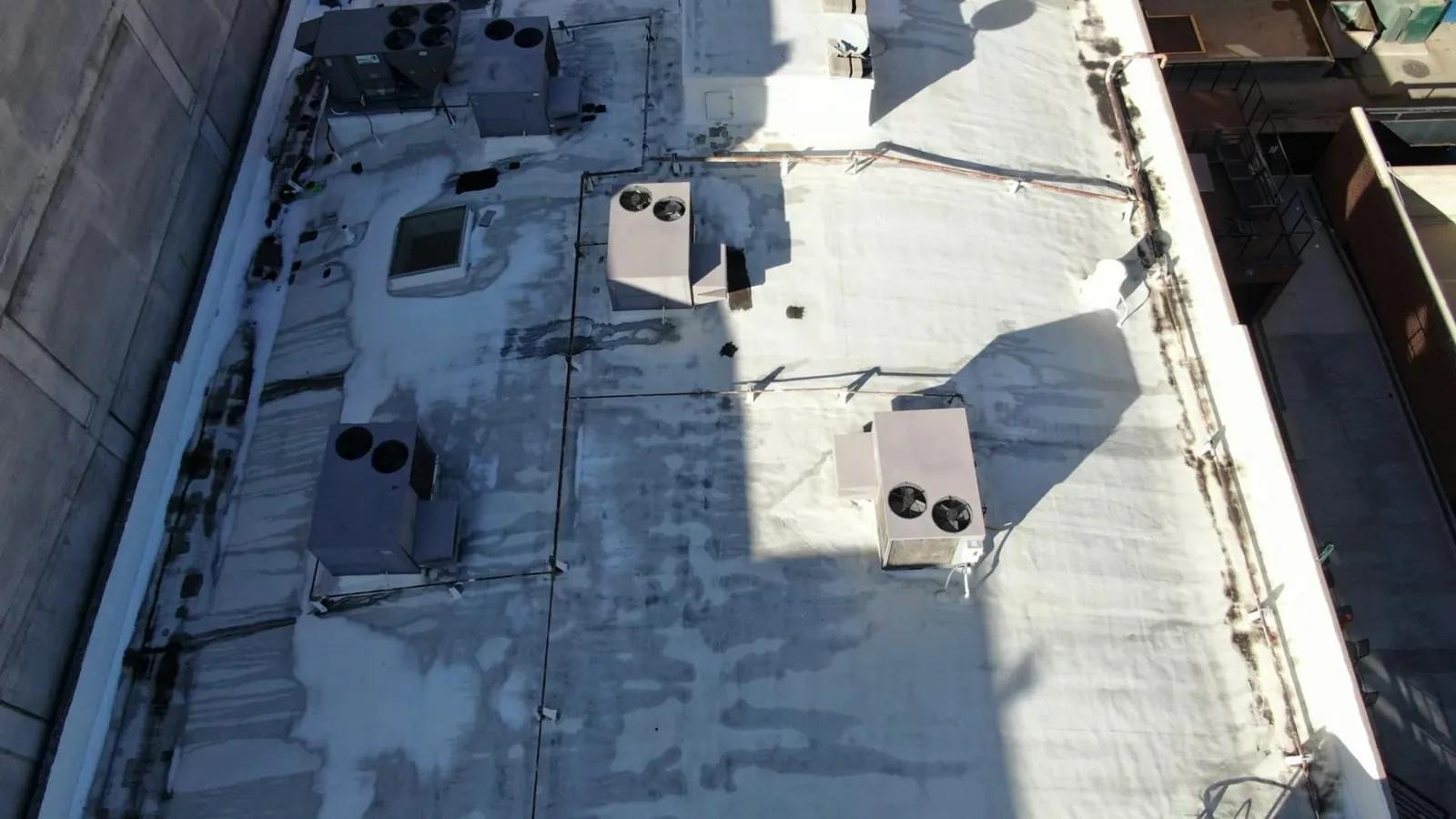
Drips, stains, wet ceiling tiles, and damp insulation can indicate an entry path, but the water may have traveled away from the roof opening. We note room locations, timing, and whether the condition changed during thaw. On the roof, inspect uphill transitions, penetrations, drains, and the membrane below any snow or ice marks. Where concealed wet insulation is a concern, an infrared moisture survey can help prioritize locations for core checks if conditions suit the method.
A moisture scan should be interpreted with visual inspection and any necessary test openings. It does not replace verification of the membrane or deck. If an opening is visible, temporary weather protection may be considered when safe and authorized. Permanent repairs require a clean, suitable surface and material conditions consistent with the roof system. Record any limitation where snow or ice prevented complete inspection.
Coordinate roof access and building use
NWS coastal guidance treats the Stamford Hurricane Barrier as relevant to street and basement exposure during high water. That note concerns ground-level flooding, not rooftop condition. After thaw, a safe roof inspection should examine the actual drains, overflows, and membrane transitions rather than infer roof damage from a regional coastal advisory.
For roof work in Downtown Stamford, confirm authorized access, hatch use, and restricted areas with the property contact. A Downtown Stamford roof assessment starts with that building's entry route and interior protection limits.
Choose a repair that matches the assembly
Once the affected layers are known, the repair can be sized to the condition. A thermoplastic membrane may receive a compatible welded patch; EPDM or a bituminous roof needs its own material and preparation. Damaged insulation may require selective removal and replacement, with a continuous tie-in to the retained layers. If repeated movement, wet materials, or widespread deterioration extends past the repair boundary, a larger scope may be more reliable than another surface patch.
For edge movement, check metal attachment and adjacent membrane together. At drains and wall transitions, restore the water path and flashing details as part of the assembly. A commercial roof repair scope can define connected areas, while a maintenance visit can document future seasonal checks. Material and installation choices should follow the existing system, manufacturer requirements, and project conditions.
Record conditions that affect future winter checks
Keep photographs of any visible separation, ice-related marking, repaired layers, and drainage conditions after the area is clear. Mark where inspection was limited and what needs rechecking once temperatures rise or access improves. A useful record identifies the roof zone, repair method, materials, and any structural or moisture review that remains outside the roofing scope.
Before the next winter season, review known repair areas, keep drains accessible where maintenance procedures allow, and remind authorized contractors to use designated access paths. Retain winter observations with maintenance records. If a larger area needs replacement, a separate roof replacement evaluation can compare the existing assembly and project requirements without treating a localized ice issue as proof that the whole roof has failed.
Commercial Roofing Questions
Can snow or ice damage a commercial roof?
It can obscure openings, affect drainage, and contribute to stress or water entry. Whether damage occurred depends on the roof assembly and conditions at the site. Snow depth or regional weather normals do not establish the load on a particular building.
Should building staff remove ice from the roof?
Do not send untrained staff onto an icy roof or chip ice with tools that could damage the membrane. Follow the property safety plan and use qualified personnel when removal is authorized. A roofing assessment can identify damaged details after safe access is available.
What roof details can reveal a leak during thaw that was not visible during snowfall?
Meltwater can reach a seam, drain, or flashing opening after the snow begins to recede. Water may also travel beneath the membrane before it becomes visible indoors. Compare the timing and room location with roof-side observations.
Can an ice dam be fixed with a roof patch?
A patch alone may not correct the drainage or transition condition that allowed water to back up. Inspection should examine the membrane, edge detail, outlet path, and surrounding layers before selecting a repair.
What if snow prevents a complete inspection?
Document the areas that could not be seen and defer those checks until access is safe. A temporary measure may be considered when authorized and appropriate, followed by a fuller review once the surface is clear.