A raised seam that has pulled apart can send water beneath the panels without leaving an obvious opening in the roof field. In Stamford, CT, we inspect the seam, clips, flashing, and drainage before selecting a repair. Winter snow and freezing nights can expose weak transitions where movement and water meet. A standing-seam roof inspection checks panel continuity and the details that restrain or release panel movement.
Panel seams: trace separation and water path
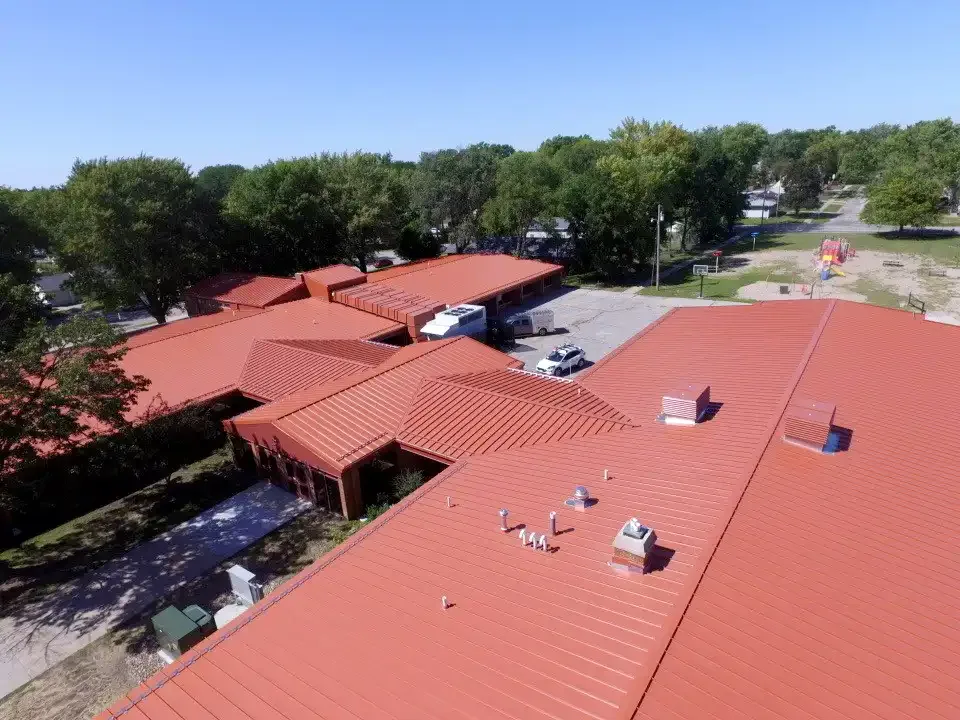
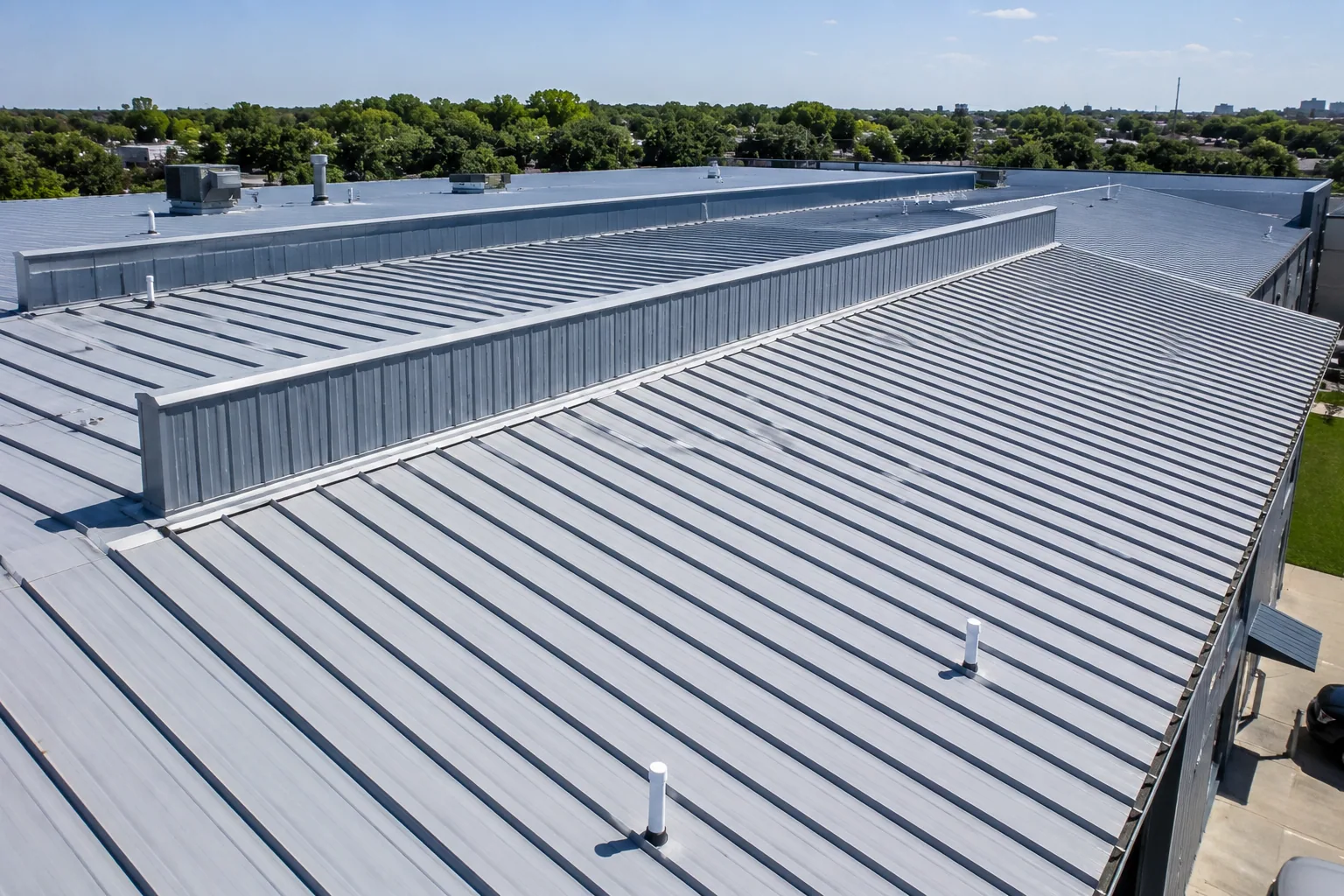
Standing seam panels shed water across broad surfaces, with raised joints protecting the side laps. We check for opened seams, deformed ribs, loose end laps, and metal that has shifted at a wall or ridge. A seam can remain raised and still leak where sealant or a closure has failed. We inspect both sides of the suspected area and follow the runoff path toward eaves, valleys, and penetrations before setting the repair boundary. We note which ribs or closures show contact marks from movement and whether adjoining metal allows the panel to travel as intended.
Panel length and slope affect how water travels. We look for ponding at low transitions, debris held by a rib, and metal wear where service traffic crosses the roof. Small dents do not always compromise a panel, but a split, open lap, or displaced rib needs closer review. We note whether the defect is isolated or repeats along several seams, because recurring movement can change the repair from one panel to a larger section.
Clips: allow movement without losing attachment
Metal panels shift with temperature, so clips and flashing must accommodate movement. Clips restrain uplift while allowing the movement built into the system. A clip that binds, corrodes, or pulls from its support can distort the seam. We inspect accessible fasteners, clip lines, and panel edges for signs of movement. The repair must preserve the system's intended travel rather than locking the metal in place with exposed fasteners.
At corners and perimeters, wind forces and flashing geometry differ from the roof field. We check clip spacing where visible, the condition of the substrate, and any attachment added during earlier repairs. An exposed-fastener correction may be more appropriate on a different metal roof; metal roof retrofit options start with that separate profile and attachment method. The work scope identifies which panel runs and edge conditions will be opened.
Ridges and curbs: rebuild the metal transition
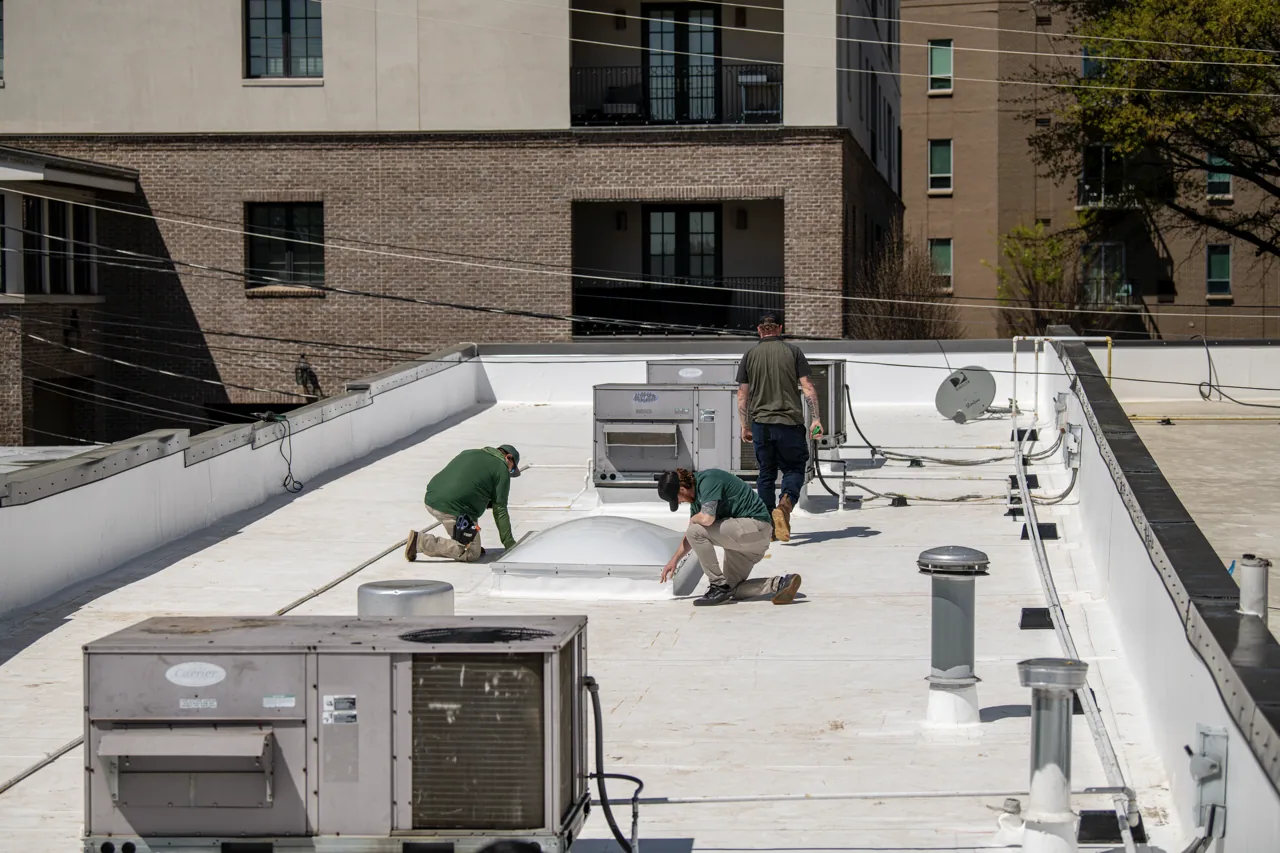
Vents, skylights, and equipment curbs interrupt a standing seam panel and need formed flashing that sheds water. We inspect head and sill details, side closures, and the way a curb meets adjacent ribs. A field-applied sealant bead can fail if metal movement keeps pulling the joint. We determine whether the flashing is loose, the curb is moving, or the panel is split before selecting a repair.
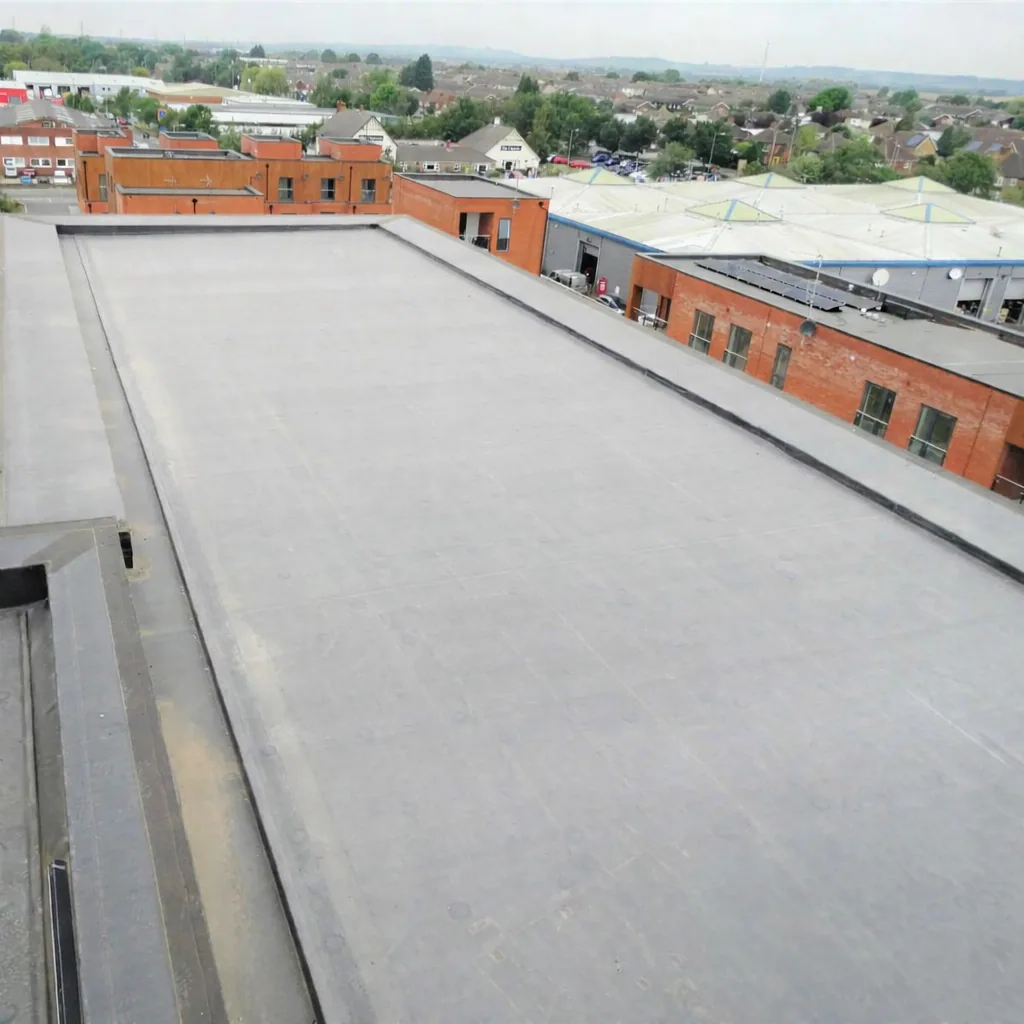
Penetrations on a low-slope transition may meet a membrane roof rather than another metal panel. That change needs a designed curb and flashing, not an improvised tie-in. We inspect the metal edge, membrane termination, and curb corner together. EPDM roof transitions use different materials and details, so the scope states where the metal work ends and membrane work begins. Any equipment disconnection remains separately coordinated with the responsible trade.
Eaves and valleys: keep discharge controlled
Water should leave the panel without backing up behind a closure or spilling into a wall detail. We check eaves, gutters, valleys, and downspouts for debris, loose brackets, corrosion, and separated joints. An ice or overflow mark can identify a path but not the failed component. We follow the metal profile from the ridge to the outlet and check whether the slope and gutter geometry support clear runoff. Metal thickness and finish condition matter at a cut edge. We check for rust that travels beneath a coating, loose seam sealant, and water held against a fastener or closure. Where corrosion is local, the repair needs to remove unstable material and protect the repaired edge. If the panel has lost section across a larger area, a surface treatment may not restore its strength. We identify the affected length and state how the replacement or preparation will terminate.
At a valley, laps and closures must direct water onto the receiving surface. A field patch cannot correct a gutter that has lost pitch or a downspout that is disconnected. We distinguish the roof assembly from site drainage beyond it. If the panel terminates at a membrane section, we inspect that transition and keep the repair compatible with both systems. The written scope names the outlet, flashing, or panel work that is included.
Stamford access: plan work around the roof profile
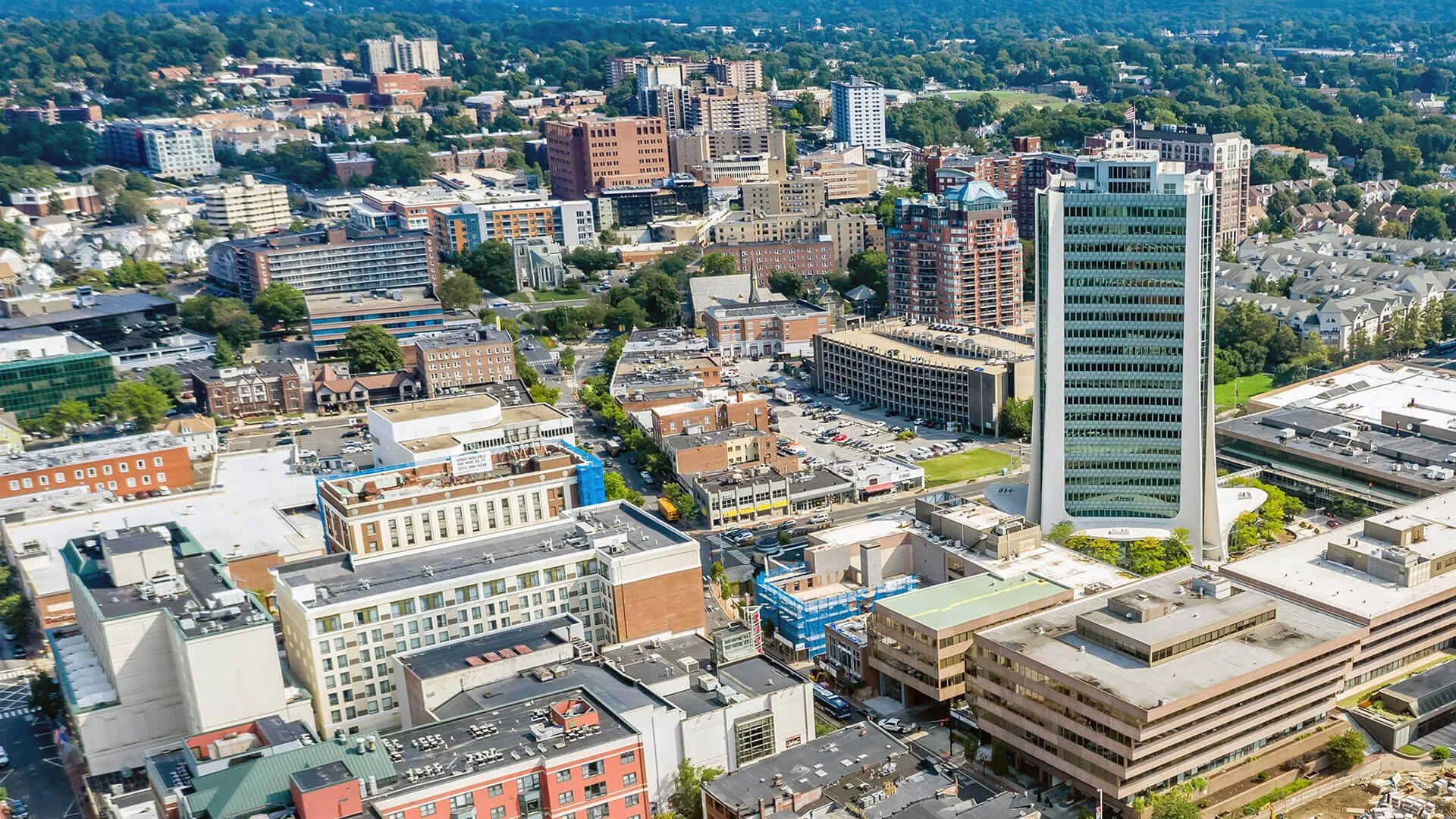
Regional transportation links connect Stamford with Norwalk and Danbury along I-95 and US 7. Panel lengths and roof access vary from one building to another, so we plan material staging and lift access from the actual site. Winter snow and freeze-thaw conditions put attention on eaves, fasteners, and water discharge, but they do not substitute for examining the panel details.
On a West Side roof access project, we confirm the route to the roof, how long panels can be handled, and where a delivery can be staged. For work coordinated with other trades, general contractor coordination sets the handoff at curbs, walls, and mechanical equipment. We protect exposed openings and close each work zone before moving to another panel run.
Repair or retrofit: define the panel replacement line
A repair may suit a small split, displaced closure, or isolated flashing issue when the panel and clips remain secure. Corrosion across several runs, failing seams, or repeated fastener changes can support replacement or a retrofit assembly. We map panel lengths, substrates, and tie-ins, then define where removal stops. metal roof repair can be compared with broader work using the conditions observed. Adjacent metal and fasteners should also be compatible. Dissimilar materials or trapped moisture can accelerate corrosion at a connection, so we inspect contact points where a new panel meets existing flashing. We confirm whether the existing substrate can accept new clips and whether the eave or ridge closure needs replacement. These details set the fabrication and removal boundary before the first panel is lifted.
Before fabrication, we confirm profile, gauge when records or measurements allow, finish, seam height, and how the replacement will connect to existing metal. The plan notes underlayment, clips, eave closures, ridge details, and any gutter or wall work. A roof condition report preserves panel and clip observations for future maintenance and marks areas that remained outside the work.
Commercial Roofing Questions
Can a standing seam leak if the seam looks closed?
Yes. Water can enter at closures, end laps, penetrations, or flashing even when the raised rib appears intact. We inspect the entire detail and its water path.
Can exposed screws repair a standing seam panel?
Standing seam systems rely on concealed clips and moving panels. Adding exposed fasteners may interfere with movement, so we identify the profile and choose a compatible detail.
How do you repair a panel that has pulled at the eave?
We inspect panel travel, clips, closures, and gutter attachment. The repair follows the cause and may include resetting a closure or replacing a panel section.
Does a metal roof need a new coating to stop corrosion?
The metal condition and coating adhesion must be checked first. Local corrosion may need preparation and repair, while widespread section loss can require replacement.
Can a metal roof meet an EPDM roof?
A curb, transition flashing, or termination detail can join the assemblies. We define the metal and membrane boundaries and use materials suited to each roof.