A ceiling tile darkens over a classroom, but the entry point may sit several roof bays away. In Stamford, CT, we follow the water path through seams, curb flashing, edges, and drain bowls before setting a repair boundary. School roofs carry more than one daily use: classrooms, offices, cafeterias, gyms, and mechanical areas can sit beneath connected roof sections. The first job is to identify the affected zone, inspect the detail above it, and keep the proposed work tied to what the assembly shows.
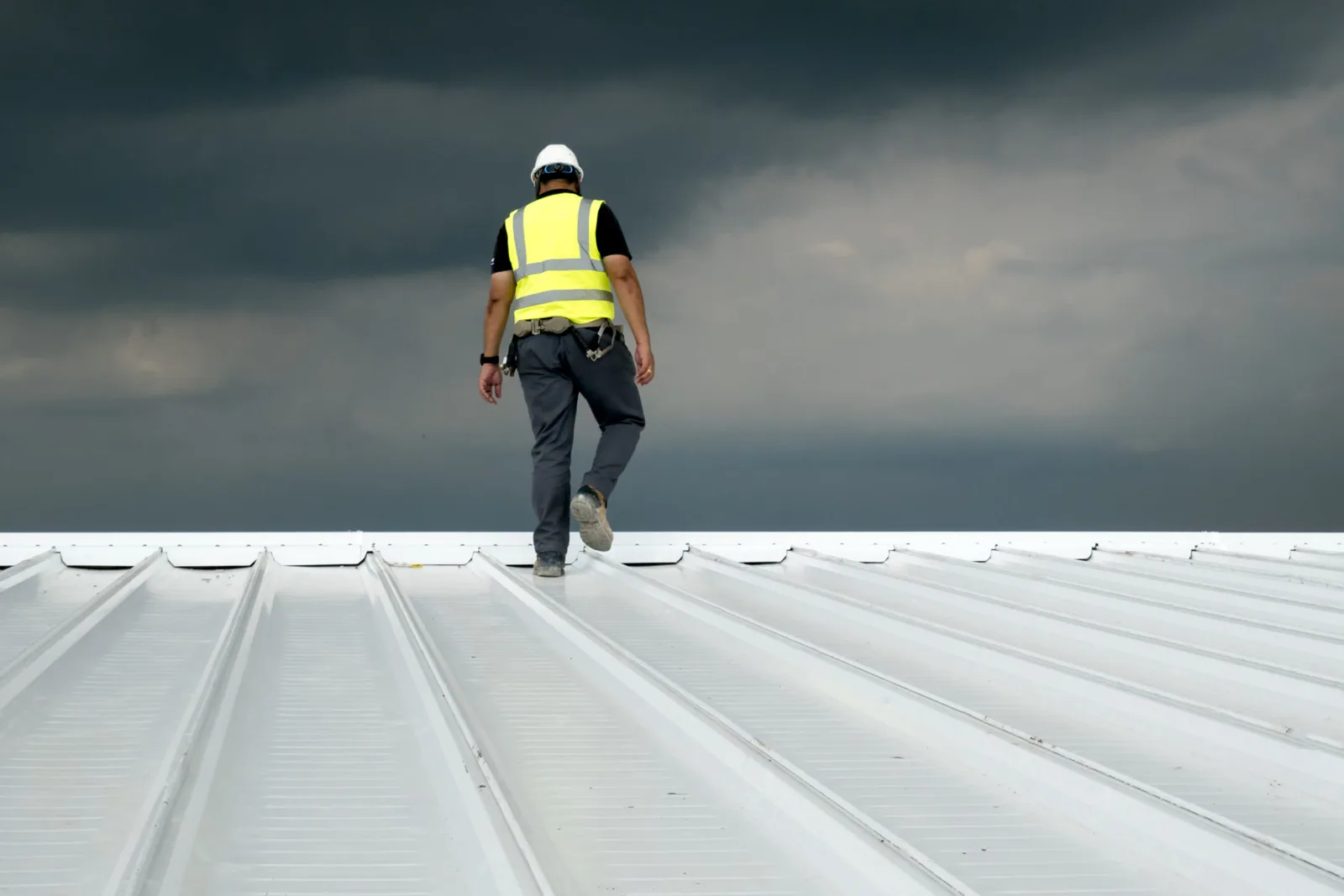
Our roof walk records the leak location, visible membrane condition, access route, and any interior area needing protection. A commercial roof inspection can separate a single failed lap from a pattern that reaches multiple sections. The report gives the facilities contact photos and a repair scope that can be reviewed against the school calendar and roof plans.
Leak path: trace beyond the room below
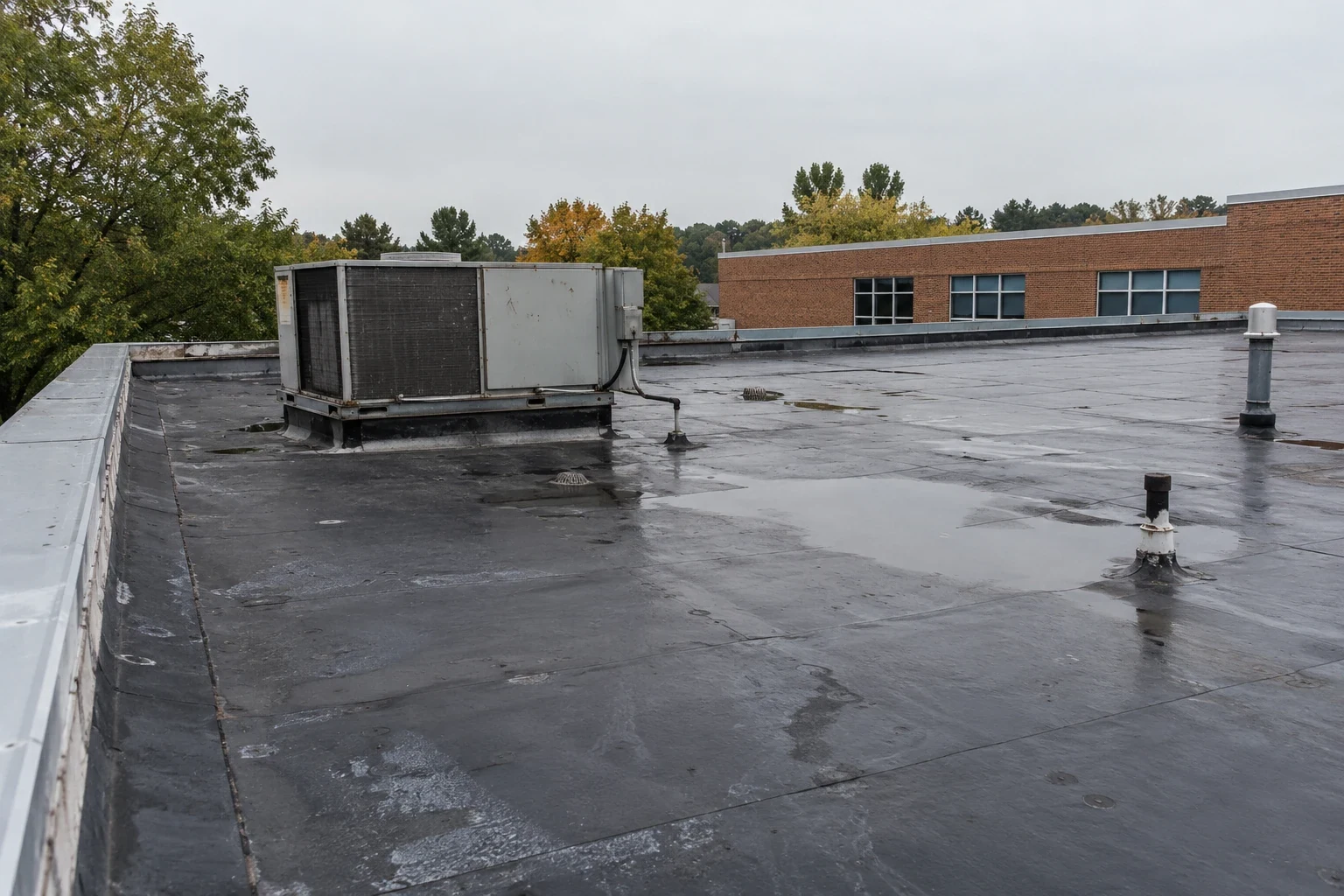
Water often travels along a deck, insulation joint, or framing line before it appears indoors. We compare the ceiling report with the roof area above and check nearby penetrations, curb corners, wall transitions, and laps. If the mark sits near a kitchen or science room, exhaust and plumbing routes deserve a close look. A roof leak repair should identify the entry detail, the material that can be repaired, and any wet area that needs to be opened before the membrane is closed.
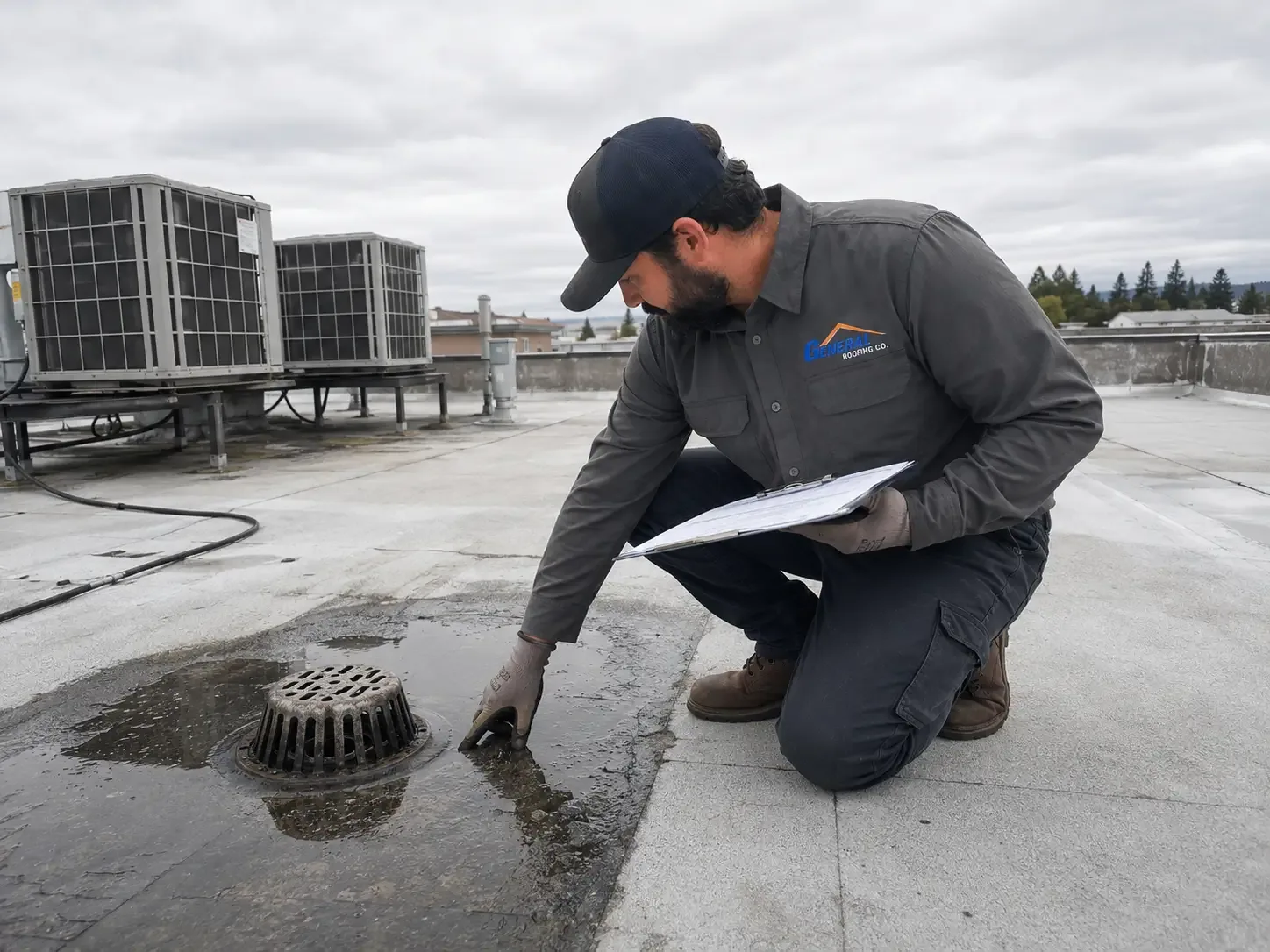
Snowfall and subfreezing overnight temperatures recur in Stamford. Meltwater can refreeze where a drain path slows or an edge detail holds water. We inspect the drain bowl, overflow route, seams, and metal returns for actual blockage or movement rather than assigning every winter stain to ice. The drain and scupper work may be part of the correction when the outlet contributes to the water path; a separate membrane defect stays a separate line in the scope.
Roof zones: keep buildings distinct
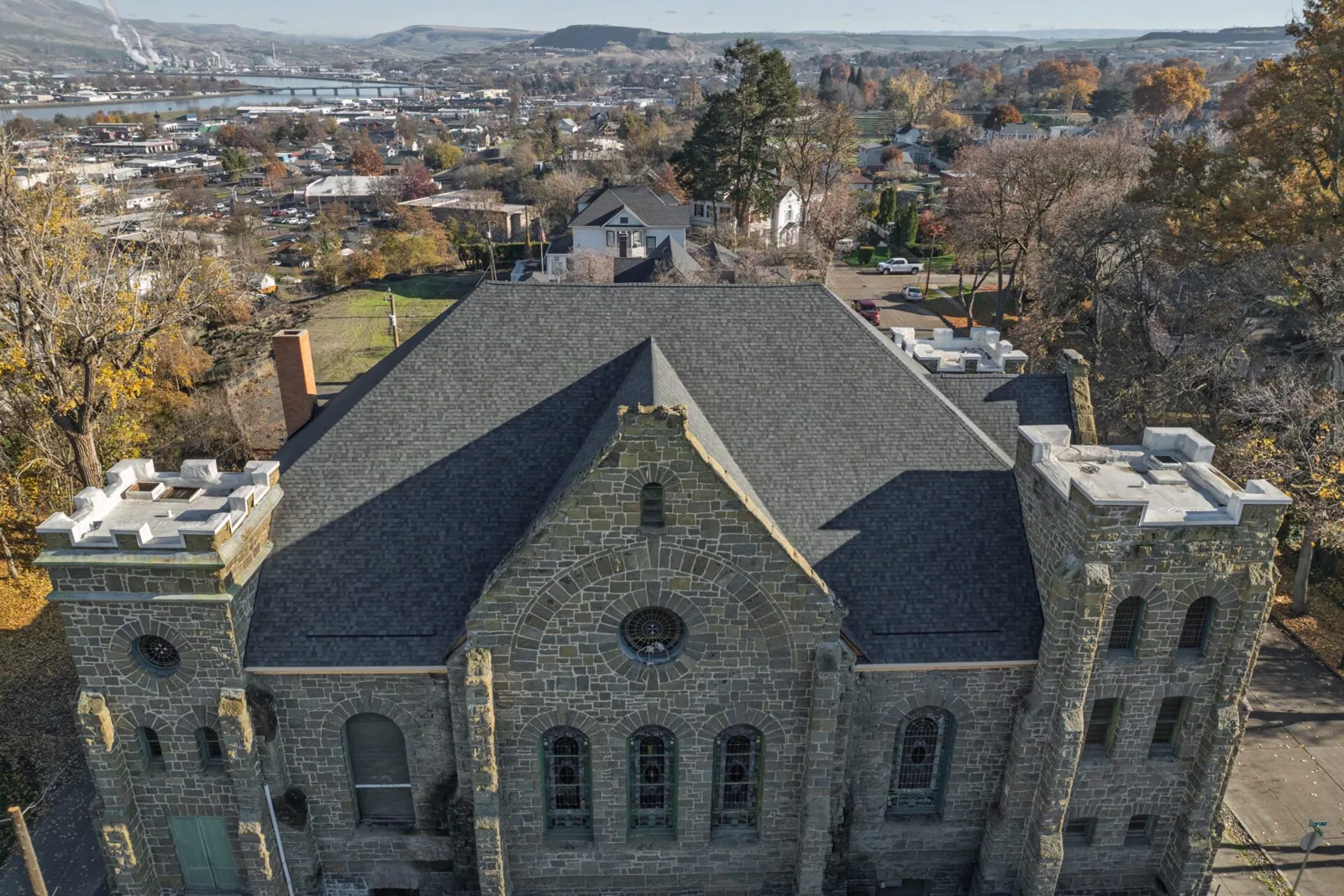
A school campus may contain several roofs with different ages, assemblies, and access conditions. We map each roof area separately and record transitions between additions, gym volumes, classroom wings, and lower service roofs. The plan does not assume that adjacent sections share the same membrane or deck. A roof condition report can list the observed system, repair history supplied by the school, and areas where a test opening would clarify concealed layers.
That distinction matters when one leak appears resolved but another ceiling mark remains. We compare roof zones, interior locations, and prior repairs instead of carrying the first diagnosis across the building. If a wet insulation area extends beyond a seam, the removal line follows tested conditions. Where material remains dry and attached, a focused repair may be enough. The written boundary shows what was reached and what would change the recommendation.
Access and protection: plan the route
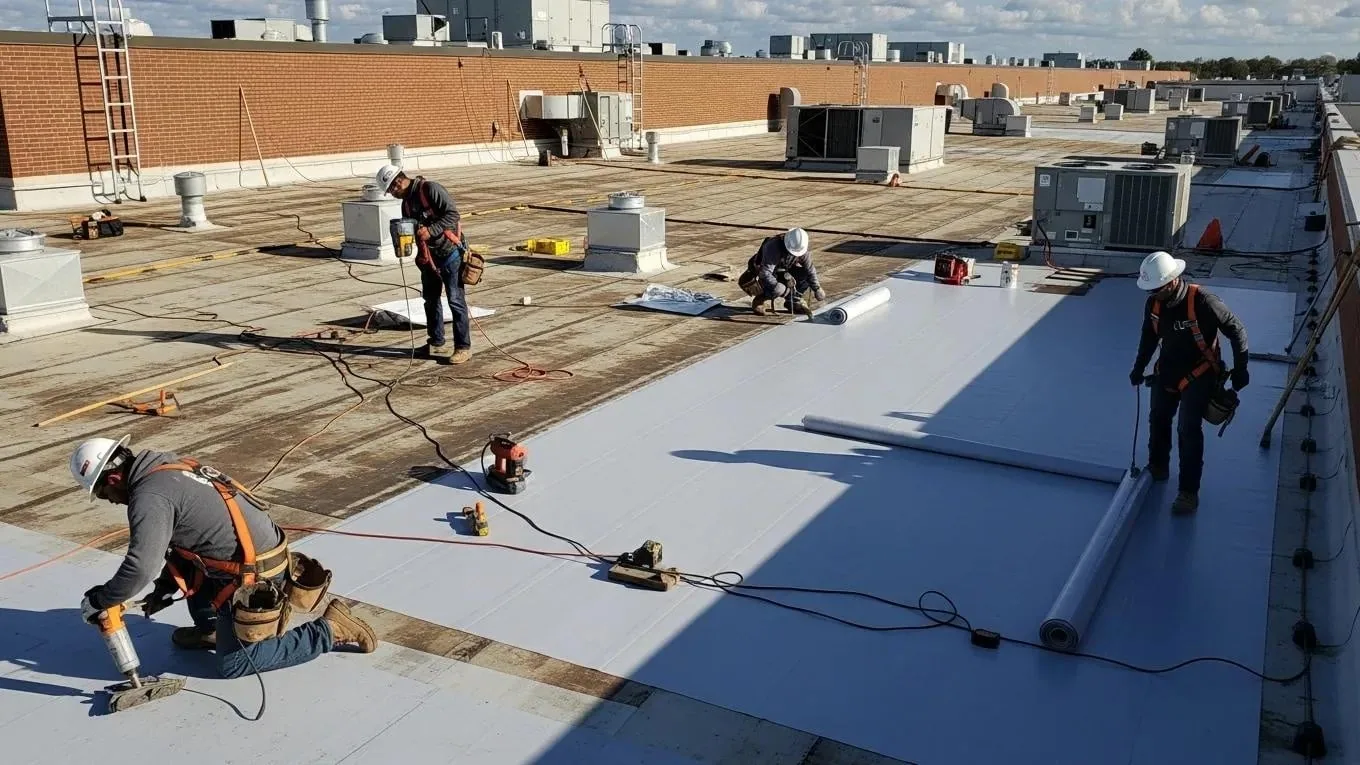
Roof access can involve a hatch near a classroom wing, a ladder at a service side, or a lift that needs a protected ground area. Before work starts, we confirm the route, roof zones, material staging, and spaces that need protection below. The daily work area is defined so tools and removed material do not cross public routes without an agreed control. If staff need a doorway or service path kept open, that limit belongs in the sequence rather than being left to the crew to infer.
Downtown and the South End bring office, housing, and retail uses together in Stamford's higher-intensity core. For a school, we confirm the property's entrance, surrounding activity, and roof assembly before setting protection and staging. A school roof replacement sequence can set opening limits, dry-in points, and closeout checks by zone. Each shift ends with the exposed area returned to the agreed weather-tight condition.
System choice: repair or broader work
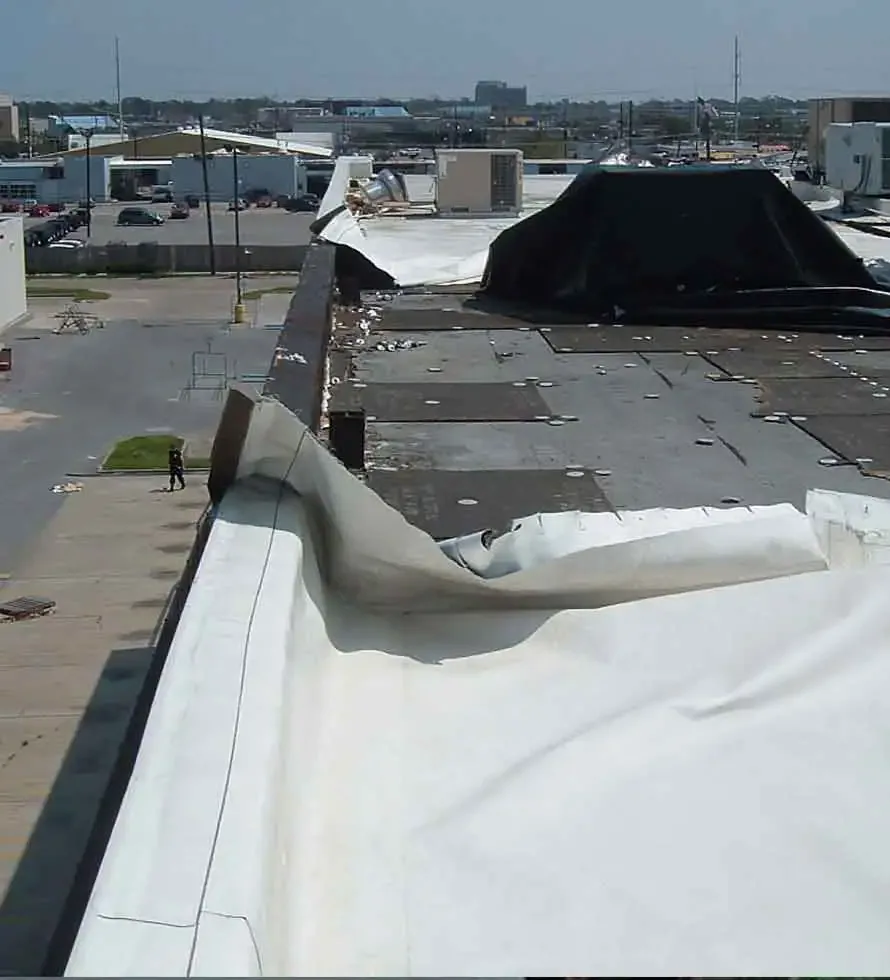
One split seam with dry, stable material around it can support a localized repair. Repeated patches, widespread wet insulation, weak attachment, or a deteriorated deck can make a narrow boundary unreliable. We inspect the membrane and details, then use moisture testing or a core opening when the result could change the scope. A TPO membrane system is one option when the substrate, attachment, transitions, and project requirements fit; the existing roof's condition comes first.
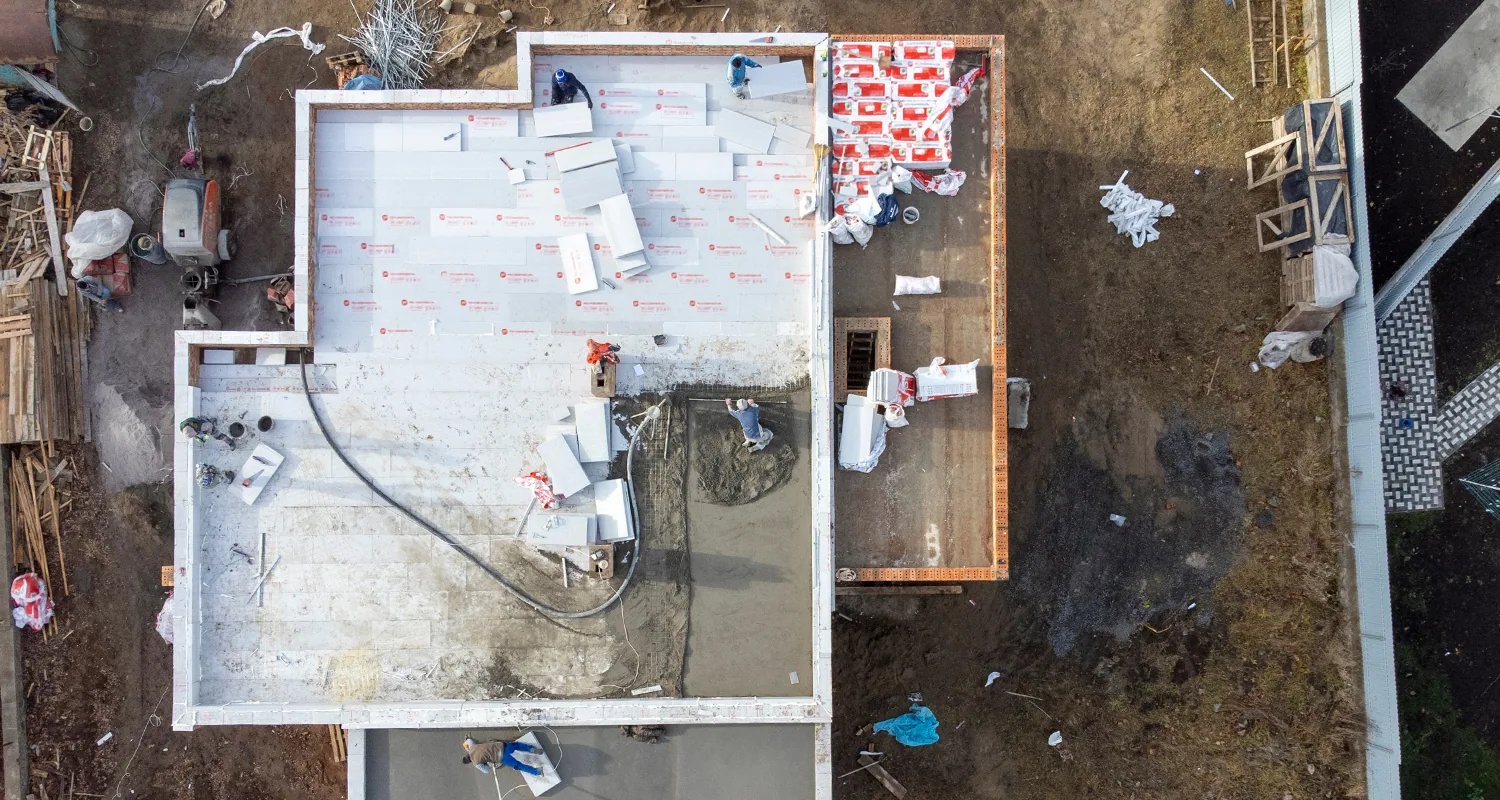
Recovery leaves existing layers in place only when moisture, deck, attachment, and permit requirements support another assembly. Otherwise, removal may be needed to reach a dry, stable base. We identify what is confirmed and what remains concealed, and show how that uncertainty affects the work choice. Cost and duration move with tear-off, insulation replacement, deck repair, edge metal, drains, protection below, and the number of phases. Those drivers should appear in the scope rather than being hidden in one broad allowance.
Stamford conditions: connect weather to details
Snow and freezing nights recur in Stamford, putting the drain bowl, low metal return, and lap edge on the winter walk list. Warm-season exposure shifts attention to equipment-side transitions. Downtown and South End combine office, housing, and retail uses, so ground protection can matter alongside school access controls. We still set each repair from the actual roof assembly.
Route 1 links Stamford with Greenwich and Darien. Before staging, we confirm the building's own entrances, roof plan, and service notes. A Downtown Stamford roof assessment or work elsewhere along the corridor still begins with the building's own entrances, roof plan, and service notes. A commercial office roof may share a block with a school, but its use and access plan differ. The findings stay specific to the observed seam, drain, edge, or penetration.
Closeout: leave a usable repair record
School facilities teams need a record that distinguishes the completed repair from the next inspection item. We photograph the roof zone, show the detail corrected, and note any material left in place or condition not reached. If a mechanical or plumbing trade owns a separate component, the handoff is identified. A college building roof review may involve a different operating schedule, but the need for a clear repair boundary remains the same.
Before a roof walk, share the leak locations, roof plan, recent service notes, and access limits. We compare those records with the field condition and provide a written repair scope or a larger-system recommendation. After the work, the closeout notes the tie-in and photos the changed area. That gives the school a clear basis for tracking a recurring leak without treating every damp ceiling tile as the same failure.
Commercial Roofing Questions
Can roof work be scheduled around classes and school events?
The property contact, access rules, and approved work windows set the sequence. We divide the roof into zones, identify entrances and areas below that need protection, and state when each opened section will close. If a concealed condition changes the work area, it is reviewed before the boundary expands.
What does a recurring classroom leak tell you?
The location of the ceiling mark gives us a starting point, not the whole water path. We inspect the roof above and nearby seams, penetrations, curbs, and drains, then compare that evidence with earlier repairs. A repeated report may point to one unresolved detail or to separate defects in different roof zones.
How do you handle a gym roof that differs from classroom sections?
We record each assembly and transition separately. A high roof, low roof, and addition may have different membranes, deck conditions, or access. The recommendation follows the tested area, so one repair is not extended across sections that were not inspected.
When would a school roof need replacement instead of a patch?
Broad wet insulation, unstable attachment, deck deterioration, or repeated failures can move the decision beyond a local repair. We identify the evidence and any test opening that would clarify extent. If the surrounding material remains dry and sound, the scope can stay limited to the verified defect.
Which building-use notes, leak history, and access limits should the school team provide?
Share a roof plan, interior leak locations, recent repair notes, access limits, and any schedule restrictions. Those details help us map the reported area and plan protection below. The field report then ties photos and findings to each roof zone.