A split beside a vent can open a path that follows the roof seam before water reaches a ceiling. In Westover, Stamford, CT, we inspect the penetration, lap, edge, and drainage connected to the reported leak. Westover and North Stamford are lower-density, largely single-family neighborhoods. A commercial roof in either area still needs its membrane, deck, and drainage identified on site. We inspect the assembly in front of us, record what is visible and testable, and set the repair limit from those conditions. A commercial roof inspection starts at the failure point rather than assuming what the neighborhood contains.
Property context: keep the roof separate from the map
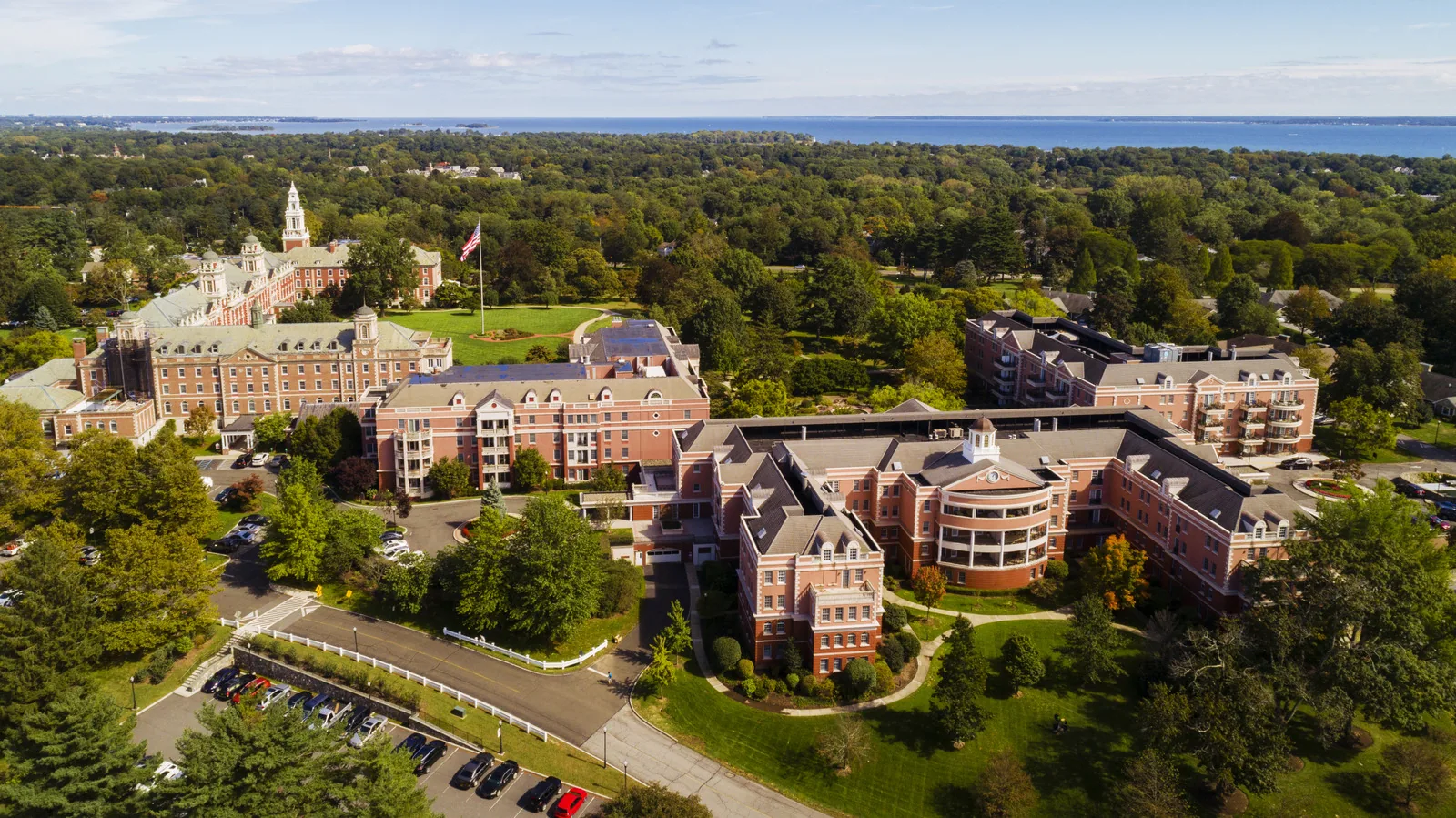
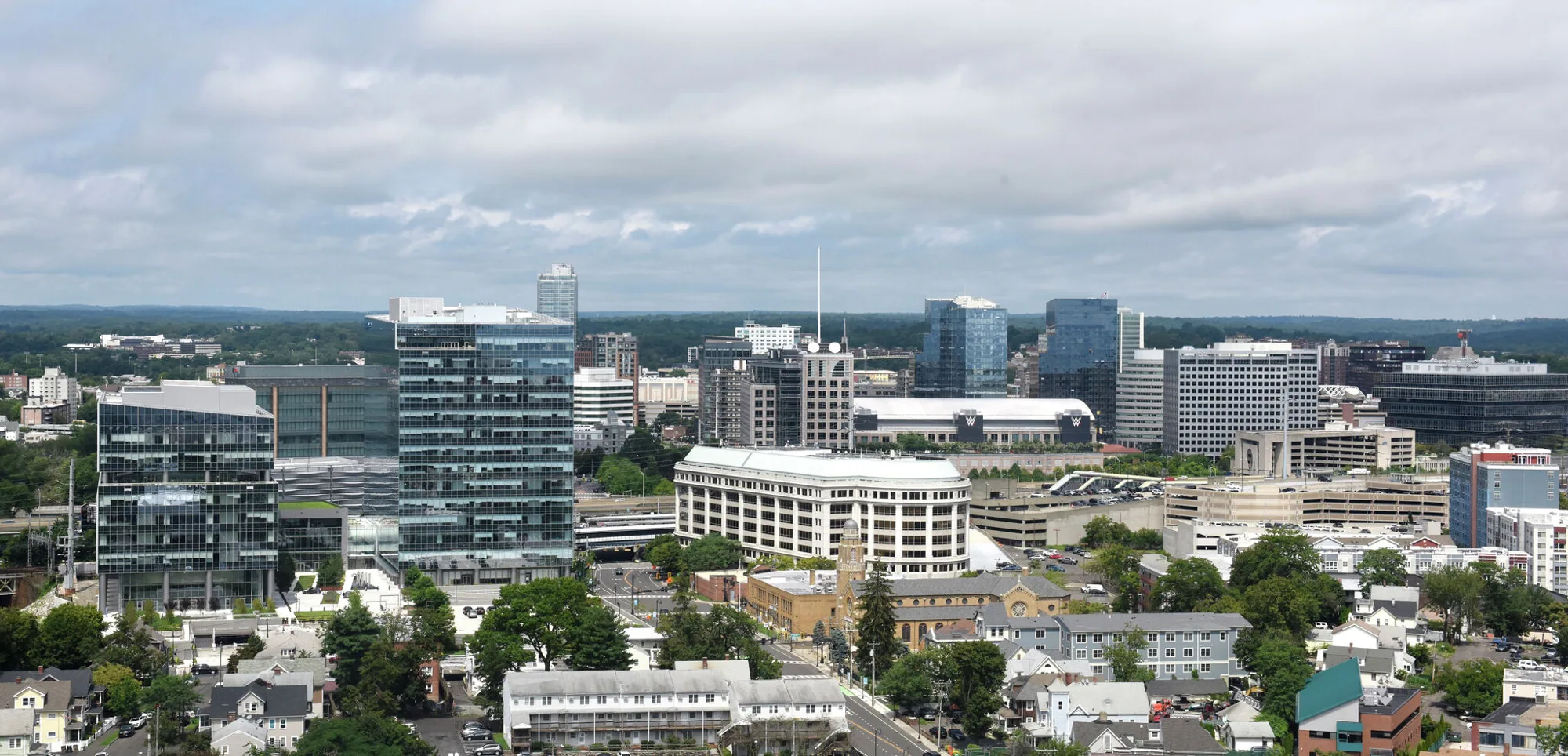
Stamford directs growth toward transit-supported centers while Westover and North Stamford remain lower-density neighborhoods. For a commercial property in Westover, we identify the roof system, condition, access route, and manager's operating limits before recommending work.
A North Stamford property receives its own inspection, photographs, and repair boundary. For each site, we photograph the defect, nearby transitions, and any moisture found where tested. If access does not reach a zone, the report states that limit and the next step needed. The photographs tie each tested area to the observed membrane, transition, or drain.
Seam and penetration: inspect the field tie-in
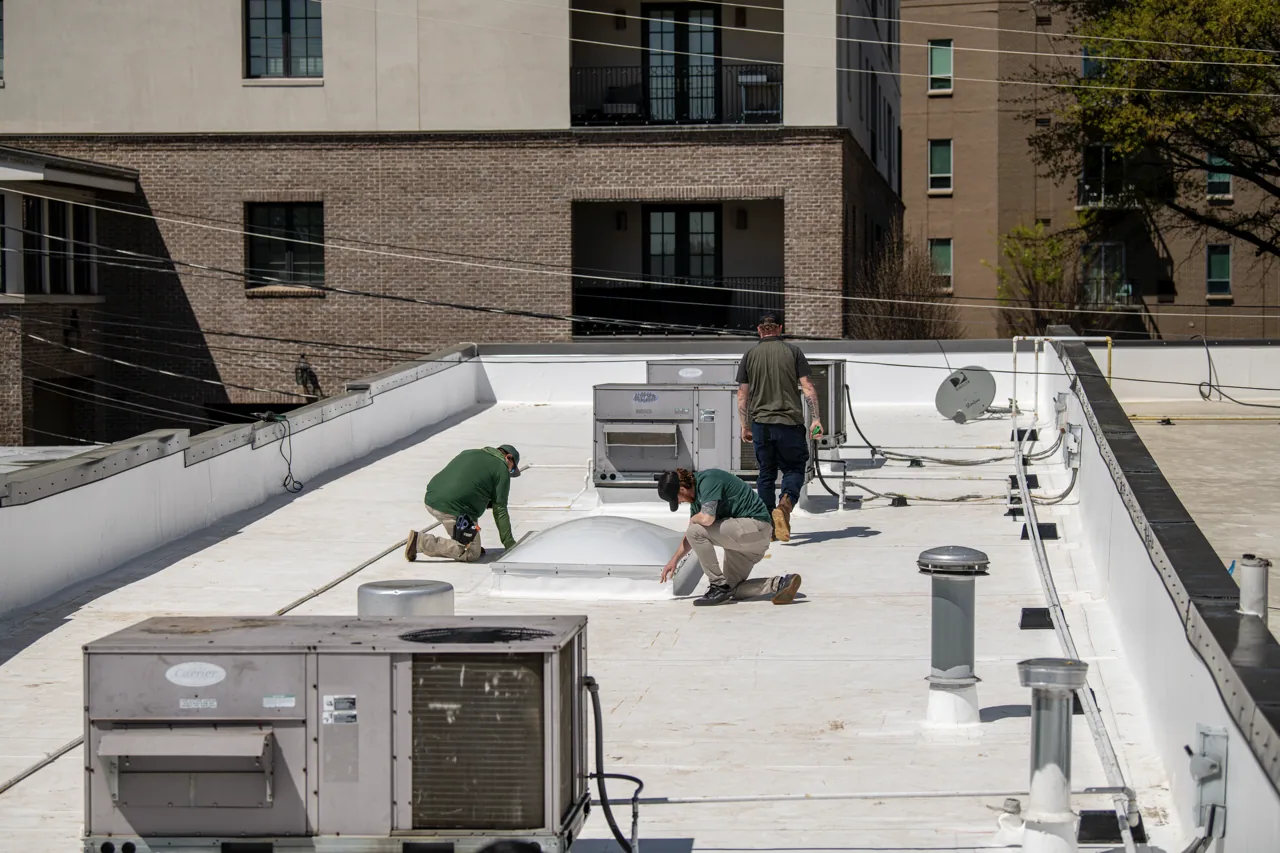
A pipe, vent, or curb cuts through the membrane and depends on flashing that stays joined to the field. We check the boot or flashing base, fasteners, sealant, surrounding weld or lap, and any movement at the opening. A split can extend beneath a patch or continue along an adjacent seam. The repair starts by identifying the roof system and removing loose or unsound material. Thermoplastic, EPDM, bitumen, and coating assemblies need different preparation and compatible materials.
We also look for water beneath the visible surface. Insulation may hold moisture and spread it beyond the penetration. If the substrate is wet, new membrane must not cover it as if it were sound. We identify where the material needs to be opened, dried, or replaced and what boundary can be closed during the first visit. Commercial roof repair should connect the new work to a stable field and explain any adjacent condition that remains for review.
Edge detail: check metal attachment and return
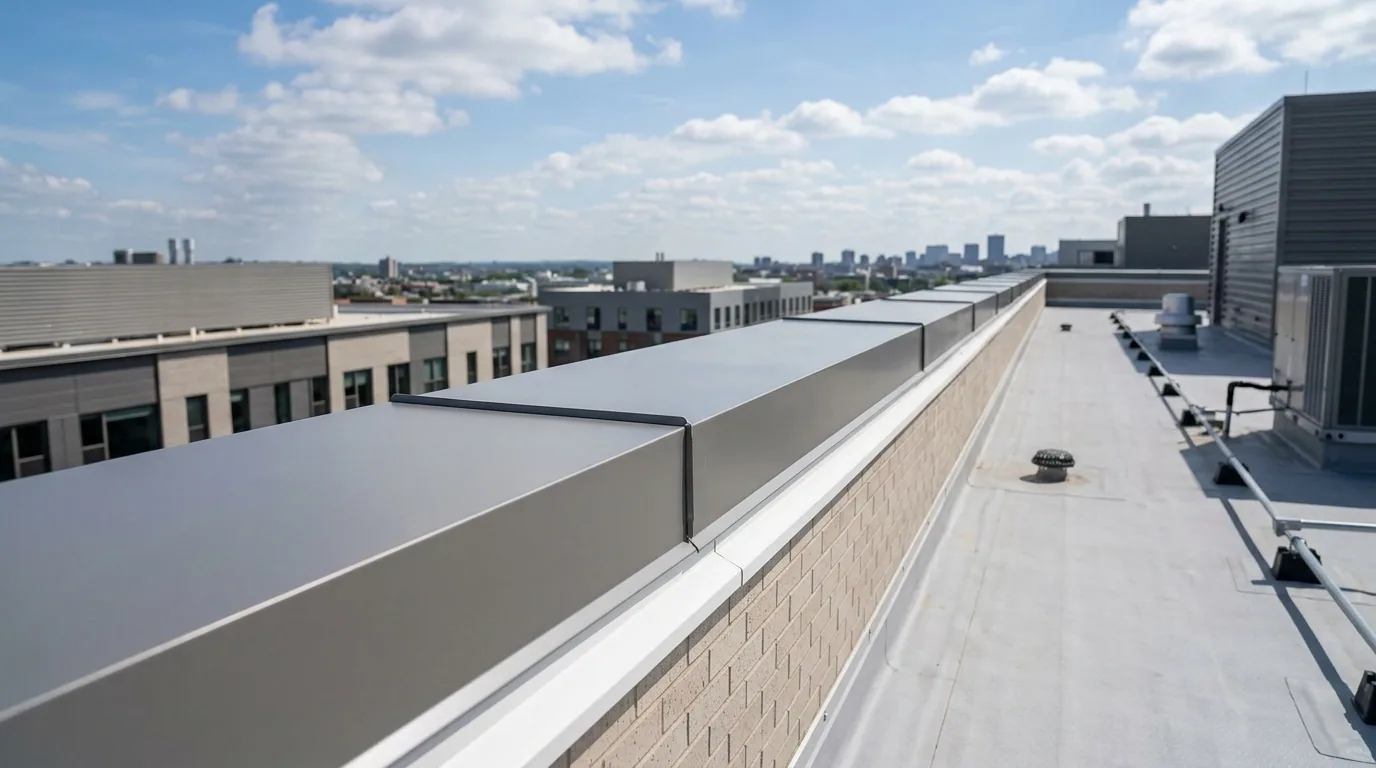
Runoff can pass behind a fascia if coping joints, cleats, or metal returns have loosened. We follow the edge through corners, splices, and changes in height. A local gap may be repairable with a metal adjustment and membrane tie-in, while corrosion or movement along a longer run can require a wider scope. We inspect the membrane turn-up under the metal instead of treating the visible cap as the whole assembly. The written boundary states which pieces are reset, replaced, or left in place.
At a wall transition, the termination bar and flashing need to direct water back toward the roof or away from the wall. Open fasteners, cracked sealant, and pulled membrane can expose the connection. Coping and edge-metal work needs to restore both the roofing connection and the metal attachment. We identify access and protection needs around the edge, especially where the work route passes above an occupied or restricted area. The repair plan is tied to the actual access that can be provided.
Drainage: check the low point and outlet
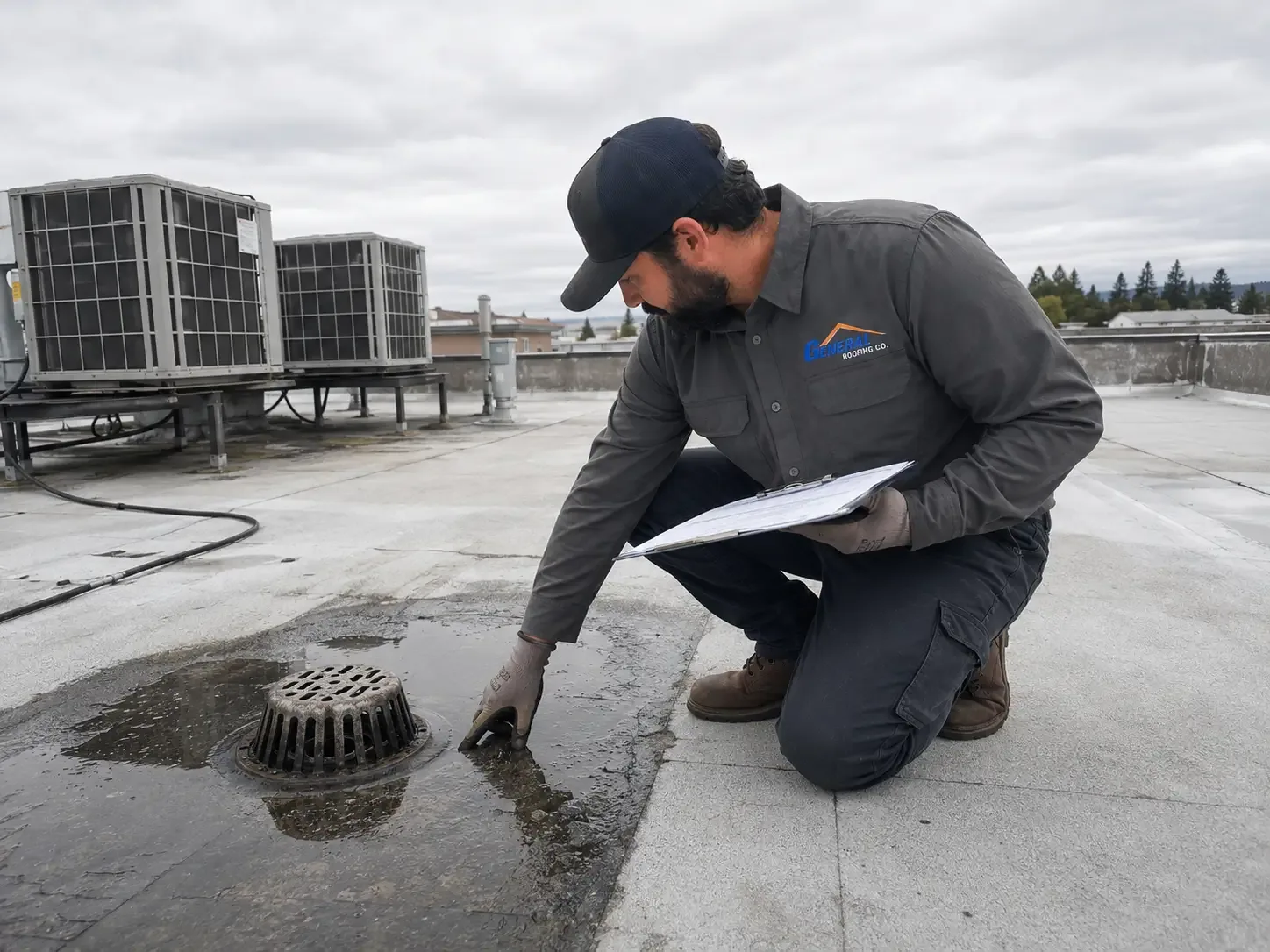
A clogged strainer, loose drain ring, or depressed deck can leave water against a seam. We inspect the bowl, clamping ring, membrane flashing, scupper, and visible discharge route. Cleaning may resolve debris, but it cannot correct a shifted outlet or wet insulation. We record where water remains during the inspection and compare that condition with the manager's leak history. A roof that drains slowly may need maintenance, while a failed flange or soft deck changes the repair work.
Water can travel from the low point toward a curb or wall before it becomes visible indoors. We inspect the connecting laps and transitions to locate the full route. Drain and scupper service should include the membrane around the outlet, not only the opening. If the slope or deck is part of the issue, we note whether a localized adjustment can address it or whether a broader drainage review is needed.
Winter conditions: look for water that remains
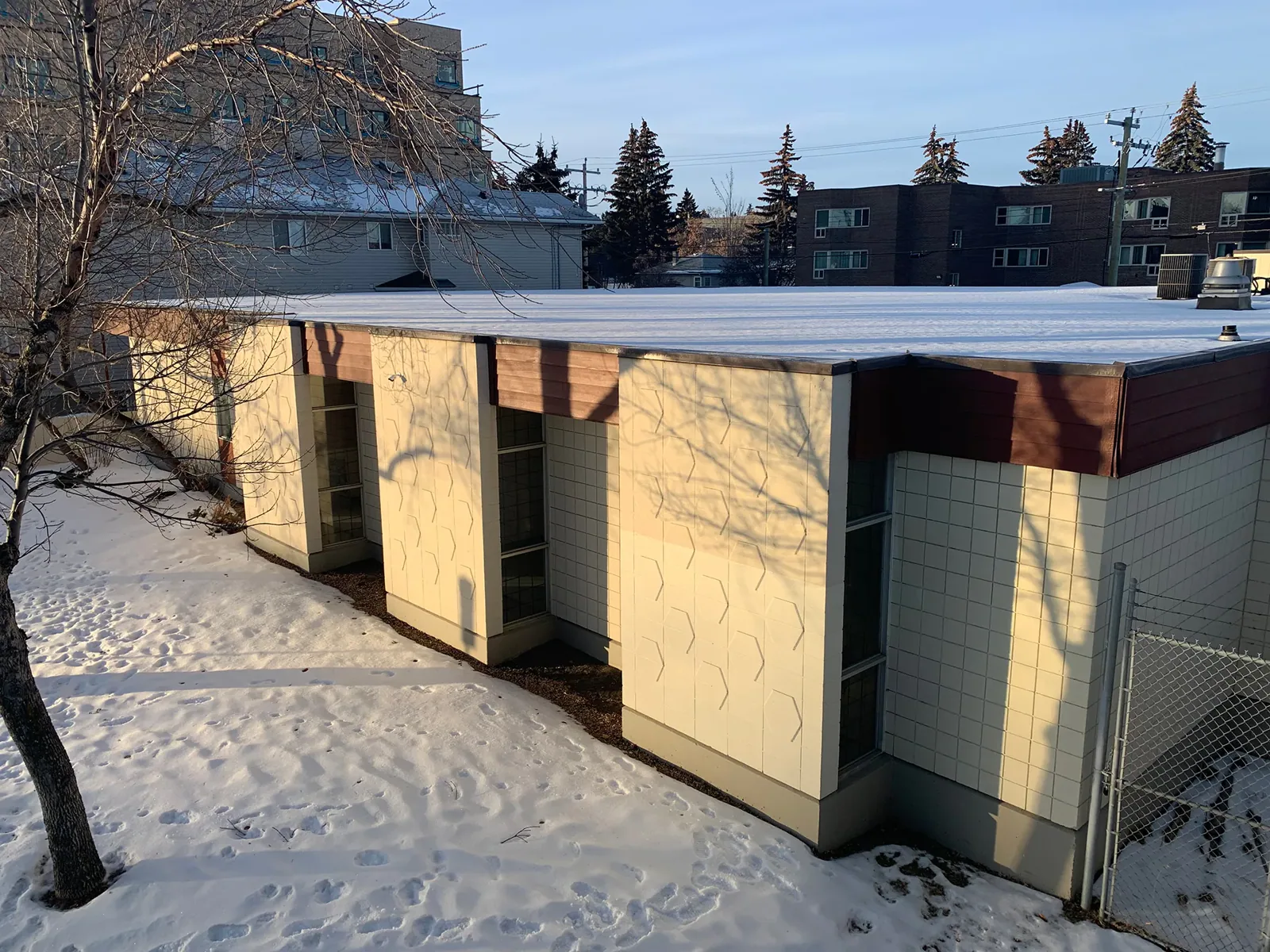
Stamford winters bring snowfall and subfreezing nights. We inspect terminations, drains, and low seams where water remains through freeze-thaw cycles; any visible deck movement is recorded for structural review. If the deck shows unusual movement or a roof section appears to deflect, the report identifies that observation for separate evaluation rather than claiming the cause.
After a winter leak, we compare the location and timing with membrane seams, edge details, and the drainage route. A patch may be enough when the defect is local and the substrate is sound. If water has reached insulation or the deck, opening and drying the assembly can change both cost and timing. Snow and ice roof repair should name the affected detail and the work needed to restore it, not simply cover the area associated with an interior stain.
Repair choice: set a boundary that holds
A localized repair is suitable when the membrane around the defect remains attached and the substrate can accept a new tie-in. We remove unsound material, prepare a dry surface, and close the opening with a compatible detail. If moisture extends beyond the cut, the boundary follows the affected layer. We note what was removed and what remains concealed. That record matters when the owner later compares the repair with maintenance or a larger-system option.
Several open seams, repeated leaks, or widespread wet material can move the decision toward maintenance, coating, recover, or replacement. Preventive roof maintenance can address developing wear while the assembly remains serviceable. A recover review considers attachment, moisture, deck capacity, and project requirements before another layer is installed. If replacement is the better boundary, the sequence should identify removal, dry-in, and protection inside. The roof assembly and observed defects set the repair or replacement choice.
Cost and timing: account for what lies below
Cost depends on the membrane, repair area, number of details, material removal, access, and moisture under the surface. A penetration repair may include flashing, insulation, and dry-in. A perimeter repair may require metal work and a new membrane connection. If the assembly must be opened for testing, the added access, disposal, and close-in are included in the written scope. These are the factors that can change a quote after the visible defect is exposed.
Schedule follows weather, dry substrate, compatible materials, safe roof access, and coordination with the property manager. Work over an occupied area may need interior protection and a defined route for materials. A roof condition report preserves observations, photos, and repair limits for future decisions. Roofs in Turn-of-River and Newfield have separate access routes and assemblies. We inspect each property on its own rather than transfer findings from one roof to another.
Commercial Roofing Questions
What determines the repair detail on a Westover roof?
We inspect membrane, attachment, drainage, flashing, and deck at the property. The repair detail follows the material and the condition of the tie-in surface.
Can a vent leak be repaired without replacing the whole roof?
A local repair can work when the flashing and surrounding membrane remain sound. We inspect the penetration, nearby seam, and substrate to see where a durable tie-in can be made.
What if the drain appears clear but water still remains?
We check the bowl, flange, membrane, and surrounding slope. A depressed deck or loose connection may need more than cleaning, and wet insulation can widen the repair area.
How do you compare Westover and North Stamford roof work?
We keep separate records for each property and compare the observed system and defects. We tie photos and repair notes to the roof's tested areas, observed details, and address.