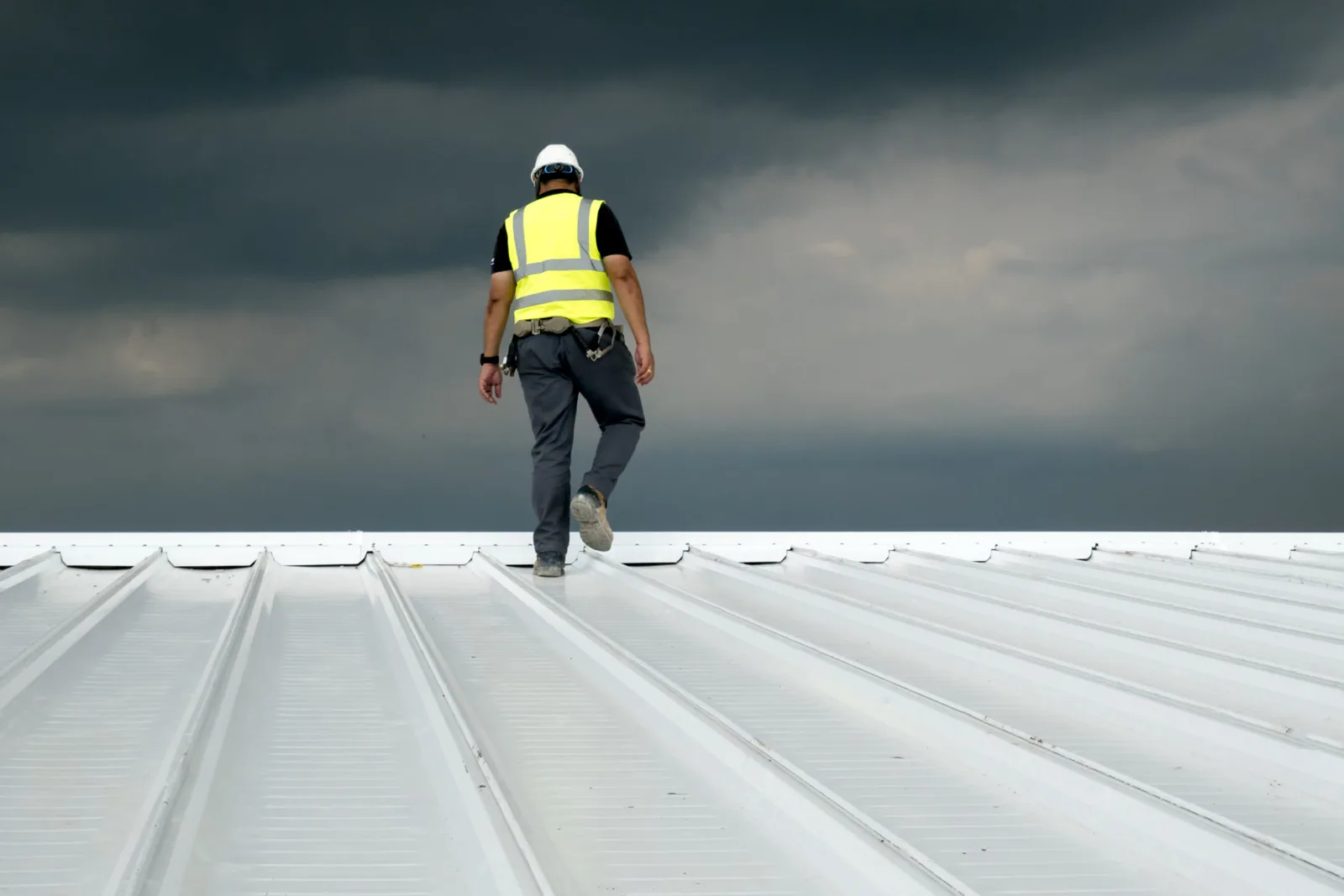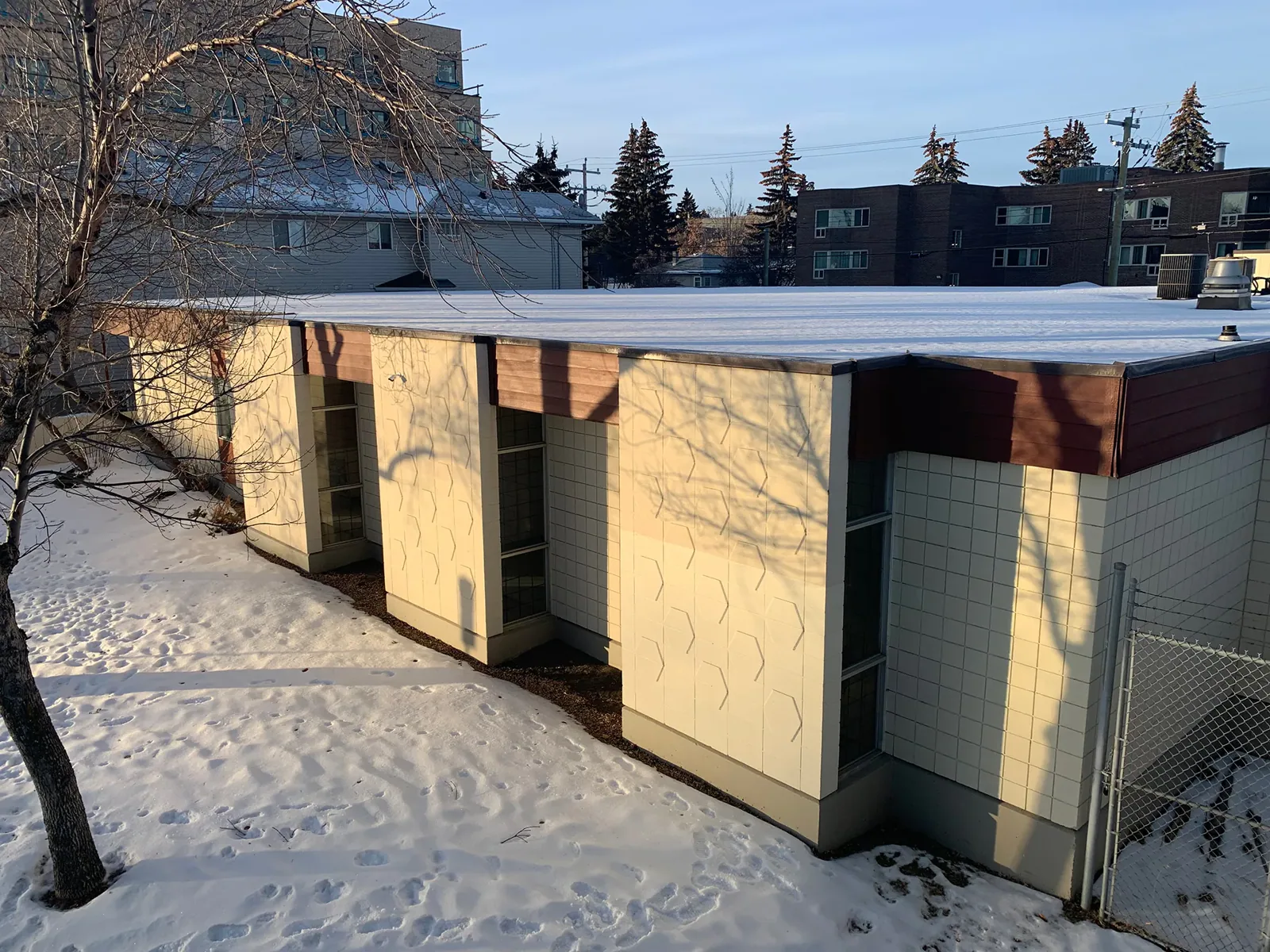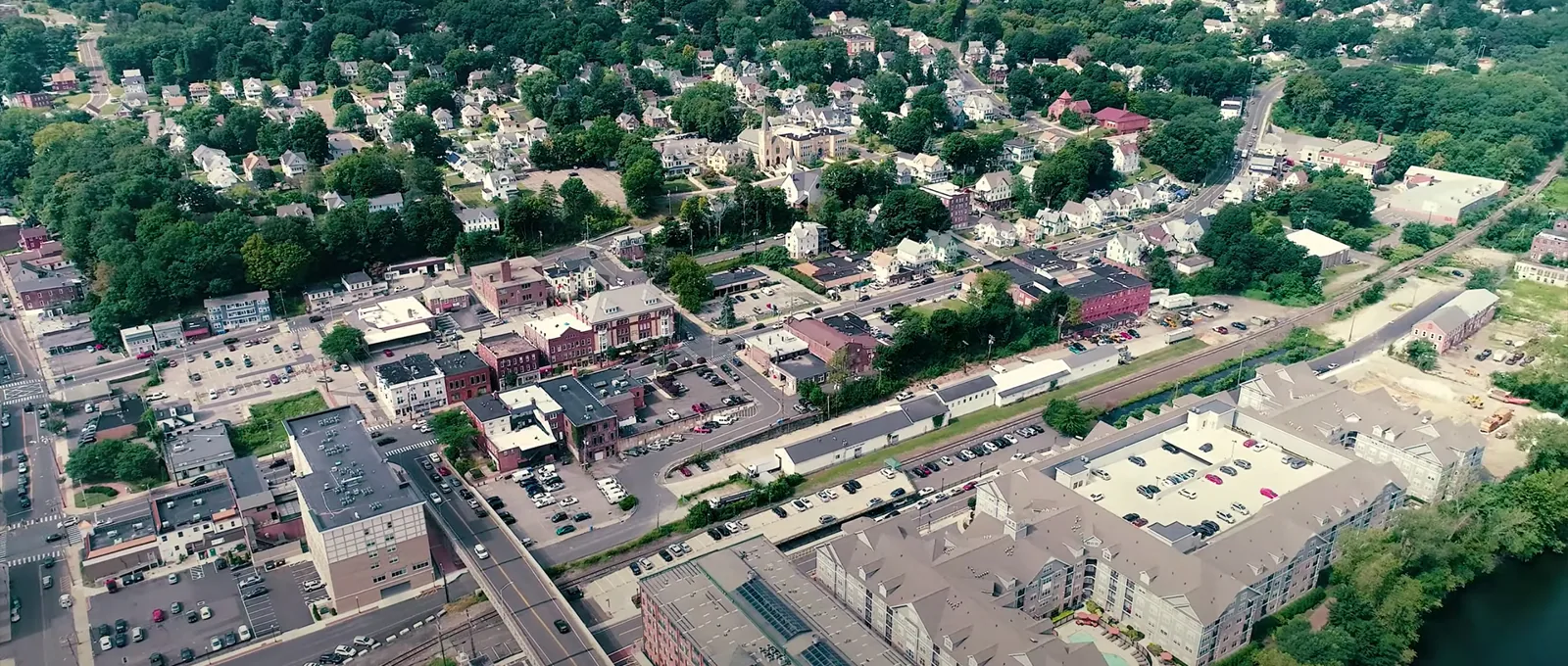
Where a fastener line meets a raised seam, movement can loosen the metal and open a path for water. In Turn-of-River and Newfield, Stamford, CT, we inspect that joint, nearby curb flashing, and the drain path connected to the reported leak. The city plan names Turn-of-River-Newfield as a neighborhood and includes flexible-industrial uses such as light manufacturing, distribution, maker, and creative employment. Compatible offices, showrooms, and smaller housing forms also appear in that category. We identify the membrane and roof details on the property itself, then set the repair limit from the assembly and condition observed. A roof inspection begins with the defect, not a presumed property type.
System type: identify the membrane before repair
A roof in a flexible-industrial area may have different use and equipment needs from another property nearby, but those details have to be confirmed on site. We identify the membrane, deck where accessible, insulation, seams, penetrations, and drainage. The system controls which cleaning, primer, flashing, and tie-in materials will bond. A thermoplastic weld, EPDM splice, modified-bitumen lap, or coating repair each has a different preparation path. Applying a familiar patch without identifying the roof can leave an incompatible bond at the repair edge.
We inspect surrounding material for blisters, open laps, loose attachment, and moisture beneath the surface. If equipment access affects the work zone, the scope records clearance and coordination needs without assuming a particular operation. A roof walk also looks for trade penetrations that may have moved since the last service visit. A raised metal seam needs a different inspection from a low-slope membrane. The written scope identifies the system found and the details that connect to the visible defect.
Water path: trace the mark to its source
Water may move along a seam, board joint, or deck before it reaches a ceiling. We compare the reported room location and timing with the roof slope above, equipment curbs, vents, edge details, and drainage. A stain near a wall can begin at a farther penetration. A mark below a low point can follow water held at a drain. We note each observation and keep possible paths separate until inspection or testing supports a connection.
Several reported leaks should be mapped individually. One roof defect can affect more than one area, while two separate openings can appear in the same room. We check the membrane and nearby details over each location and record where moisture is found. Leak repair should close the entry point and reach a stable substrate, not simply cover the interior stain's outline. If concealed layers remain untested, the report describes the next access needed before the scope is final.
Equipment curb: protect the flashing boundary
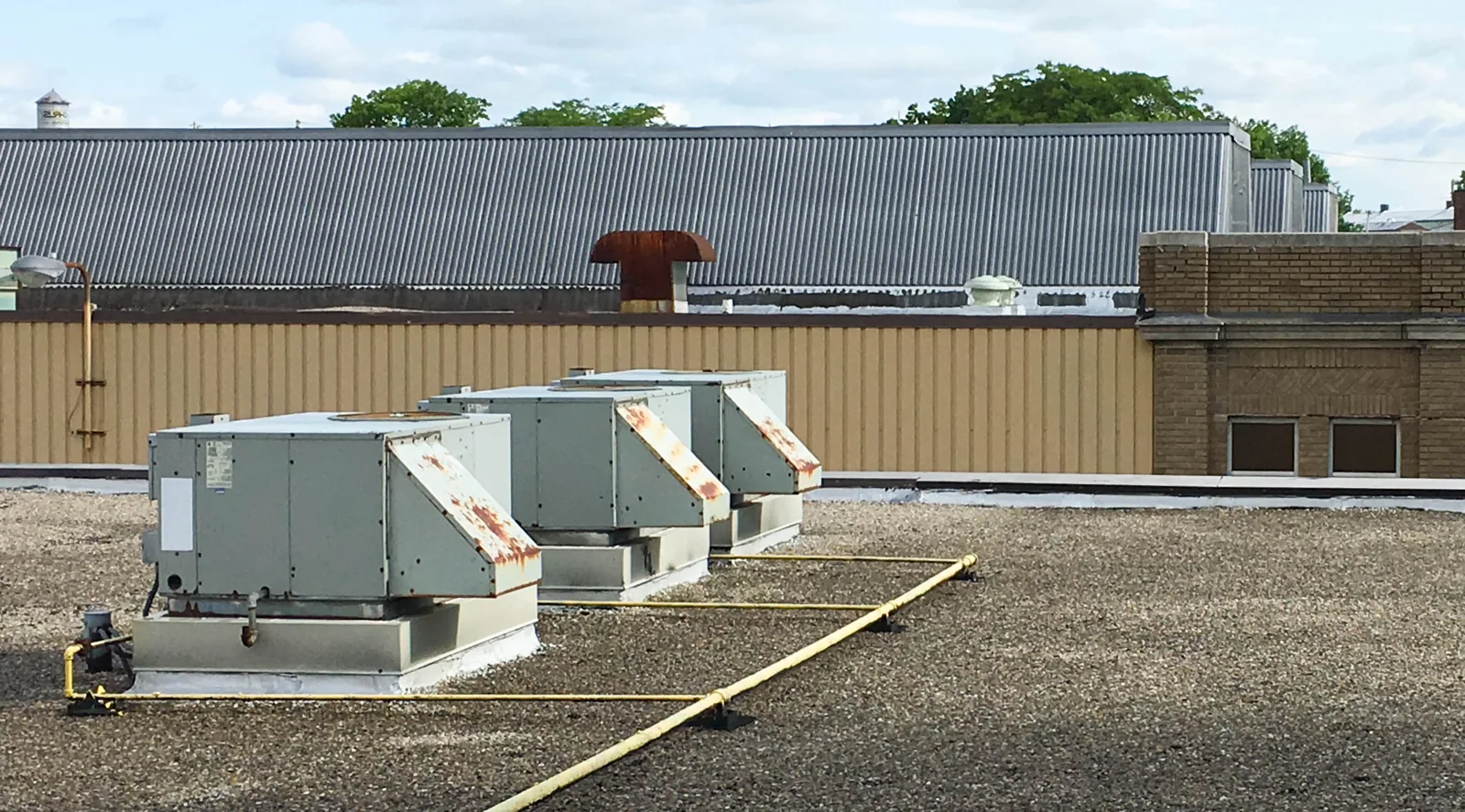
A curb interrupts the membrane and creates corners where water can pass beneath flashing. We inspect all sides, vertical faces, membrane laps, metal counterflashing, fasteners, and sealant joints. A loose flashing edge may extend under the field sheet. If insulation has taken on water, a surface repair will not restore it. We identify how far material must be opened and whether equipment service access needs to be coordinated before the detail is rebuilt.
A later trade visit can disturb a curb repair if the new flashing is not protected or the service route crosses the work. We note the clearance needed and the period when the roof area must stay undisturbed. A cracked boot at a smaller penetration calls for a different repair boundary than a curb with loose attachment and wet substrate. Curb and rooftop-equipment details should be scoped around the actual penetration and roof material. The repair record shows what is replaced and where it ties back to sound membrane.
Flexible-industrial uses: plan around roof service needs
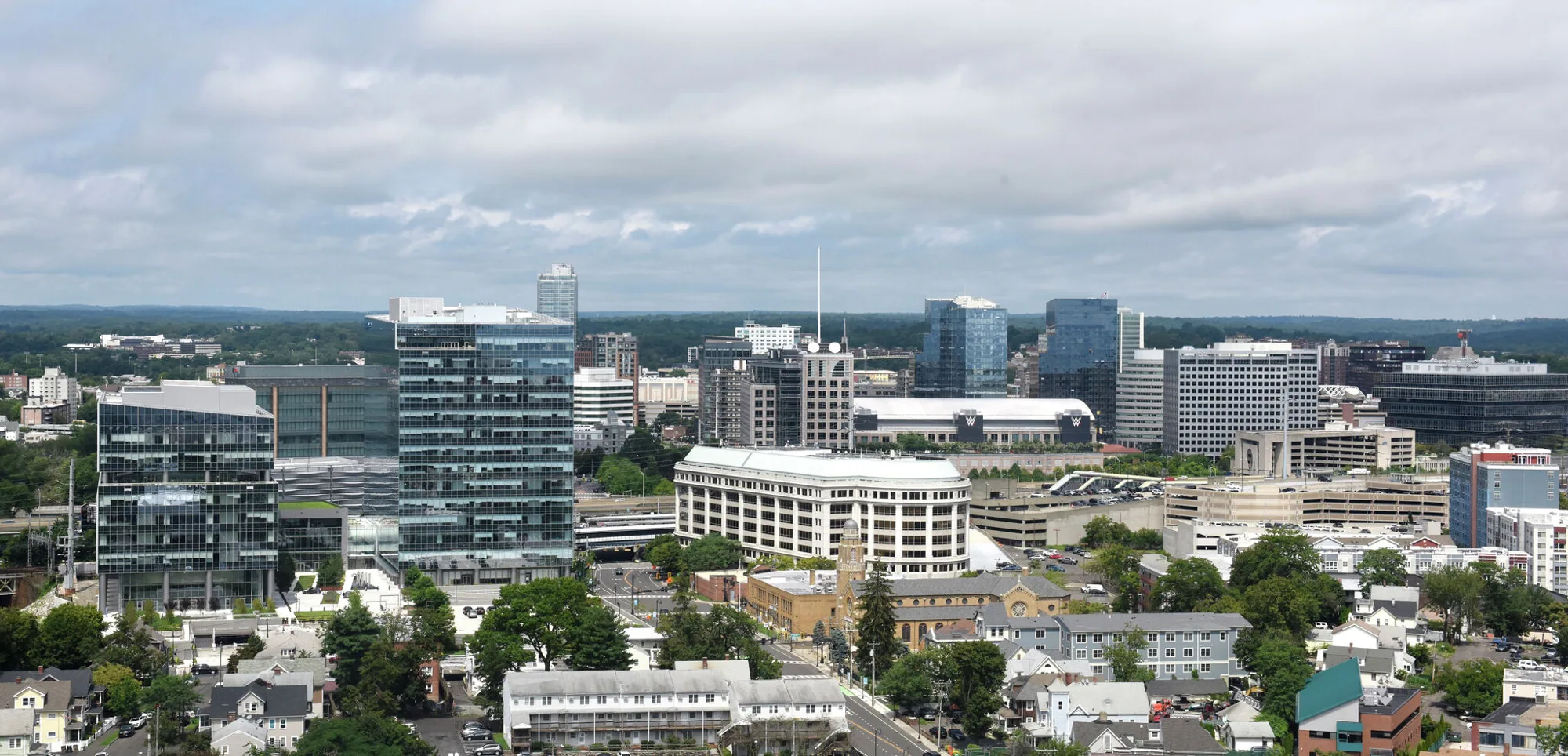
The city's flexible-industrial category allows light manufacturing, distribution, maker and creative-employment uses, plus compatible offices, showrooms, and small-to-moderate housing forms. For a roof project, we confirm the property's operating limits, access, equipment, and areas needing protection below; those details set staging and work sequence. The inspection records the membrane and building conditions found at that site.
For managers coordinating roofs in Westover or Glenbrook as well, separate inspection notes preserve each site's membrane, observed defect, and maintenance action. Each record identifies the membrane, condition, photos, water path, and access assumptions that belong to that inspection.
Winter cycles: check water retention and seams
Stamford's NOAA normals show recurring winter snowfall and overnight temperatures below freezing. We look closely at outlets, low seams, and terminations where water can remain and pass through freeze-up and thaw. Those conditions put drainage and lap integrity on the inspection list; they do not determine a roof's load capacity. We document visible displacement, blocked outlets, or a leaking transition, then identify any structural question separately. A roof report should distinguish a weather-related leak from a concern that needs another kind of evaluation.
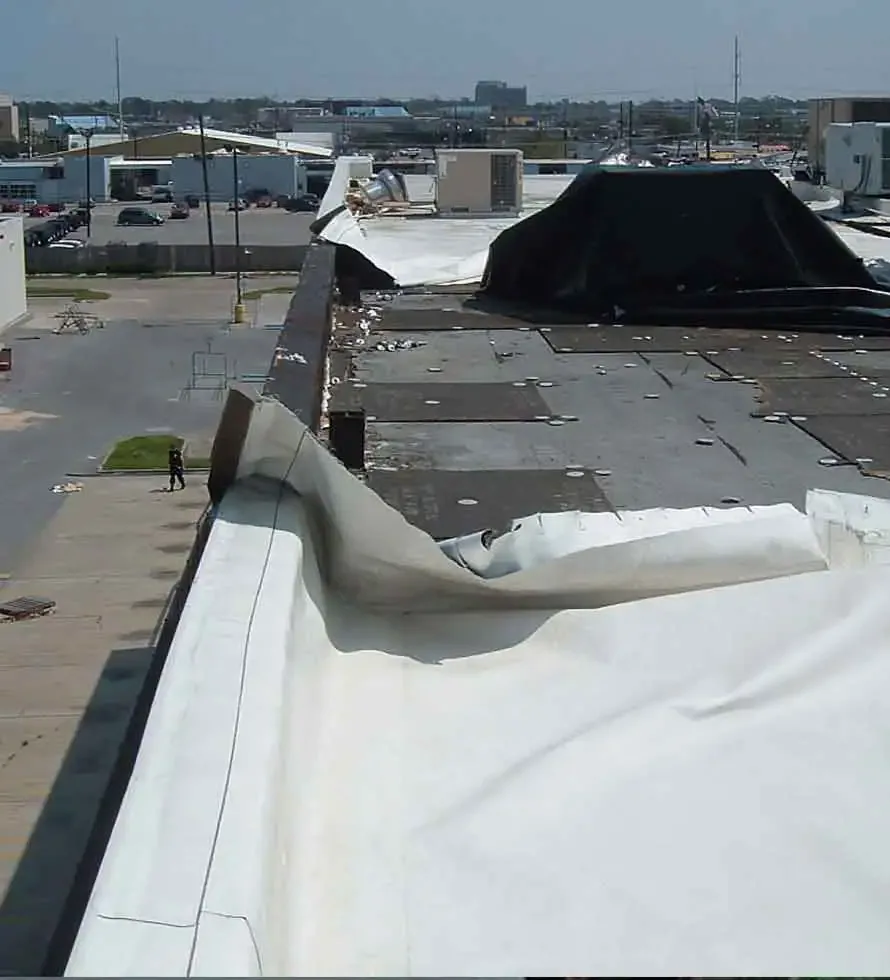
After a winter leak, the timeline helps us compare a new opening with earlier service notes. A drain restriction may leave water at the same seam that another trade disturbed. A membrane split may be limited to one detail, or moisture may extend into the insulation. Snow and ice roof repair should identify the affected material, water route, and dry-in needed before final repair. We do not assign the full roof a condition based on one wet area.
Repair boundary: decide when the scope widens
At the test opening, we check the seam edge, nearby fasteners, and insulation before deciding how much metal or membrane must come out. The joint can be rebuilt locally when the surrounding sheet stays secure and the material below is dry. If the wet layer extends past the first cut, we mark that reach and protect the exposed edge before expanding the scope. The report names the material removed and the portion left for a later decision.
One failing lap does not carry the same weight as several loose joints or moisture pockets in separate roof zones. Preventive roof maintenance can track fastener movement, open transitions, and drain conditions while the assembly remains usable. Coating is considered only on a compatible, dry field. If repairs cannot establish a sound tie-in, replacement planning compares removal, new insulation, and dry-in needs for the occupied areas below.
Cost and timing: state the work assumptions
Cost depends on roof system, defect size, number of connected details, removal, moisture below the membrane, and access for tools and labor. A curb repair may include insulation, flashing, and coordination with equipment service. A seam repair may need a test and a longer section of membrane prepared for the tie-in. Interior protection, temporary dry-in, and disposal can also change the work plan. We identify those drivers and state what condition could add work once material is removed.
Schedule follows weather, substrate dryness, material compatibility, and a sequence that keeps the roof watertight. A surface cannot be closed until it is clean and ready for the selected system. Larger repairs may need an opening and dry-in before final installation. A condition report with photos preserves what the inspection found for budgeting and future work. The decision is clearer when the scope names the roof detail, repair boundary, and any next test required.
Commercial Roofing Questions
Does the flexible-industrial category mean every property has a manufacturing roof?
No. It is a planning category that permits several compatible uses, not a building inventory. We identify the property, roof system, and service needs during the walk.
Can water from a curb show up in a different part of the building?
Yes. Moisture can travel beneath the membrane or through insulation before it reaches a ceiling. We trace the water path and inspect the connected field and drainage details.
What if equipment work affects the proposed repair area?
We record access and service constraints, inspect the full curb detail, and note any protection needed after repair. The work boundary must remain clear to other trades.
When would a seam repair become a broader roof project?
Wet insulation, weak attachment, or failures across separate areas can widen the scope. We compare the remaining assembly with repair, maintenance, and replacement options.