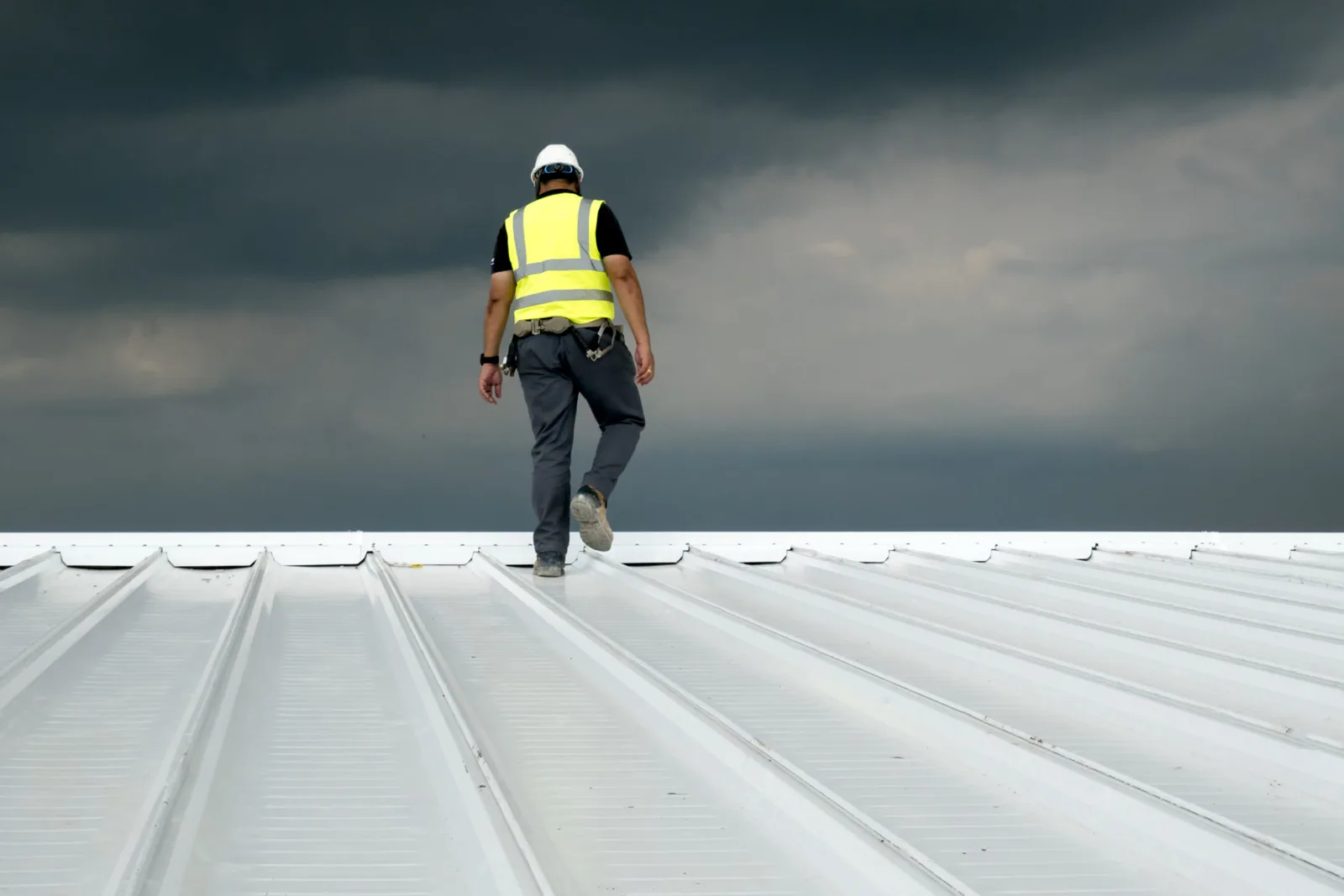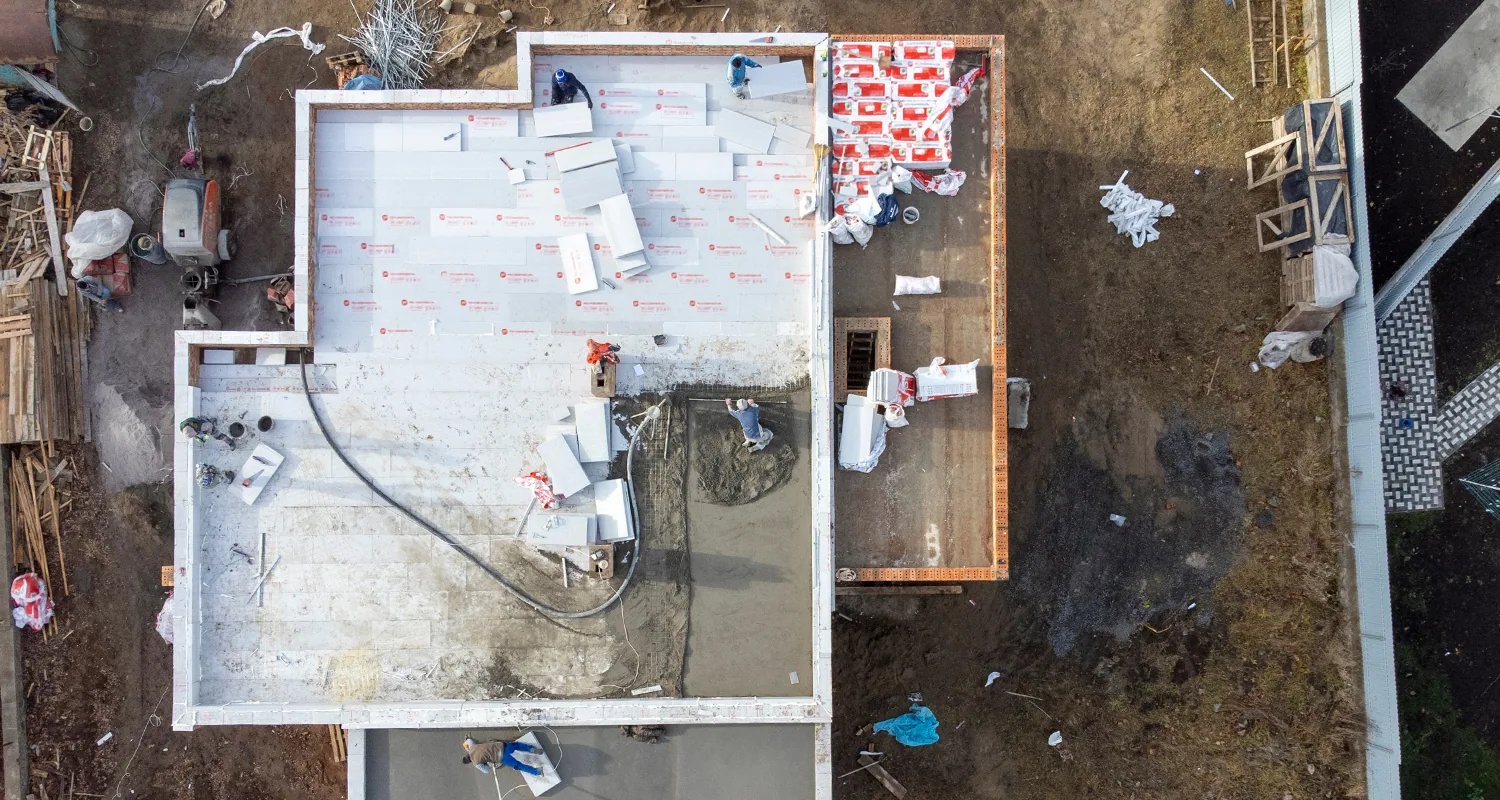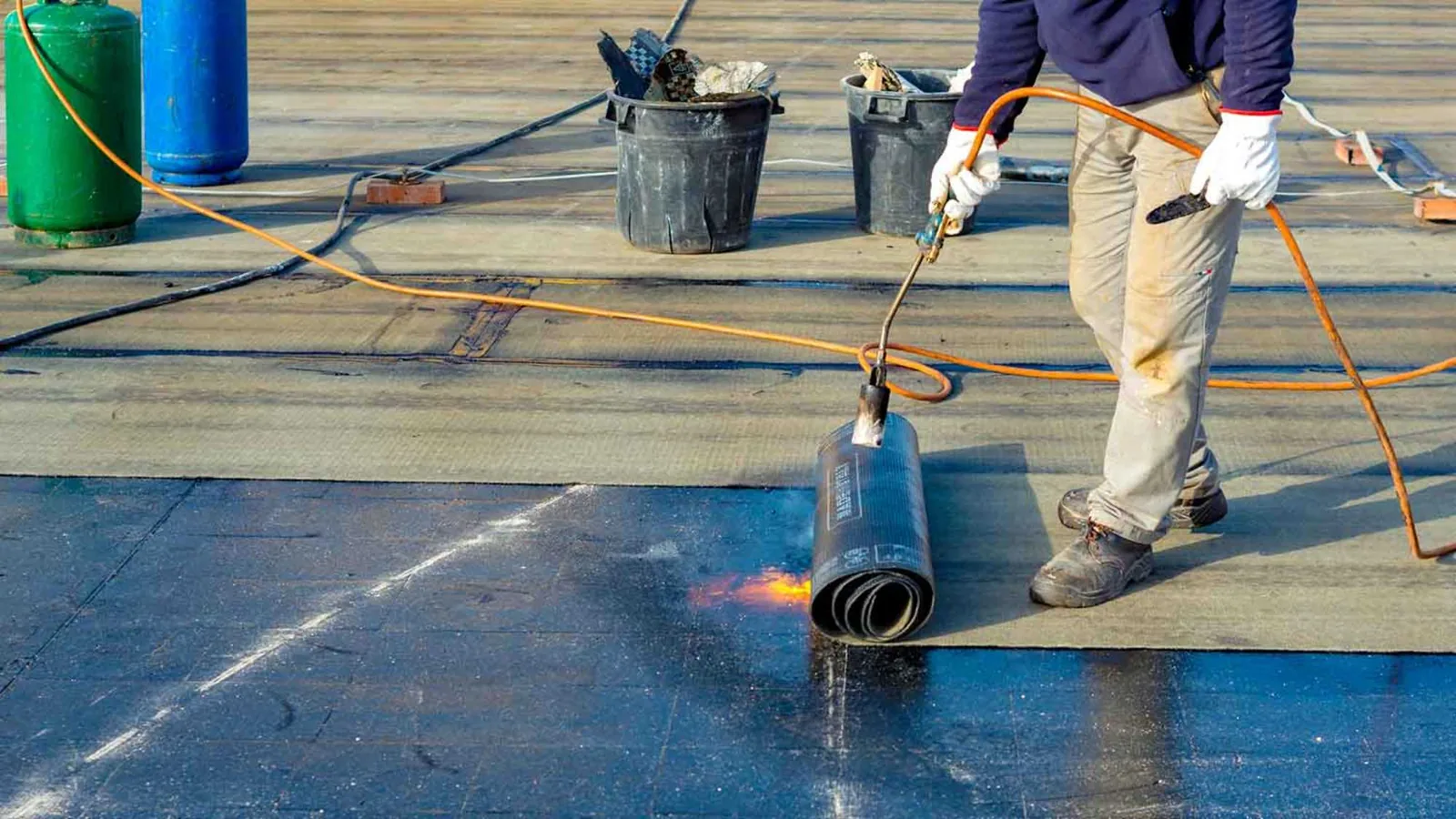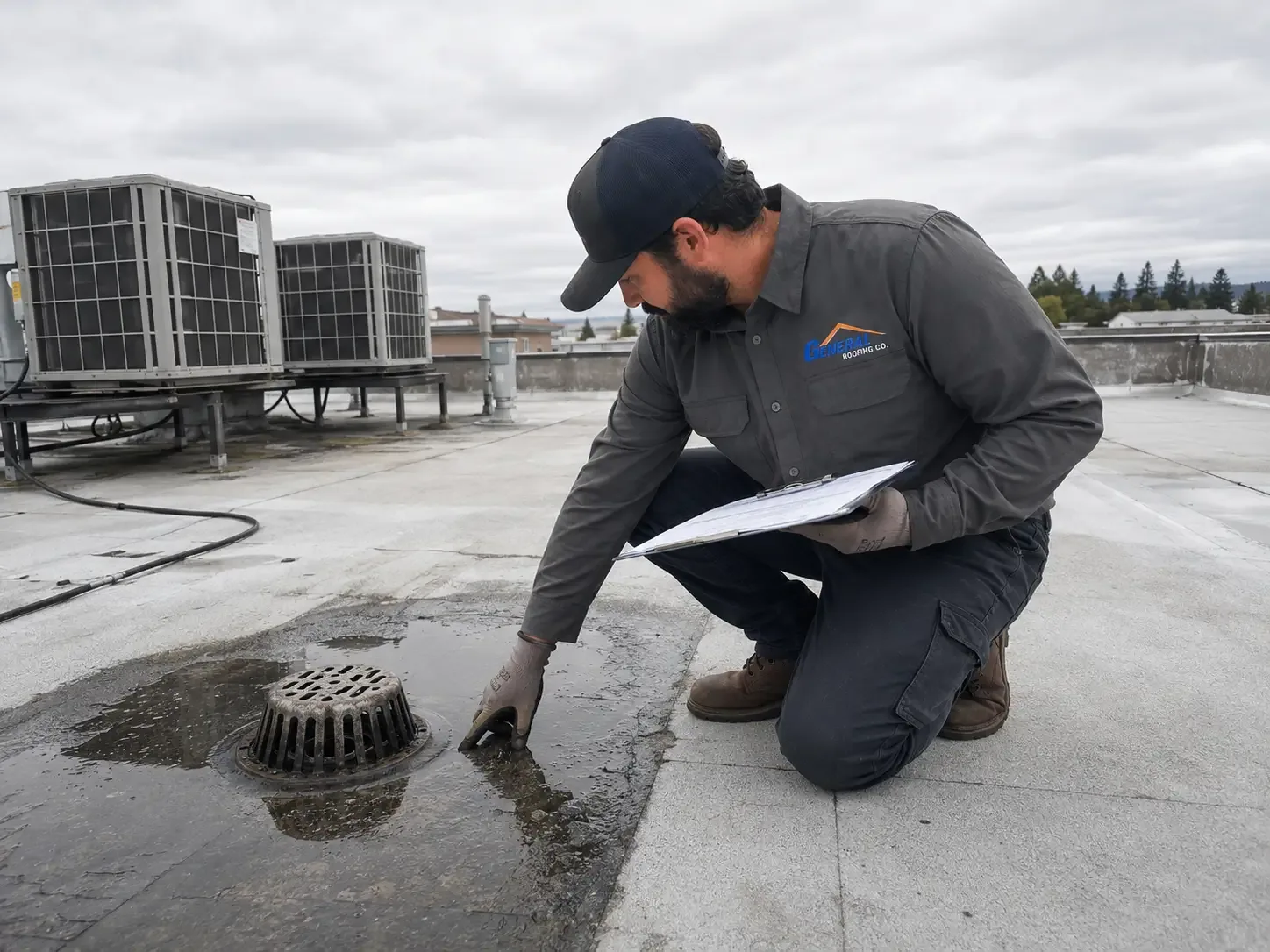
A split lap near a roof hatch can admit water before a ceiling shows a mark. In Noroton Heights, Darien, CT, we trace the visible condition through the membrane, edge and drainage details that can carry water beyond its entry. The commercial district spans roughly a half-mile around the station, with shops and other station-area uses beside rail access. This is a multi-property area, not one roof pattern. We inspect the assembly at each address and write a repair boundary that follows the condition found. A commercial roof inspection starts with the leak report, service history and roof access.
Field condition: start where water can enter
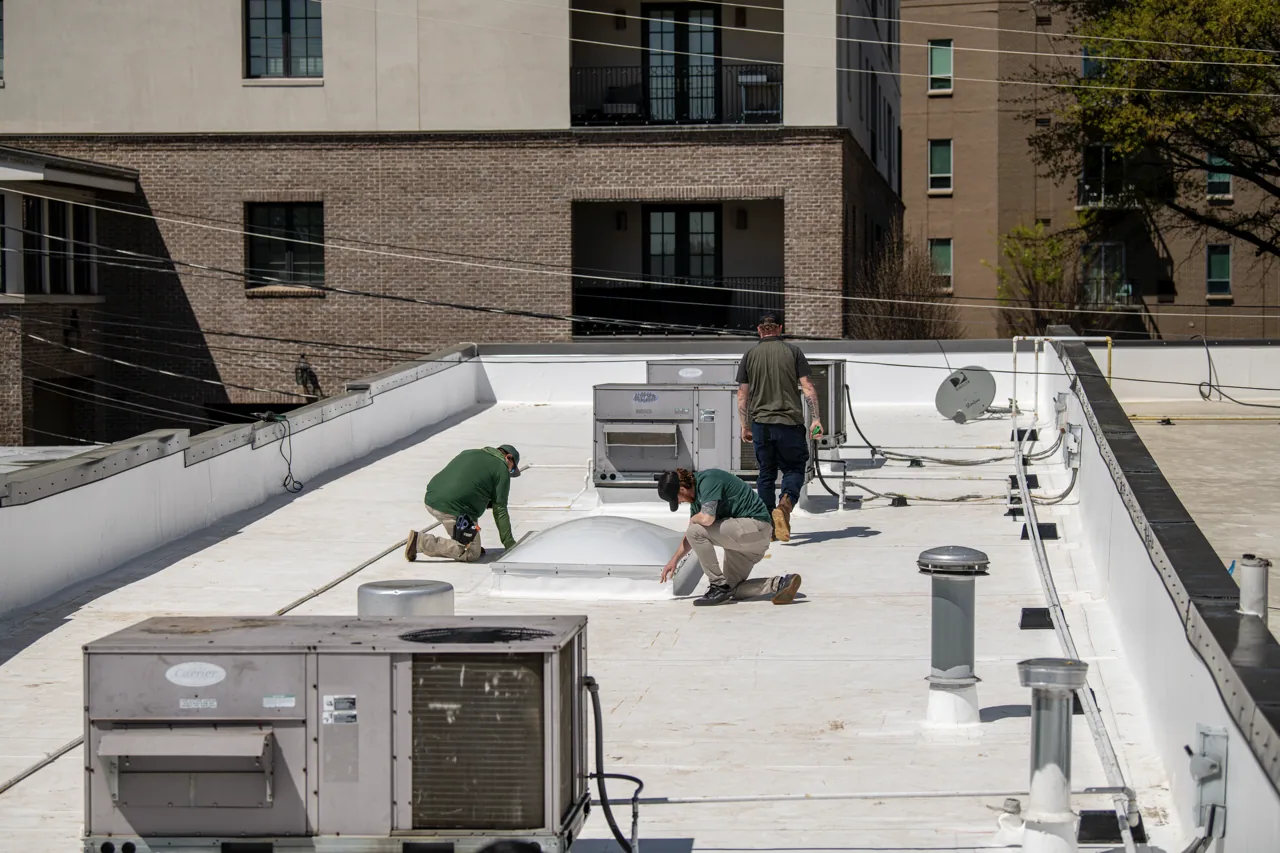
We inspect the reported area first, then work outward through the details connected to it. A membrane lap may have a lifted edge. A penetration can have an open corner or failed seal. Water may also collect at a low point, move along insulation, and appear indoors away from the roof opening. We note what is visible and test the likely path where access permits. A stain by itself does not set the cut line.
Shops and station-area uses near the rail connection give Noroton Heights a commercial mix across several properties. We confirm each building's use and access with its manager, then map penetrations, drains, seams and nearby edges. A photo report records the location of each observed defect and any area that could not be reached. That record keeps the repair attached to the inspected property.
Material and seam: match the repair to the assembly
We identify the roof system before selecting a patch method. A thermoplastic membrane may require a test weld and compatible sheet. EPDM needs suitable primer and splice materials. Modified bitumen and built-up roofing rely on different lap and flashing details. Coated roofs need a clean, prepared surface. We check lap direction, attachment, previous repairs and substrate at the opening. A new layer cannot hold if its tie-in lands on loose or wet material.
Roof systems can vary from one Noroton Heights property to another. Access notes and prior service records help us plan the walk, and we identify the membrane, seams and flashing before choosing a method. TPO repair work and modified-bitumen work require different preparation. We state the system, the failed connection and the surface condition needed for the repair. At equipment curbs, we trace the base flashing and its upper termination, noting any separation where the vertical detail meets the field sheet.
Drain and edge: follow the whole water route
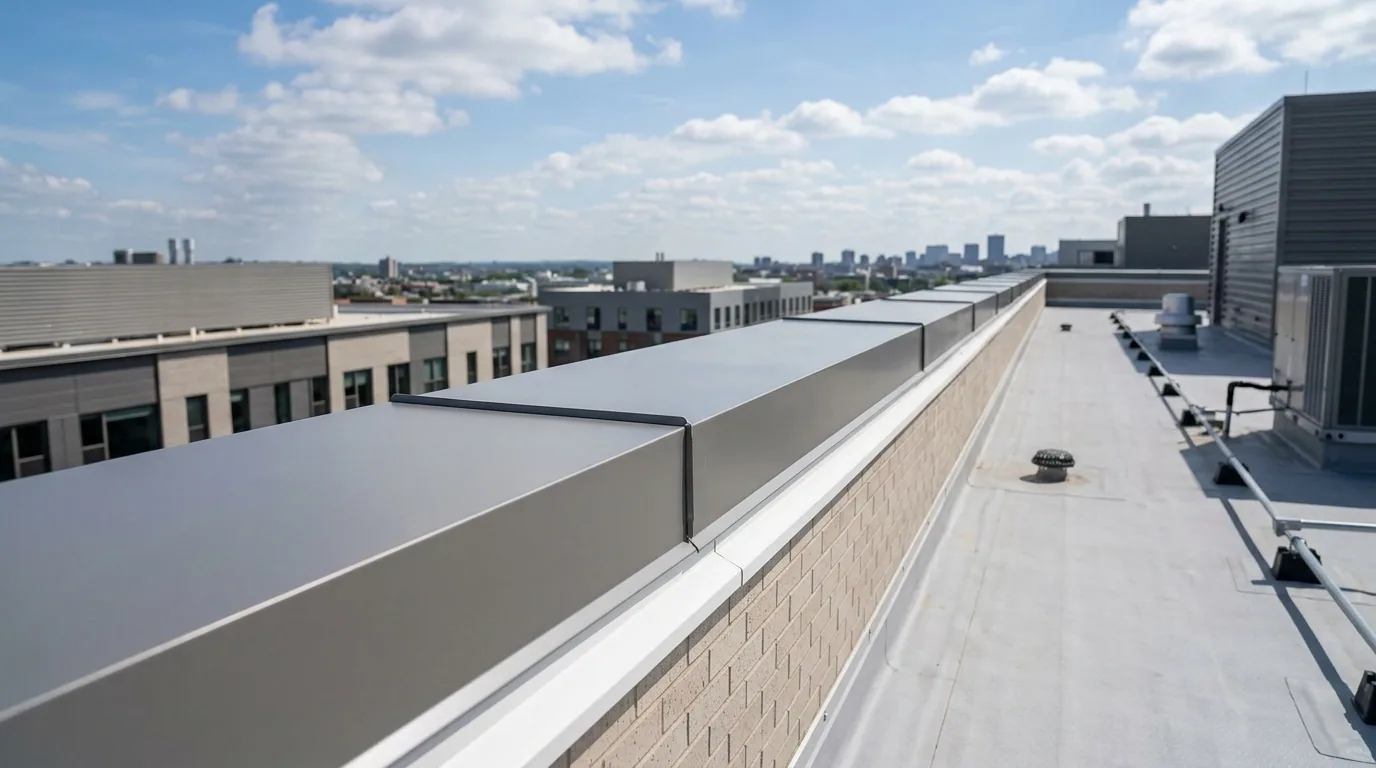
A drain can pass water through its throat while leaking at the flange. We check the strainer, bowl, clamping ring, sump, membrane tie-in and overflow. At the perimeter, coping joints, fasteners, splice plates and the membrane turn-up need the same close look. A loose metal return can move under load; an open termination can admit water behind the edge. We compare each detail with the reported interior mark before identifying the likely entry point.
The NOAA record for Stamford 5 N includes repeated winter snow and overnight lows below freezing. At a Noroton Heights roof, we inspect drains and terminations for water retention, movement, or an open connection, then set the repair boundary from the assembly present. Drain and scupper repair may address a failed connection, while edge-metal work restores a perimeter detail. We document the actual condition and distinguish it from general seasonal exposure.
Repair limit: extend only to sound roofing
A localized defect can be repaired when the surrounding membrane remains attached and dry substrate is available for the tie-in. We remove the failed material, prepare the surface and extend the work to stable roofing. If removal exposes wet insulation, the repair has to account for that layer rather than cap it. We identify what can be closed that day and what needs additional review before permanent material goes down.
Noroton Heights includes proposals for transit-oriented redevelopment across multiple properties. For a manager tracking several buildings, a shared map can tie each property to its own roof plan, photographs, and findings. Commercial roof repair can correct a contained seam, curb or edge failure. Several separated defects, repeated wet areas or weak attachment may shift the decision toward maintenance or replacement. The scope names each condition and what would make the repair boundary grow.
Access plan: coordinate the active work area
Roof work starts with safe access and a protected area below. We confirm hatch or ladder access, material handling, equipment clearances and any occupied rooms beneath the repair. The building contact sets entry rules, delivery limits, room-use requirements and protected areas before we sequence the work. We then sequence inspection, removal and dry-in so an opening is not left exposed while the next step is arranged.
Timing depends on weather, substrate dryness, system compatibility and the condition revealed after removal. If a repair needs several stages, the scope states where temporary protection is required and what must be approved before close-in. Downtown Darien and Greenwich Center are separate service areas where each roof needs its own access notes and condition record. Separate buildings need separate roof notes, photos and repair limits.
We also check whether the repair can remain open while materials are prepared or whether a temporary closure is needed at each pause. That distinction affects labor, interior protection and the number of visits. If a manager has restrictions on noise, deliveries or roof access, those limits belong in the work sequence before removal starts. A clear sequence sets protection at each pause and leaves the scope ready to change if removal exposes another affected layer.
Cost and schedule: let the roof set the work
Cost changes with the membrane type, size of removal, number of connected details, wet insulation, disposal, equipment access and interior protection. A seam repair may be contained, while a curb rebuild can require several materials and a larger opening. Testing and temporary dry-in can add work. We put those assumptions in the written scope and identify the concealed condition that could change them.
The practical choice may be a focused repair, a follow-up opening to examine hidden layers, or a broader system recommendation. A coating is not a substitute for wet insulation removal or failed attachment. A recover or replacement decision depends on the existing assembly and whether it can support another roof layer. Roof capital planning can place the repair in a longer asset sequence, but the first step is a documented condition and defined work limit.
Commercial Roofing Questions
Can a district's commercial mix identify a roof system?
No. Shops and transit-oriented uses do not identify a particular assembly. We inspect the membrane, drainage, penetrations and access at the property before selecting a repair method.
Can a leak travel away from its entry point?
Yes. Water can move along insulation, a deck joint or a seam before reaching a ceiling. We compare the interior location with roof slope and nearby details, then test the likely path.
Which membrane and substrate details guide patch selection in noroton heights?
We identify the existing system and prepare a compatible tie-in. TPO, EPDM, modified bitumen and coating systems do not use the same method, so the scope names the material and surface condition involved.
What changes the repair boundary?
Wet insulation, loose attachment, separated seams or a damaged curb substrate can extend the opening. We document what removal reveals and define the added work before closing over the condition.
What should a manager prepare for the inspection?
Provide the leak location, recent service notes, roof access limits and any rooms that need protection. We use those details to guide the walk and record the roof conditions we can reach.