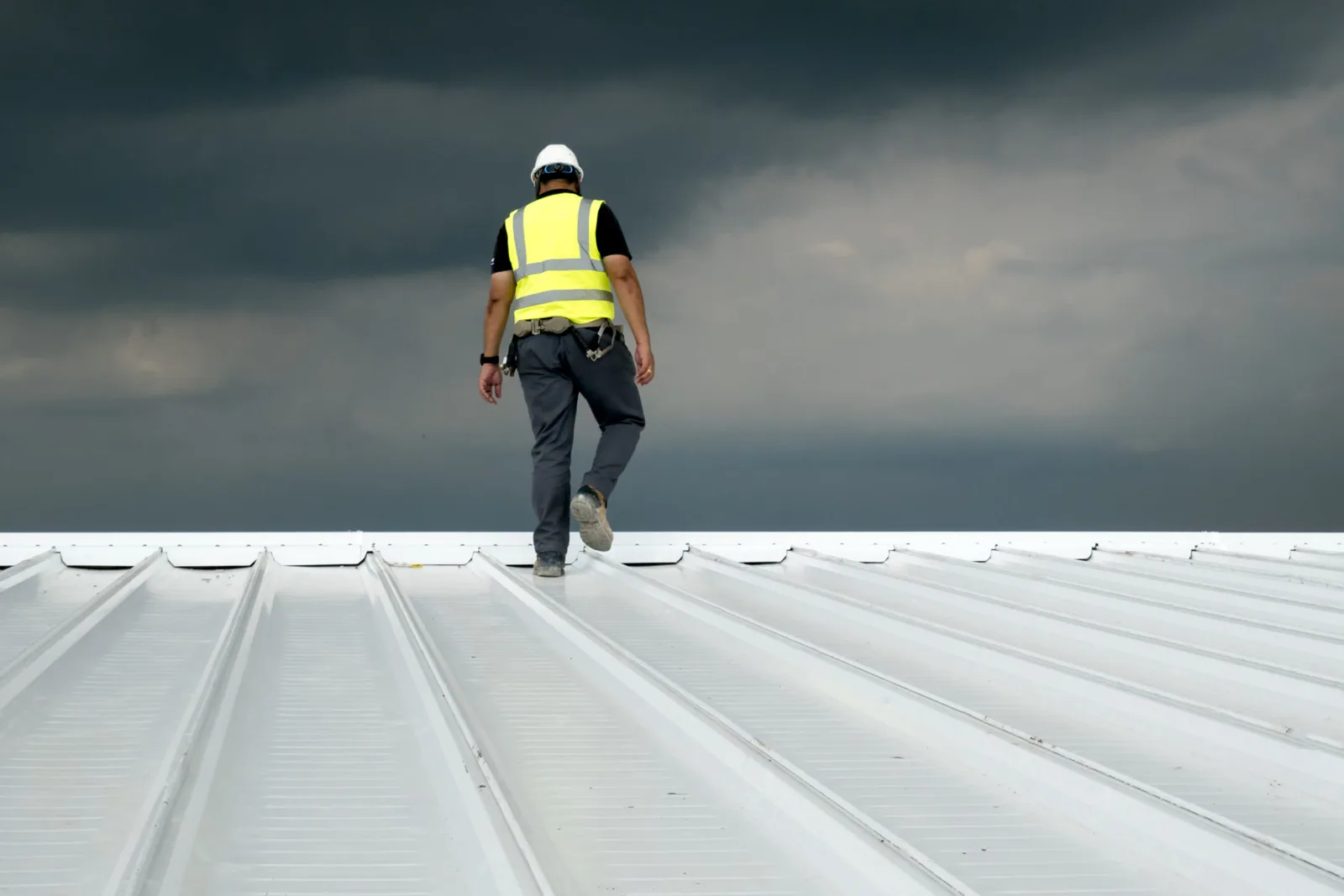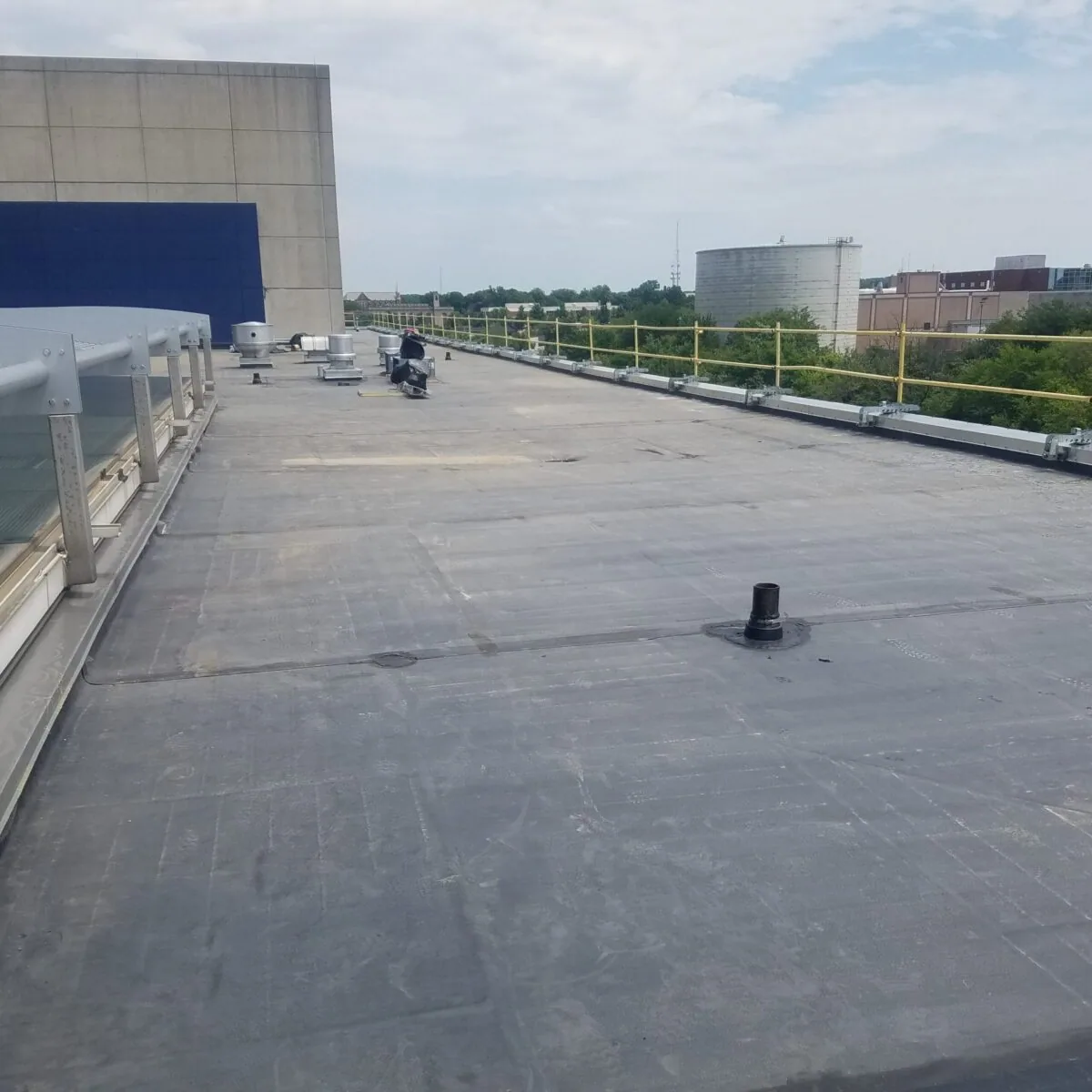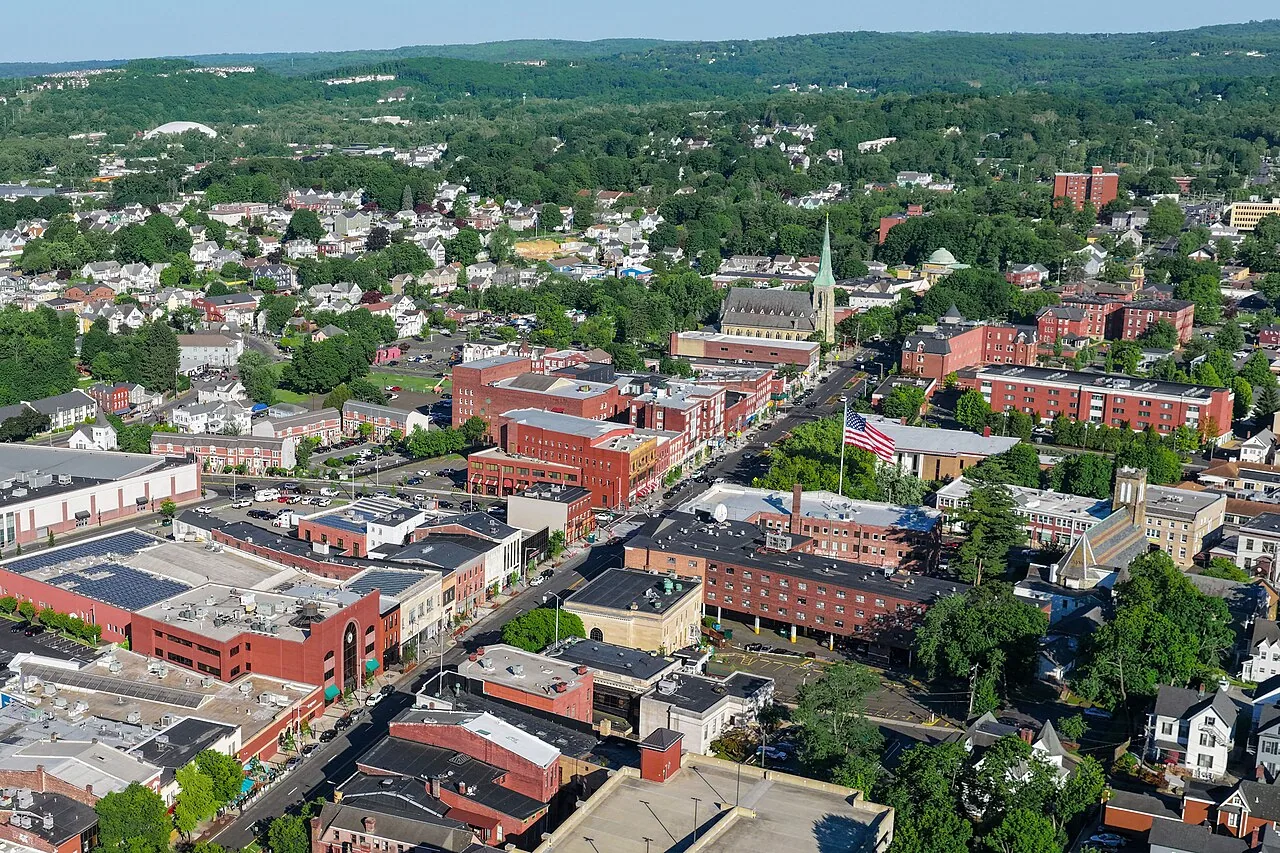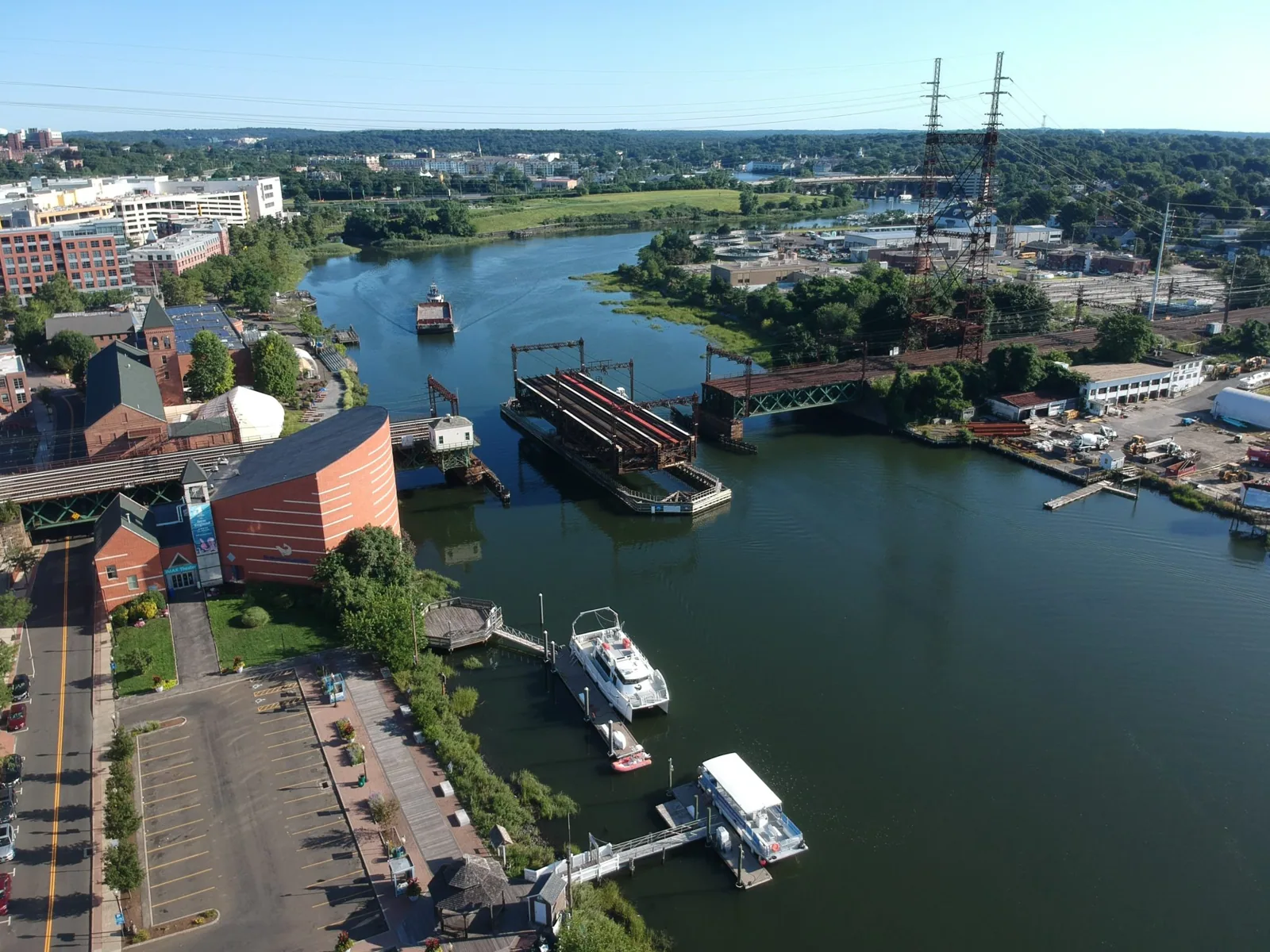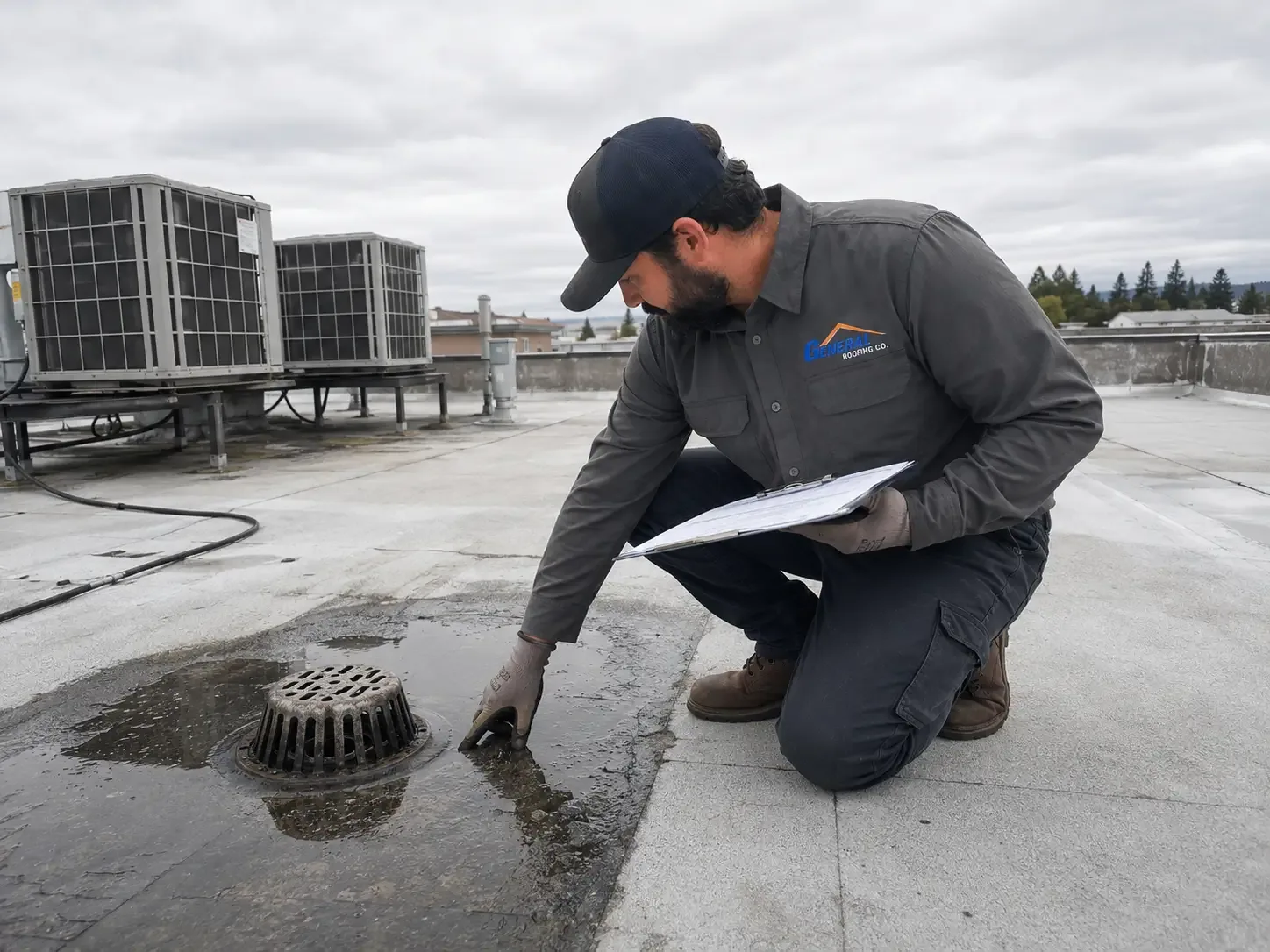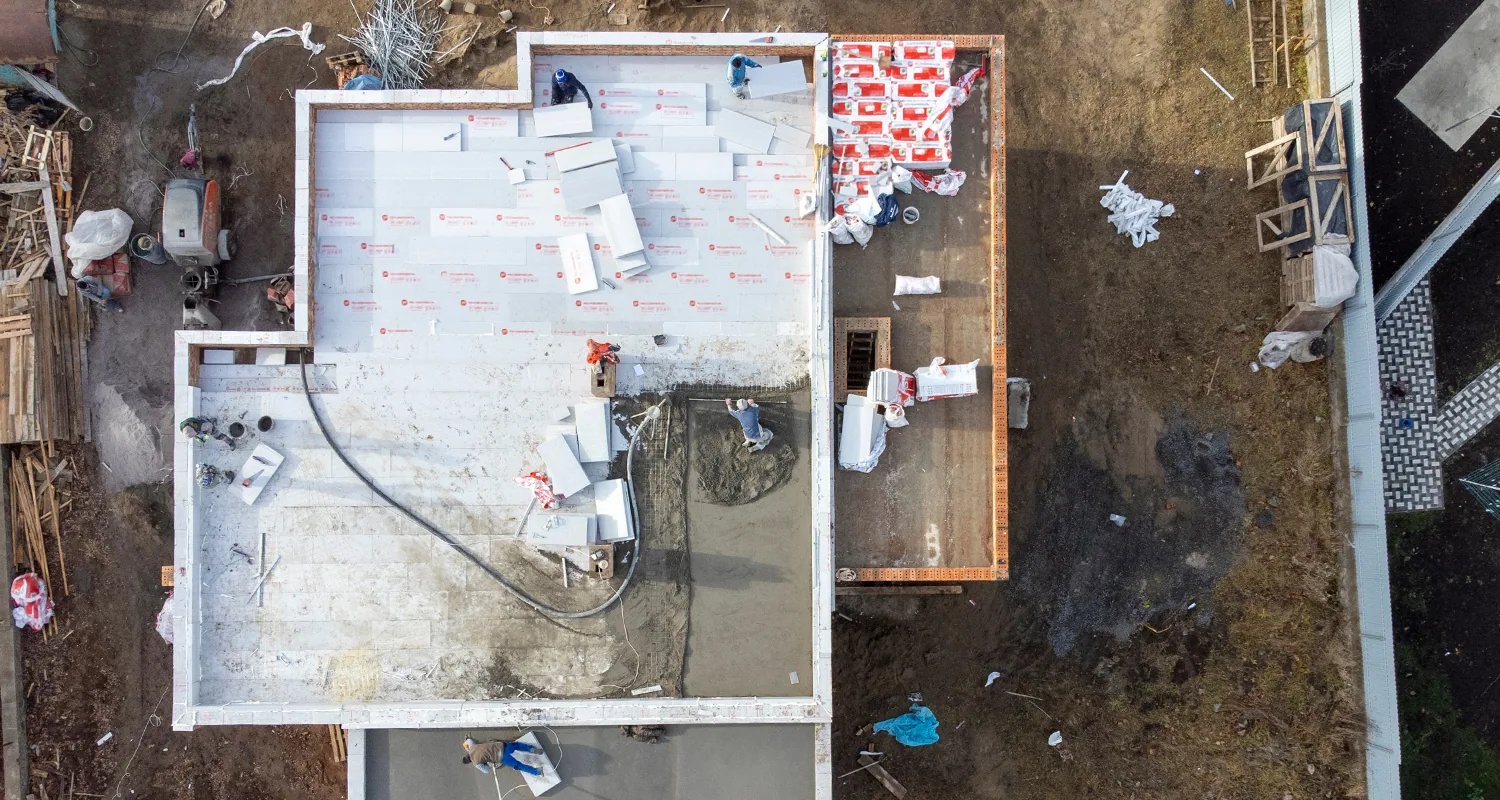
A drain backup can send water across a roof before it reaches the interior. In New Milford, CT, we start at the reported area, check the slope and follow the path through seams, curbs and outlets. Route 7 follows a major regional commute corridor from Norwalk north to New Milford. For a roof project, we confirm the delivery entrance and staging area with the property contact, then inspect the assembly, map wet or loose material, and set the repair boundary at sound material. A commercial roof inspection separates a contained detail from a wider condition before a patch goes down.
Route 7: plan the arrival, then the roof work
Route 7 connects New Milford south to Danbury, then to I-84 and US Routes 6 and 202. Four-lane sections occur in Brookfield and southern New Milford. Those regional connections matter for coordinating deliveries. The final approach still depends on the property's entrance, loading area and safe roof access. We confirm where a truck can unload, how material reaches the work zone and which lanes or doors must stay available.
A long carry from the loading point can change labor and staging. A lift may reduce handling but need a protected setup area. We record those conditions before pricing removal or replacement. Where access crosses an active loading area, the sequence can divide the work into sections, with a daily closure point and a clear route for occupants. The replacement scope includes removal limits, protection below and a dry-in plan, rather than treating the drive from Route 7 as the job plan.
When a portfolio includes a property in Danbury Center or Norwalk Center, we document its roof access, operating limits, and repair boundary separately from the New Milford work area.
Water path: test the connection that fits
A stain under a roof edge can begin at a curb several bays away. Water may travel across the membrane, follow a deck flute or move through insulation before it drops. We compare the reported timing with roof slope, nearby seams and the location of drains. The first dark spot is a useful reference, not the entire repair area. We inspect the path and note which materials are wet, loose or still bonded.
At a drain, we check the bowl, flange, clamping ring and membrane transition. At a curb, we look at corners and the termination above the roof surface. At a lap, we check bond and direction. A clear bowl alone does not show whether water can pass beneath the surrounding sheet. Drain and scupper work may include the connection around the outlet when that is where the water path leads.
Roof assembly: identify what is installed
Repair methods depend on the roof system. We identify TPO, PVC, EPDM, modified bitumen, built-up roofing, metal or coating before selecting material. The surface must be clean and dry enough for the chosen repair. A patch that does not bond to the existing membrane may lift at its edge and let water return. We prepare the substrate, rebuild the connection and check the finished transition.
Metal edges need separate attention. Fasteners, laps, end dams and the metal return can move differently from the membrane field. If the transition opens at several points, a single bead of sealant will not restore the full detail. We inspect adjacent seams and note whether the same failure appears elsewhere. TPO repair and modified bitumen work use different preparation and joining methods, so we confirm the material first.
Repair boundary: compare practical options
A local repair fits when the membrane around the defect remains attached, the insulation is dry and the substrate can hold a new connection. We remove failed material, prepare sound edges and close the detail. The written scope identifies the repair area and the finding that would expand it. That boundary gives the owner a clear comparison before the work reaches another roof section.
Widespread moisture, repeated seam separation or a damaged deck can change the decision. We compare a broader repair with recover or replacement when the existing assembly supports those choices. A recover can retain a serviceable layer only if moisture, attachment, drainage and edge height allow it. A roof recover is evaluated against those conditions. If they do not hold, the scope explains why removal may be the sounder option.
The estimate also separates immediate water control from permanent work. Temporary protection can limit exposure when access and weather permit, but it does not replace a tested repair. We note what was protected, what remains open for evaluation and which area needs follow-up. That keeps the next decision tied to the roof condition rather than to a broad promise about a patch.
Dry-in: protect the occupied space
Opening a roof over active space requires a defined daily limit. We agree on which rooms or operations need protection, how materials will be moved and where the crew can work. The removal sequence should leave enough time to close the exposed section before the agreed stop. We keep dry-in material available and record a change when weather or substrate condition alters the work window.
Wet insulation must be addressed before a new membrane covers it. We identify the affected area, remove or retain material according to its condition and prepare a dry substrate for the next layer. Temperature and moisture can affect bonding and cure, so a coating or membrane cannot simply be applied on schedule when the surface is unsuitable. Coating restoration begins with surface preparation and a check of the existing roof, not with color selection.
Photos and notes show which details were repaired and what remains outside the scope. A manager can use that record to compare later service reports against the same seam, curb or outlet. A condition report makes the repair boundary readable for the next budget or maintenance decision. It should name observed conditions, not turn an untested area into a claim about the entire roof.
Next inspection: use the right trigger
A repeat leak after a repair deserves a fresh look at the repaired edge and the water path around it. A new mark in another room may point to a separate detail. We compare the location and timing with the work record, then decide whether the trigger is an opened lap, a drain transition, a curb or a change in the deck below. That is more useful than applying the same patch to every stain.
For a roof with several aging areas, preventive visits can identify open seams, loose metal and blocked outlets before the next interior report. The interval should fit the assembly, drainage and operating use. a maintenance program can track those conditions and document what was corrected, deferred or left for capital planning. Each visit should leave the manager with specific roof details and a defined next action.
Commercial Roofing Questions
How do you find a leak that shows up far from the roof detail?
We compare the interior location with slope, seams, curbs and drains. A roof leak can track through concealed layers before it marks a ceiling. We test the detail that fits the timing and record the area that is wet.
What should the repair scope identify?
It should name the assembly, affected details, repair limit and any condition that changes the work. We also list access and dry-in constraints so the estimate reflects the site rather than an assumed roof layout.
Can you repair only the section with the leak?
A focused repair works when nearby membrane and substrate remain sound. We check beyond the visible mark, then set an edge where the materials can accept a durable connection. Wet insulation or repeated failures may widen that edge.
When is recover not a practical option?
Recover depends on moisture, attachment, drainage and the height of existing edges. We evaluate those conditions first. If the roof cannot support another layer, the recommendation compares repair with removal and replacement.
How do you protect business operations during roof work?
We coordinate access, material staging, protected rooms and the daily closure limit with the site contact. Work is divided into sections when that gives the crew a controlled dry-in point without blocking required routes.