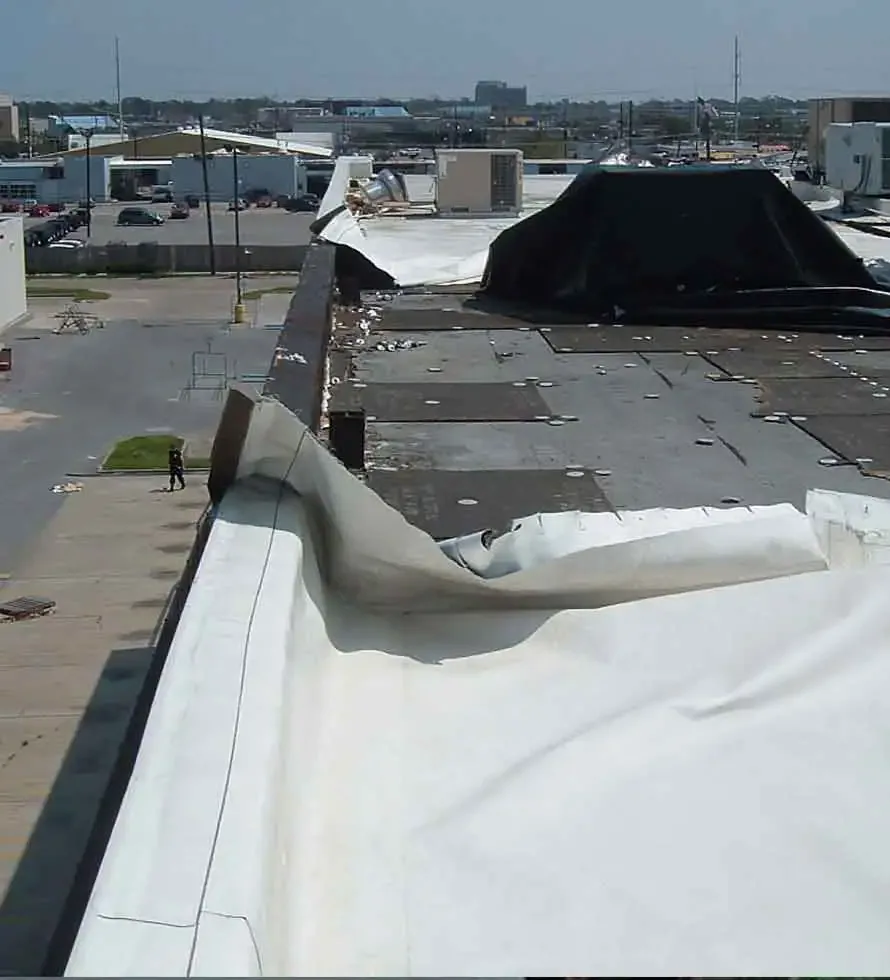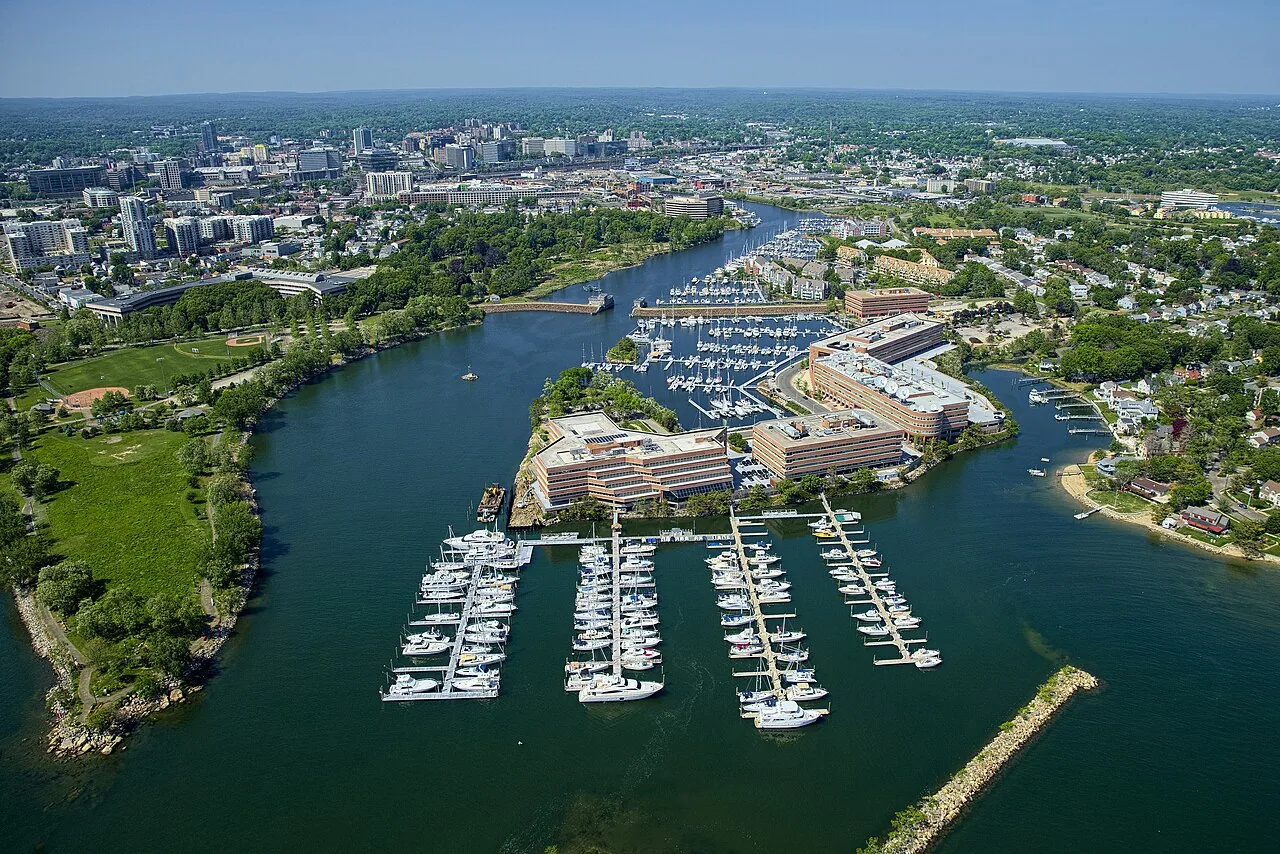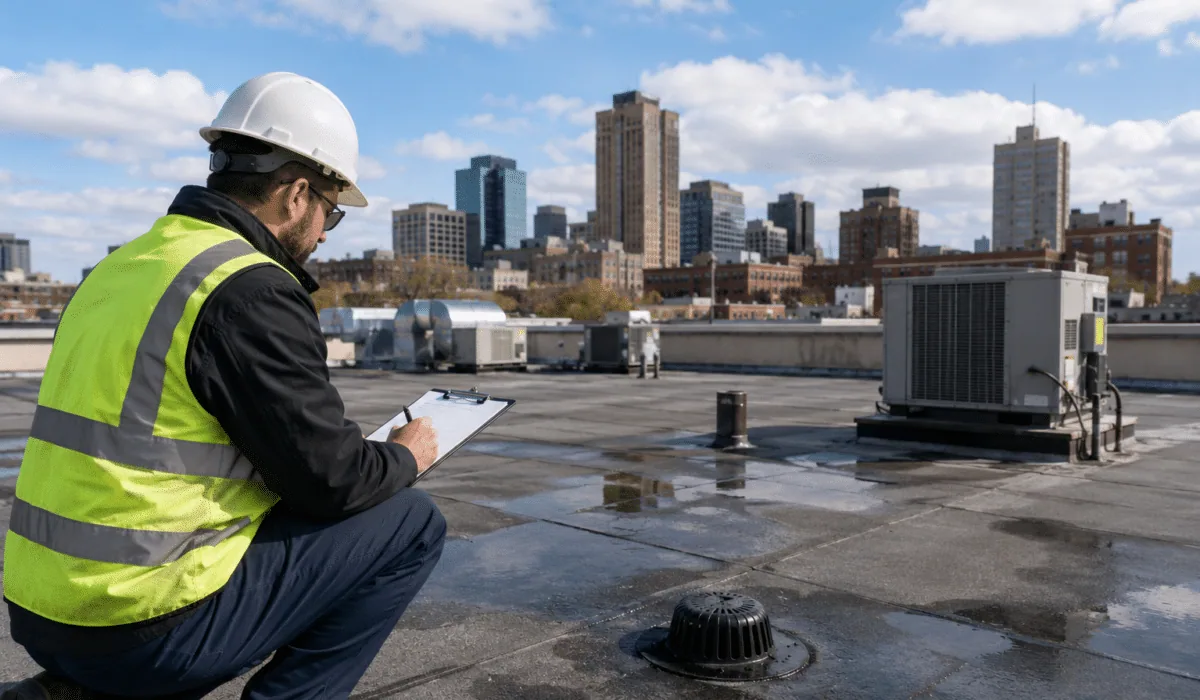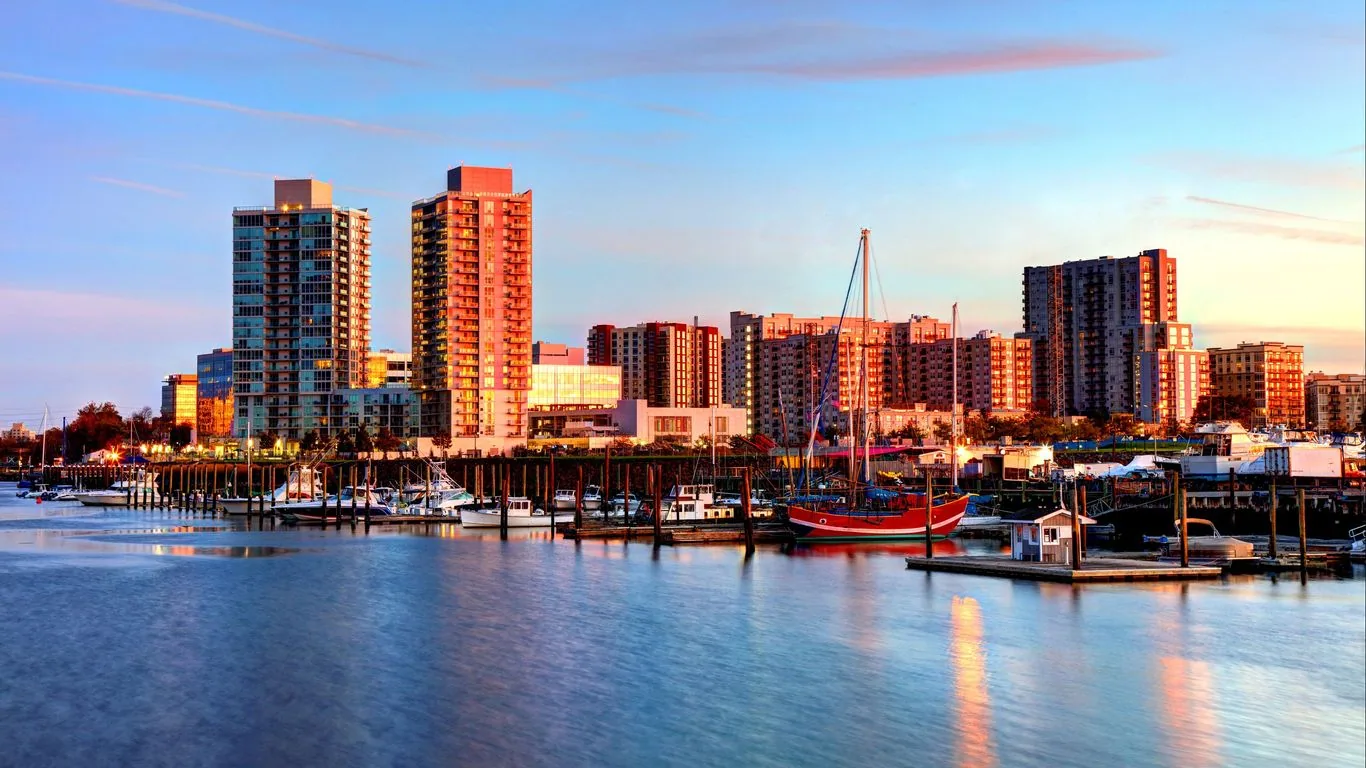
A lifted edge can let wind-driven rain work under the membrane before water appears inside. In Waterside, Stamford, CT, we start at the roof perimeter and trace the condition through coping joints, terminations, penetrations, and drainage. Waterside is a named Stamford waterfront neighborhood. City resilience planning considers coastal wind, surge, rain, and shoreline infrastructure, which puts edge attachment, drainage, and water-entry details on the roof walk. We document the specific assembly before setting repair limits. A commercial roof inspection keeps the decision tied to the membrane, edge, and substrate actually reached.
Edge entry: inspect the perimeter first
At an exposed edge, coping, cleats, metal returns, and membrane termination have to direct water away from the wall. A loose splice or open corner can create a path behind the fascia. We check attachment, joint alignment, sealant condition, and the membrane turn-up below the metal. When the edge has moved, the surrounding roofing may have stretched or pulled away. We record the full transition so a repair reconnects the layers rather than covering only the visible gap.
Reports of interior water help focus the walk, but the entry point may sit farther across the roof. We compare each stain with slope, seams, equipment curbs, drains, and low areas. If more than one room is affected, each location gets a separate roof-side check before the areas are grouped. A leak repair needs to address the route water has taken and the opening it can be tied to. The scope also states whether insulation or deck condition remains concealed. Once the path is mapped, we check each connected detail before removal. A splice may need to be lifted to see whether the cleat or membrane beneath is sound. At a corner, we mark lap direction and photograph the turn into the wall. Drainage notes record whether water reaches the outlet or remains at a low area. Those observations set the repair edge and show why the scope includes metal work, membrane work, or both.
Waterfront planning: keep the roof record specific
Stamford's resilience planning considers coastal wind, surge, rain, and shoreline infrastructure. We inspect the perimeter, drain openings, membrane laps, and wall transitions after coastal weather. The manager's timeline helps us compare new observations with prior service notes and identify each roof section that needs follow-up.
Stamford reports recent population growth in Waterside, Downtown, South End, and West Side. A manager overseeing several locations can sequence work across South End and Cove and East Side while keeping roof records separate. We identify the property, membrane, opening, moisture findings, access limits, and repair boundary for each inspection. If the inspection could not reach a zone, that is stated with the next access step.
Drainage path: check bowls, overflow and scuppers
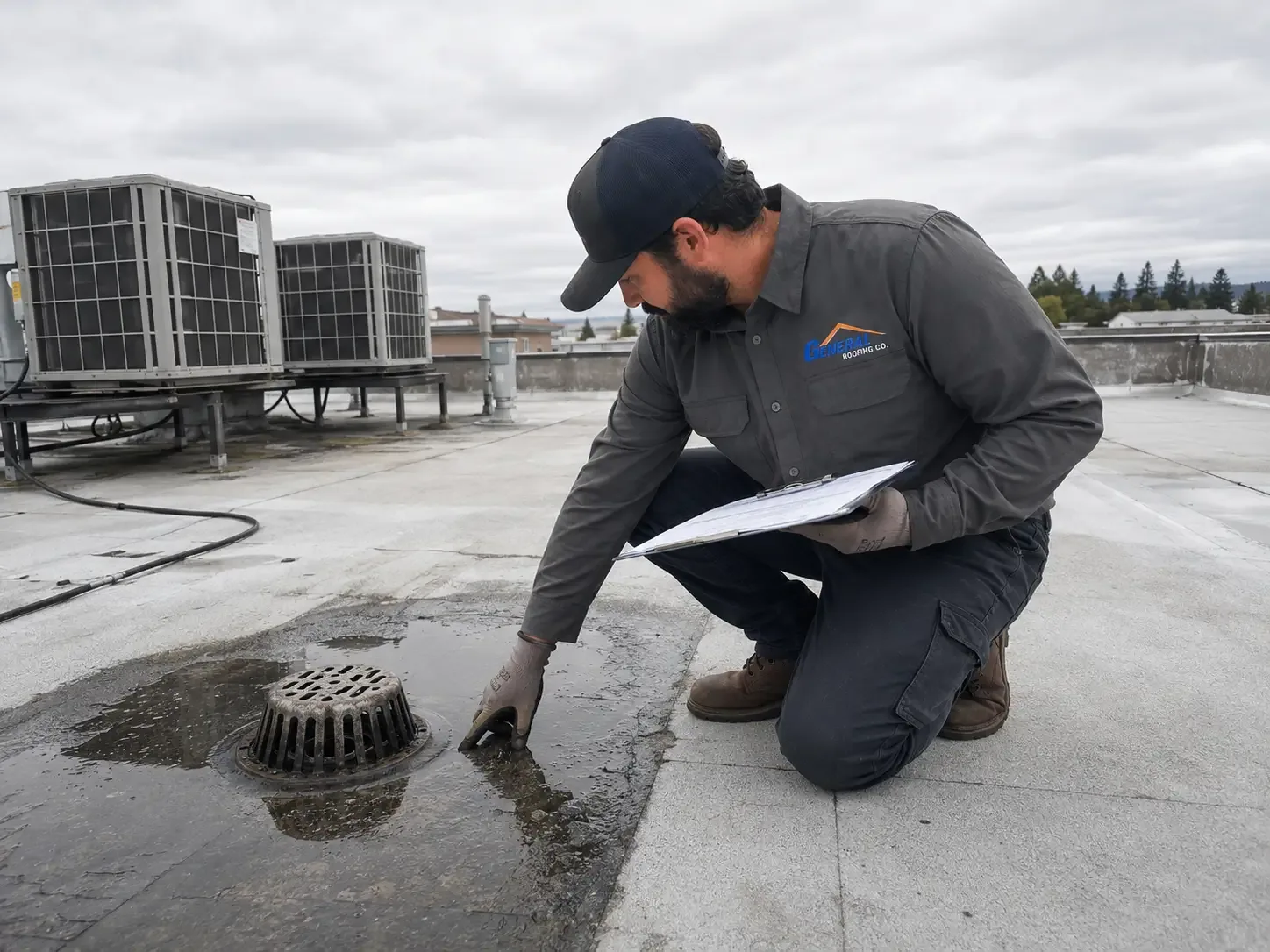
A drain can be clear at the strainer and still leak at the membrane connection. We inspect the bowl, clamping ring, flashing, overflow, and visible discharge route. Scuppers need a clear opening and secure metal at the wall. If debris has restricted flow, cleaning may restore drainage. If the deck has depressed, the flange has loosened, or the membrane has split around the bowl, the repair has to address the underlying detail. We note any water remaining during the visit and compare it with the timeline provided.
Water can travel along a seam or insulation layer before reaching the ceiling. The drain area, curb, and edge may all be part of that route. Drain and scupper service should include enough membrane work to restore a sound connection. If the affected insulation extends beyond the opening, we identify how much needs to be removed or tested. Closing the roof before the substrate is ready can trap moisture and leave the next leak point hidden.
Seams and penetrations: follow the field detail
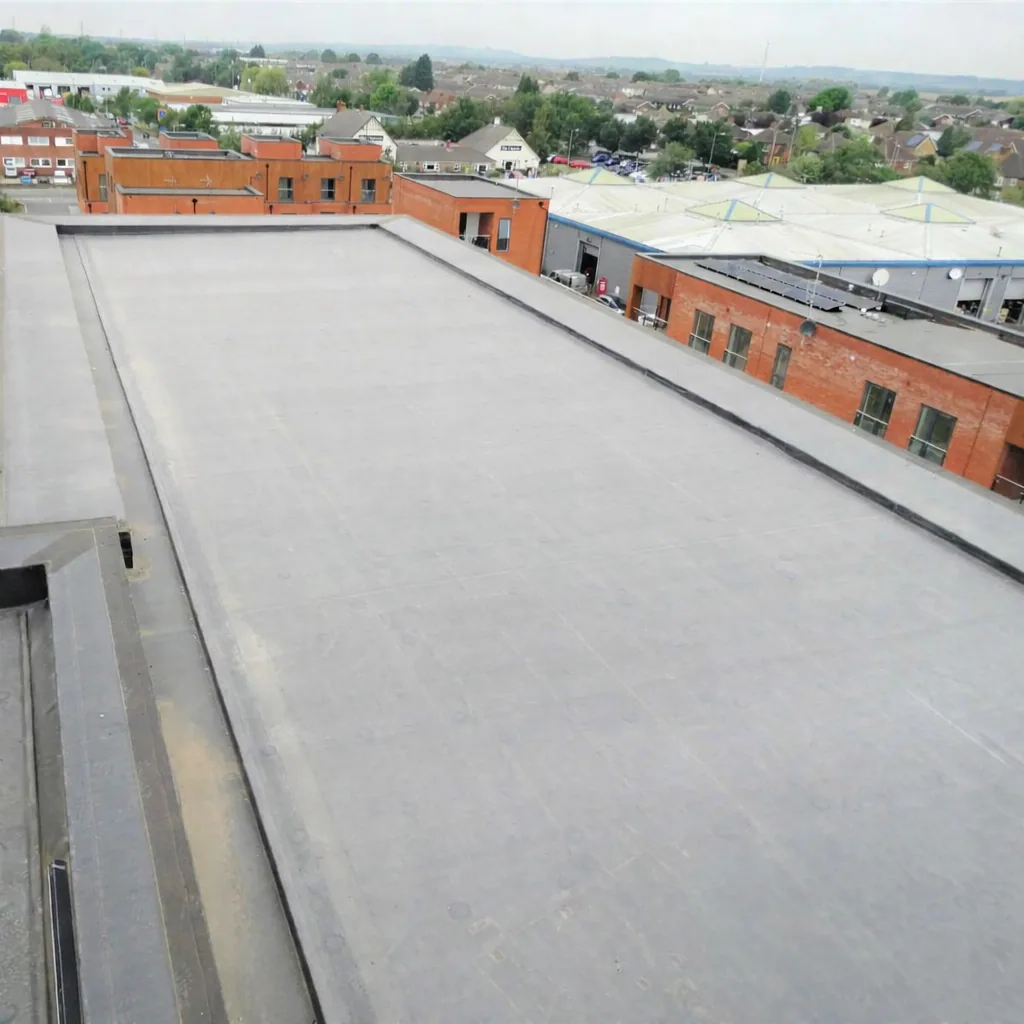
A seam may split where sheet movement meets a fastener line or curb corner. We identify the material and inspect the lap, weld or adhesive bond, and nearby flashing. A thermoplastic weld may need a test and preparation; an EPDM splice uses compatible primer and tape. Coated roofing calls for a clean, sound surface. The chosen method cannot be based on appearance alone. We check whether the membrane is attached around the defect and whether the substrate can support a repair.
Penetrations deserve the same pass. A vent, pipe, or equipment curb interrupts the field and creates a transition that can loosen over time. We inspect flashing height, sealant, fasteners, and the membrane tie-in, then note access requirements for any trade equipment. EPDM seam repairs each need surface preparation suited to the installed system. A written scope explains the material, repair area, and any adjacent detail that must be opened.
Repair boundary: restore a sound tie-in
When a seam has opened, we test the surrounding membrane and check moisture at the cut edge before deciding how much to remove. Flashing the opening is not enough if insulation below has taken water. Mark the repair limit at dry, attached material, then leave enough room for a sound lap or weld. If the check finds wider saturation, protect the opening and price the added removal separately.
More than one weak detail does not automatically require a new roof. Preventive roof maintenance makes sense when the field still holds and the work can keep small defects from spreading. A coating needs a compatible, dry base. A recover option starts with attachment, insulation, and deck checks; adding layers over wet material only traps a defect. We state what the assembly can support now and which finding would favor replacement.
Cost and timing: account for preparation
Cost depends on membrane type, affected area, connected edge and curb details, removal, moisture below the surface, and access for labor and equipment. A perimeter repair may require metal and membrane work together. A drain opening may require enough removal to reach dry substrate. Interior protection, testing, and temporary dry-in can change the labor plan. We state these assumptions in the scope so the manager can see what is covered and what condition could add work.
Timing depends on weather, safe access, surface dryness, and material compatibility. A repair surface needs cleaning and preparation before a new tie-in can hold. A larger opening may need dry-in before the final membrane detail is installed. A photo condition report can preserve observations for budgeting and later comparison. We provide a written repair scope or a broader system recommendation based on the roof walk. That record should make the next decision clear without promising how long a concealed condition will remain unchanged.
Commercial Roofing Questions
Does Waterside's waterfront setting prove a roof has surge damage?
We inspect the roof details and document observed damage, water paths, and the repair limits supported by the assembly.
Why start at the perimeter after a heavy rain?
A loose coping splice, open termination, or membrane edge can admit water behind the wall. We inspect those connections and compare them with the reported interior path and nearby drainage.
How do you distinguish a leaking drain from another roof opening?
A drain is the source only when its bowl, flashing, or membrane connection shows an opening tied to the reported path. We compare those details with nearby seams and curbs before linking the interior mark to the outlet.
What if the roof needs more than a local patch?
Wet insulation, loose attachment, or repeated seam failure can move the scope toward broader work. We document the condition and compare repair, recover, coating, and replacement options where suitable.